Loading video…

 29 Concepts
 4.5K views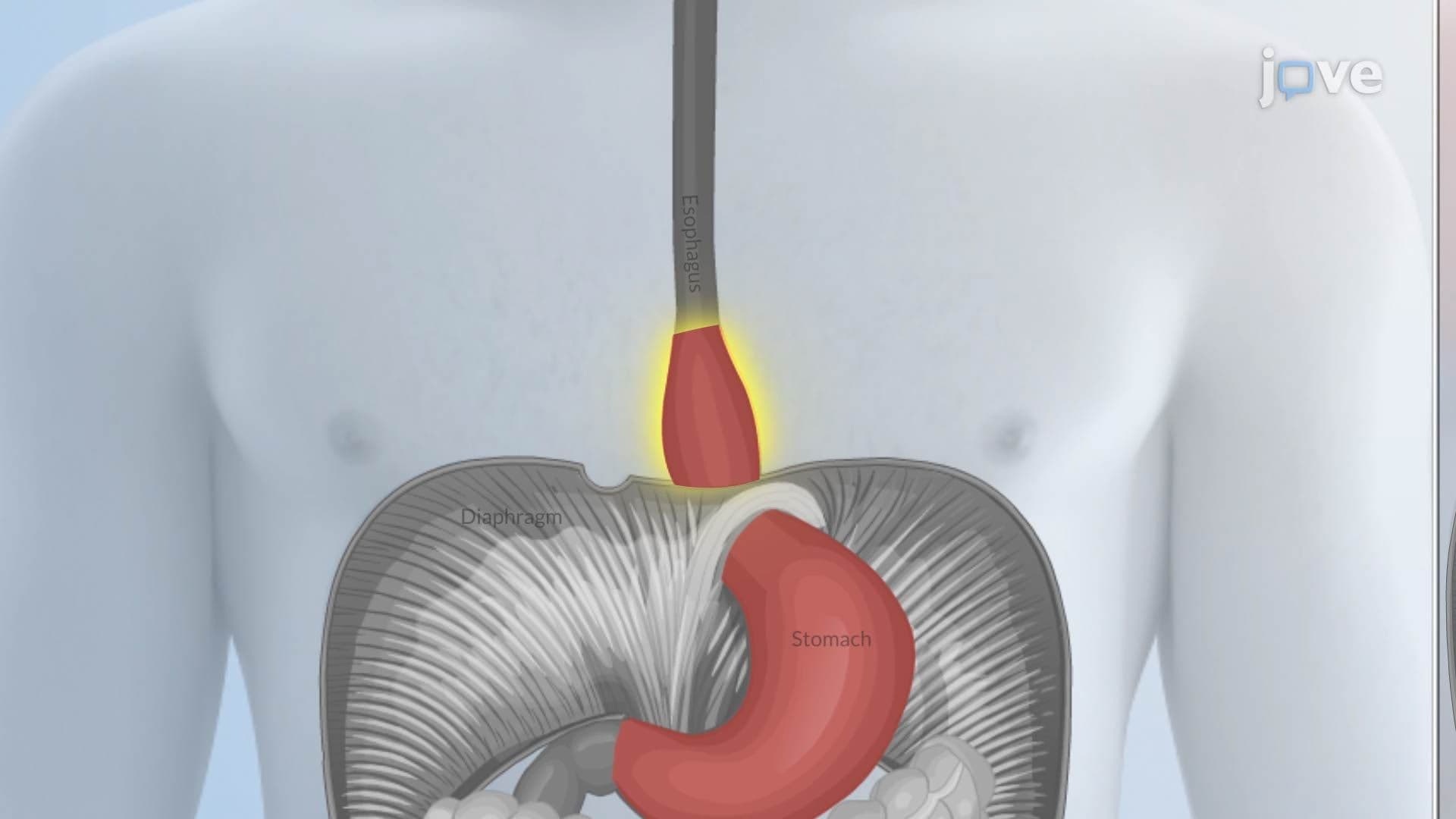

Video Summary: What Is Hiatal Hernia
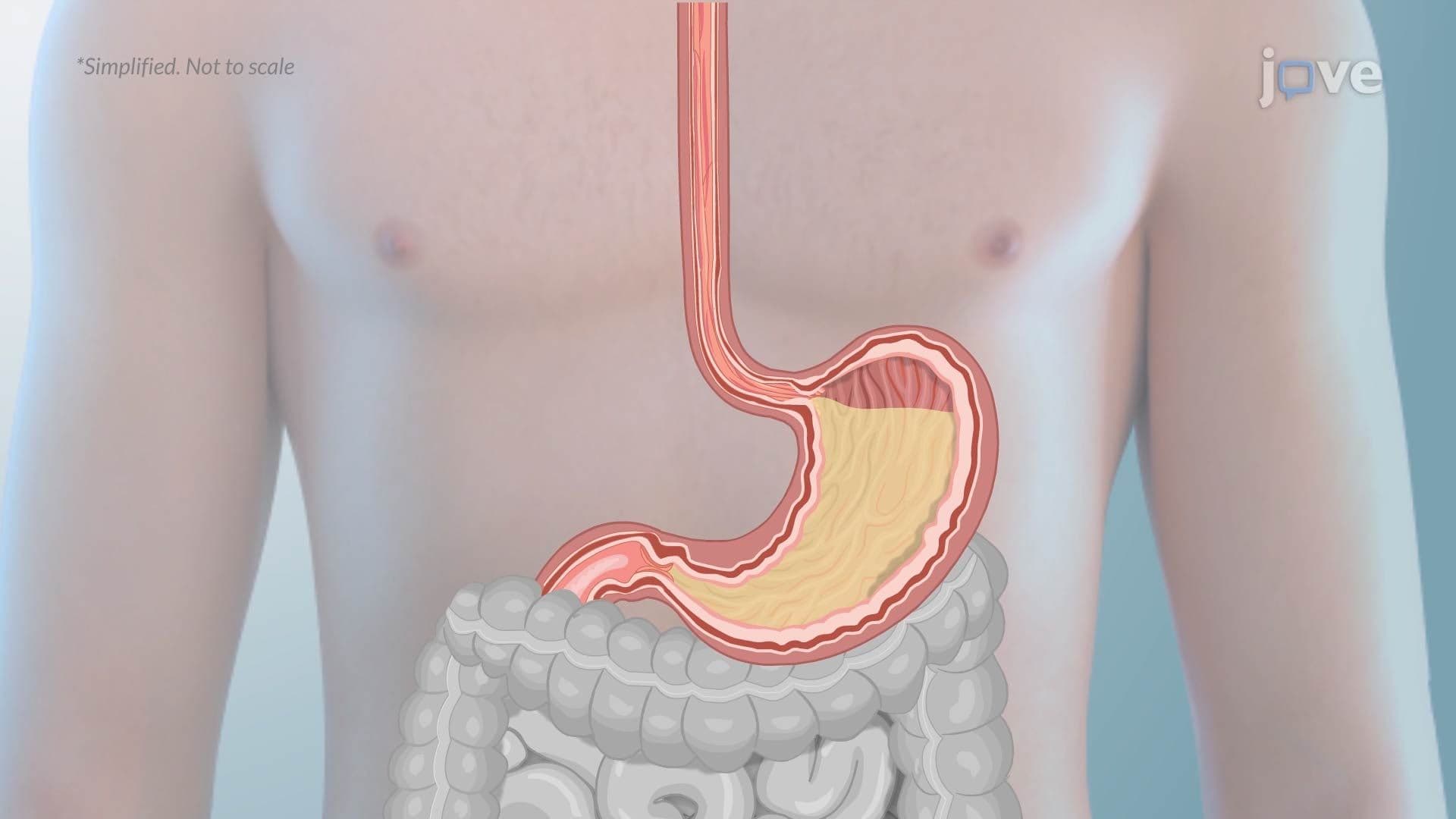
Ever wonder why some people experience severe heartburn even without eating spicy food? The answer might lie in a hiatal hernia, a condition where part of the stomach pushes through the diaphragm into the chest cavity. Common in adults over 50 across the US, this structural defect directly disrupts normal digestion. Watch the full video on JoVE Coach to master this concept with expert-led visuals and step-by-step explanations.
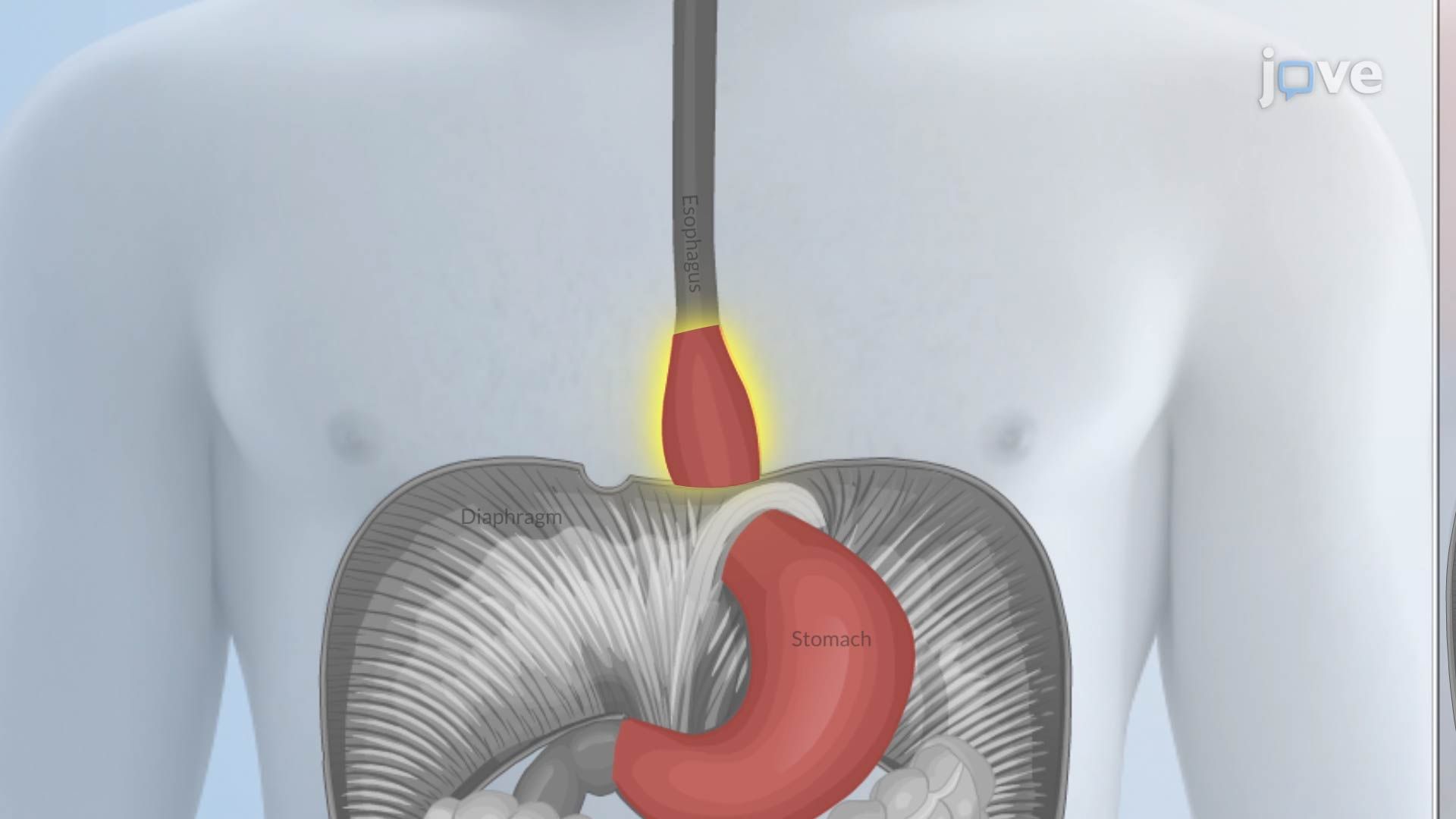
A hiatal hernia occurs when the stomach, or in severe cases, other abdominal organs, abnormally pushes upward through the esophageal hiatus, an opening in the diaphragm designed only for the esophagus. Under healthy conditions, the gastroesophageal junction (GEJ) sits firmly below the diaphragm, held in place by the phrenoesophageal membrane and the diaphragmatic crura. When these anchoring structures weaken, the boundary between the abdomen and thoracic cavity becomes compromised. This is not a rare condition, estimates suggest hiatal hernias affect up to 20% of American adults, with prevalence rising sharply after age 50.
Understanding the four types is essential for any student in anatomy, nursing, or pre-med coursework:
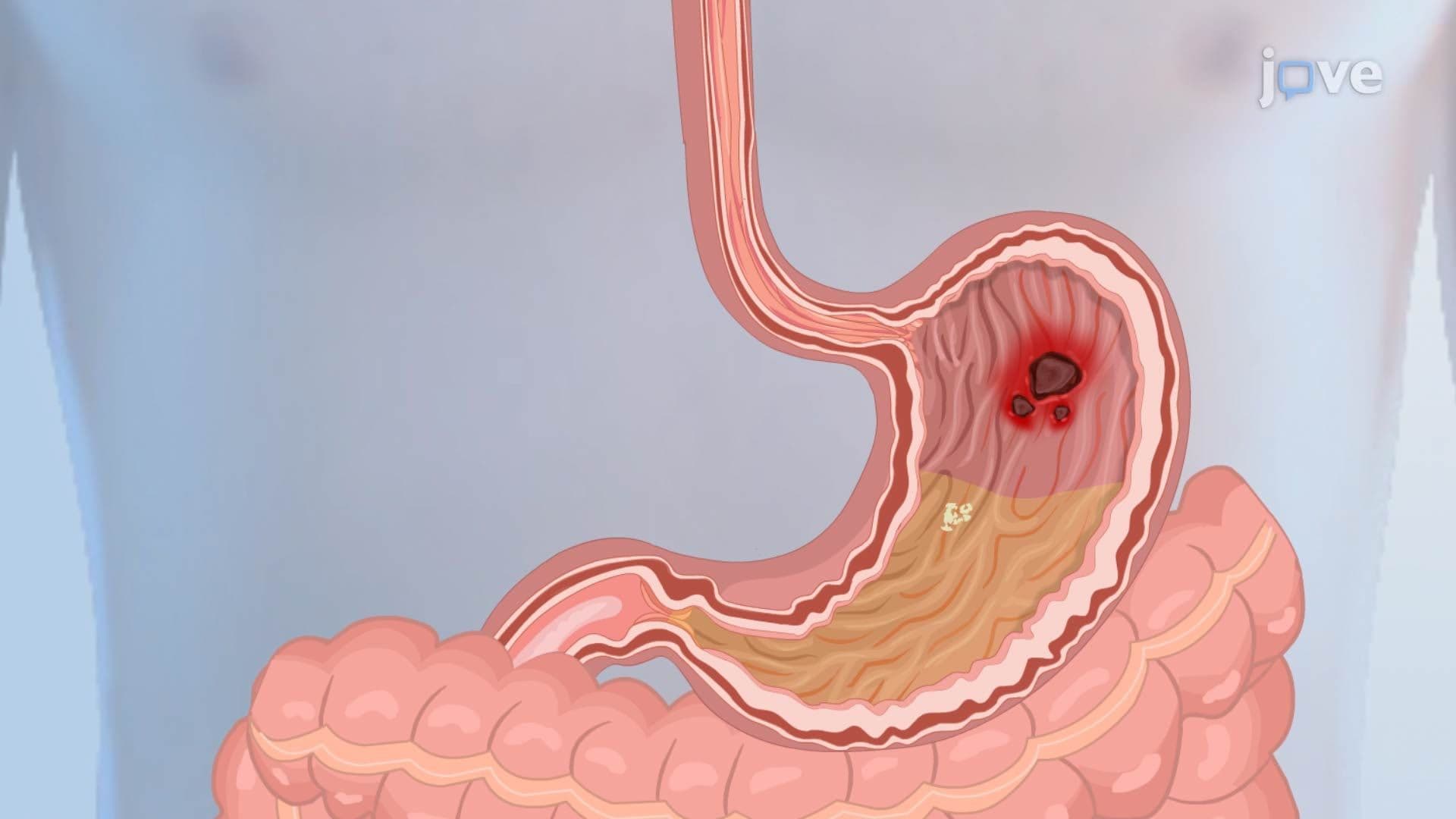
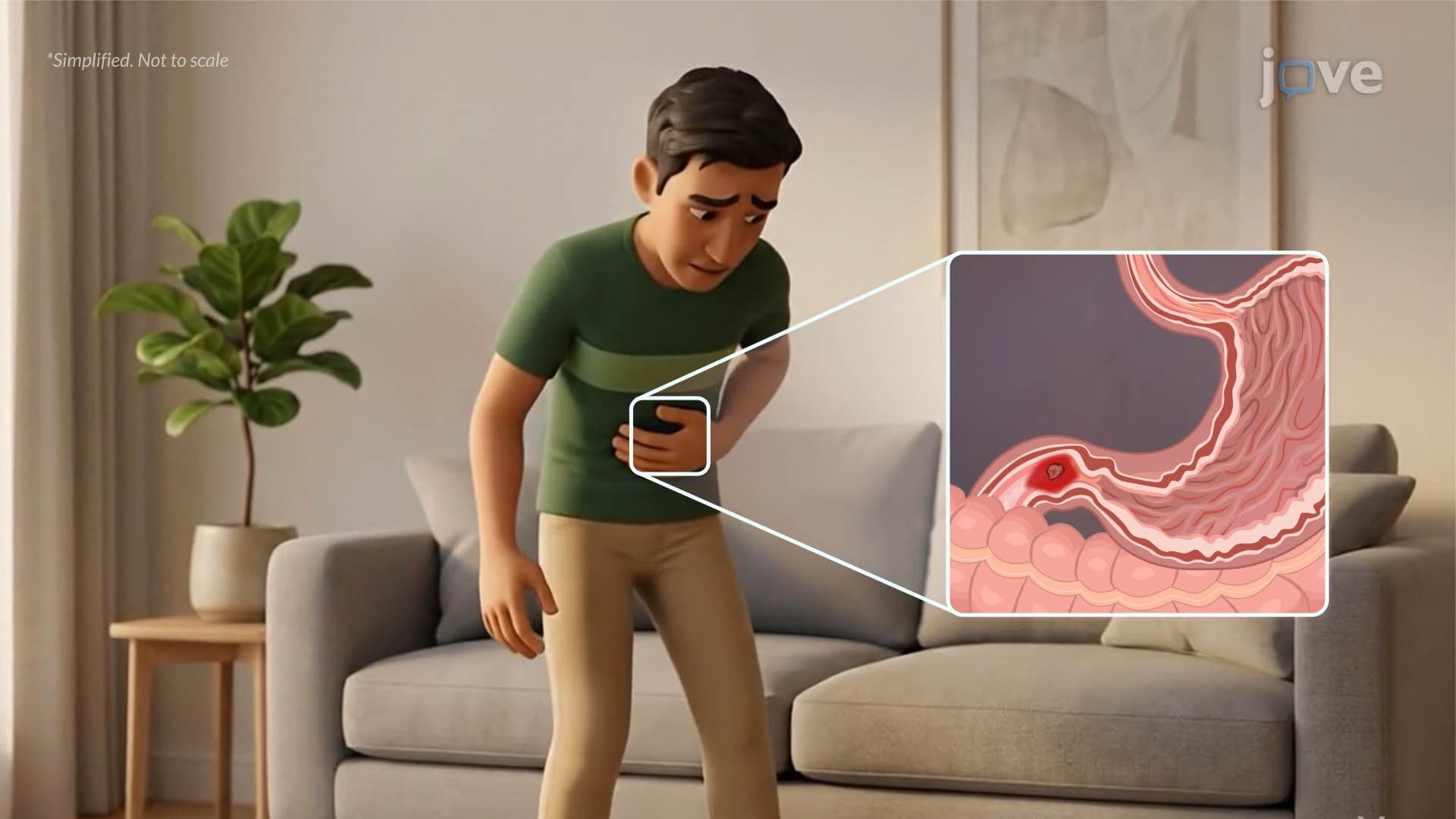
Hiatal hernias develop when intra-abdominal pressure chronically exceeds what the supportive connective tissue can withstand. Conditions such as pregnancy, obesity, chronic coughing, or repeated heavy lifting are common contributors. Aging plays a central role as well, collagen degradation reduces the integrity of the phrenoesophageal membrane over time. In clinical and academic settings, students often encounter hiatal hernia alongside discussions of peptic ulcer disease and gastrointestinal bleeding, since acid reflux from herniation can erode the esophageal lining.
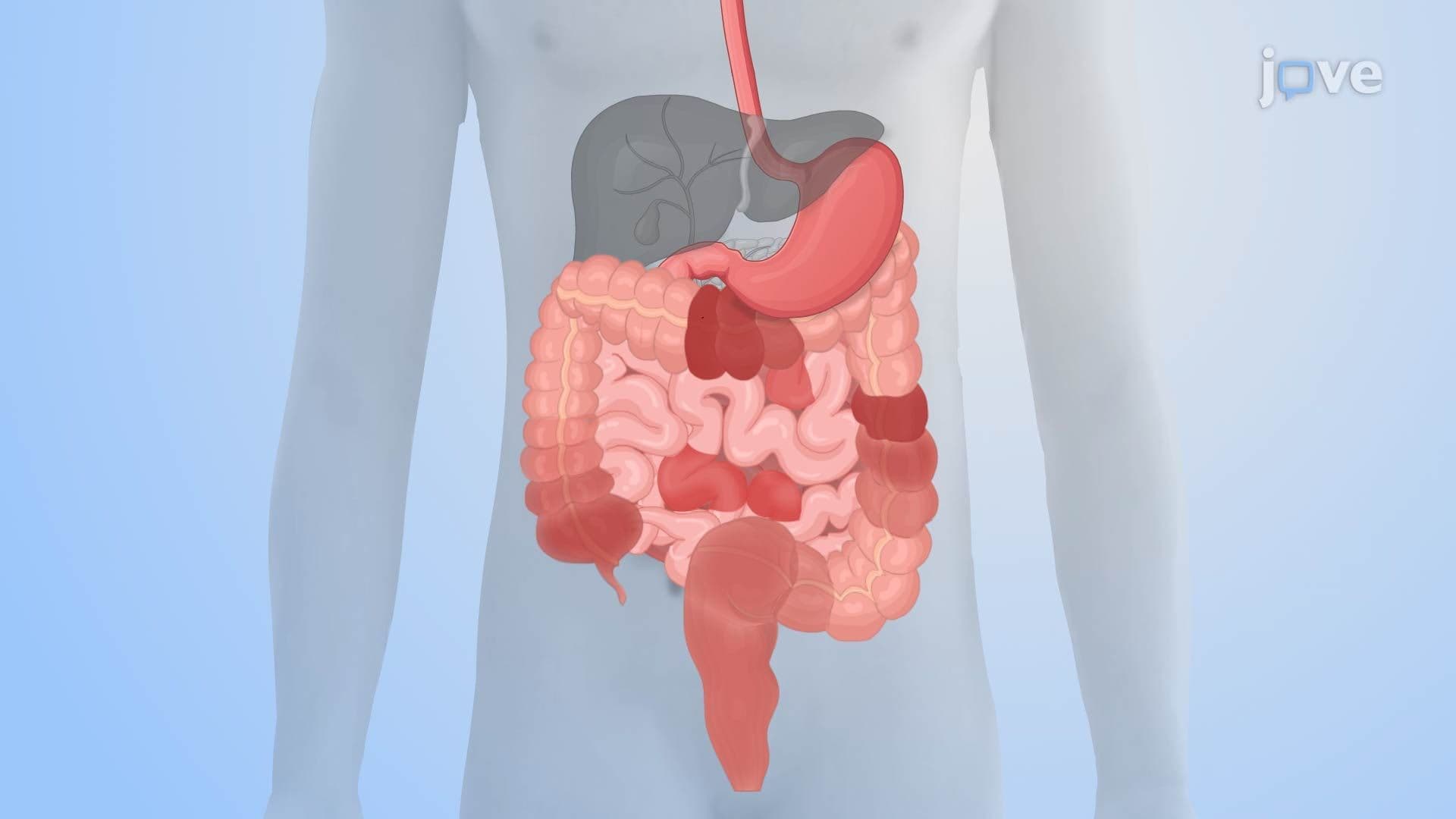
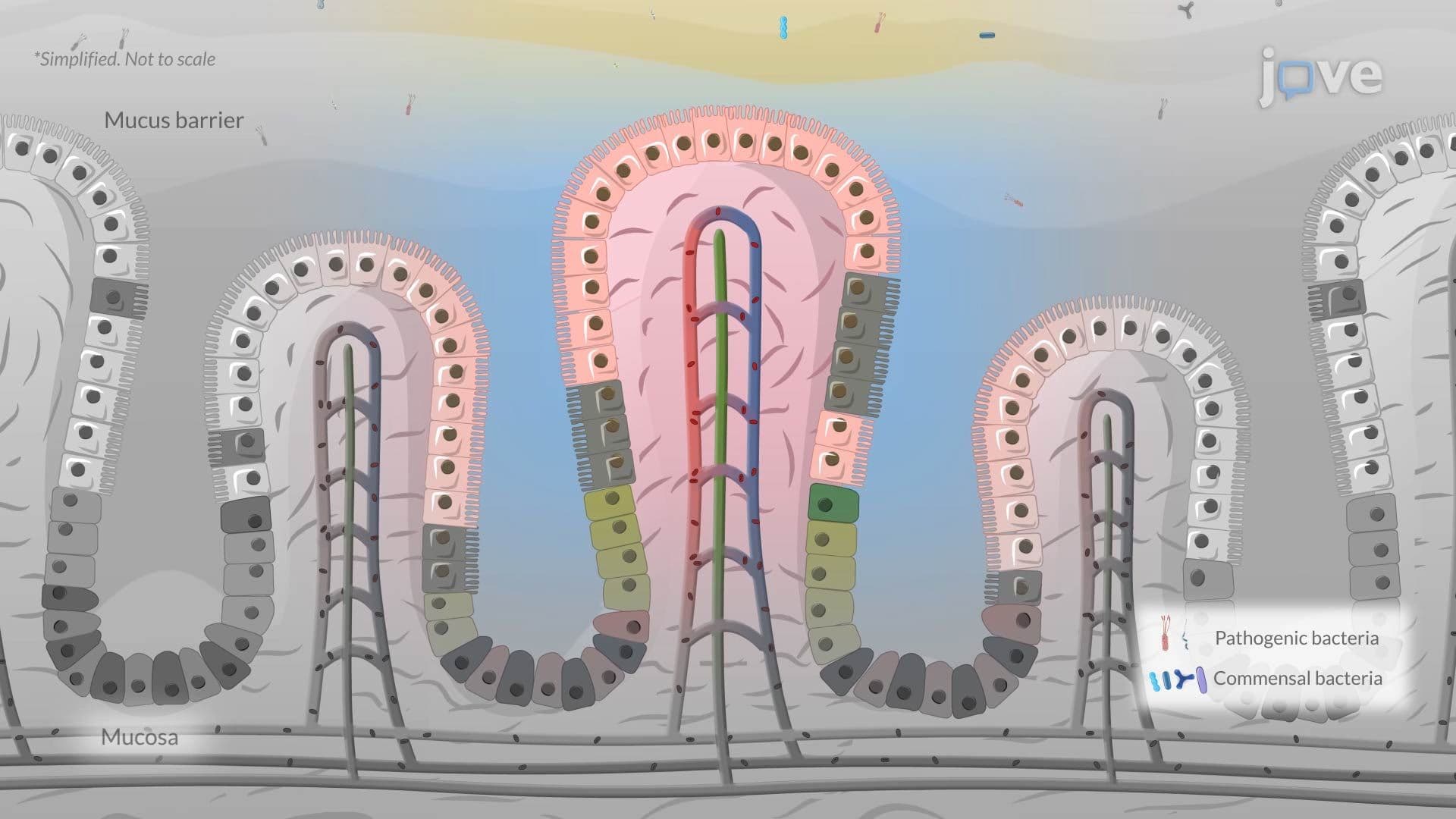
Hiatal hernia is frequently discussed alongside other upper GI disorders in US college courses and board exam prep. It is a primary structural cause of GERD, contributing to symptoms like chronic heartburn, regurgitation, and chest pain. Students preparing for the MCAT or USMLE should be able to distinguish hiatal hernia from conditions with overlapping presentations, including inflammatory bowel disease (IBD), celiac disease, and IBS. While IBD and celiac disease involve immune-mediated mucosal damage, and IBS is functional in nature, hiatal hernia is purely a mechanical/structural defect. Recognizing these distinctions is a high-yield skill for exam success and clinical reasoning alike.
Related Micro-courses