Loading video…

 29 Concepts
 4.5K views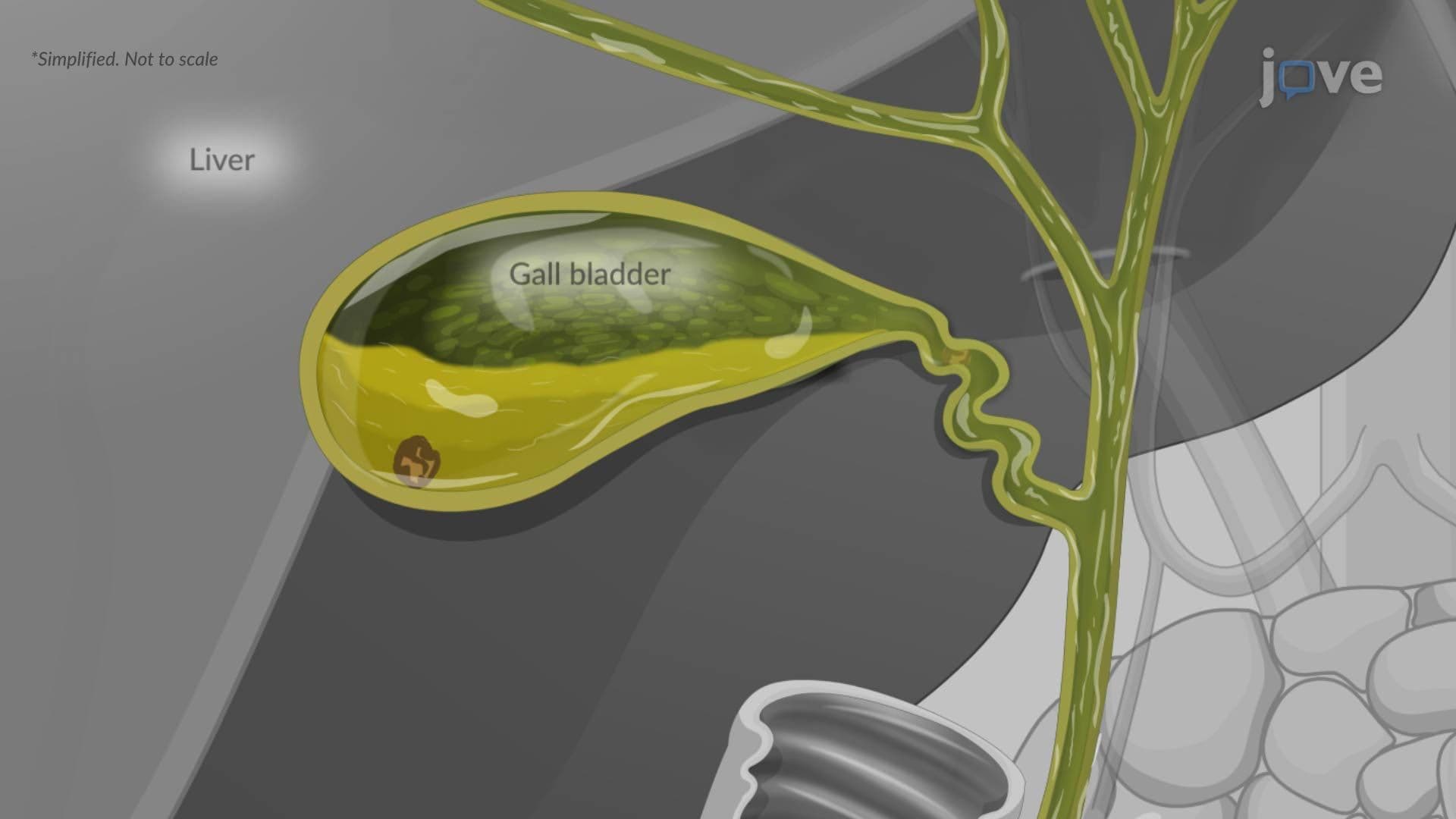

Video Summary: What Is Cholecystitis
Did you know your gallbladder can become dangerously inflamed just from a tiny hardened stone blocking one small duct? Cholecystitis, inflammation of the gallbladder, is one of the most common reasons Americans visit the emergency room each year. From bile buildup to tissue death, this condition follows a precise biological chain reaction. Watch the full video on JoVE Coach to master this concept with expert-led visuals and step-by-step explanations.
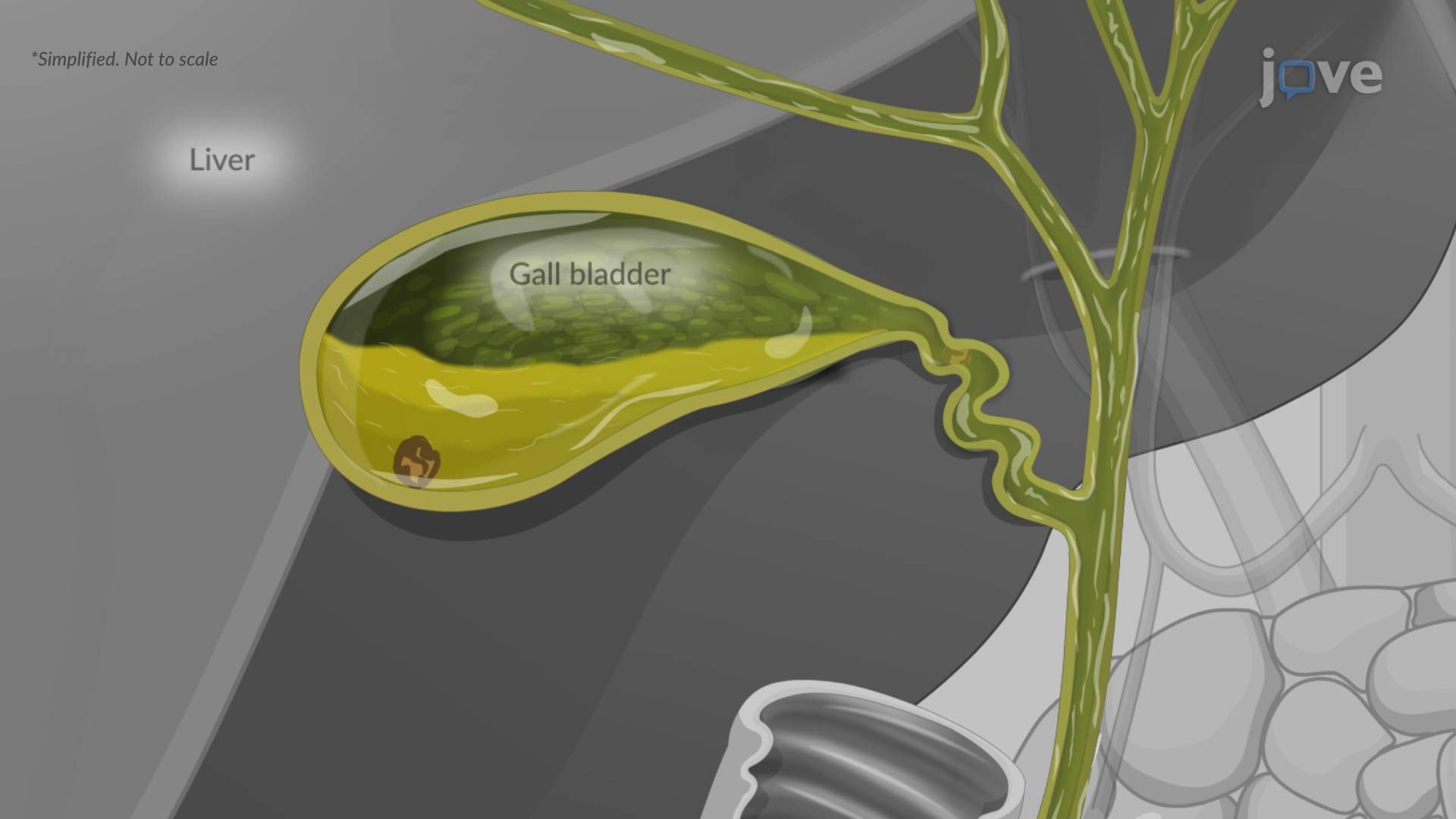
Cholecystitis is the medical term for inflammation of the gallbladder, a small pear-shaped organ nestled beneath the liver whose primary job is to store and concentrate bile. Bile is a digestive fluid produced by the liver and released into the small intestine to help break down dietary fats. When something disrupts that flow, most often a gallstone lodging in the cystic duct, the consequences can escalate from mild discomfort to a life-threatening surgical emergency. According to the American College of Surgeons, cholecystitis accounts for roughly 200,000 cholecystectomies (gallbladder removals) performed in the United States every year.
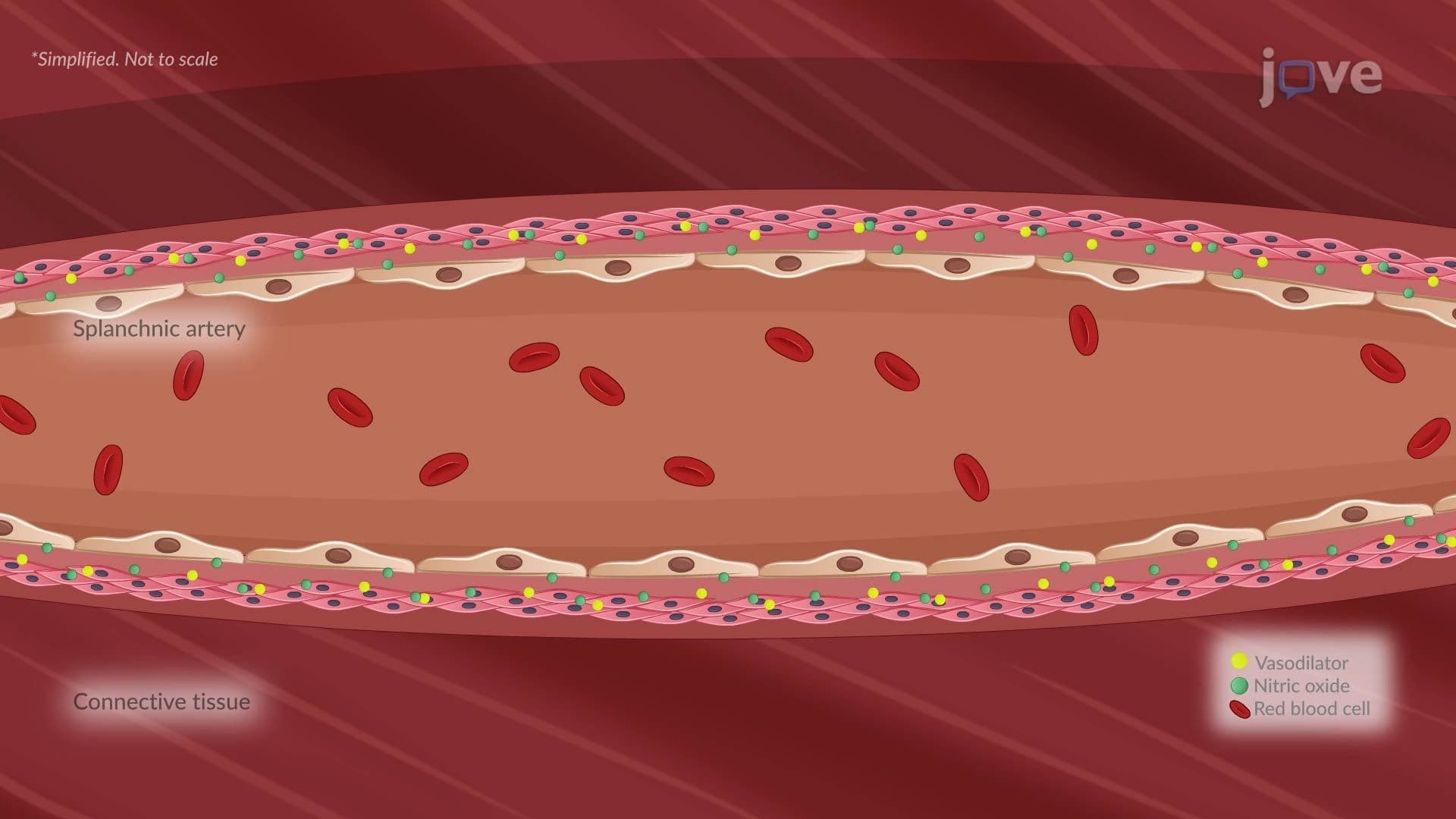
The overwhelming majority of cholecystitis cases, approximately 90-95%, are calculous, meaning they are caused by gallstones (cholelithiasis). A stone obstructs the cystic duct, trapping bile inside the gallbladder. The remaining cases are acalculous cholecystitis, which occurs without stones and is typically seen in critically ill patients in ICU settings across major US hospitals. In acalculous disease, bile stasis and reduced blood flow, common in trauma, sepsis, or prolonged fasting, trigger the same dangerous inflammatory cascade even without a mechanical blockage. Understanding this distinction is essential for MCAT and USMLE preparation, where clinical vignettes often feature ICU patients with unexplained right upper quadrant pain.
Once bile is trapped, intraluminal pressure inside the gallbladder rises steadily. This increasing pressure first compresses venous outflow, then impairs lymphatic drainage, causing progressive tissue congestion and swelling. As congestion worsens, oxygen delivery to the gallbladder wall drops, a state called hypoxia, which advances to frank ischemia if untreated. The fundus, the rounded tip of the gallbladder farthest from its blood supply, is the first region to suffer irreversible damage. Ischemia damages the mucosal lining, triggering the body's inflammatory response: neutrophils flood the gallbladder wall, and retained bile salts, which are chemically irritating, compound the injury. In severe cases, the wall undergoes necrosis or perforation, potentially spilling bile into the abdominal cavity and causing peritonitis, a surgical emergency.
A secondary bacterial infection develops in a significant subset of cholecystitis cases, most commonly involving gram-negative organisms such as *Escherichia coli* and *Klebsiella* species, the same bacteria frequently implicated in gastrointestinal infections more broadly. This is clinically critical: the presence of infection shifts management toward prompt antibiotic therapy alongside surgical consultation. Students preparing for NCLEX or college-level pathophysiology courses should recognize that bacterial cholecystitis overlaps conceptually with other gastrointestinal conditions involving mucosal breakdown, including peptic ulcer disease and severe cases of inflammatory bowel disease (IBD). Understanding how ischemia, inflammation, and infection interact in cholecystitis builds a strong conceptual framework for reasoning through complex GI pathology on any health sciences exam.
Related Micro-courses