Loading video…

 29 Concepts
 4.5K views

Video Summary: What Is Pyloric Obstruction
Ever wonder why some people vomit undigested food hours after eating? Pyloric obstruction, a critical concept in gastric physiology, occurs when the valve connecting the stomach to the small intestine becomes blocked, halting digestion. In US emergency rooms, this condition is commonly linked to severe peptic ulcer disease or stomach cancer. Understanding what is pyloric obstruction helps explain dangerous complications like metabolic alkalosis and dehydration. Watch the full video on JoVE Coach to master this concept with expert-led visuals and step-by-step explanations.
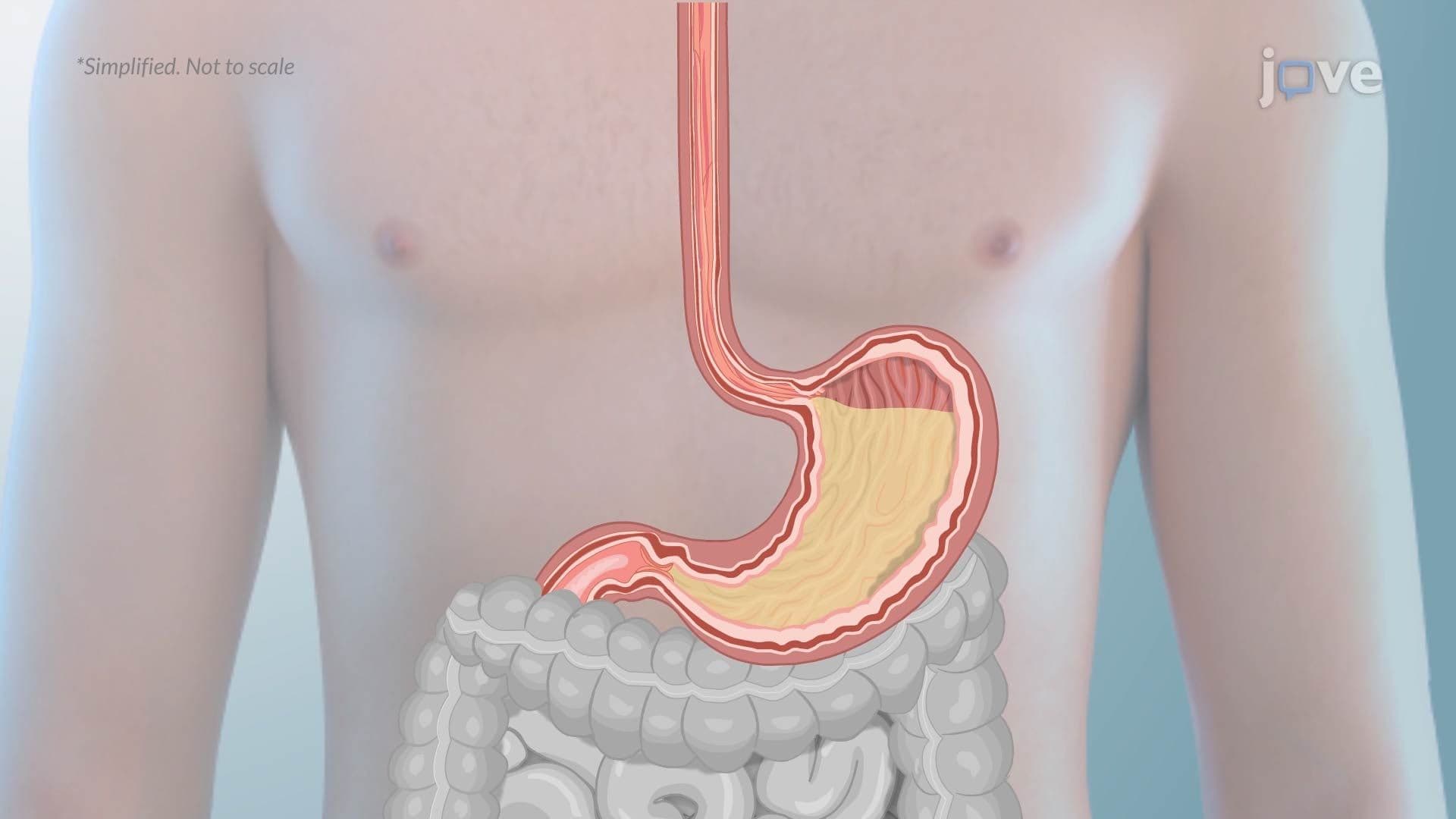
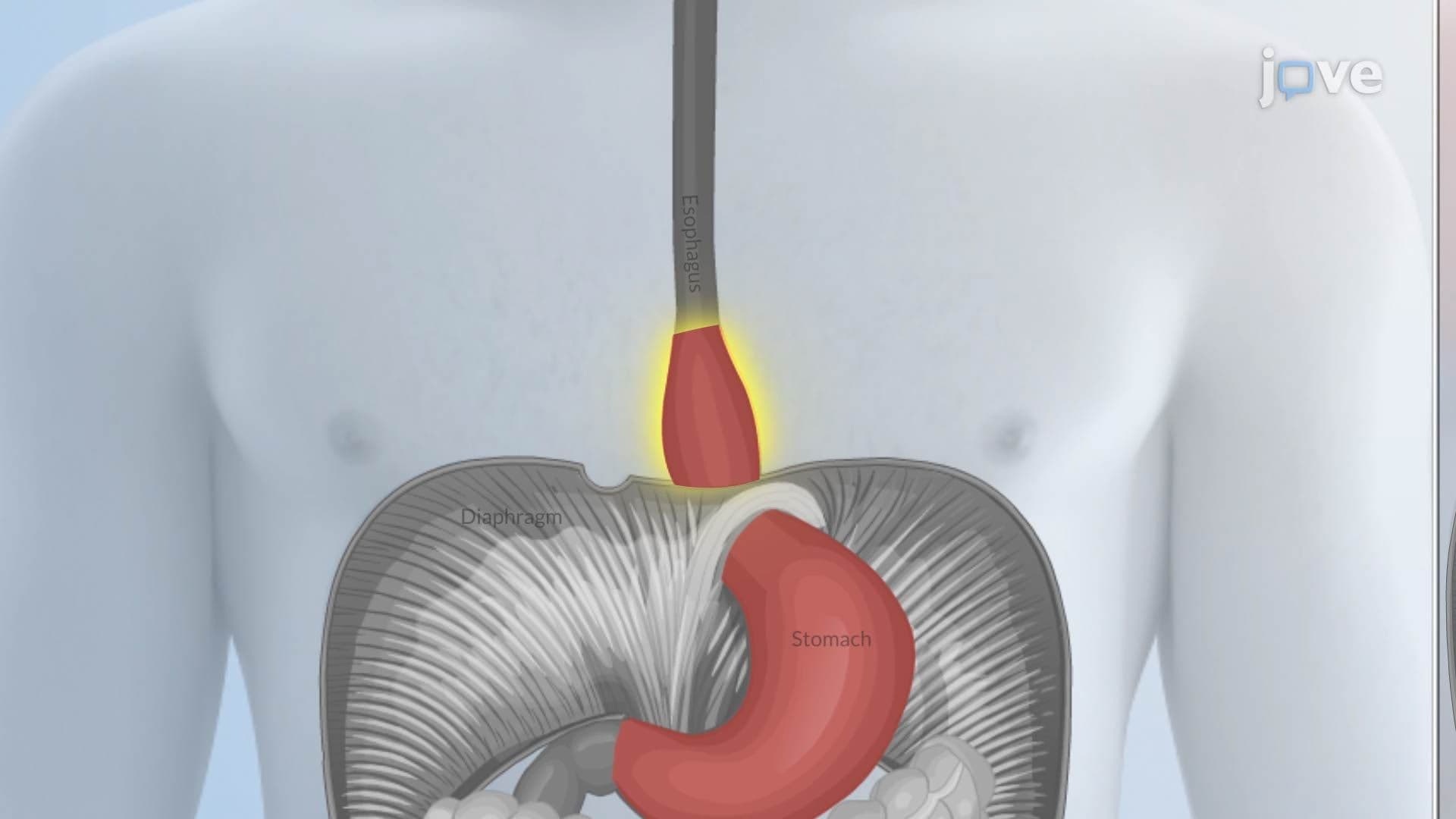
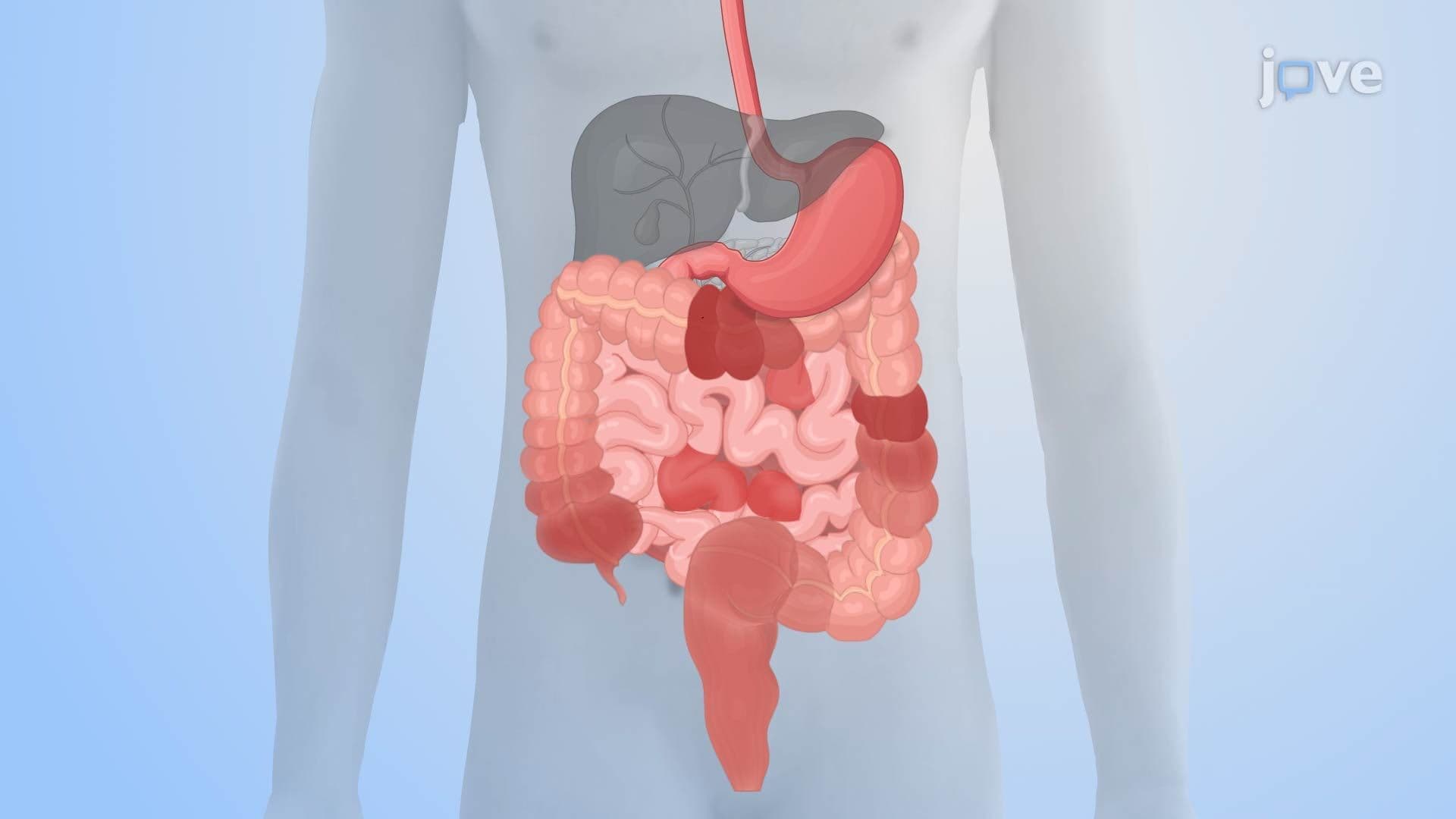
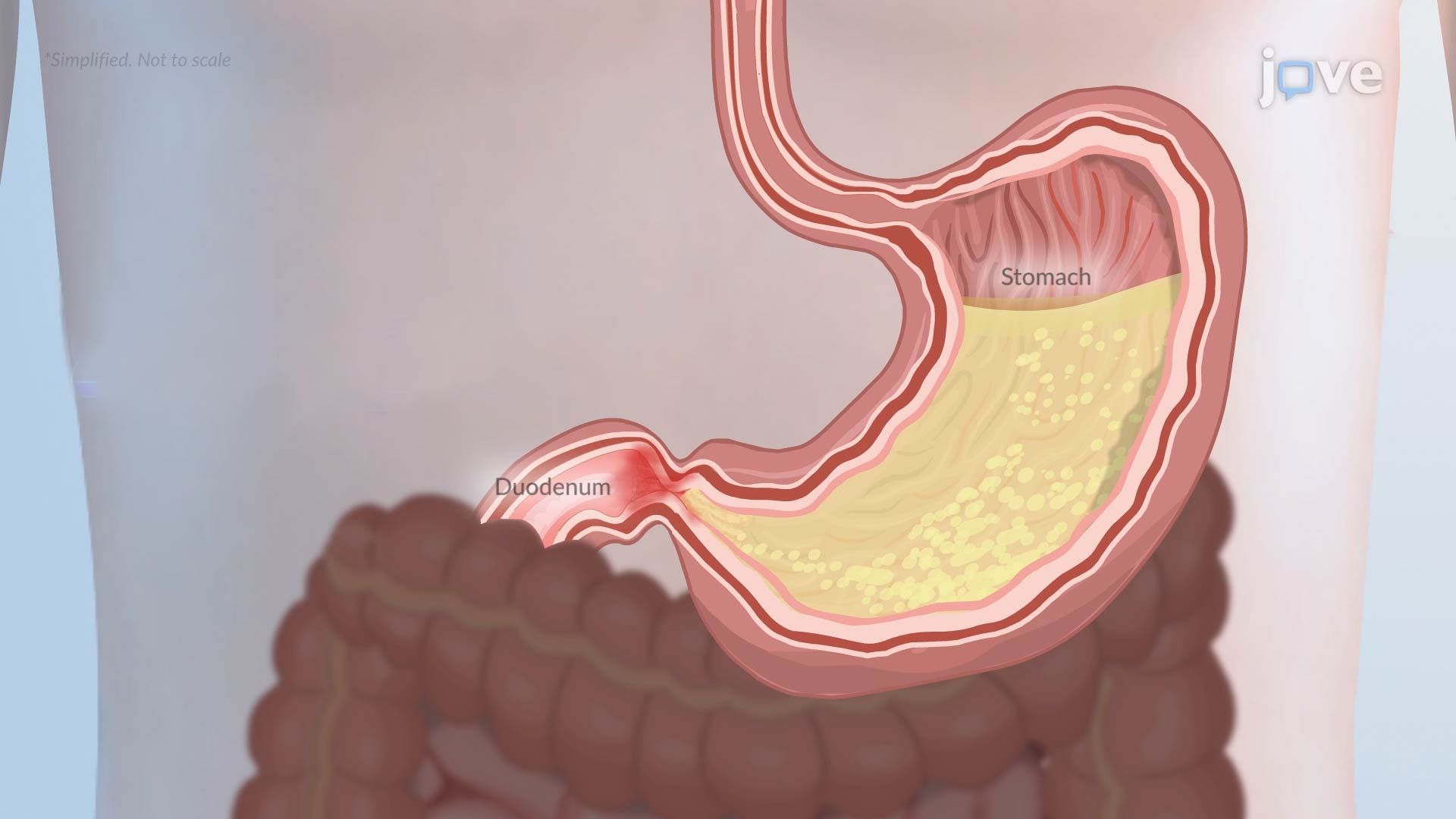
Pyloric obstruction is a form of gastric outlet obstruction in which the pylorus, the muscular valve separating the stomach from the first section of the small intestine called the duodenum, becomes so narrowed or blocked that food and fluids cannot pass through normally. Think of the pylorus like a gate at the end of a highway on-ramp: when that gate jams, traffic backs up and nothing moves forward. In medical terms, this "traffic backup" means the stomach becomes progressively distended with retained gastric contents, triggering a cascade of serious physiological problems.
This concept is foundational in anatomy, physiology, and pre-health courses across US colleges and is frequently tested on exams such as the MCAT and USMLE Step 1.
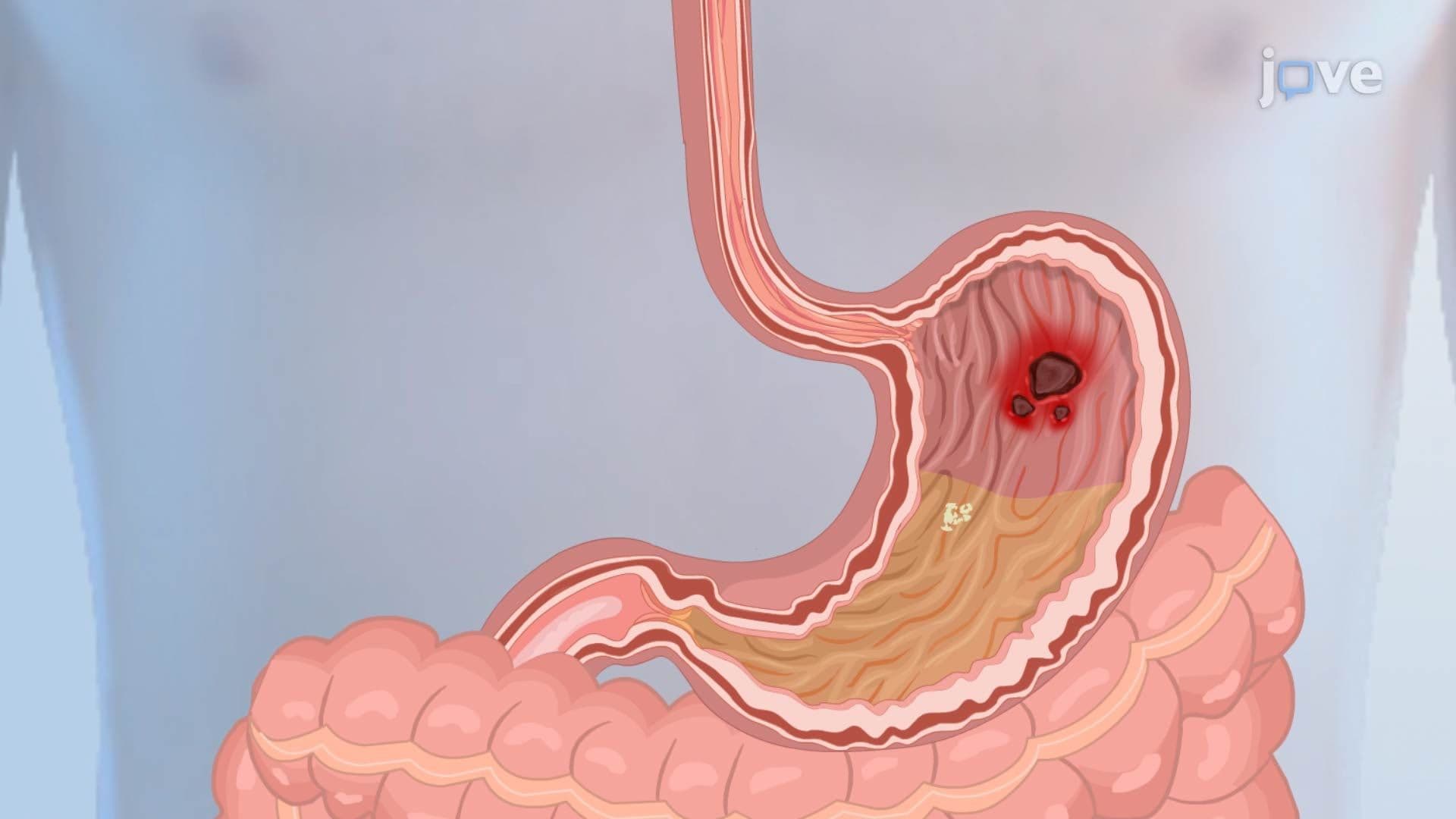
Pyloric obstruction can arise from two broad categories of causes. Non-cancerous causes are the most commonly discussed in undergraduate coursework and include chronic peptic ulcer disease (PUD), in which repeated cycles of ulceration and healing produce scar tissue that gradually narrows the pyloric canal. Other non-cancerous contributors may include severe inflammation or fibrosis near the pyloric region.
Cancerous causes, while less common, are clinically significant. Gastric carcinoma, a leading cause of cancer-related death in the US, and duodenal carcinoma can grow into or compress the pyloric region, creating a mechanical blockage. Understanding the distinction between these two cause categories is essential for answering clinical reasoning questions in college biology and pre-med courses.
Students often encounter pyloric obstruction alongside related gastrointestinal conditions. GERD (gastroesophageal reflux disease) involves acid moving upward from the stomach, while pyloric obstruction traps contents downward. Peptic ulcer disease is both a cause and a context: chronic ulcers near the pylorus are one of the most direct pathways to obstruction. Inflammatory bowel disease (IBD) and celiac disease, while affecting different parts of the GI tract, share symptoms like abdominal distension and vomiting, which is why differential diagnosis matters in clinical settings.
Recognizing these distinctions helps students avoid common multiple-choice traps on the MCAT and AP Biology exams, where overlapping GI symptoms are frequently used to test conceptual precision.
When the pylorus is obstructed, persistent vomiting becomes the body's primary, though counterproductive, response to gastric distension. Each episode of vomiting expels large quantities of hydrochloric acid (HCl), sodium, potassium, and fluid. This leads to three hallmark electrolyte abnormalities:
These imbalances can become life-threatening if untreated. In US hospital settings, patients presenting with suspected pyloric obstruction undergo blood chemistry panels to assess electrolyte status before any surgical intervention. For students, this chain of events, obstruction → vomiting → acid loss → alkalosis, is a classic pathophysiology sequence that appears regularly in college midterm exams and NCLEX-style practice questions.
Related Micro-courses