Loading video…

 35 Concepts
 5.1K views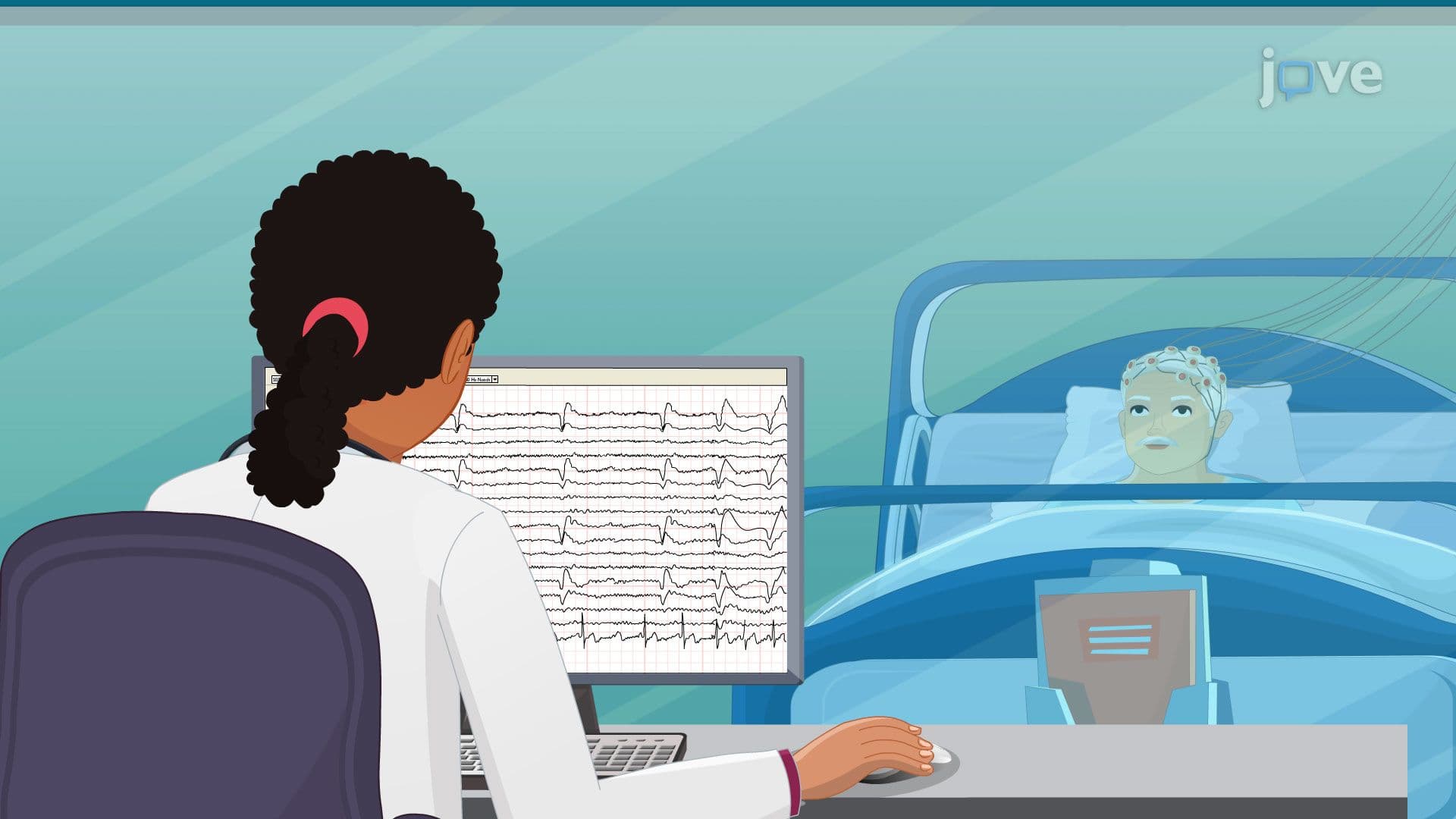

Video Summary: What Is Seizures L
Ever wonder what's actually happening in the brain during a seizure? Seizures L basics reveal that a seizure is a sudden burst of abnormal electrical activity that temporarily disrupts normal brain function, and it affects roughly 3.4 million Americans living with epilepsy today. From a football player collapsing on the field to a student experiencing a brief "staring spell" in class, seizures take many forms. Watch the full video on JoVE Coach to master this concept with expert-led visuals and step-by-step explanations.
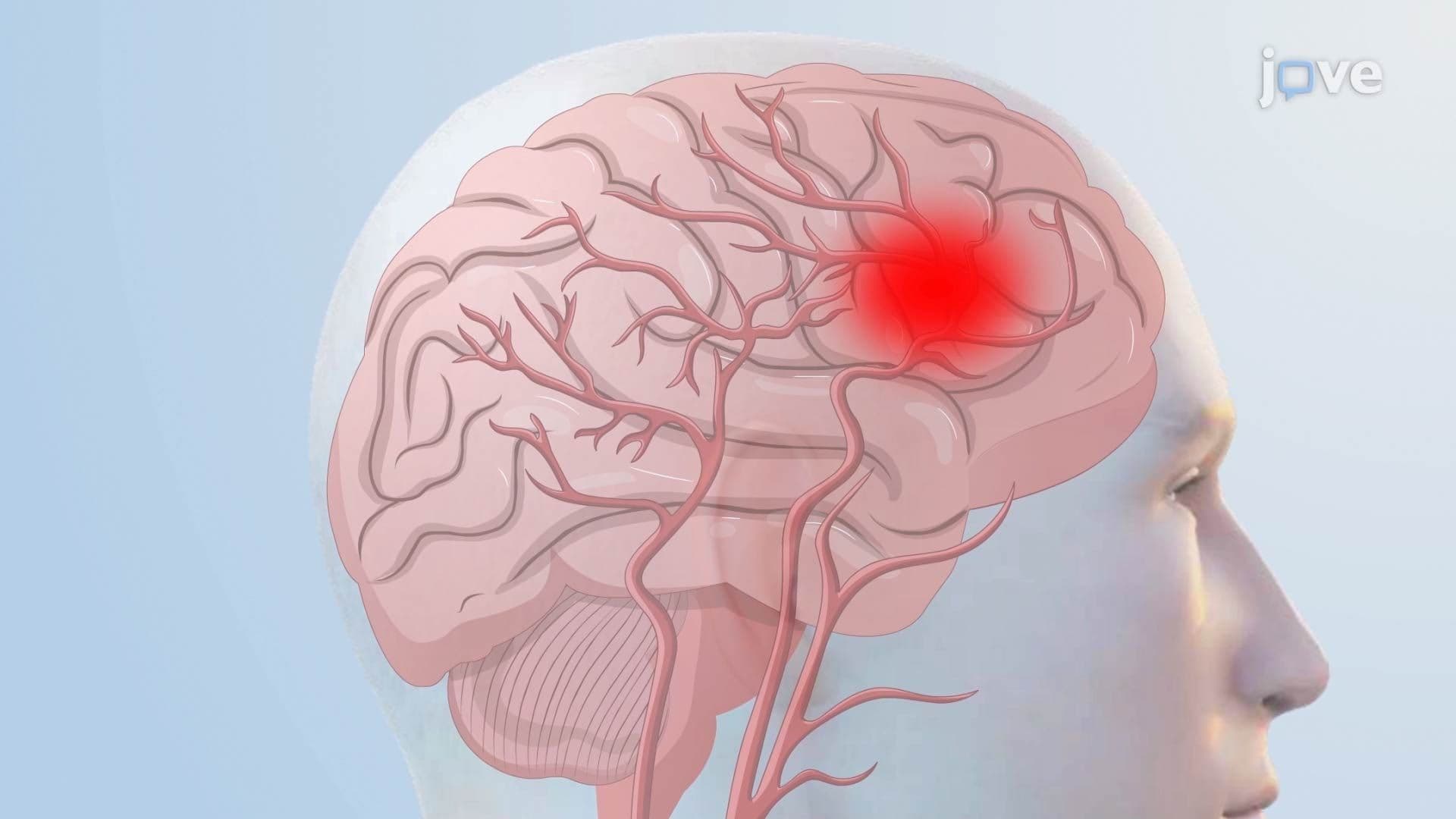
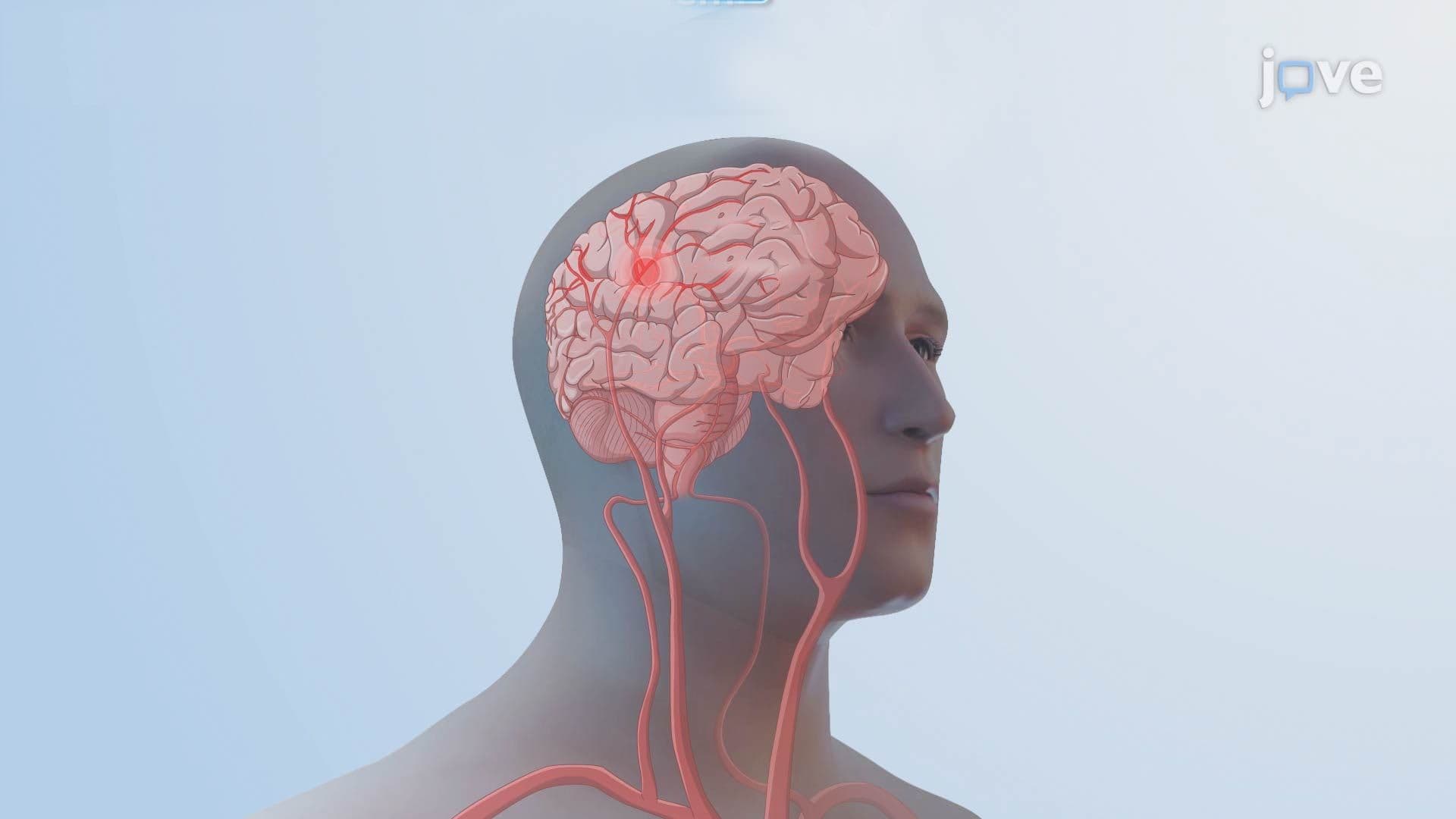
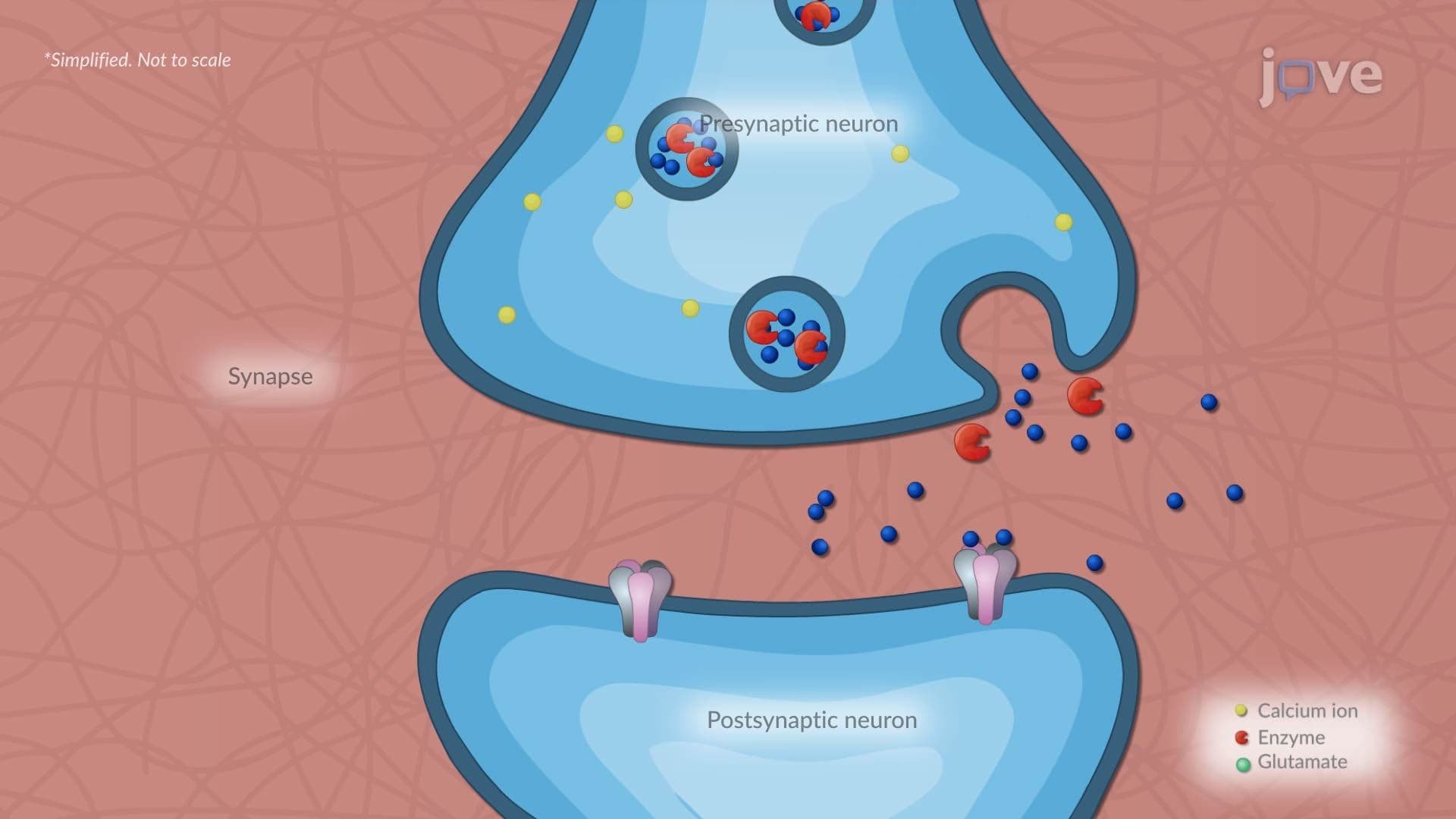
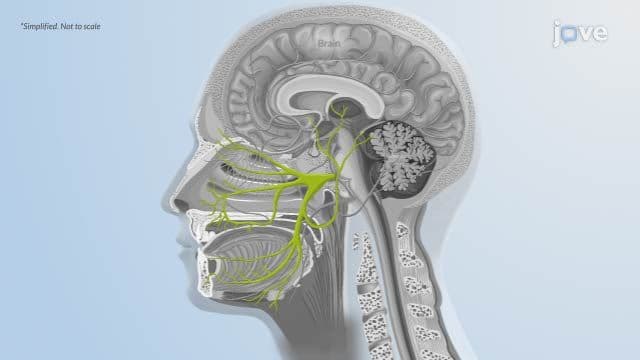
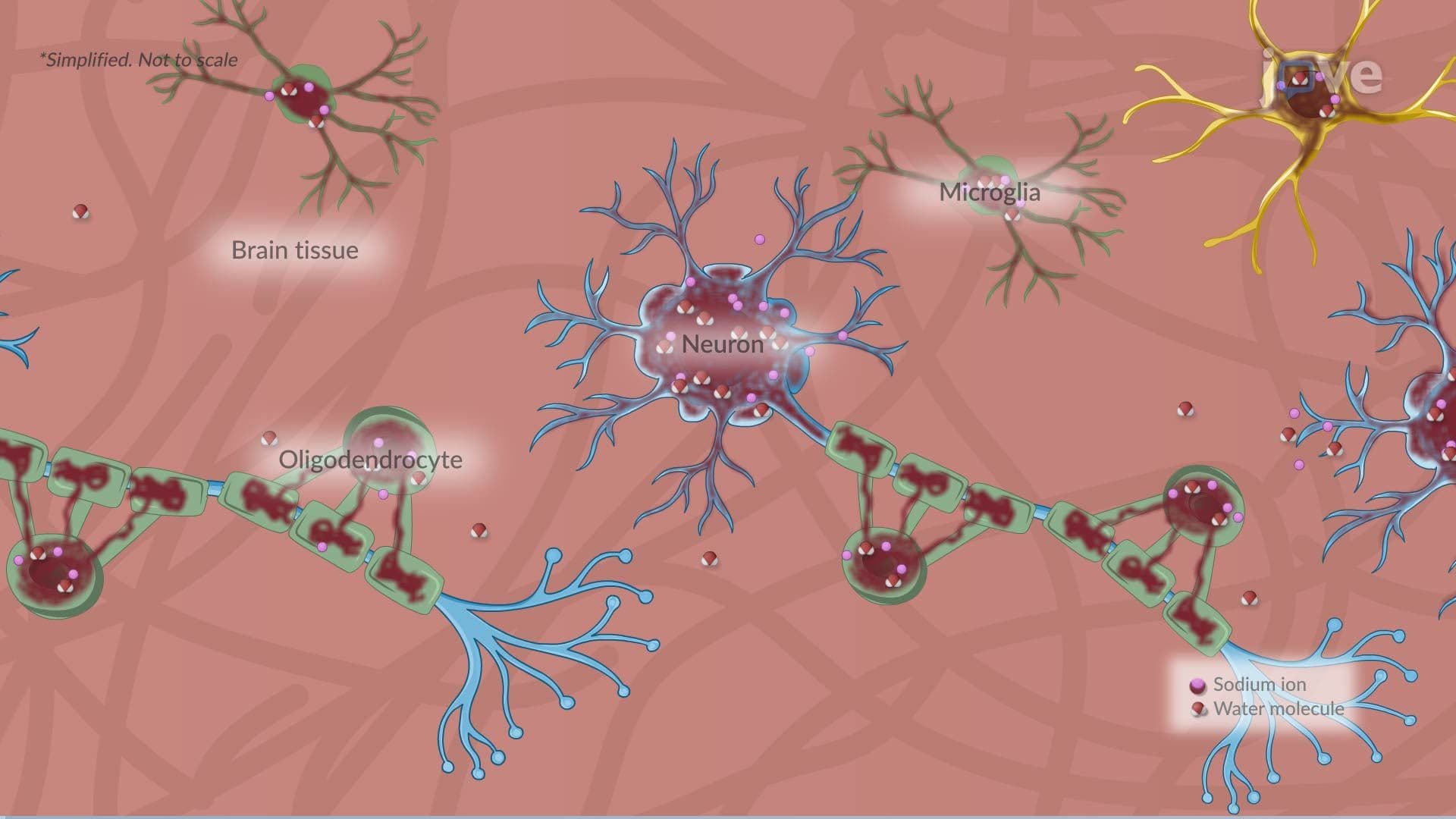
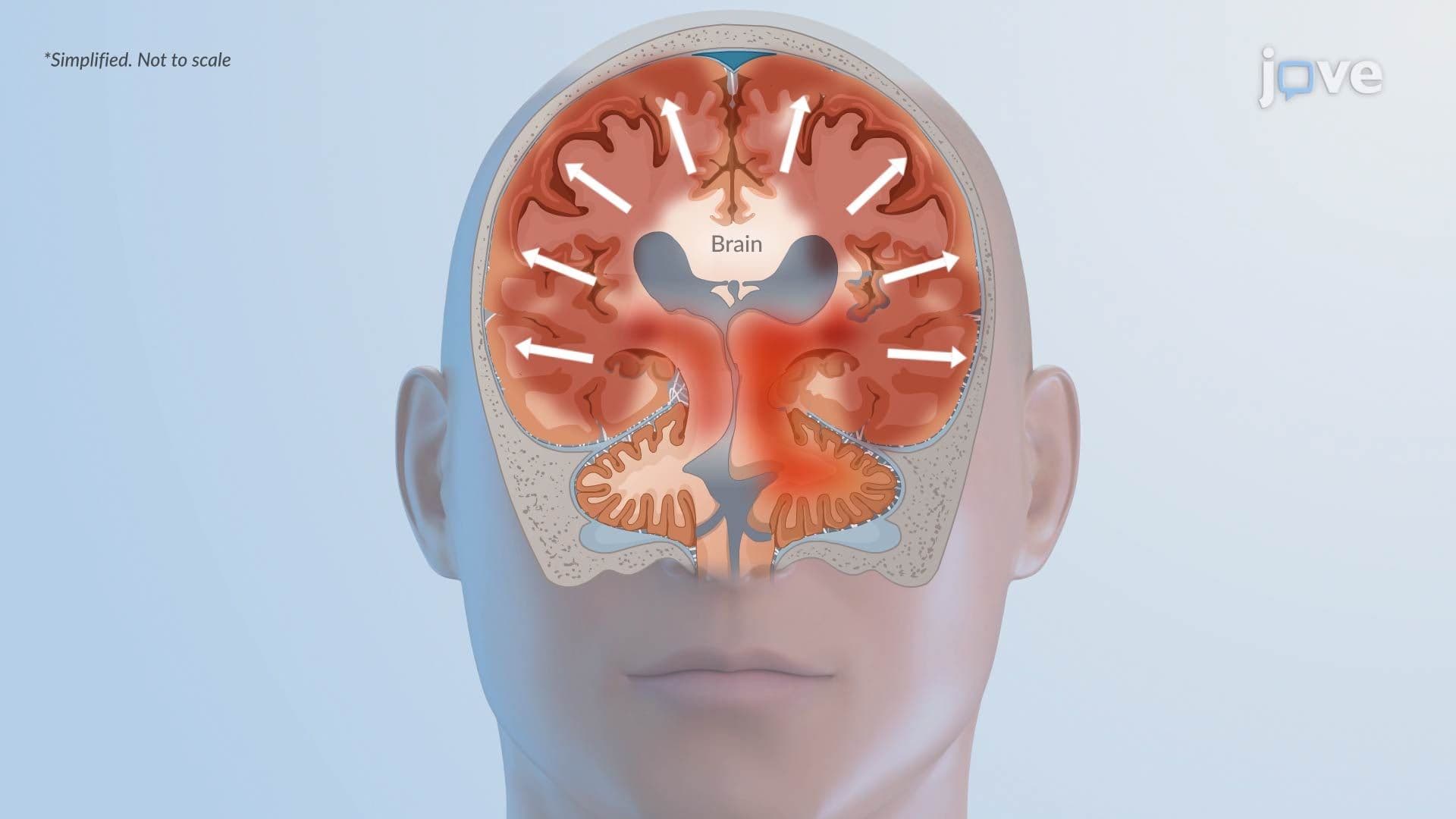
A seizure is not a disease, it is a symptom. Specifically, Seizures L refers to transient episodes in which neurons fire abnormally and excessively, temporarily overwhelming the brain's ability to regulate normal function. Think of it like a sudden electrical surge that briefly knocks out a power grid. This disruption can affect movement, sensation, awareness, and behavior depending on where and how broadly it spreads through the brain.
Understanding seizures is foundational in high school AP Biology, college Anatomy and Physiology courses, and pre-health curricula preparing students for exams like the MCAT and NCLEX.
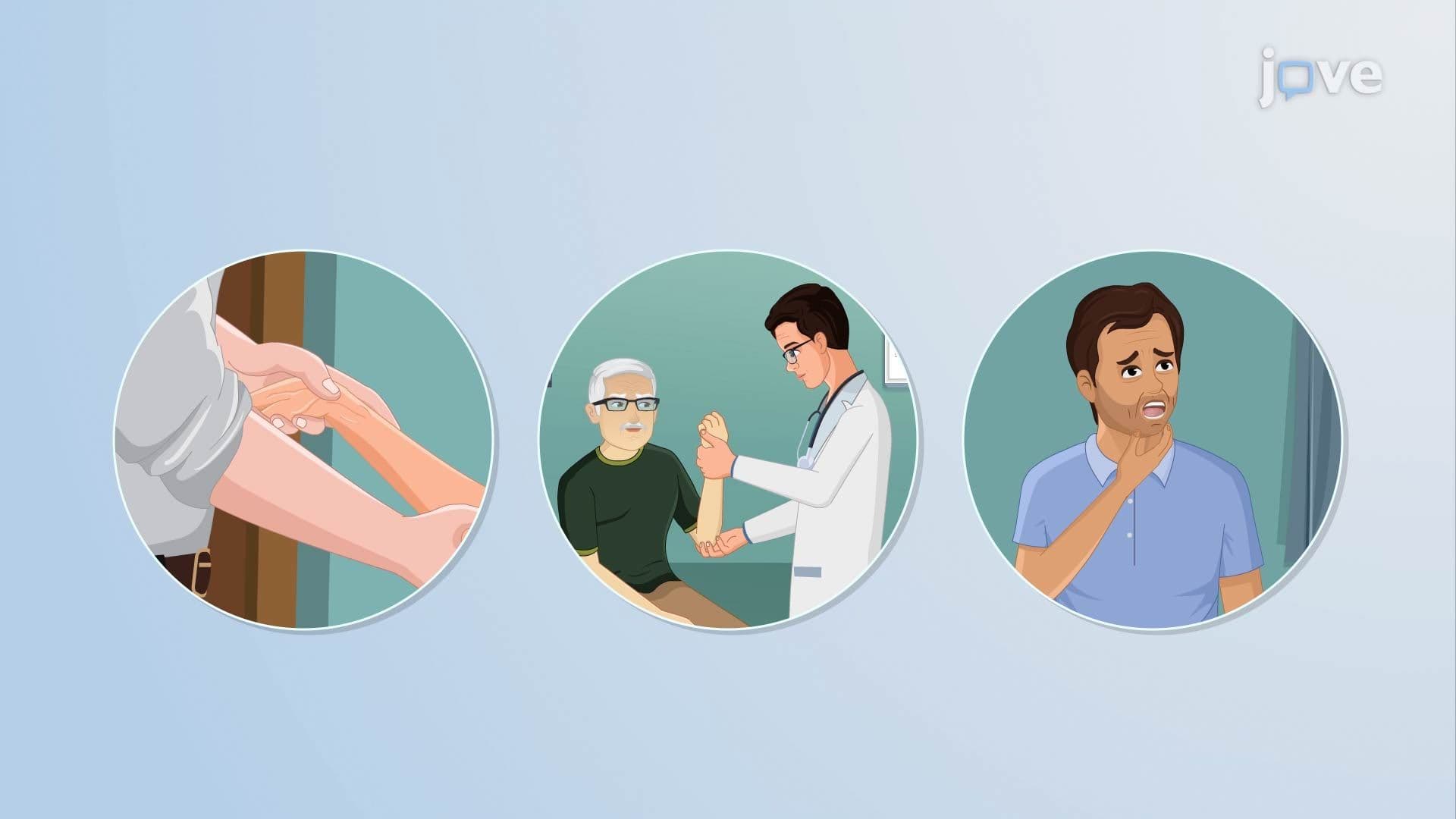
Seizures are broadly classified by where they originate. Focal seizures start in one specific region of the brain, for example, the temporal lobe, and may or may not affect a person's awareness. When awareness remains intact, patients often report an aura: sensory experiences like a tingling hand, a strange smell, or a rising feeling in the stomach. These auras are clinically significant because they can help neurologists localize the seizure's origin.
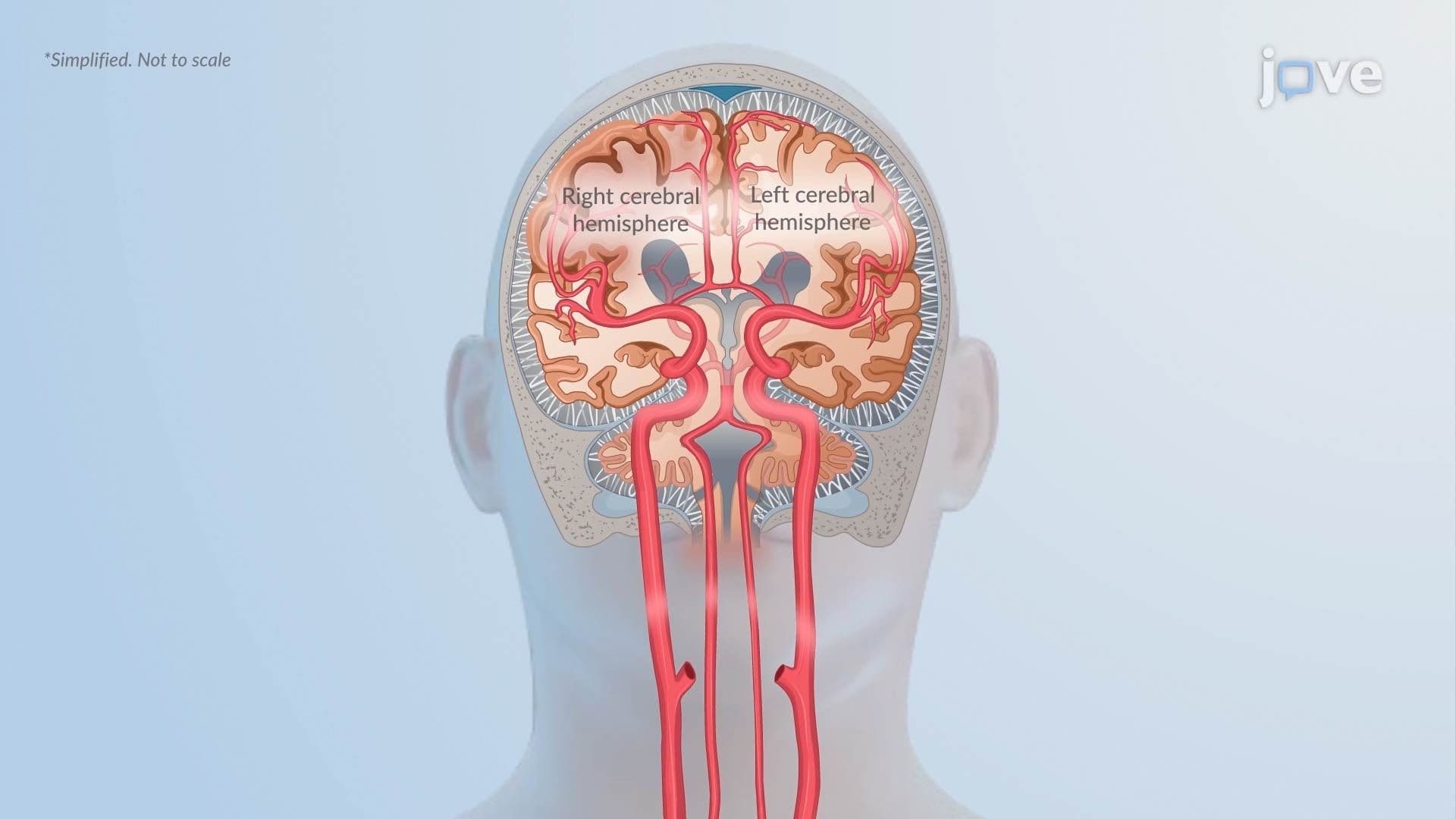
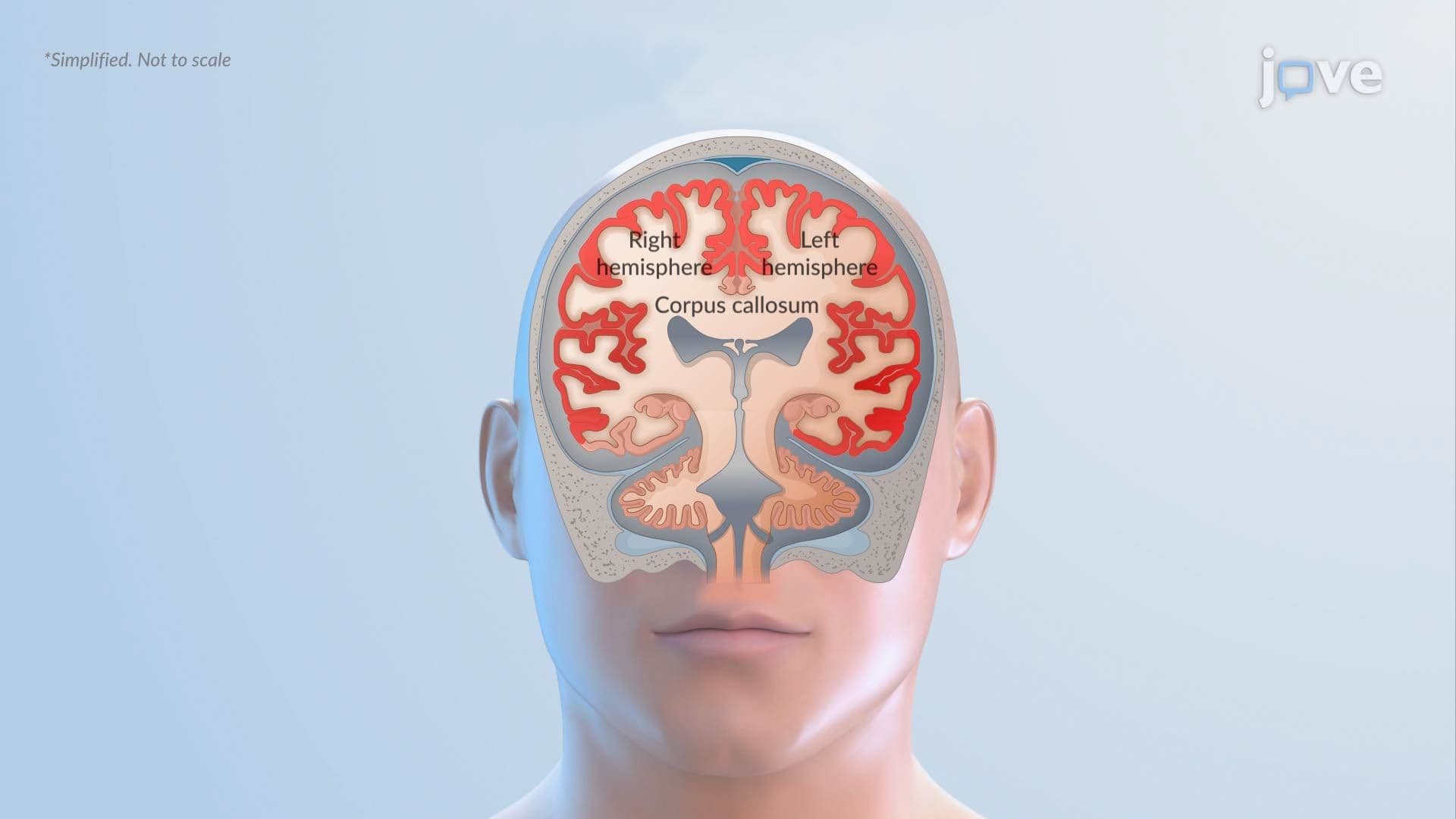
Generalized seizures, by contrast, engage both cerebral hemispheres simultaneously from the start. The most dramatic form, the tonic-clonic seizure (previously called grand mal), involves a person stiffening (tonic phase), then jerking rhythmically (clonic phase), and often losing consciousness. Absence seizures, more common in children, involve brief staring spells that can easily be mistaken for daydreaming, a distinction that school nurses and teachers across the US are trained to recognize.
Seizure events are often bookended by distinct phases that students frequently overlook. Hours before a seizure, some individuals experience a prodrome, nonspecific warning signals such as irritability, anxiety, headaches, or difficulty concentrating. This is different from the aura, which occurs immediately before seizure onset.
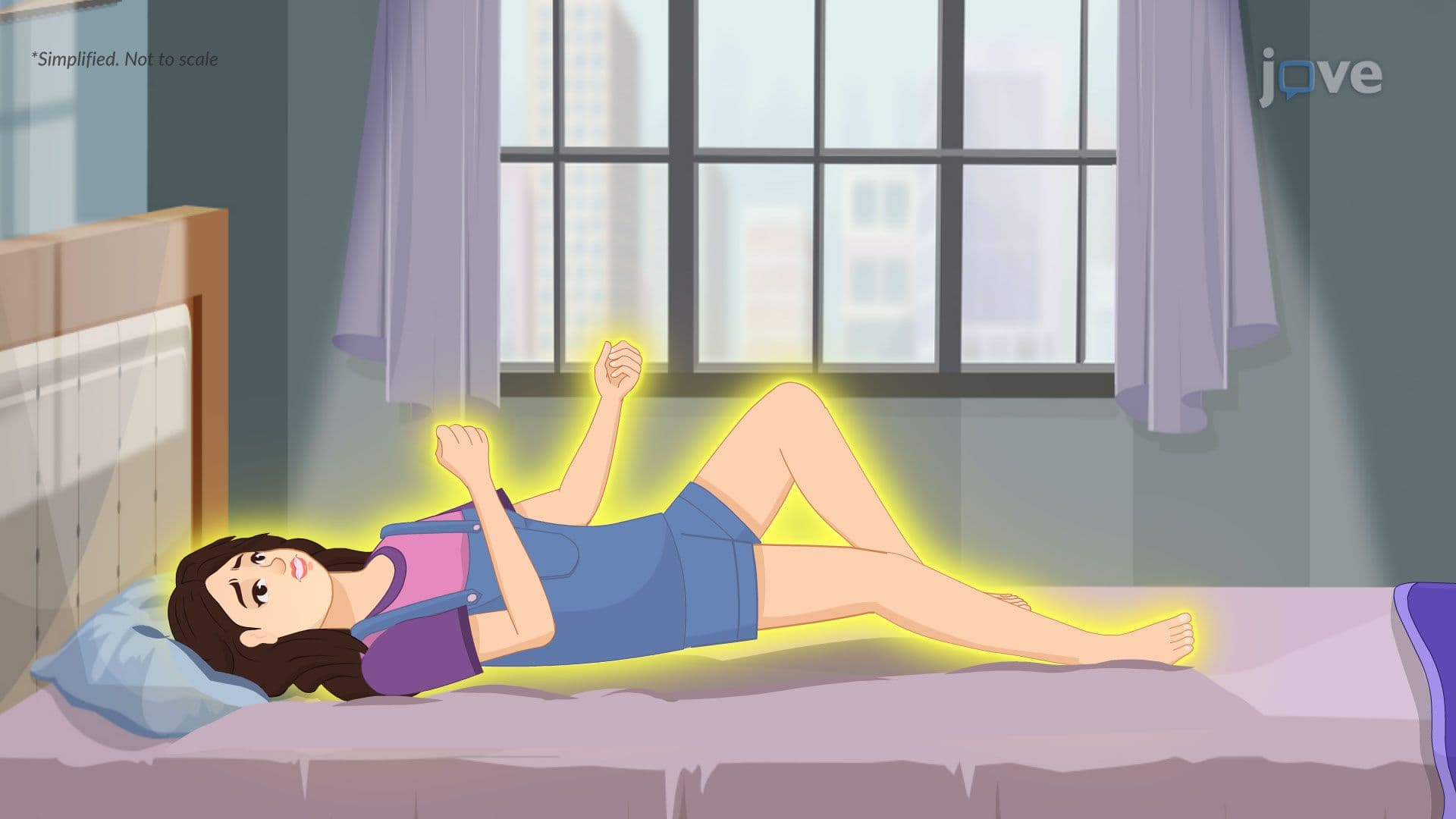
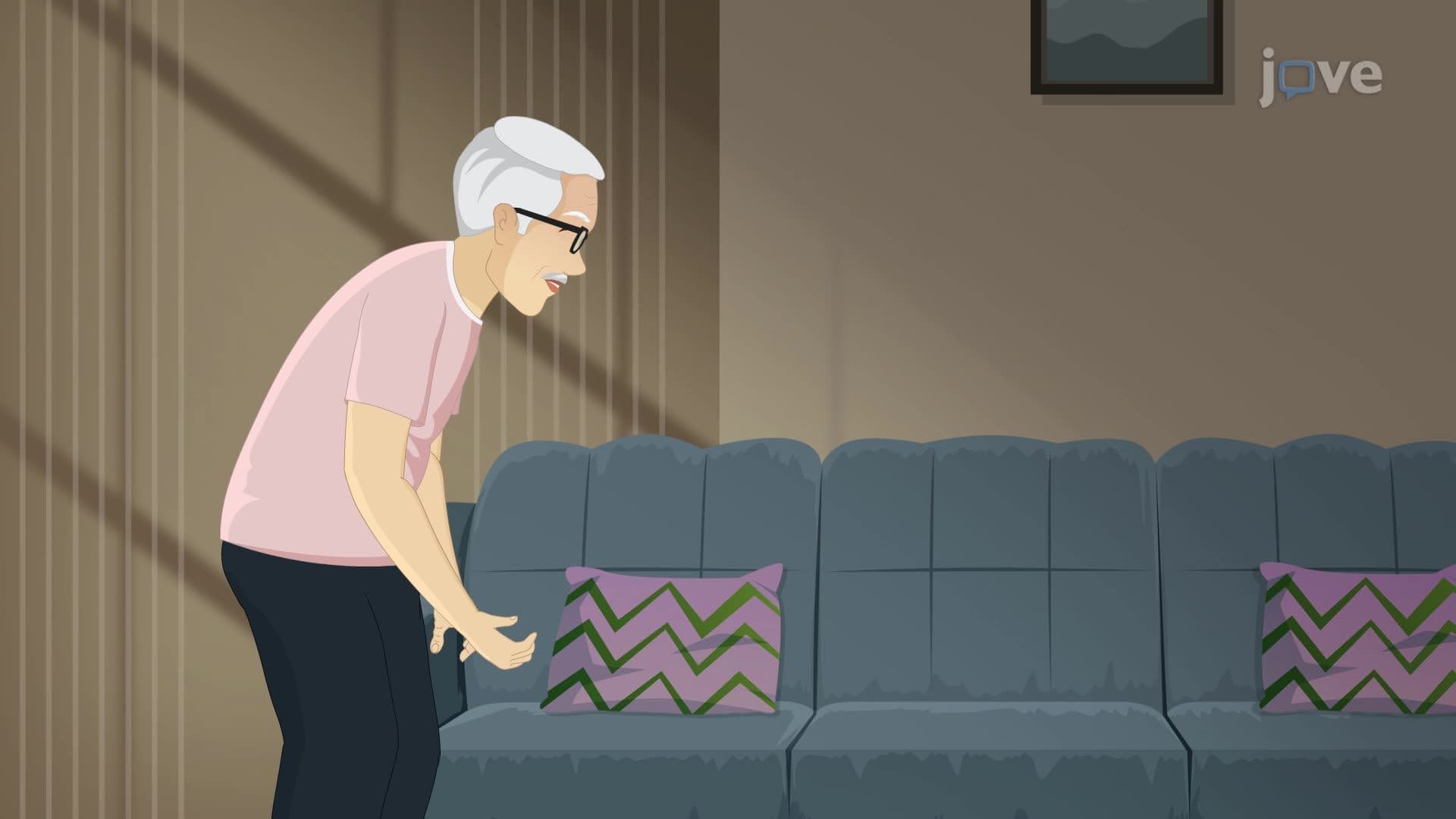
After the seizure, the patient enters the postictal state, a recovery period that can last minutes to hours. During this phase, the brain is essentially rebooting. Clinically, patients often appear confused, drowsy, or even temporarily paralyzed on one side (Todd's paralysis). Emergency responders and hospital staff in the US use postictal behavior as a key assessment tool to gauge seizure severity and recovery.
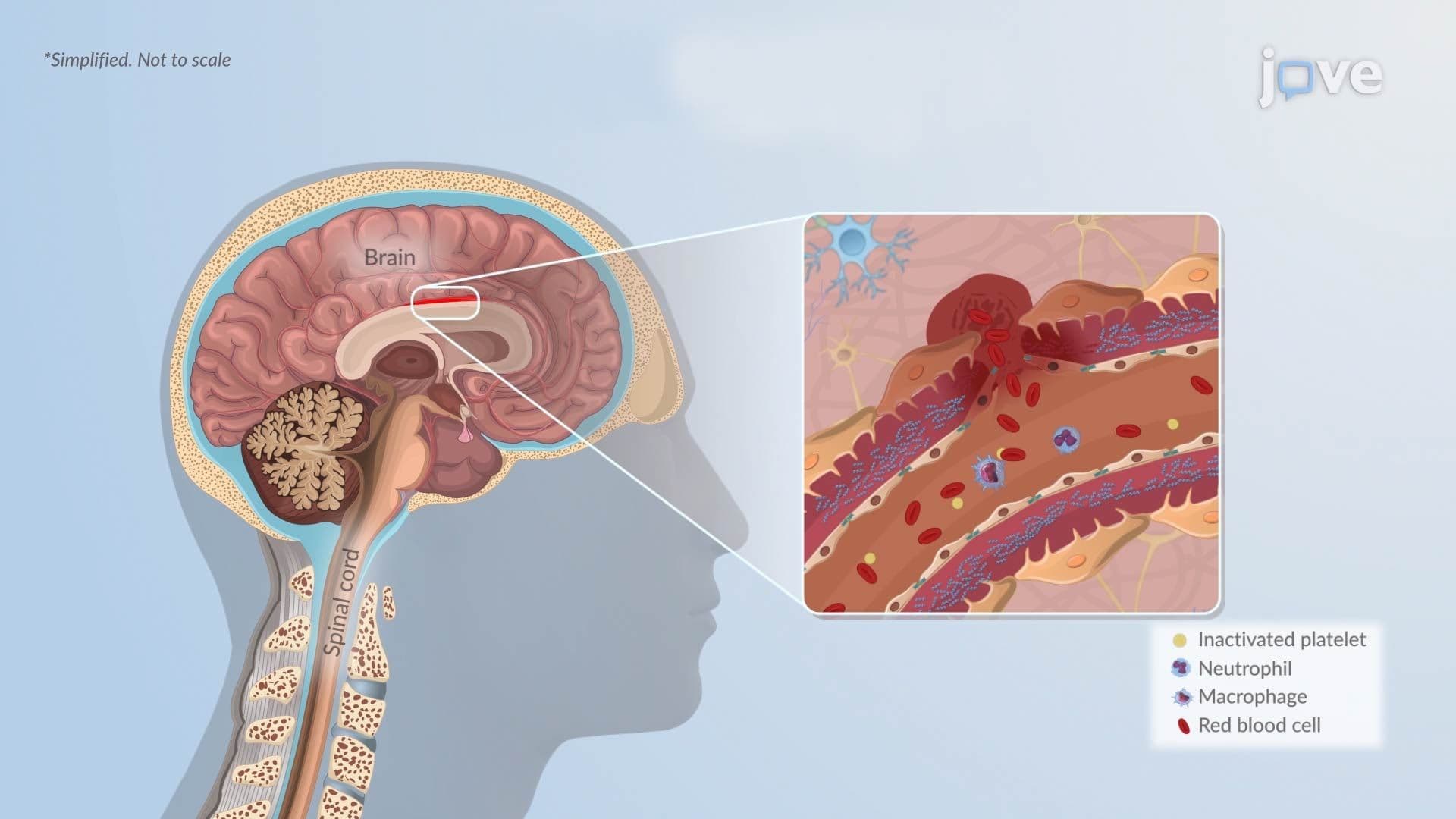
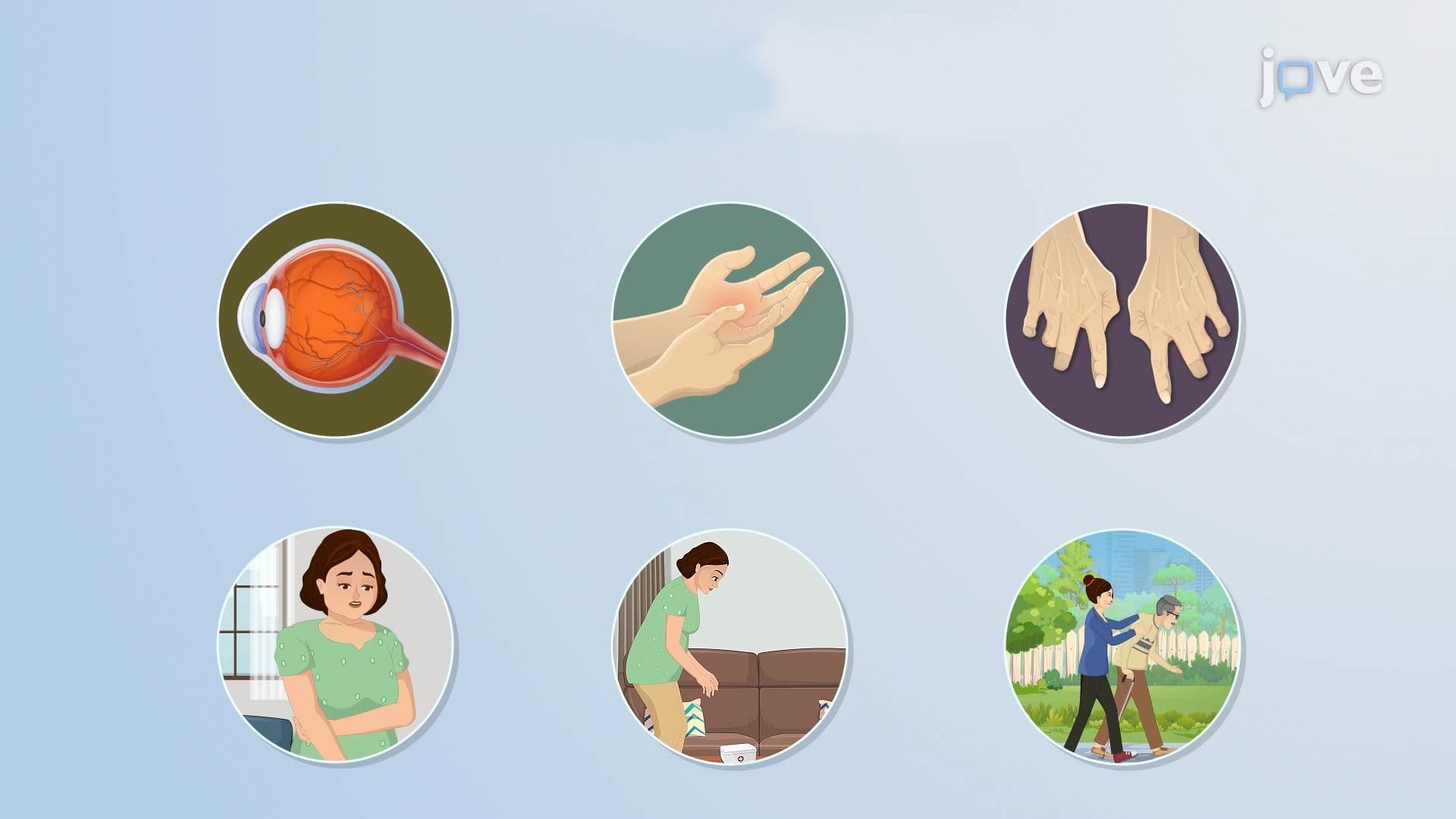
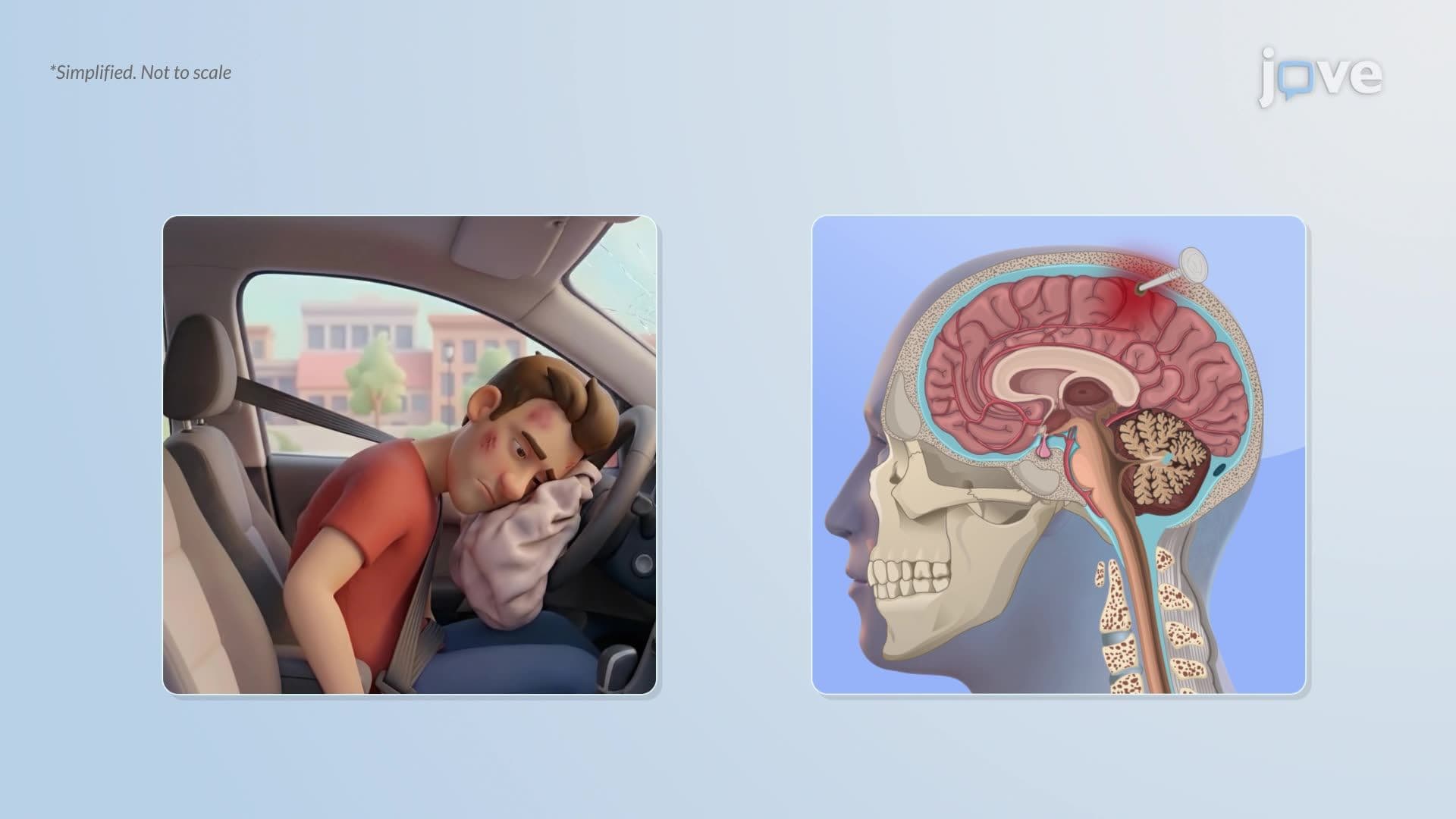
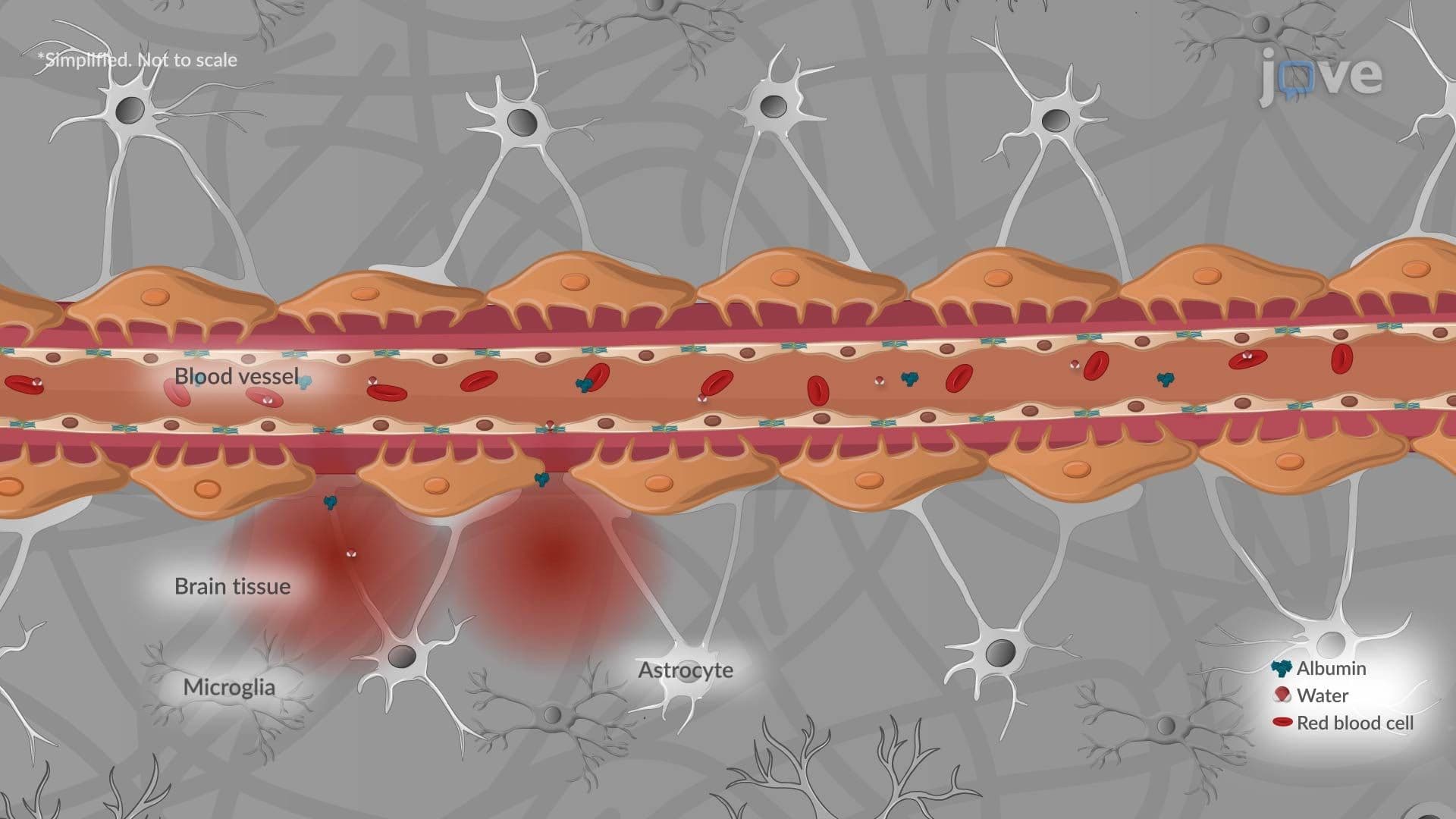
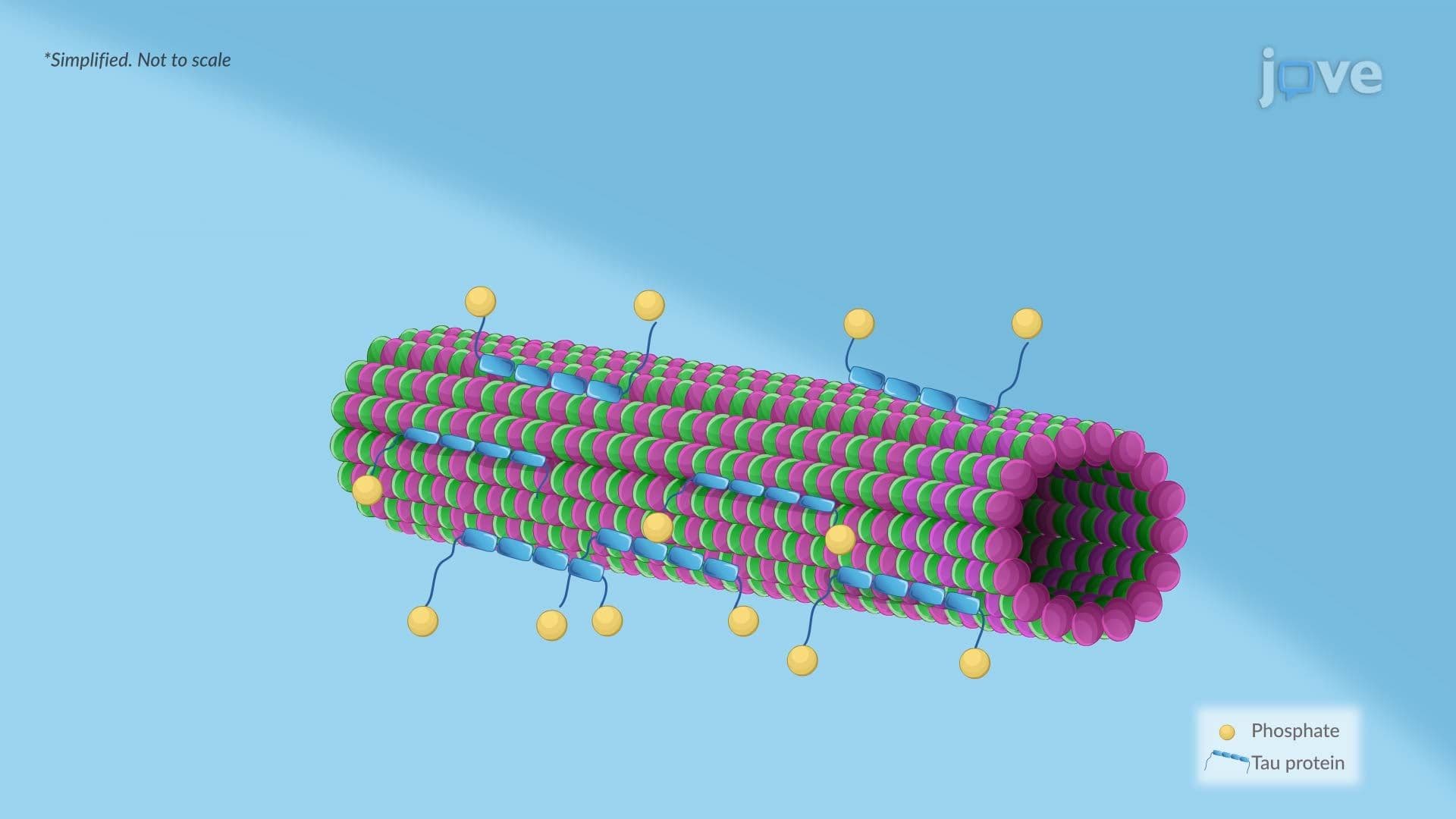
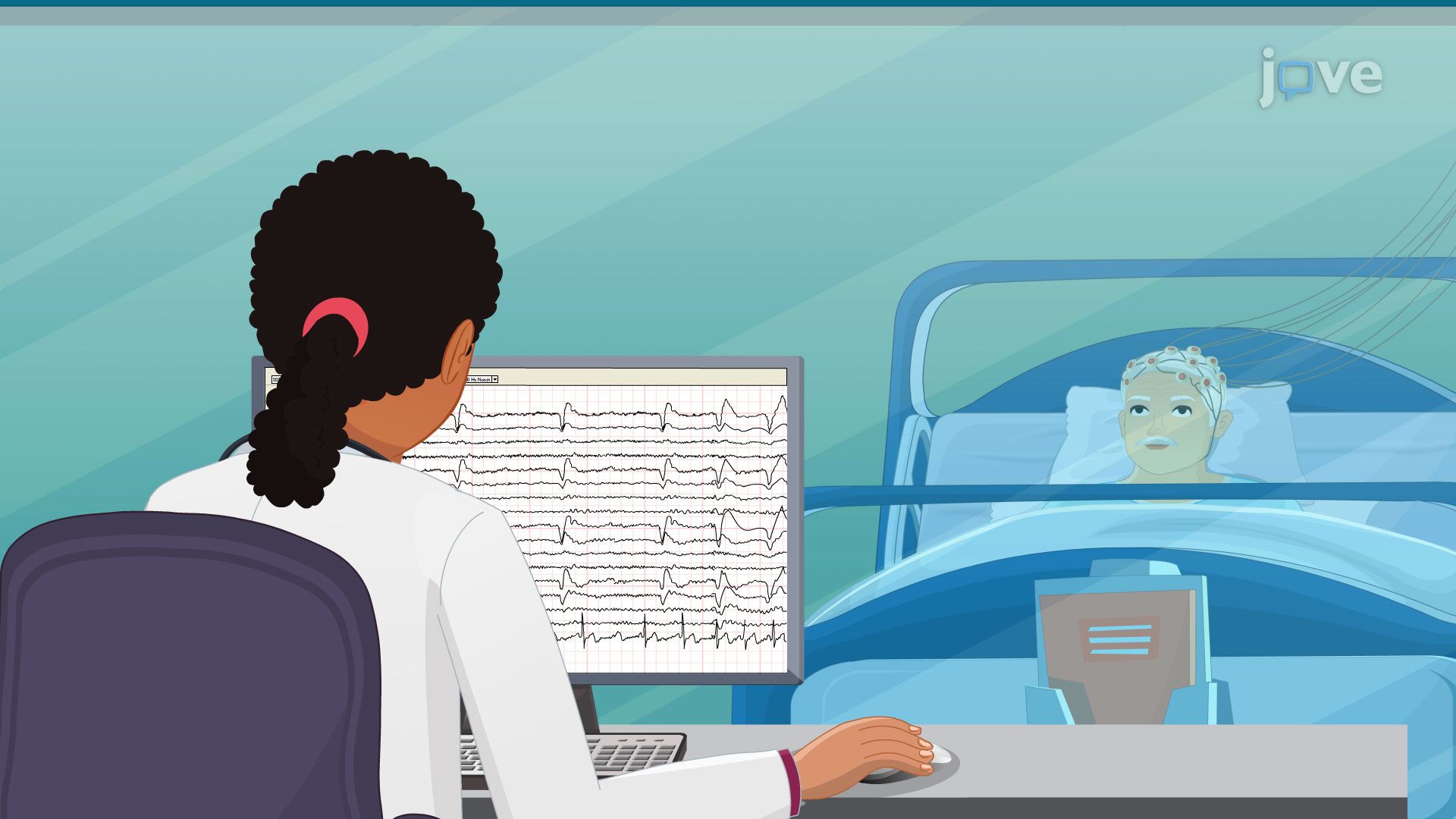
When seizures occur repeatedly and without a clear trigger, the condition is classified as epilepsy, one of the most common neurological disorders in the United States, affecting people of all ages. Epilepsy can arise from genetic factors, brain injury, stroke, or conditions like multiple sclerosis and neurodegenerative diseases such as Alzheimer's and Parkinson's disease.
The most urgent scenario in seizure management is status epilepticus: a seizure lasting more than five continuous minutes, or back-to-back seizures without the patient regaining consciousness in between. This constitutes a neurological emergency requiring immediate intervention, typically intravenous benzodiazepines administered by emergency medical teams. In US emergency departments, status epilepticus protocols are standardized across institutions like the Mayo Clinic and Johns Hopkins Hospital.
For students in AP Biology, college neuroscience, or pre-nursing programs, mastering these distinctions, focal vs. generalized, aura vs. prodrome, epilepsy vs. isolated seizure, is essential for exam success and real-world clinical understanding.
Related Micro-courses