Loading subject page…

5,118 views

Video Summary: Pathophysiology in Secondary Spinal Cord Injury Lli
Did you know that the most devastating damage after a spinal cord injury often happens *after* the initial trauma? The pathophysiology in secondary spinal cord injury describes a cascading wave of cellular and chemical destruction that unfolds over hours to weeks. In US trauma centers like Johns Hopkins, managing this secondary phase is as critical as treating the original injury. Watch the full video on JoVE Coach to master this concept with expert-led visuals and step-by-step explanations.
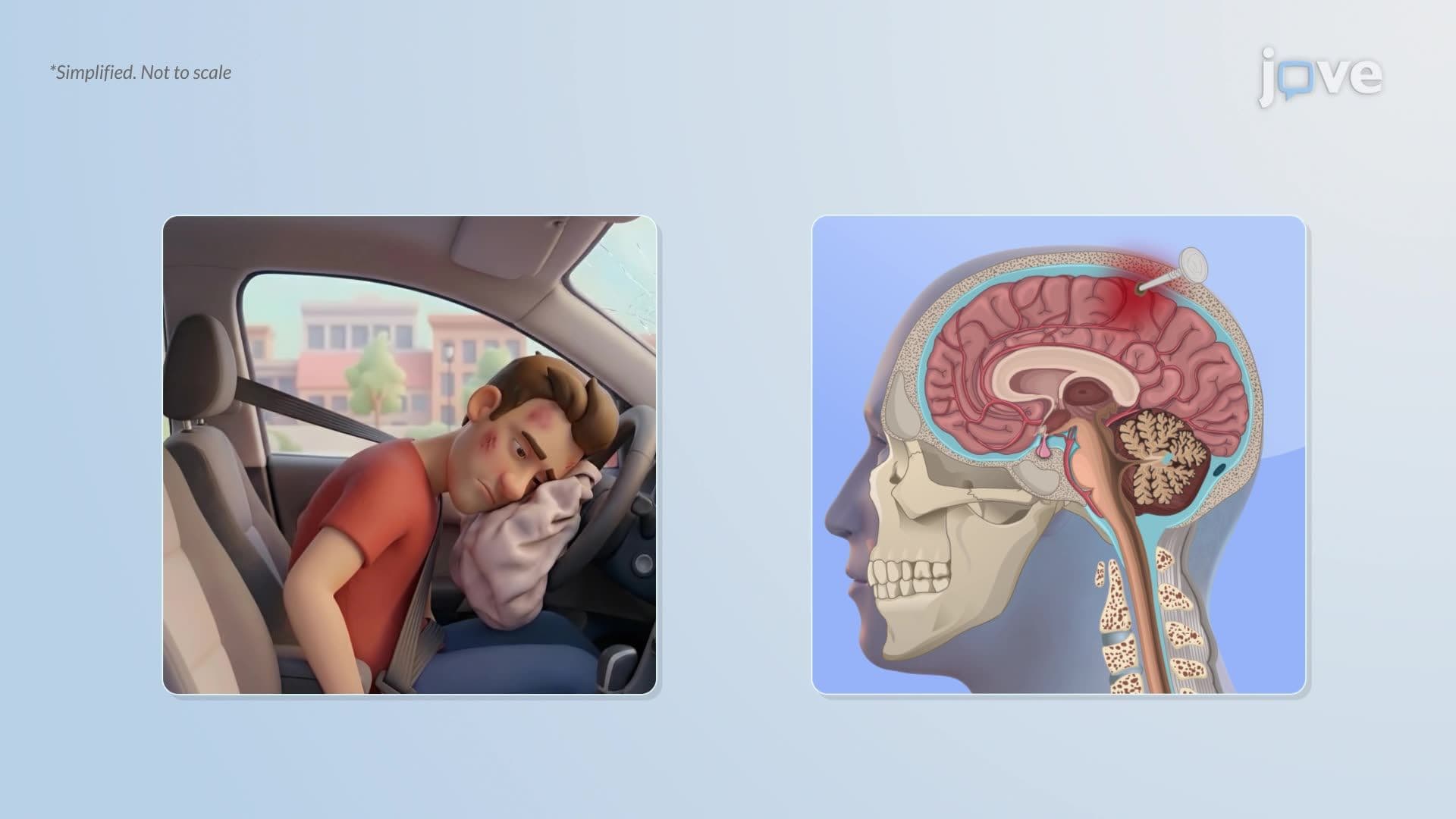
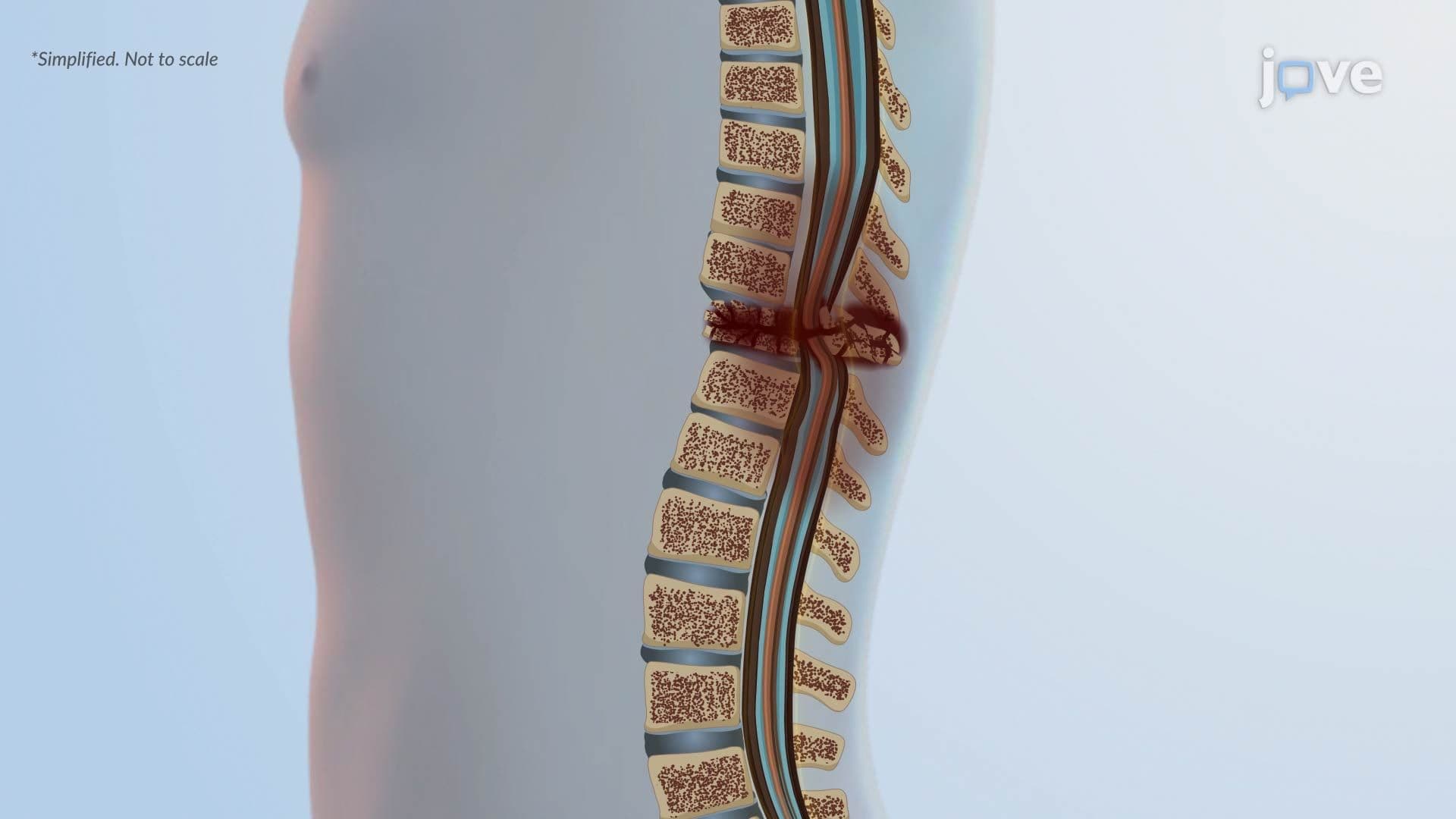
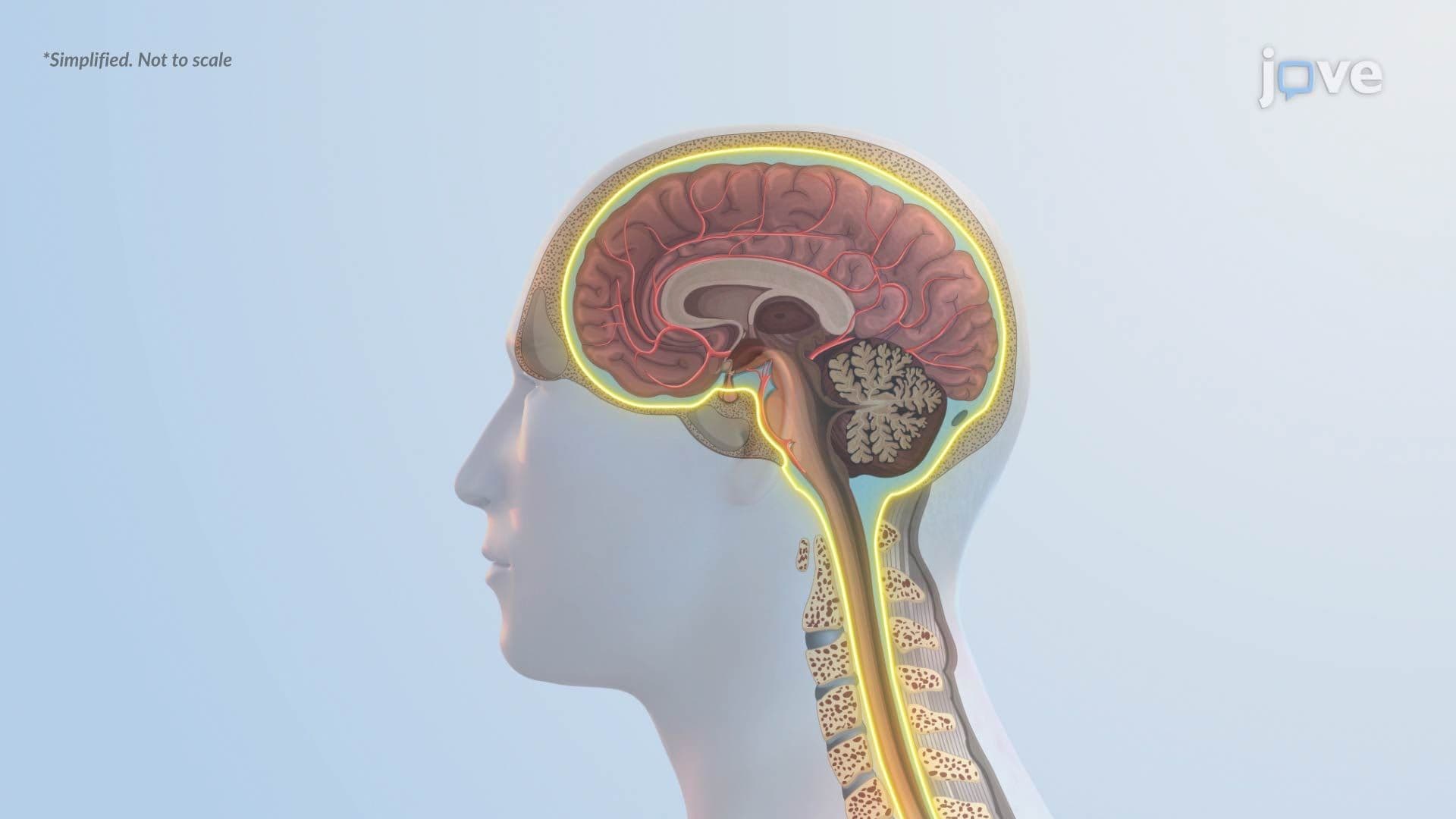
When a spinal cord injury occurs, whether from a car accident, sports collision, or fall, the immediate physical damage is only the beginning. The pathophysiology in secondary spinal cord injury refers to the complex biological cascade that begins within minutes of the primary trauma and can persist for weeks. Unlike the mechanical tear or compression of the initial event, this secondary phase is driven by the body's own biochemical responses gone wrong. Understanding it is essential for students in AP Biology, college anatomy and physiology, and anyone preparing for health science exams like the MCAT, NCLEX, or USMLE.
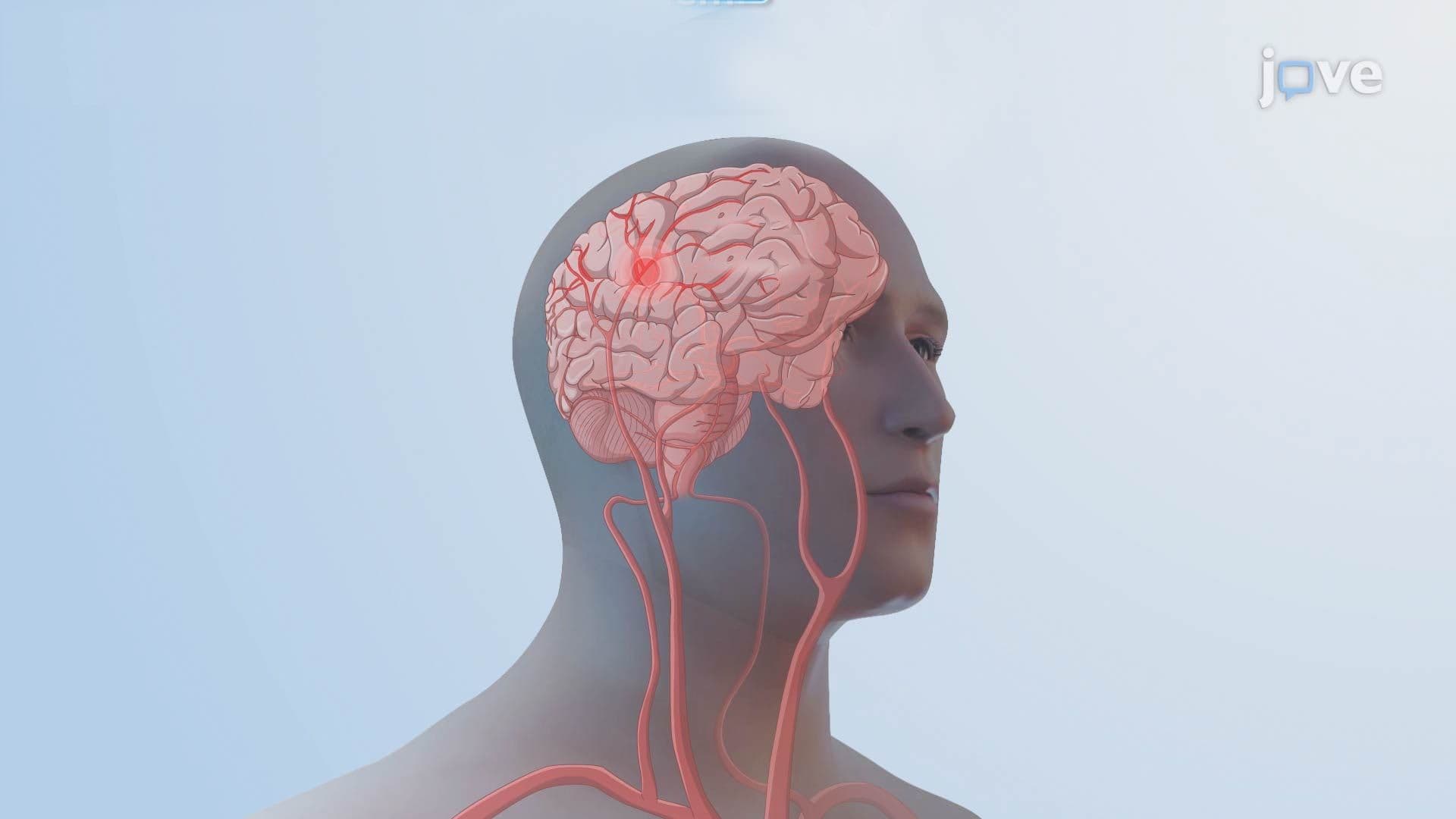
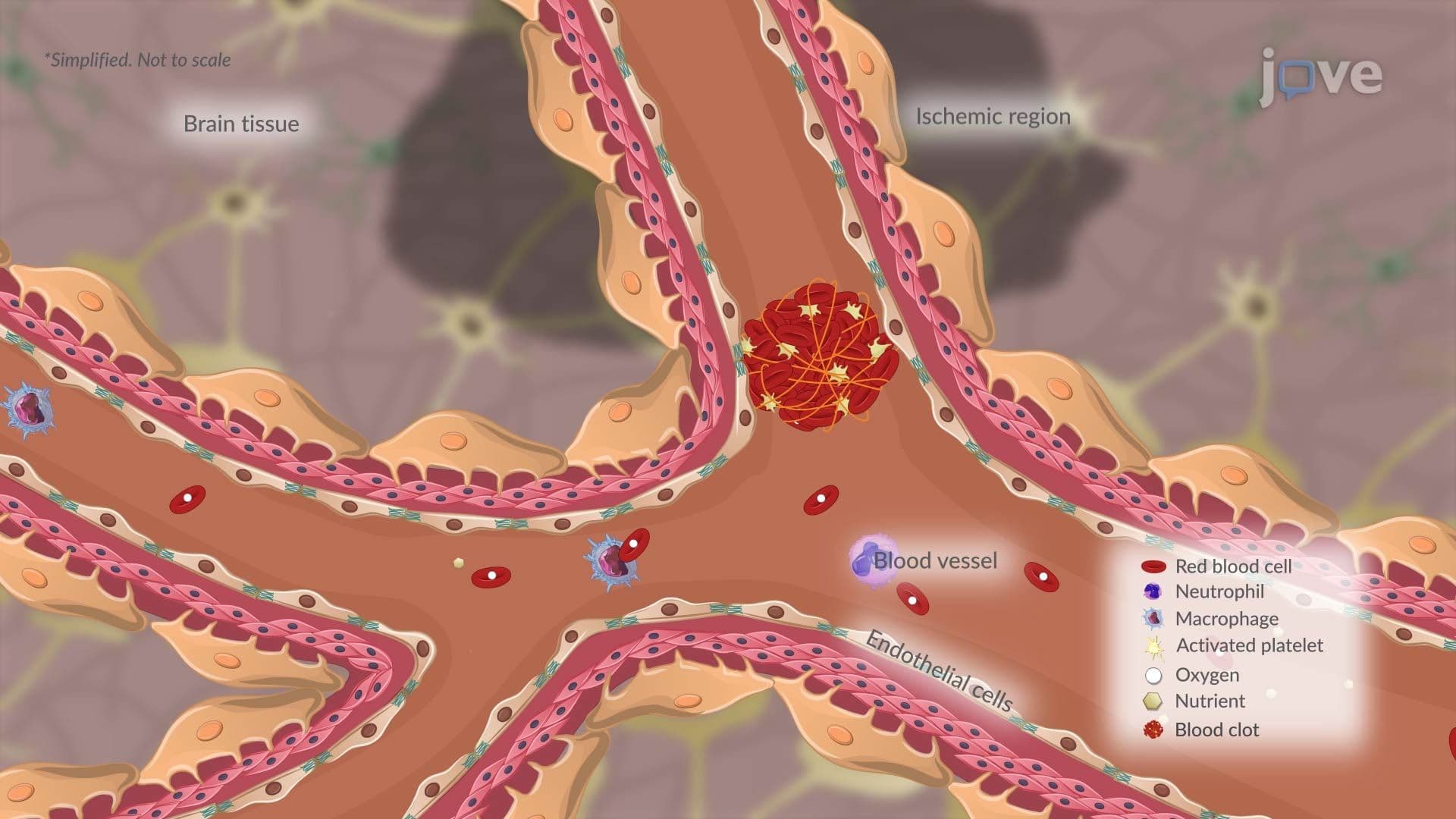
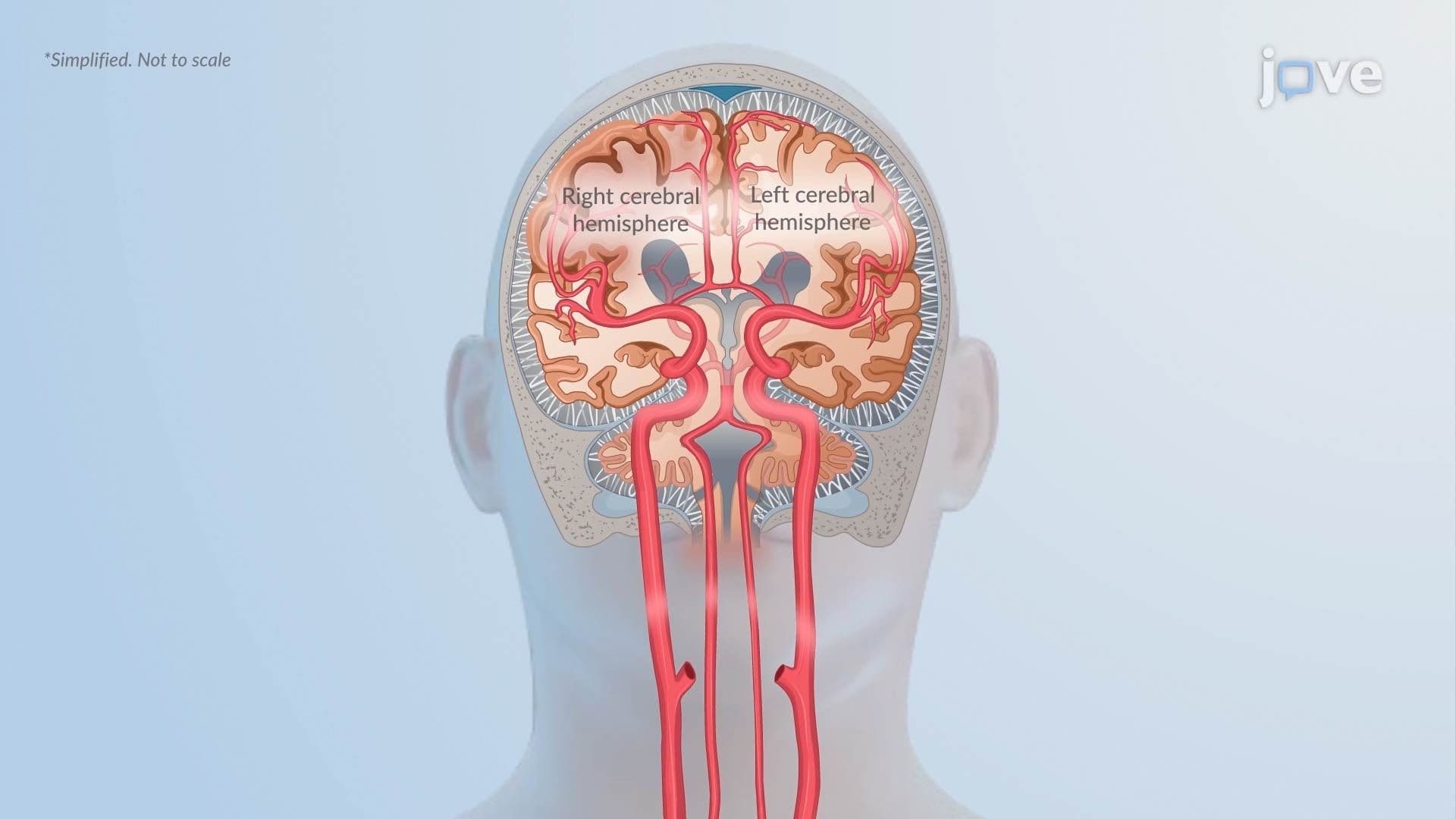
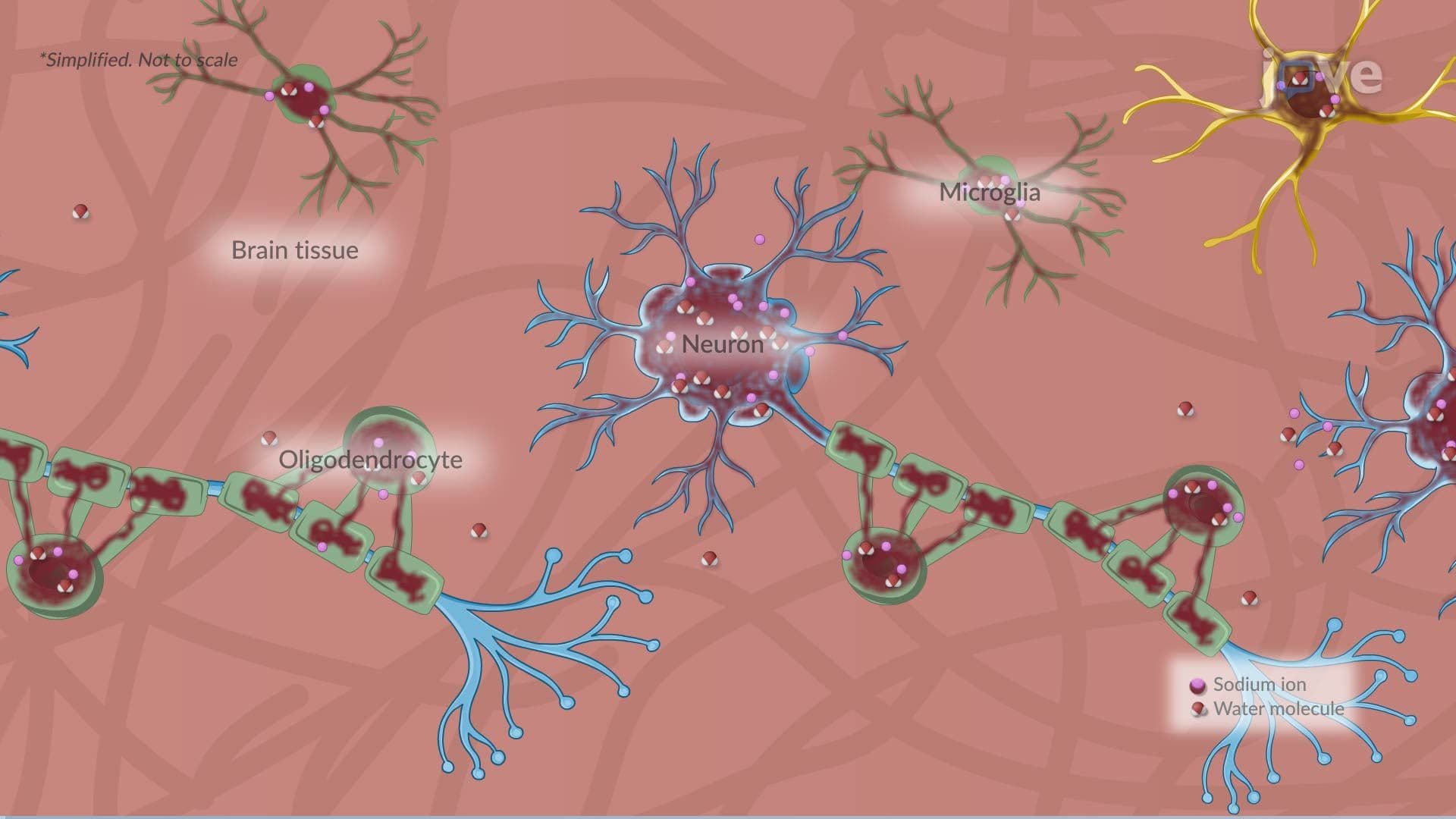
The first domino to fall in secondary injury is vascular disruption. Damaged blood vessels reduce oxygen and nutrient delivery to spinal cord tissue, creating ischemia, a state of dangerously low blood flow. Mitochondria, the cell's energy factories, cannot function without adequate oxygen, so ATP production crashes. Without ATP, the ion pumps that maintain normal sodium, potassium, and calcium gradients across cell membranes fail. Water floods into cells through osmotic imbalance, causing swelling and progressive tissue destruction. This energy failure is a foundational concept in cellular physiology and frequently appears on college midterms and board exams.
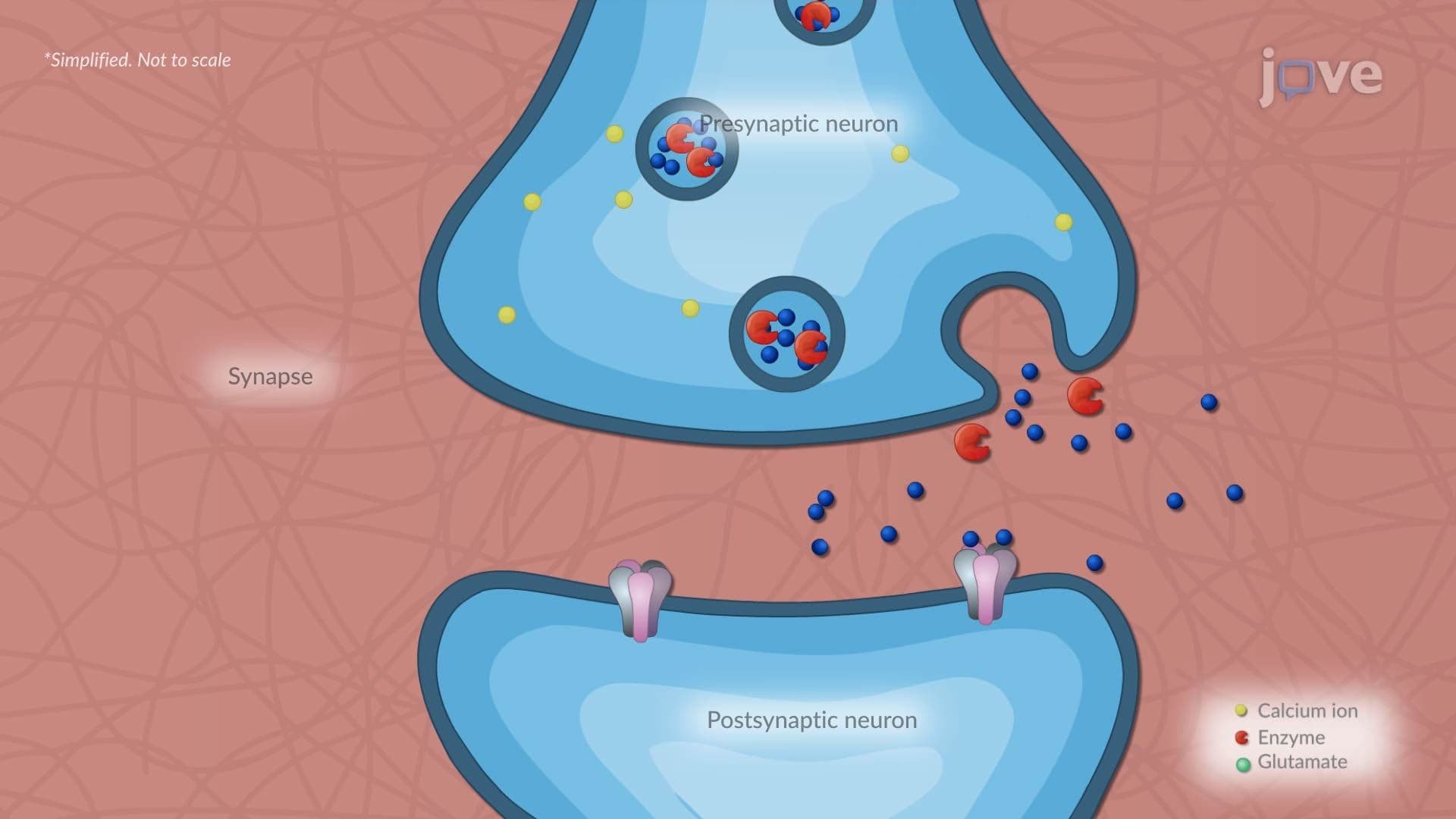
Injured neurons release excessive amounts of glutamate, the brain and spinal cord's primary excitatory neurotransmitter. Under normal circumstances, glutamate drives essential signaling. But in large quantities, it overstimulates NMDA receptors, flooding neurons with calcium ions. Elevated intracellular calcium activates destructive enzymes, proteases, lipases, and endonucleases, that break down proteins, cell membranes, and DNA. This process, called excitotoxicity, is a mechanism students will encounter repeatedly across neuroscience topics, including discussions of stroke and neurodegenerative diseases like Alzheimer's disease and Parkinson's disease.
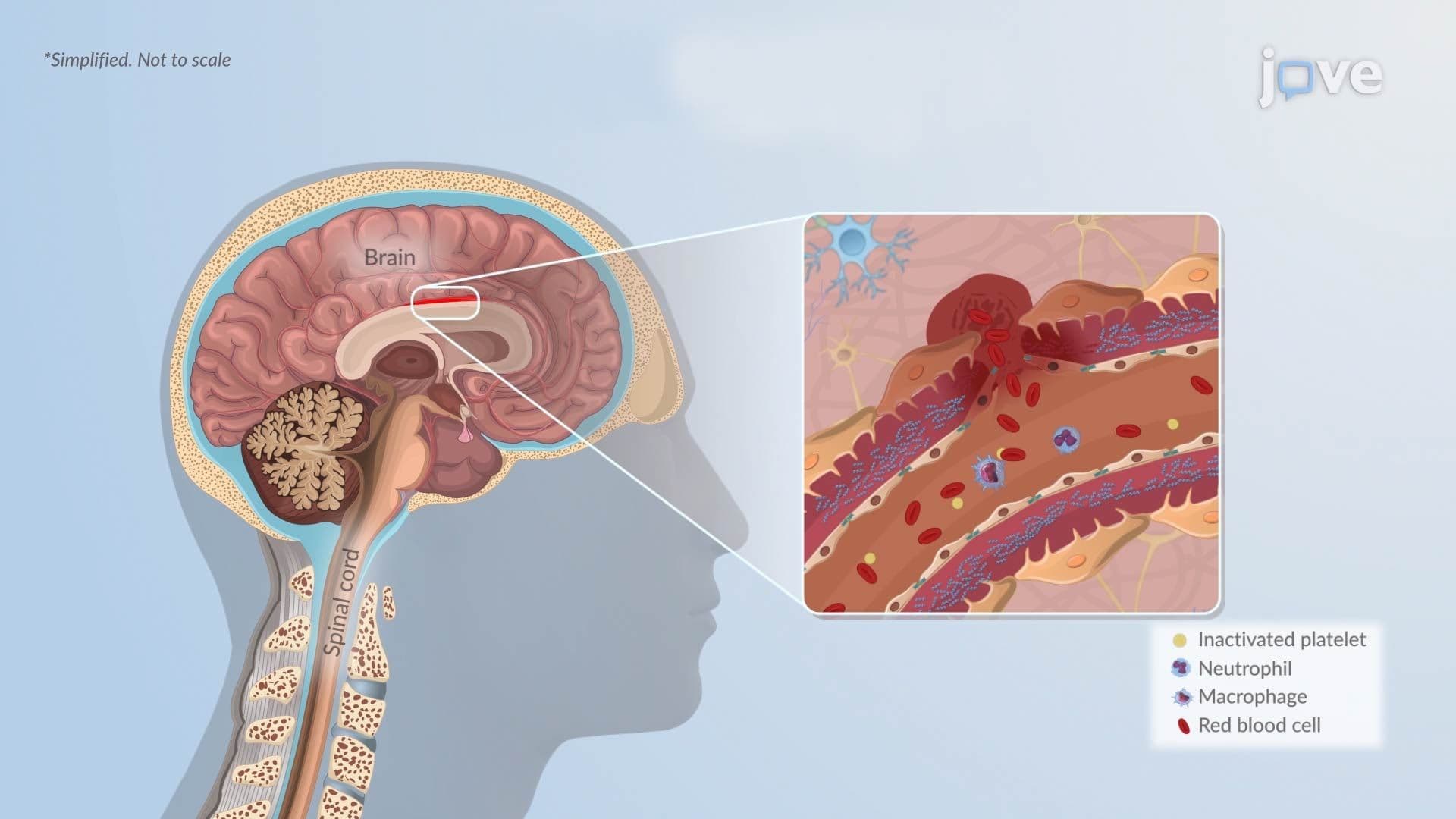
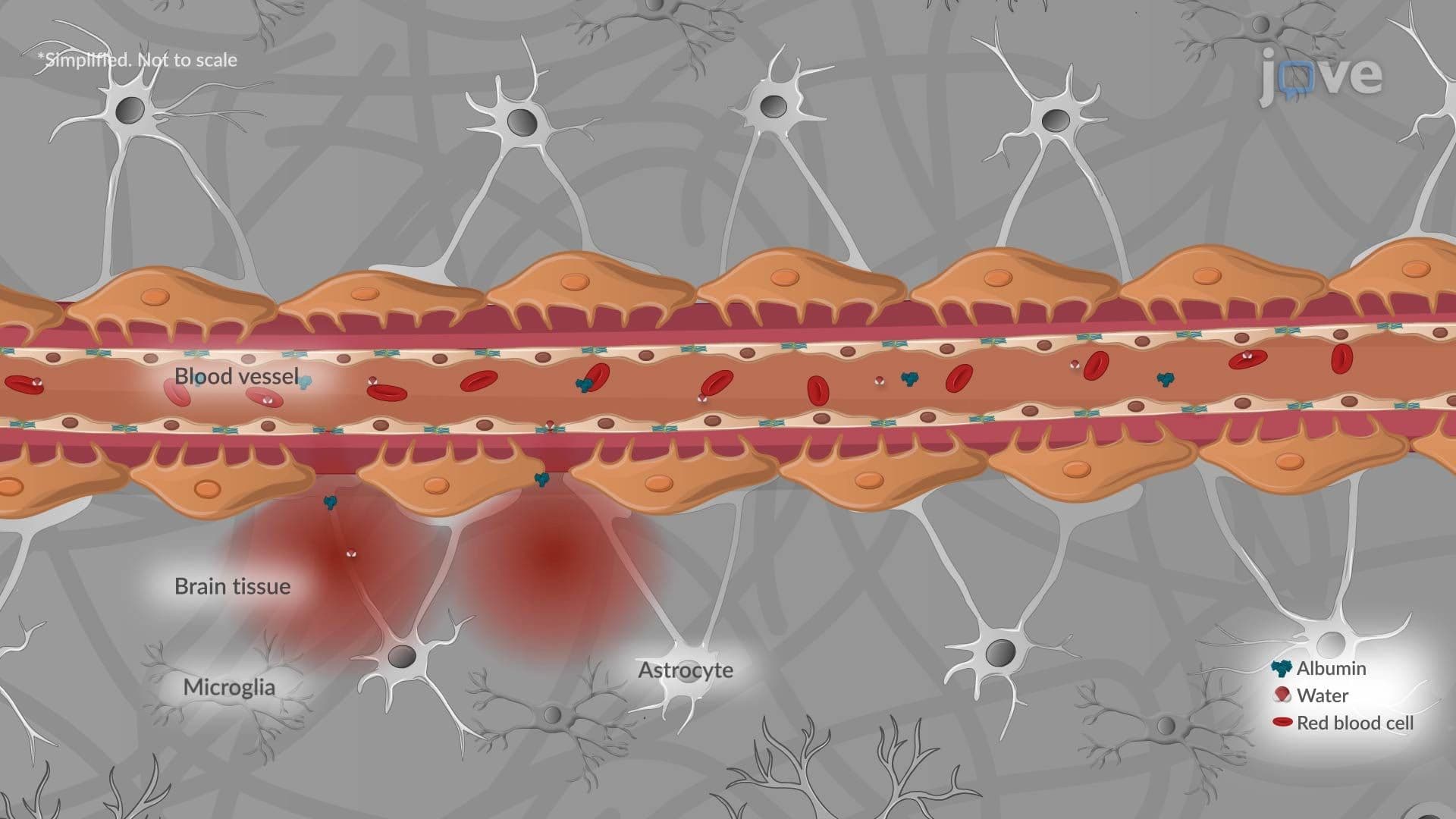
Within hours, microglia, the spinal cord's resident immune cells, activate and recruit additional immune cells from the bloodstream. These cells release cytokines, chemokines, and reactive oxygen species (ROS) in an attempt to clear debris. However, the collateral damage is severe. ROS chemically attack lipids, proteins, and DNA in healthy surviving tissue. Inflammatory signaling also breaks down the blood-spinal cord barrier, allowing fluid to leak into the tissue, a condition called vasogenic edema. Rising pressure further chokes off blood flow, deepening ischemia in a self-reinforcing cycle. This inflammatory cascade parallels mechanisms seen in multiple sclerosis and epilepsy, making it a high-yield concept across multiple disciplines.
One of the most clinically significant consequences of secondary injury is the death of oligodendrocytes, the cells responsible for producing myelin in the central nervous system. Prolonged hypoxia and oxidative stress push oligodendrocytes into apoptosis, a form of programmed cell death. Without myelin, axons conduct electrical signals far more slowly or not at all, contributing to permanent motor and sensory deficits. In later stages, reactive astrocytes proliferate and form a glial scar at the injury site. While the scar limits the spread of damage, it also acts as a physical and chemical barrier to axonal regeneration, a key reason spinal cord injuries often result in lasting impairment. US rehabilitation centers like the Kessler Institute for Rehabilitation in New Jersey focus significant resources on understanding and overcoming these downstream consequences.
Related Micro-courses