Loading video…

 35 Concepts
 5.1K views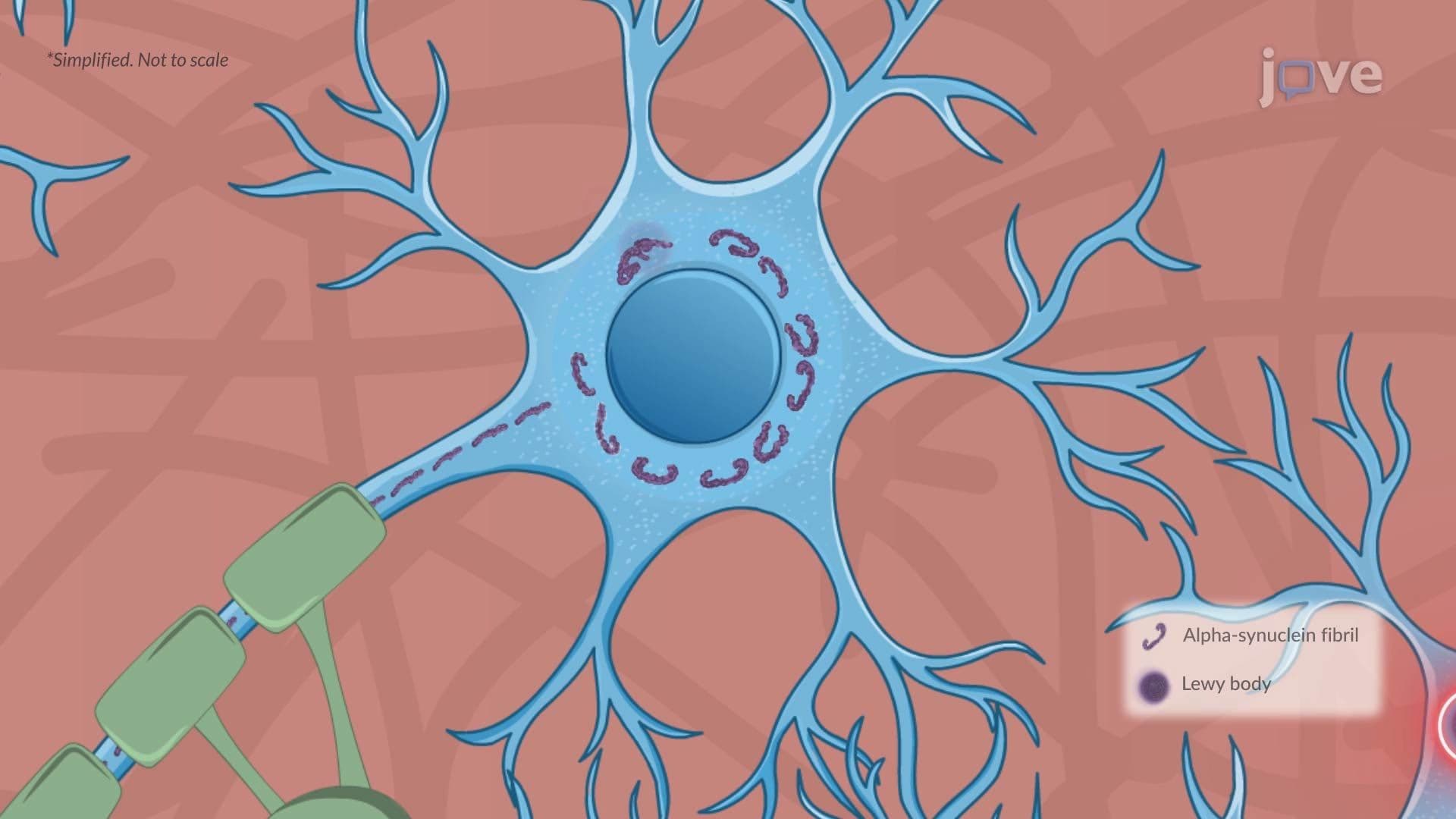

Video Summary: Pathophysiology in Parkinson Disease Ll
Did you know that by the time Parkinson's symptoms appear, up to 80% of dopamine-producing neurons are already gone? Understanding pathophysiology in Parkinson's disease II reveals why this condition progresses so silently yet devastatingly. In US neurology clinics, patients like those at the Mayo Clinic often present with the classic "pill-rolling" tremor, a hallmark of basal ganglia dysfunction. Watch the full video on JoVE Coach to master this concept with expert-led visuals and step-by-step explanations.
Parkinson's disease (PD) is far more than a movement disorder, it is a complex neurodegenerative condition driven by two converging pathological processes: the loss of dopamine-producing neurons and the toxic accumulation of a misfolded protein called α-synuclein. Together, these mechanisms disrupt normal brain circuitry in ways that students across AP Biology, college neuroscience, and pre-med programs need to clearly understand.
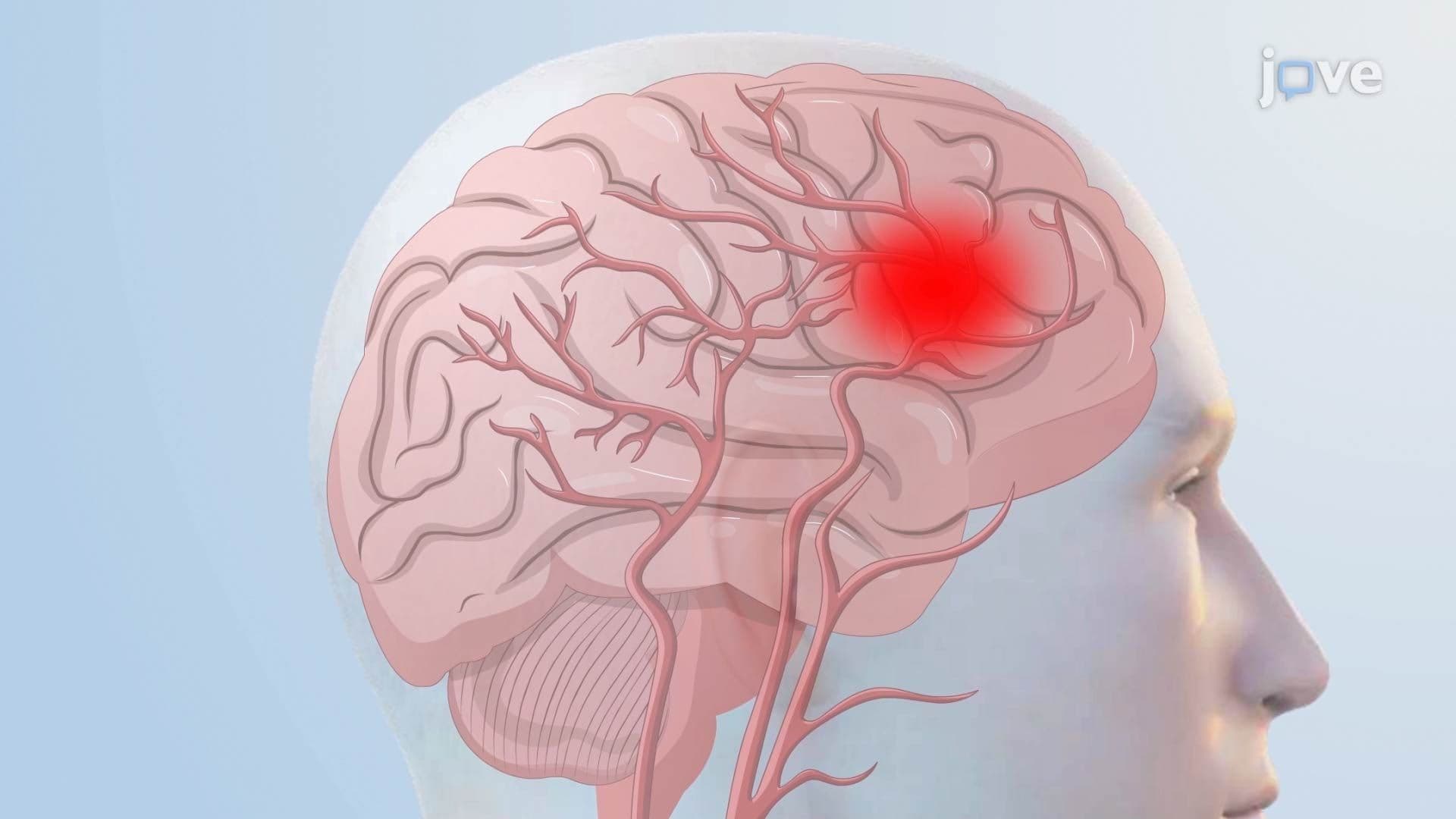
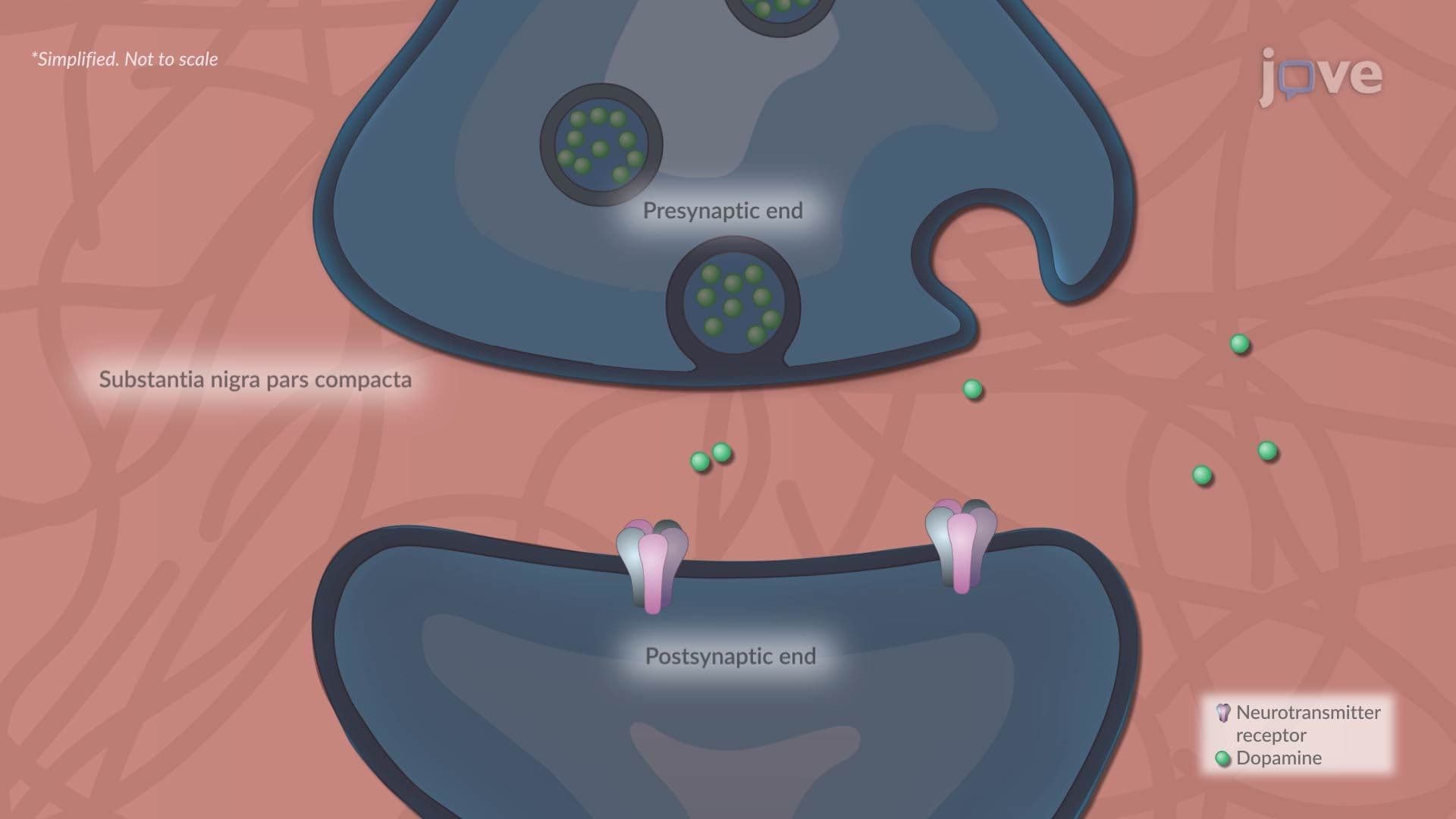
At the heart of Parkinson's pathophysiology is the selective destruction of dopaminergic neurons located in the substantia nigra pars compacta, a small but critically important region of the midbrain. These neurons project to the striatum, forming what is called the nigrostriatal pathway. Dopamine released along this pathway normally modulates the basal ganglia circuit, which acts as the brain's motor "traffic controller," smoothing out and coordinating voluntary movement.
When dopamine levels fall, as they do in PD, this circuit becomes dysregulated. The direct and indirect pathways of the basal ganglia lose their careful balance, resulting in excessive inhibition of motor output from the thalamus. The clinical result is the hallmark triad of resting tremor (the characteristic "pill-rolling" motion), bradykinesia (abnormally slow movement), and muscular rigidity. Postural instability develops as the disease progresses and significantly increases a patient's fall risk, a major concern in US elder care settings.
It is worth noting that by the time a patient receives a Parkinson's diagnosis, neurological research suggests that roughly 60-80% of dopaminergic neurons in the substantia nigra have already been lost. This underscores the importance of understanding the disease's silent, progressive nature.
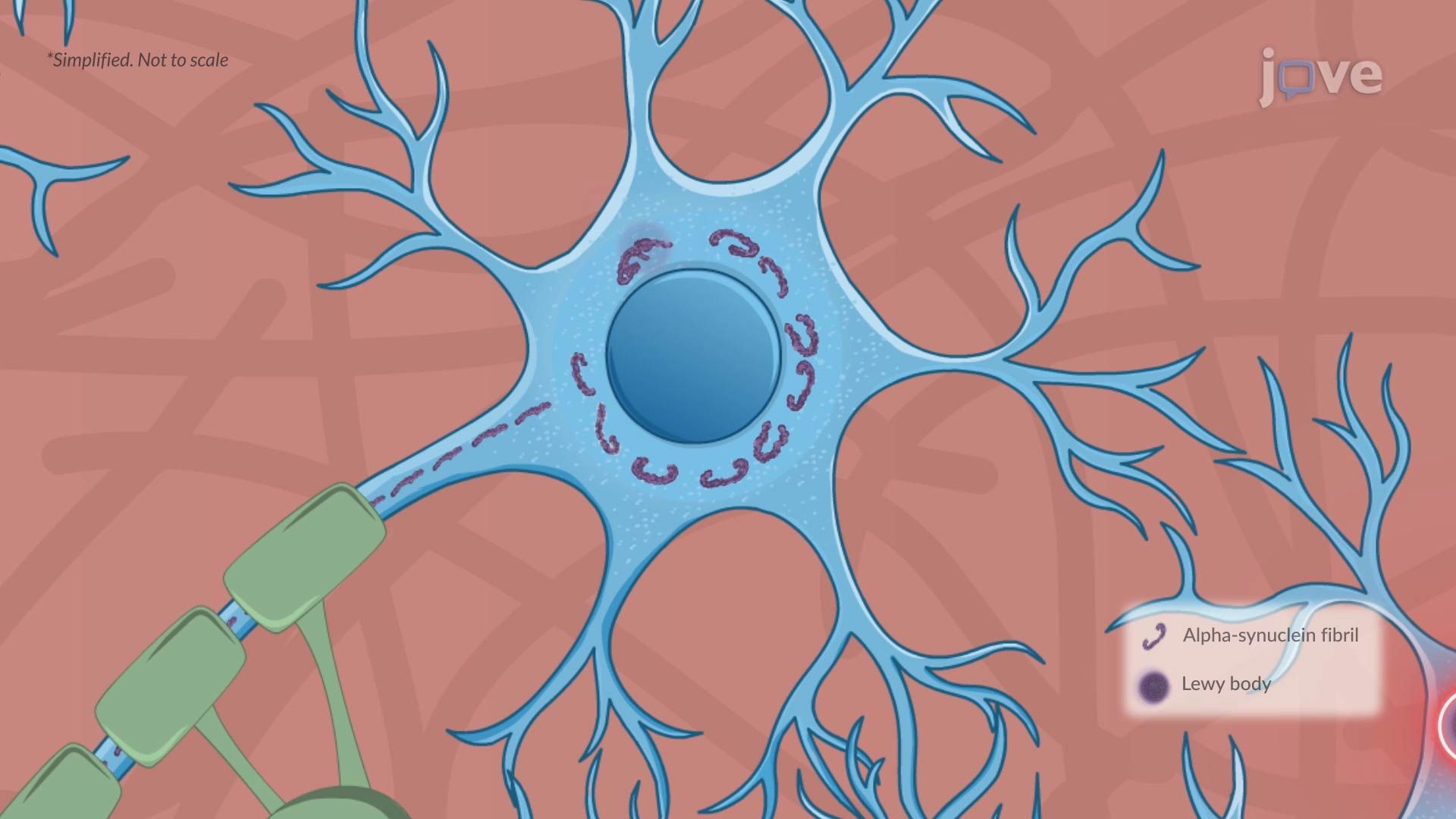
A second defining feature of Parkinson's pathophysiology is the misfolding of α-synuclein, a small presynaptic protein normally involved in vesicle recycling at nerve terminals. In PD, α-synuclein misfolds and clumps together into toxic oligomers and fibrils. These aggregates accumulate within neurons as dense intracellular deposits called Lewy bodies.
The presence of Lewy bodies disrupts multiple essential cellular processes. Vesicle trafficking, the mechanism by which neurons package and release neurotransmitters, becomes impaired. Mitochondrial function is compromised, reducing the cell's ability to produce energy and increasing oxidative stress. Proteasomal and autophagic degradation pathways, the cell's natural "cleanup systems," are also overwhelmed, allowing toxic protein buildup to accelerate.
One of the most striking, and clinically significant, discoveries in modern PD research is that misfolded α-synuclein can propagate between neurons in a prion-like fashion. Misfolded protein released from a diseased neuron can enter neighboring healthy neurons and template the misfolding of normal α-synuclein, effectively seeding pathology in previously unaffected brain regions.
This mechanism helps explain the Braak staging model of Parkinson's disease, widely referenced in US medical education, which describes how PD pathology appears to spread in a predictable anatomical pattern, beginning in the brainstem and olfactory bulb, then ascending to the midbrain and cortex. This staged spread correlates with the clinical progression from early non-motor symptoms (like loss of smell) to the full motor and cognitive features of advanced PD.
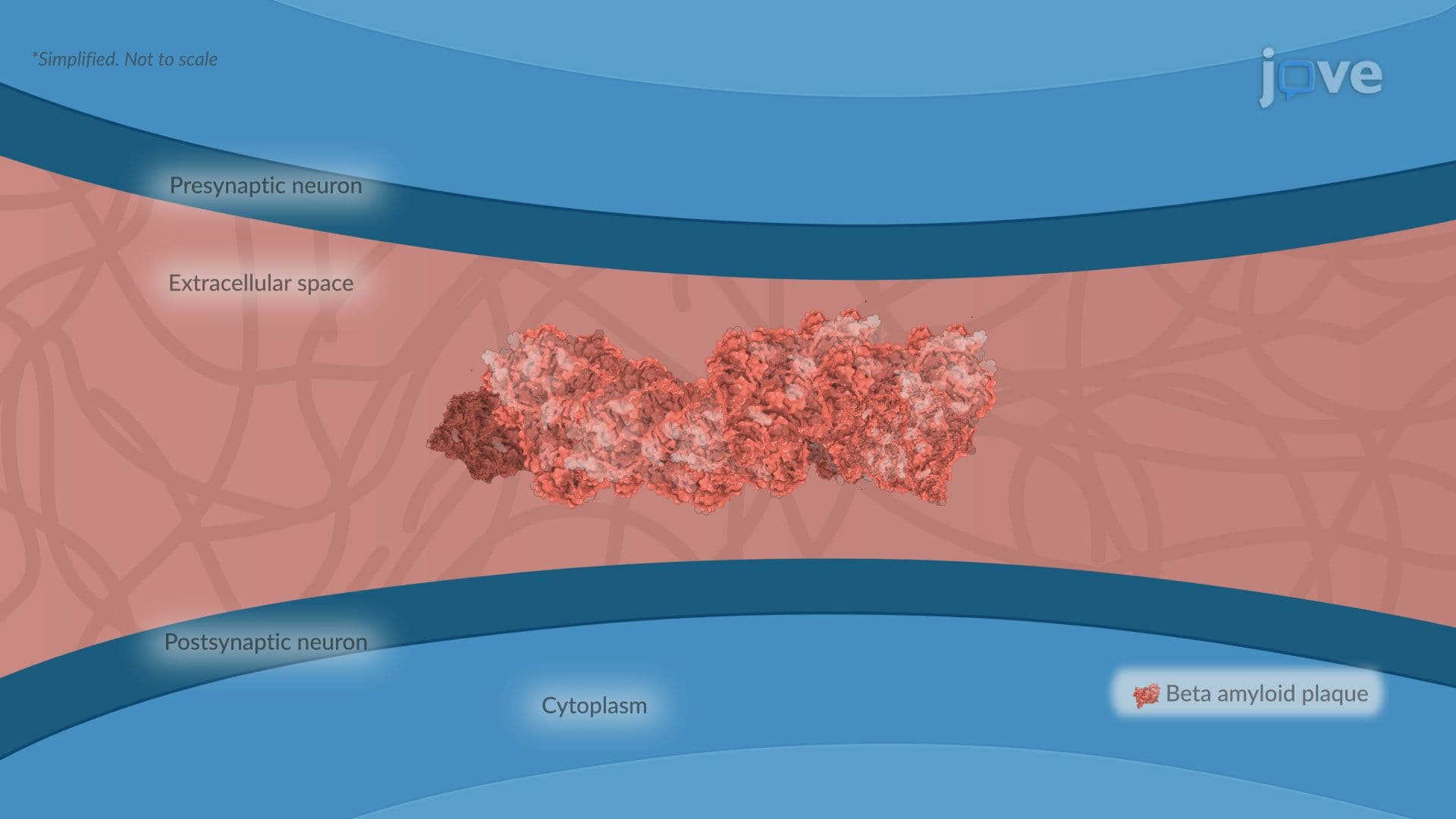
Understanding Parkinson's pathophysiology creates a strong conceptual framework for comparing neurodegenerative diseases more broadly. For example, Alzheimer's disease involves misfolded tau protein and amyloid-beta aggregation, while multiple sclerosis targets myelin rather than specific neurotransmitter systems. Recognizing these distinctions is essential for AP Biology essays, college neuroscience midterms, and high-yield MCAT questions in the Biological and Biochemical Foundations section.
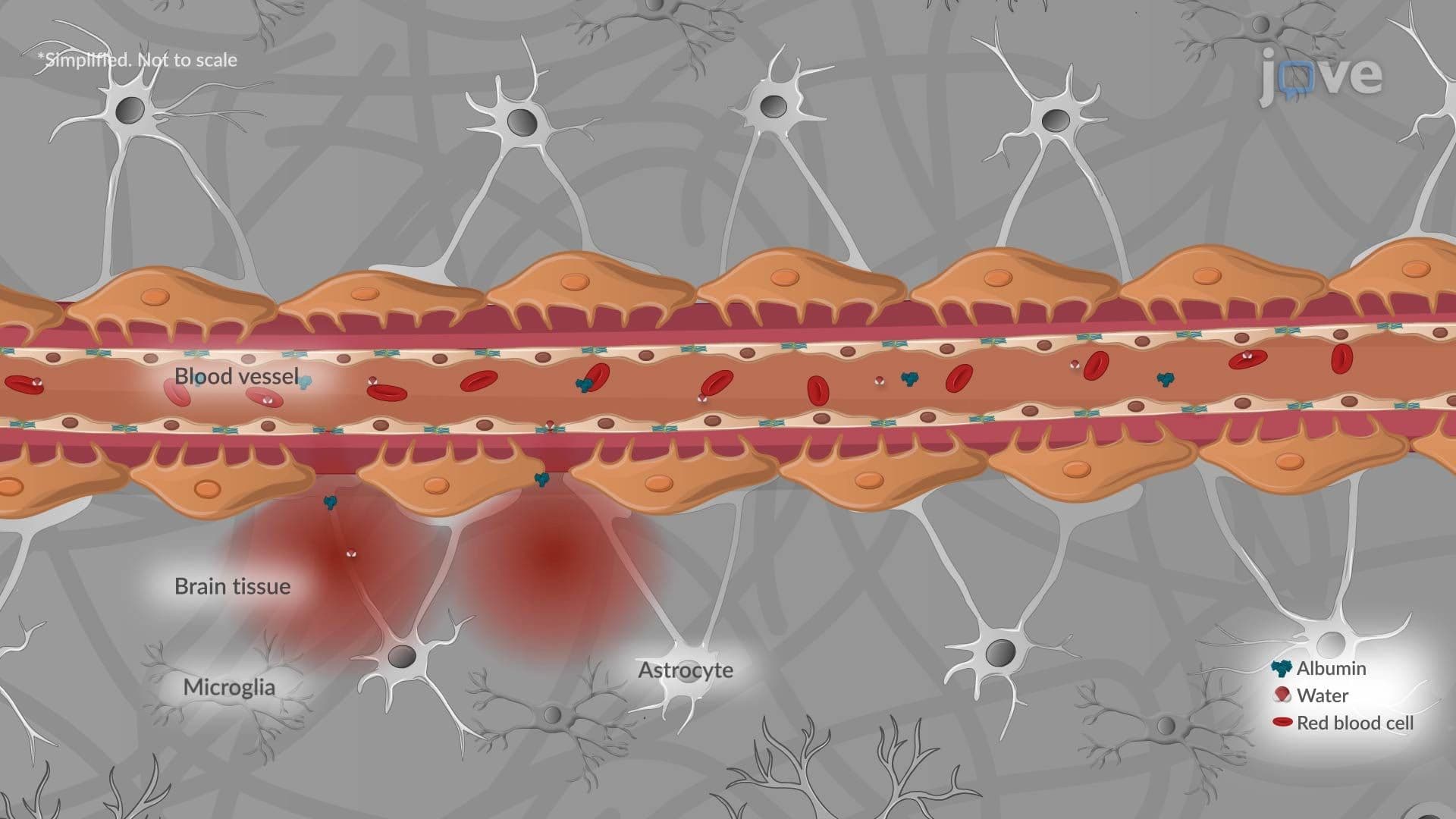
USMLE Step 1 and NCLEX candidates should pay particular attention to the pharmacological implications: treatments like levodopa/carbidopa directly address dopamine deficiency by providing a dopamine precursor that crosses the blood-brain barrier. Understanding *why* dopamine itself cannot be administered systemically, because it cannot cross the blood-brain barrier, is a classic and frequently tested exam concept.
Related Micro-courses