Loading video…

 27 Concepts
 4.7K views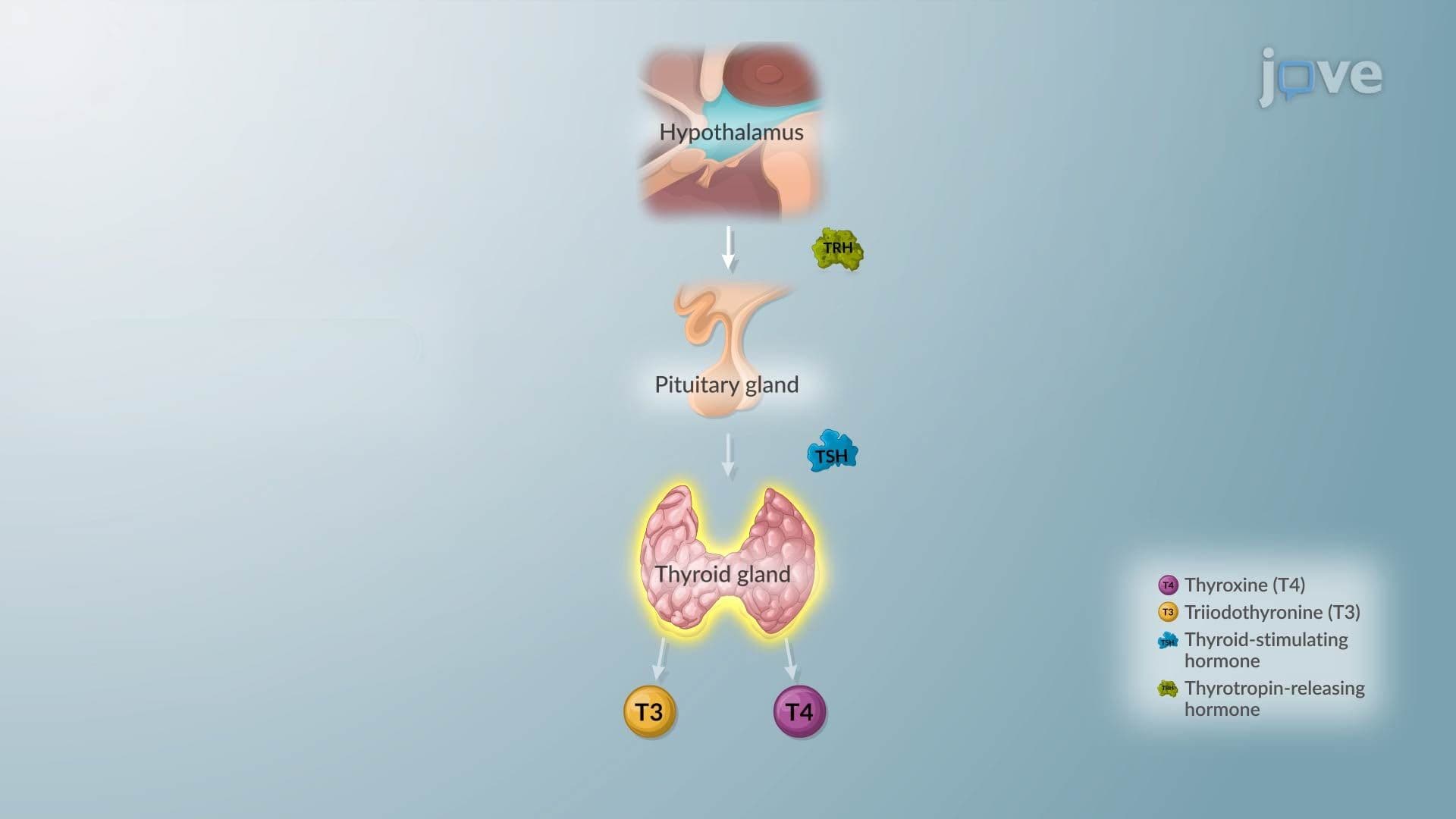

Video Summary: Pathophysiology in Hypothyroidism Ii
Did you know a tiny gland at the base of your neck can silently disrupt nearly every system in your body? Pathophysiology in Hypothyroidism II breaks down exactly how dysfunction in the thyroid, pituitary, or hypothalamus triggers dangerously low thyroid hormone levels. Think of it like a broken thermostat in a US hospital's ICU, the signal chain fails, and the whole system runs cold. Watch the full video on JoVE Coach to master this concept with expert-led visuals and step-by-step explanations.
The human body depends on a precise, multi-step communication system to regulate metabolism, energy, and organ function. When any link in the thyroid hormone axis breaks down, the consequences ripple across nearly every tissue in the body. Pathophysiology in Hypothyroidism II focuses on *where* that break occurs, and why location matters enormously for both diagnosis and treatment. This is exactly the kind of mechanistic thinking tested in AP Biology, college-level anatomy and physiology, and high-stakes exams like the MCAT and USMLE Step 1.
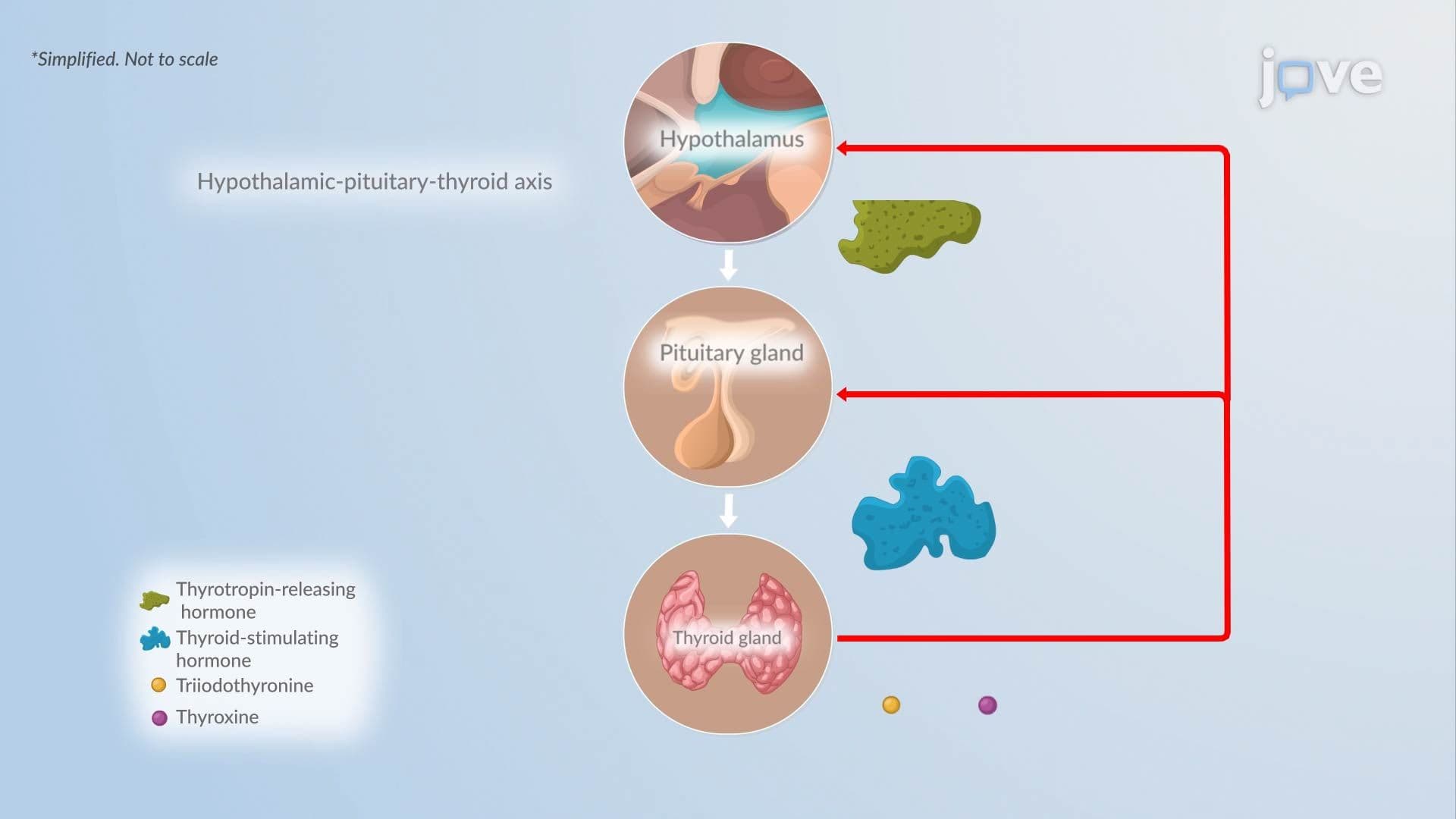
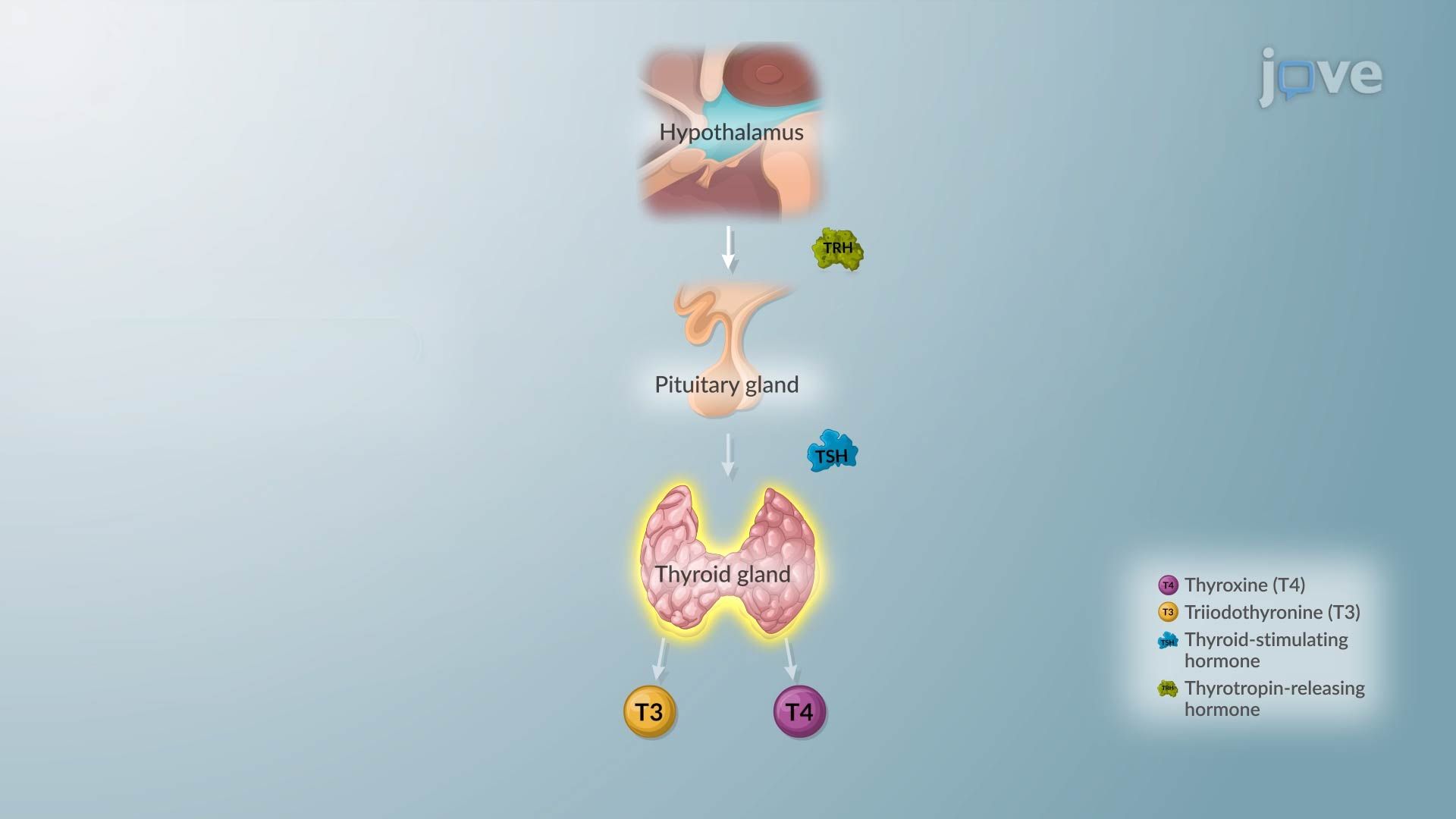
The thyroid gland doesn't act alone. It responds to a carefully ordered hormonal cascade. The hypothalamus releases thyrotropin-releasing hormone (TRH), which signals the anterior pituitary to secrete thyroid-stimulating hormone (TSH). TSH then travels through the bloodstream and stimulates the thyroid to produce thyroxine (T4) and triiodothyronine (T3). These hormones regulate metabolism throughout the body. Critically, T3 and T4 loop back to suppress both TRH and TSH production, a classic negative feedback mechanism. When this loop is disrupted, thyroid hormone levels fall, and the type of hypothyroidism that results depends entirely on *where* the disruption originates.
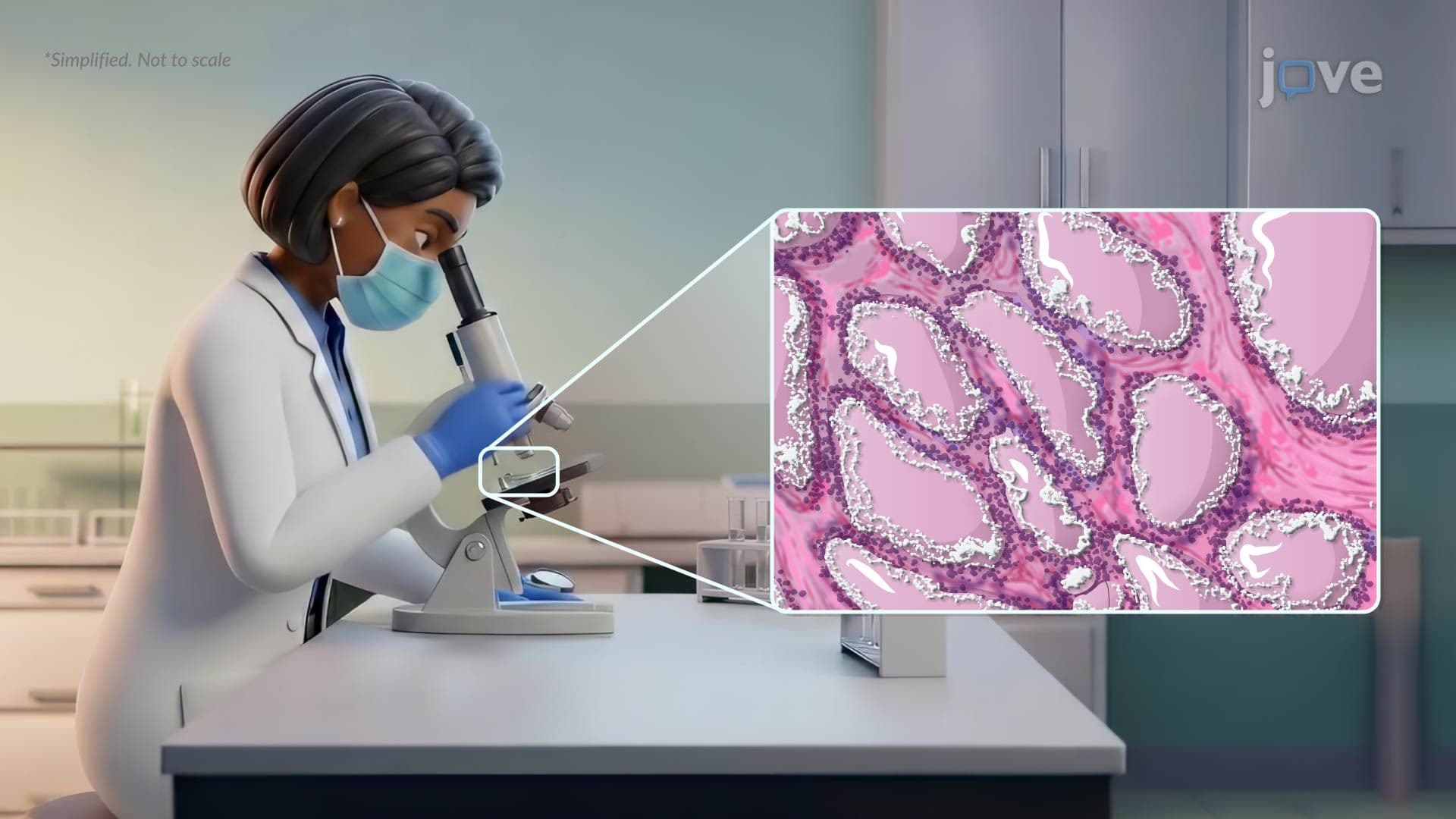
Primary hypothyroidism is by far the most common form in the United States, frequently caused by Hashimoto's thyroiditis, an autoimmune condition. Here, the thyroid itself is damaged and cannot produce adequate T3 and T4. Because the negative feedback loop is broken at the output end, the pituitary keeps releasing TSH, resulting in the hallmark lab pattern: low T4 with *elevated* TSH. This is the signature finding clinicians look for on routine blood panels.
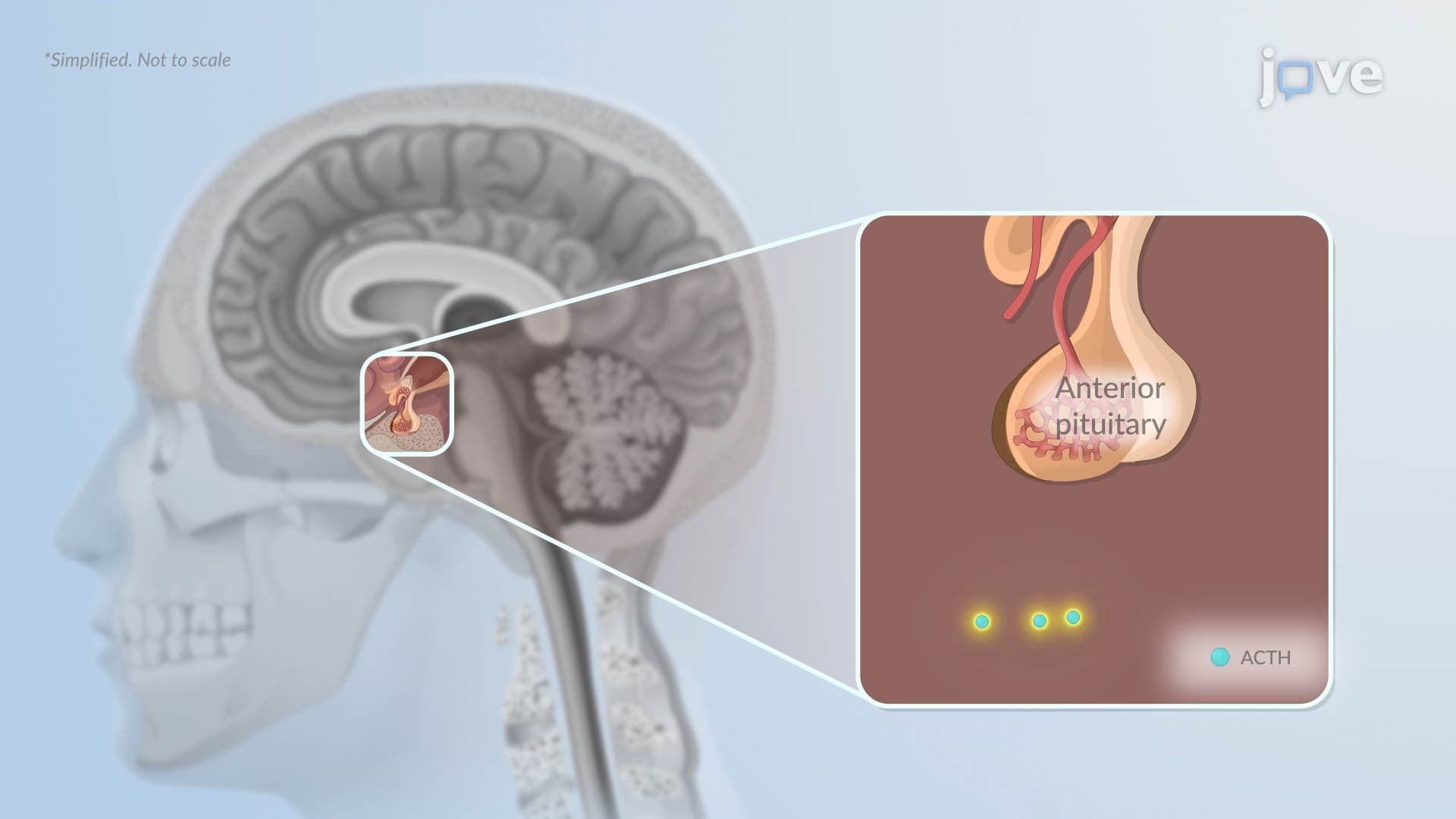
Secondary hypothyroidism originates in the pituitary gland. Damage from a pituitary tumor, surgery, or radiation, all scenarios seen in major US academic medical centers, can impair TSH secretion. Without sufficient TSH, the thyroid receives no stimulus to produce hormones. The lab pattern here is low T4 *and* low or inappropriately normal TSH, which can be diagnostically tricky.
Tertiary hypothyroidism is the rarest form and stems from hypothalamic dysfunction, where TRH production is insufficient. With no TRH signal reaching the pituitary, TSH output drops, and the thyroid falls silent. The result is low TRH, low TSH, and low T4, a cascade of insufficiency that traces all the way back to the brain's control center.
Understanding these distinctions is not just academic. On the MCAT, students are regularly asked to predict lab values based on where a lesion or dysfunction occurs in the HPT axis. On USMLE Step 1, differentiating primary from secondary hypothyroidism using TSH levels is a high-yield concept. In AP Biology and college physiology courses, negative feedback loops in the endocrine system are a recurring exam theme, and hypothyroidism is one of the clearest real-world examples available.
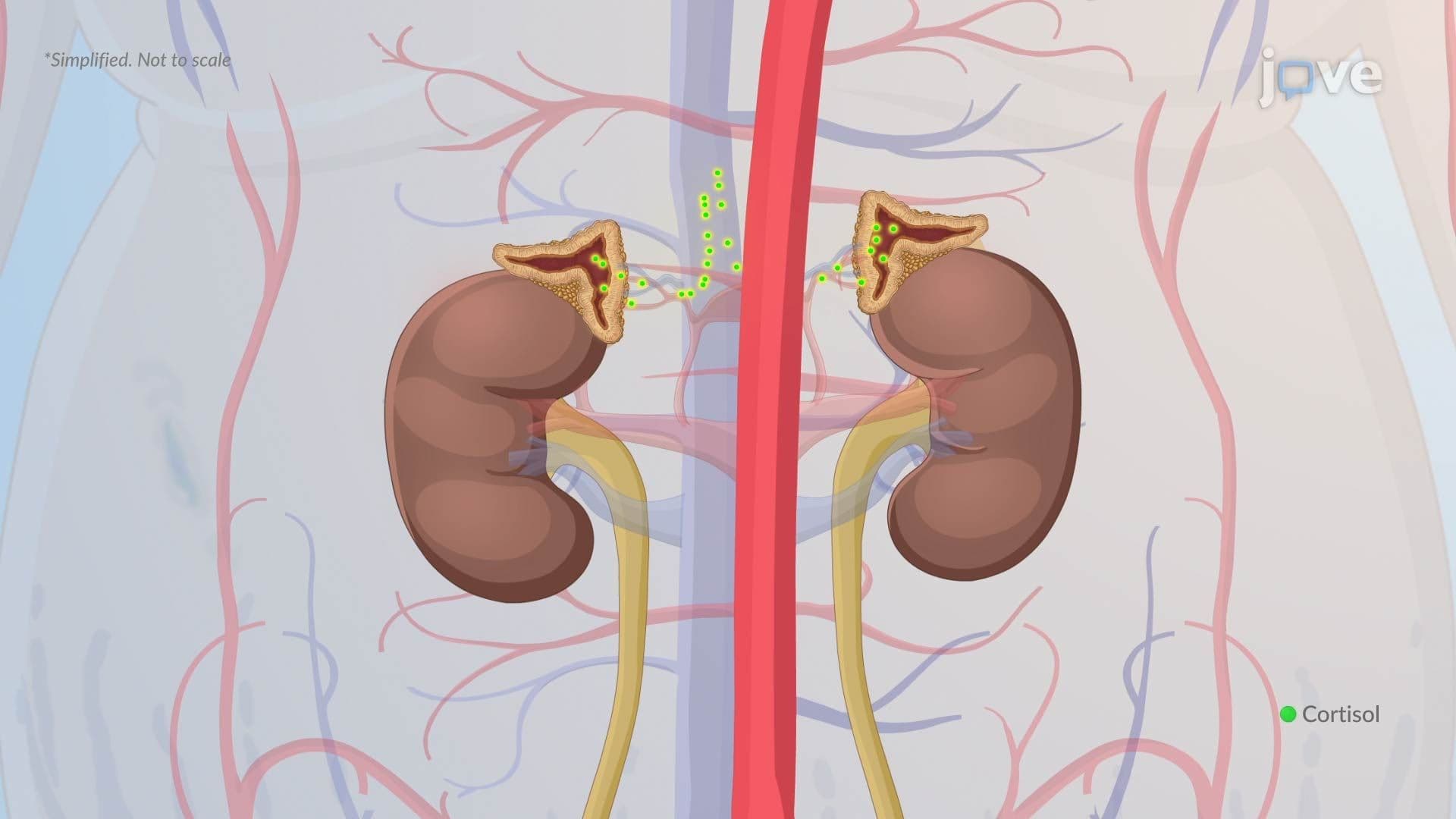
Beyond thyroid disorders, this framework connects directly to other hormonal imbalances and endocrine system disorders. Adrenal insufficiency follows a similar axis logic through the HPA (hypothalamic-pituitary-adrenal) pathway. Cushing's syndrome involves dysregulation of cortisol feedback. Even diabetes mellitus shares the theme of disrupted hormonal signaling leading to systemic metabolic dysfunction. Mastering Pathophysiology in Hypothyroidism II gives students a transferable mental model for understanding the entire endocrine system.
Related Micro-courses