Loading video…

 18 Concepts
 4.3K views

Video Summary: What Is Chronic Inflammation
Your immune system won't always shut off, and that's the root of chronic inflammation. Chronic inflammation basics explain why conditions like Crohn's disease, common across US hospitals, develop when the immune response lingers for months or years. Unlike short-term reactions, chronic inflammation drives tissue destruction, fibrosis, and granuloma formation, reshaping how the body functions over time. Watch the full video on JoVE Coach to master this concept with expert-led visuals and step-by-step explanations.
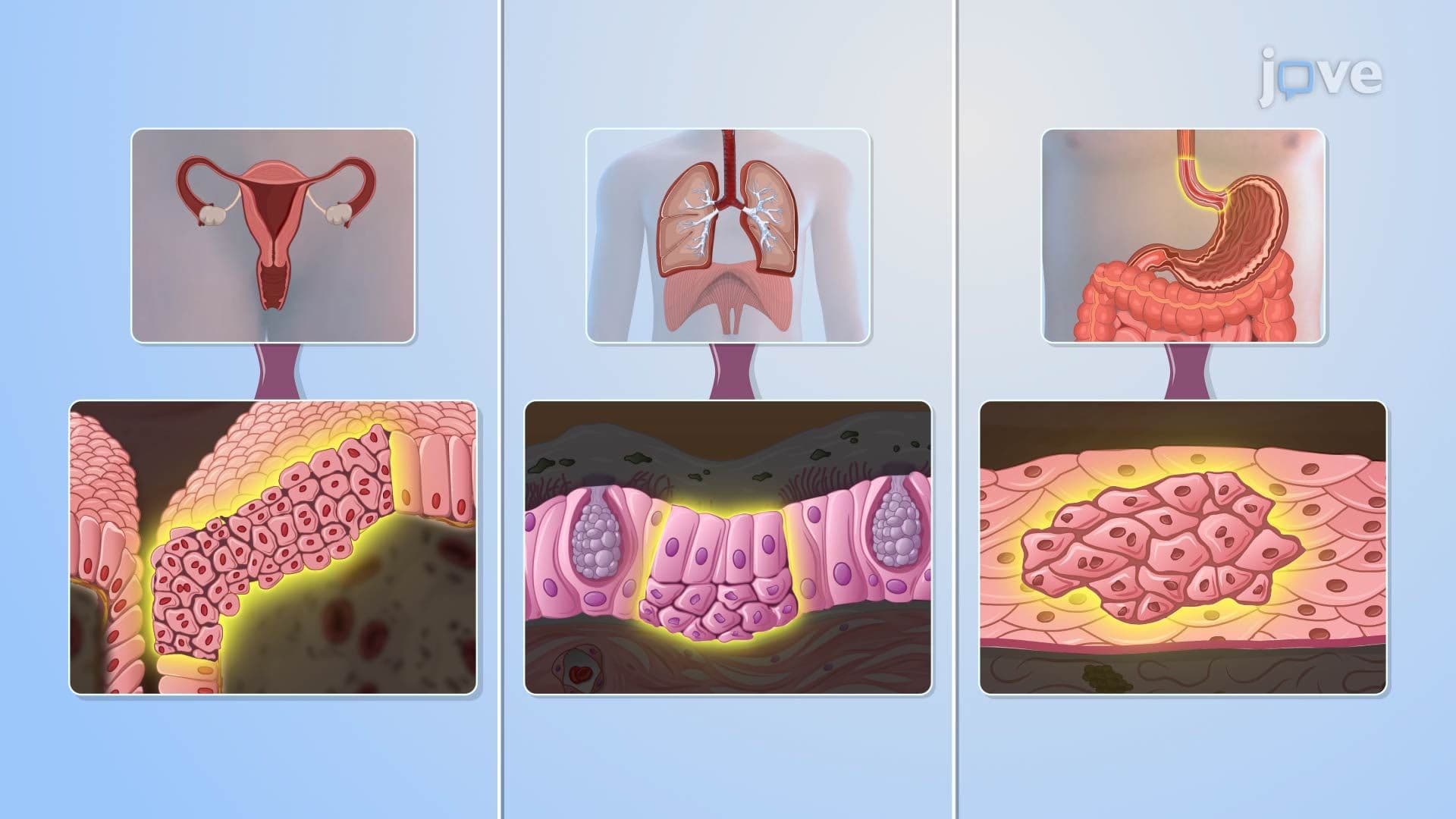
Chronic inflammation is one of the most clinically significant concepts in biology and medicine. While the human immune system is brilliantly designed to respond to injury or infection, it is not always able to resolve the threat and stand down. When the immune response persists for weeks, months, or even years, the result is chronic inflammation, a condition that underlies some of the most common and serious diseases seen in the United States today, including rheumatoid arthritis, inflammatory bowel disease, and type 2 diabetes.
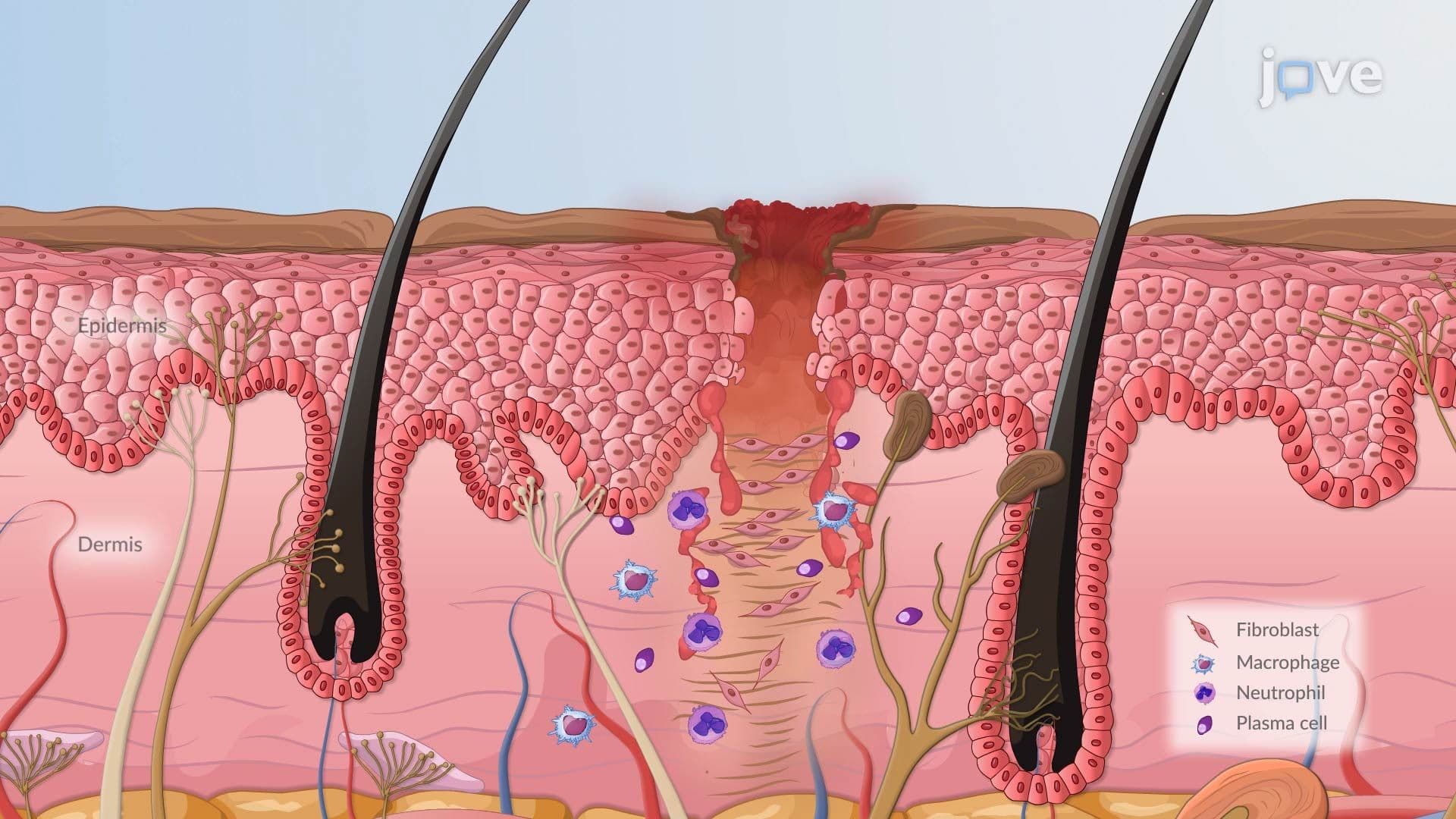
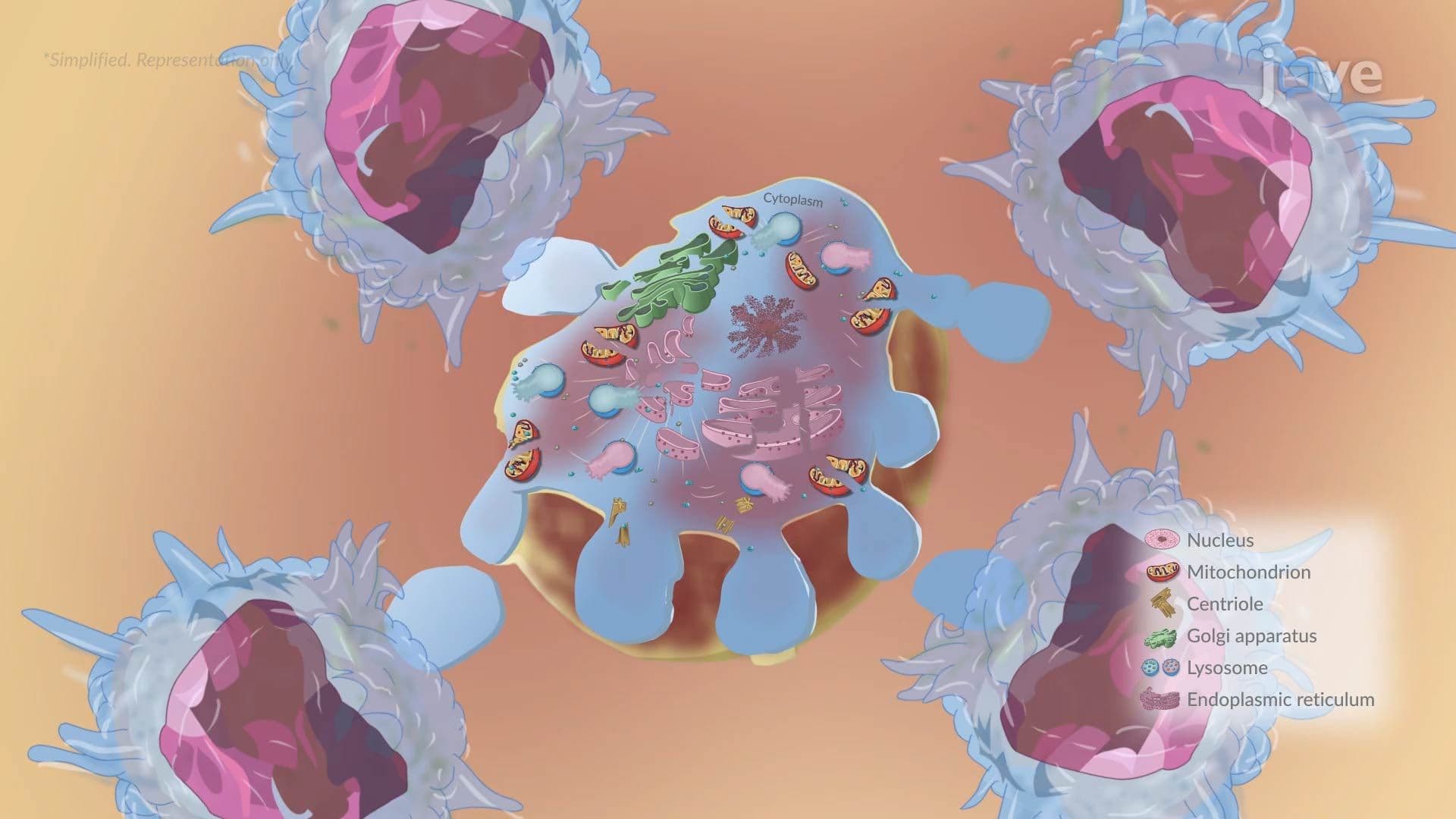
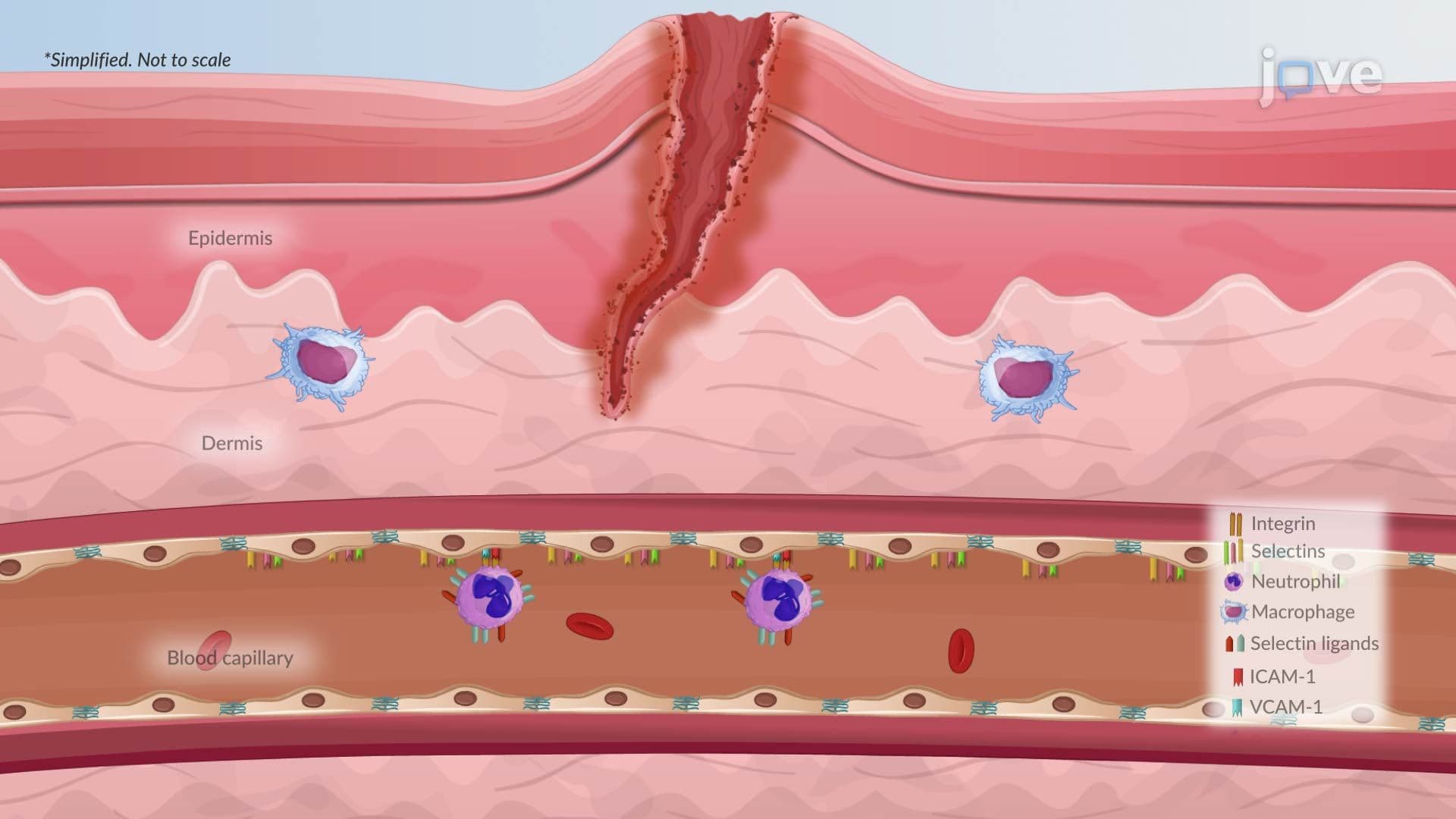
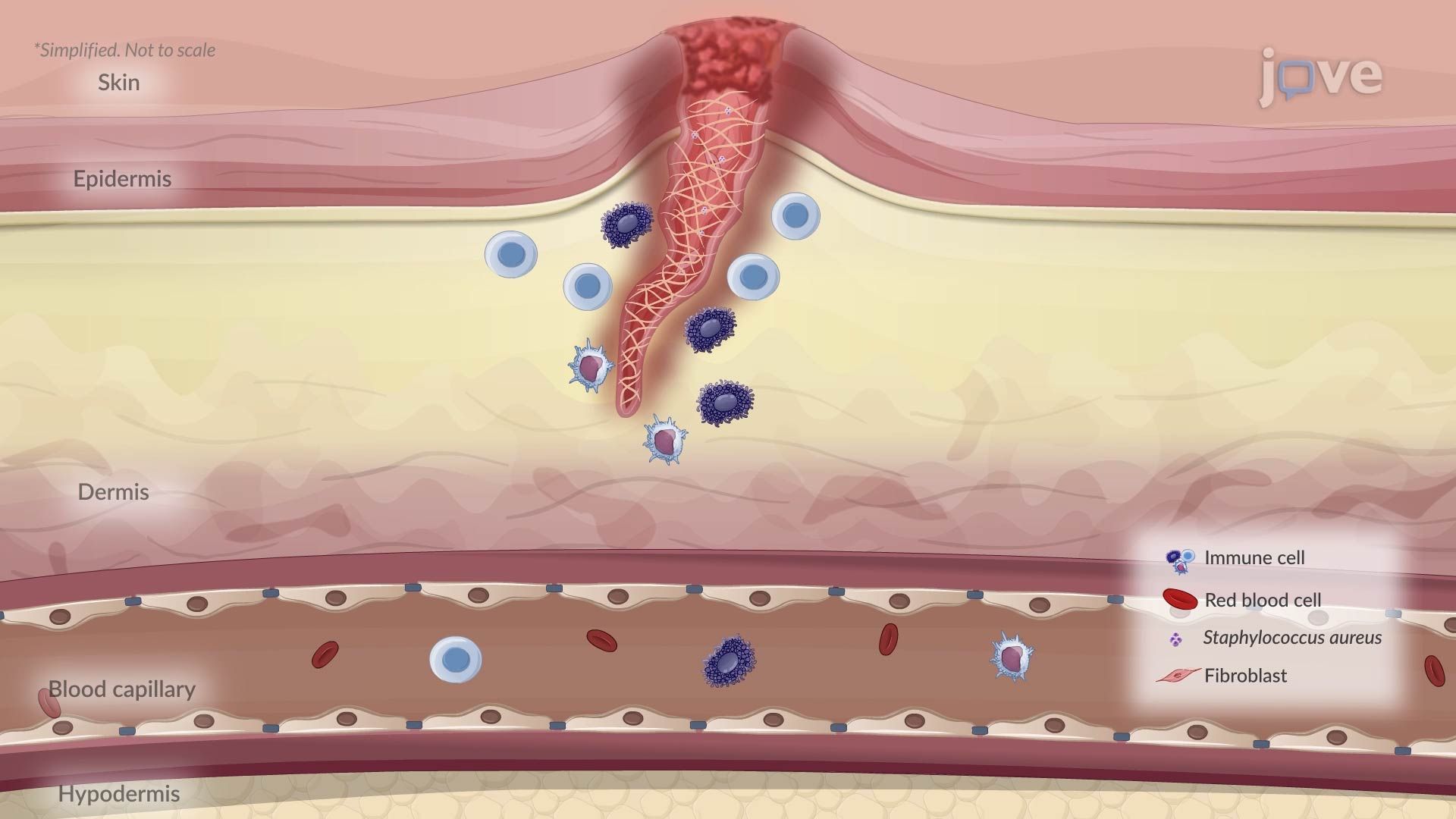
Unlike acute inflammation, which features rapid swelling, redness, and neutrophil activity, chronic inflammation is driven by a different cast of immune characters. Lymphocytes, macrophages, fibroblasts, and connective tissue cells become the primary players. Macrophages are especially important, they act as both defenders and damage agents, releasing enzymes and reactive oxygen species that target the affected tissue. However, these same molecules don't discriminate perfectly, and neighboring healthy tissue suffers collateral damage as a result. Lymphocytes, particularly T cells and B cells, sustain the immune signal, preventing the response from resolving naturally.
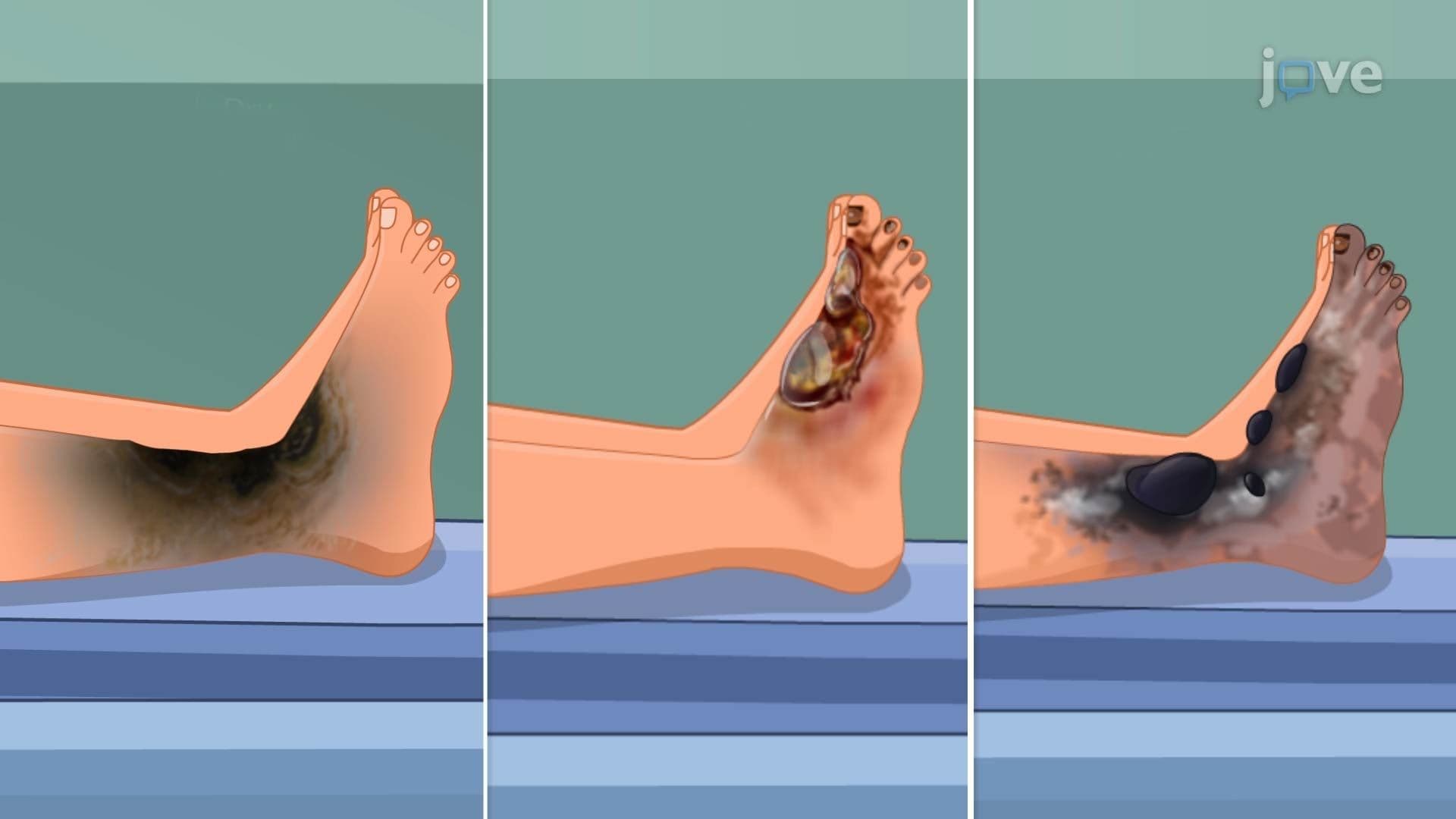
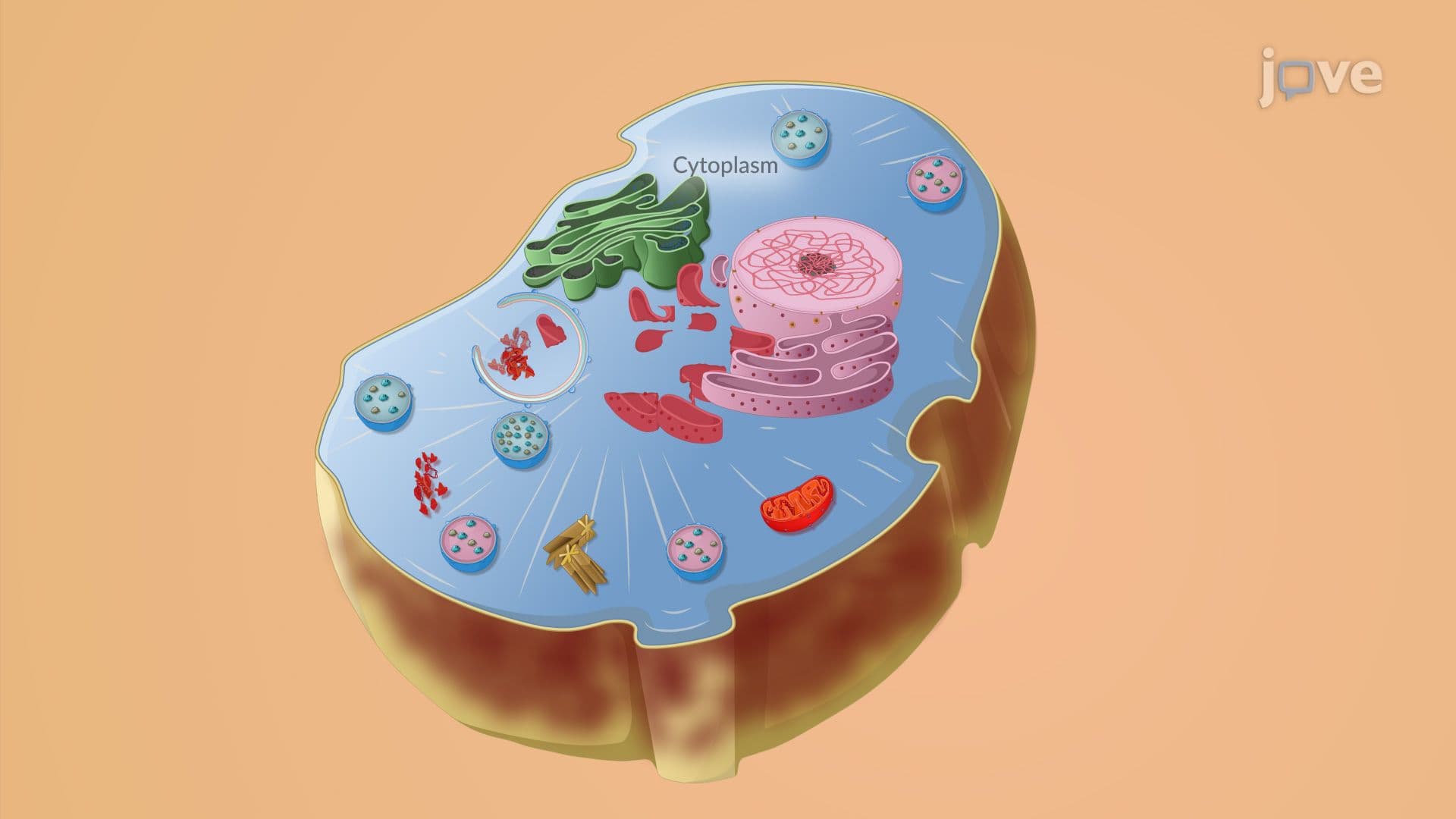
One of the most damaging consequences of chronic inflammation is the cycle of destruction and attempted repair. As macrophages and lymphocytes continually damage tissue, fibroblasts respond by producing excess collagen to patch the area. Over time, this leads to fibrosis, the replacement of functional tissue with dense, inflexible scar tissue. In patients with chronic liver disease (such as those seen at major US medical centers), fibrosis can progress to cirrhosis, permanently impairing liver function. This tissue remodeling is a direct example of cellular adaptation gone wrong, and it illustrates how disease mechanisms at the cellular level translate into organ-level consequences.
When the immune system cannot destroy a pathogen or foreign body outright, it attempts containment. This produces a granuloma, a compact, organized cluster of activated macrophages, often surrounded by a rim of lymphocytes and encased in connective tissue. Granulomas are the hallmark of diseases like tuberculosis (TB), caused by *Mycobacterium tuberculosis*, and sarcoidosis, both of which are actively studied and treated in US clinical settings. Understanding granuloma formation helps explain why some infections become chronic rather than resolving after standard treatment.
Chronic inflammation is a high-yield topic across multiple academic and professional pathways. AP Biology students encounter inflammation as part of immune system units, while college-level pathophysiology courses at universities across the US build entire modules around it. For pre-med students, the MCAT tests understanding of inflammatory disease mechanisms under the biological sciences section. Nursing students preparing for the NCLEX need to recognize clinical signs and systemic effects of chronic inflammatory conditions. Understanding concepts like fibrosis, granuloma formation, cellular injury, and hemodynamic disorders gives students a framework that connects basic biology to real clinical outcomes, making it one of the most transferable concepts in all of health science education.
Related Micro-courses