Loading subject page…

4,341 views

Video Summary: Local and Systemic Effects in Acute Inflammation Iii
Ever wonder why a sprained ankle swells up, turns red, and throbs with pain, all within minutes? Understanding local and systemic effects in acute inflammation III reveals exactly how your immune system launches both a targeted attack and a full-body alarm response. In a US emergency room, patients with severe infections may show fever, rapid heartbeat, and even sepsis, all rooted in this same cascade. Watch the full video on JoVE Coach to master this concept with expert-led visuals and step-by-step explanations.
Acute inflammation is one of the most fundamental processes in human biology, and understanding its local and systemic effects gives students a powerful framework for interpreting disease. Whether you're studying for AP Biology, a college-level pathophysiology course, or preparing for the MCAT, this concept sits at the crossroads of cellular biology, immunology, and clinical medicine.
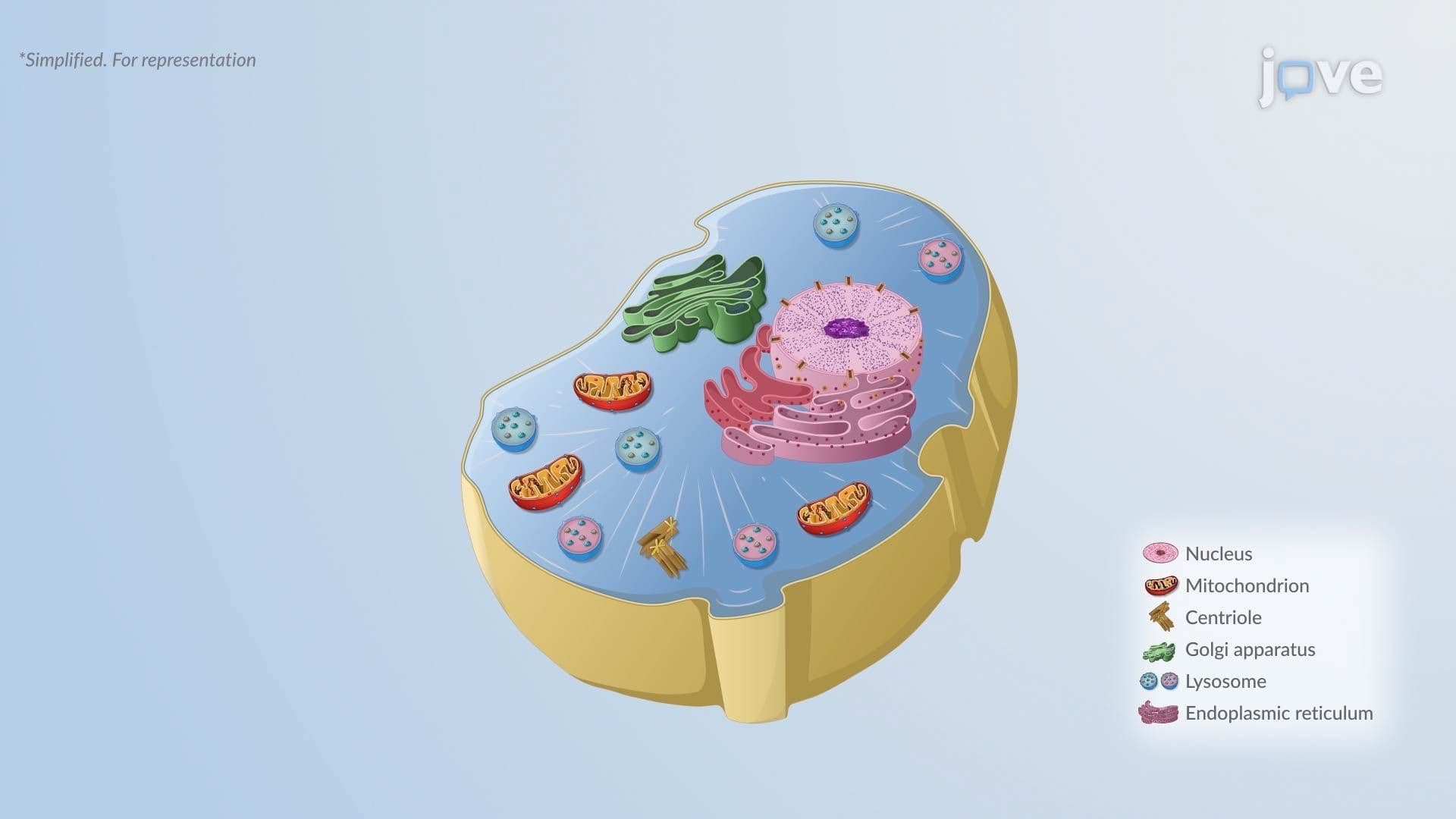
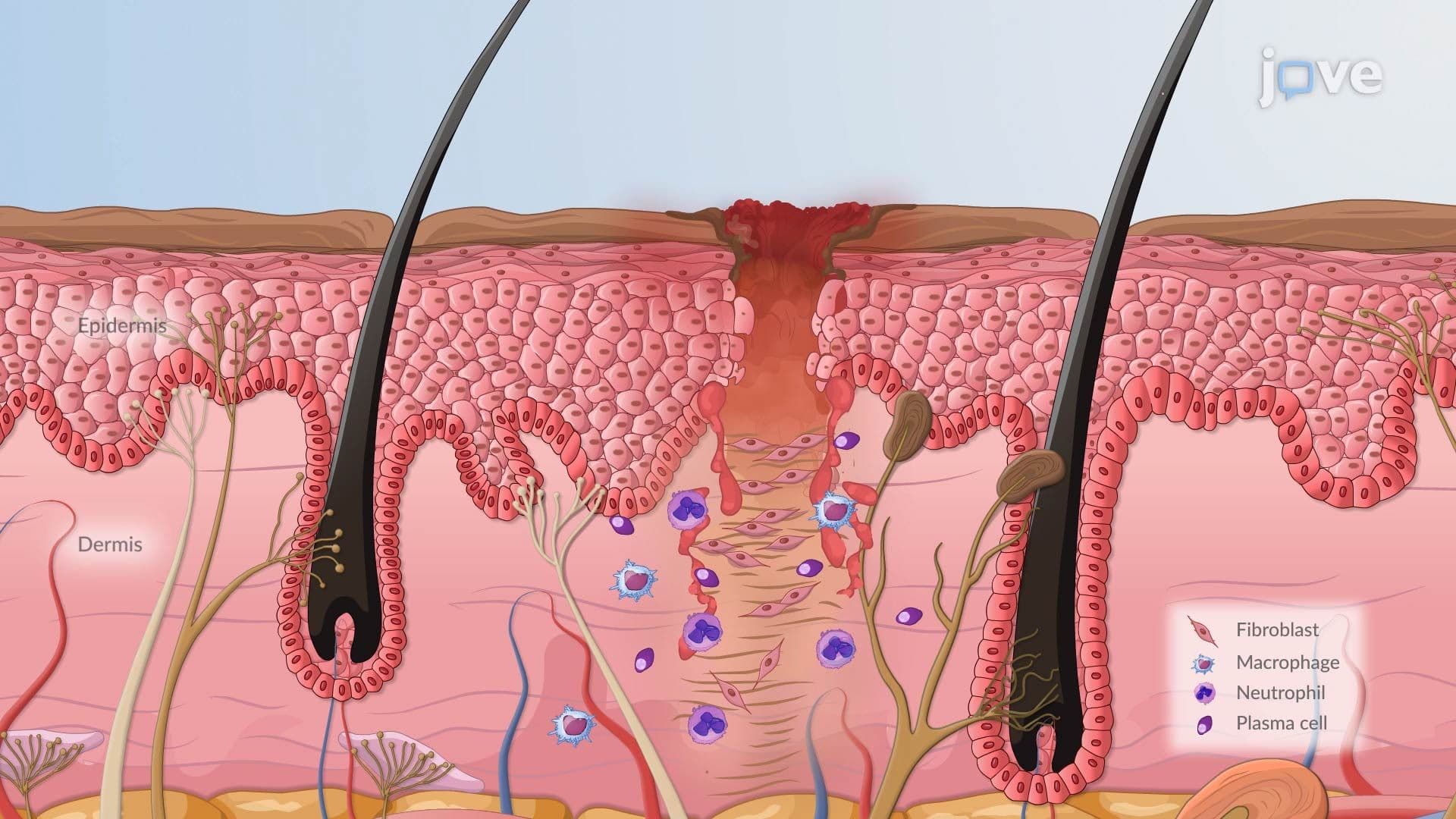
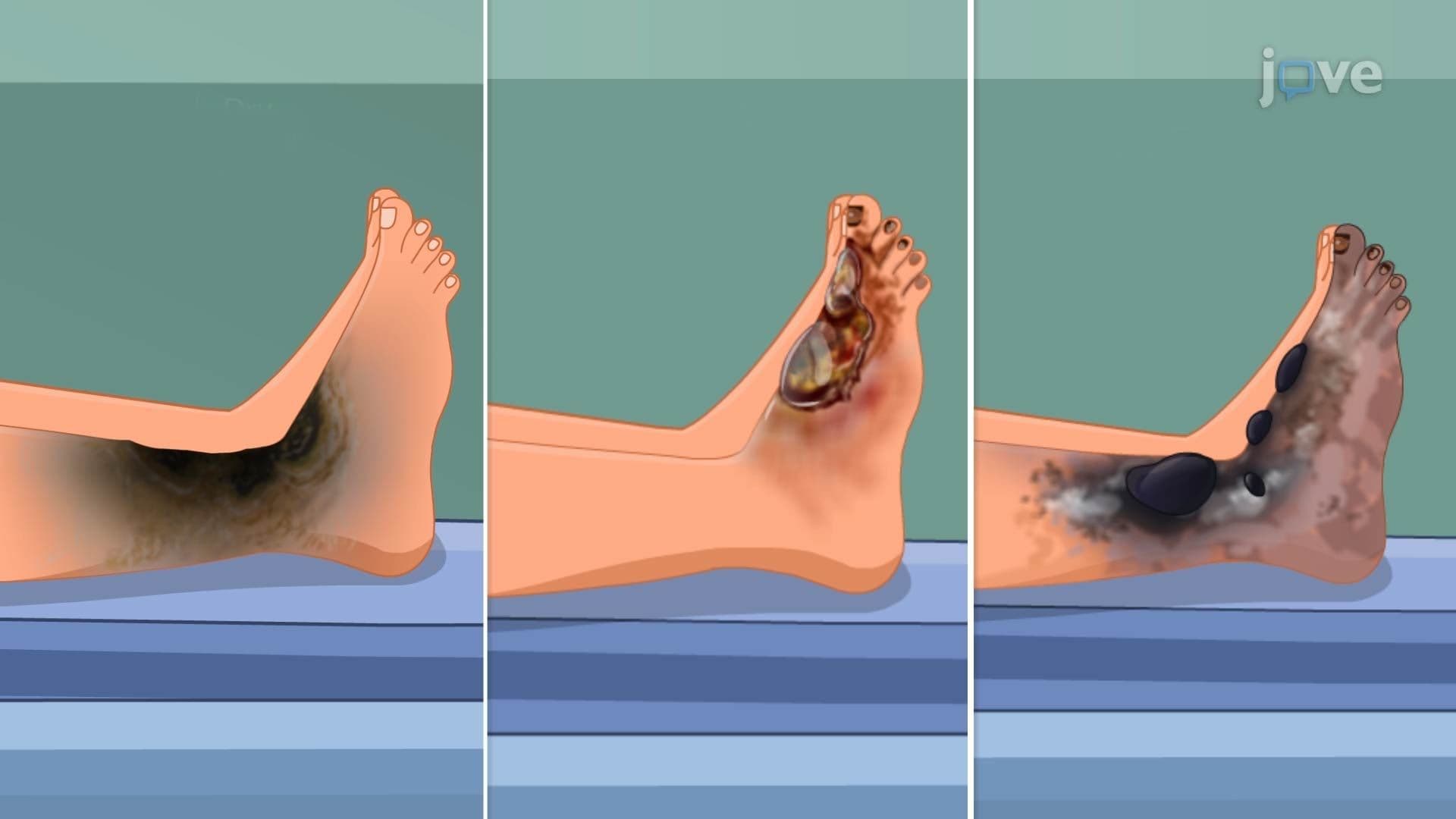
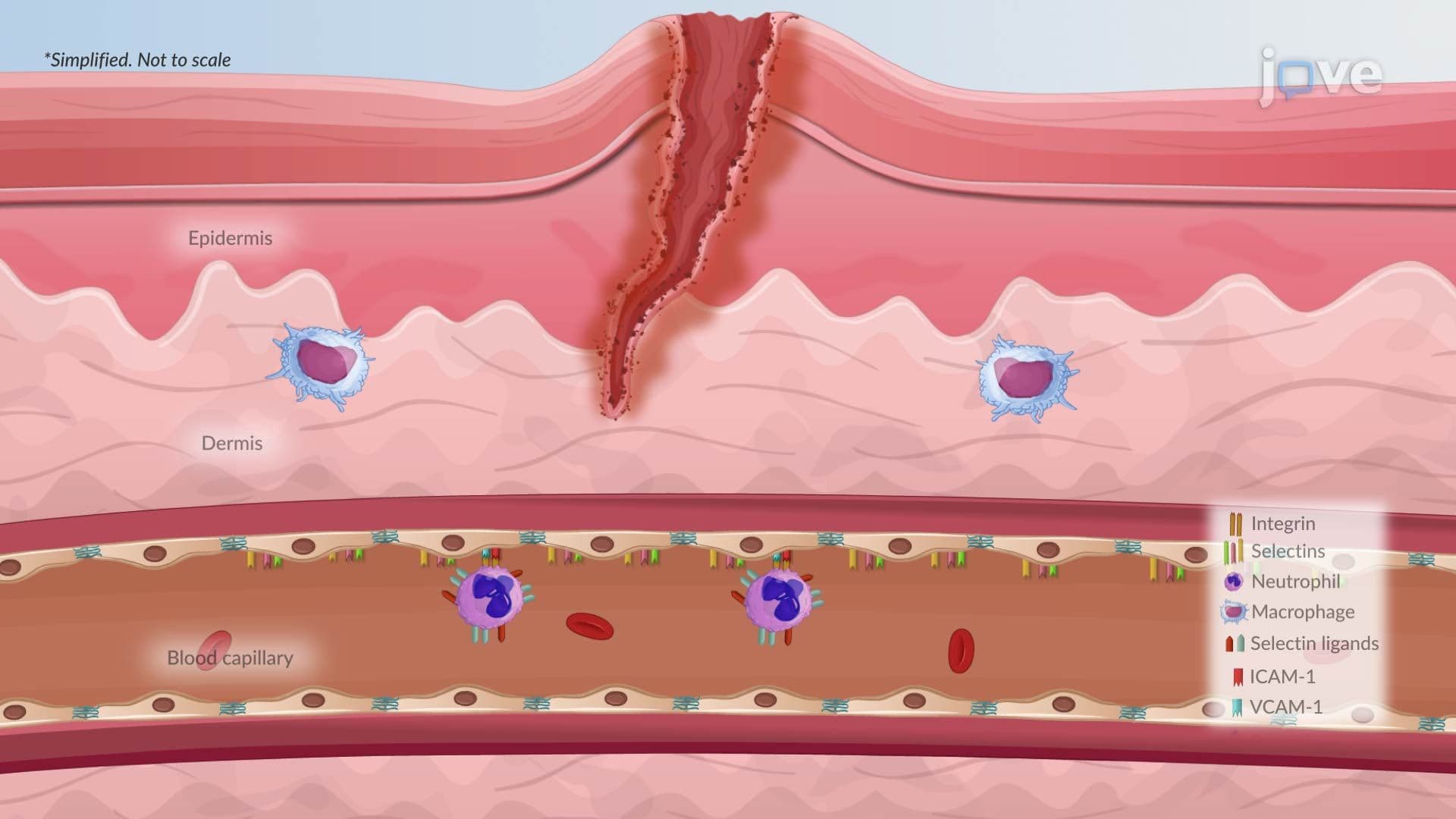
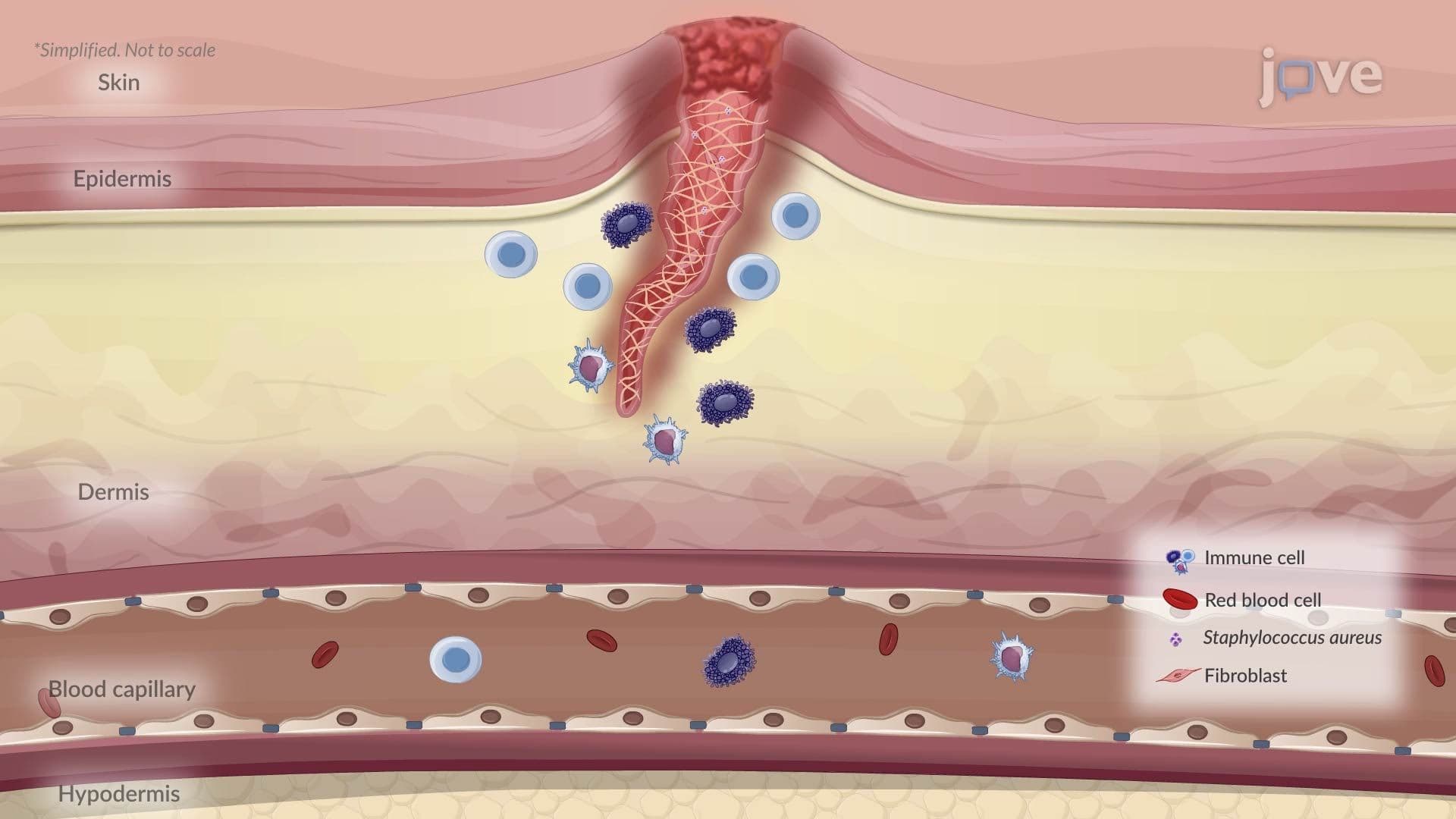
When tissue is damaged, say, from a bacterial infection or a physical injury, the body mounts an immediate, localized response. Blood vessels in the affected area dilate, flooding the region with blood and producing the classic signs: redness (erythema) and warmth. This is not a malfunction; it is a deliberate strategy to deliver immune cells and nutrients to the site of damage.
Increased vascular permeability allows plasma proteins and fluid to leak out of capillaries into the surrounding interstitial space, causing edema, the visible swelling you might see after a bee sting or ankle sprain. Meanwhile, damaged cells and recruited immune cells release chemical mediators, particularly prostaglandins and bradykinin. These molecules diffuse outward through local tissue and bind to nearby nociceptors, the sensory nerve endings responsible for detecting pain, lowering their activation threshold and generating the familiar aching or throbbing sensation.
This local response is tightly regulated and, under normal circumstances, self-limiting. It clears pathogens, removes cellular debris, and sets the stage for tissue repair.
Not all inflammatory responses stay local. In cases of severe infection, major trauma, or autoimmune flare-ups, situations familiar in US hospital ICUs, the immune response can go systemic. This occurs when inflammatory cytokines enter the bloodstream in significant quantities.
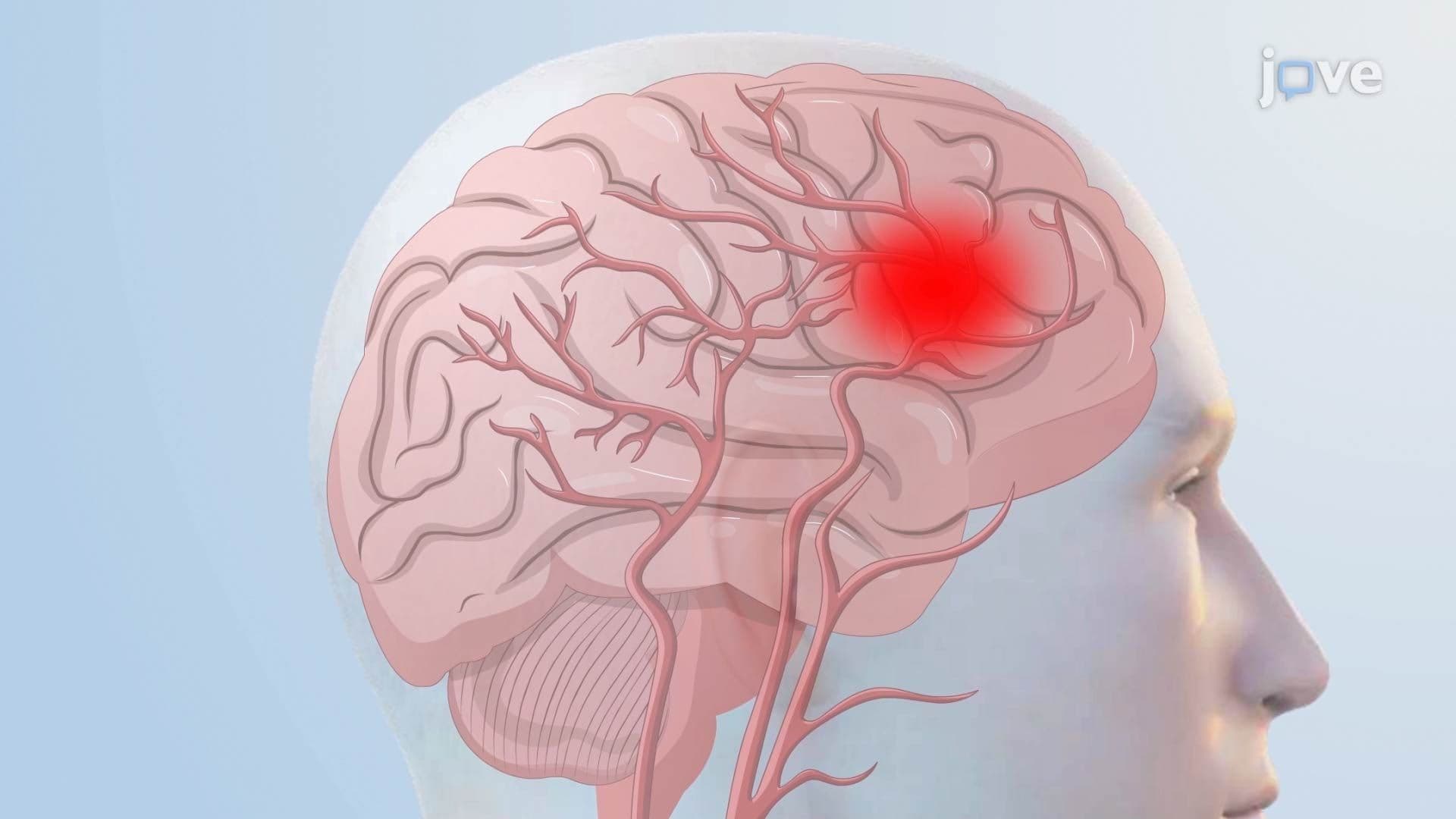
The three key cytokines driving systemic inflammation are IL-1 (Interleukin-1), IL-6 (Interleukin-6), and TNF-alpha (Tumor Necrosis Factor-alpha). These molecules travel through circulation and act on the hypothalamus, the brain's temperature-regulating center, triggering fever, a rise in core body temperature designed to slow pathogen replication and enhance immune function.
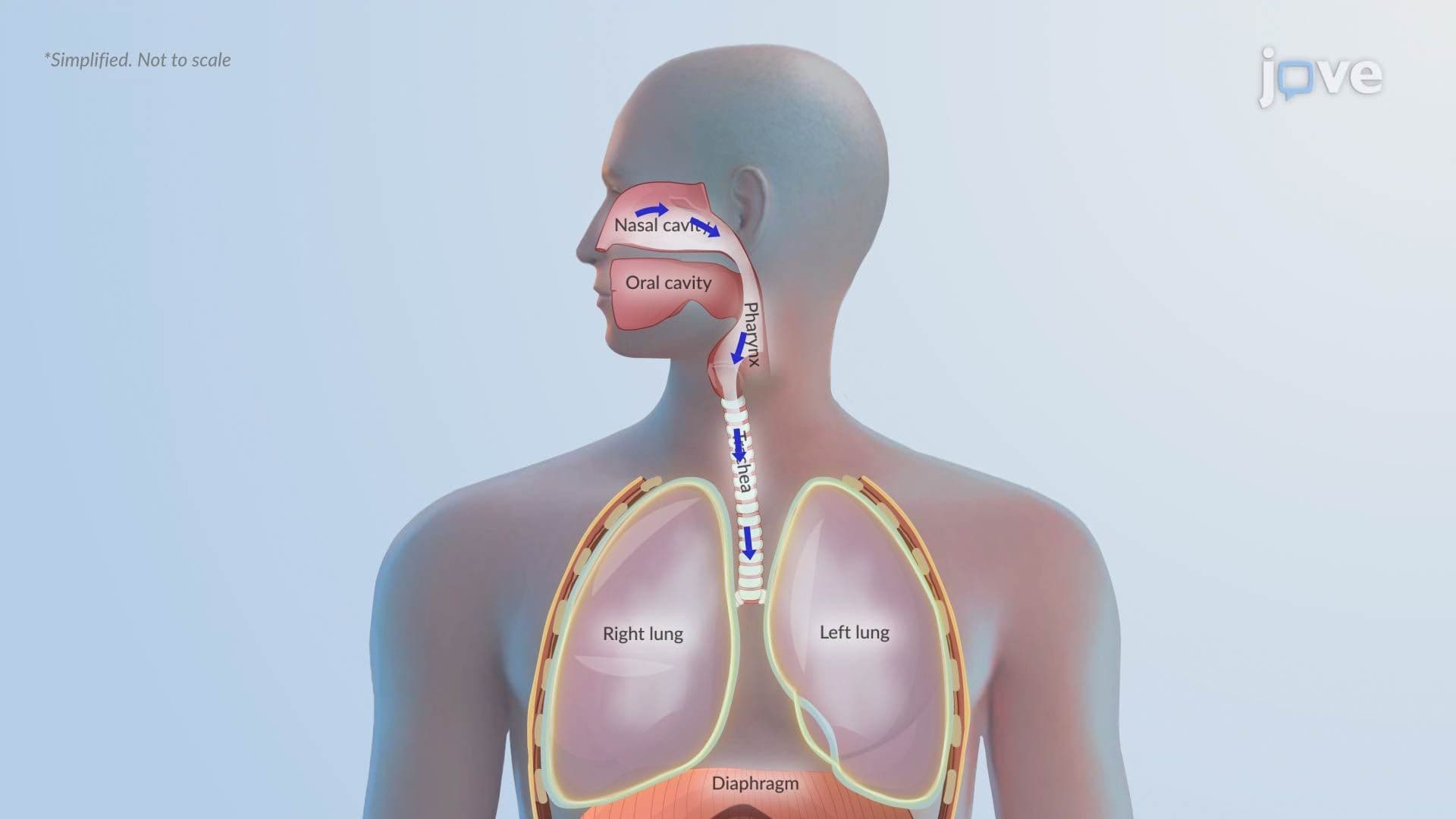
Beyond fever, systemic inflammation produces a recognizable clinical picture: leukocytosis (increased white blood cell production), tachycardia (rapid heart rate), tachypnea (rapid breathing), malaise, and anorexia (loss of appetite). Clinicians in the US use these findings as diagnostic criteria for conditions like Systemic Inflammatory Response Syndrome (SIRS).
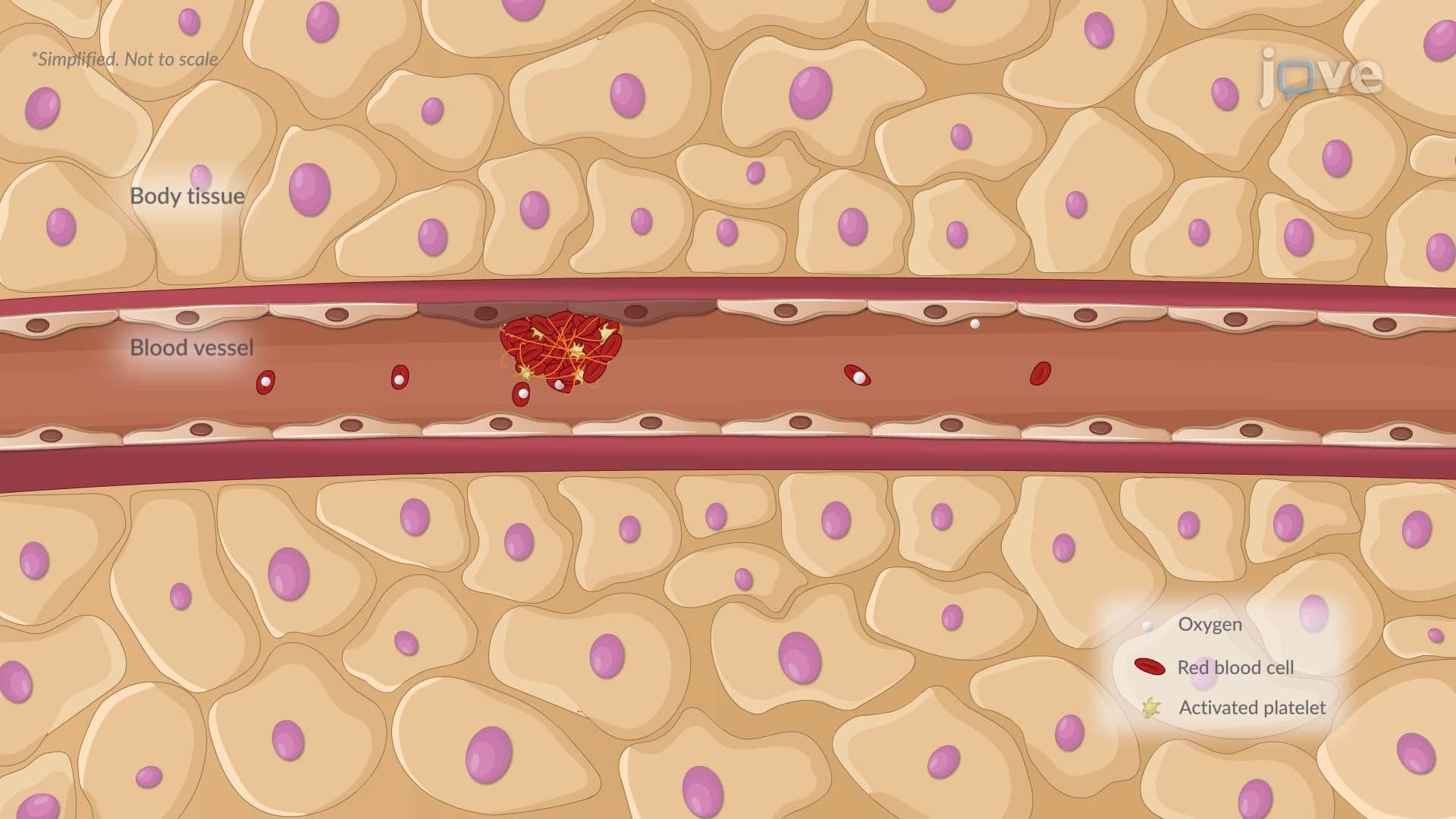
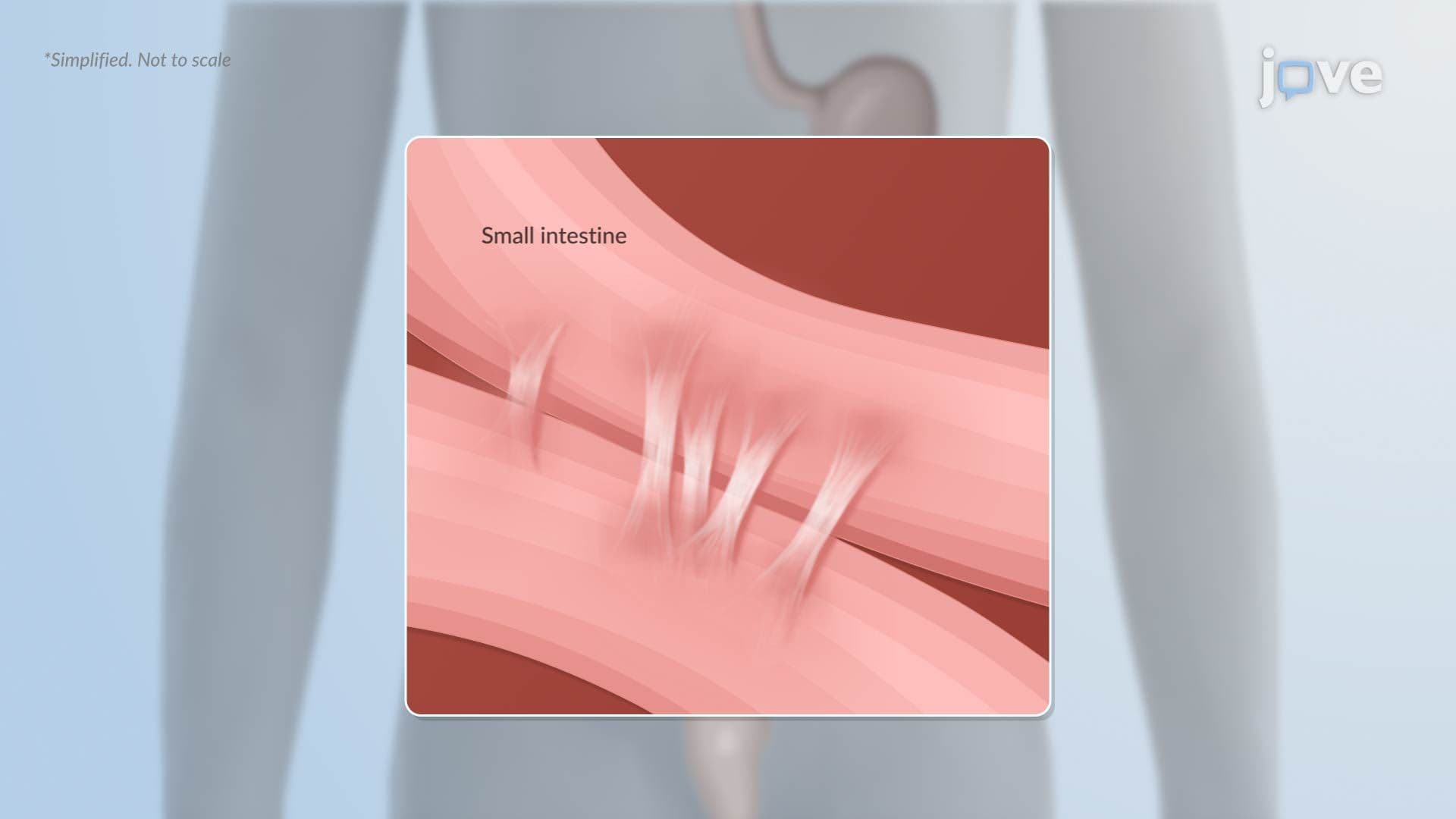
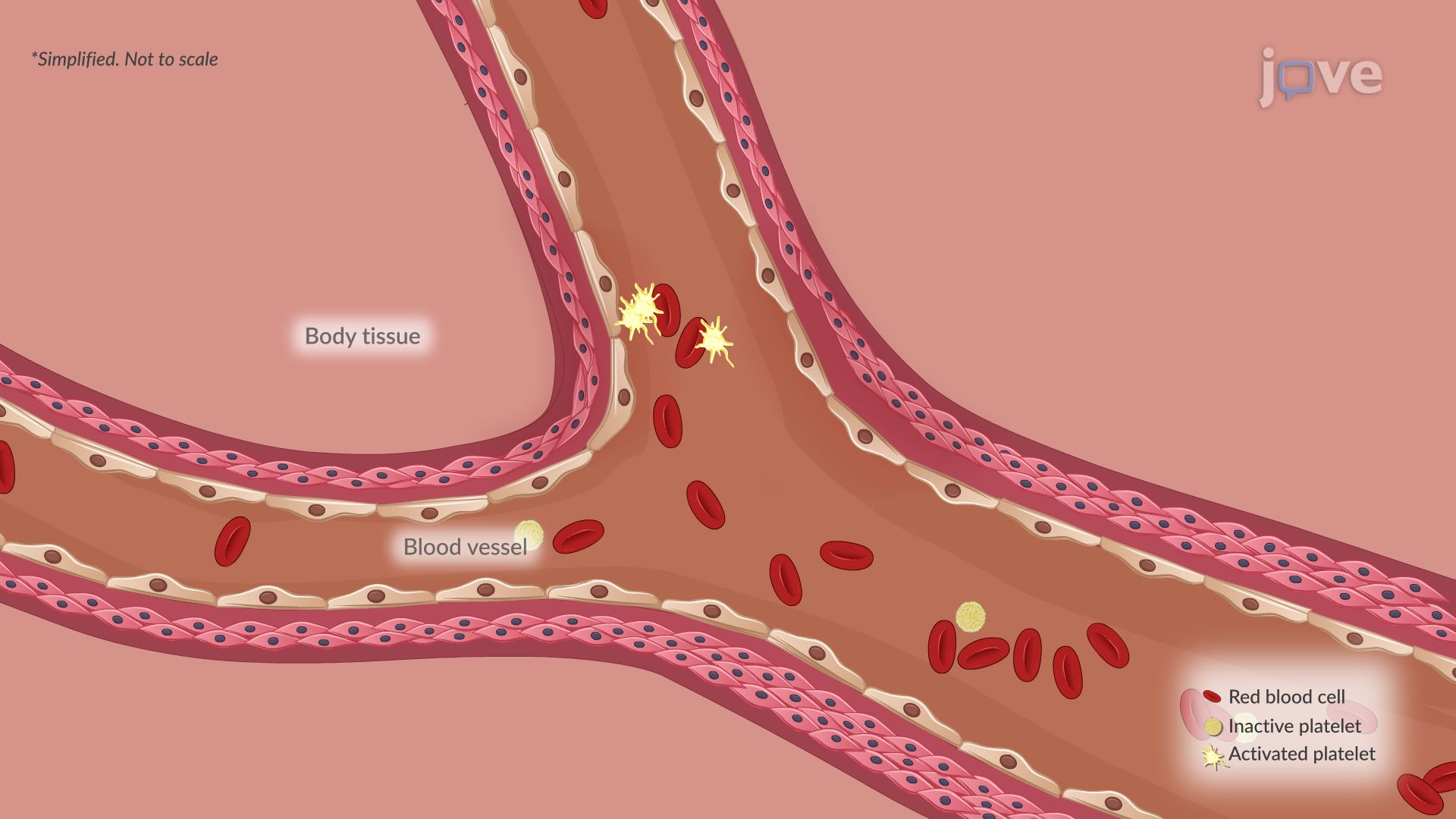
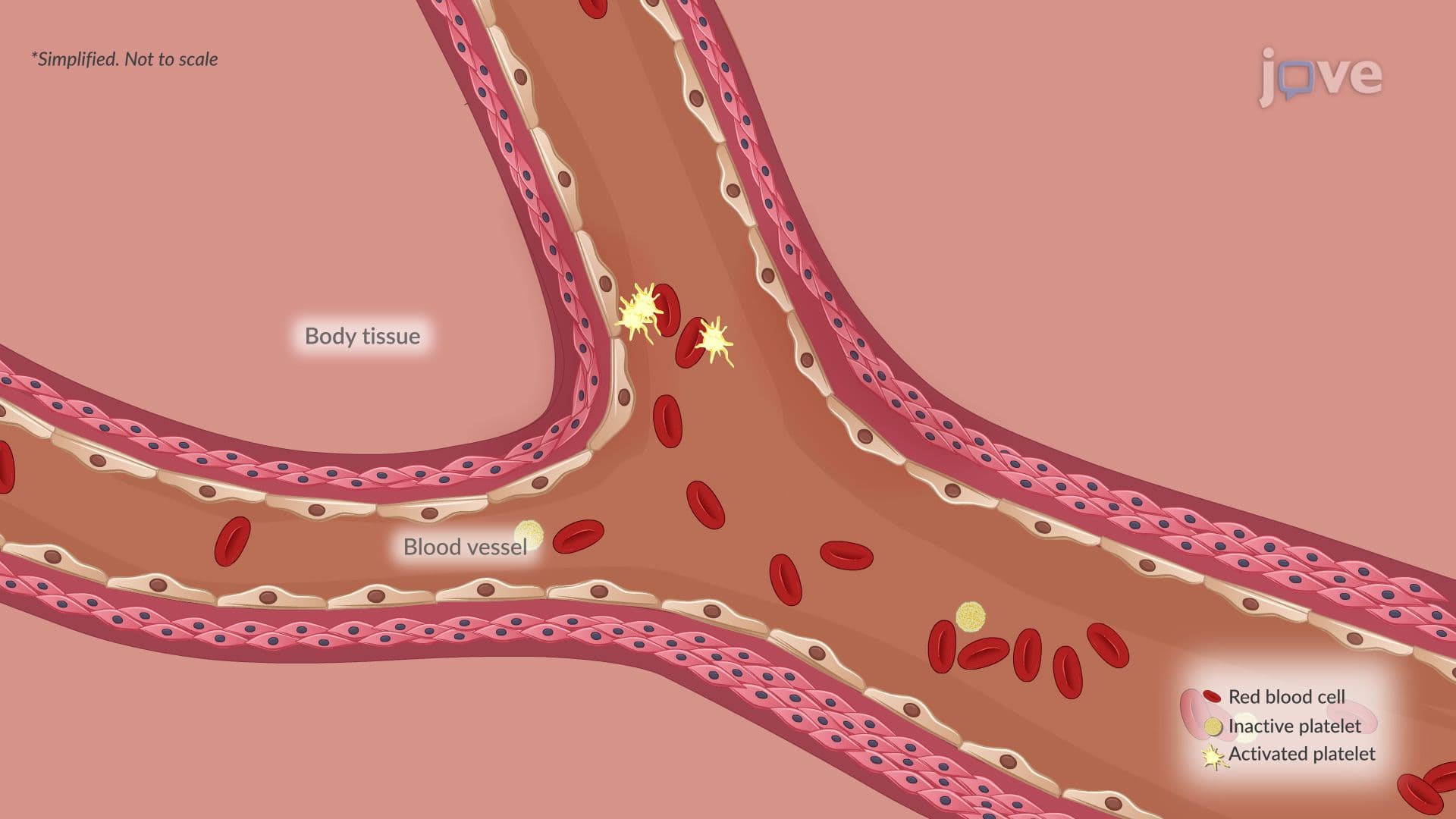
When the systemic response becomes dysregulated, most dangerously in sepsis, additional life-threatening complications emerge. Hypotension results from widespread vasodilation and vascular leakage, reducing the blood pressure needed to perfuse vital organs. Disseminated Intravascular Coagulation (DIC) is a paradoxical condition in which clotting factors are simultaneously over-activated throughout the body, consuming clotting proteins and platelets and leaving the patient vulnerable to both clotting and hemorrhage.
According to the CDC, sepsis affects more than 1.7 million adults in the United States annually, making the ability to recognize its inflammatory underpinnings clinically and academically essential.
Students often ask: *What is the difference between pathology and pathophysiology?* Pathology describes the structural changes disease causes in tissues; pathophysiology explains the functional mechanisms behind those changes. The local and systemic effects of acute inflammation perfectly bridge both fields, you can see the swollen tissue (pathology) while understanding the cytokine cascade that caused it (pathophysiology). This concept also connects directly to hemodynamic disorders, cellular injury and death, and inflammation and repair, core categories on the USMLE Step 1 and MCAT Biological and Biochemical Foundations section.
Related Micro-courses