Loading video…


 18 Concepts
 4.3K views

Video Summary: Hypertrophy in Cellular Adaptation Ii
Did you know your heart can literally grow larger under chronic stress, and that's not always a good thing? Hypertrophy in Cellular Adaptation II explores how individual cells increase in size to help tissues and organs handle greater demands. American athletes who train with weights experience healthy skeletal muscle hypertrophy, while hypertension patients risk dangerous cardiac enlargement. Watch the full video on JoVE Coach to master this concept with expert-led visuals and step-by-step explanations.
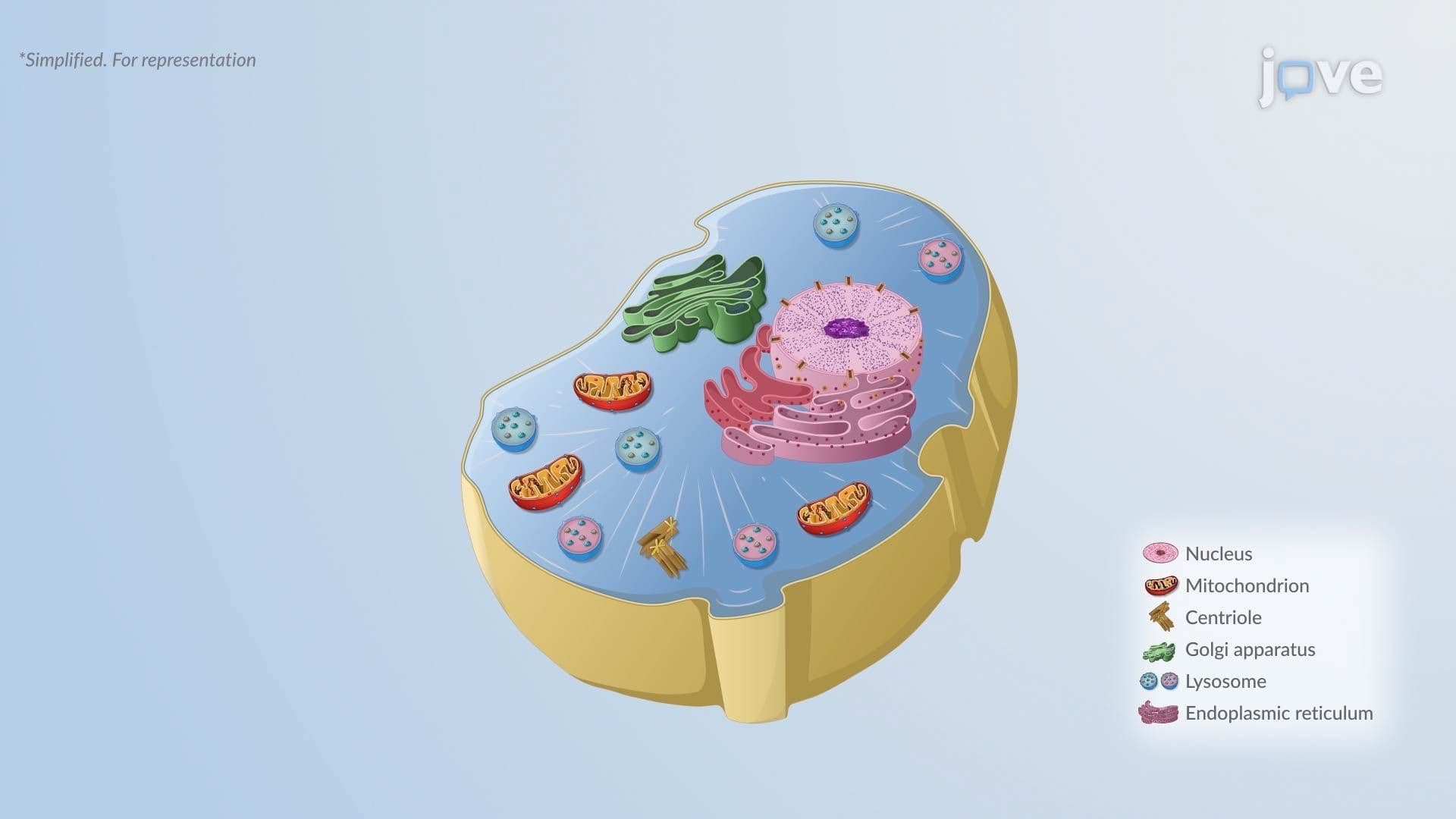
Hypertrophy is one of the body's most fascinating survival strategies, the ability of individual cells to grow larger in response to increased demand. Unlike hyperplasia, where cells multiply in number, hypertrophy is strictly about size. When a tissue faces sustained stress or increased workload, its cells ramp up protein production and expand their internal machinery to meet the challenge. This concept sits at the core of cellular adaptation in both physiology and pathology courses, making it essential for AP Biology students, college undergraduates in anatomy and physiology, and anyone preparing for the MCAT or USMLE.
Physiological hypertrophy is a reversible, beneficial adaptation. The most familiar example is skeletal muscle hypertrophy from resistance training, the kind of growth elite athletes and everyday gym-goers experience. When mechanical stress is placed on muscle fibers, a precise molecular cascade activates. Insulin-like growth factor 1 (IGF-1) is released, which triggers Protein Kinase B (Akt), which in turn activates the mechanistic target of rapamycin (mTOR) pathway. This signaling chain increases ribosomal activity, ramps up protein synthesis, and specifically boosts the production of contractile proteins like actin and myosin. The result: larger, stronger muscle fibers. Importantly, if training stops, this hypertrophy reverses, the cells shrink back toward their original size. This reversibility is a defining feature of physiological adaptation.
Not all hypertrophy serves the body well. Pathological hypertrophy occurs when abnormal or chronic stress forces cells to enlarge in ways that eventually impair organ function. Cardiac hypertrophy due to chronic hypertension is a textbook US clinical example. When blood pressure remains persistently elevated, a condition affecting nearly half of American adults according to the CDC, the heart must pump harder against increased vascular resistance. Myocardial cells (cardiomyocytes) enlarge in response, initially preserving the heart's ability to function. However, over time, this structural change stiffens the heart walls, reduces chamber flexibility, and disrupts normal electrical signaling. The heart's adaptive response eventually becomes maladaptive, increasing the risk of heart failure, arrhythmias, and sudden cardiac death.
Understanding hypertrophy is foundational to answering exam questions about disease mechanisms, cellular injury, and hemodynamic disorders. On the MCAT, you may be asked to distinguish between hypertrophy, hyperplasia, atrophy, and metaplasia. On AP Biology and college pathophysiology midterms, scenario-based questions often ask you to identify whether a described cellular change is adaptive or maladaptive. Knowing the IGF-1/Akt/mTOR pathway also appears in cell biology units tied to cancer research, since mTOR dysregulation is implicated in tumor growth. Connecting hypertrophy to broader themes, how does the body respond to cellular injury? What separates pathology from pathophysiology?, strengthens your conceptual foundation across multiple disciplines and exam contexts.
Related Micro-courses