Loading video…

 18 Concepts
 4.3K views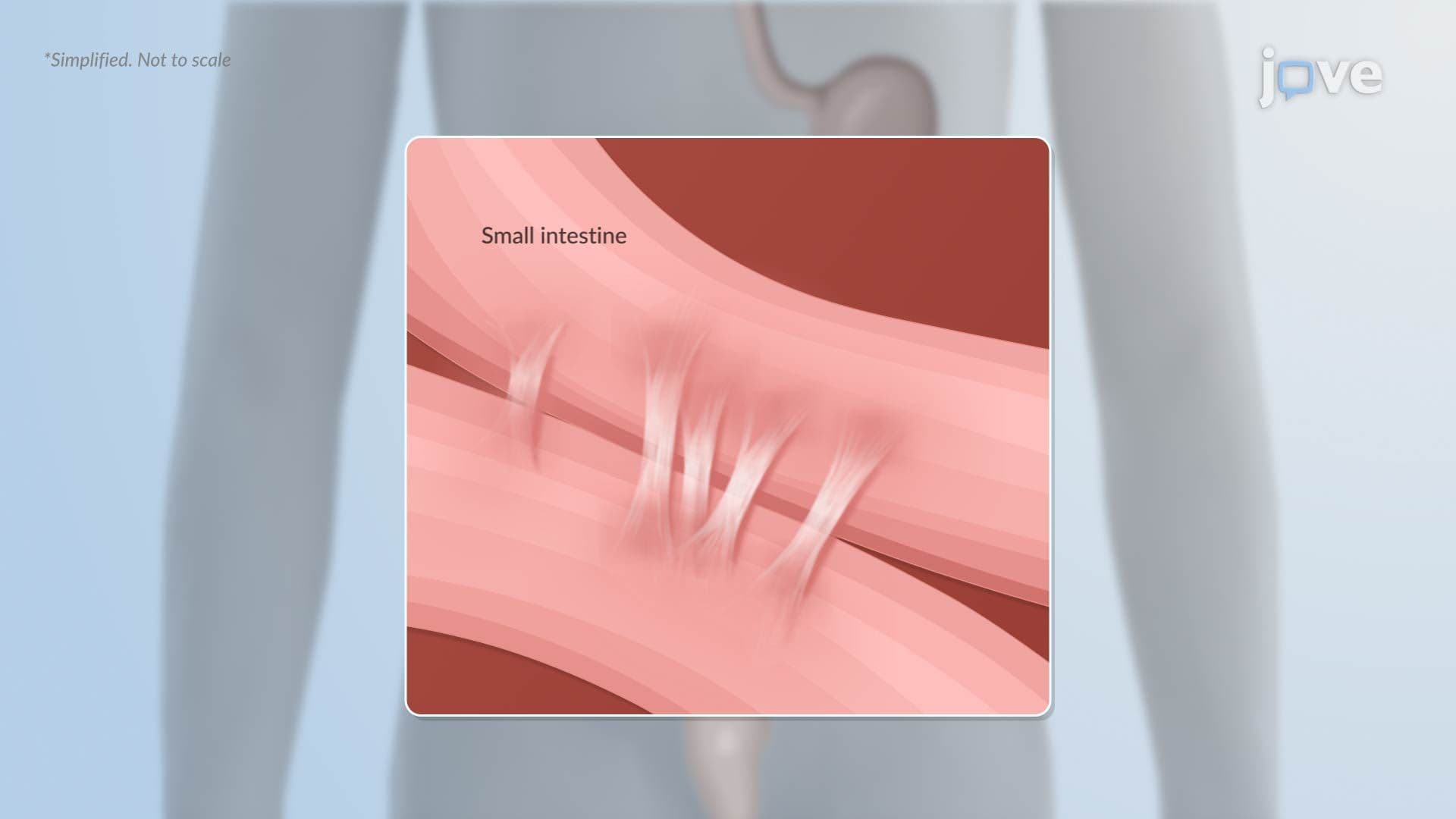

Video Summary: Complications of Healing Ii
Did you know that a single surgery can trigger internal scarring severe enough to block your intestines? Complications of Healing II explores what happens when the body's repair process goes wrong, from contractures and keloids to adhesions and chronic ulcers. Burn patients across US trauma centers frequently experience these exact complications. Watch the full video on JoVE Coach to master this concept with expert-led visuals and step-by-step explanations.
The human body is remarkably good at fixing itself, but not always perfectly. Complications of Healing II focuses on the downstream consequences of dysregulated repair, situations where scar tissue forms incorrectly, grows uncontrollably, or interferes with normal tissue function. Understanding these complications is essential for students in biology, anatomy, and health sciences, and frequently appears on exams ranging from AP Biology to the MCAT and USMLE Step 1.
Contractures develop when scar tissue progressively tightens and shortens, physically restricting movement. This is especially common following severe burns, a major concern in US burn centers like the Shriners Hospitals for Children network, which treats thousands of pediatric burn patients annually. Beyond restricting joint mobility, scar tissue also replaces functional skin structures including sweat glands and hair follicles. This means affected individuals may struggle to regulate body temperature through sweating and experience reduced tactile sensitivity in scarred regions. These are not cosmetic issues, they are serious functional deficits that affect quality of life.
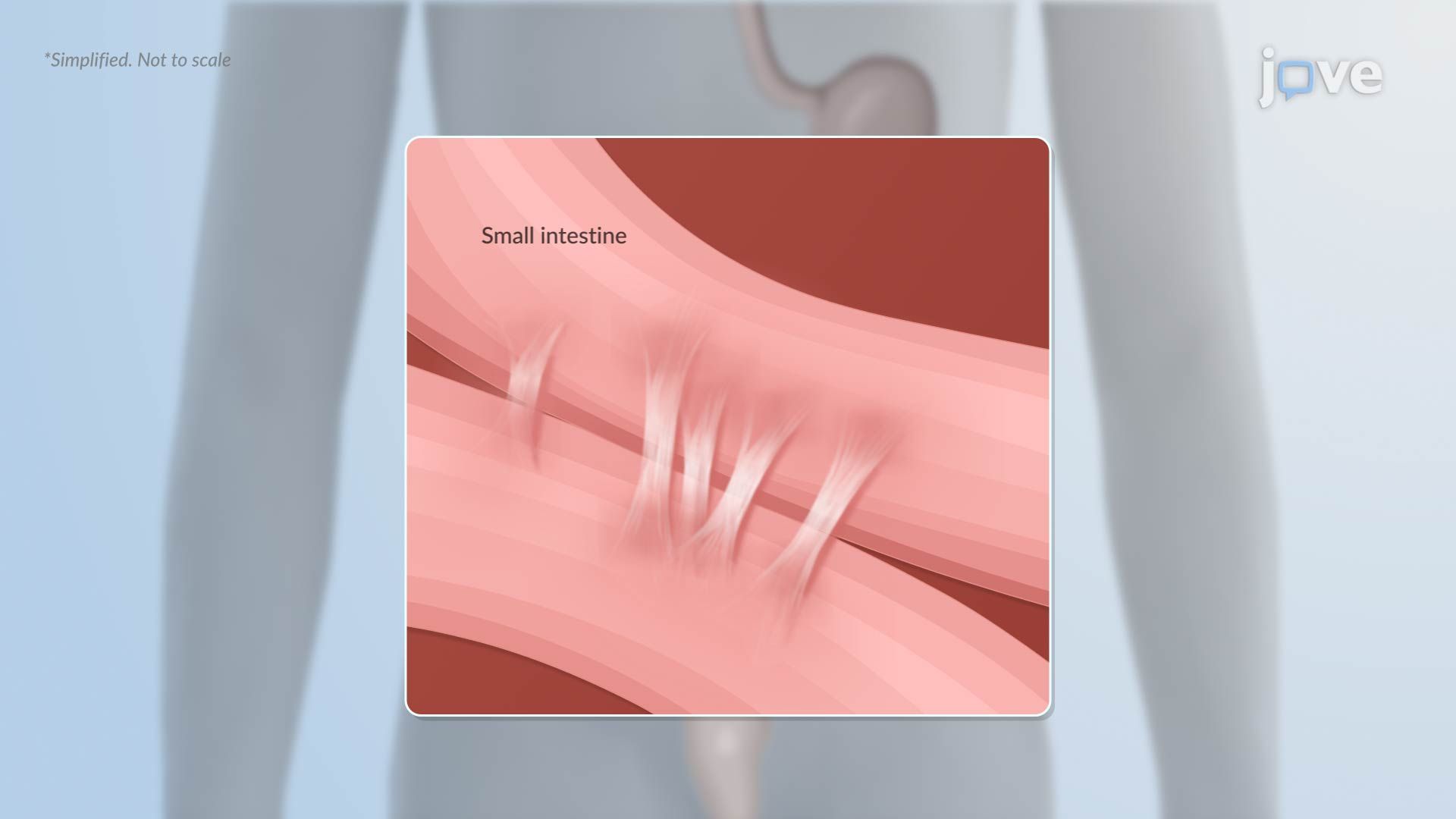
Adhesions are fibrous bands of scar tissue that form between internal body structures that are not normally connected. Following abdominal or pelvic surgery, procedures performed on millions of Americans each year, loops of intestine can become tethered together by adhesion tissue. When significant, this can cause bowel obstruction, a potentially life-threatening condition requiring emergency intervention. Adhesions are one of the leading causes of small bowel obstruction in the United States and illustrate how the healing process, if unregulated, can create new pathology rather than resolving existing injury.
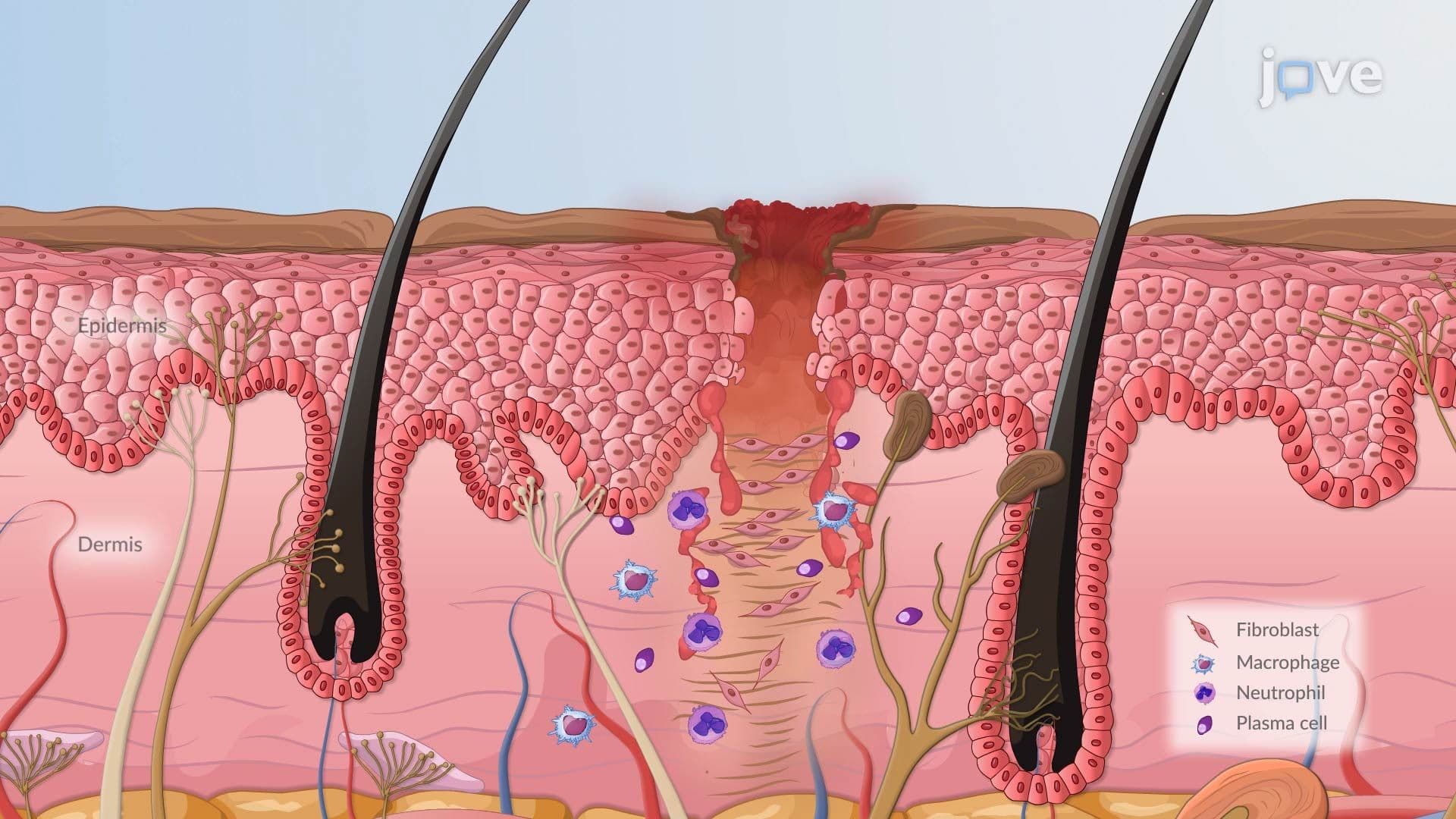
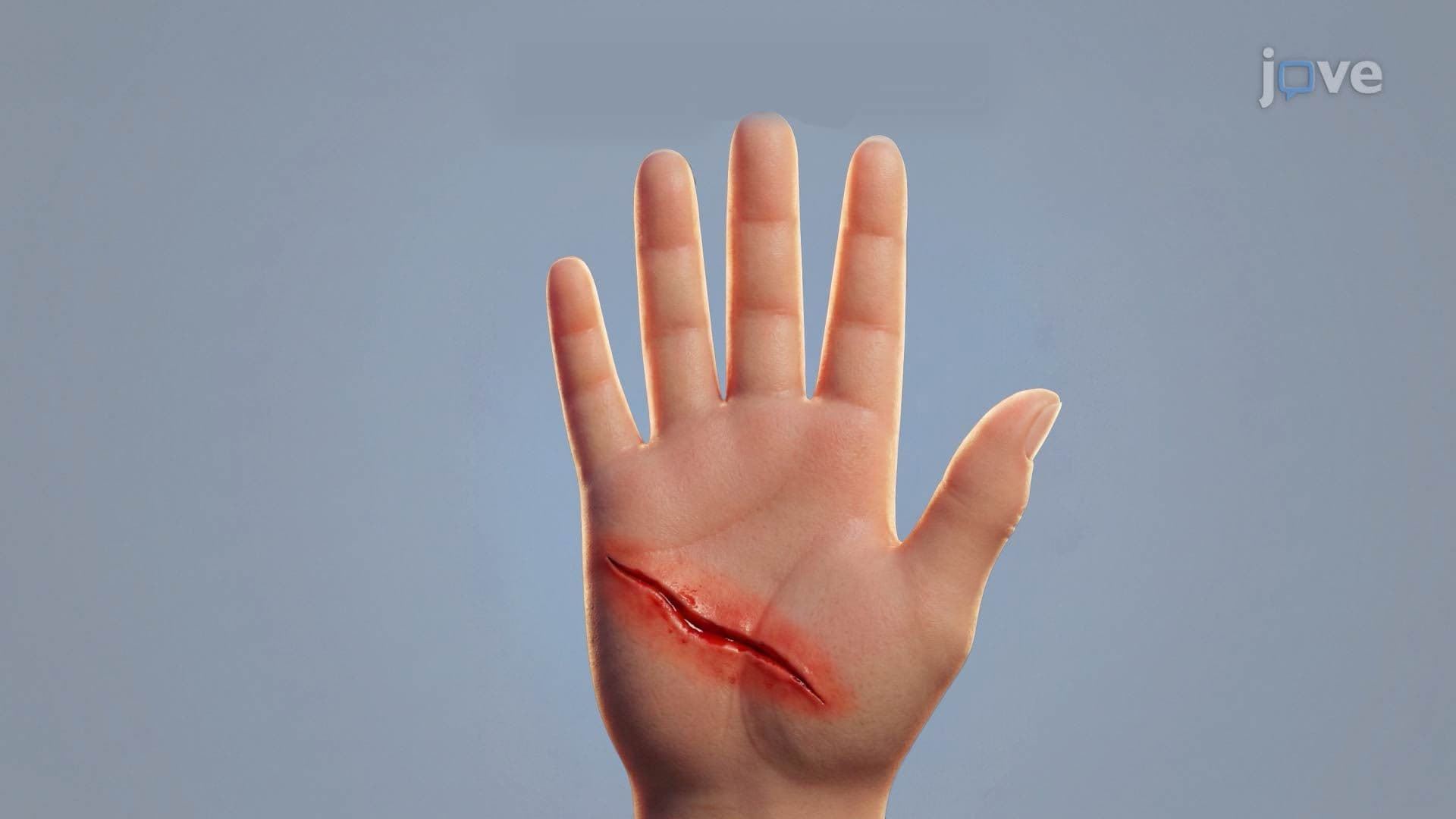
Both hypertrophic scars and keloids result from excess collagen production during wound healing, but they behave very differently. Hypertrophic scars remain confined within the boundaries of the original wound. They are raised and firm but generally stable over time and may improve without treatment. Keloids, by contrast, extend well beyond the original wound margins, invading surrounding healthy tissue. They tend to be bulky, raised, and persistent, and are more prevalent among African American and Hispanic populations in the US. This distinction is a high-yield comparison point on the MCAT and for NCLEX exam prep, where students must distinguish between similar-sounding conditions.
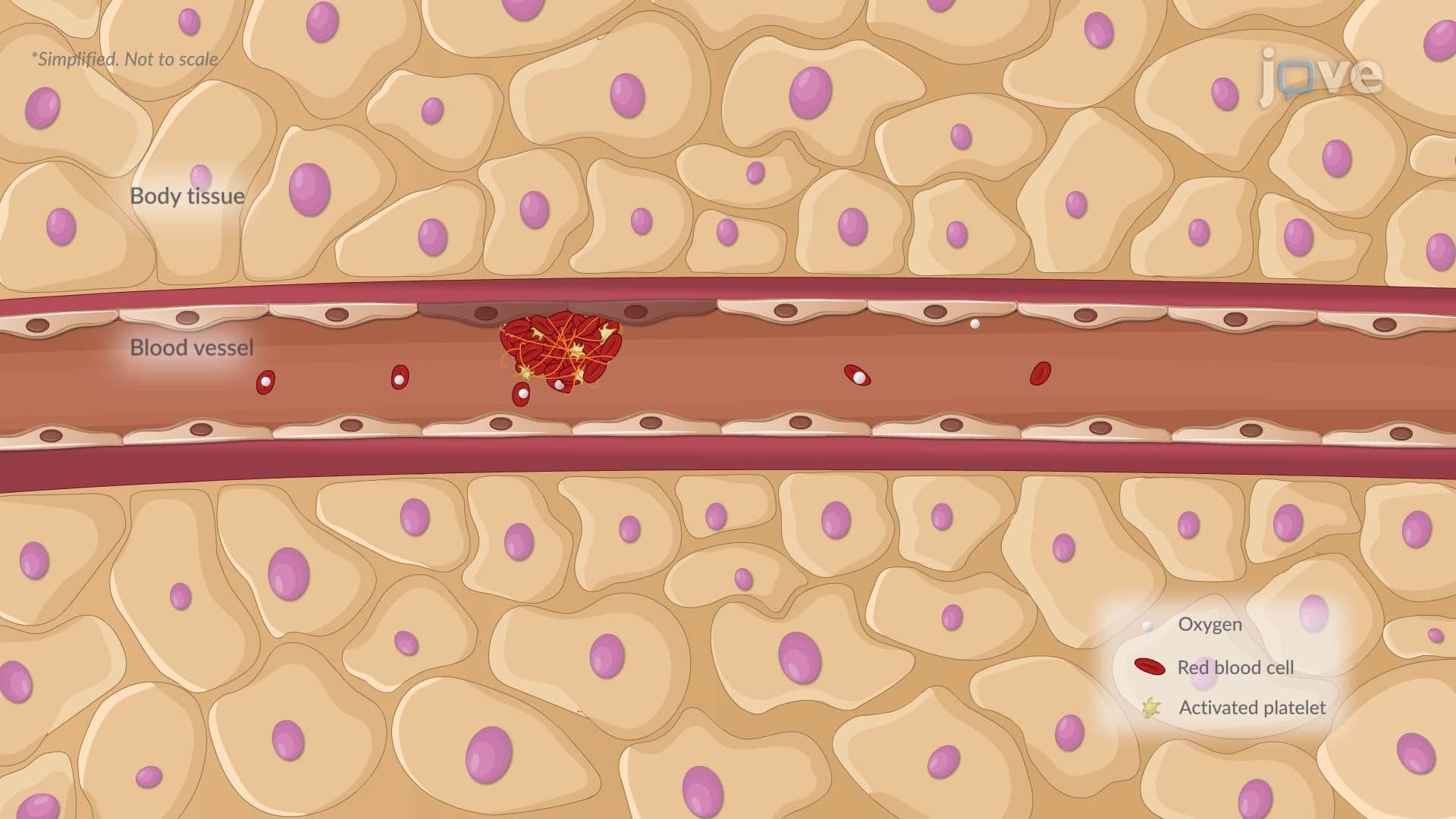
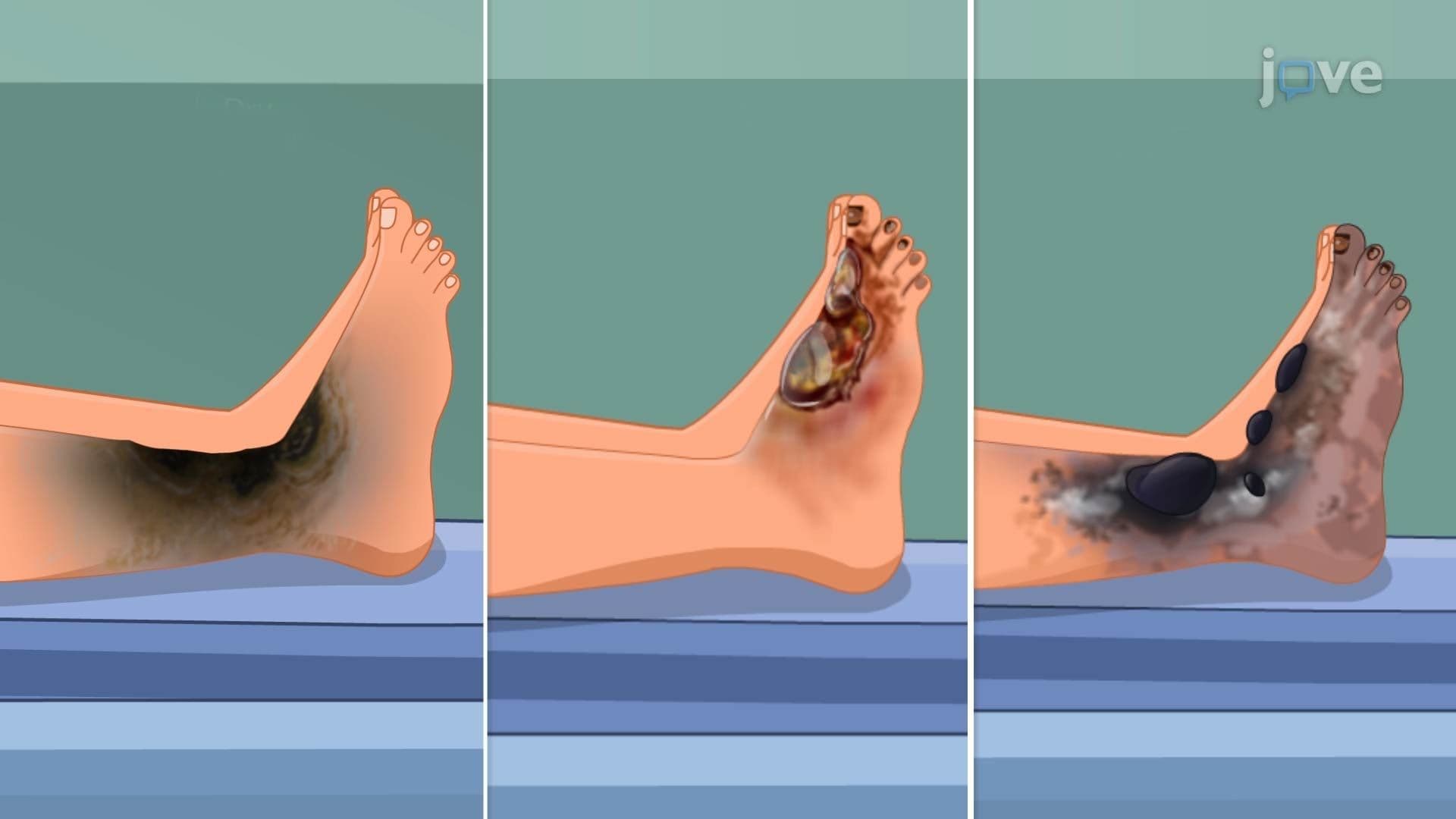
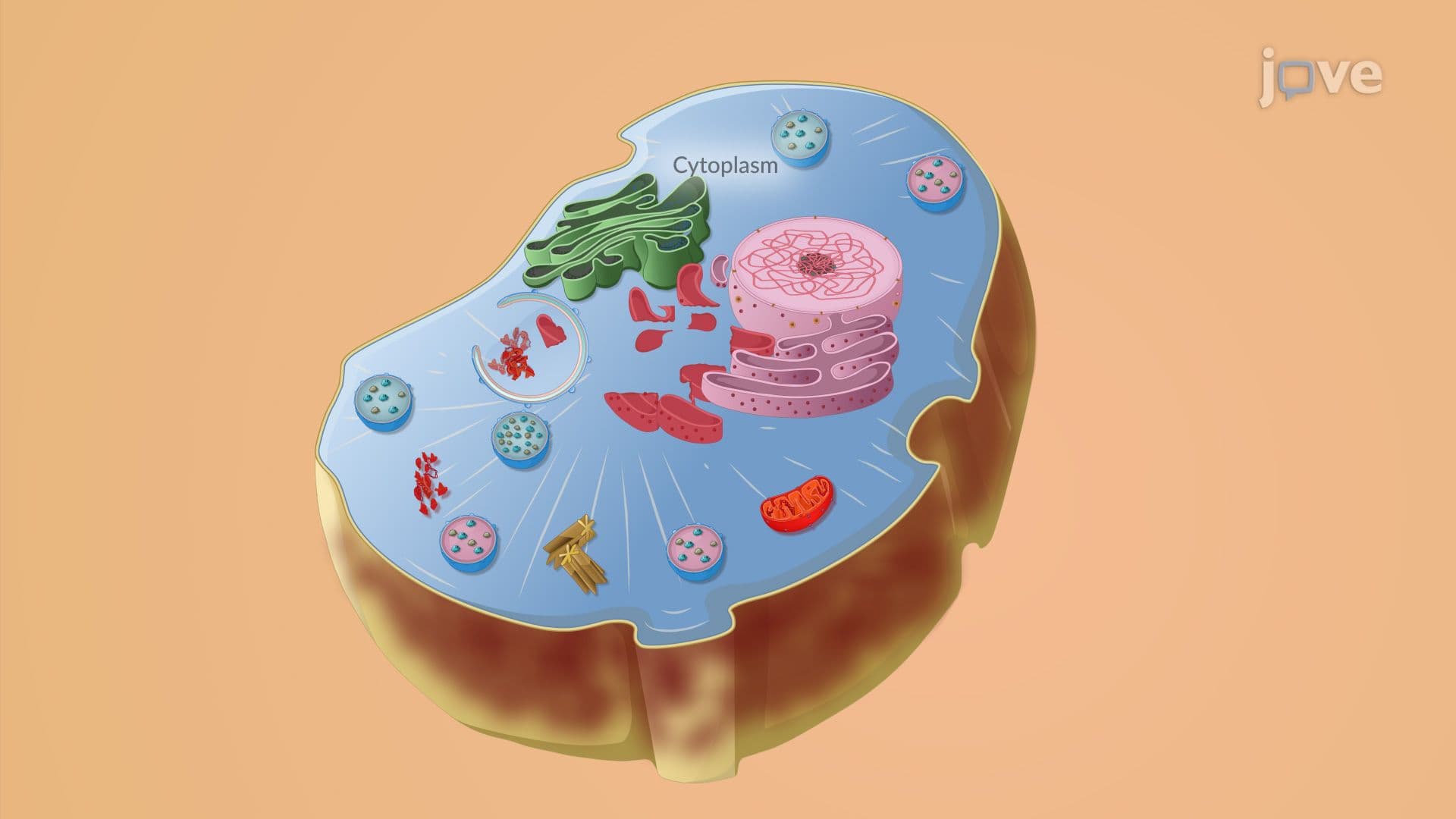
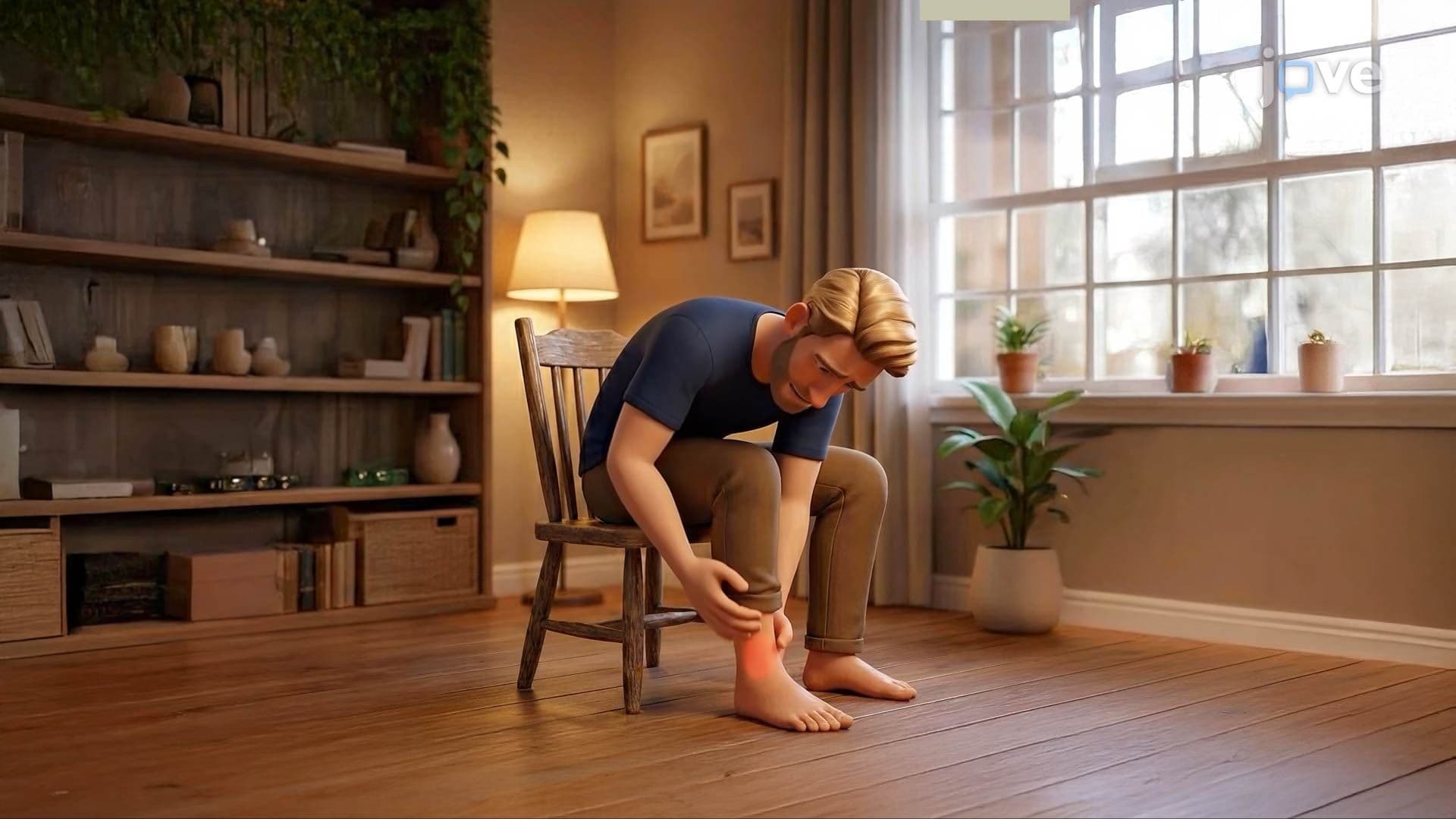
One of the more severe complications covered in Complications of Healing II is the mechanical disruption of local blood flow by dense scar tissue. When fibrous tissue compresses small vessels, the delivery of oxygen and nutrients to surrounding cells is reduced. This ischemic environment leads to progressive tissue breakdown, eventually causing chronic ulcers that are difficult to heal. This cycle, where poor healing produces scar tissue that further impairs healing, is a key example of a pathological feedback loop in disease mechanisms. Students studying cellular injury and death, hemodynamic disorders, or inflammation and repair will find this concept directly applicable to clinical reasoning questions in college-level pathophysiology courses.
Related Micro-courses