Loading video…

 18 Concepts
 4.3K views

Video Summary: Hyperplasia in Cellular Adaptation Iii
Did you know your body can grow entirely new cells just to keep up with demand? Hyperplasia in Cellular Adaptation III explores exactly that, how tissues increase cell numbers in response to stress, hormones, or injury. For example, during a woman's menstrual cycle, the uterine lining undergoes controlled hyperplasia every month. Watch the full video on JoVE Coach to master this concept with expert-led visuals and step-by-step explanations.
Hyperplasia is one of the body's most fundamental adaptive responses, an increase in the *number* of cells within a tissue or organ. Unlike hypertrophy, which increases cell *size*, hyperplasia works by ramping up cell division. This distinction is critical for students in AP Biology, college-level anatomy and physiology, and pre-med pathology courses. Understanding this concept builds the foundation for recognizing how normal tissue maintenance can, under the wrong conditions, shift toward disease.
Hyperplasia is driven by two core mechanisms. The first involves external chemical signals, specifically growth factors and hormones, that prompt surviving cells to re-enter the cell cycle after injury or increased physiological demand. Think of this as a "call to multiply" sent through the bloodstream or local tissue environment.
The second mechanism involves tissue stem cells and progenitor cells. These undifferentiated cells are activated when mature cells are lost or damaged, generating replacement cells to restore tissue function. Bone marrow hyperplasia is a prime example: when the body faces chronic oxygen deficiency (as in high-altitude living or certain anemias), the marrow ramps up red blood cell production through stem cell activation.
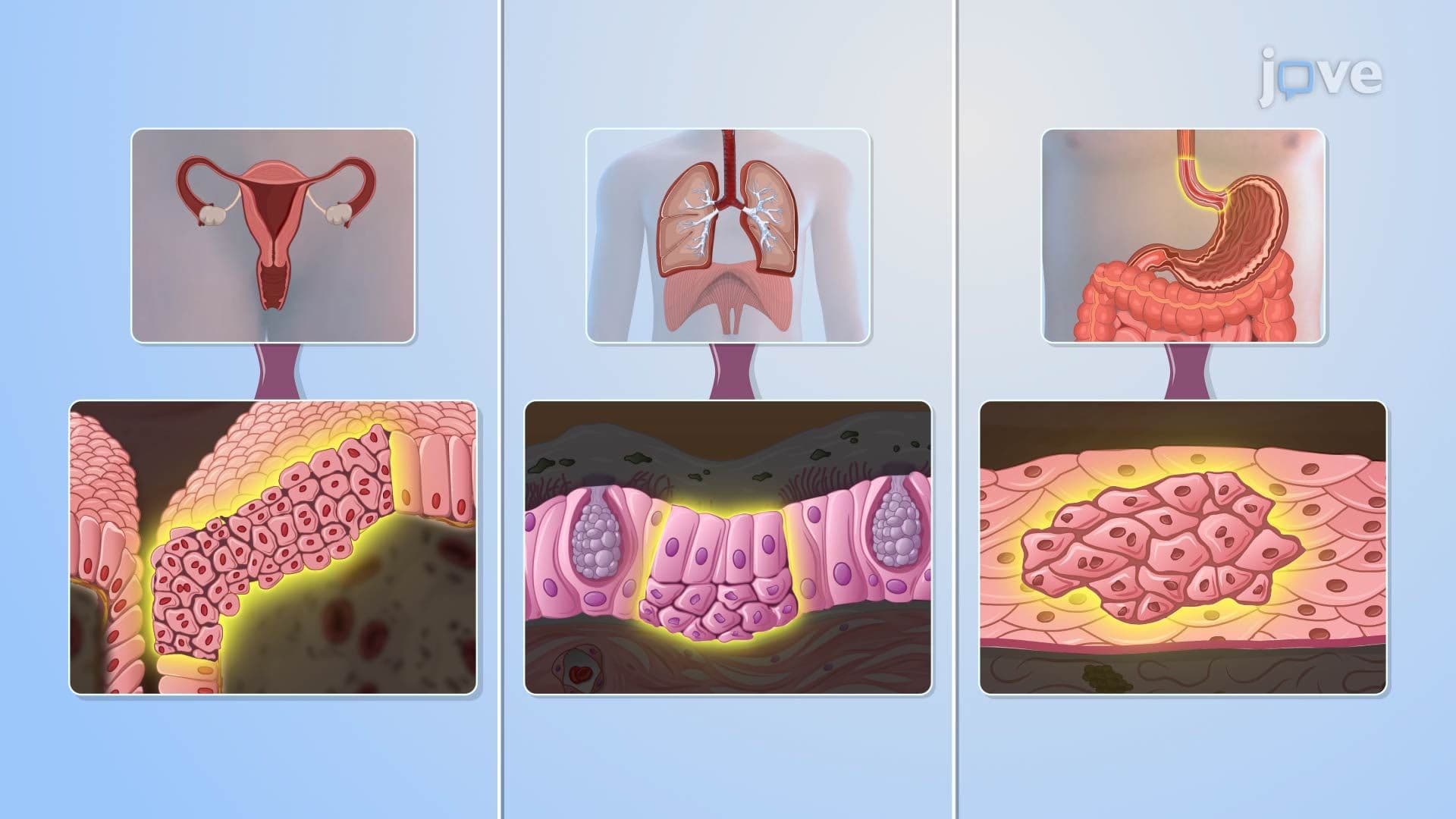
Not all hyperplasia signals danger. Physiologic hyperplasia is a normal, regulated response. The classic example is endometrial proliferation, each month, estrogen drives the uterine lining to grow in preparation for potential implantation. This is healthy, cyclical, and self-limiting.
Pathologic hyperplasia, by contrast, results from abnormal or excessive stimulation. Thyroid hyperplasia caused by chronically elevated thyroid-stimulating hormone (TSH), seen in iodine-deficient populations, is a well-documented US clinical example. When the thyroid doesn't receive enough iodine to produce adequate thyroid hormone, the pituitary keeps releasing TSH, overstimulating thyroid cell division. The result is a visibly enlarged thyroid, known as a goiter. Another commonly tested example is benign prostatic hyperplasia (BPH), a condition affecting millions of American men over age 50, where excessive androgen signaling drives prostate gland growth.
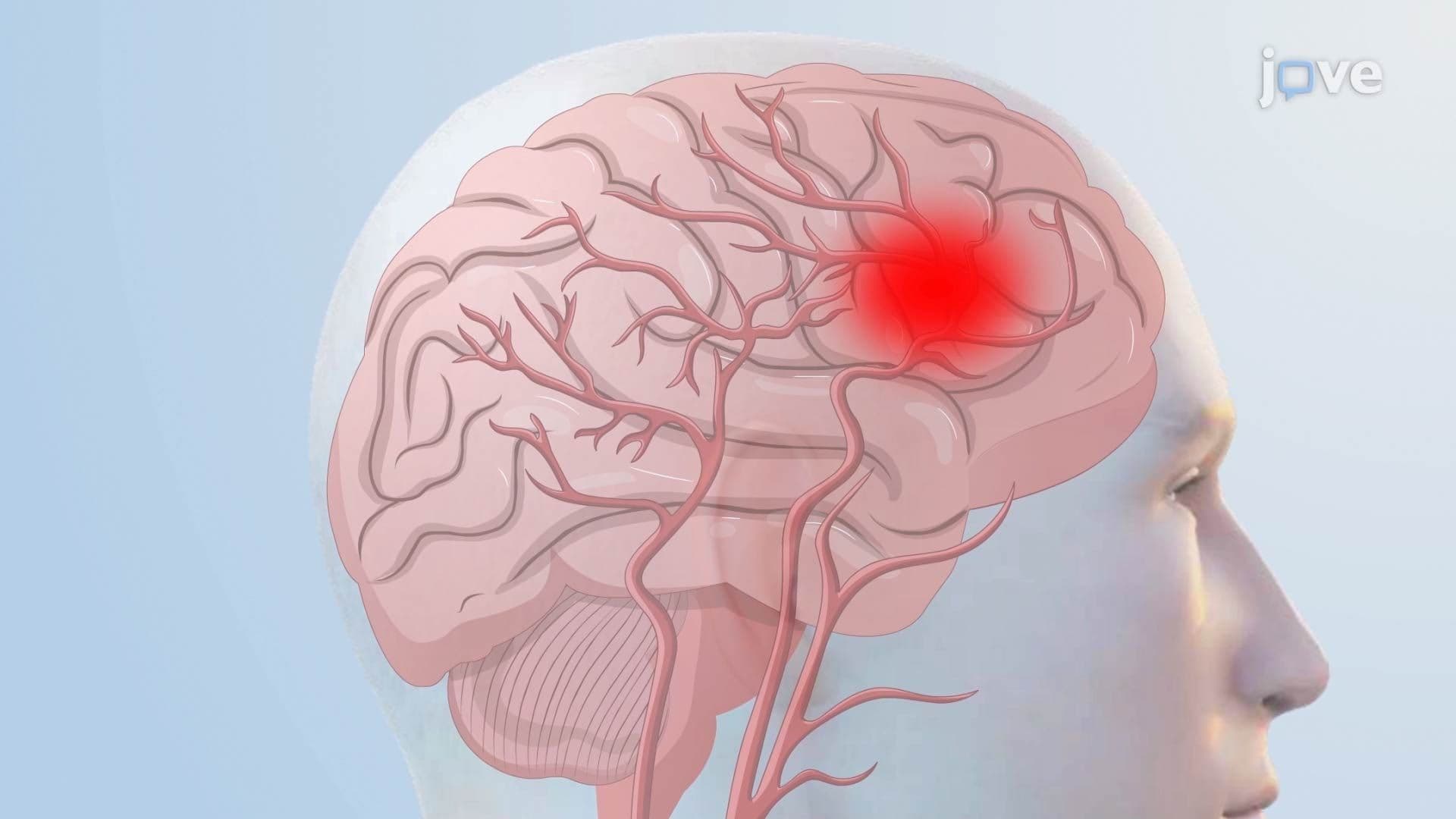
For MCAT, USMLE Step 1, and AP Biology students, hyperplasia is a high-yield concept because it bridges normal physiology and disease pathology. Exam questions frequently ask students to distinguish hyperplasia from hypertrophy, metaplasia, and dysplasia, all cellular adaptations covered in pathology units. Understanding which tissues are hyperplasia-capable (like the liver and epidermis) versus those that are not (like neurons and cardiac muscle) is a commonly tested fact.
In US medical and nursing education, including NCLEX and HESI A2 prep, hyperplasia also appears in discussions of cancer risk. While hyperplasia itself is not cancer, uncontrolled or dysregulated hyperplasia can increase the probability of genetic mutations accumulating, setting the stage for neoplastic transformation. That makes it a gateway concept to understanding oncology.
Related Micro-courses