Loading video…

 11 Concepts
 7K views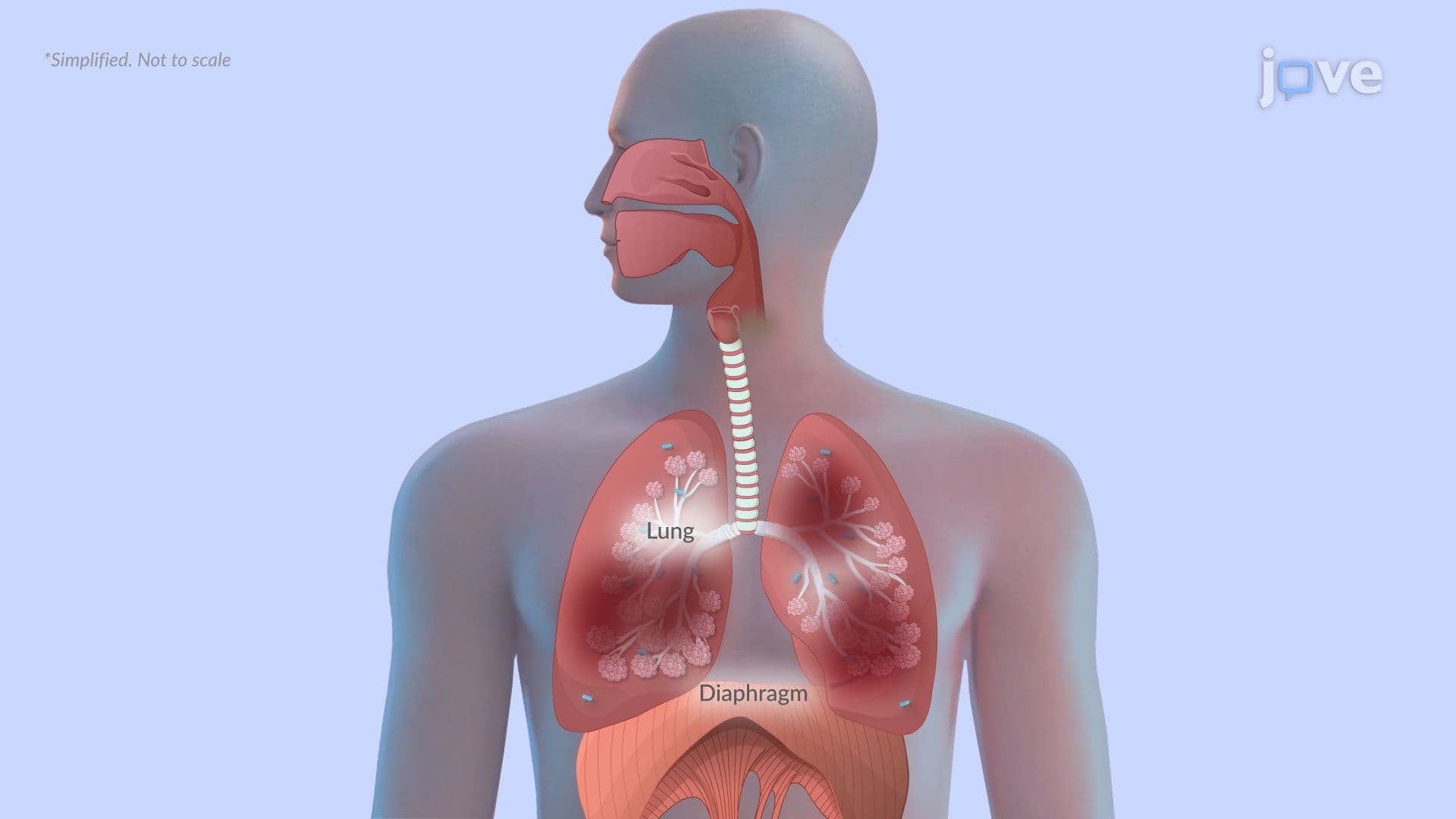

Video Summary: Chronic Obstructive Pulmonary Disease I Explained
Over 16 million Americans have been diagnosed with COPD, yet millions more don't even know they have it. Chronic Obstructive Pulmonary Disease I Basics starts with a critical question: what actually goes wrong inside the lungs? Tobacco smoke, chemical fumes, and even indoor cooking pollution trigger chronic inflammation that permanently damages airways and air sacs. Watch the full video on JoVE Coach to master this concept with expert-led visuals and step-by-step explanations.
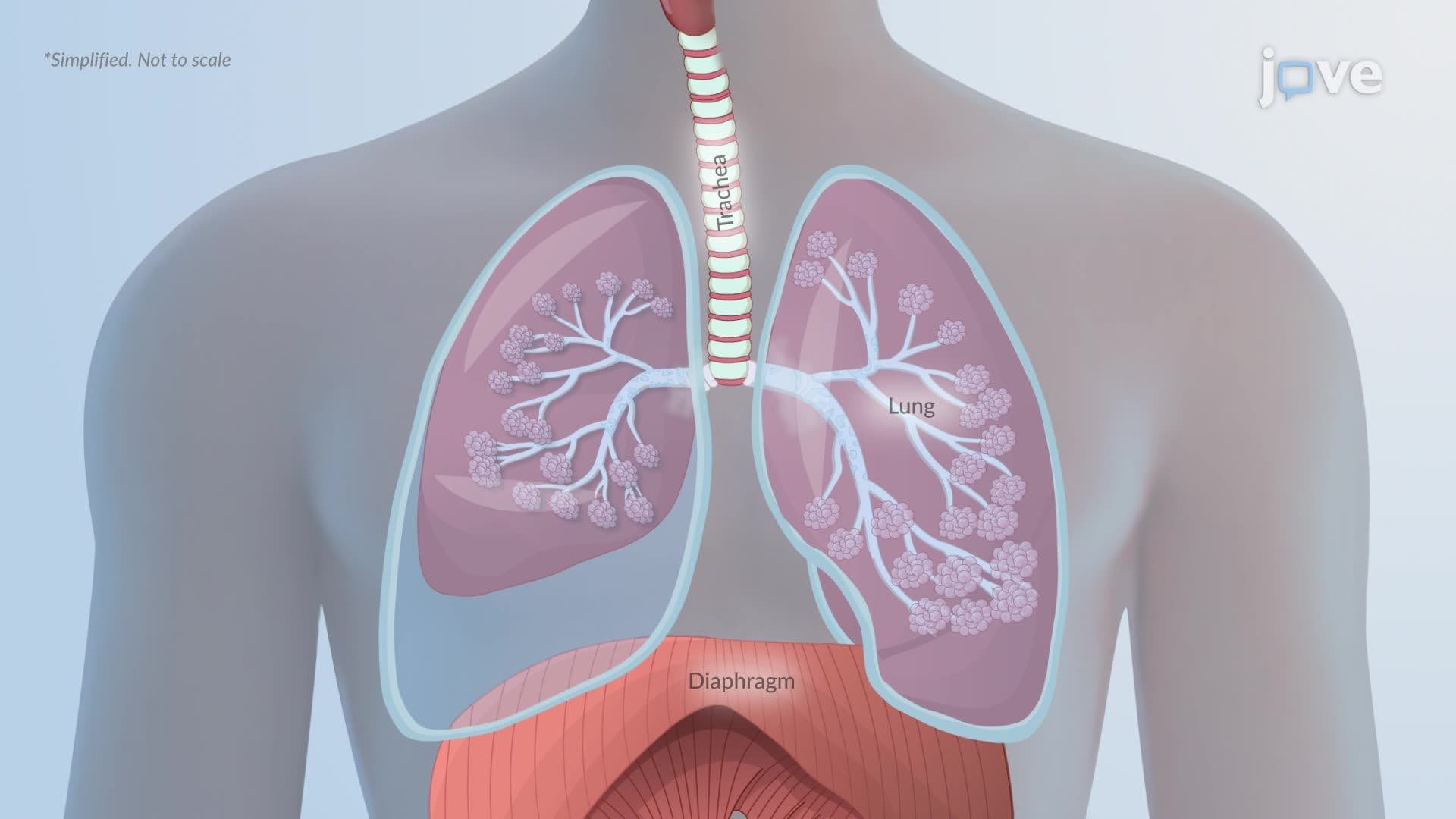
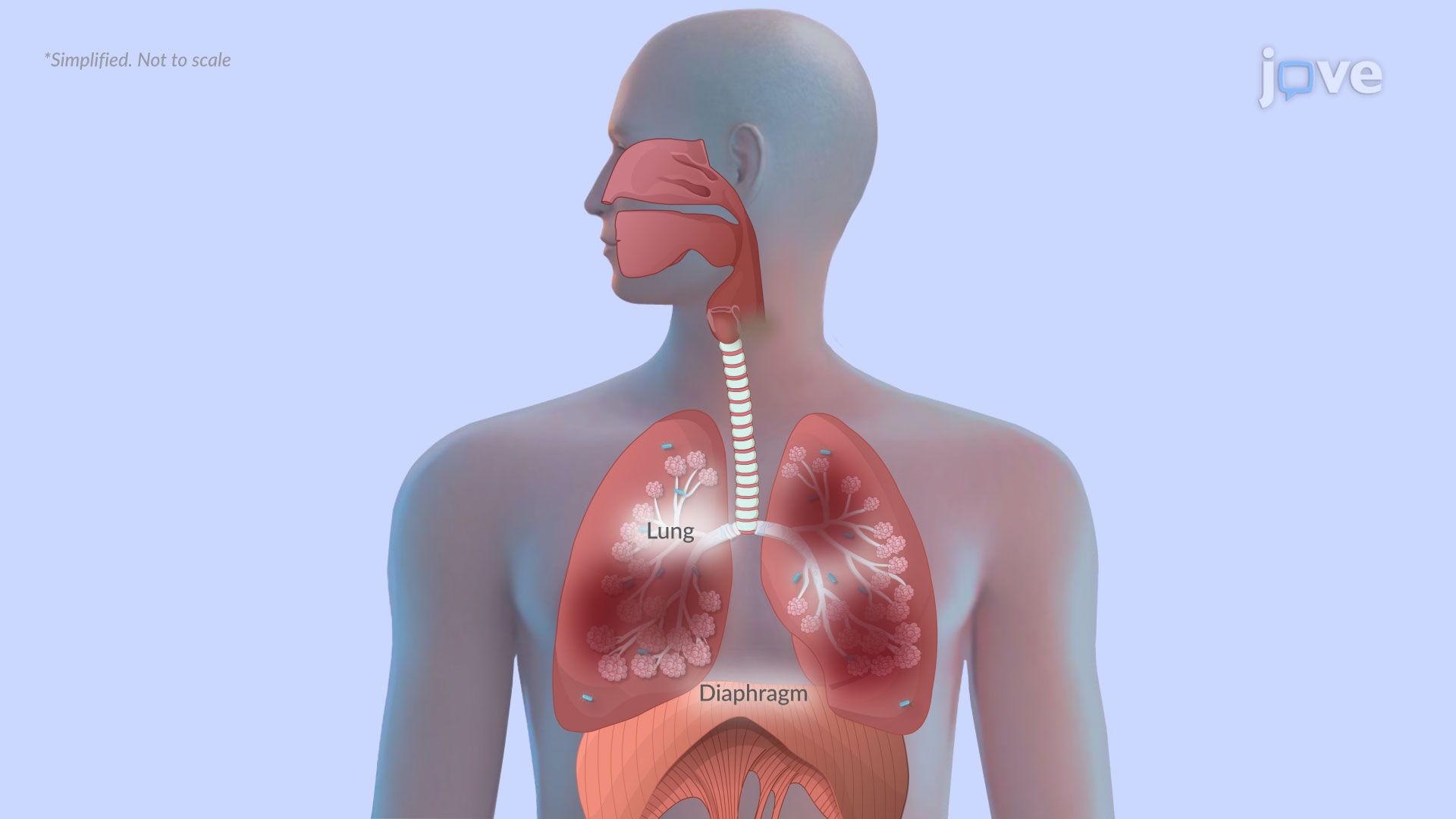
Chronic Obstructive Pulmonary Disease, commonly called COPD, is one of the leading causes of death in the United States, ranking as the fourth most common cause of mortality nationwide. It is not a single disease but rather a condition that encompasses persistent airflow obstruction resulting from long-term damage to the airways and alveoli (air sacs). Unlike a cold or acute bronchitis that resolves on its own, COPD involves permanent, progressive structural changes that make breathing increasingly difficult over time. Understanding these changes is foundational for courses in anatomy and physiology, biology, and health sciences at both the high school and college level.
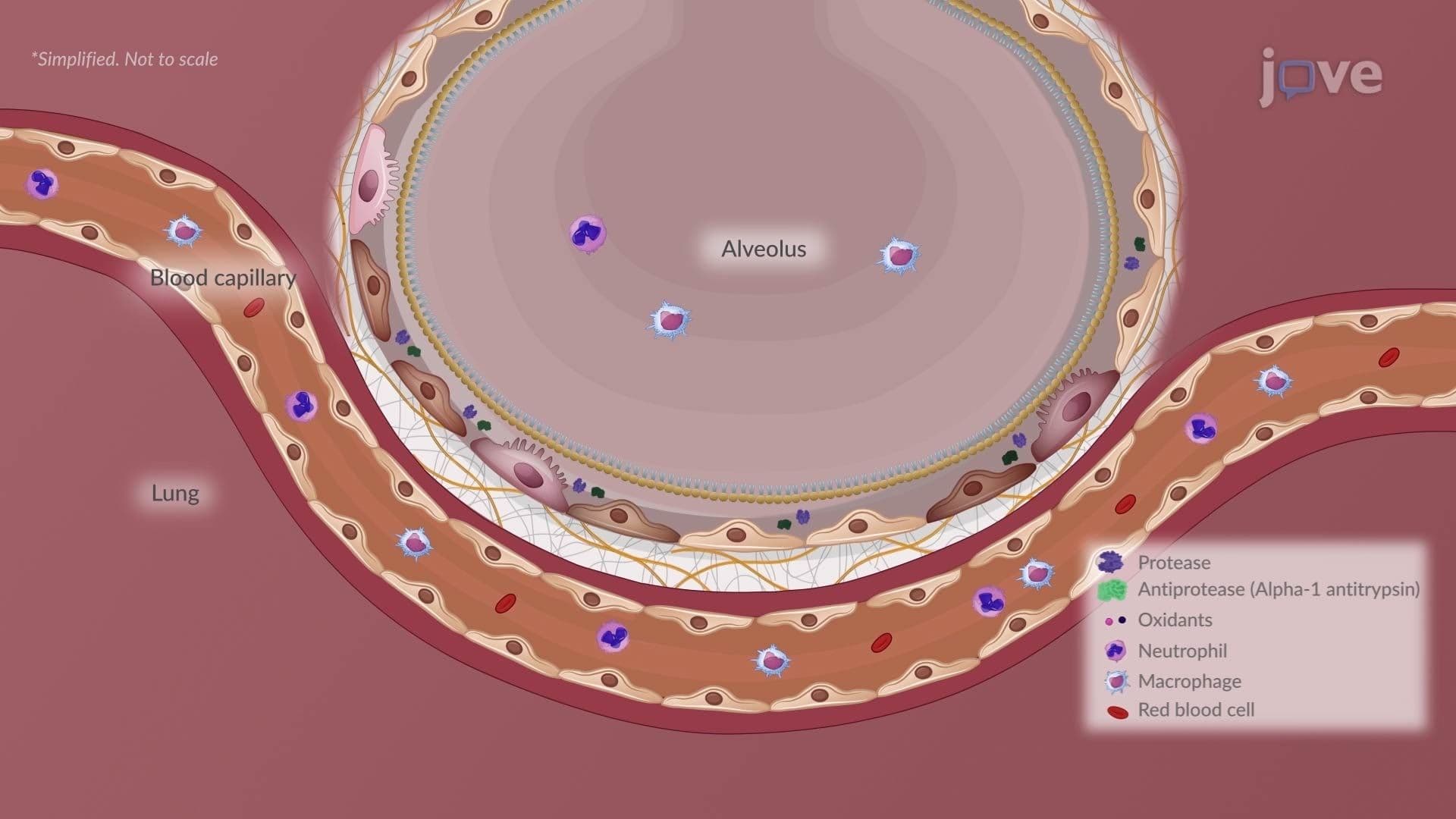
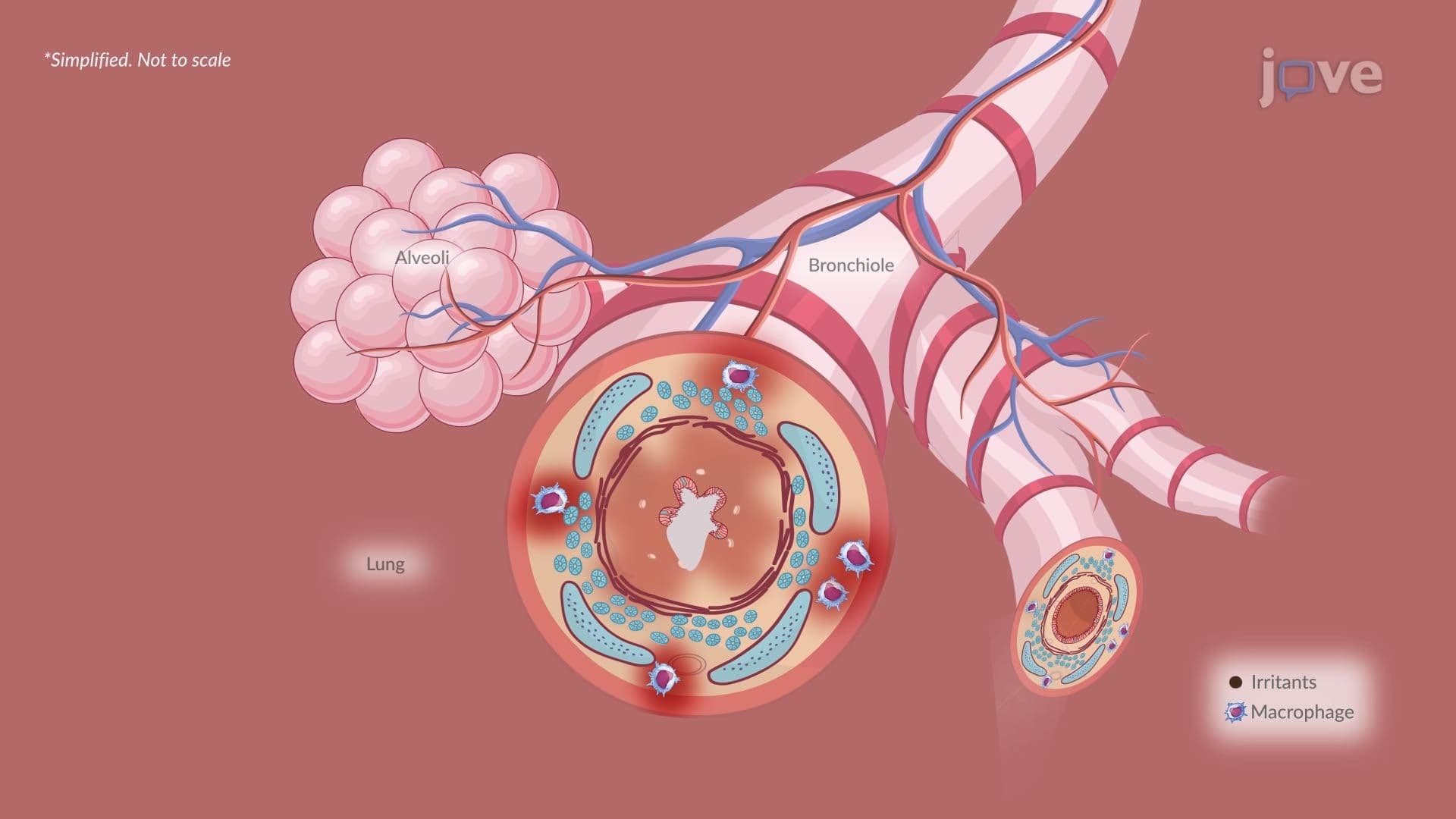
COPD typically involves two overlapping pathologies. In emphysema, the walls of the alveoli are destroyed by chronic inflammation, reducing the surface area available for gas exchange. This means less oxygen enters the bloodstream and less carbon dioxide is removed, making even simple activities like climbing stairs feel exhausting. Chronic bronchitis, the second component, involves persistent cough and excess mucus production lasting at least three months per year for two consecutive years. Together, these changes narrow and obstruct the airways, reducing airflow on exhalation, the defining hallmark of COPD measured by spirometry in clinical settings across US hospitals and clinics.
While cigarette smoking remains the single most significant risk factor for COPD in the US, responsible for an estimated 85-90% of cases, it is far from the only cause. Occupational exposure to coal dust, silica, or chemical fumes (common in mining, agriculture, and manufacturing industries) substantially increases risk. Indoor air pollution from burning biomass fuels, though more prevalent globally, is a growing concern in rural US communities. Infectious exposures also matter: tuberculosis and repeated childhood respiratory infections such as pneumonia can impair lung development early in life, increasing vulnerability. This multi-factor origin explains why COPD affects nonsmokers too, an important distinction for MCAT and AP Biology exam takers who must think beyond simple cause-and-effect relationships.
A critical but often overlooked risk factor is alpha-1 antitrypsin (AAT) deficiency, a hereditary condition in which the lungs lack sufficient levels of a protective protein. Normally, alpha-1 antitrypsin neutralizes proteolytic enzymes (particularly neutrophil elastase) that would otherwise break down lung tissue. Without adequate AAT, these enzymes go unchecked, accelerating alveolar destruction. Individuals with AAT deficiency may develop COPD in their 30s or 40s, decades earlier than typical cases. This concept frequently appears on the USMLE Step 1 and MCAT, as it bridges genetics, biochemistry, and pulmonary pathophysiology. For high school students in AP Biology, it is an excellent example of how a single gene variant can have profound systemic consequences.
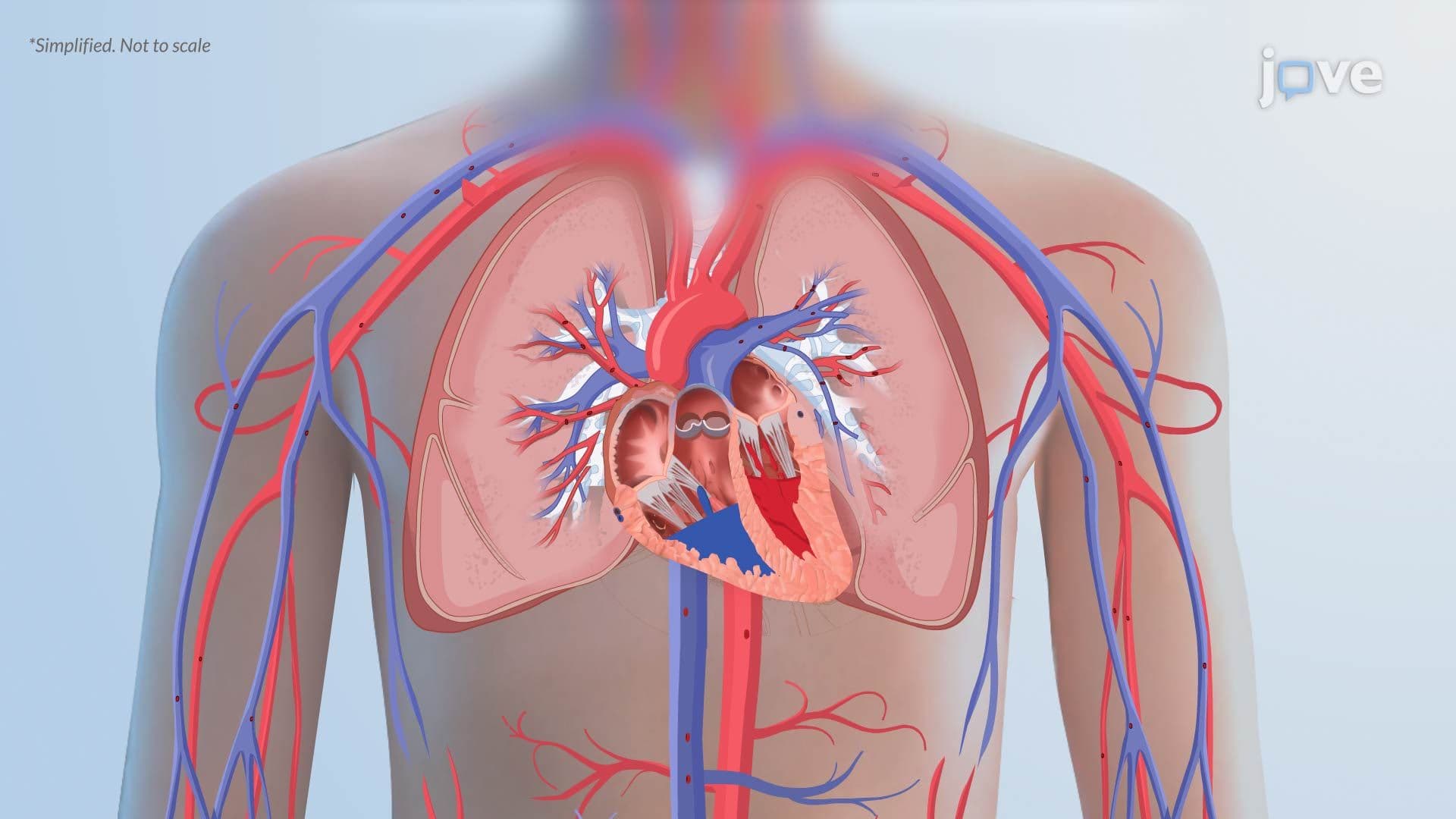
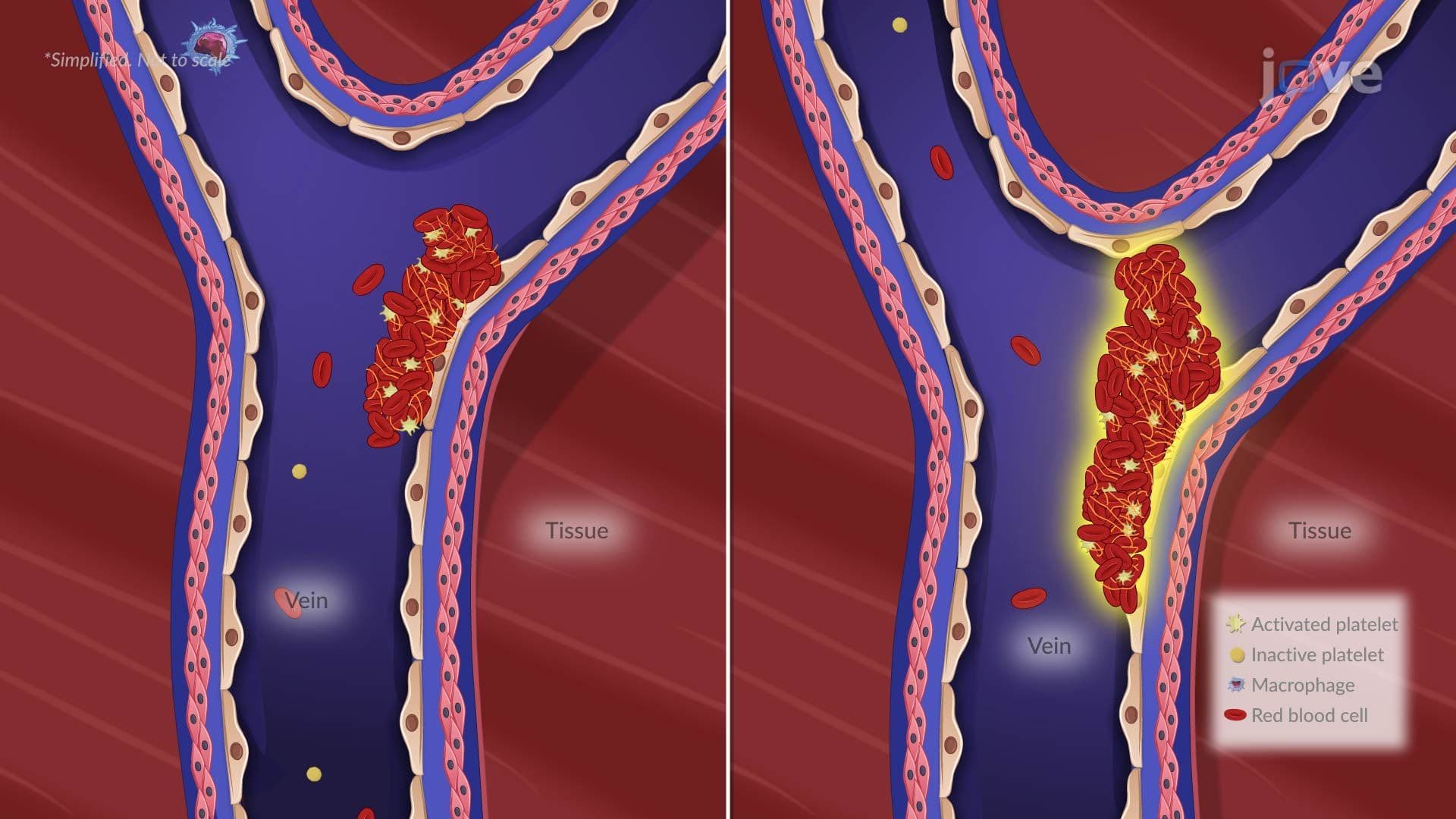
COPD is classified as both preventable and treatable, a distinction with real public health significance. In the US, smoking cessation programs, workplace safety regulations enforced by OSHA, and improved ventilation standards have all been identified as effective prevention strategies. On college exams, particularly in health science and nursing prerequisite courses, students are expected to connect COPD's risk factors to pathophysiology and then to clinical management strategies. Understanding the foundation of COPD also provides essential context for studying related conditions, including asthma (reversible airflow obstruction), pulmonary embolism (sudden vascular obstruction), and lung cancer, conditions that may coexist with or be confused with COPD on differential diagnosis questions.
Related Micro-courses