Loading video…

 11 Concepts
 7K views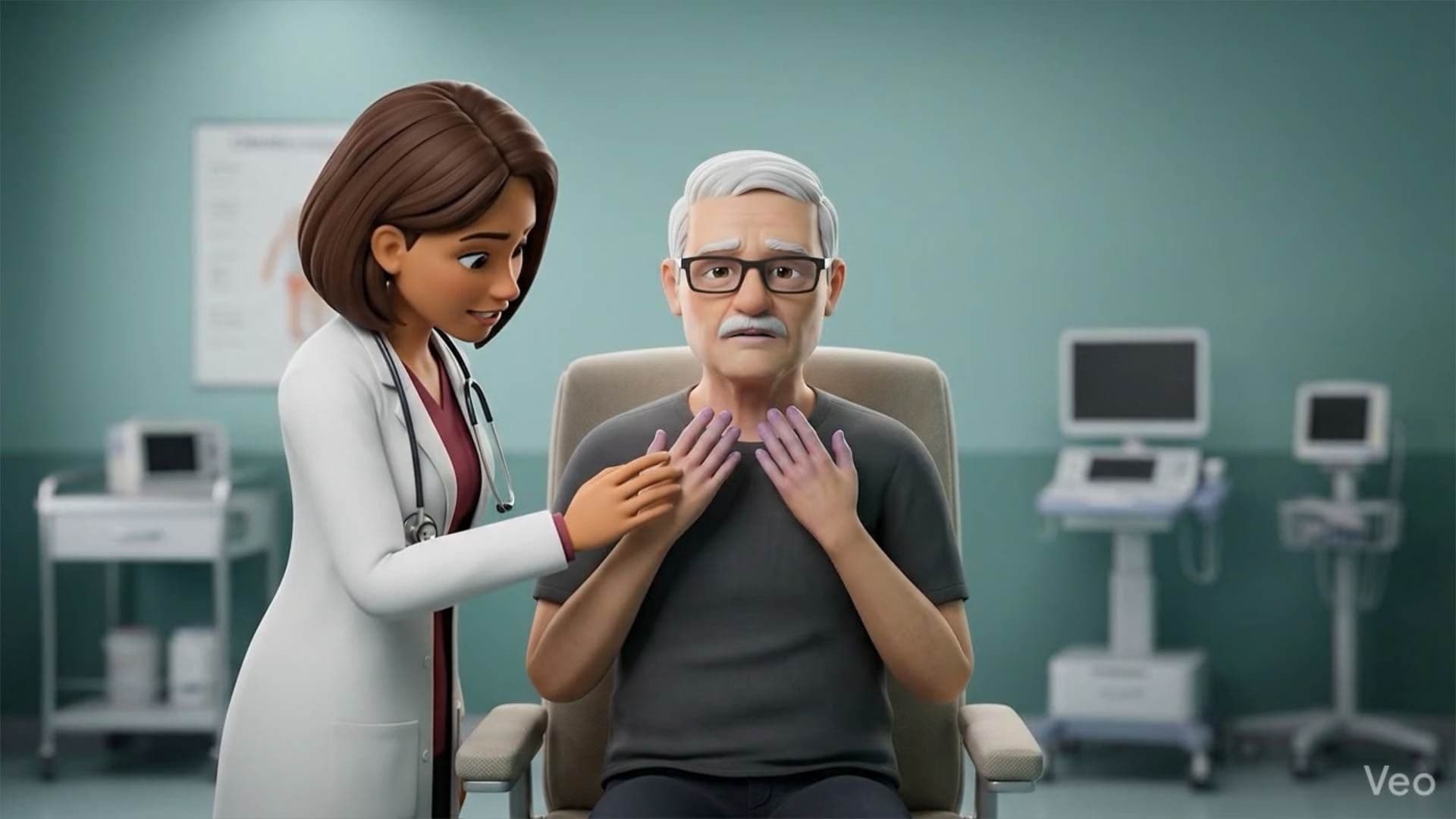

Video Summary: Clinical Manifestations in Chronic Obstructive Pulmonary Disease Iv
Did you know that over 16 million Americans have been diagnosed with COPD, yet millions more remain undetected? Understanding clinical manifestations in chronic obstructive pulmonary disease IV is essential for recognizing how this condition silently progresses. In US emergency rooms, COPD exacerbations are among the top reasons for hospital admissions. Clinical Manifestations in Chronic Obstructive Pulmonary Disease IV covers chronic bronchitis and emphysema symptoms in critical detail. Watch the full video on JoVE Coach to master this concept with expert-led visuals and step-by-step explanations.
Chronic Obstructive Pulmonary Disease (COPD) is not a single condition, it is an umbrella term covering two distinct but often overlapping diseases: chronic bronchitis and emphysema. Each carries its own signature set of clinical manifestations, yet both ultimately result in obstructed airflow, reduced lung function, and significant quality-of-life impairment. According to the American Lung Association, COPD is the fourth leading cause of death in the United States, making mastery of its clinical presentation essential for students in biology, nursing, and pre-med programs.
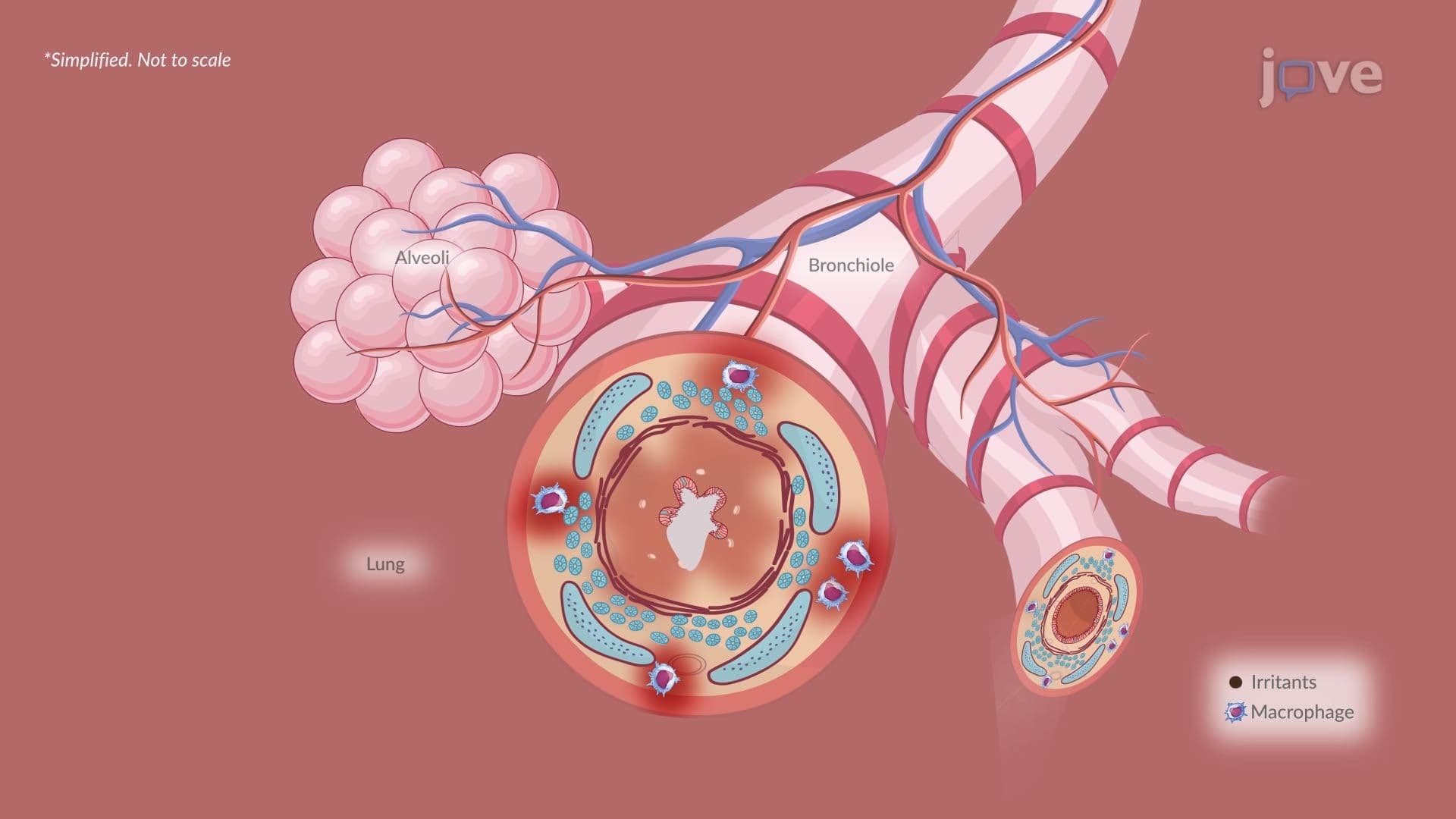
Chronic bronchitis is defined clinically as a productive cough lasting at least three months per year for two consecutive years. The root cause is persistent inflammation of the bronchial airways, which triggers excessive mucus secretion. This thick mucus obstructs the airway lumen, producing the characteristic wheezing heard on auscultation. As airway resistance increases, patients develop exertional dyspnea, shortness of breath during physical activity, which can eventually progress to breathlessness even at complete rest.
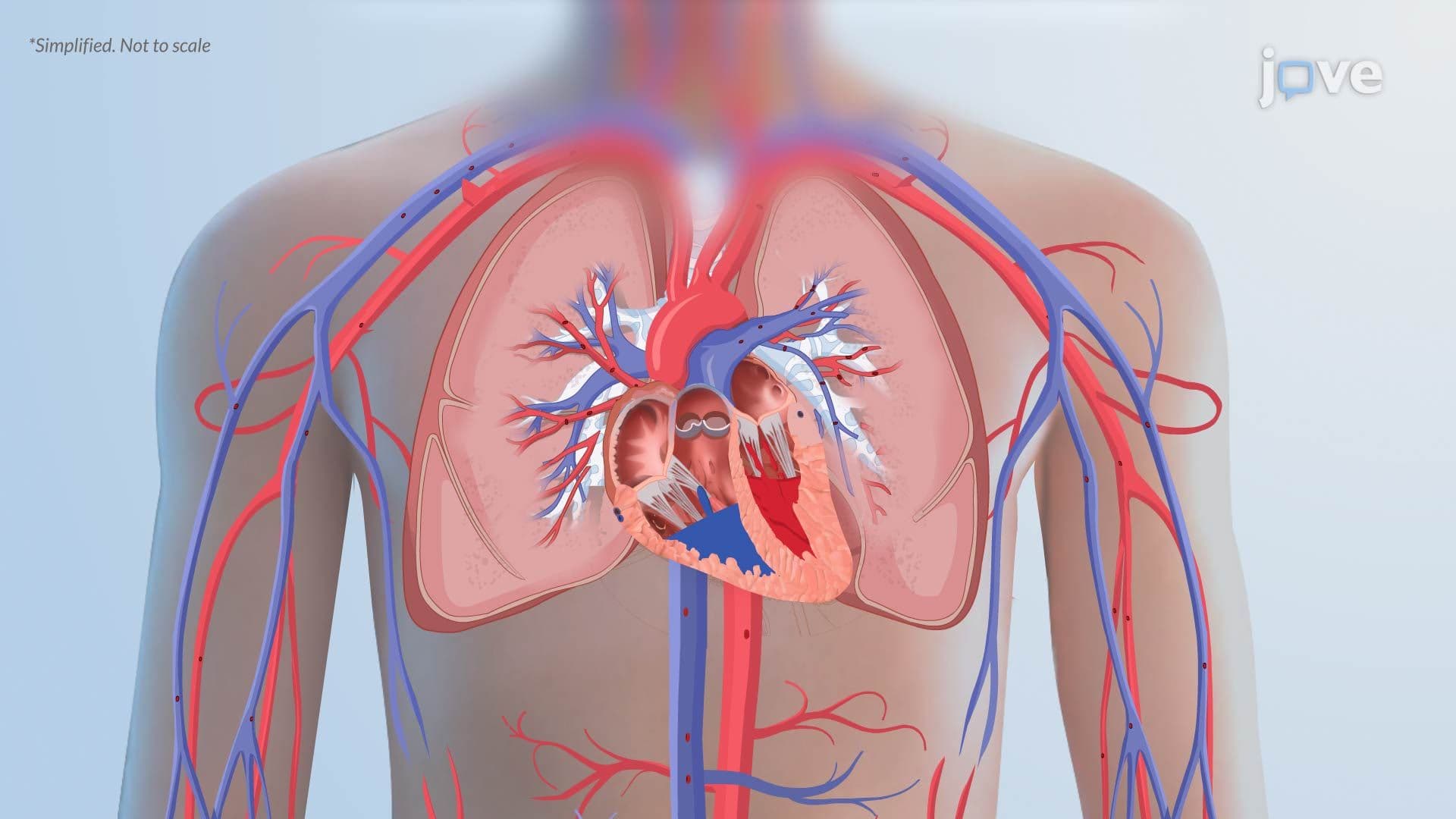
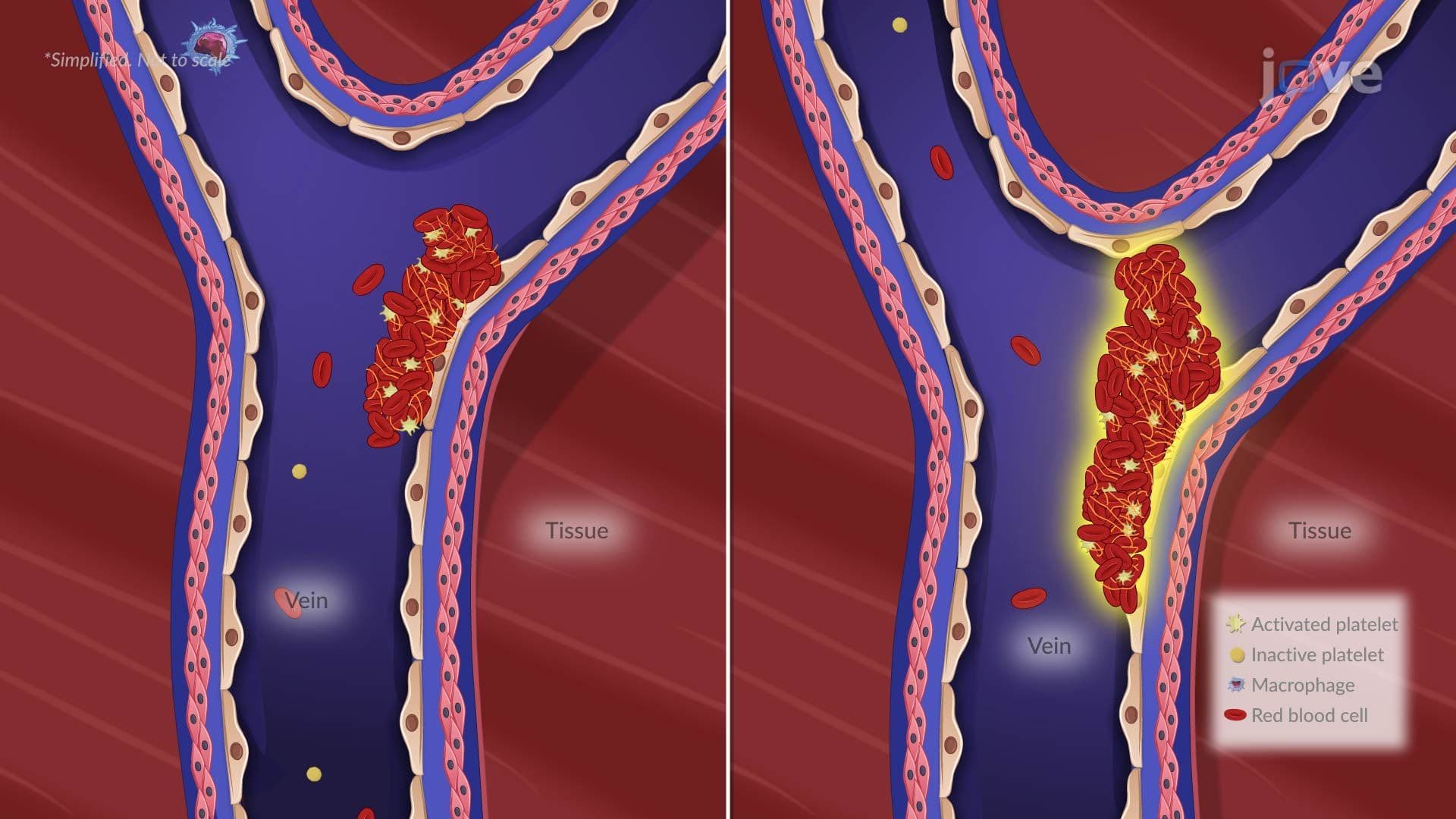
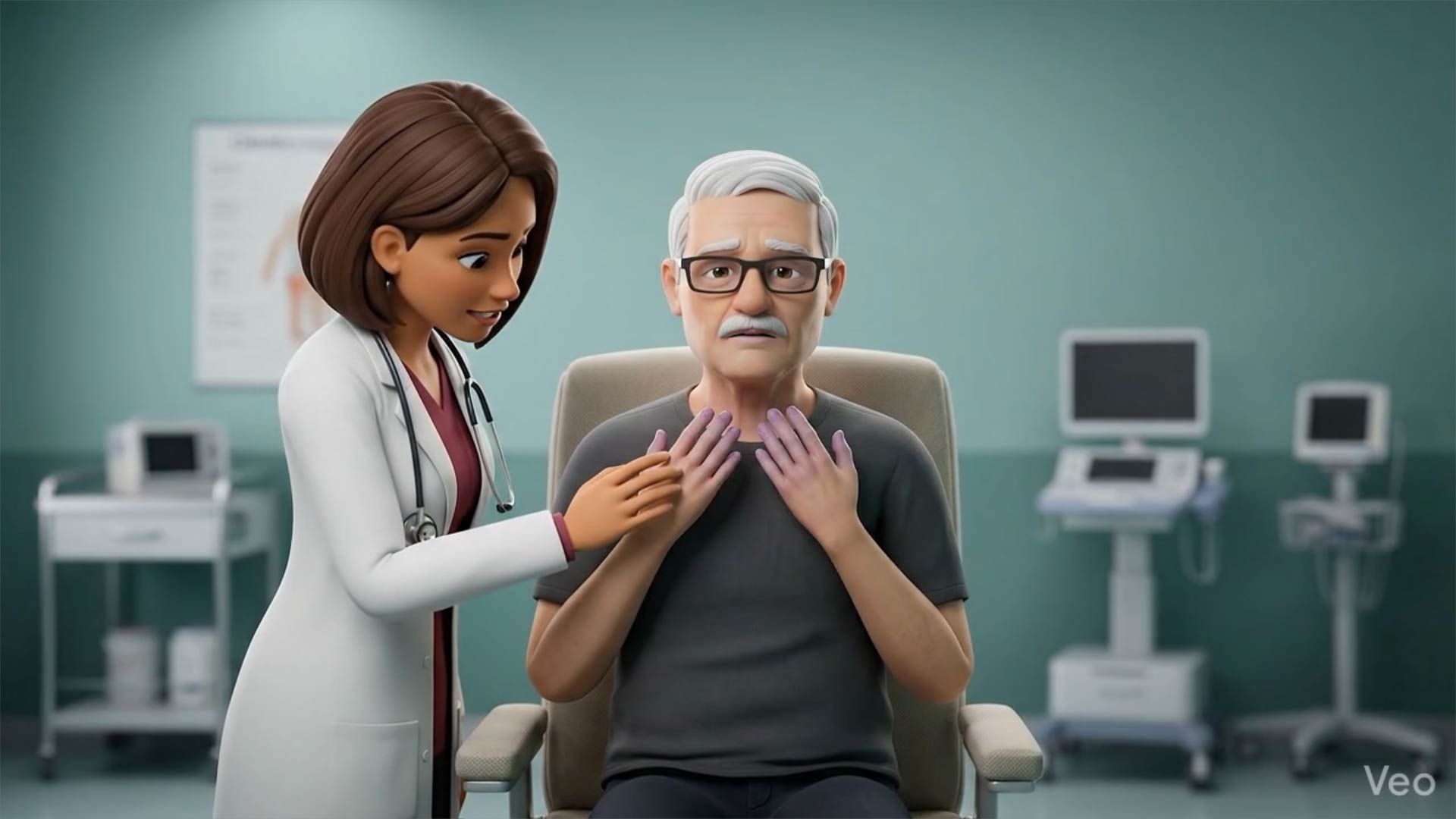
A critical downstream consequence is chronic hypoxemia, or persistently low blood oxygen levels. The body responds by producing more red blood cells through a process called secondary polycythemia, attempting to compensate for reduced oxygen delivery. The skin and mucous membranes may display cyanosis, a bluish discoloration most visible in the lips and fingertips. Because of fluid retention and the bluish tint, patients with chronic bronchitis are sometimes referred to in clinical education as "blue bloaters", a memorable term frequently tested on NCLEX and USMLE Step 1 exams.
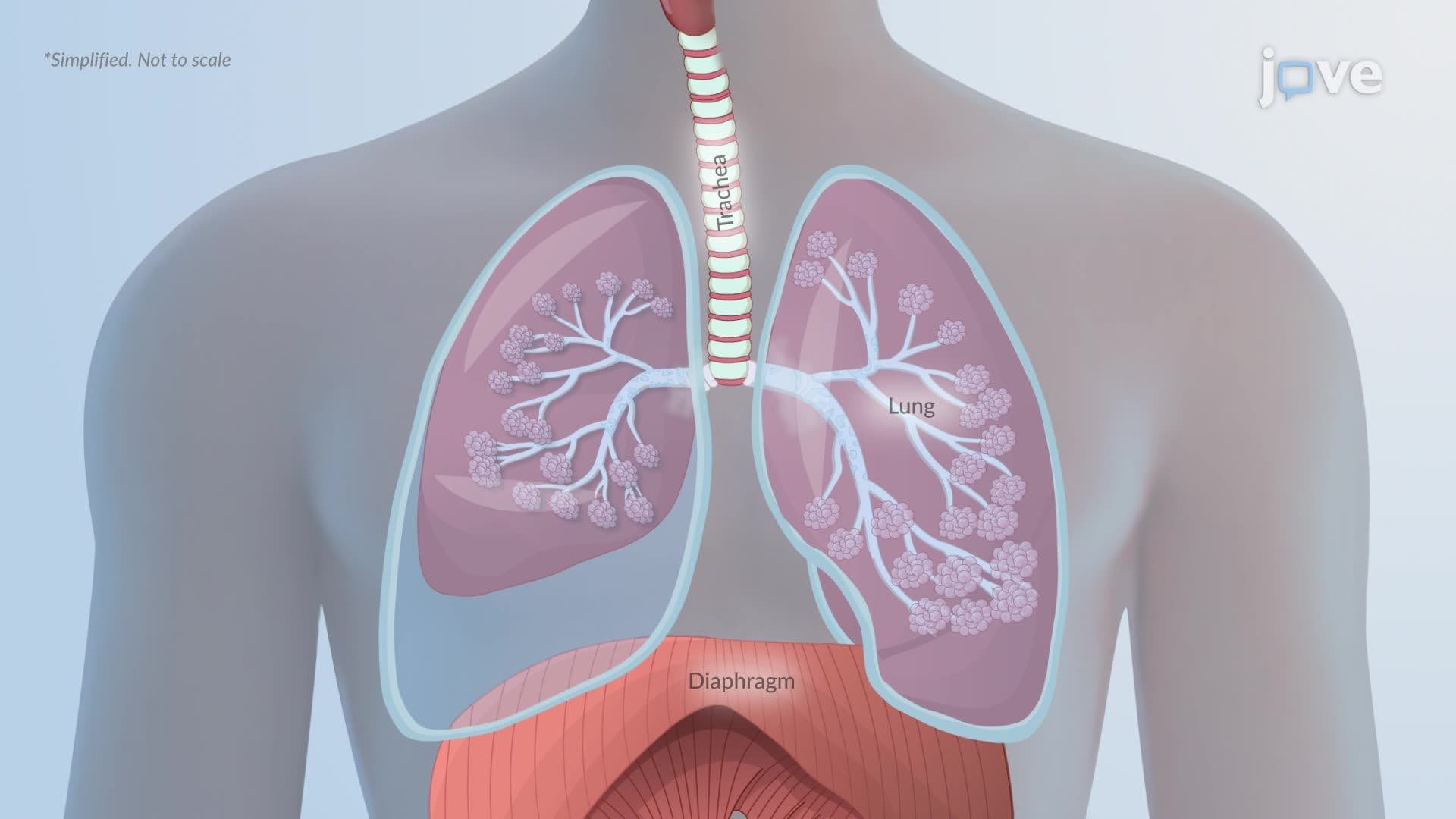
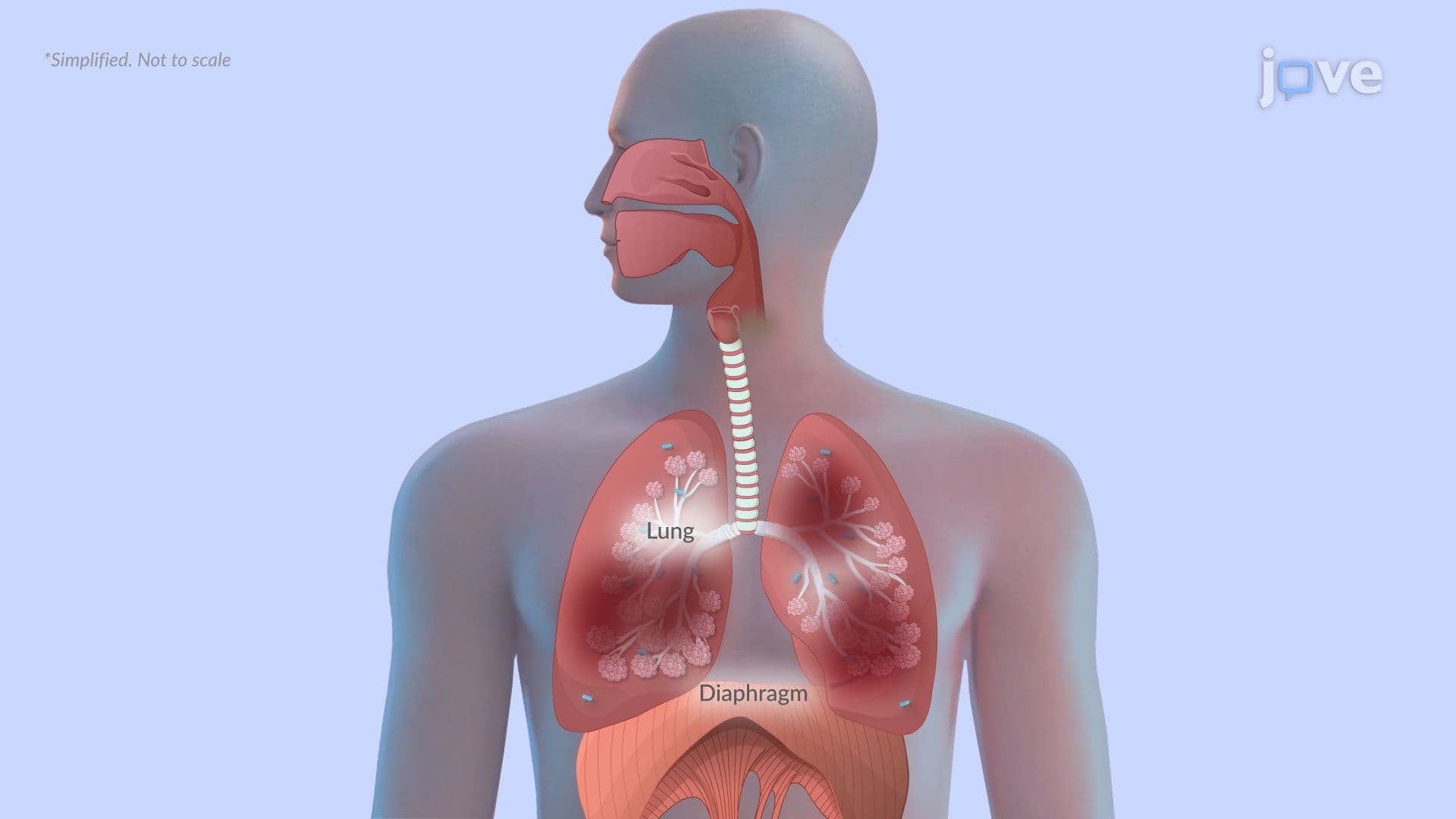
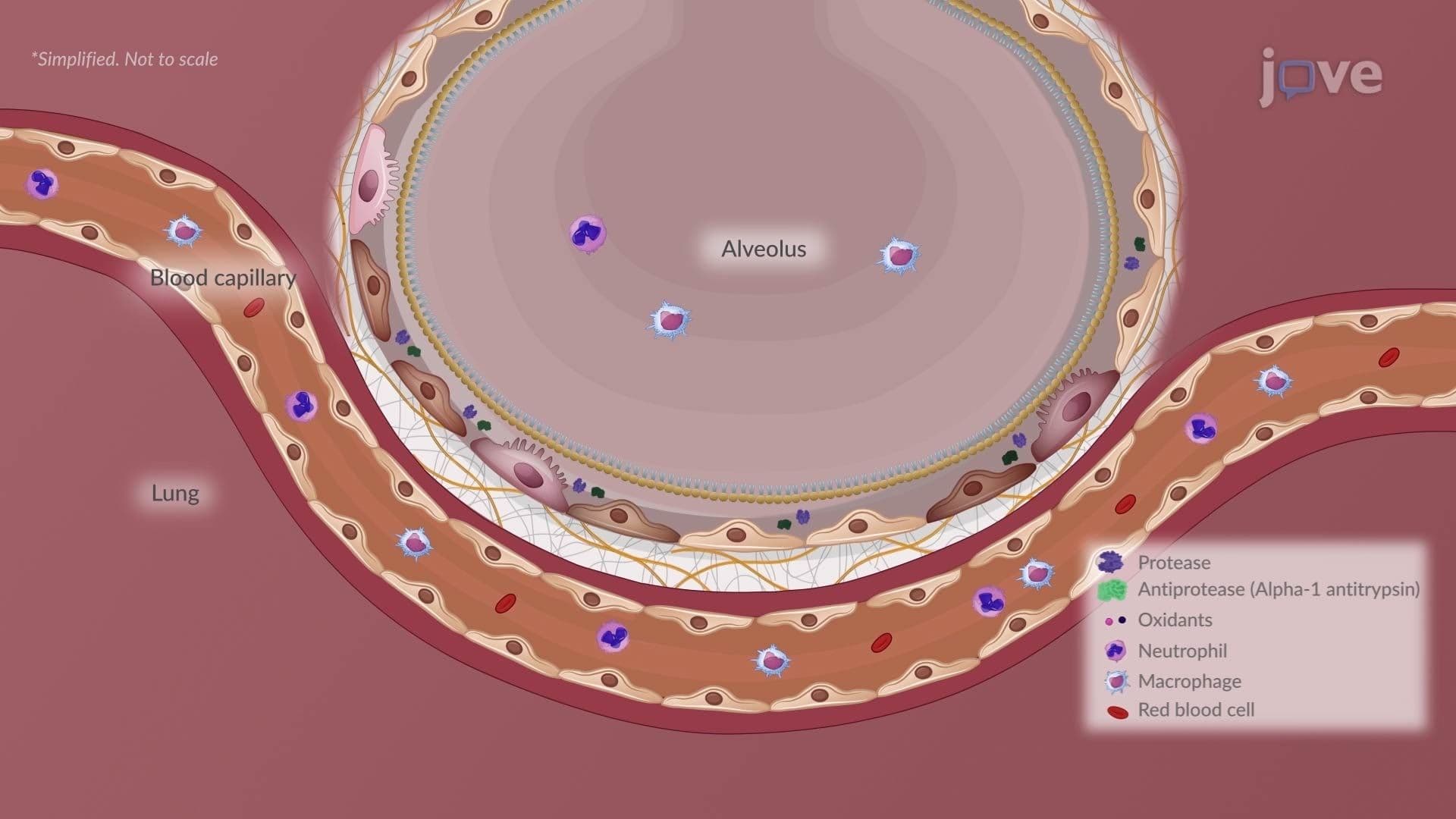
Emphysema involves the irreversible destruction of the alveolar walls, the tiny air sacs where gas exchange occurs. When these walls break down, smaller air sacs merge into larger, non-functional spaces. Air becomes chronically trapped, a condition called hyperinflation, causing the lungs to over-expand. Radiographically and physically, this produces a barrel-shaped chest, where the anterior-posterior diameter of the thorax increases noticeably. The diaphragm, flattened by the over-expanded lungs, loses its domed efficiency and generates less mechanical force per breath.
Unlike chronic bronchitis, emphysema patients typically produce little or no sputum. Their primary complaint is progressive dyspnea. To compensate, they breathe rapidly (tachypnea) and recruit accessory muscles of the neck and shoulders. Pursed-lip breathing, exhaling slowly through nearly closed lips, helps maintain positive pressure in the airways, preventing premature airway collapse during exhalation. These patients are sometimes described as "pink puffers" because they maintain relatively normal oxygen saturation through these compensatory mechanisms.
Understanding COPD manifestations becomes richer when contrasted with related conditions. Unlike asthma, COPD airflow obstruction is largely irreversible and not fully responsive to bronchodilators. Unlike restrictive lung diseases, COPD features increased lung volumes rather than reduced capacity. Conditions such as pneumonia and pulmonary embolism can significantly worsen COPD exacerbations, a concept explored in advanced pathophysiology and critical care courses at US universities.
For students preparing for AP Biology, college-level Anatomy and Physiology, or health sciences exams like the HESI A2 or TEAS, recognizing the distinguishing clinical features of each COPD subtype is a high-yield strategy. Questions frequently ask you to match patient descriptions, productive cough with cyanosis versus dyspnea with barrel chest, to the correct diagnosis. Building this clinical pattern recognition early gives you a measurable advantage on any exam touching respiratory pathology.
Related Micro-courses