Loading video…


 11 Concepts
 7K views

Video Summary: What Is Asthma I
Nearly 25 million Americans live with asthma, yet many don't fully understand what's happening in their airways. Asthma I basics reveal how chronic airway inflammation, excess mucus, and hyperresponsiveness combine to trigger wheezing, chest tightness, and breathlessness. Common US triggers like pollen seasons and indoor allergens make this condition deeply relatable for students everywhere. Watch the full video on JoVE Coach to master this concept with expert-led visuals and step-by-step explanations.
Asthma I refers to the foundational understanding of asthma, one of the most prevalent chronic respiratory diseases in the United States, affecting people of all ages but especially children and young adults. Unlike a simple infection or one-time illness, asthma is a chronic inflammatory disorder of the airways. This means the airways are persistently inflamed and overly sensitive, or hyperresponsive, to a wide range of stimuli. Importantly, asthma-related airway obstruction is partially reversible, either on its own or through treatment, which distinguishes it from conditions like COPD, where lung damage is largely permanent.
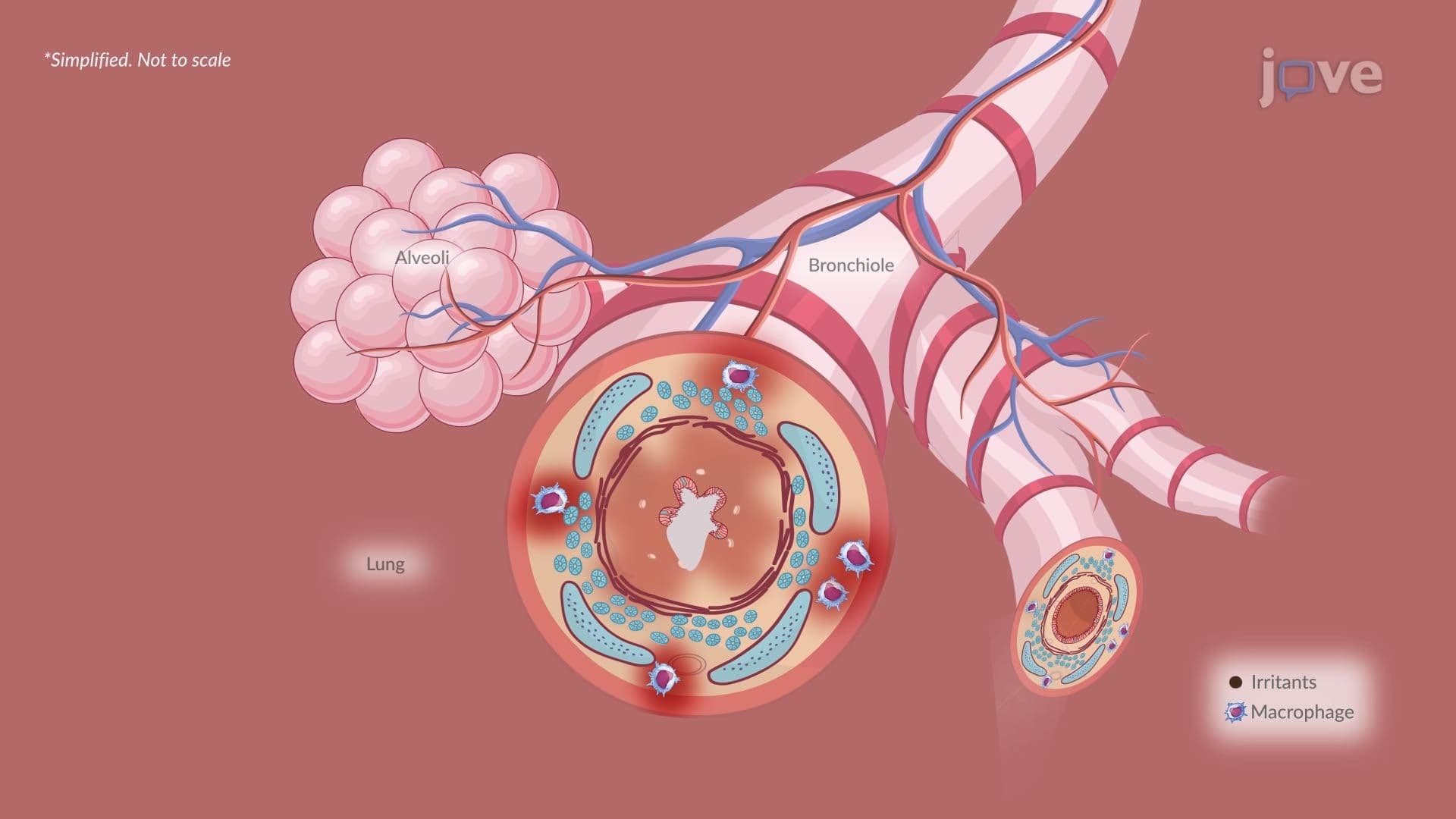
When an asthma trigger is encountered, the immune system responds by causing the airway walls to swell and the mucus-producing cells to go into overdrive. This swelling and excess mucus production dramatically narrows the airway lumen, the open space through which air travels. The result is obstructed airflow in and out of the lungs, making even simple breathing feel labored. Students studying respiratory system disorders often find this mechanism tested in AP Biology and college-level anatomy and physiology courses, where understanding the distinction between obstructive and restrictive lung diseases is a core competency.
Asthma doesn't have a single, fully understood cause, it arises from a combination of genetic susceptibility and environmental exposure. A family history of asthma or allergic conditions (like eczema or hay fever) significantly elevates risk, pointing to a hereditary component. On the environmental side, allergens are among the most well-documented triggers. In the US, common culprits include seasonal pollen, indoor dust mites, cockroach allergens (a major issue in urban housing), pet dander, and mold spores. Non-allergic irritants, tobacco smoke, air pollution (especially in cities like Los Angeles or Houston with high smog levels), chemical fumes, and even cold air, can provoke equally severe responses.
One of the most clinically important aspects of asthma is understanding what causes a flare-up, also called an exacerbation. Respiratory viruses are among the most frequent culprits, particularly in children. The common cold, influenza, and respiratory syncytial virus (RSV) are well-known triggers in US pediatric emergency departments each winter. Exercise-induced bronchoconstriction is another key trigger, relevant not just clinically but also for student athletes navigating PE classes and sports participation. Understanding these triggers connects directly to questions on the MCAT, NCLEX, and USMLE Step 1, where asthma pathophysiology, trigger identification, and management principles are high-yield topics. Even AP Biology and college-level pathophysiology courses frequently include case-based questions where students must identify triggering mechanisms and predict physiological outcomes.
Related Micro-courses