Loading subject page…


7,028 views


Video Summary: Clinical Manifestations in Asthma Iii
Did you know that over 25 million Americans live with asthma, yet many don't recognize its warning signs until a crisis hits? Clinical Manifestations in Asthma III breaks down the hallmark symptoms of asthma, from nocturnal dry cough and wheezing to chest tightness and acute exacerbations. A high school athlete in Ohio experiencing sudden breathlessness mid-game may be having an asthma attack. Watch the full video on JoVE Coach to master this concept with expert-led visuals and step-by-step explanations.
Asthma is one of the most prevalent chronic respiratory conditions in the United States, affecting people of all ages, but understanding its clinical manifestations goes far beyond simply knowing that it "causes trouble breathing." Clinical Manifestations in Asthma III dives into the specific, identifiable signs and symptoms that healthcare providers, students, and patients need to recognize. Mastering these manifestations is essential not only for clinical practice but also for success in coursework ranging from AP Biology to college-level Pathophysiology.
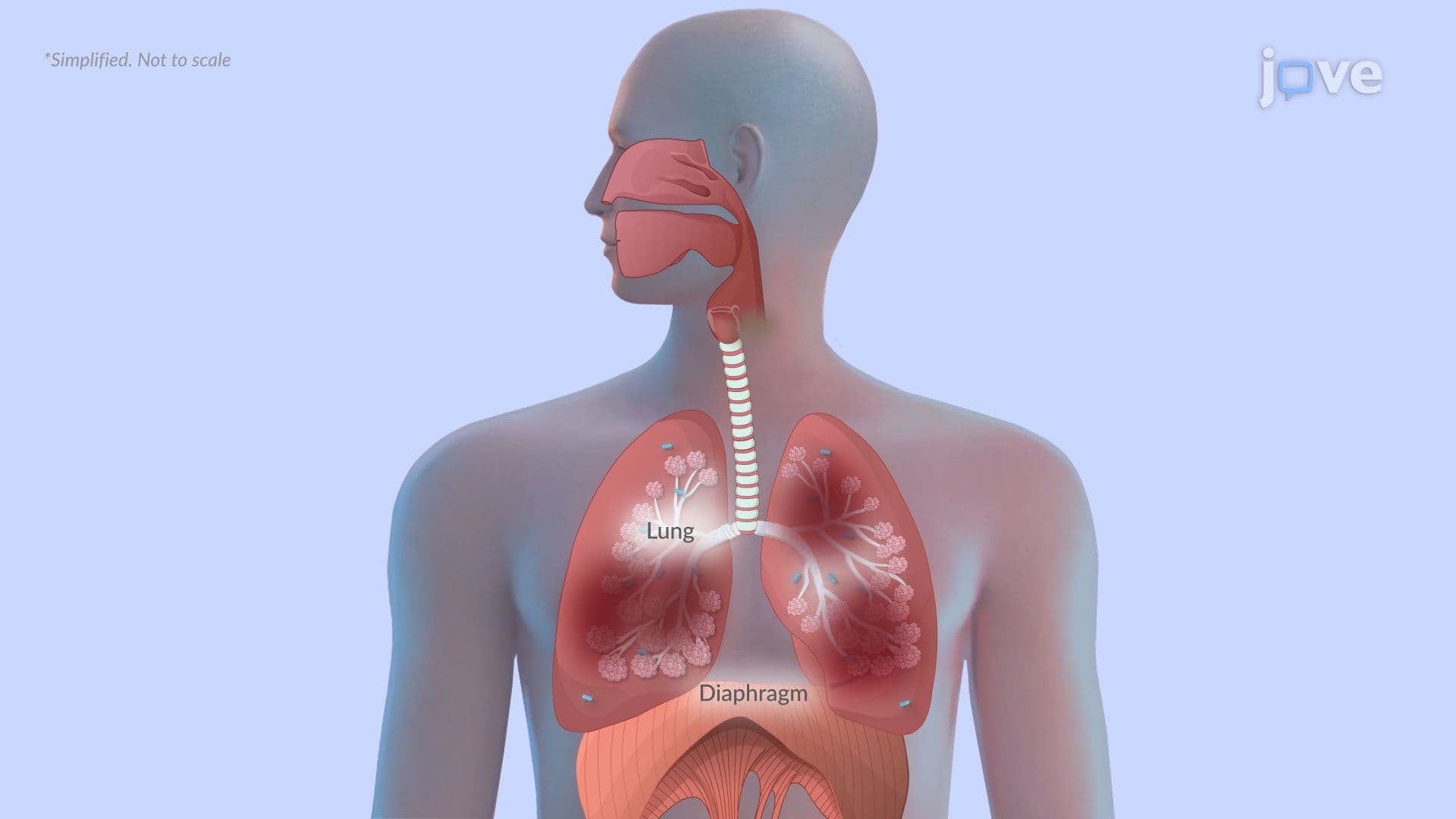
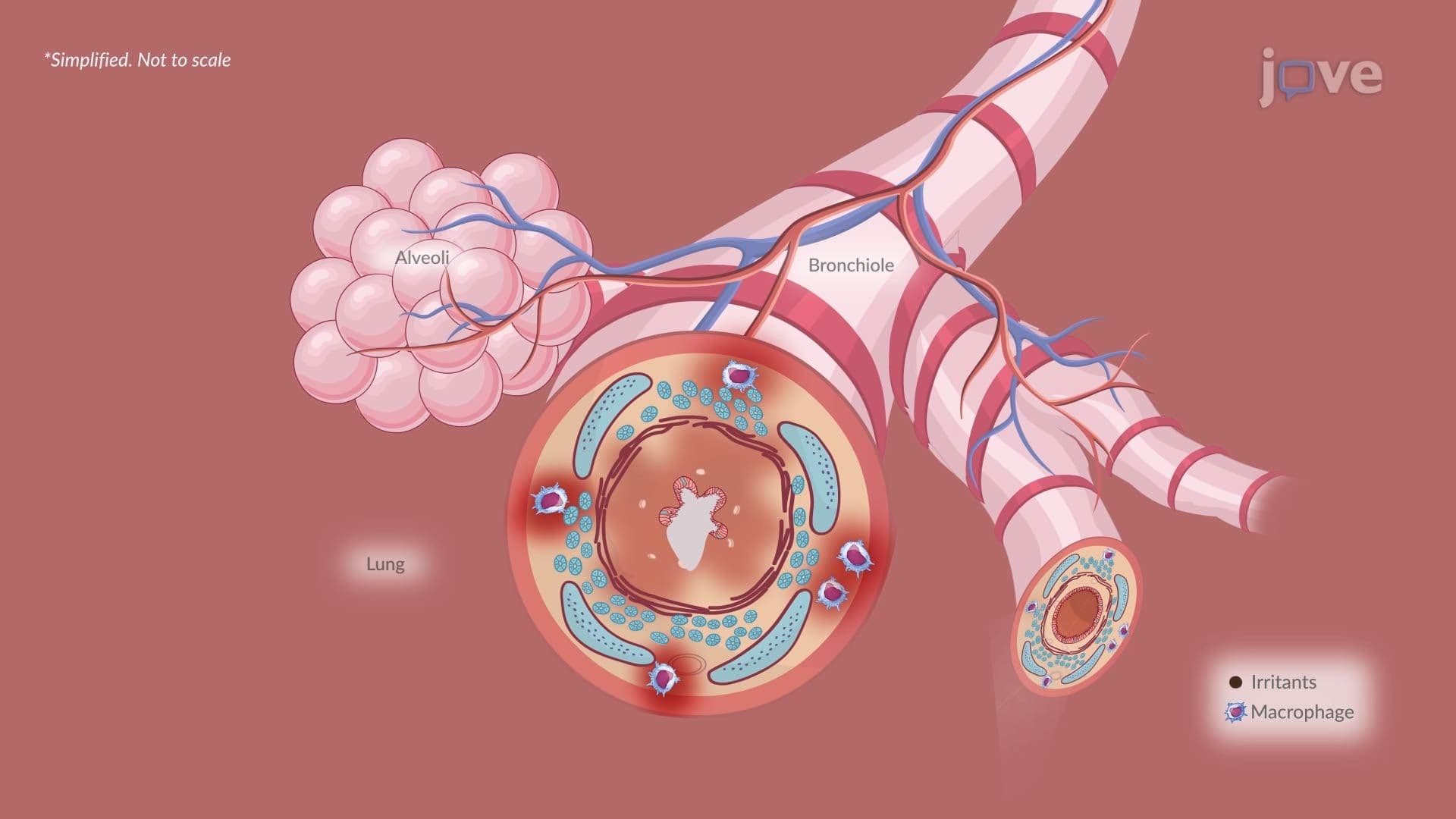
The four cardinal symptoms of asthma are persistent cough, wheezing, shortness of breath (dyspnea), and chest tightness. The cough is typically dry and non-productive, and a key diagnostic clue is that it worsens at night or in the early morning hours, a pattern tied to circadian fluctuations in airway tone and cortisol levels. Wheezing, the high-pitched whistling sound produced during exhalation (and sometimes inhalation), results from air being forced through chronically inflamed and narrowed bronchioles. Chest tightness is often described by patients as a sensation of pressure or squeezing, making deep inhalation uncomfortable. These symptoms are not random, they all stem from the same underlying pathology: airway inflammation, bronchoconstriction, and excess mucus production.
An acute asthma exacerbation, commonly called an asthma attack, represents a sudden, dramatic worsening of symptoms. During an exacerbation, patients experience severe dyspnea, intense wheezing, and unrelenting cough. The body compensates by recruiting accessory muscles (such as the sternocleidomastoid and scalene muscles) to assist with each labored breath. Heart rate increases (tachycardia) and breathing rate accelerates (tachypnea) as the body fights to maintain adequate oxygenation. In the US, emergency departments treat approximately 1.6 million asthma-related visits annually. A rescue inhaler, typically a short-acting beta-2 agonist like albuterol, is the first-line response. If it fails to provide relief, hospitalization, systemic corticosteroids, and supplemental oxygen may be required.
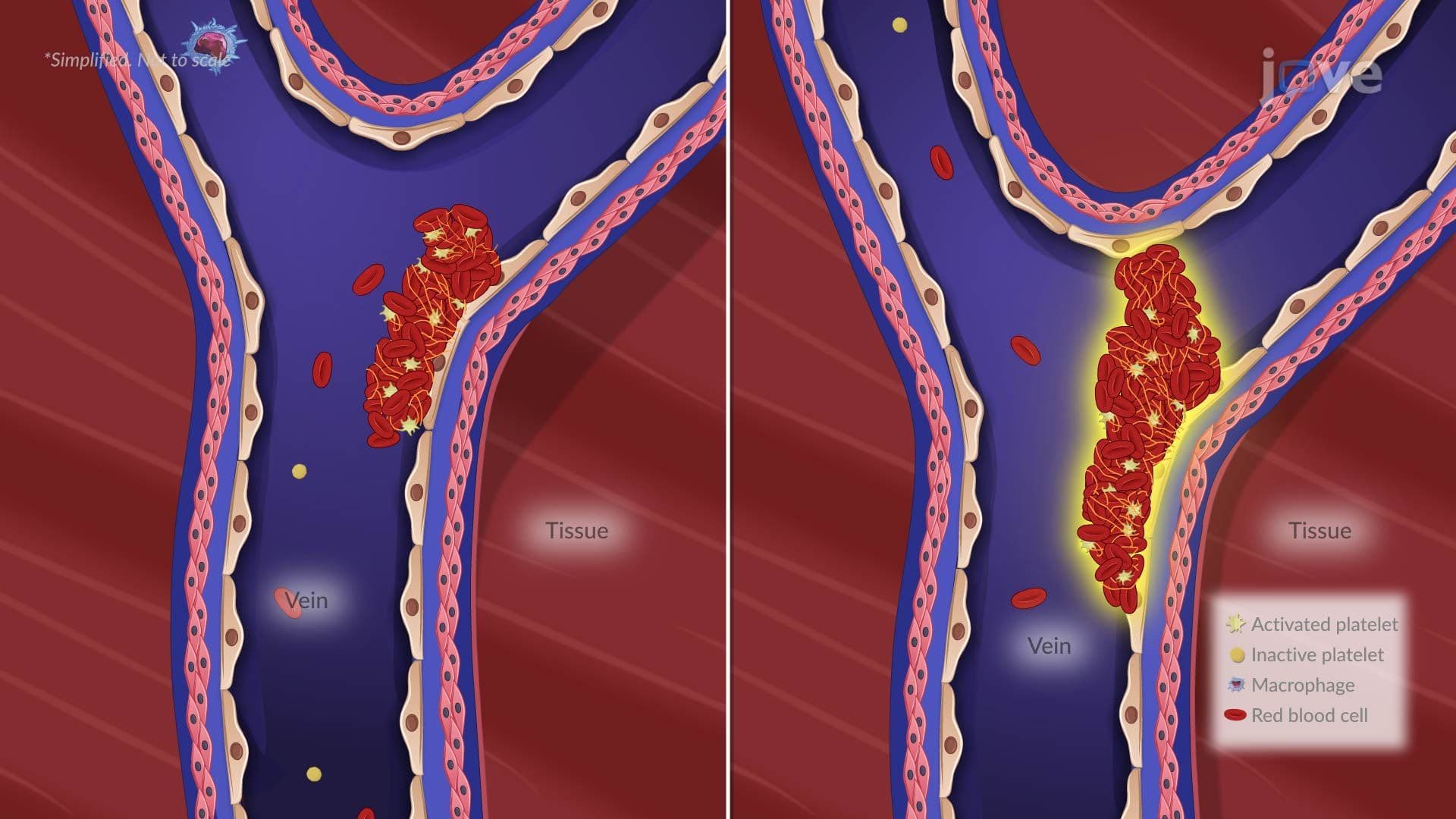
One of the most clinically and academically important skills is distinguishing asthma from other respiratory system disorders. COPD, for example, shares symptoms like wheezing and dyspnea but is characterized by irreversible airflow obstruction and is strongly linked to smoking history. Pneumonia typically presents with fever, productive cough, and consolidation on chest X-ray, unlike asthma's clear lung fields between attacks. Pulmonary embolism causes sudden-onset dyspnea and chest pain but lacks the wheezing pattern. Restrictive lung diseases reduce lung volume without the bronchospasm signature of asthma. On the MCAT, NCLEX, and college biology or nursing exams, questions frequently test students' ability to differentiate these conditions based on symptom clusters.
For high school students in AP Biology or Health Science courses, understanding asthma symptoms connects directly to the broader study of the respiratory system and homeostasis. For college undergraduates in Pre-Med, Nursing, or Exercise Science programs, this content is foundational for pathophysiology, pharmacology, and clinical reasoning courses. Exam questions, particularly on the MCAT and HESI A2, often present patient vignettes requiring students to identify symptoms, determine severity, and select appropriate interventions. Understanding how asthma is managed, what its risk factors are, and how it compares to conditions like COPD or pulmonary embolism creates a complete, exam-ready knowledge base.
Related Micro-courses