Loading video…

Micro-course: Respiratory System Disorders
Video Summary: What Is Pulmonary Embolism I
Every year, roughly 900,000 Americans are affected by pulmonary embolism, yet many don't recognize the warning signs until it's too late. Pulmonary embolism I basics begins with understanding how a blood clot travels from deep leg veins to block a pulmonary artery, cutting off oxygen-rich blood flow to the lungs. Virchow's triad explains the three triggers behind this life-threatening event. Watch the full video on JoVE Coach to master this concept with expert-led visuals and step-by-step explanations.
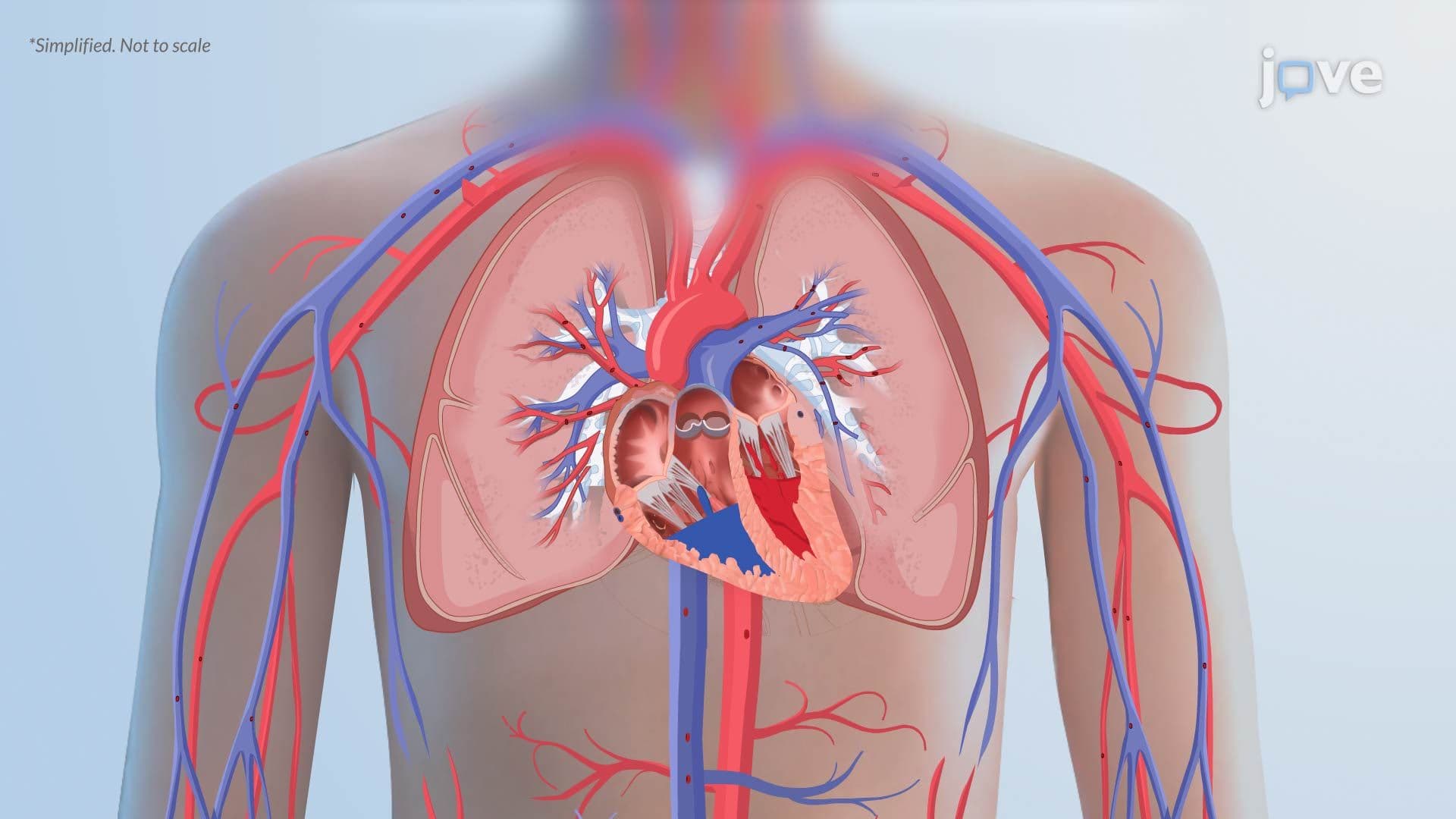
Pulmonary embolism I lays the groundwork for one of medicine's most urgent respiratory emergencies. A pulmonary embolism (PE) occurs when a blood clot, or embolus, lodges in a pulmonary artery, obstructing blood flow to a portion of the lungs. Because the lungs are responsible for oxygenating the blood, even a partial blockage can rapidly compromise breathing and cardiovascular function. To truly understand PE, students need to trace the journey of a clot from its formation to its final, dangerous destination.
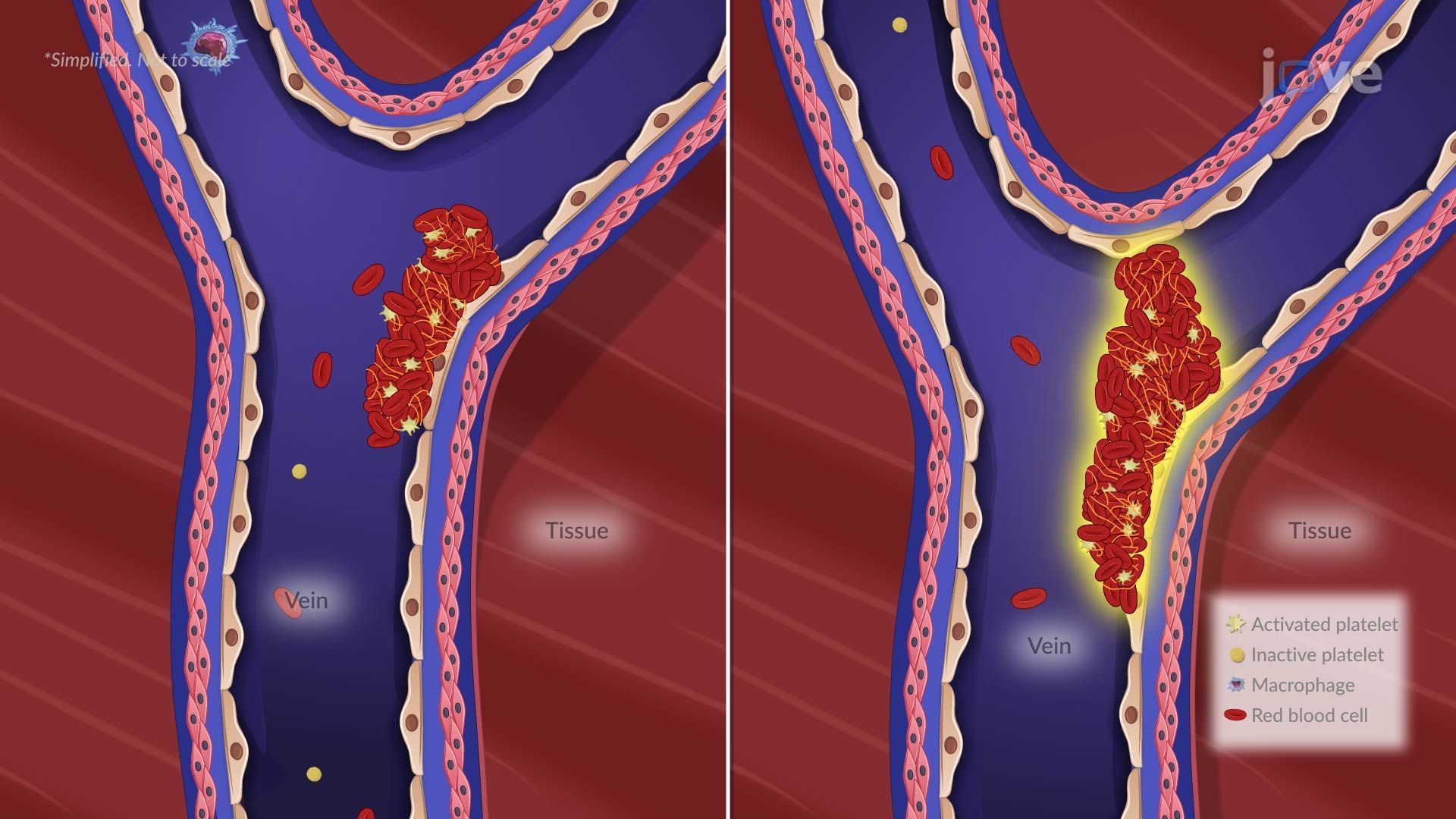
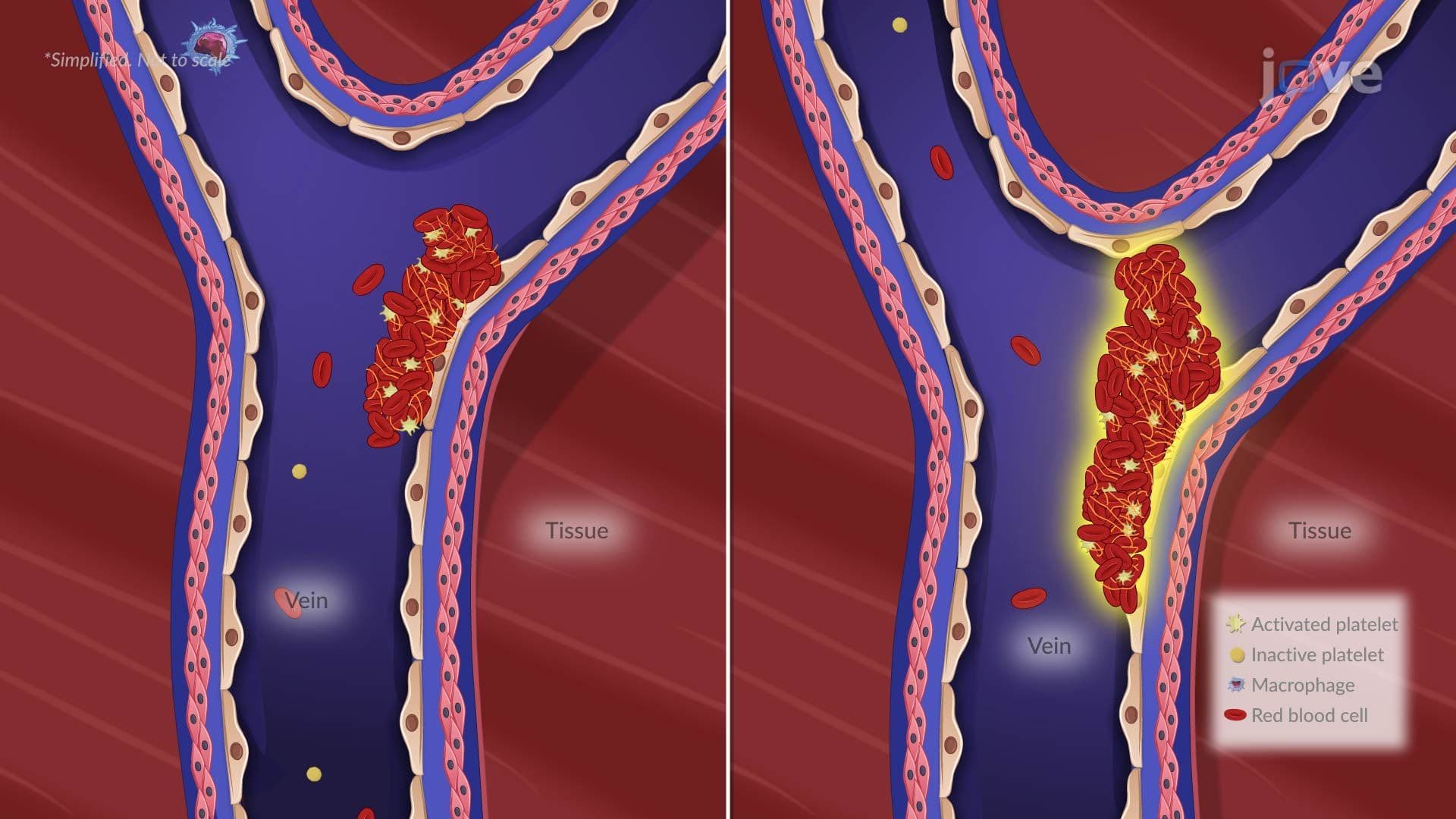
The process begins with thrombosis, the formation of a thrombus (blood clot) inside a blood vessel. Under normal conditions, clotting is a life-saving mechanism that stops bleeding. But when a clot forms inappropriately inside a vein, it becomes a hazard. If a fragment of that clot detaches, it enters the bloodstream as a free-floating embolus. Carried by venous circulation toward the heart and then into the pulmonary arteries, the embolus can wedge into a vessel supplying the lungs, causing a PE.
In the vast majority of cases, this originating clot develops in the deep veins of the legs, a condition known as deep vein thrombosis (DVT). DVT is common among hospitalized patients, particularly those recovering from orthopedic surgeries like hip or knee replacements, procedures performed on hundreds of thousands of Americans annually. This is why post-surgical patients are often prescribed blood thinners and encouraged to walk as soon as it is safely possible.
Understanding why clots form inappropriately requires a foundational model called Virchow's triad, which identifies three contributing factors:
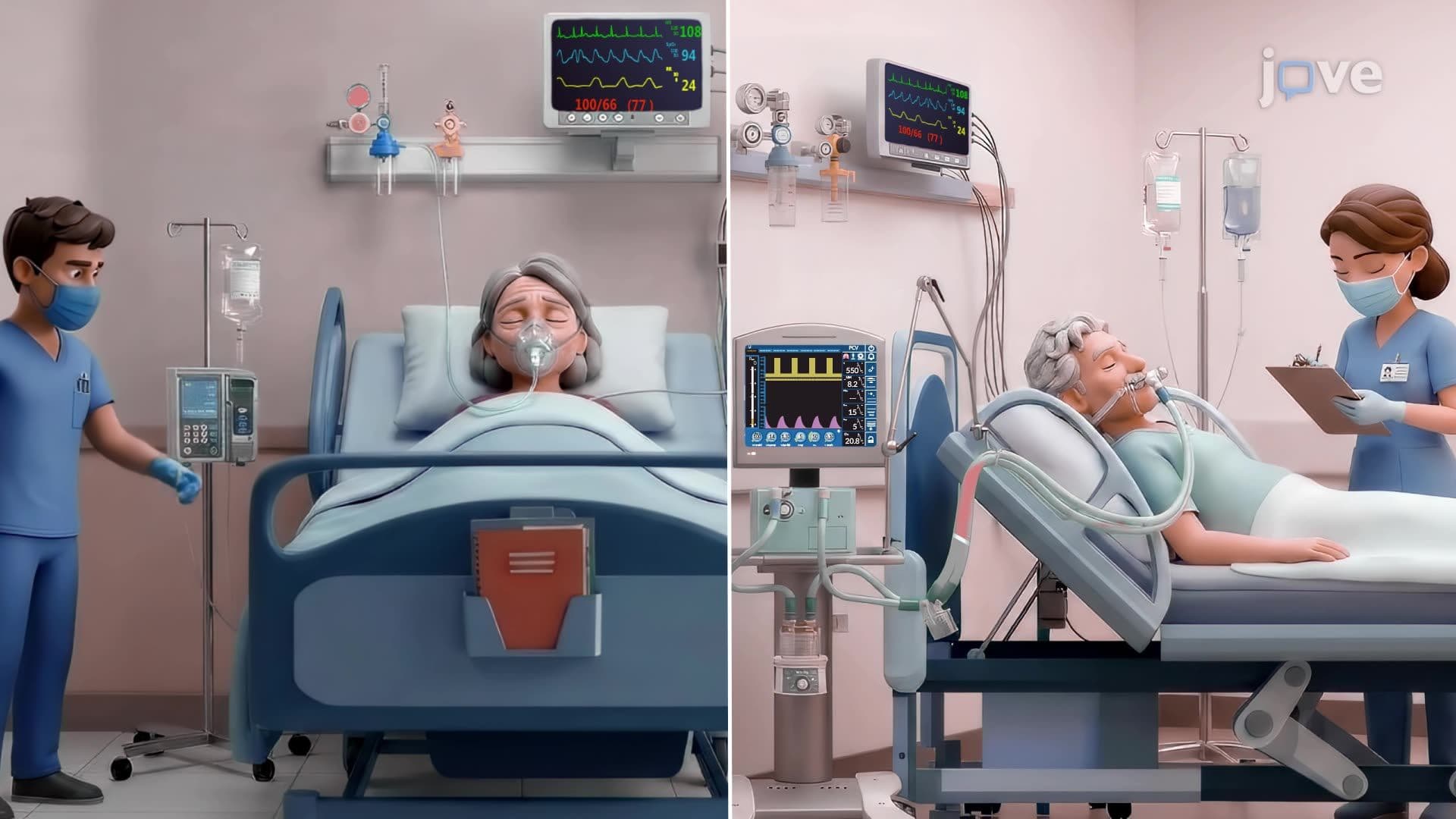
1. Venous stasis, Slowed or stagnant blood flow gives platelets and clotting factors time to accumulate. This happens during prolonged immobility: think a cross-country flight from New York to Los Angeles, extended bed rest, or post-surgical recovery.
2. Hypercoagulability, An increased tendency of the blood to clot. This can stem from inherited conditions such as antithrombin III deficiency, or from physiological states like pregnancy, which naturally shifts the body toward a pro-clotting state. The use of estrogen-containing oral contraceptives also raises clotting risk, an important consideration discussed in U.S. pharmacology and nursing curricula alike.
3. Endothelial injury, Damage to the inner lining of a blood vessel exposes underlying tissue that activates the clotting cascade. Trauma (like a car accident) or medical procedures such as central venous catheterization, used in ICUs across the country, can trigger this response.
Each leg of Virchow's triad can independently increase PE risk; when two or three factors combine, the danger multiplies significantly.
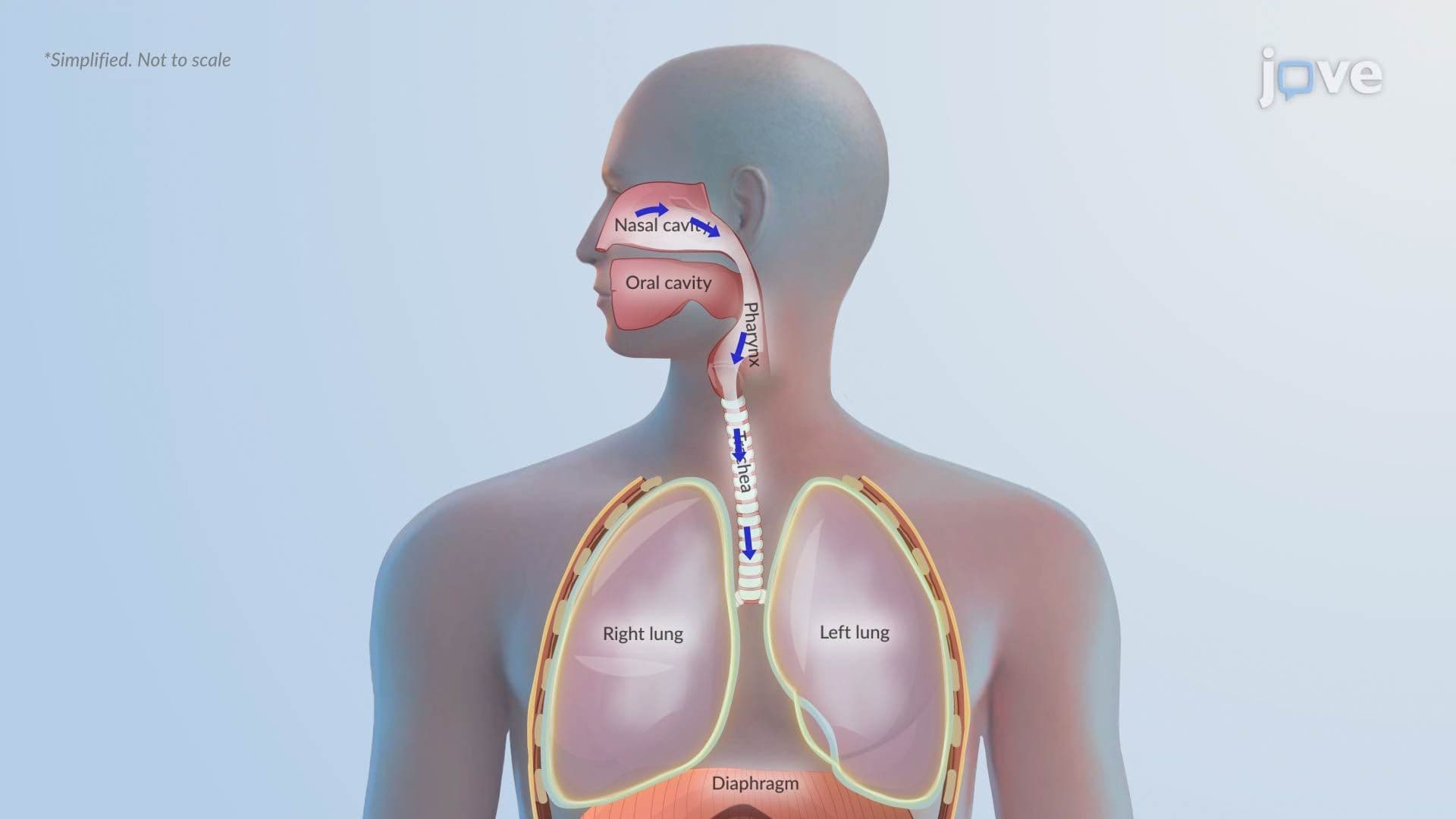
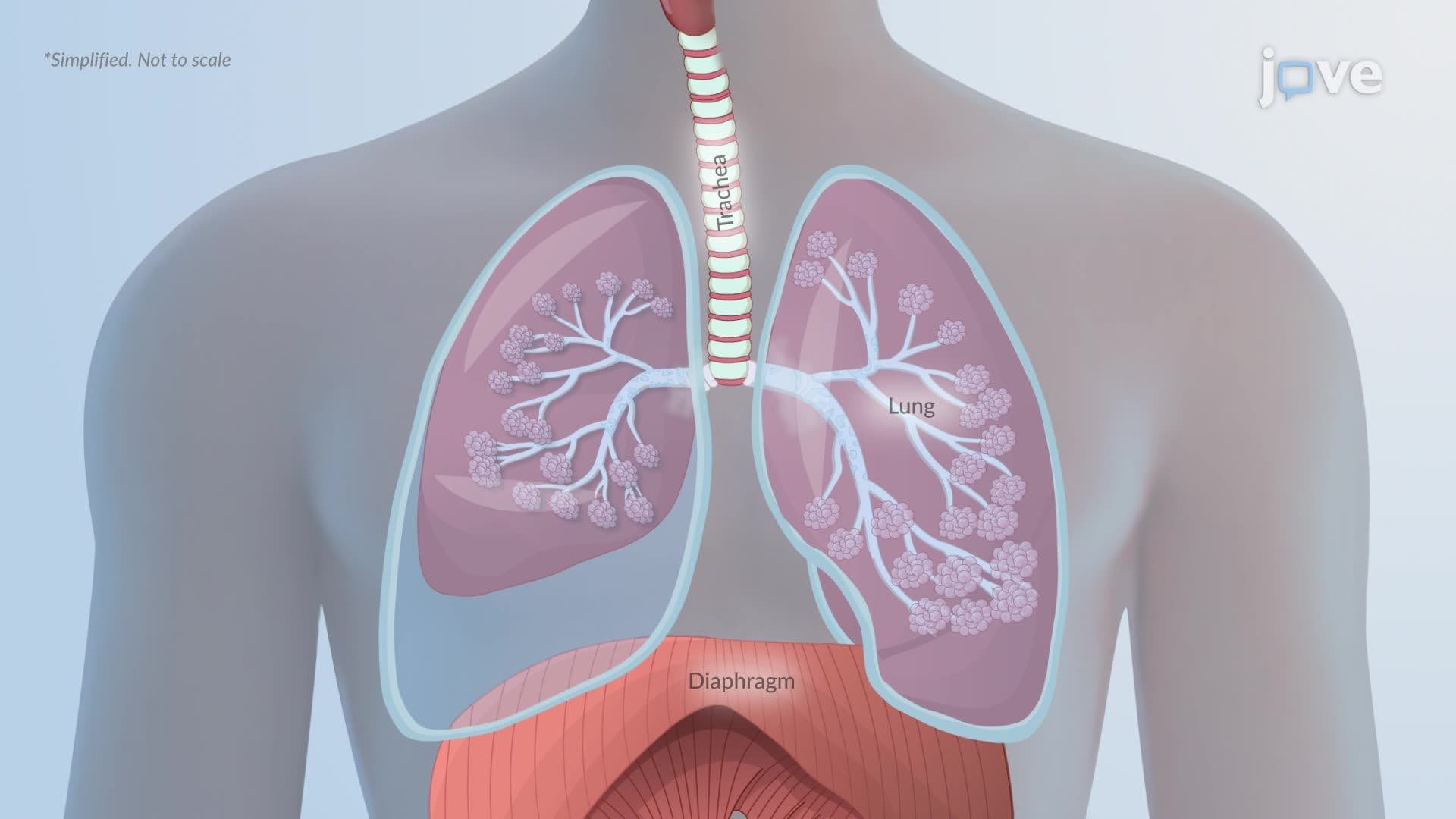
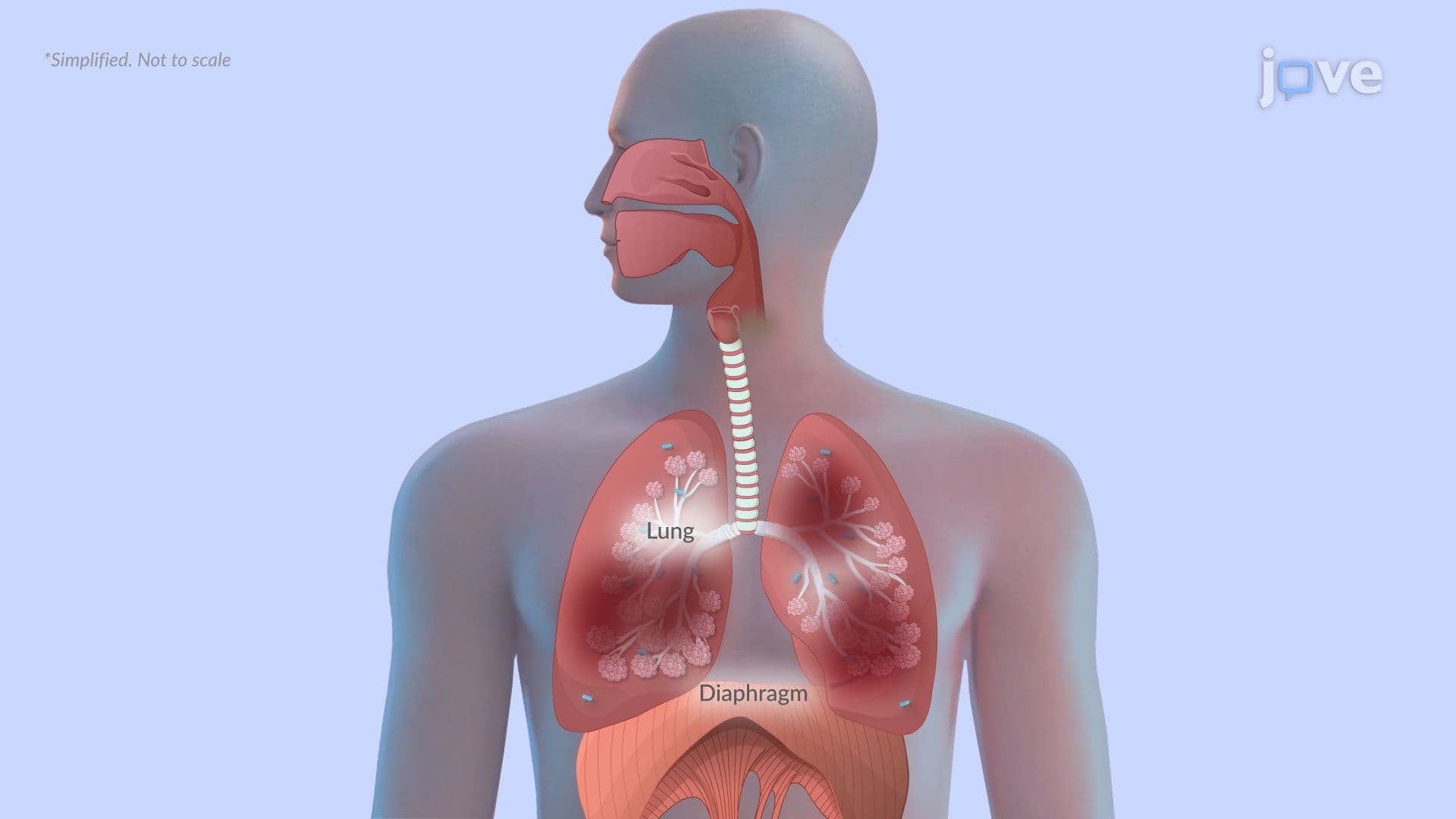
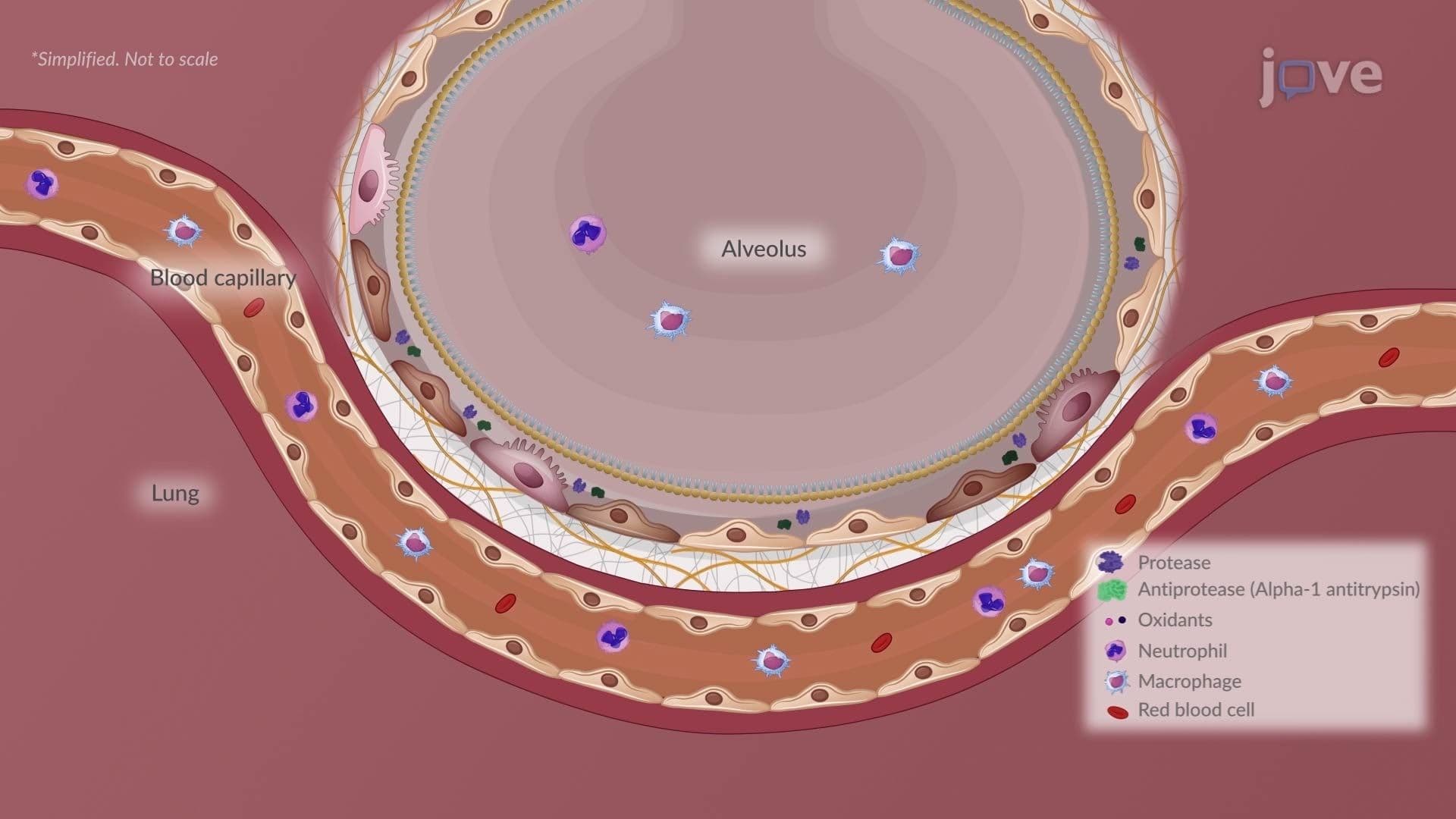
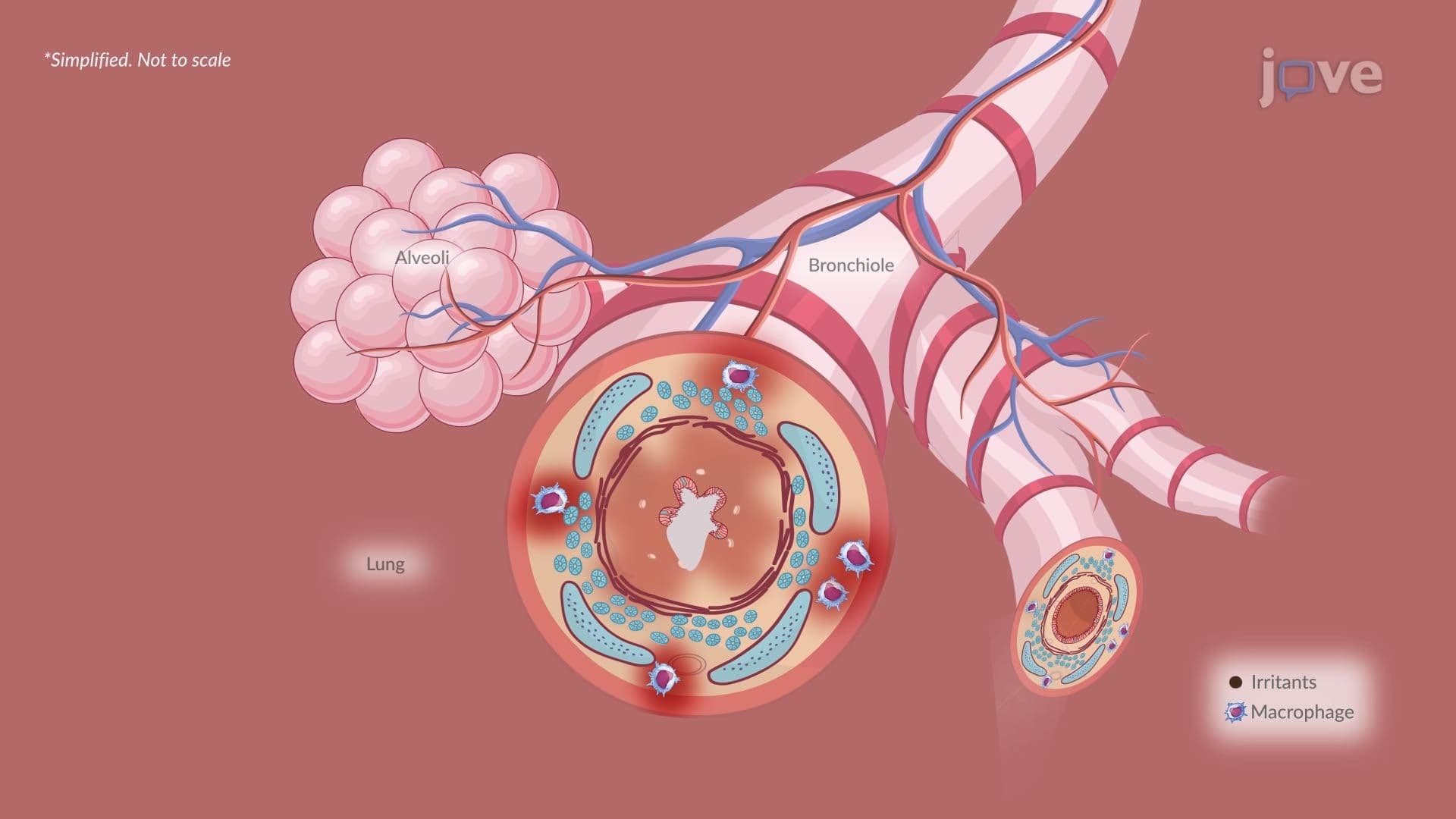
Pulmonary embolism sits within the larger landscape of respiratory system disorders. While conditions like asthma and COPD impair airflow through the airways, and pneumonia disrupts gas exchange at the alveolar level, PE disrupts perfusion, the delivery of blood to lung tissue. Restrictive lung diseases reduce lung volume, while lung cancer can invade vascular structures. PE is unique because the lungs may appear structurally normal yet still fail to oxygenate blood effectively, a concept tested frequently on college-level physiology exams and the MCAT.
In AP Biology and introductory college anatomy and physiology courses, understanding PE in the context of circulatory-respiratory interaction is a high-yield topic. Recognizing how Virchow's triad maps to real patient scenarios prepares students not just for exams, but for future clinical reasoning.
Related Micro-courses