Loading…
Loading video…

112,207 views
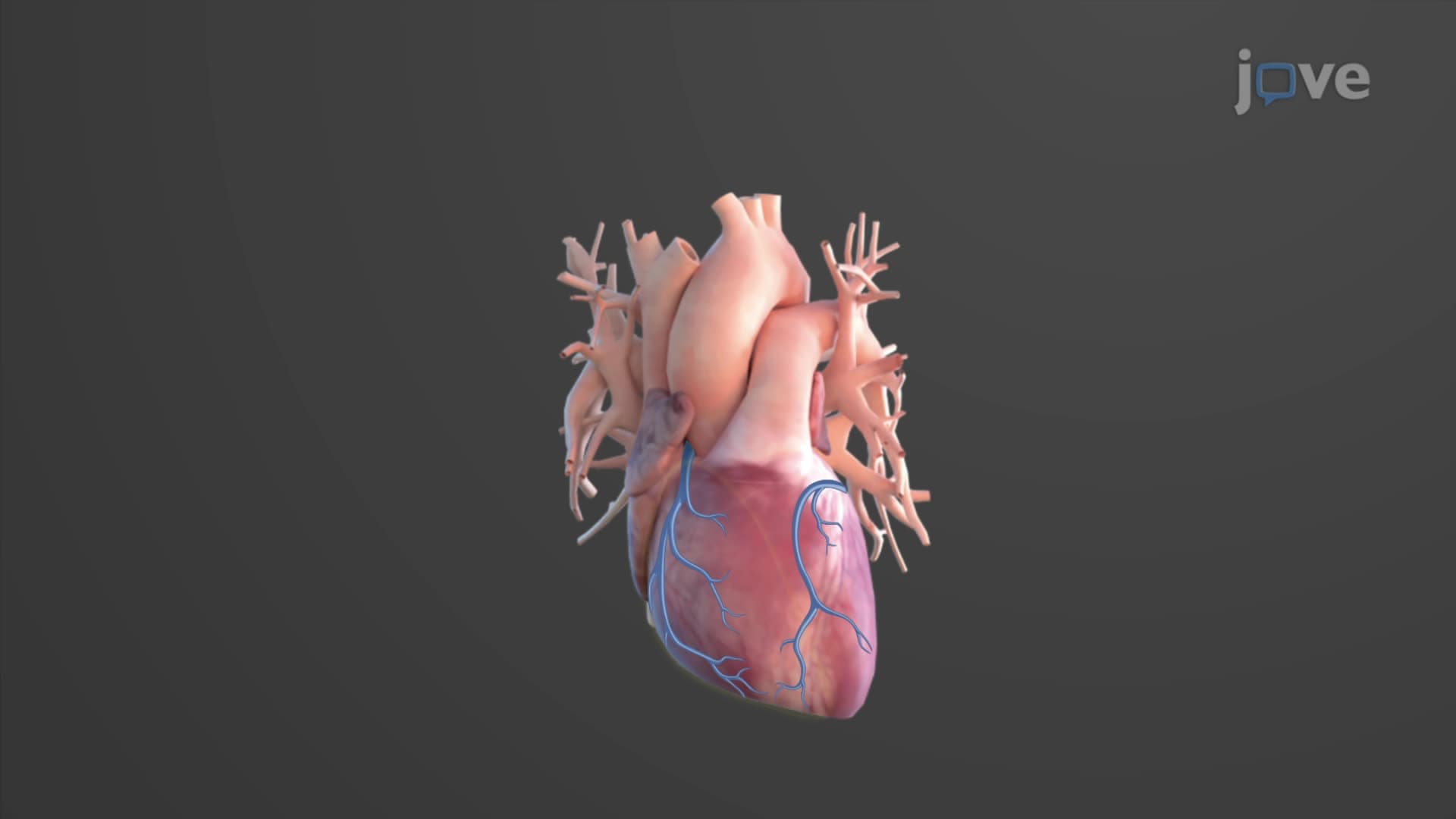
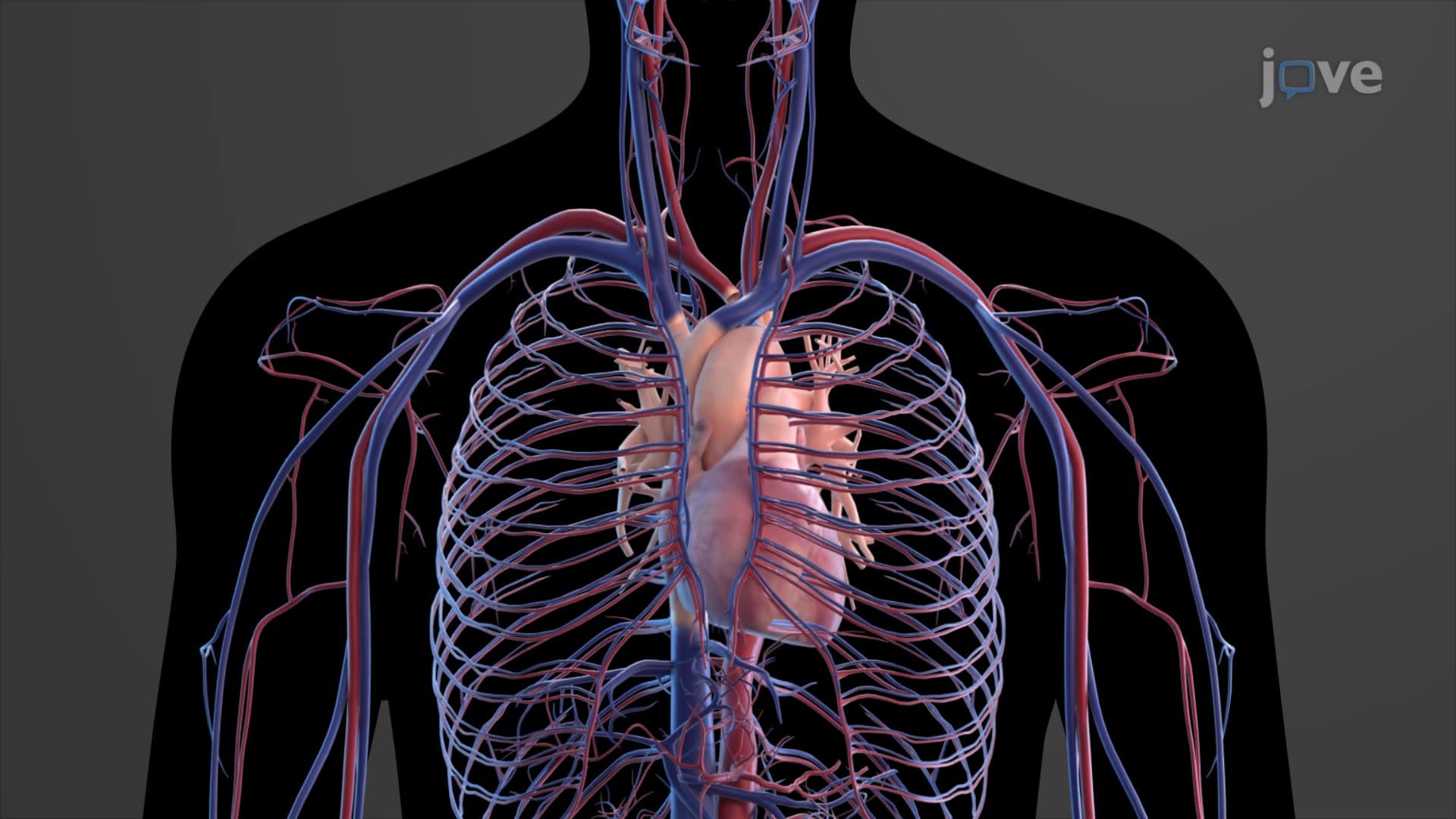
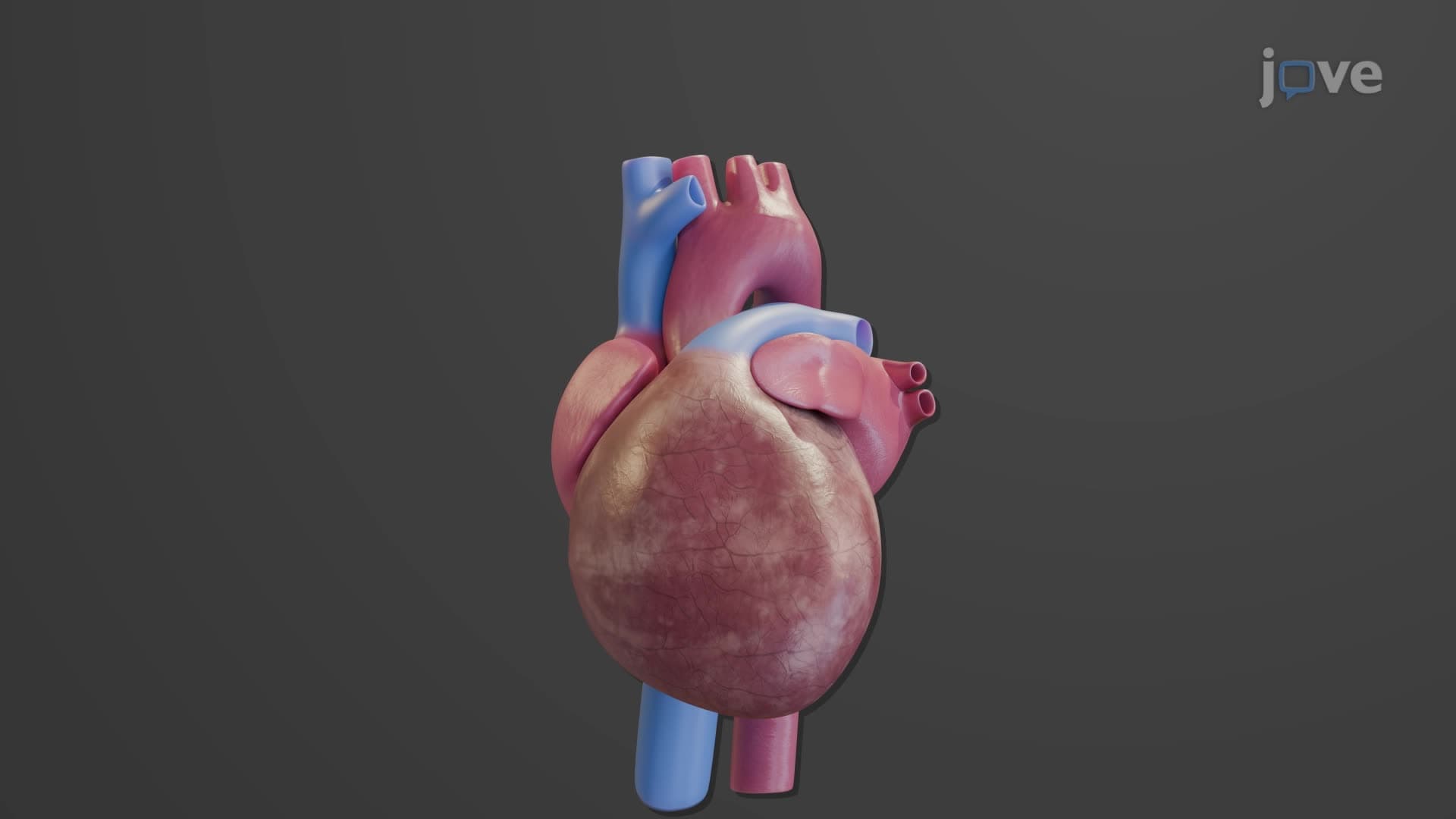
Every 60 seconds, your heart pumps about 5 liters of blood throughout your body, but did you know the heart muscle itself needs its own dedicated blood supply system? Coronary circulation anatomy biology forms a specialized network that keeps your heart muscle alive and functioning. When this system fails, as seen in over 655,000 Americans who die from heart disease annually according to the CDC, the consequences can be fatal. Understanding what is coronary circulation in cardiac anatomy reveals how the heart feeds itself through left and right coronary arteries, their branches, and venous drainage pathways. Watch the full video on JoVE Coach to master this concept with expert-led visuals and step-by-step explanations.
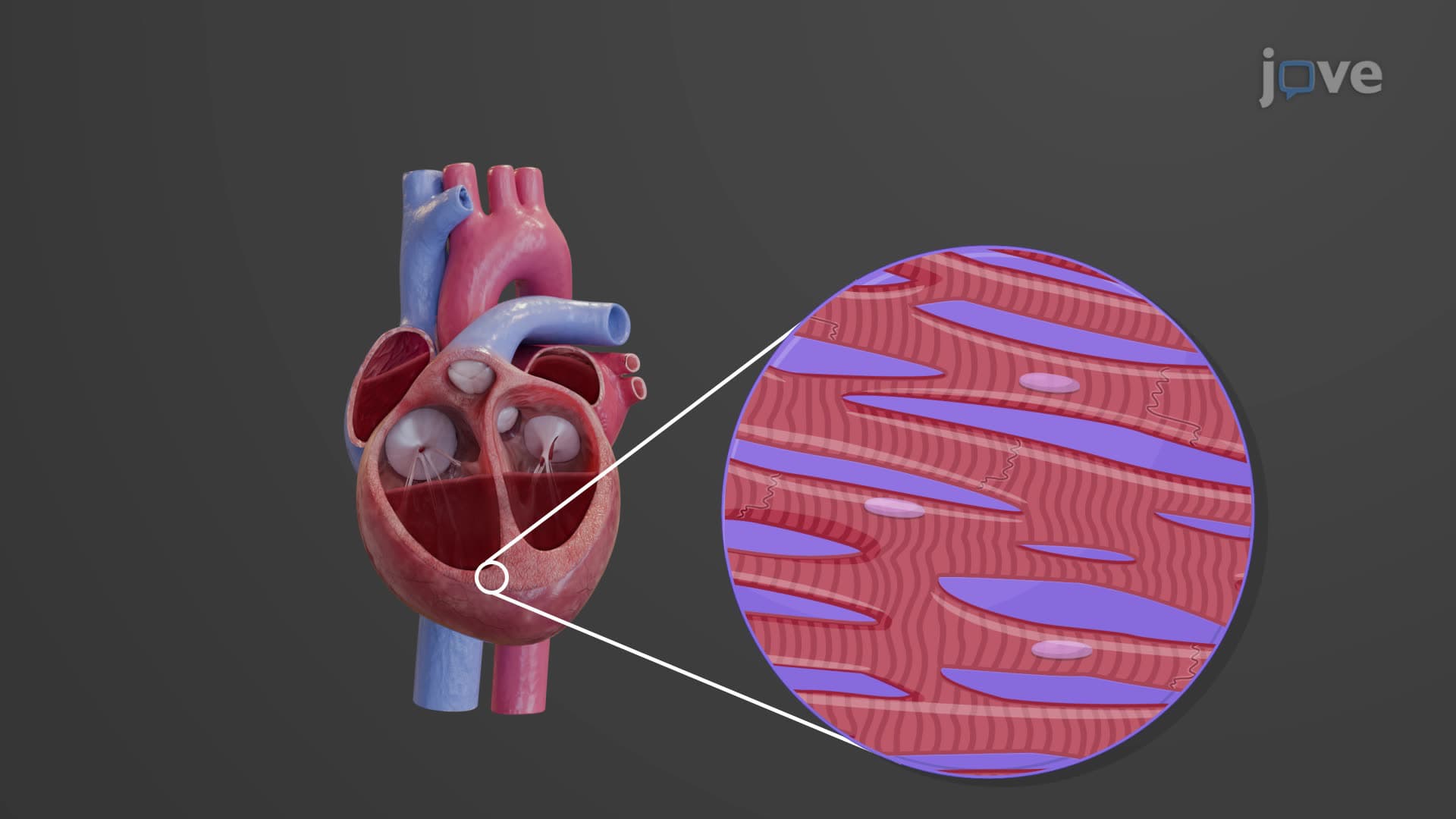
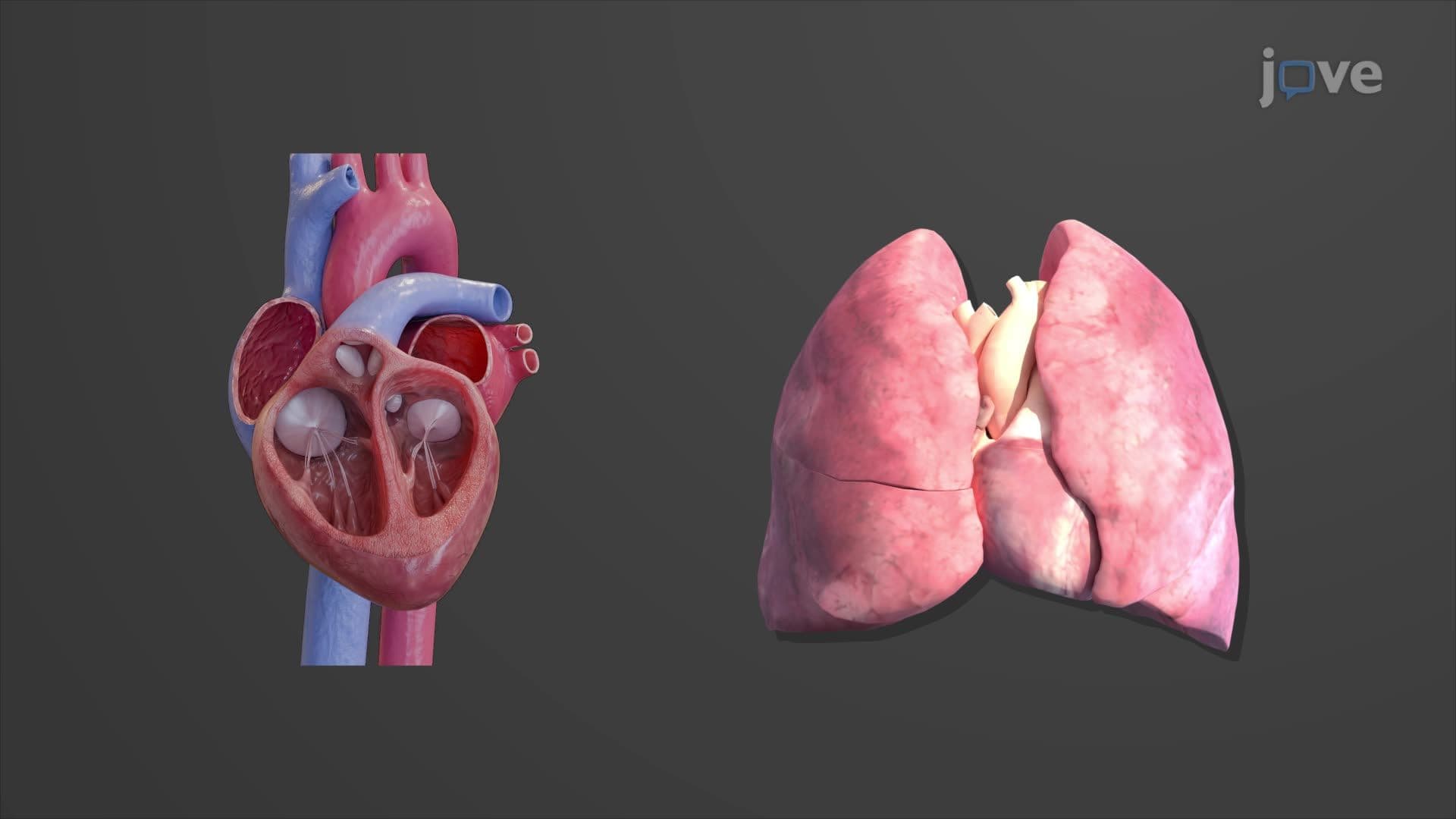
Coronary circulation anatomy biology represents one of the most critical vascular networks in the human body. Unlike other organs that receive blood from distant arteries, the heart muscle (myocardium) requires its own dedicated blood supply system operating independently from systemic and pulmonary circuits. This specialized circulation ensures continuous oxygen and nutrient delivery to cardiac muscle cells that work 24/7 without rest.
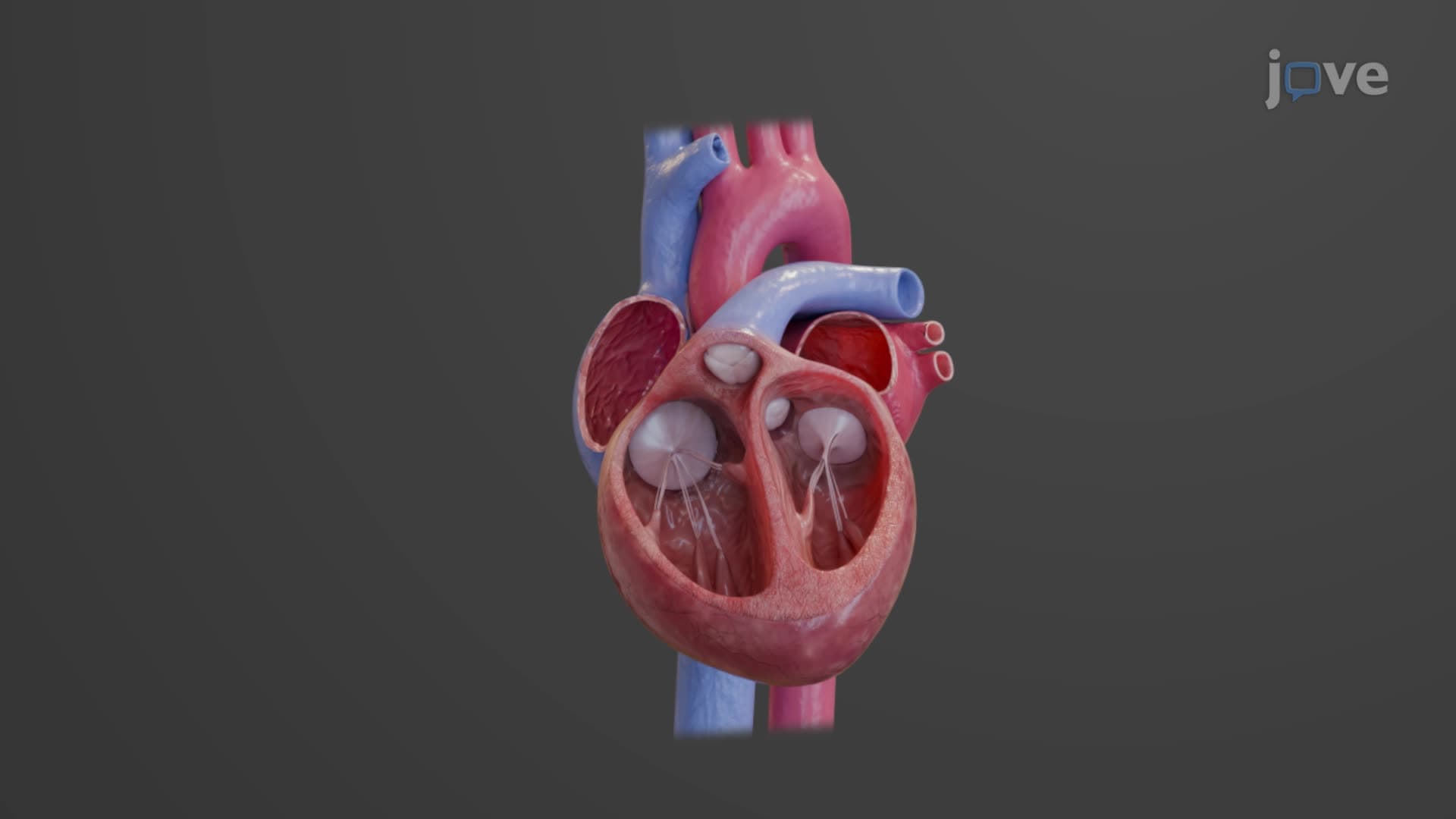
The heart blood supply explained begins with two main coronary arteries originating from the ascending aorta just above the aortic valve. The left main coronary artery quickly bifurcates into the left anterior descending artery (LAD) and circumflex artery. The LAD, often called the "widow maker" due to its critical importance, supplies the anterior wall of both ventricles and the anterior portion of the interventricular septum. Students preparing for the MCAT should note that LAD occlusion causes anterior wall myocardial infarctions, the most common type seen in emergency departments across the United States.
The circumflex artery wraps around the left side of the heart, supplying the lateral and posterior walls of the left ventricle and left atrium. Meanwhile, the right coronary artery (RCA) travels along the right atrioventricular groove, giving rise to the posterior descending artery (PDA) and marginal branches. This LAD RCA coronary system demonstrates functional redundancy through anastomoses—natural bypass connections that can provide alternate blood flow routes when primary vessels become blocked.
Coronary sinus venous return completes the circulation by collecting deoxygenated blood from cardiac muscle. The coronary sinus, located in the posterior wall of the right atrium, receives drainage from the great cardiac vein (LAD territory), middle cardiac vein (RCA territory), and small cardiac vein (right ventricle). Some anterior cardiac veins drain directly into the right atrium, bypassing the coronary sinus entirely.
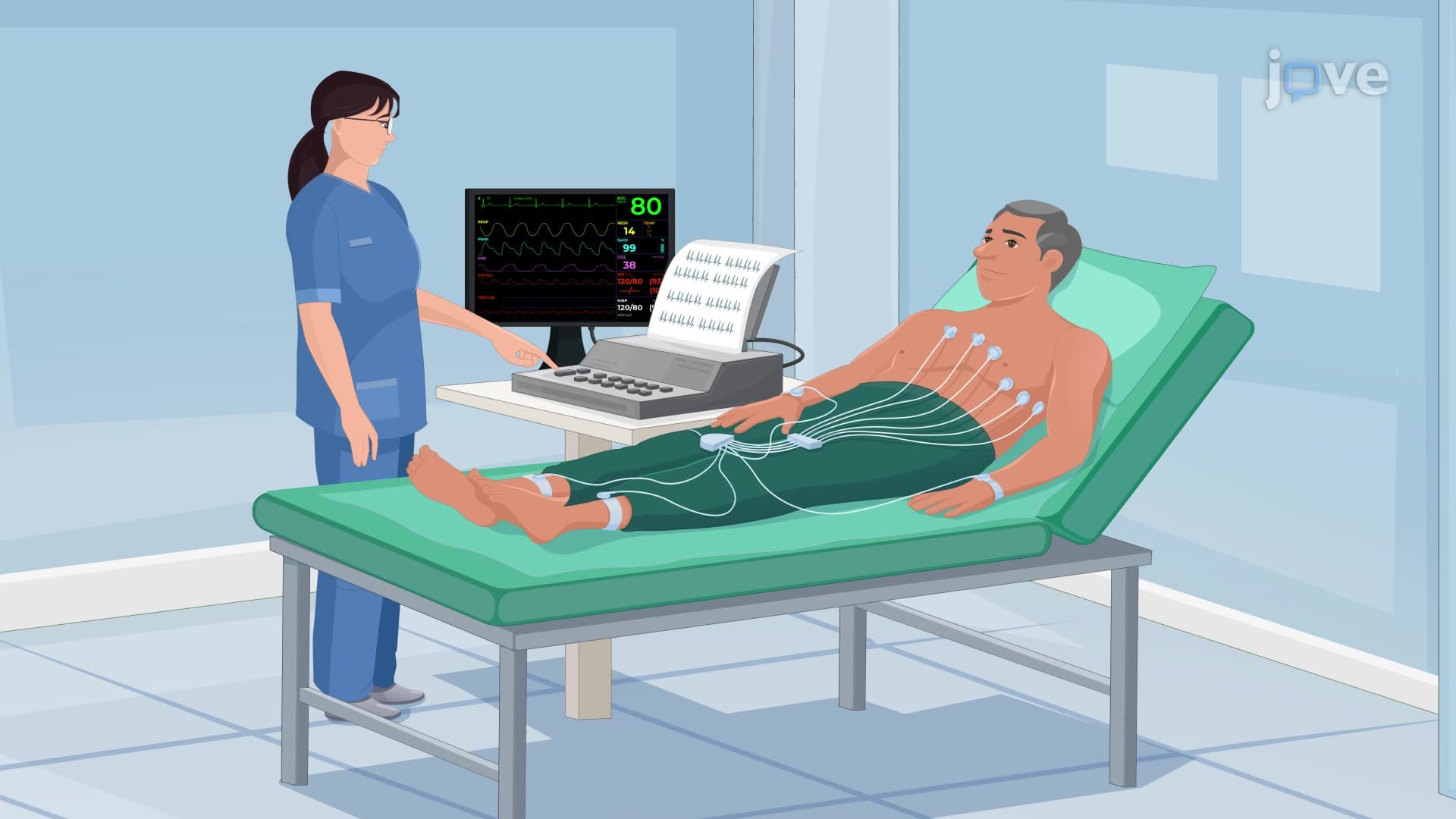
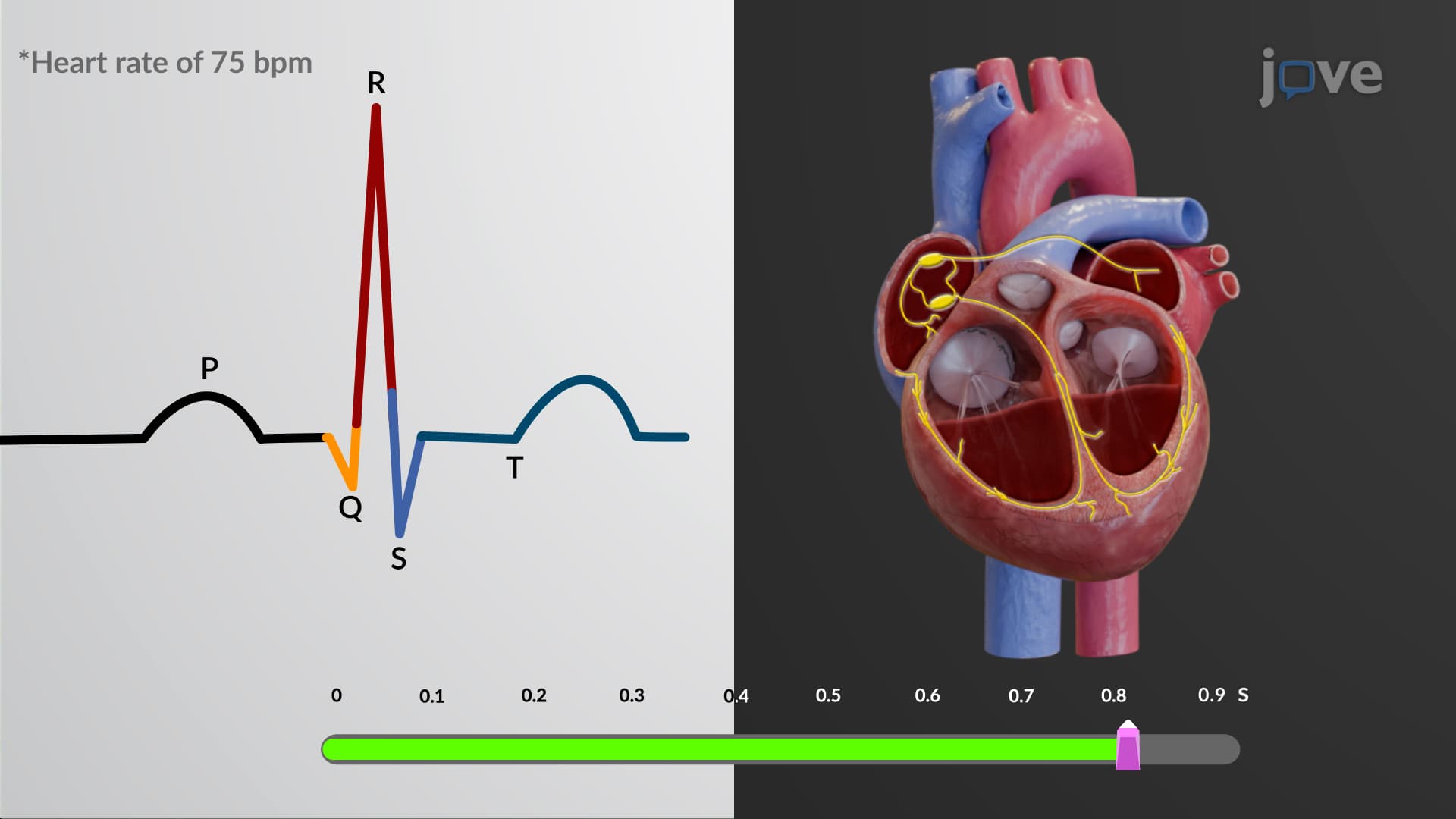
Understanding myocardial blood supply proves essential for healthcare professionals interpreting electrocardiograms (ECGs) and cardiac catheterization results. For instance, ST-elevation in leads II, III, and aVF typically indicates RCA occlusion affecting the inferior wall, while changes in leads V1-V4 suggest LAD involvement. This knowledge directly applies to USMLE Step 1 questions and NCLEX-RN cardiac scenarios that nursing students encounter in their board examinations.
Frequently Asked Questions
Coronary circulation is the specialized blood vessel network that supplies the heart muscle itself with oxygenated blood and removes deoxygenated blood. Unlike systemic circulation that serves the entire body or pulmonary circulation that oxygenates blood in the lungs, coronary circulation exclusively serves the myocardium. This system operates independently with its own arteries, capillaries, and veins to ensure the heart receives continuous blood supply for its non-stop pumping action.
MCAT questions commonly test coronary artery anatomy, particularly LAD and RCA territories, plus the relationship between vessel occlusion and specific ECG changes. AP Biology focuses on the basic structure and function of coronary circulation as part of circulatory system units. Students should know the two main coronary arteries, their major branches, and how this circulation differs from systemic circulation. College anatomy courses often include detailed coronary venous drainage patterns.
During cardiac catheterization at major US medical centers like Mayo Clinic or Cleveland Clinic, cardiologists navigate catheters through coronary arteries to identify blockages and perform interventions. They rely on detailed coronary anatomy knowledge to interpret angiograms, select appropriate stent sizes, and plan bypass graft locations. Understanding collateral circulation helps predict patient outcomes and procedural success rates in real clinical scenarios.
Coronary artery disease restricts blood flow to heart muscle, causing oxygen starvation that can lead to heart attacks. The heart cannot survive without continuous oxygen supply, unlike some organs that can tolerate brief interruptions. When coronary arteries become blocked by atherosclerotic plaques, affected heart muscle areas can die within minutes to hours. This explains why chest pain requires immediate medical attention in US emergency departments.
Coronary circulation builds logically on basic circulatory system knowledge taught in high school biology. Students who understand that arteries carry oxygenated blood and veins return deoxygenated blood can easily grasp coronary circulation concepts. The main challenge involves memorizing specific artery names and their supply territories, but visual aids and clinical examples make this manageable. Most students successfully learn this topic with consistent practice and quality study materials.
Create visual diagrams showing coronary arteries overlaid on heart anatomy, using different colors for LAD, circumflex, and RCA territories. Practice correlating artery locations with ECG lead placement to understand clinical connections. Use mnemonics like "LAD supplies the front, RCA supplies the bottom" for basic territories. Form study groups to quiz each other on artery branching patterns and clinical scenarios commonly tested on MCAT, USMLE, or nursing board exams.
Mastering basic coronary circulation provides the foundation for understanding cardiac pathophysiology, pharmacology, and surgical interventions. Advanced topics like coronary artery bypass grafting, percutaneous coronary intervention, and heart transplantation all require solid knowledge of normal coronary anatomy. Students planning careers in cardiology, cardiac surgery, or cardiovascular nursing will build upon these concepts throughout their medical education and clinical training.
Coronary circulation connects to the autonomic nervous system through sympathetic and parasympathetic innervation that regulates heart rate and contractility. The endocrine system influences coronary blood flow through hormones like epinephrine and thyroid hormones. Understanding these interconnections helps students appreciate how cardiovascular disease affects multiple body systems and prepares them for integrated science questions on comprehensive exams like the MCAT.
Related Micro-courses


Related Subjects
 Medical-Surgical Nursing 28 micro-courses›
 Nursing 14 micro-courses›