Loading video…

 15 Concepts
 220.3K views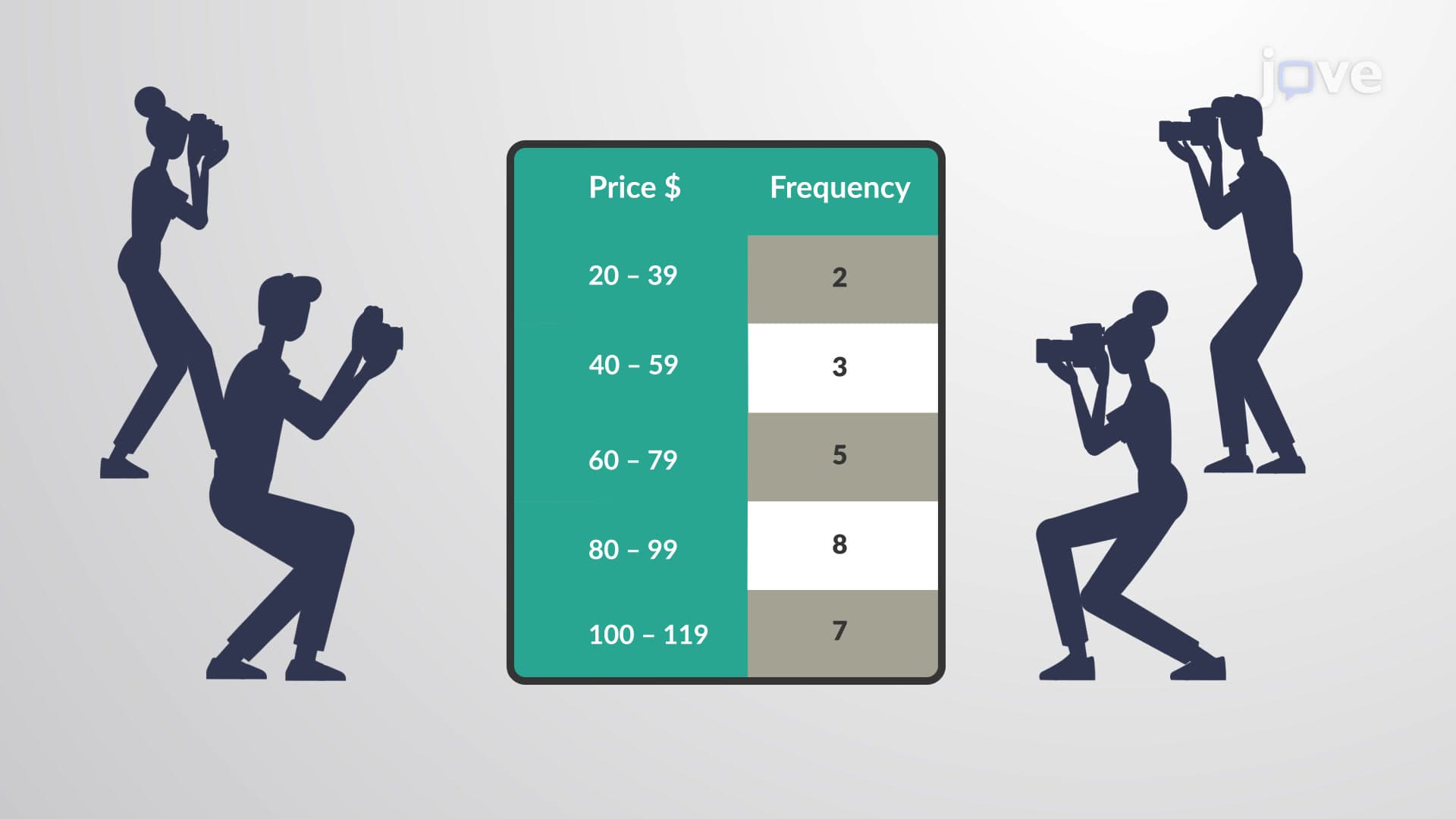

Video Summary: What Is Cumulative Frequency Distribution
Did you know that when Amazon analyzes customer purchase patterns across different price ranges, they're using cumulative frequency distribution? This statistical tool helps us understand how many observations fall below specific values in a dataset. The cumulative frequency distribution definition involves adding up frequencies progressively to show running totals at each data point. Watch the full video on JoVE Coach to master this concept with expert-led visuals and step-by-step explanations.
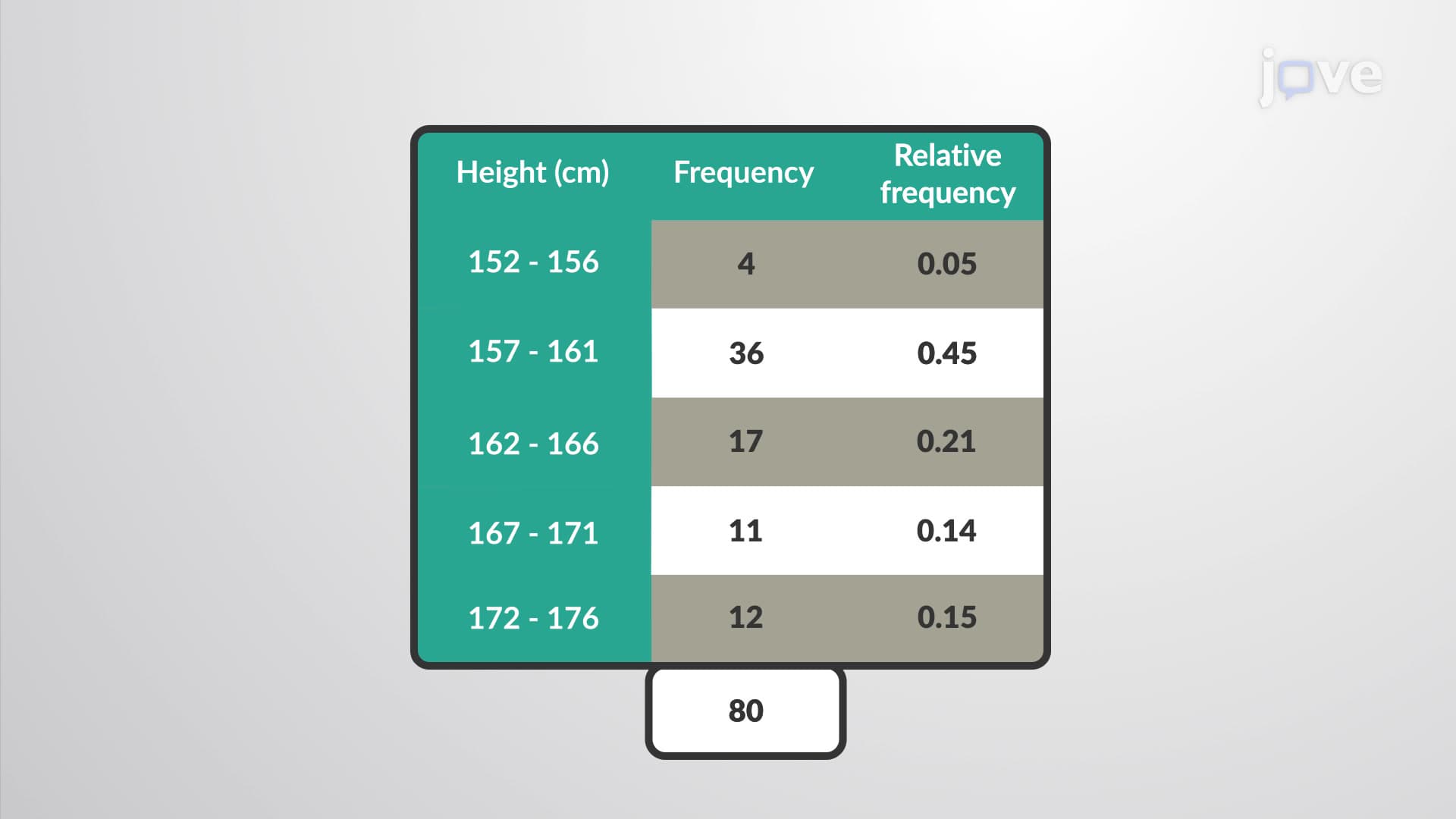
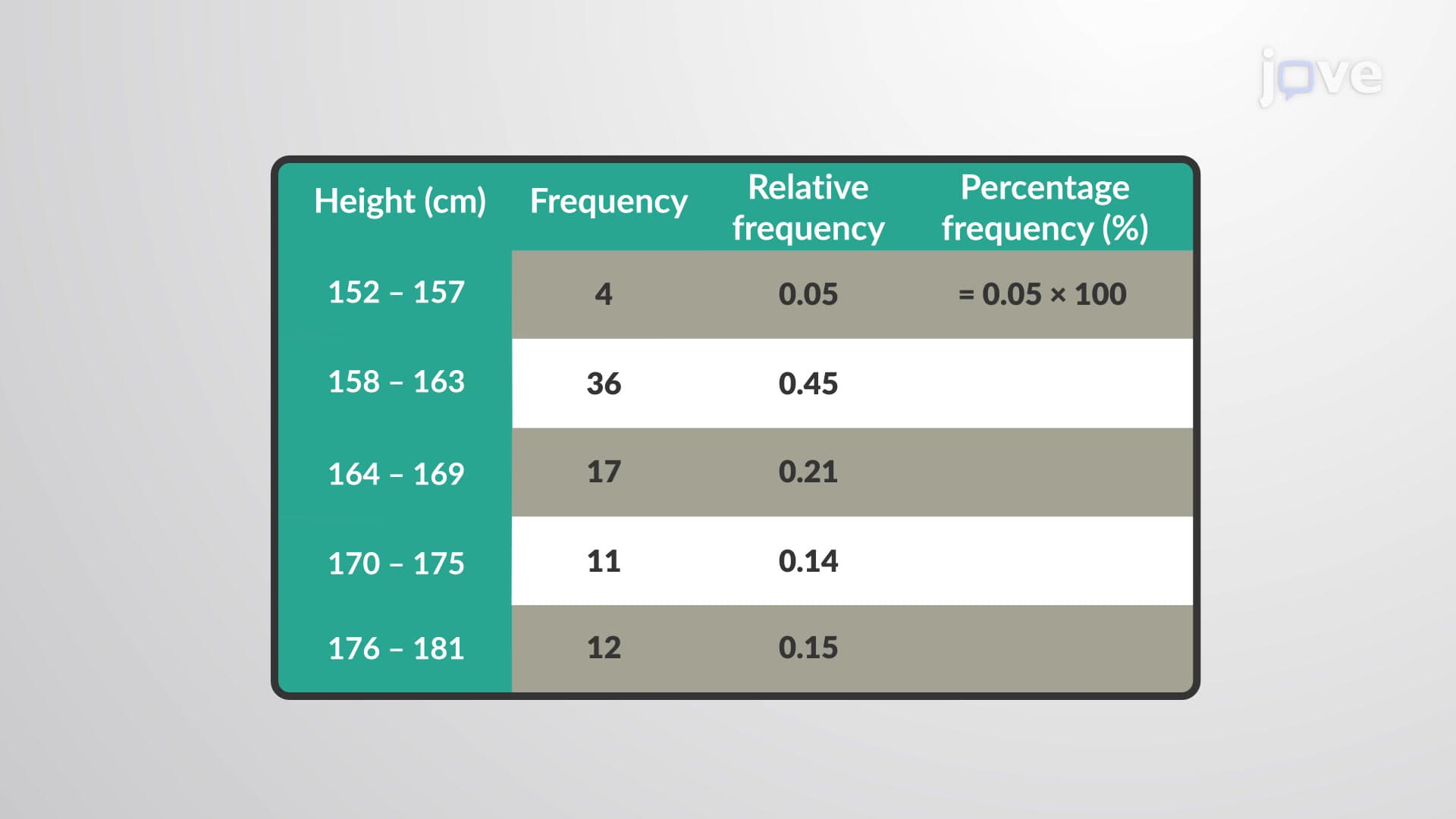
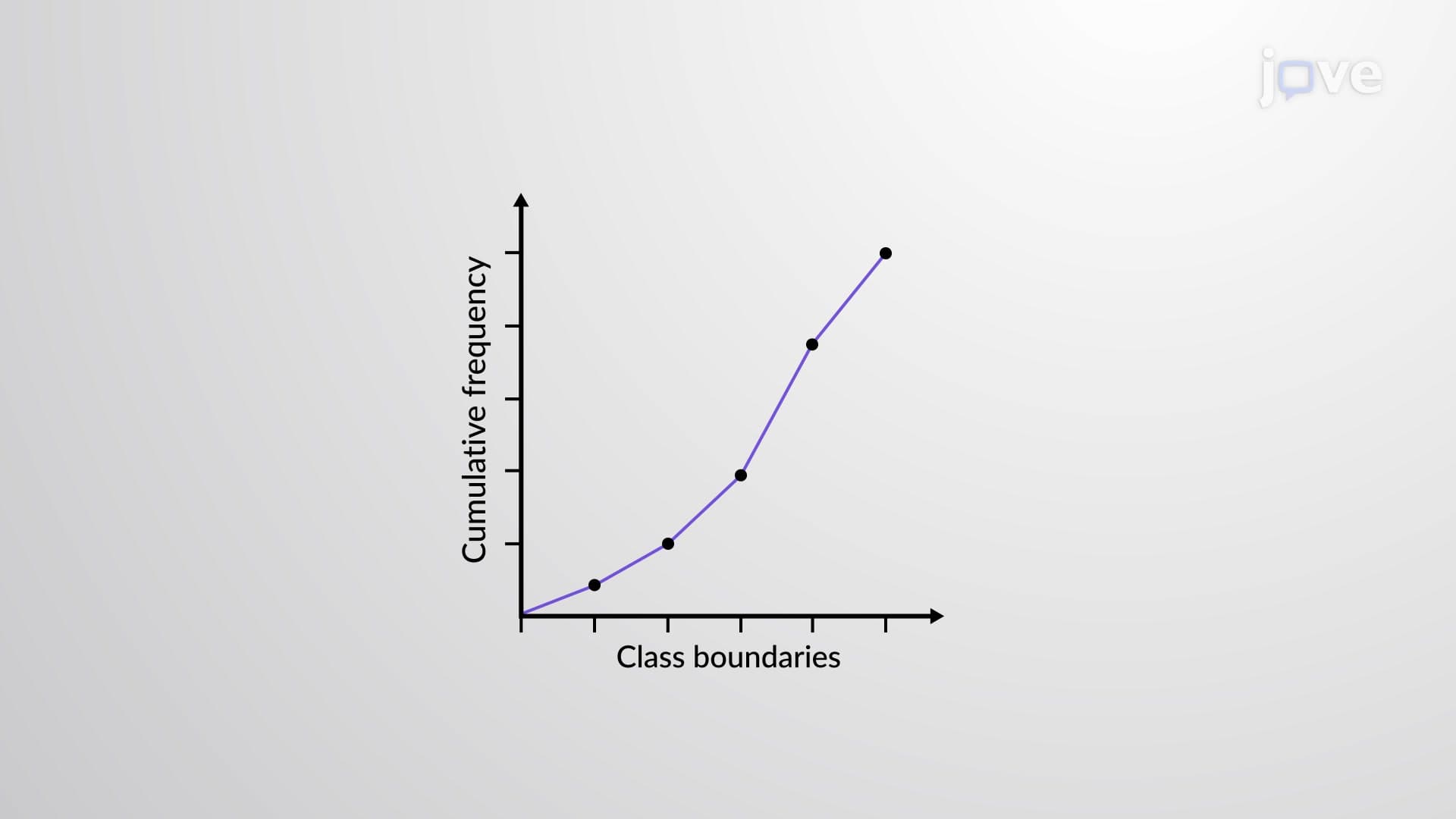
Cumulative frequency distribution represents one of the most practical tools in descriptive statistics, showing the running total of frequencies up to each class interval. Unlike a standard frequency distribution that shows how many observations fall within specific ranges, cumulative frequency tells us how many observations fall below (or above) certain values. This cumulative frequency distribution overview reveals its power in answering questions like "How many students scored below 85%" or "What percentage of customers spent less than $100?"
The cumulative frequency distribution basics begin with organizing data into class intervals. Each cumulative frequency equals the sum of the current class frequency plus all previous class frequencies. For example, if analyzing SAT scores where 50 students scored 400-499, 75 scored 500-599, and 100 scored 600-699, the cumulative frequencies would be 50, 125 (50+75), and 225 (125+100) respectively. This progressive addition creates a clear picture of data accumulation across ranges.
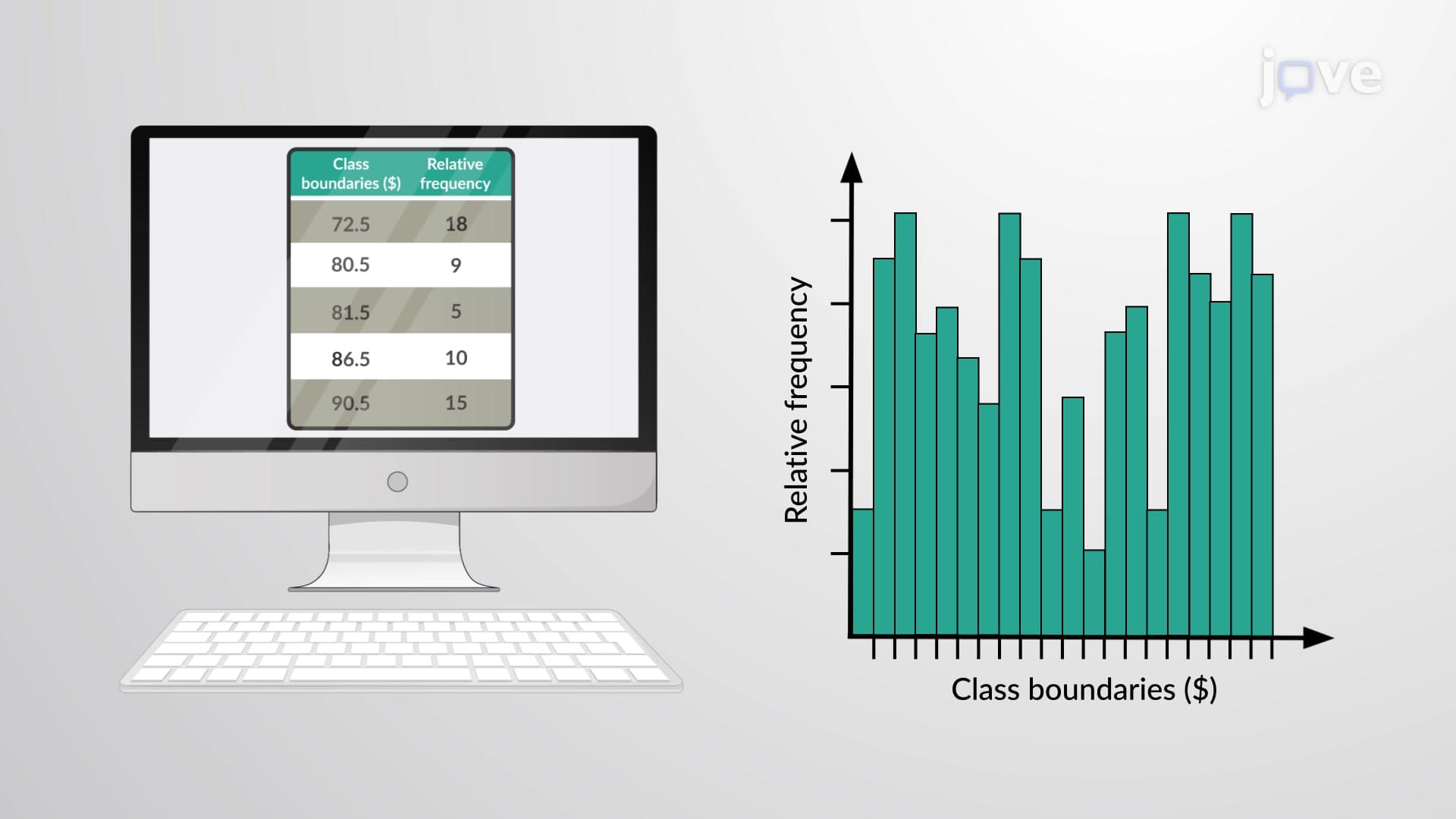
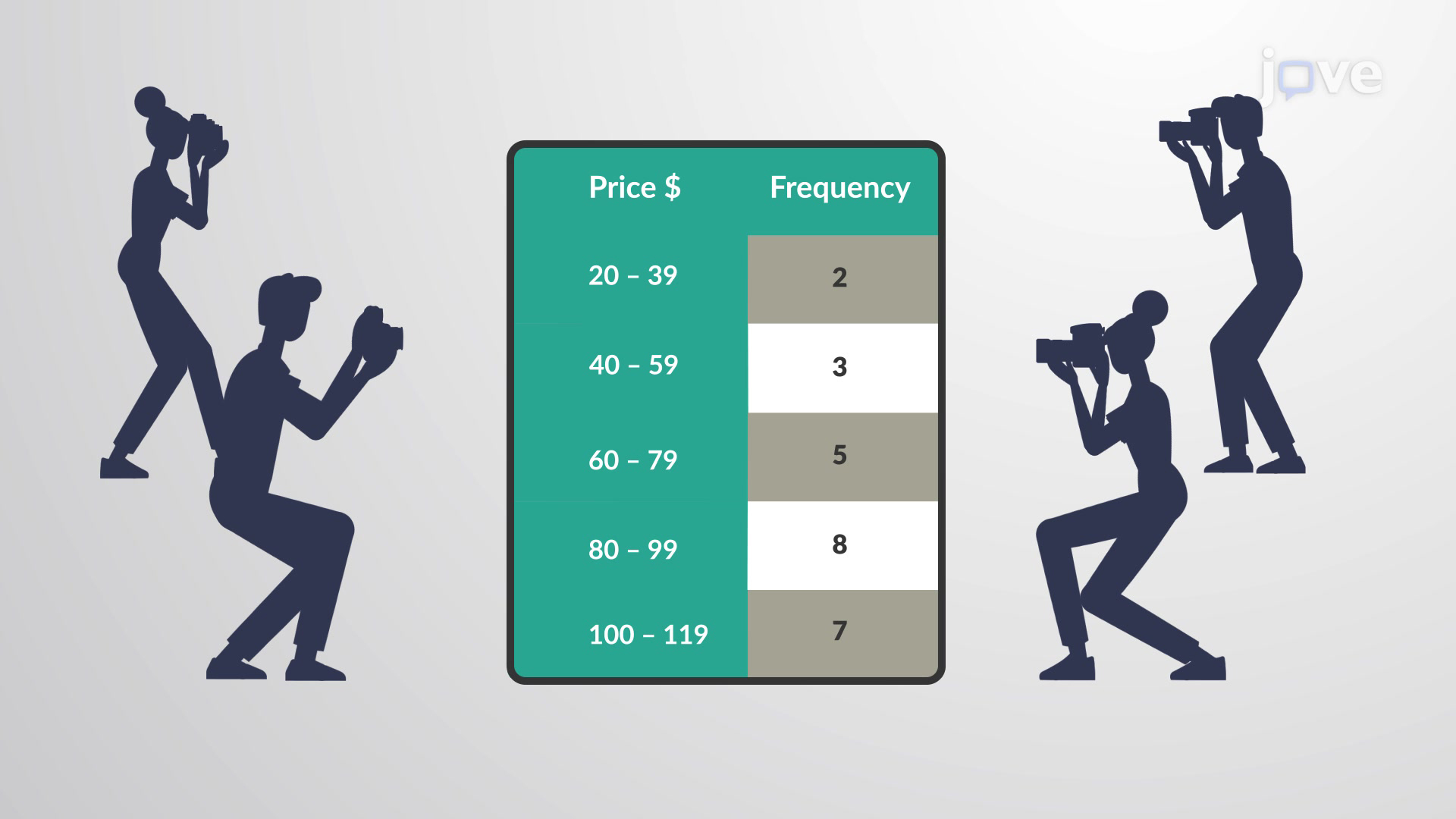
The cumulative frequency distribution concept requires careful attention to class boundaries. When classes like 40-59 and 60-79 appear to have gaps, we calculate boundaries by finding midpoints between adjacent class limits. This creates continuous boundaries essential for accurate cumulative frequency graphs. In the camera price example, boundaries of 39.5, 59.5, 79.5 eliminate artificial gaps and provide precise cumulative frequency calculations.
Understanding cumulative frequency distribution proves invaluable across multiple domains. In healthcare, hospitals track cumulative patient wait times to improve service delivery. Educational institutions use cumulative GPA distributions to establish admission cutoffs. This cumulative frequency distribution study guide preparation proves essential for AP Statistics, college statistics courses, and standardized tests like the MCAT where data interpretation questions frequently appear. Students encounter these concepts in psychology research methods, business analytics, and economics courses throughout their undergraduate studies.
Related Micro-courses