Loading…
Loading video…

218,703 views
Did you know that your body processes over 37 trillion chemical reactions every single second? The compounds essential human function work together like a perfectly orchestrated symphony, from the glucose powering a marathon runner's muscles to the calcium strengthening bones in growing teenagers. These vital molecules—including macronutrients, micronutrients, oxygen, water, and metabolites—maintain everything from cellular energy production to immune system responses that help students recover from seasonal flu outbreaks across US campuses. Watch the full video on JoVE Coach to master this concept with expert-led visuals and step-by-step explanations.
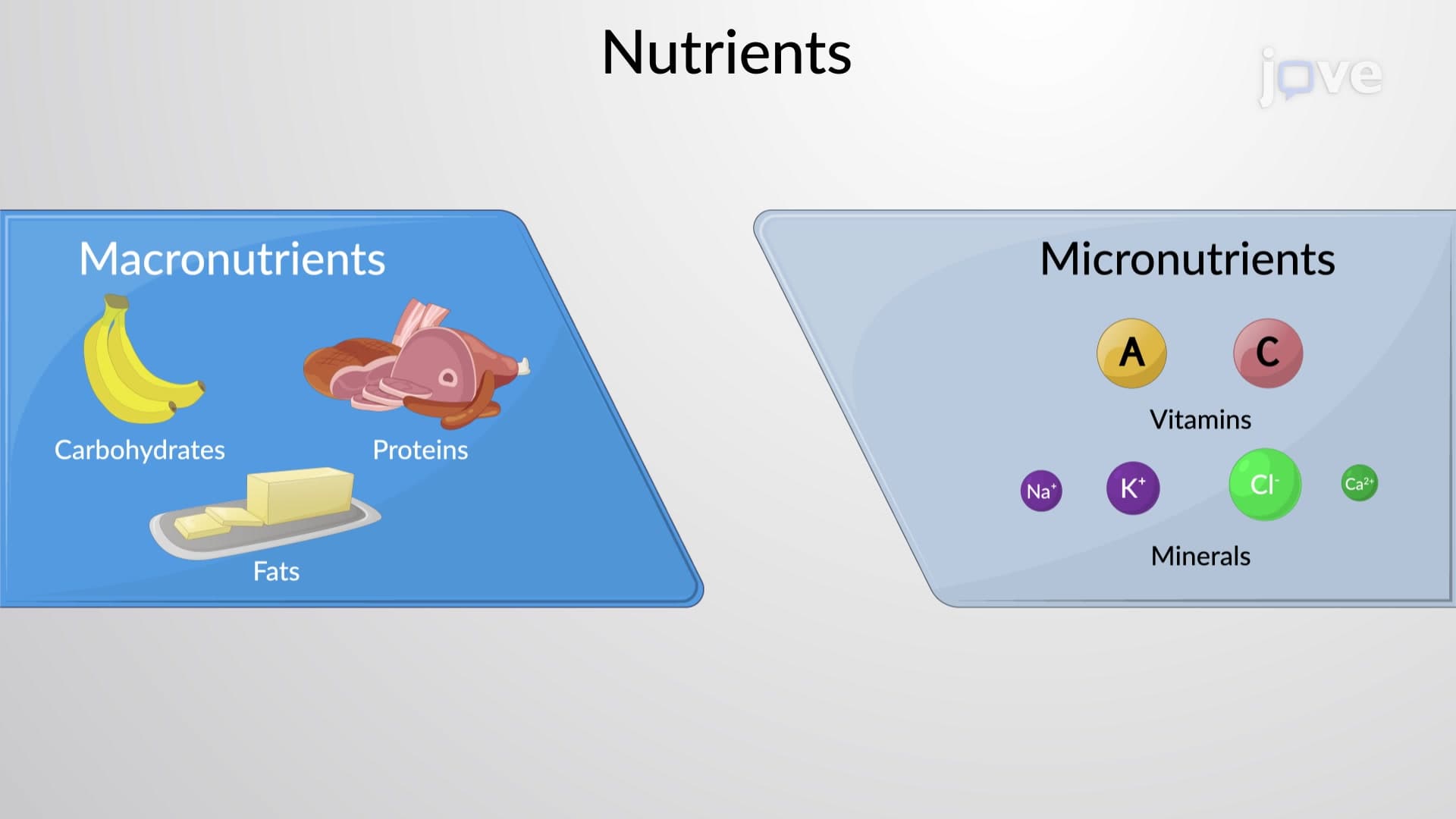
The human body operates as a complex biochemical factory, relying on essential compounds human body systems to maintain life. These compounds fall into two primary categories that work synergistically: nutrients obtained from dietary sources and metabolites produced through internal cellular processes. This intricate molecular network ensures that every physiological function—from a high school athlete's muscle contractions during track practice to a college student's brain function during final exams—operates at peak efficiency.
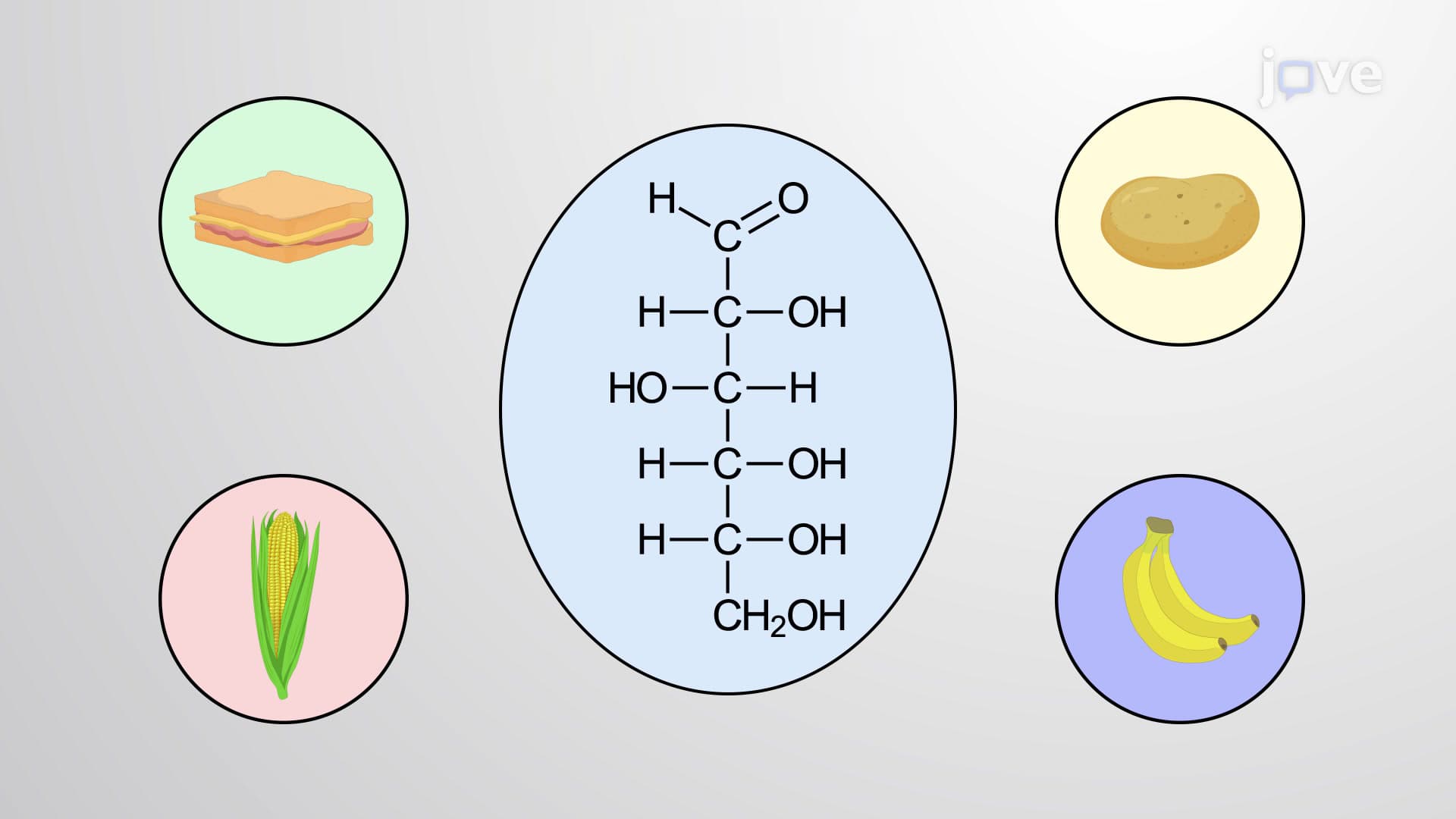
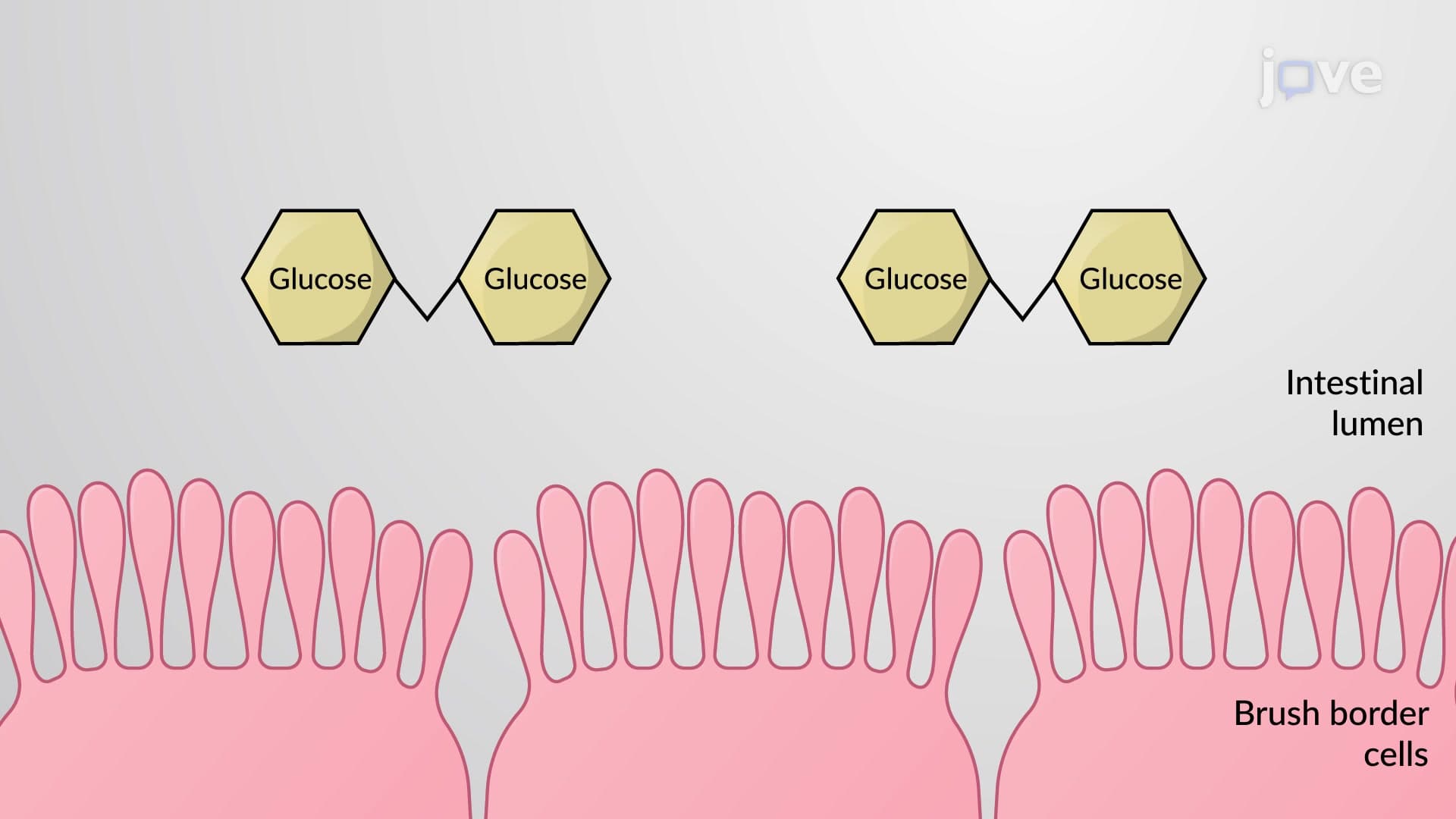
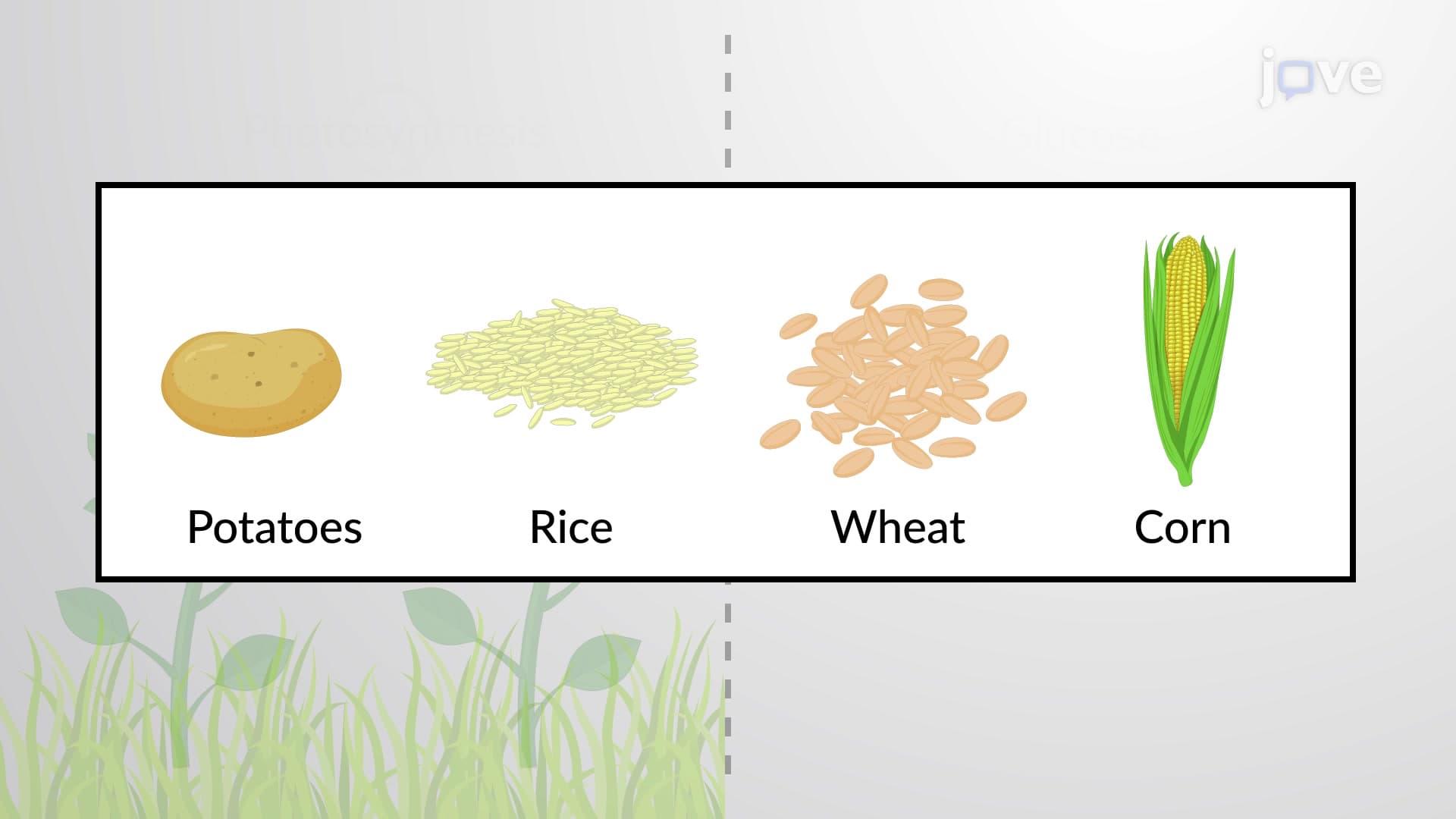
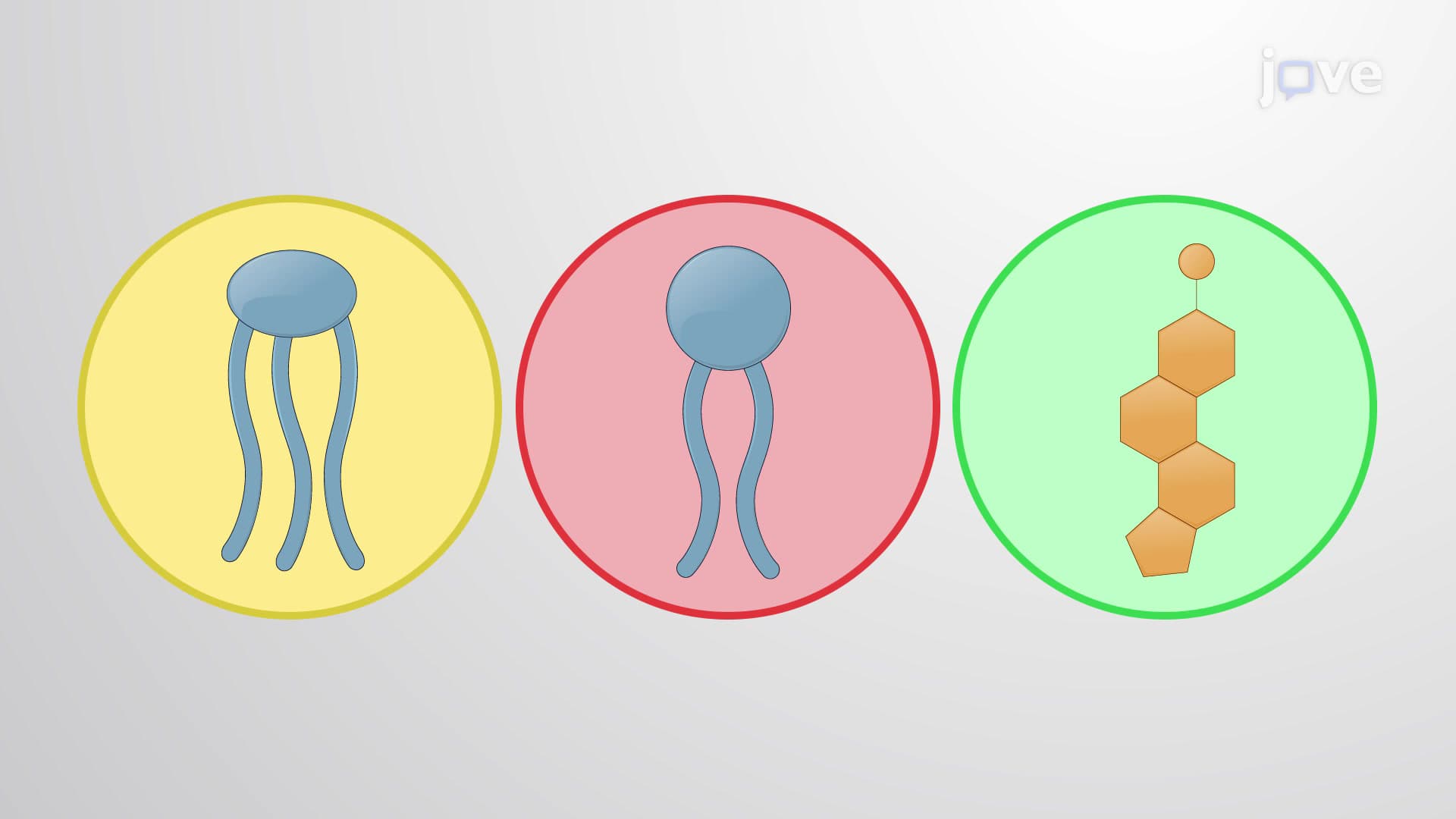
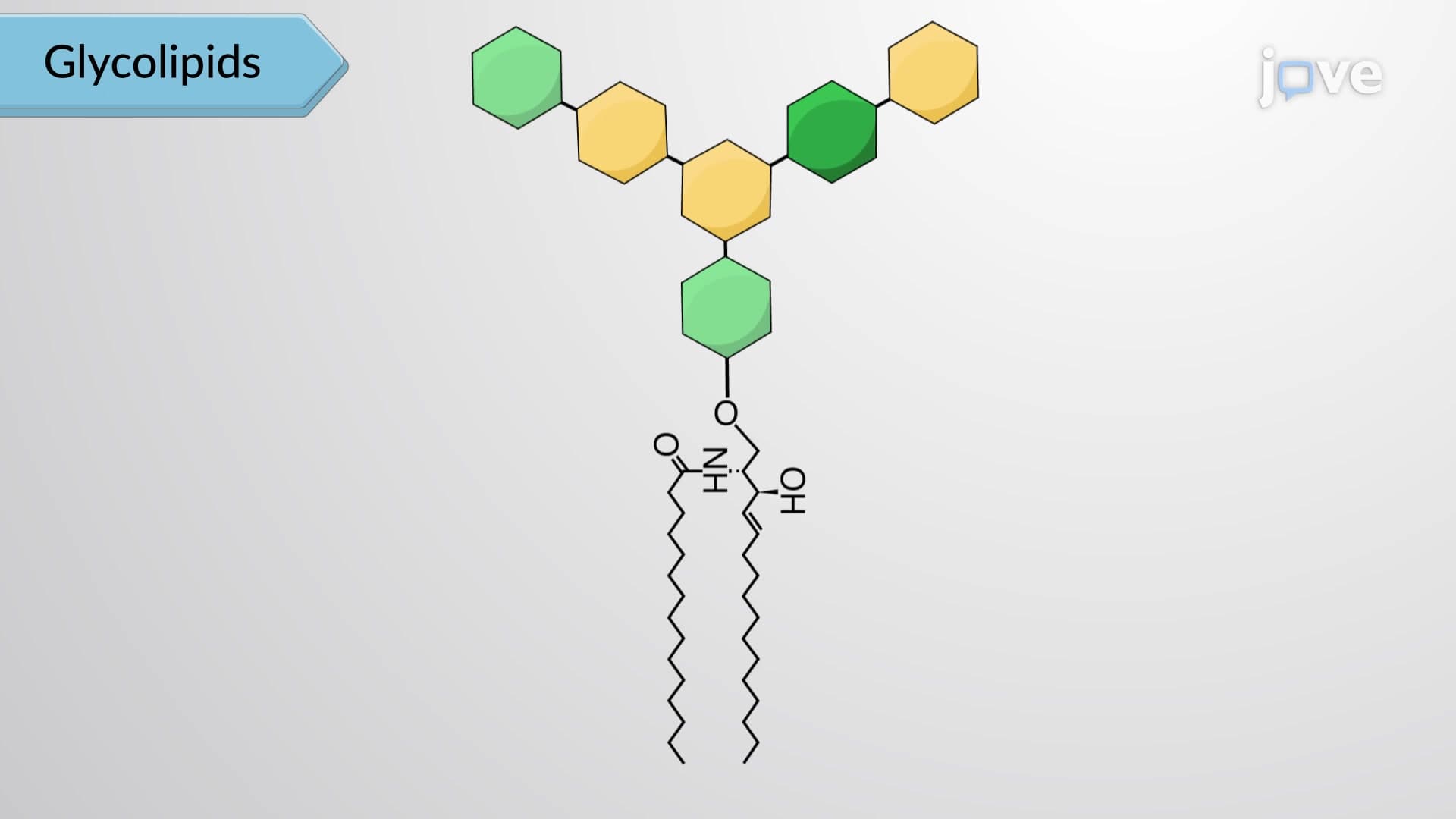
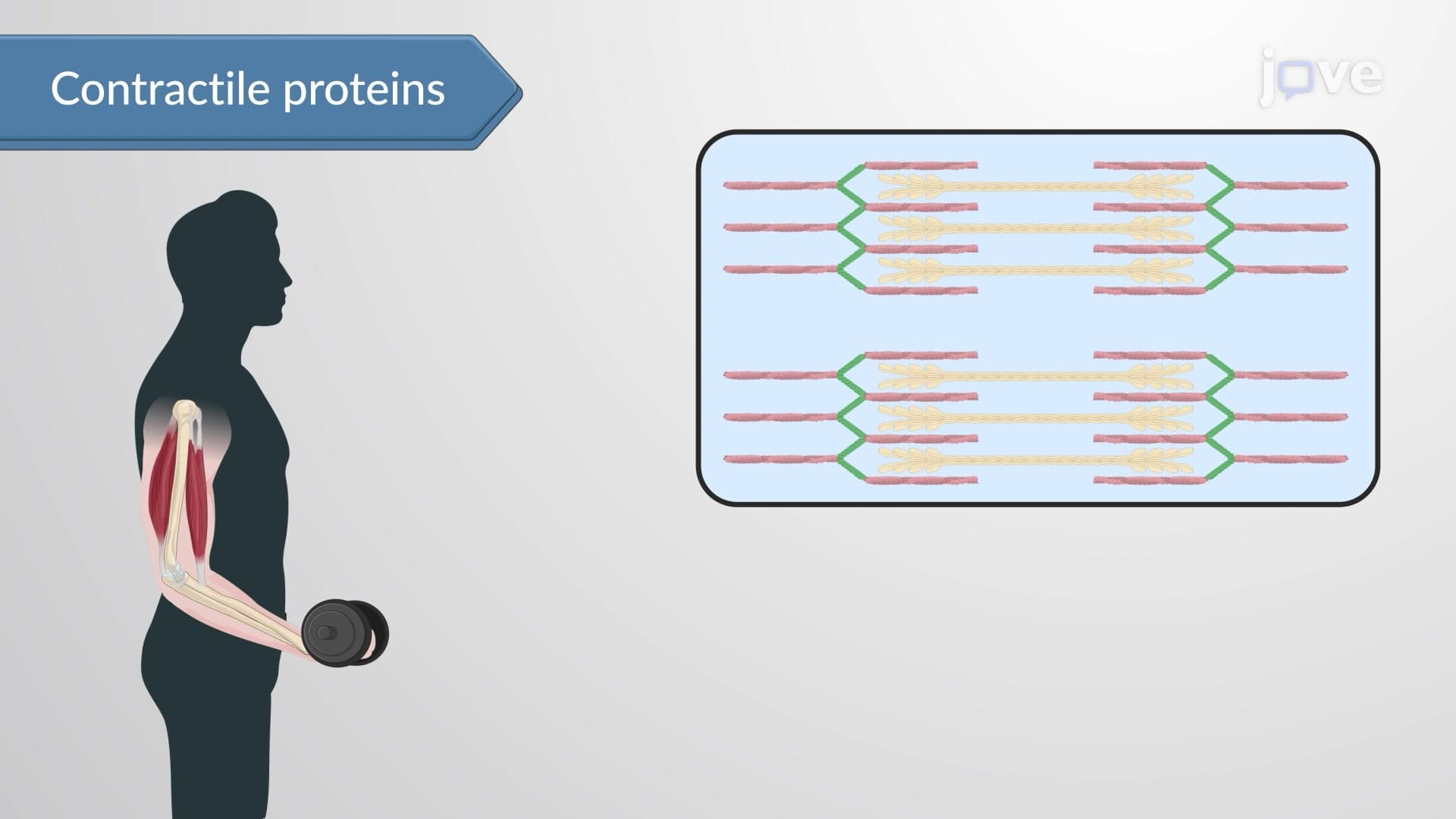
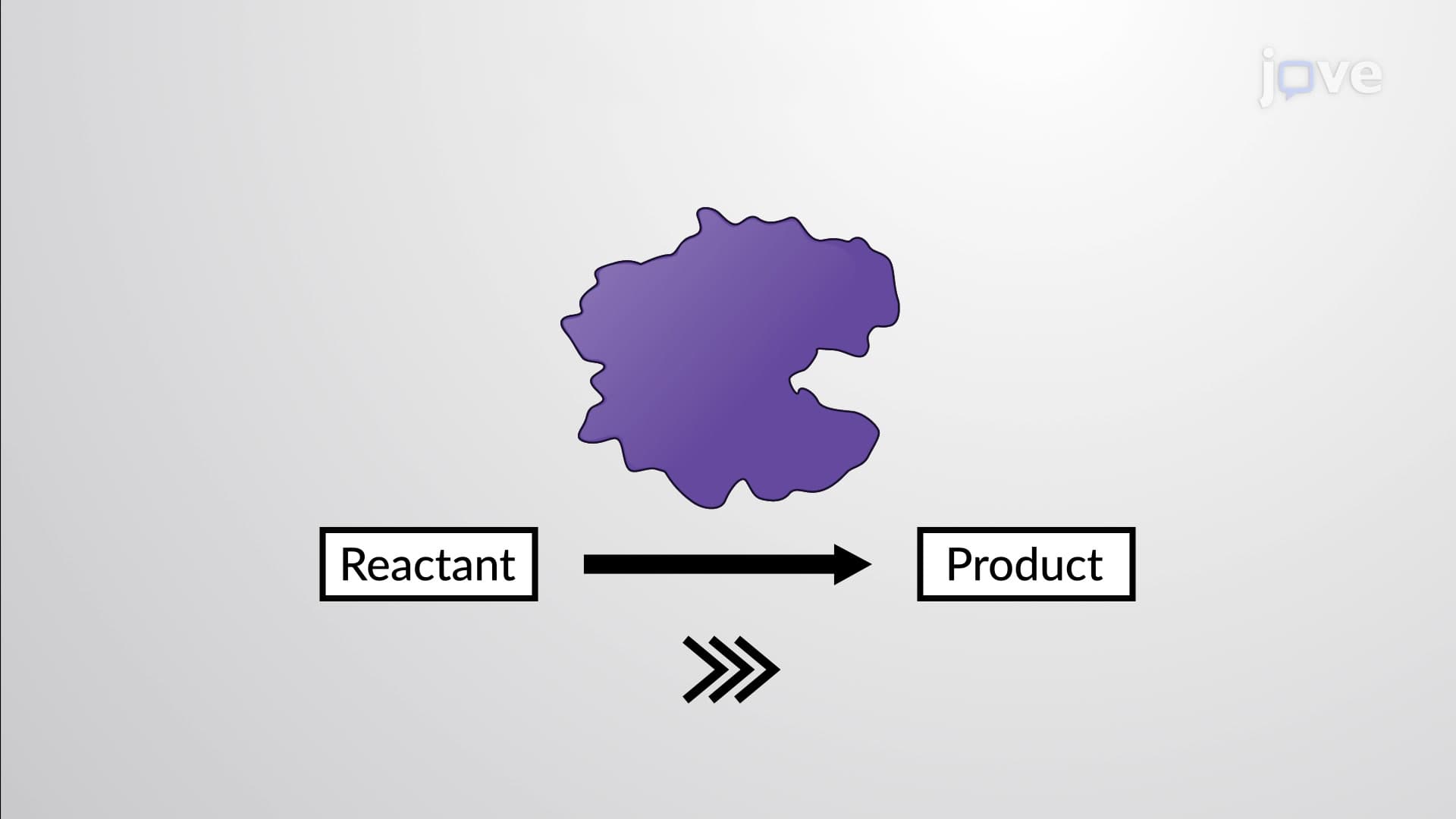
Macronutrients represent the organic compounds human body requires in substantial quantities daily. Carbohydrates serve as the body's preferred energy source, with glucose providing immediate fuel for cellular respiration. When a student consumes a pre-exam breakfast of oatmeal, those complex carbohydrates break down into glucose molecules that directly power brain neurons during testing. Lipids function as both concentrated energy reserves and essential membrane components, while proteins perform dual roles as enzymatic catalysts and structural building blocks. Consider how whey protein supplements help college athletes rebuild muscle tissue after intense training sessions—this demonstrates protein's structural repair function in real time.
Despite being needed in minimal amounts, vitamins and minerals constitute critical essential biochemical molecules that regulate countless physiological processes. Vitamin C deficiency, historically causing scurvy in early American settlers, illustrates how micronutrient absence can devastate immune function and tissue repair. Modern examples include iron deficiency anemia affecting concentration in students, or calcium deficiency impacting bone density in growing teenagers. These scenarios frequently appear in AP Biology exam questions and MCAT biochemistry sections, emphasizing their clinical significance.
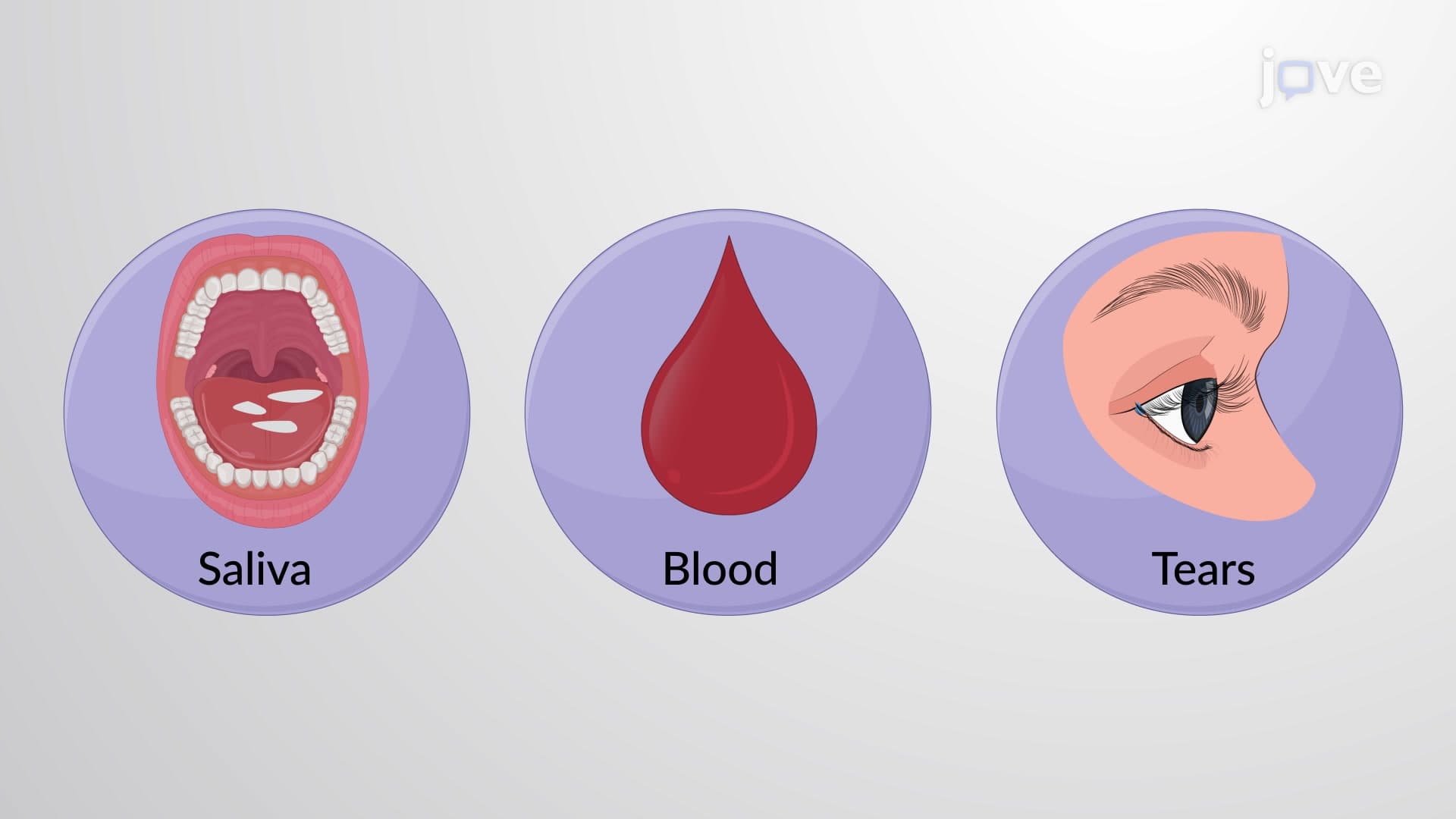
Beyond traditional nutrients, biochemical compounds function depends heavily on water and oxygen availability. Water comprises approximately 60% of adult body weight, forming the foundation for blood plasma, saliva, and cellular fluid environments. Oxygen enables aerobic respiration, the process that generates ATP energy currency from food molecules. Metabolites like amino acids serve as protein building blocks, while carbon dioxide represents cellular waste requiring elimination through respiratory processes. Understanding these relationships proves essential for success in college-level physiology courses and medical school entrance exams like the MCAT.
Frequently Asked Questions
Compounds essential to human function are the chemical molecules your body requires to maintain life, including nutrients from food, oxygen, water, and metabolites from cellular processes. These compounds power cellular energy production, build and repair tissues, regulate physiological processes, and maintain the chemical balance necessary for optimal health and survival.
These compounds frequently appear in MCAT biochemistry sections testing macronutrient metabolism, enzyme function, and cellular respiration pathways. AP Biology exams often include questions about nutrient roles in cellular processes, vitamin deficiency diseases, and metabolic pathway regulation. Expect scenarios involving energy production, protein synthesis, and homeostatic mechanisms.
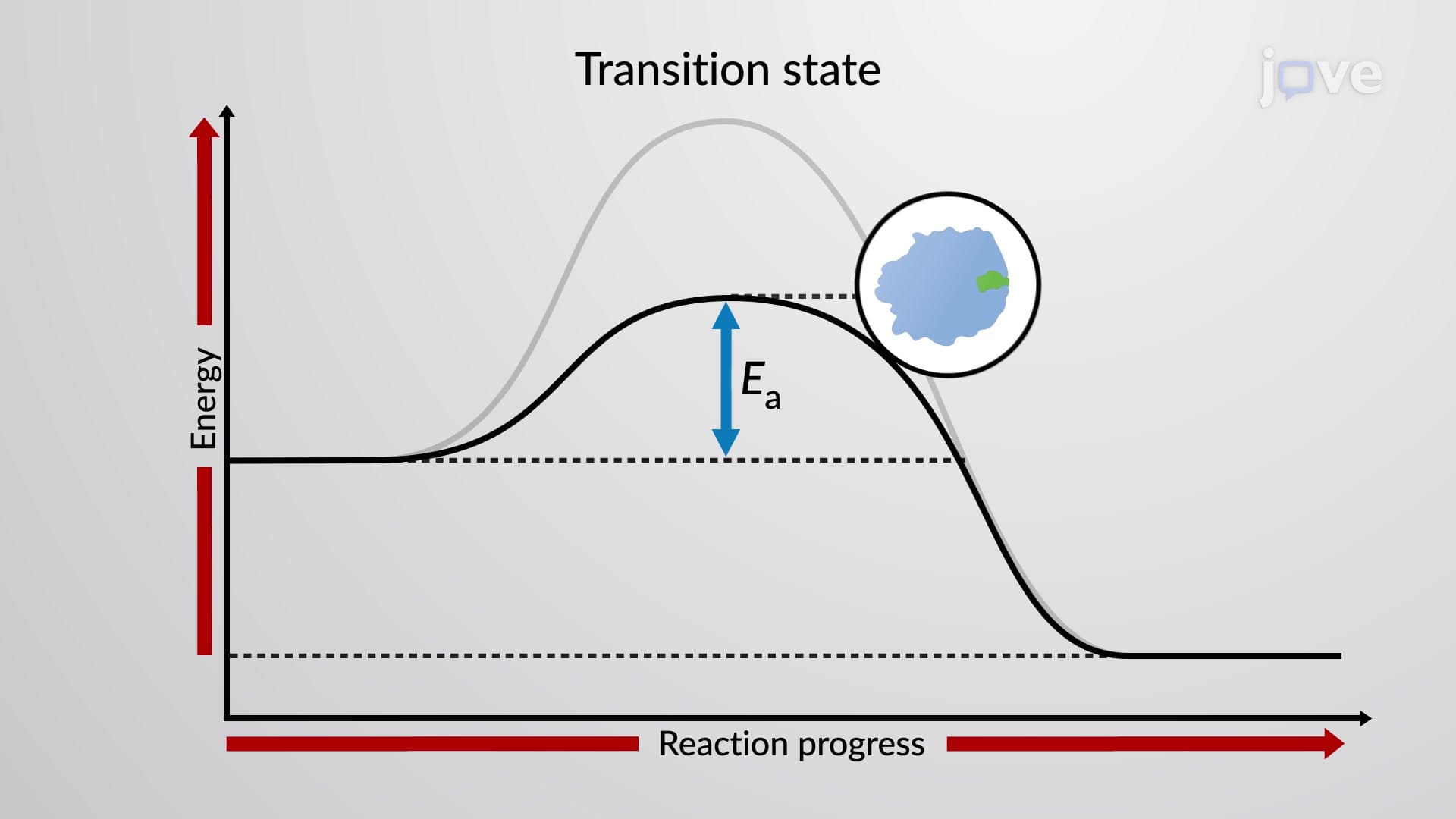
Concentrate on carbohydrate metabolism (glycolysis, citric acid cycle), protein structure and enzyme kinetics, lipid membrane function, and vitamin cofactor roles in biochemical reactions. Review amino acid structures, metabolic disorders, and how nutrient deficiencies affect physiological processes—these concepts appear frequently in MCAT biological and biochemical foundations sections.
Essential compound imbalances contribute to major US health challenges including diabetes (glucose regulation), obesity (lipid metabolism), anemia (iron deficiency), and osteoporosis (calcium deficiency). Understanding these connections helps explain why the FDA requires nutrient labeling on food products and why healthcare providers recommend specific dietary supplements for different populations.
Basic high school chemistry provides sufficient foundation for understanding essential body compounds at the introductory level. You'll need familiarity with molecular structures, chemical bonds, and pH concepts, but advanced organic chemistry isn't required. Most biology and health science courses build these concepts gradually from fundamental principles.
Create category-based flashcards grouping compounds by function rather than memorizing isolated facts. Use acronyms like "CHONPS" for major elements, and connect each compound type to specific body systems or diseases. Practice with case studies showing compound deficiency symptoms—this contextual learning improves retention for both multiple-choice and essay questions.
Progress to studying specific metabolic pathways like glycolysis and the electron transport chain, then explore hormone biochemistry and neurotransmitter function. These advanced topics build directly on essential compound foundations and appear prominently in upper-level biology courses, MCAT preparation, and medical school curricula.
Essential compounds form the foundation for understanding cellular respiration, photosynthesis, genetics (DNA/RNA structure), and ecology (nutrient cycles). They also connect to anatomy and physiology through digestive system function, circulatory system transport, and endocrine system regulation—making them central to virtually every biological process you'll encounter.
Related Micro-courses

Related Subjects
 Medical-Surgical Nursing 28 micro-courses›
 Nursing 14 micro-courses›