Loading video…

 17 Concepts
 108 views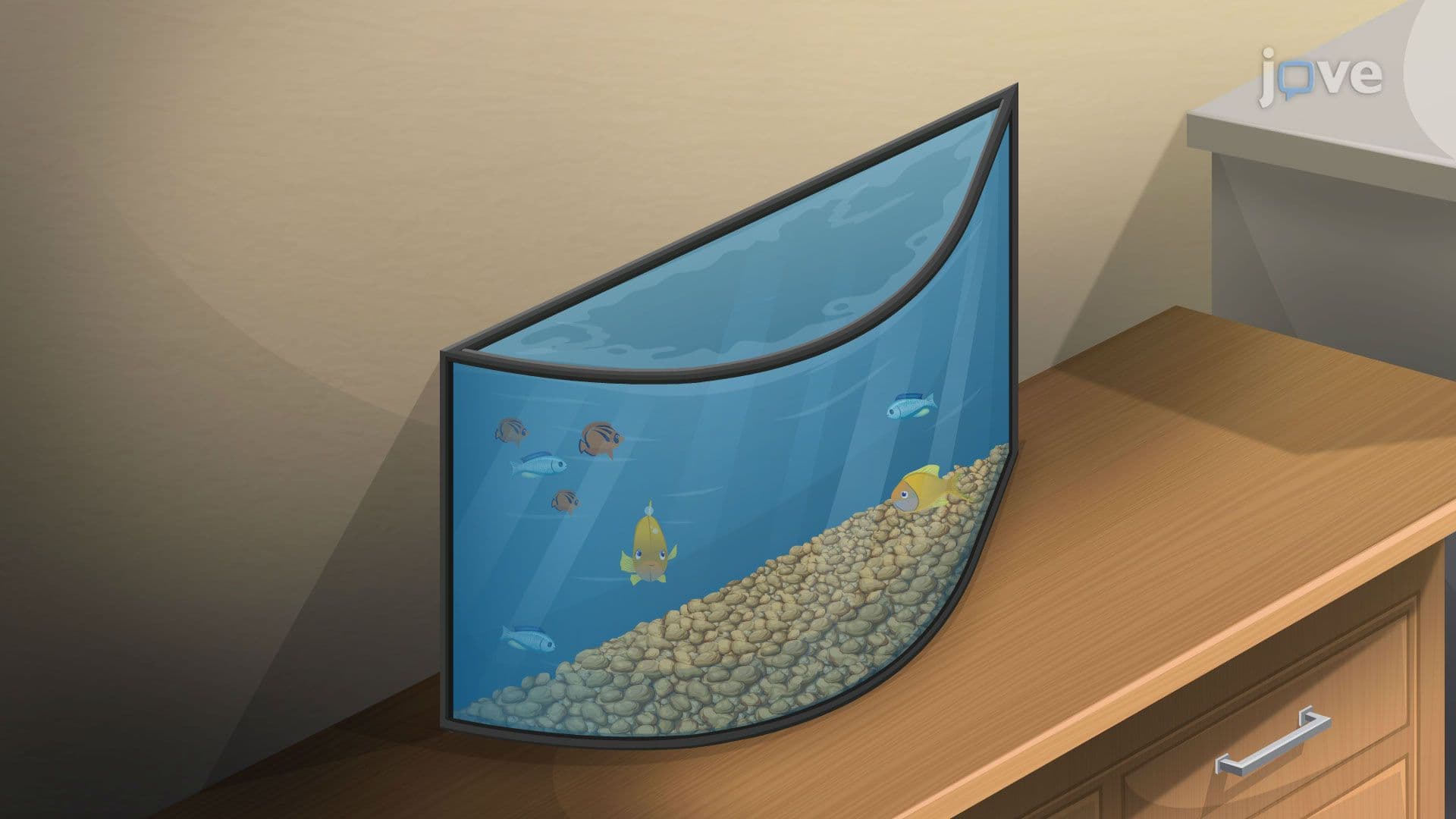

Video Summary: Changing the Order of Integration in Double Integrals Explained
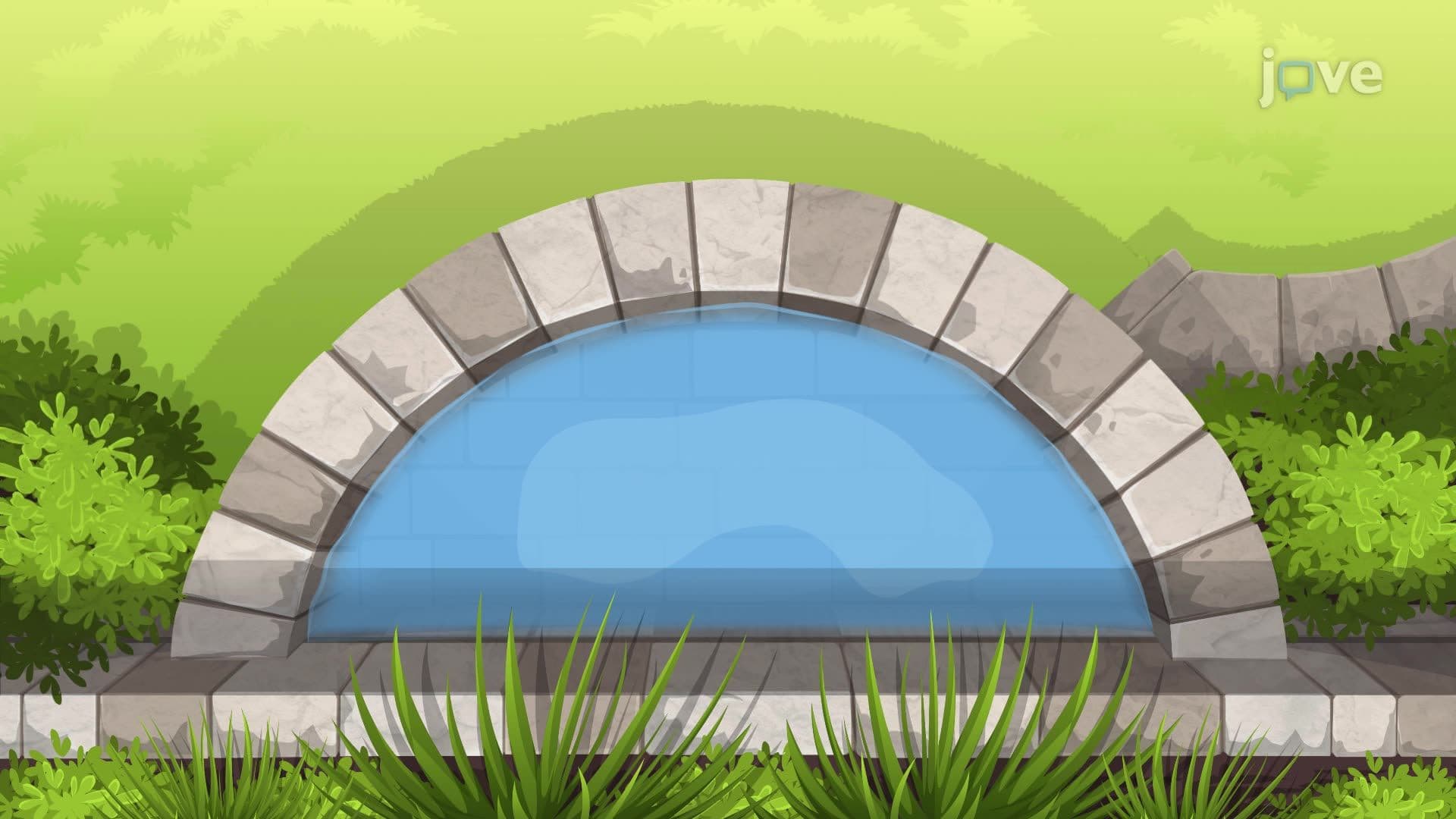
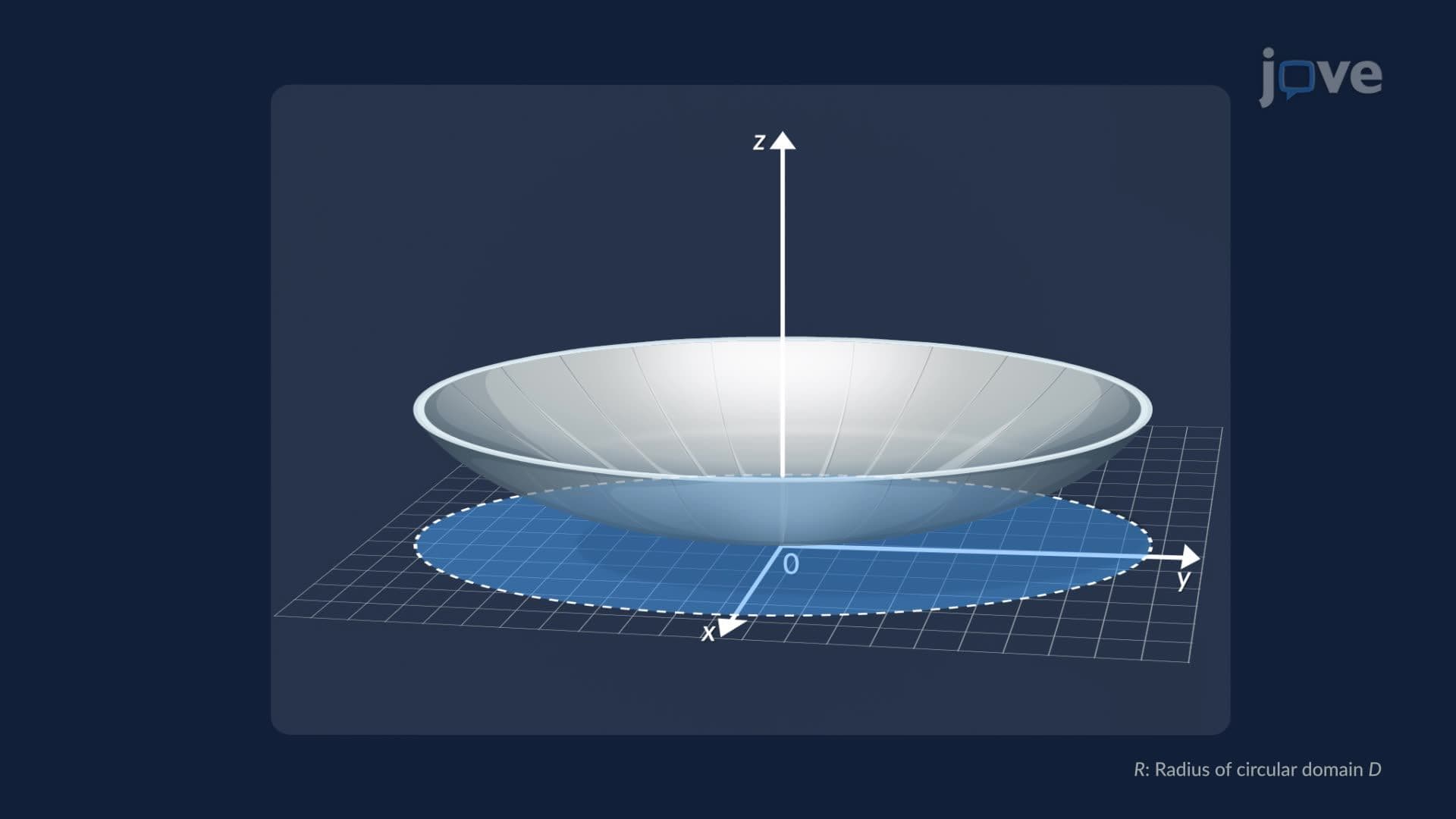
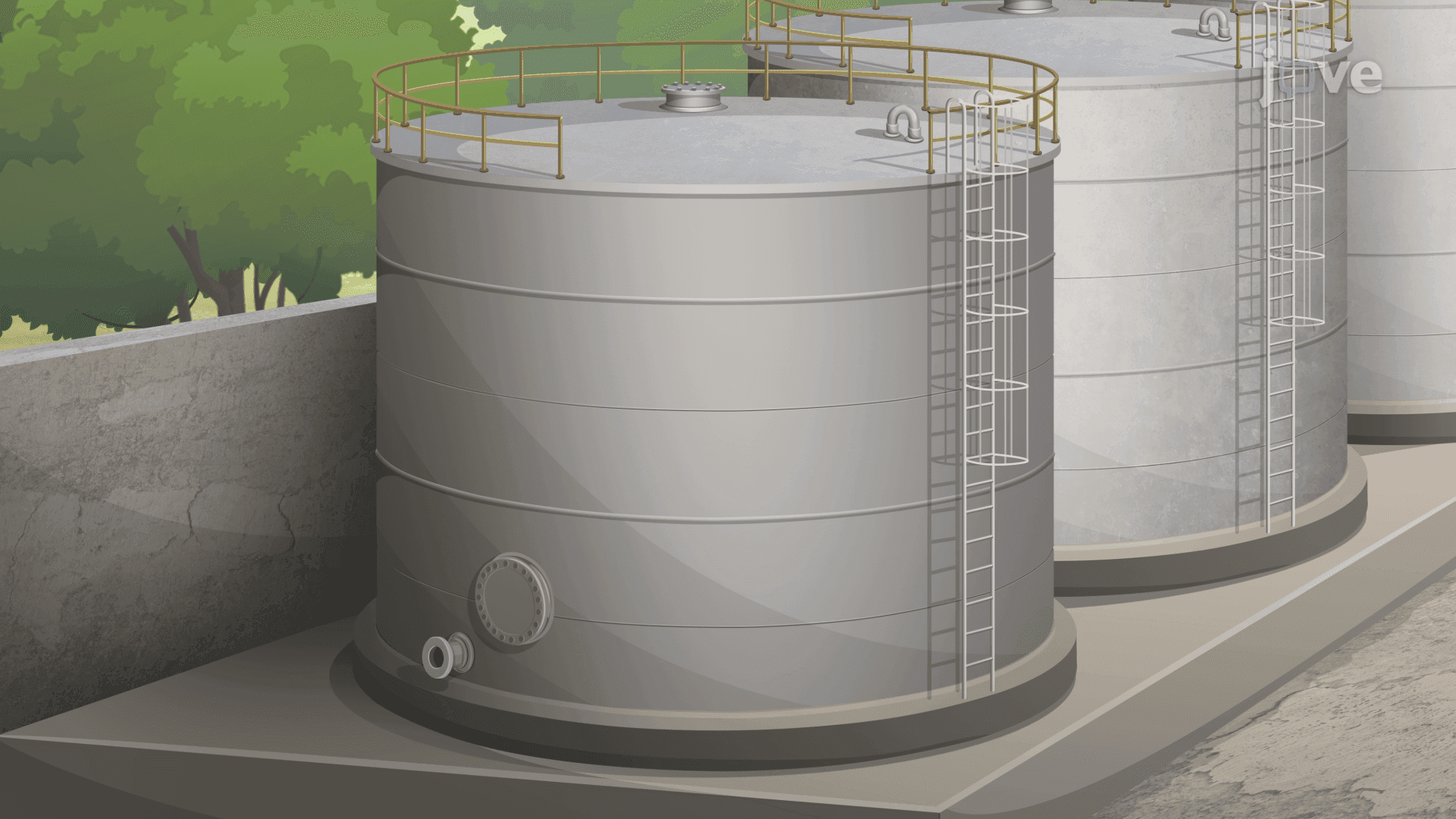
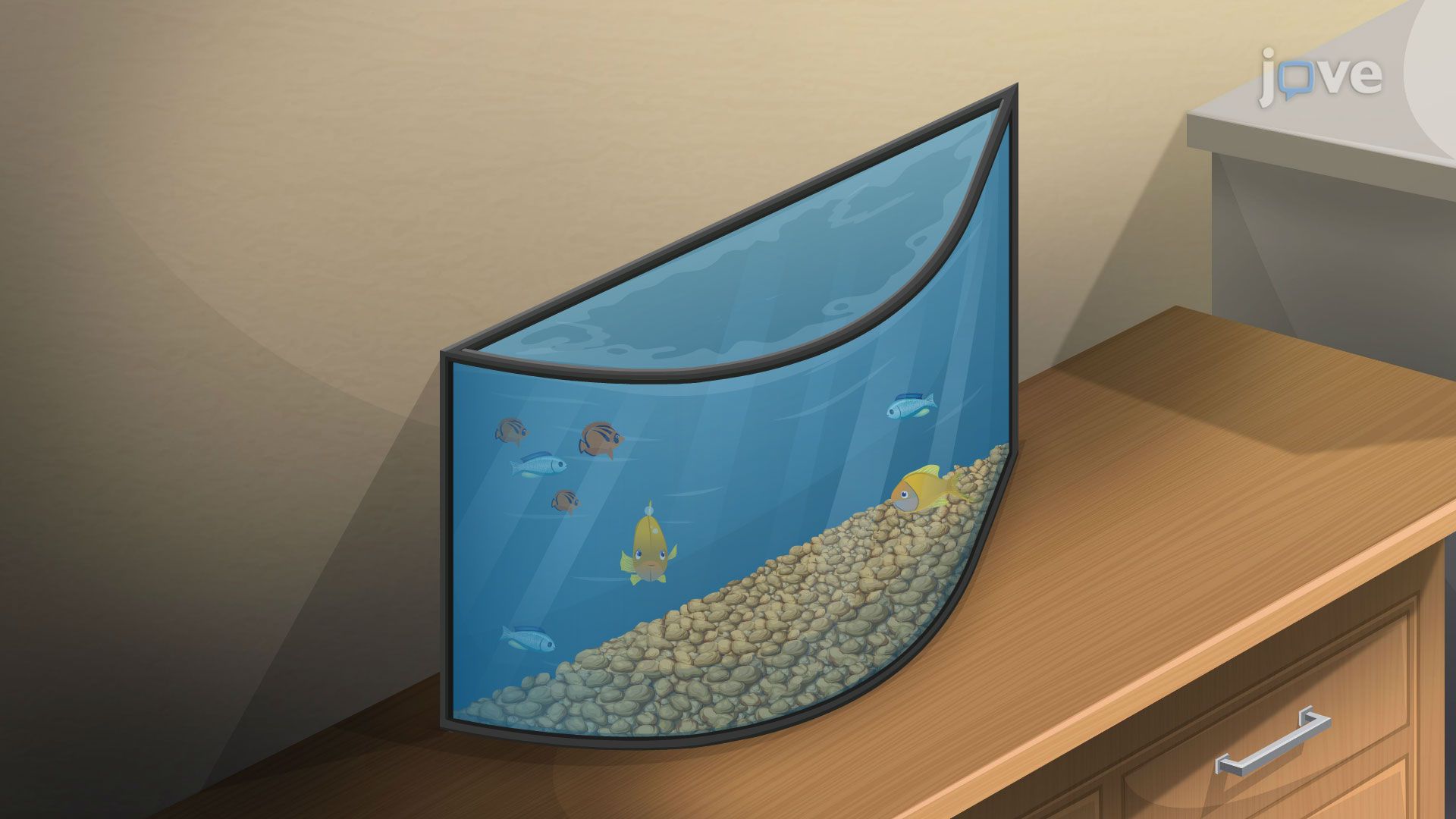
Did you know engineers designing water storage tanks at US facilities use double integrals to calculate exact liquid volumes in containers with curved, irregular walls? Changing the order of integration in double integrals is the key technique that makes these calculations manageable. When complex boundary curves make one integration order nearly impossible, simply switching from horizontal strips to vertical strips, or vice versa, transforms a nightmare problem into a clean, solvable one. Watch the full video on JoVE Coach to master this concept with expert-led visuals and step-by-step explanations.
Calculus students often encounter double integrals that look impossible, not because the math is wrong, but because the chosen order of integration creates limits that are nearly impossible to work with. Changing the order of integration in double integrals is a powerful, systematic technique that solves this problem by re-describing the same region using a different slicing direction. The value of the integral stays the same; only the path to the answer changes.
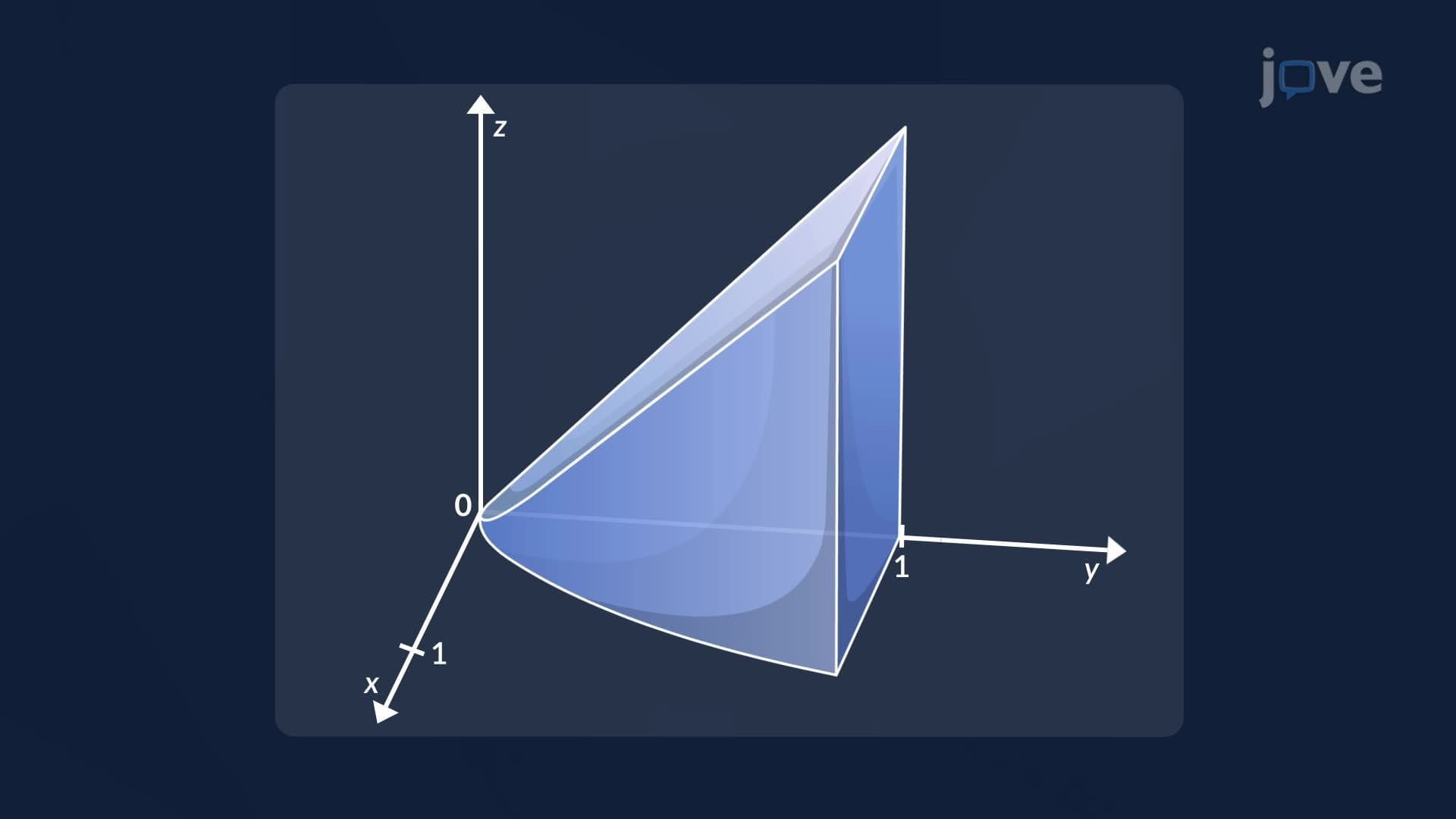
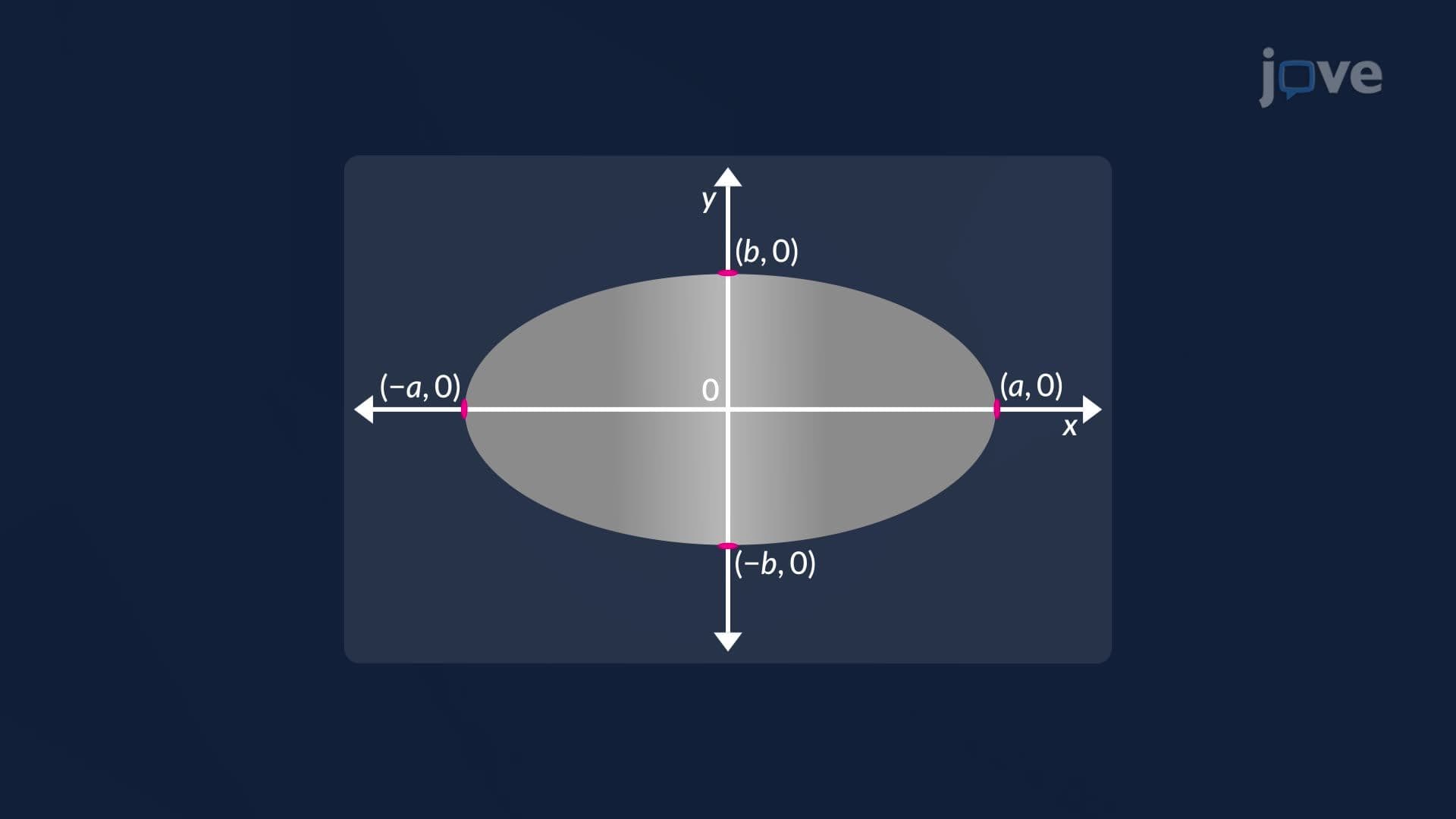
A double integral over a region R in the xy-plane can be set up in two ways. In the first approach, you integrate with respect to x first, then y. The region is sliced into horizontal strips, and for each fixed y-value, x runs between two boundary curves: x = g1(y) on the left and x = g2(y) on the right. In the second approach, you integrate with respect to y first, then x. Vertical strips slice the region, and for each fixed x-value, y runs between y = f1(x) at the bottom and y = f2(x) at the top. Both iterated integrals calculate the same total volume or area, they just traverse the region differently.
The real power of changing integration order shows up when one setup produces limits that are difficult or impossible to integrate analytically. For example, consider a region bounded by y = x² and y = √x. Integrating y-first yields straightforward polynomial limits, but flipping the order might require splitting the region into separate pieces, complicating the work. In college-level Calculus II courses across US universities, from community colleges to flagship state schools, instructors routinely assign problems where students must recognize which order is more efficient. The skill requires sketching the region, identifying all boundary curves, finding intersection points, and then rewriting every limit correctly in the new order.
Calculating volume with double integrals isn't just a textbook exercise. Civil engineers at firms designing municipal water reservoirs in states like California and Texas use integral calculus to model storage capacity in tanks with non-standard geometries. Structural engineers apply double integrals to find the center of mass of irregularly shaped building components. In fluid dynamics, these integrals help model pressure distribution across curved surfaces. Understanding how to change integration order ensures that no matter how a physical boundary is defined mathematically, a workable solution path always exists.
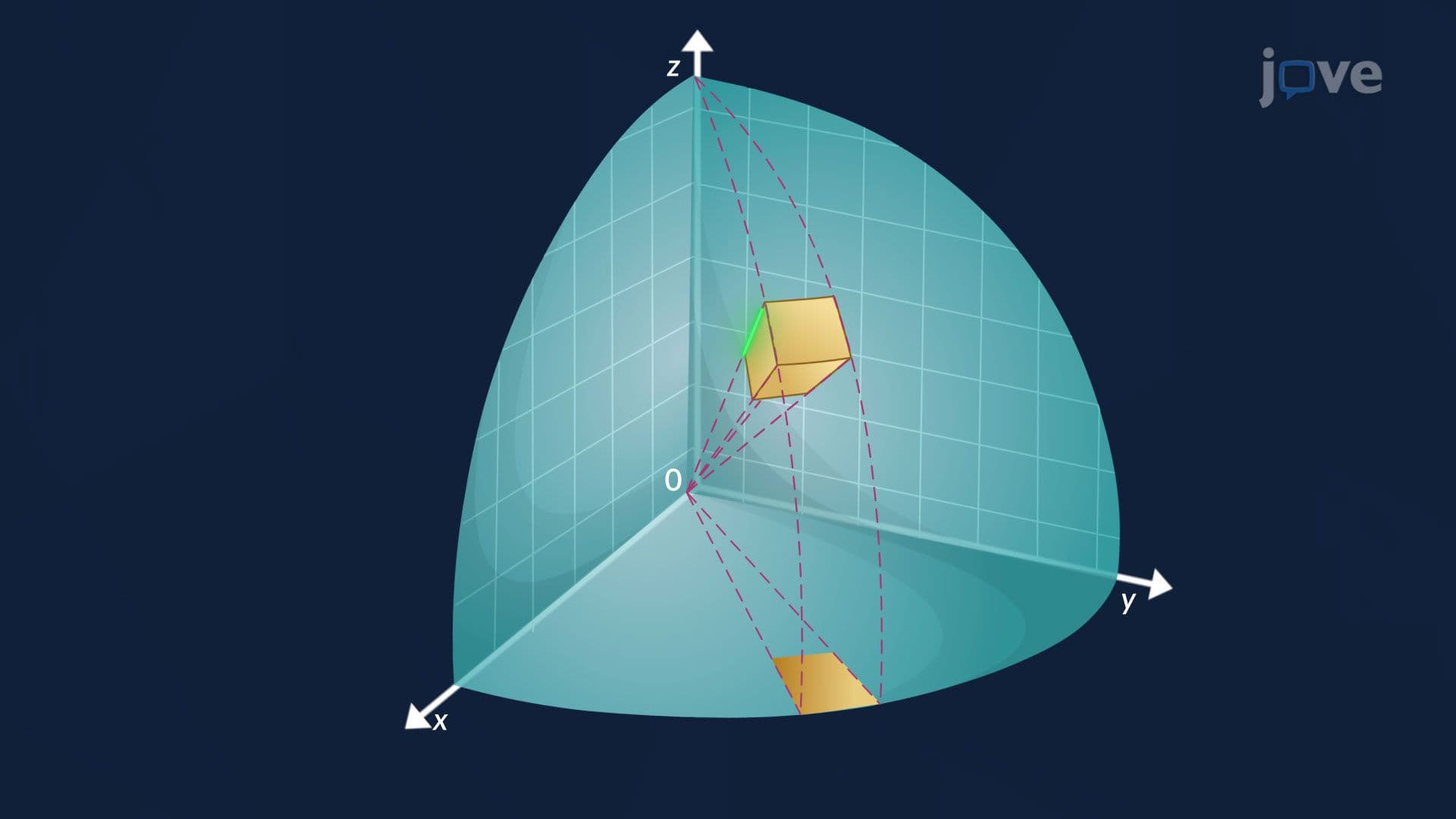
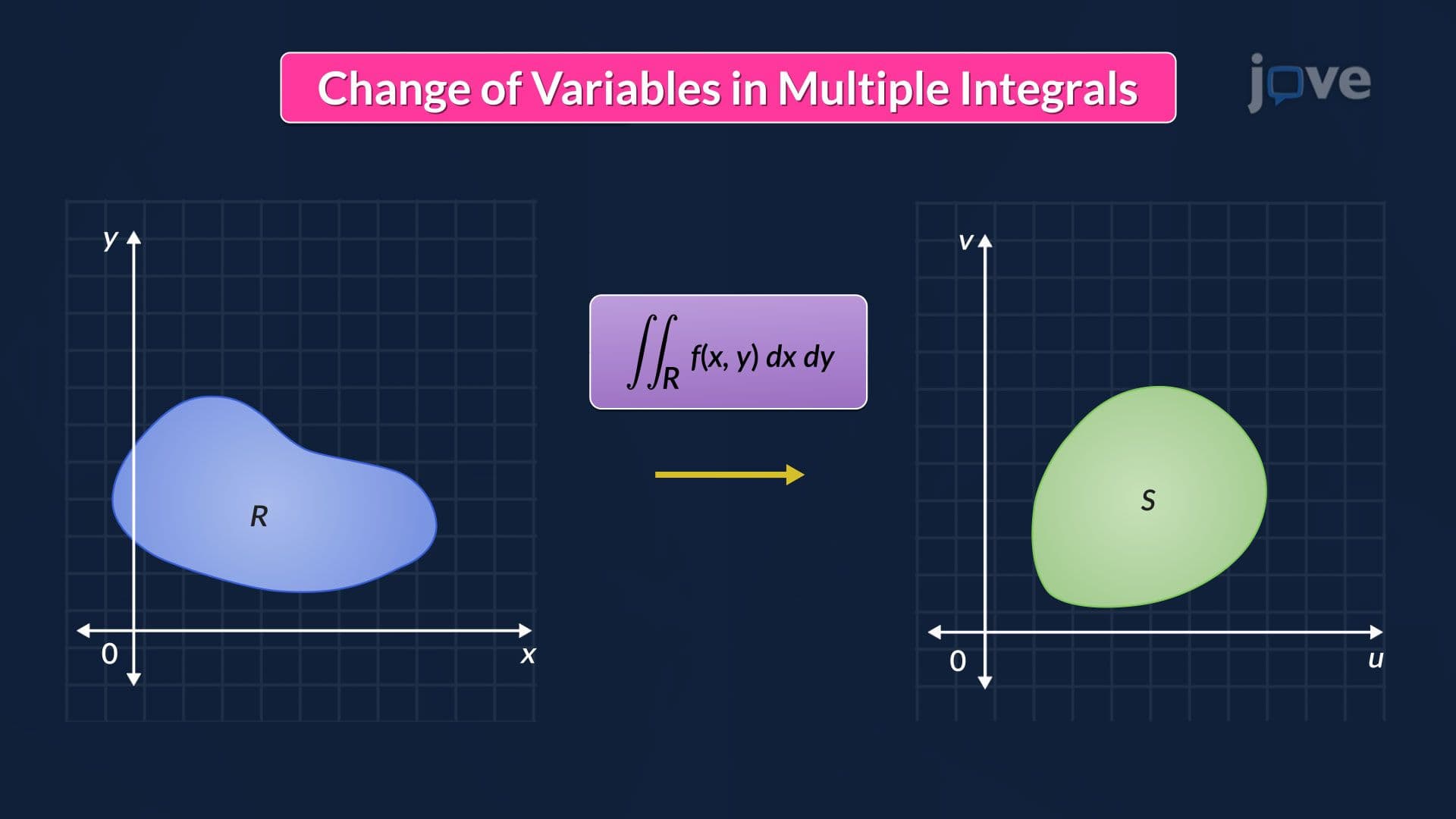
Mastering this technique is essential groundwork for several more advanced concepts. Triple integrals extend the same logic into three dimensions, where integration order can be changed among x, y, and z. In polar coordinates integration, the region is described using r and θ instead of x and y, a transformation that itself changes the effective "order" of description. The Jacobian in multiple integrals is the scaling factor that makes these coordinate changes mathematically valid. Students who deeply understand why changing order works in Cartesian coordinates adapt much more easily to cylindrical and spherical coordinates later. On AP Calculus BC exams and college midterms, questions often test whether students can set up, not just evaluate, integrals in a specified order, making conceptual fluency just as important as computation.
Related Micro-courses