Loading video…


 17 Concepts
 107 views

Video Summary: Double Integrals in Polar Coordinates Explained
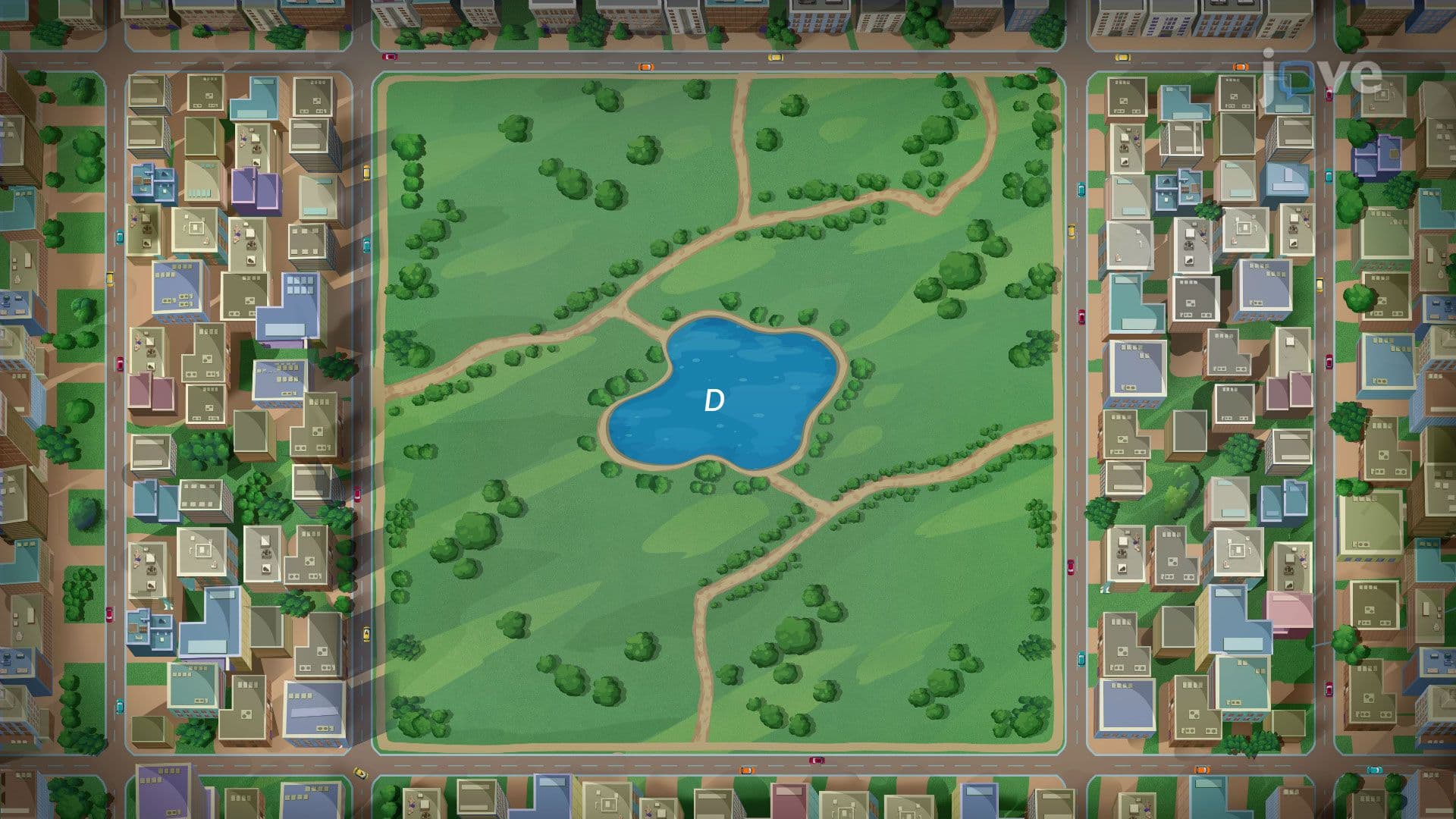
Did you know that calculating the area of a circular pond using standard Cartesian coordinates leads to messy square root equations? Double integrals in polar coordinates eliminate that complexity entirely. This concept, central to *Double Integrals in Polar Coordinates Explained*, transforms circular region problems into clean, solvable integrals, a technique used by landscape architects and civil engineers across the US. Watch the full video on JoVE Coach to master this concept with expert-led visuals and step-by-step explanations.
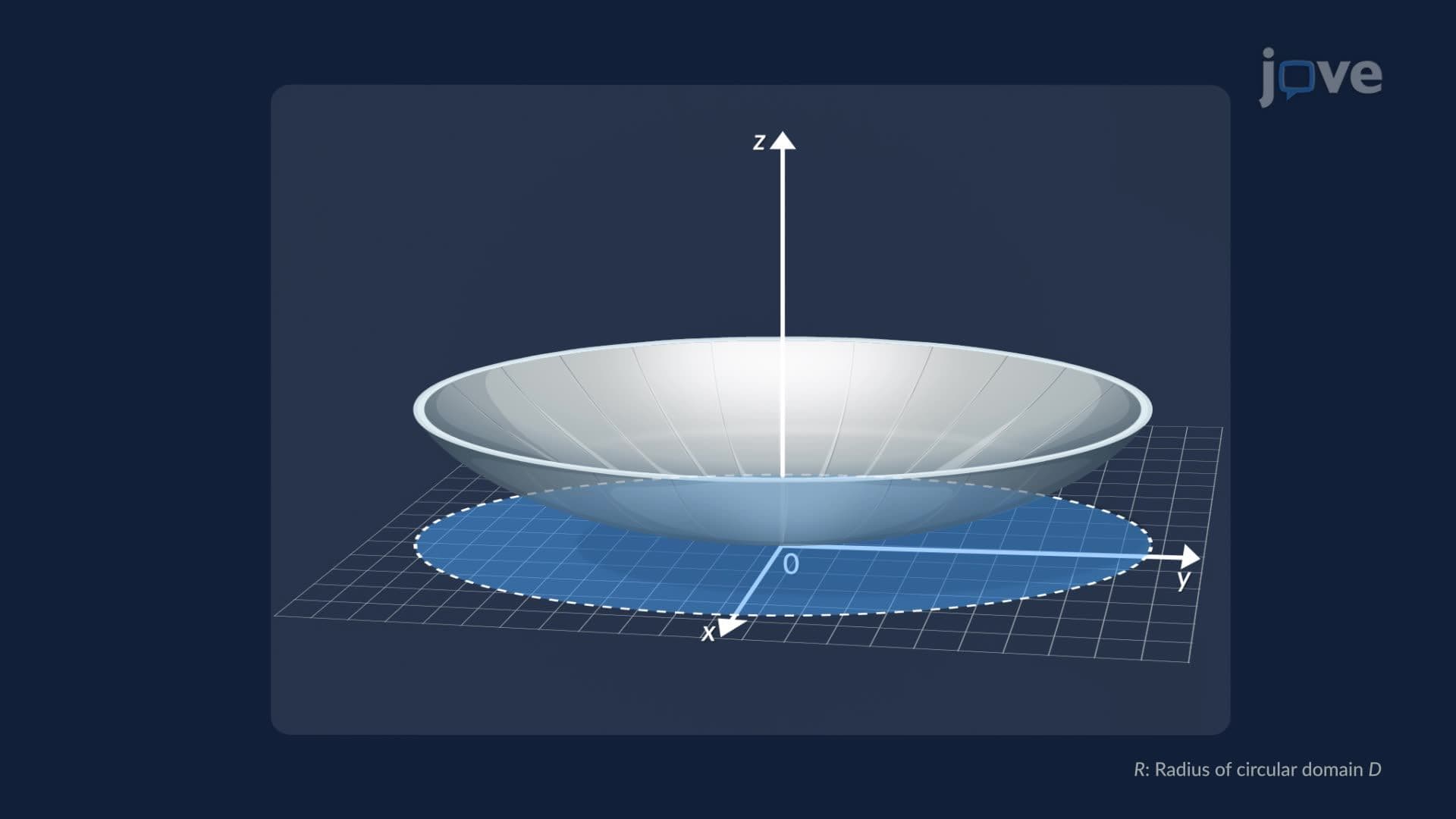
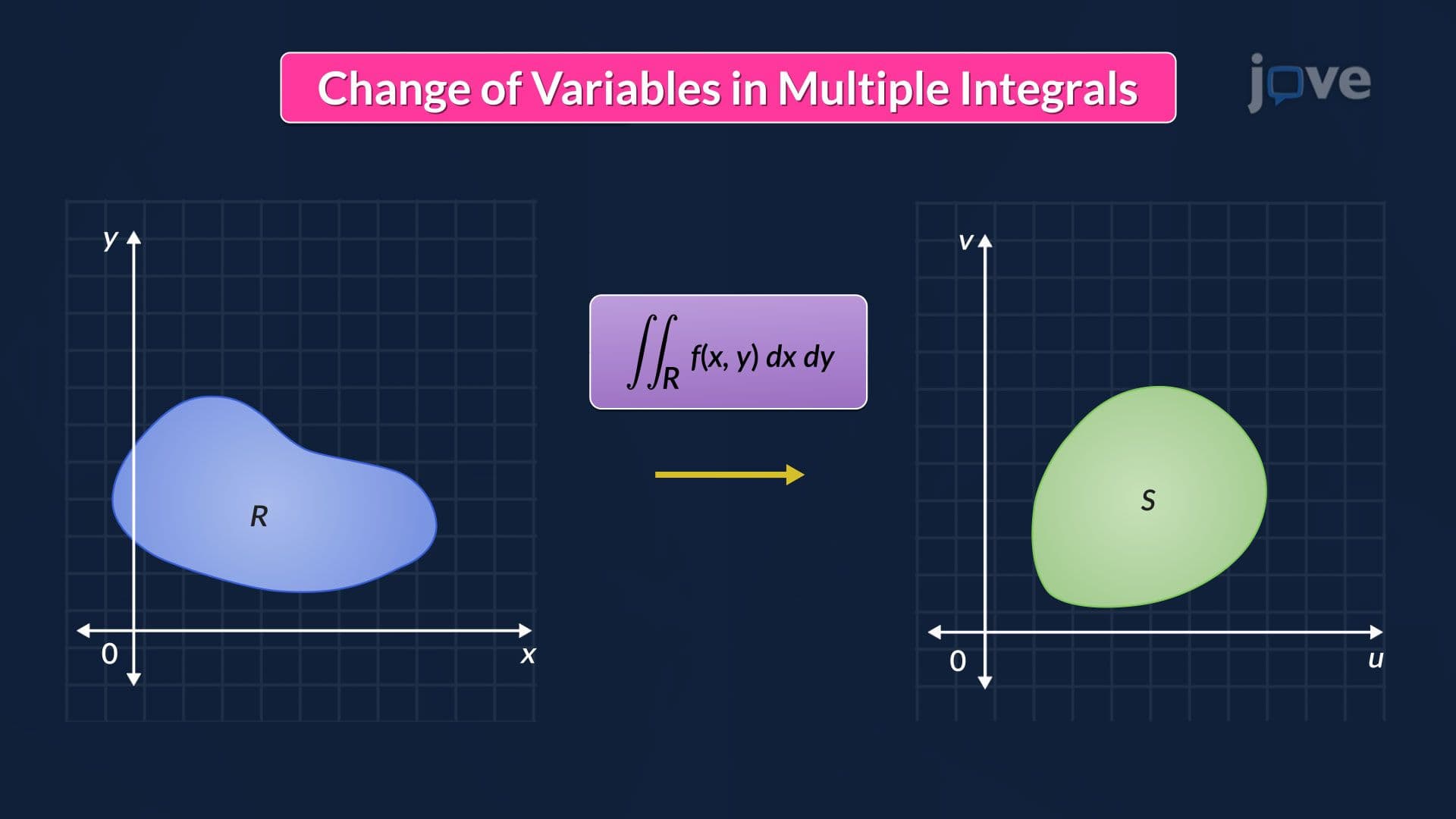
A double integral extends the idea of a single integral to two dimensions, allowing you to calculate areas, volumes, and other quantities over a two-dimensional region. In standard Cartesian coordinates, this is straightforward for rectangular regions, but circular or curved regions introduce complicated square root expressions in the limits of integration. *Double Integrals in Polar Coordinates* solve this by replacing the (x, y) system with (r, θ), where r is the distance from the origin and θ is the angle measured from the positive x-axis. This coordinate change makes circular boundaries beautifully simple to express and integrate over.
Consider trying to integrate over a semicircle of radius L in Cartesian form. The upper boundary is y = sqrt(L² − x²), which forces awkward trigonometric substitutions and multi-step algebra. In polar form, the same boundary is simply r = L, with θ running from 0 to π. The limits become constants, a critical advantage. This same simplification appears on AP Calculus BC exams, college multivariable calculus midterms, and problems in physics and engineering courses across the US, where circular domains are extremely common.
One of the most important, and most misunderstood, details in polar integration is the area element. In Cartesian coordinates, dA = dx dy. In polar coordinates, dA becomes r dr dθ. The extra factor of r is not a coincidence or a correction, it reflects a geometric truth. As you move farther from the origin, each small angular sector covers more physical area. The factor r accounts for this widening. This term is formally derived from the Jacobian of the coordinate transformation, a concept you will encounter in multivariable calculus courses at US universities. Skipping or forgetting this r is one of the most common errors students make on college exams.
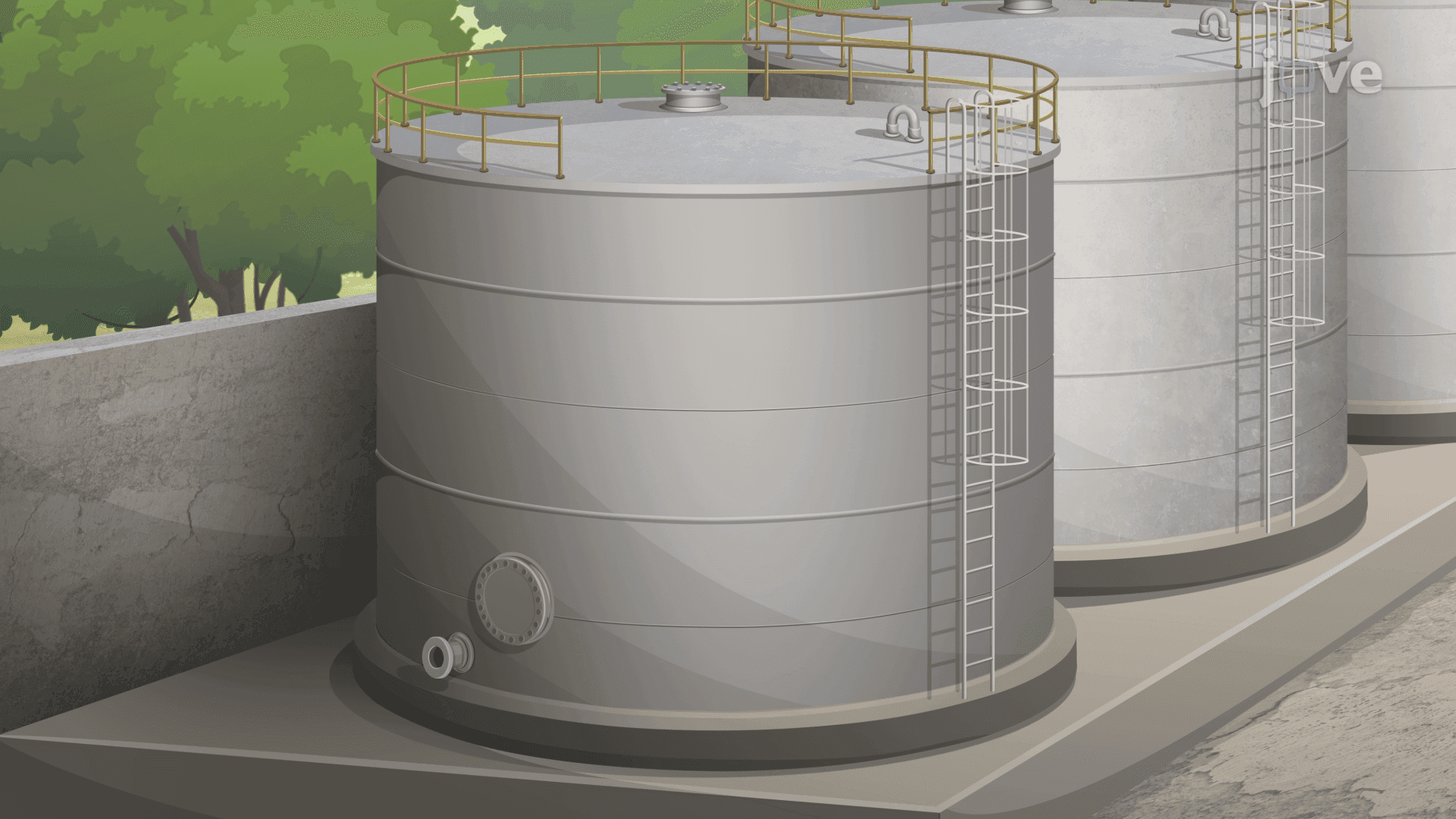
Polar double integrals appear across multiple disciplines in the US academic and professional landscape. Civil and environmental engineers calculate the volume of cylindrical water tanks and retention basins. Physicists compute gravitational and electromagnetic fields over circular charge distributions. In AP Physics and university-level mechanics courses, polar integration supports calculating moments of inertia and center of mass for circular objects. In calculus courses at institutions like MIT OpenCourseWare or through the College Board's AP Calculus BC curriculum, this topic represents a key transition from single-variable to multivariable thinking. Mastery here also prepares students for more advanced topics: triple integrals in cylindrical and spherical coordinates, surface integrals, and even probability distributions over circular regions in statistics.
Related Micro-courses