Loading video…

 17 Concepts
 107 views

Video Summary: Triple Integrals Over General Regions Explained
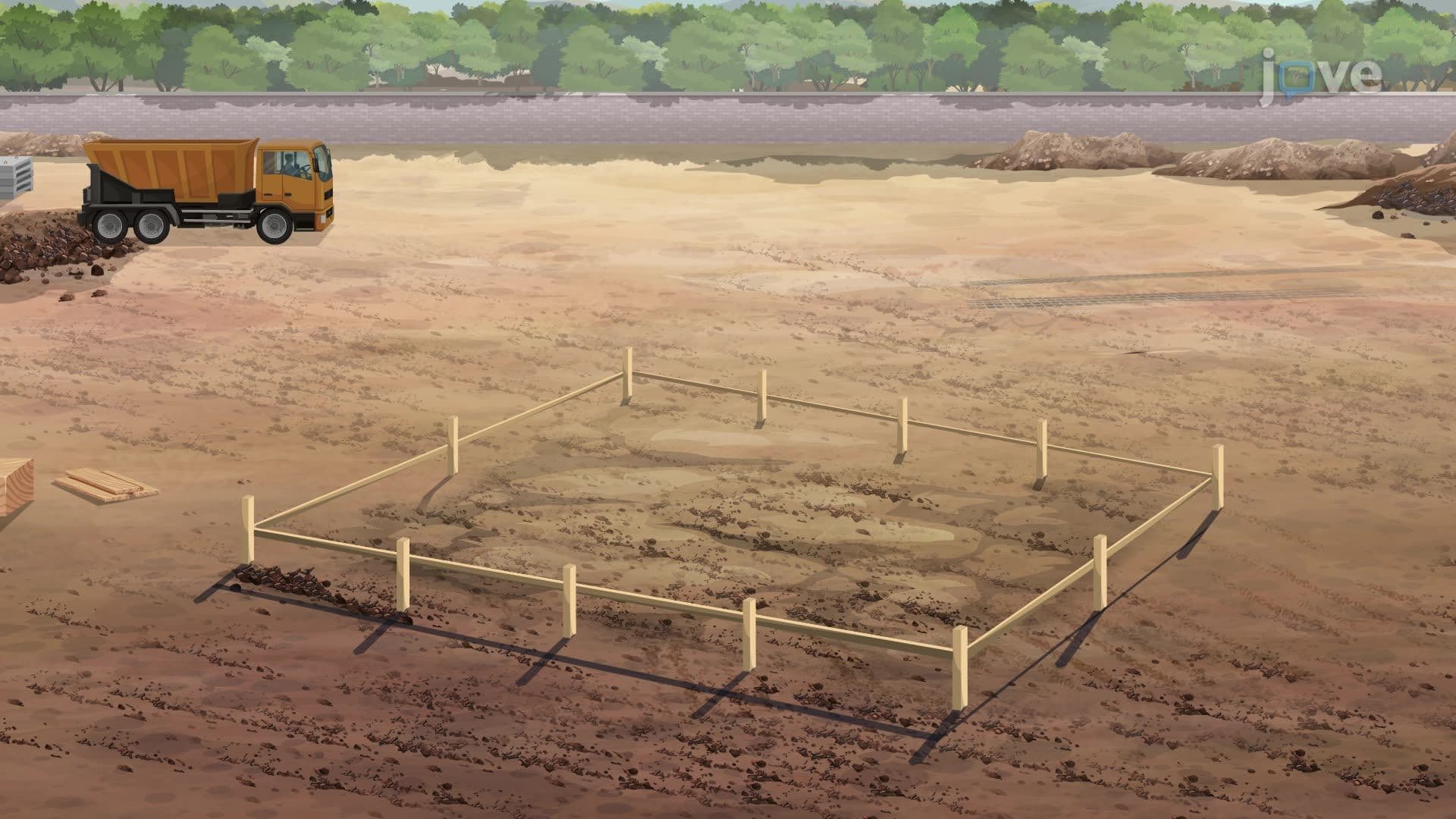
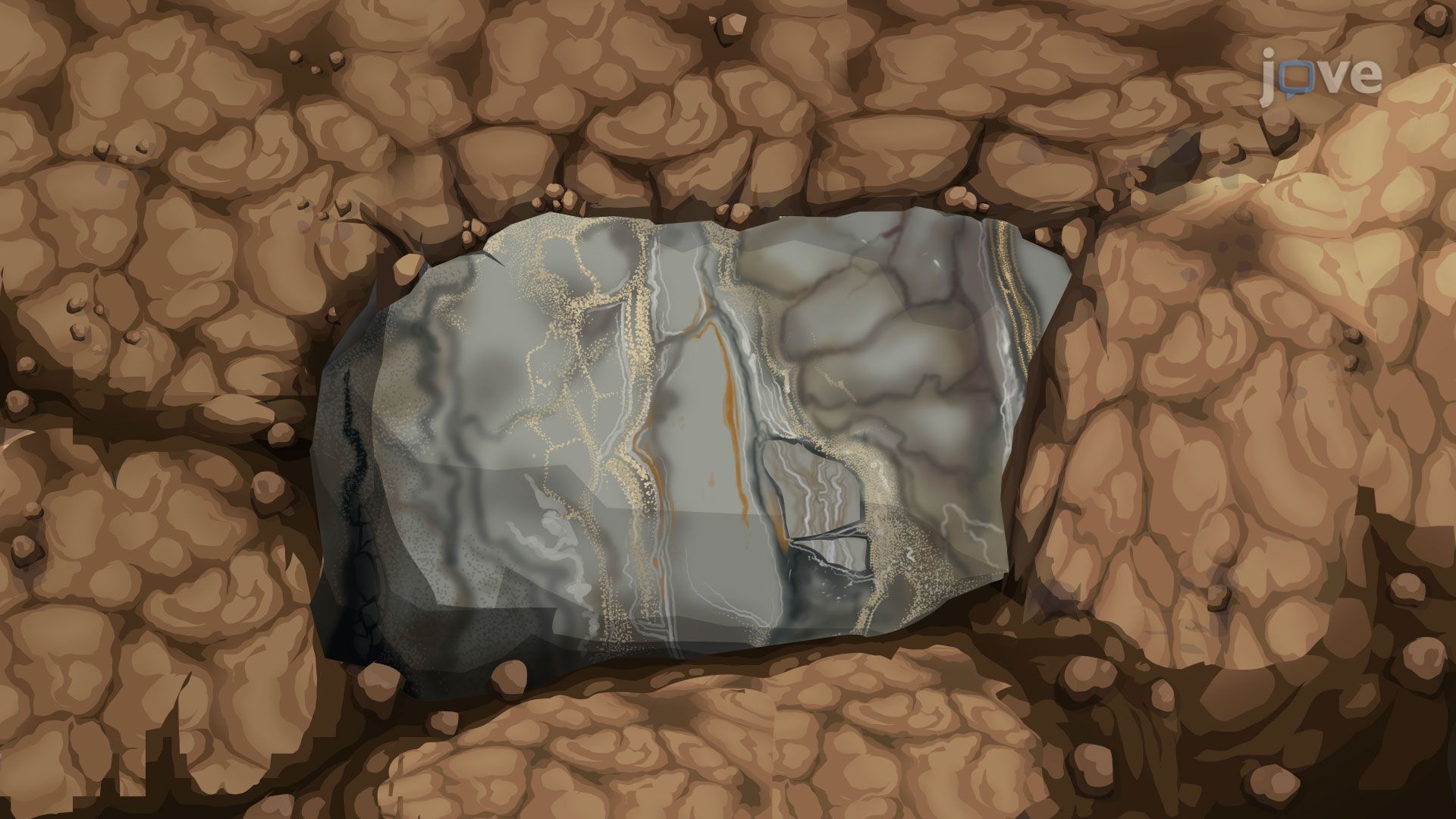
How do engineers estimate the total mineral content buried inside an irregularly shaped underground deposit? Triple integrals over general regions make that possible. This concept extends integration into three-dimensional space, allowing you to calculate accumulation across solids with curved or uneven boundaries, like ore deposits, fluid volumes, or structural masses in US civil engineering projects. Watch the full video on JoVE Coach to master this concept with expert-led visuals and step-by-step explanations.
When a solid object has flat, rectangular boundaries, integration is straightforward. But most real-world structures, geological formations, fluid-filled tanks, or biological tissue volumes, have curved, uneven surfaces. Triple Integrals Over General Regions Explained is the framework that handles exactly these situations, letting you calculate total quantities like mass, volume, or charge across any bounded solid in three-dimensional space.
The foundational idea is elegant: enclose the irregular solid E inside a larger, simpler rectangular box. Define a new function that matches the original inside E and equals zero everywhere else. This technically converts the integral over a messy region into one over a clean box, but it is the iterated integral form that makes computation practical.
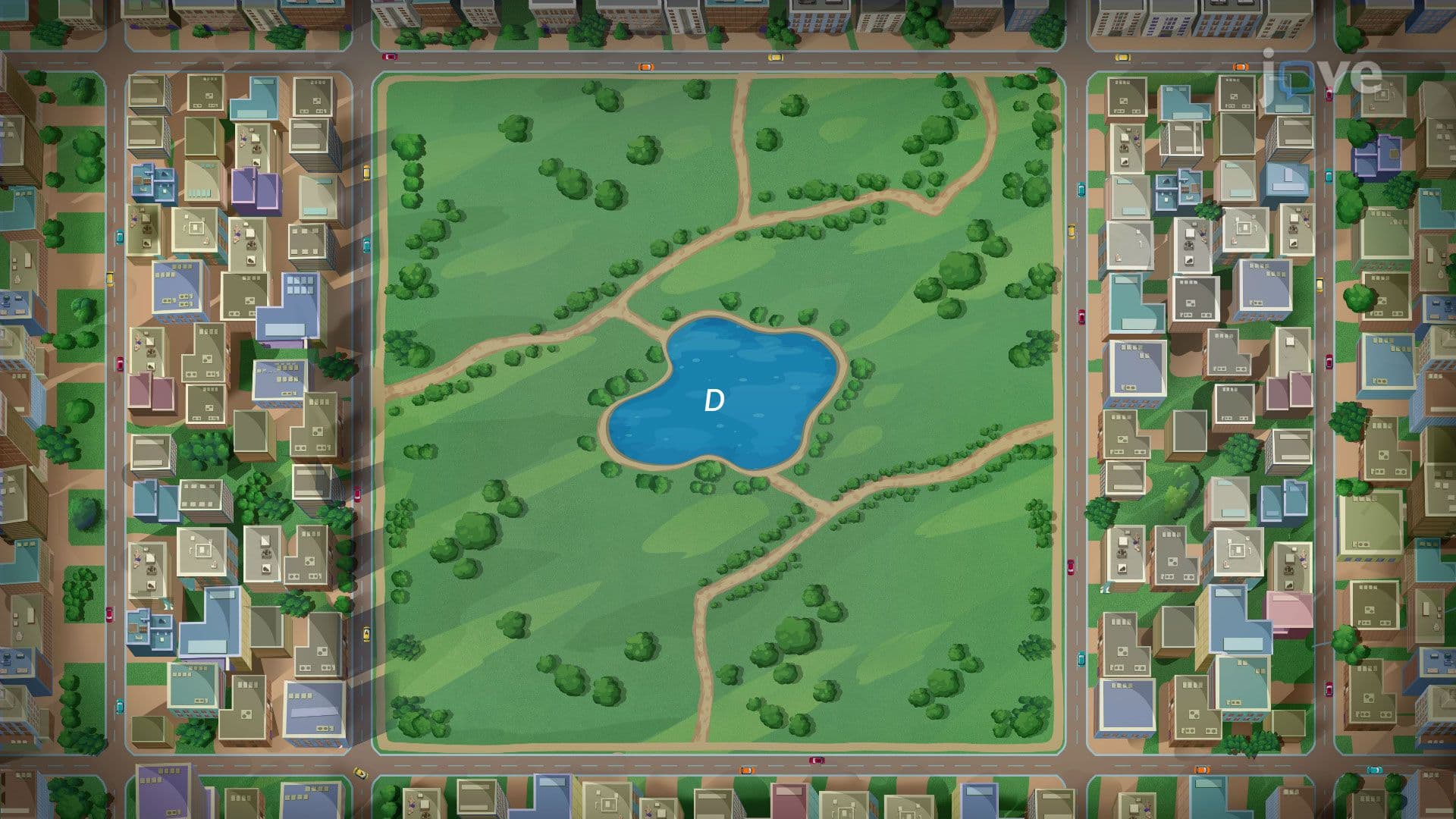
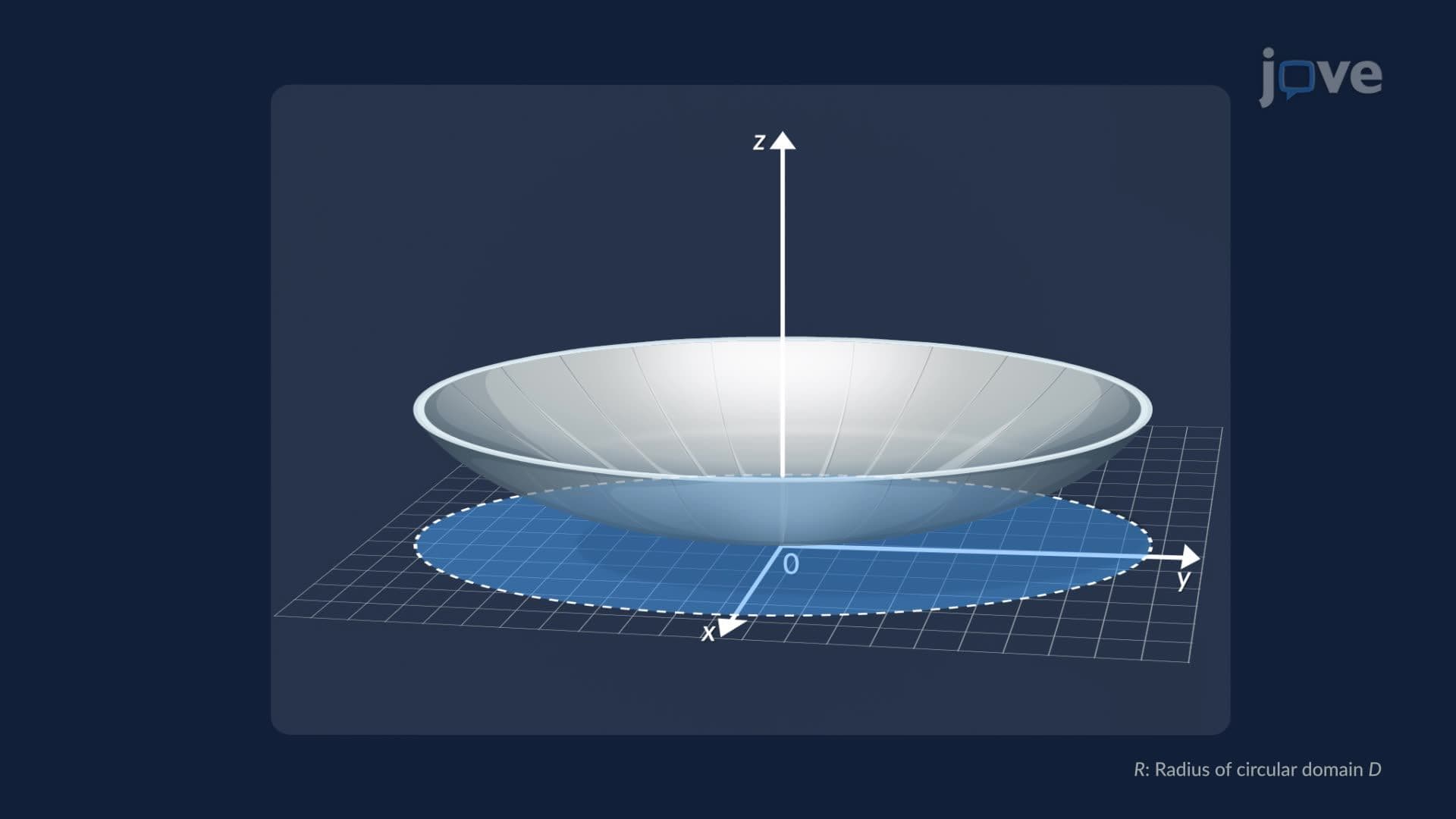
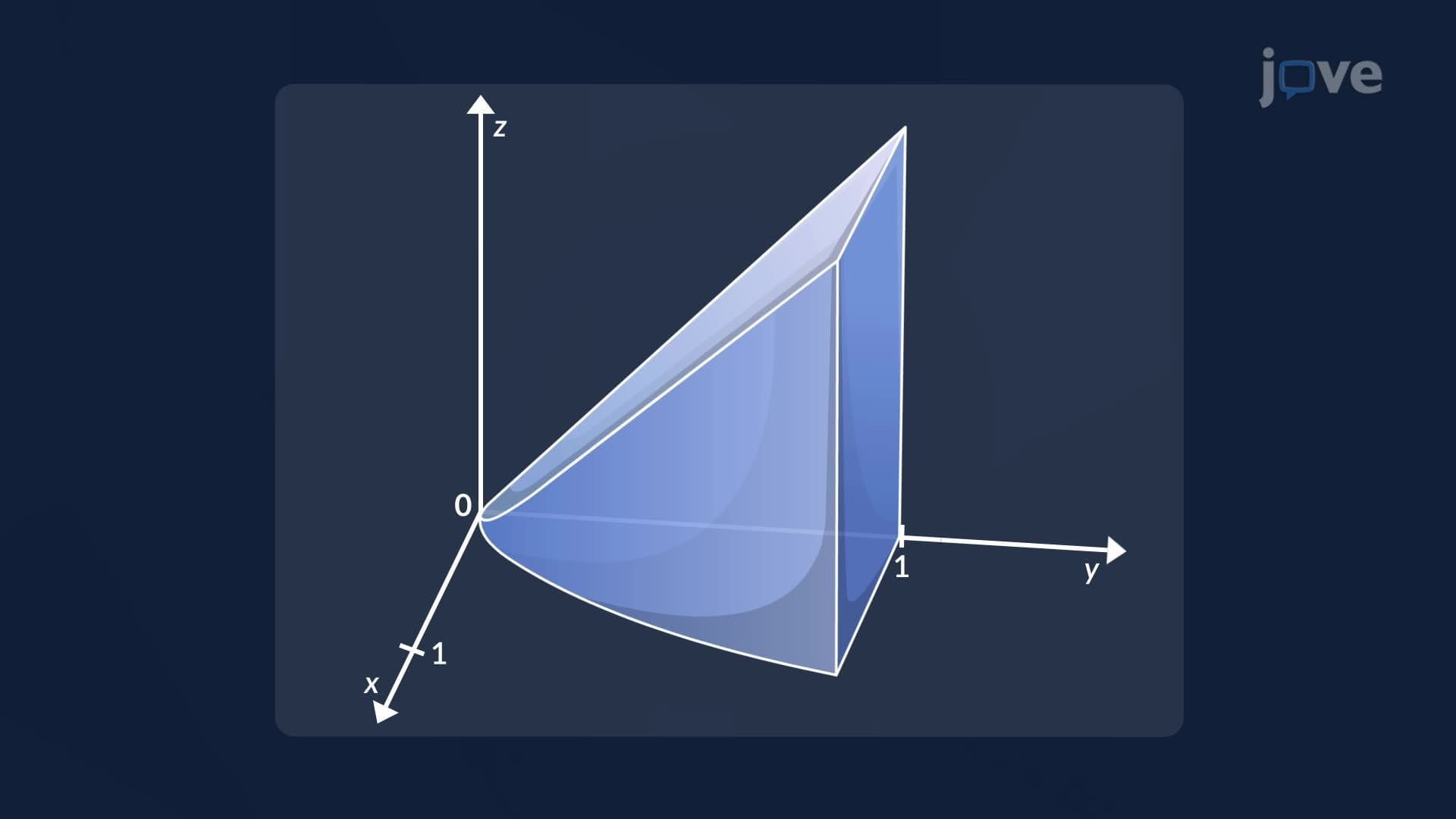
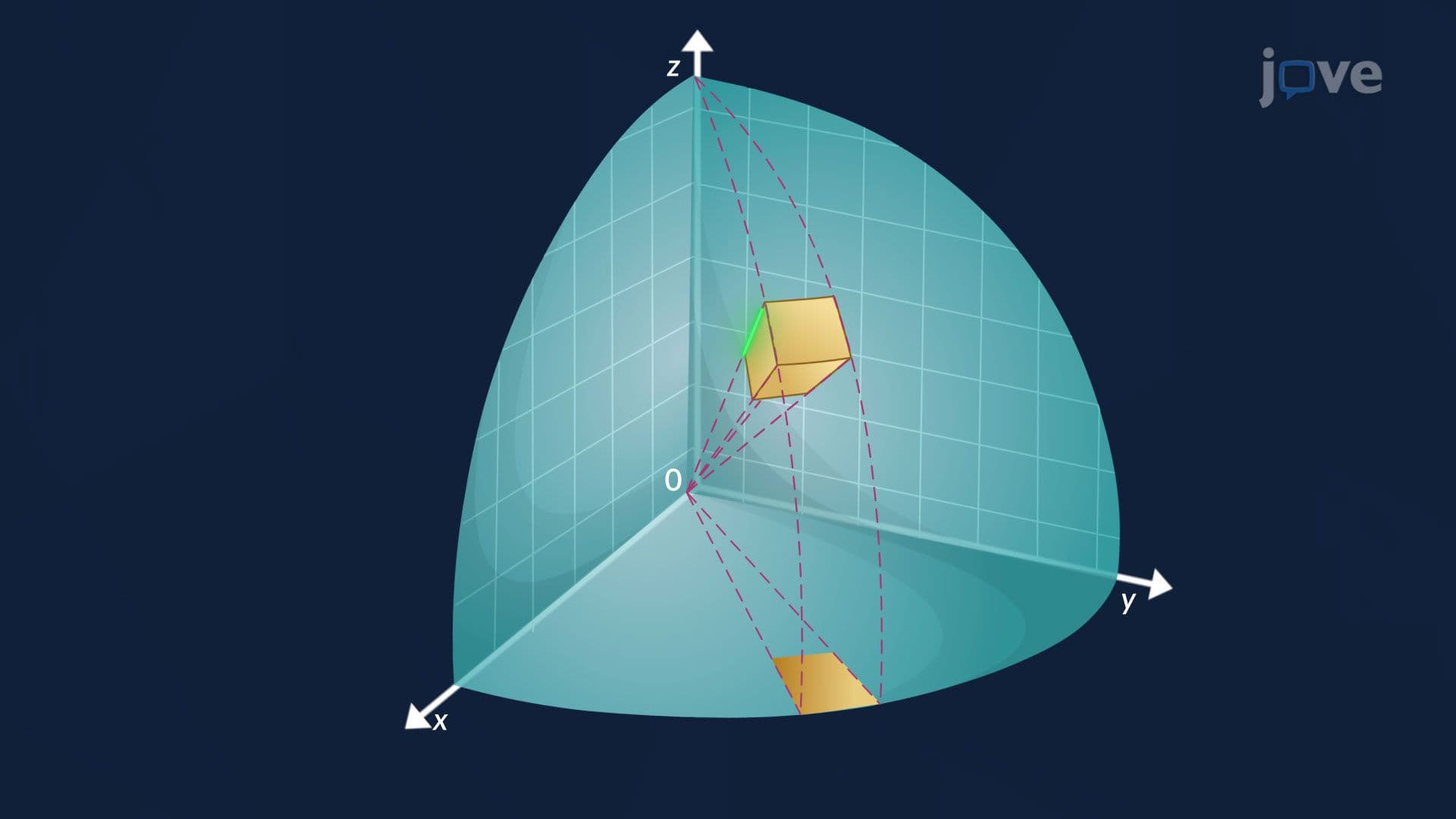
To set up an iterated integral, identify the projection of the solid onto the xy-plane. This projection is called the base region D. For every point (x, y) in D, the solid extends vertically from a lower boundary surface, call it z = g1(x, y), up to an upper boundary surface z = g2(x, y). The triple integral is then written as: integral over D of [integral from g1(x,y) to g2(x,y) of f(x, y, z) dz] dA. The inner integral sums values along each vertical segment, and the outer double integral accumulates those results across D.
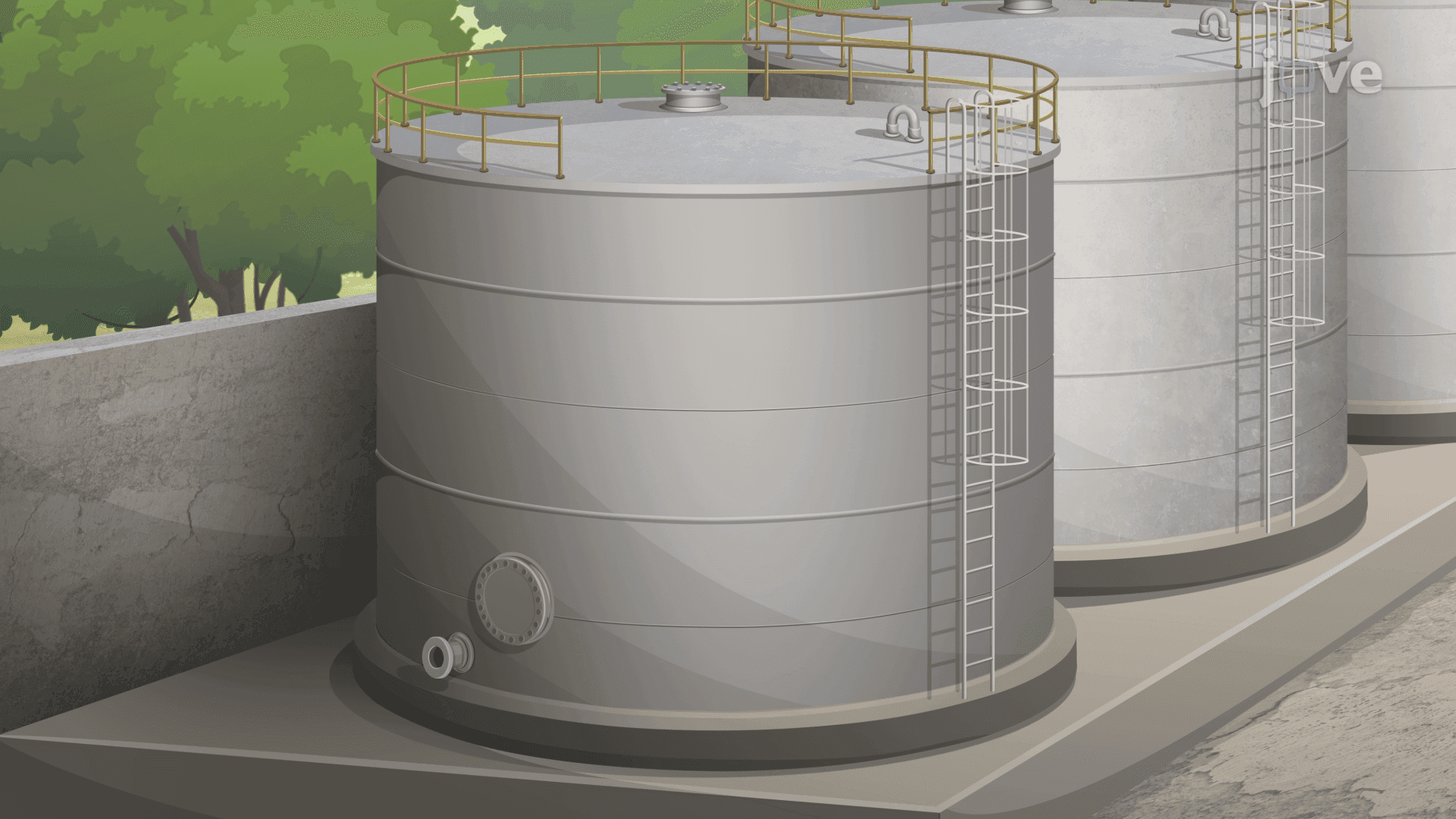
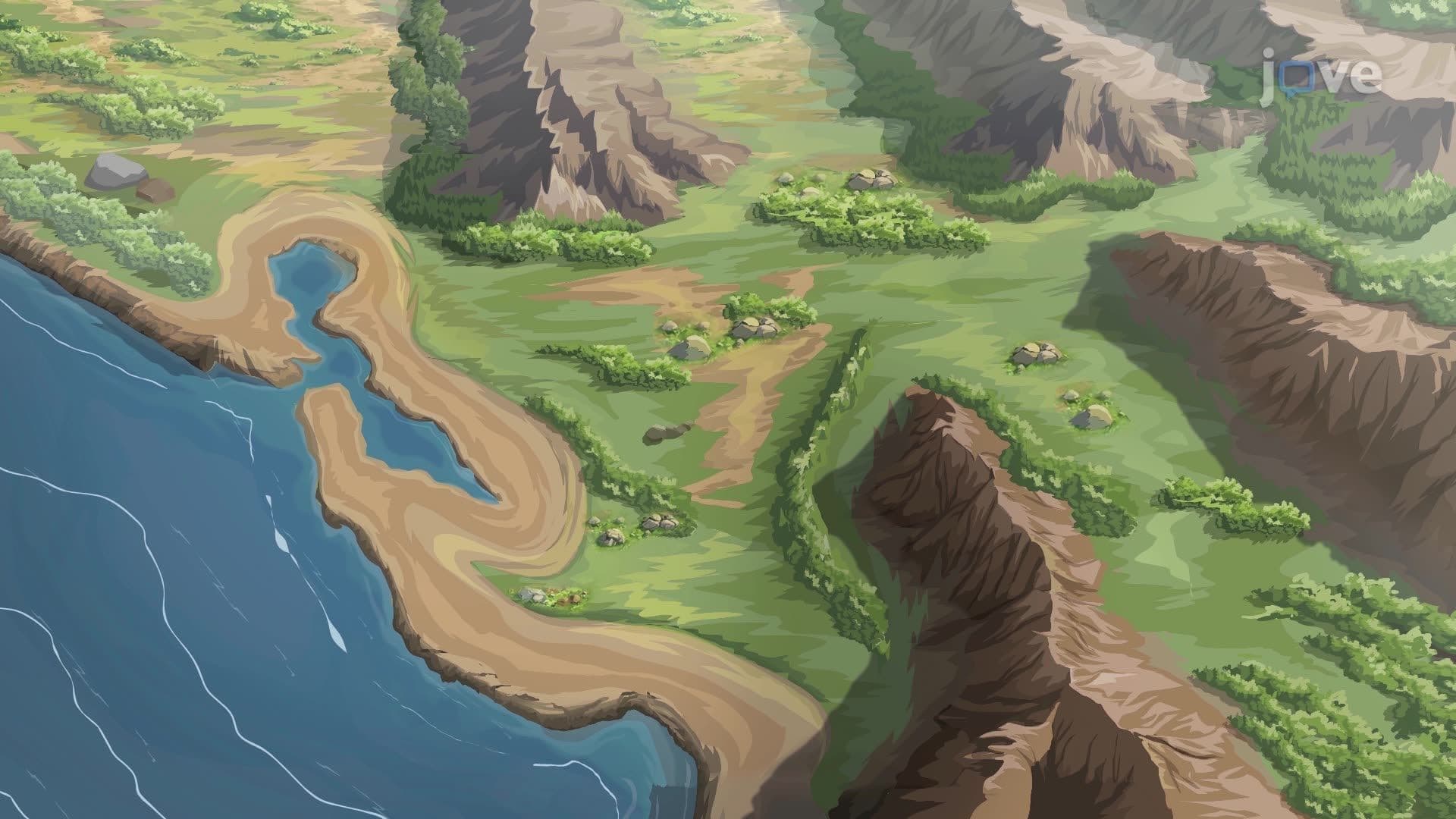
Consider a practical US example: geologists surveying an ore deposit in Nevada's Carlin Trend, one of the most productive gold-mining regions in the United States. The top surface of the deposit might be modeled by one function, and the rocky floor beneath it by another. The horizontal footprint of the deposit defines D. A triple integral over this general region gives the total ore volume, and multiplying by density gives total mass, critical data for determining whether extraction is economically viable.
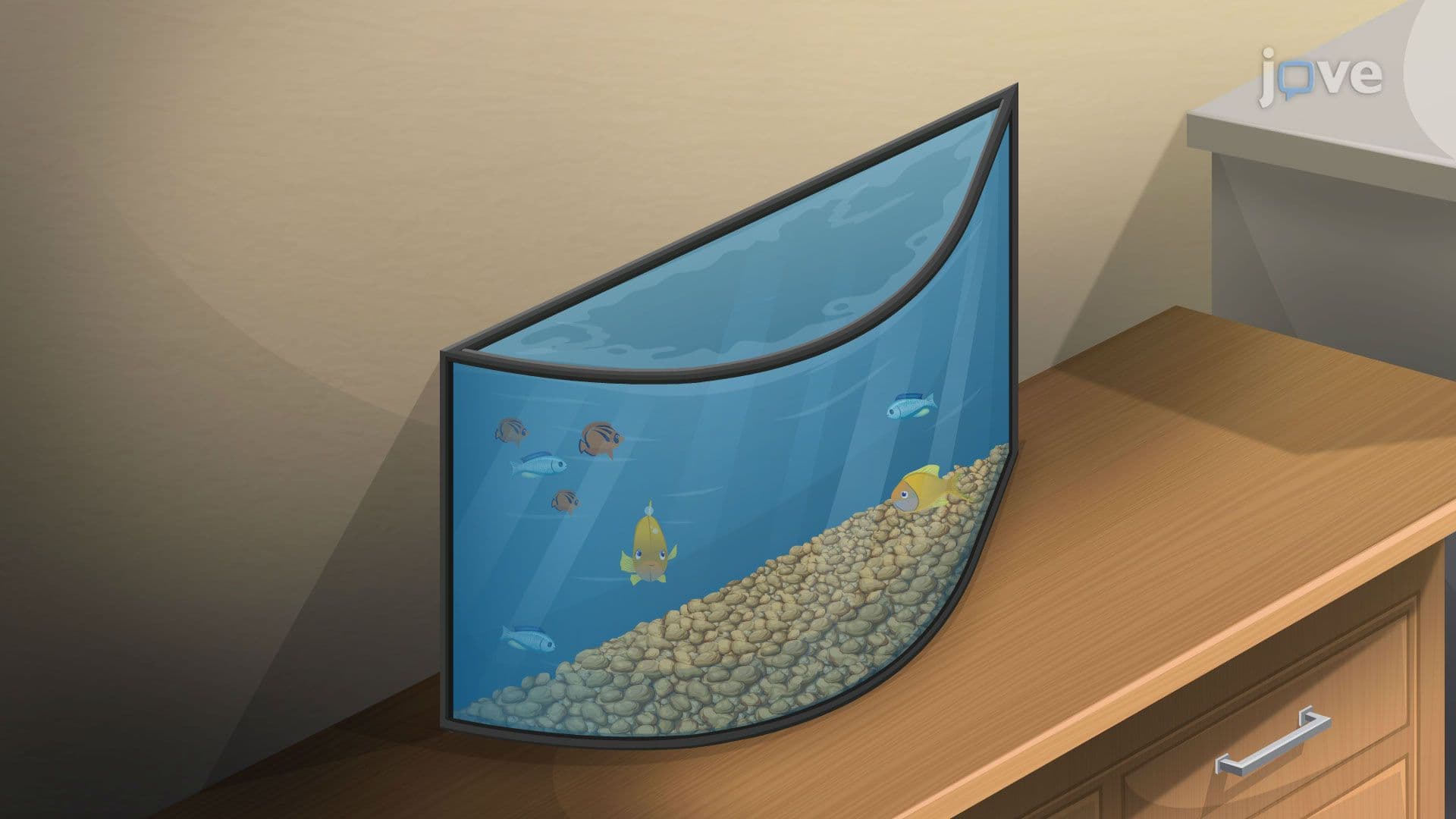
The same framework applies in civil engineering when calculating the volume of earth removed during highway construction, or in fluid mechanics when finding the total mass of a non-uniform liquid inside a curved container.
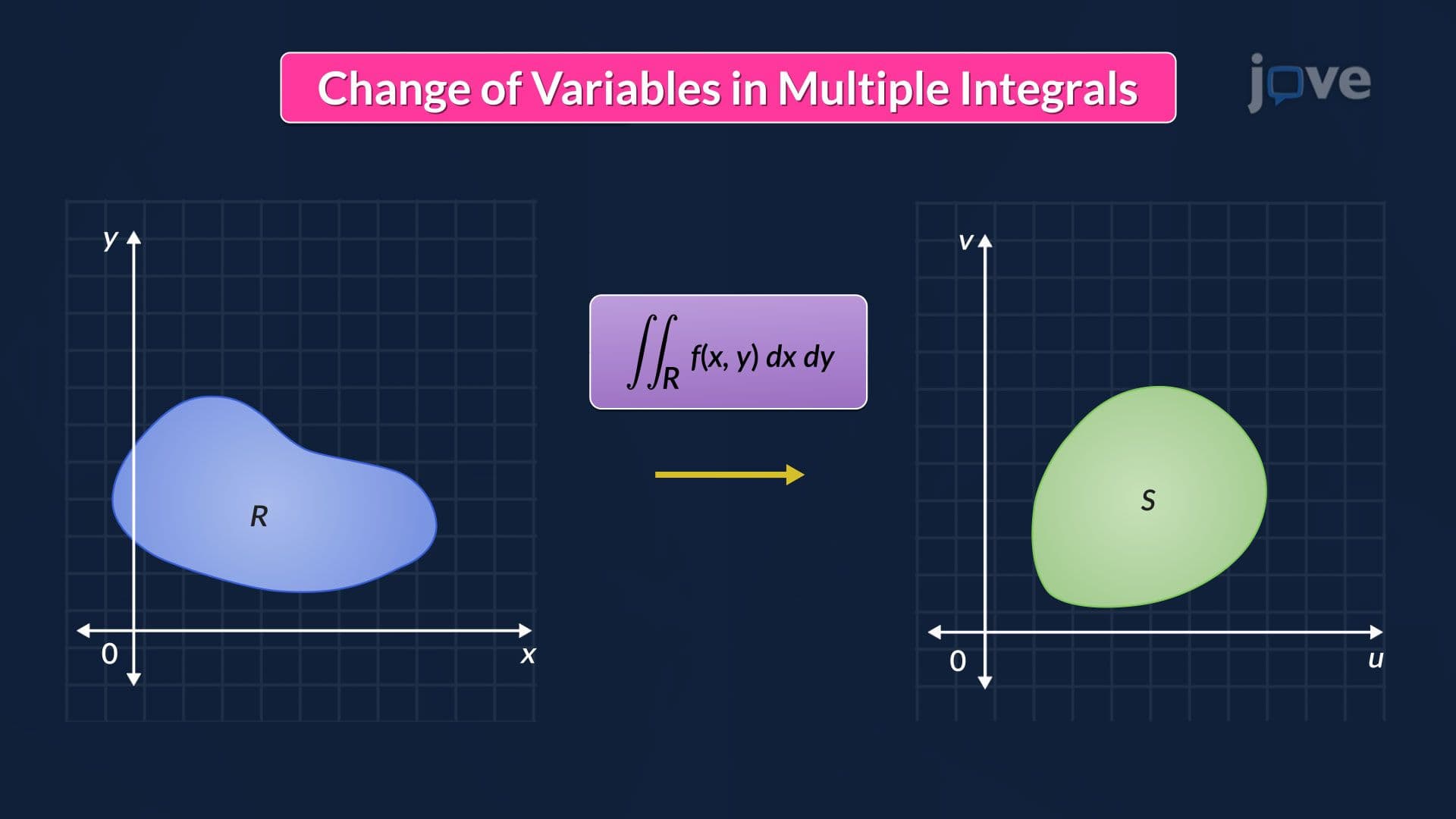
Triple integrals over general regions connect naturally to cylindrical and spherical coordinates, which simplify setup when the region has rotational symmetry, like a dome, cone, or sphere. Cylindrical coordinates replace x and y with r and theta, adding a factor of r to the integrand. Spherical coordinates introduce rho, phi, and theta, with a Jacobian factor of rho-squared times sin(phi). Understanding the Jacobian, the scaling factor that adjusts for coordinate transformations, is essential when switching between coordinate systems. In US college calculus courses (typically Calculus III or Multivariable Calculus), this is a central exam topic.
While triple integrals are not tested on the AP Calculus BC exam, they appear heavily in college-level Calculus III courses at institutions like MIT OpenCourseWare-aligned programs, UC system universities, and community colleges offering transfer pathways. College midterm and final exams routinely ask students to set up and evaluate triple integrals over described solids, convert between coordinate systems, and interpret the result physically. Mastering the vertical-slice setup method is the single most transferable skill for tackling these problems correctly and efficiently.
Related Micro-courses