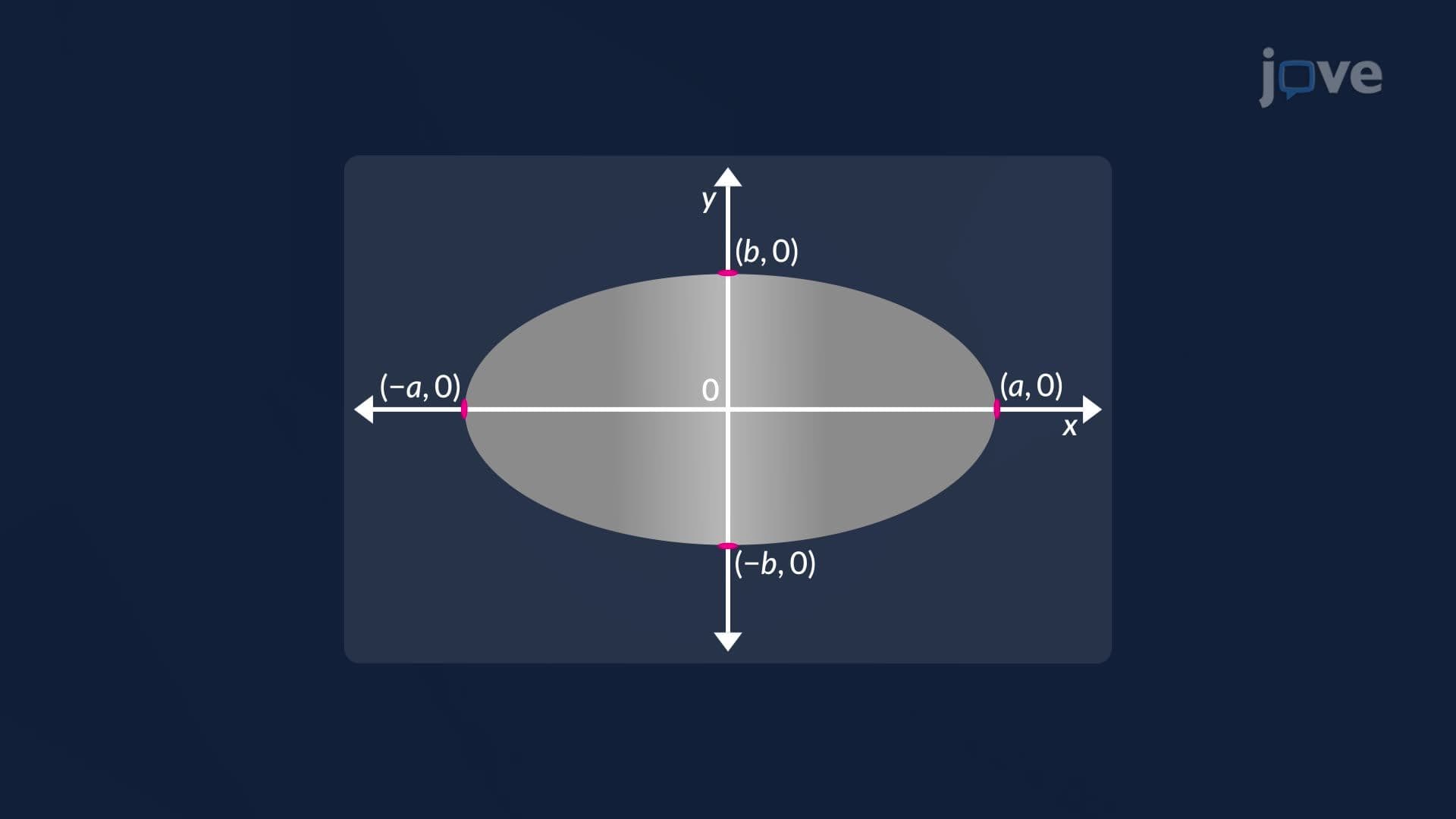
Loading video…

 17 Concepts
 107 views

Video Summary: Iterated Integrals and Fubini S Theorem Explained
Did you know engineers at NASA use double integrals to calculate heat distribution across spacecraft panels? Iterated integrals and Fubini's Theorem Explained is the key concept that makes solving these complex calculations manageable. By breaking a double integral into two successive single integrals, Fubini's Theorem guarantees that switching the order of integration always produces the same result. Watch the full video on JoVE Coach to master this concept with expert-led visuals and step-by-step explanations.
One of the most powerful ideas in Calculus III is that a complicated two-dimensional accumulation problem can be solved one variable at a time. Iterated integrals make this possible, and Fubini's Theorem makes it rigorous. Together, they form the backbone of multivariable integration, a skill tested in college-level calculus courses across the United States and applied in fields from aerospace engineering to economics.
A double integral calculates the total accumulation of a function f(x, y) over a two-dimensional region, think of it as summing infinitely thin contributions across an entire surface. An iterated integral converts this two-dimensional problem into two back-to-back single integrals. For a function defined over a rectangle, the process works like this: first, treat x as a constant and integrate f(x, y) with respect to y. This produces an intermediate function of x alone, essentially the accumulated value along one strip. Then, integrate that result with respect to x across the full horizontal span of the region. The final number represents the total accumulation over the entire rectangle.
This "slicing" approach is intuitive. Imagine slicing a rectangular slab of material perpendicular to the x-axis, computing the contribution of each vertical slice, and then adding all slices together.
Fubini's Theorem is the formal guarantee that you can integrate in either order, x first then y, or y first then x, and always arrive at the same answer, provided the function f(x, y) is continuous over the rectangle. In mathematical notation, this means the iterated integral integrating dy then dx equals the iterated integral integrating dx then dy.
This is not intuitively obvious, but it is profoundly useful. In practice, one order of integration often produces far simpler algebra than the other. Fubini's Theorem gives students and professionals the freedom to choose whichever order makes the arithmetic easier, a critical advantage when dealing with complex integrands.
Fubini's Theorem is introduced in nearly every Calculus III course at US universities, including those following the Stewart or Thomas textbook curriculum. AP Calculus BC students encounter related ideas in accumulation functions and area between curves, which serve as direct prerequisites.
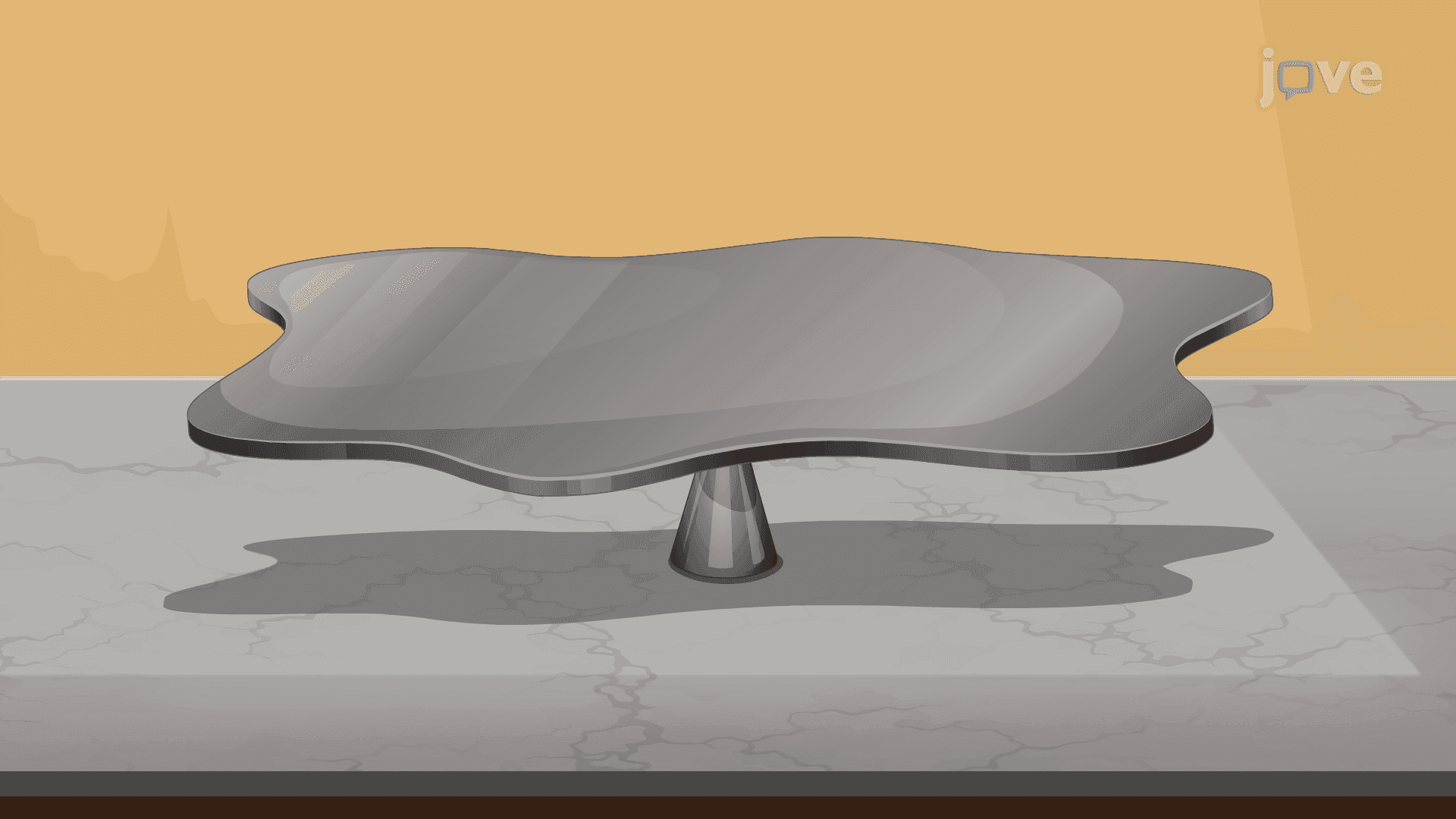
One of the most concrete US classroom examples involves calculating the mass of a thin flat material, sometimes called a lamina, whose density varies from point to point. Suppose the density function rho(x, y) describes how mass is distributed per unit area across the sheet. Integrating rho(x, y) with respect to y first gives the mass contribution of a thin horizontal strip. Then integrating those strip masses with respect to x gives the total mass of the entire sheet. This exact type of problem appears in college physics and engineering courses at institutions like MIT, Stanford, and state engineering programs nationwide.
The same logic extends to calculating center of mass using multiple integrals, where moment integrals are evaluated using the same iterated structure.
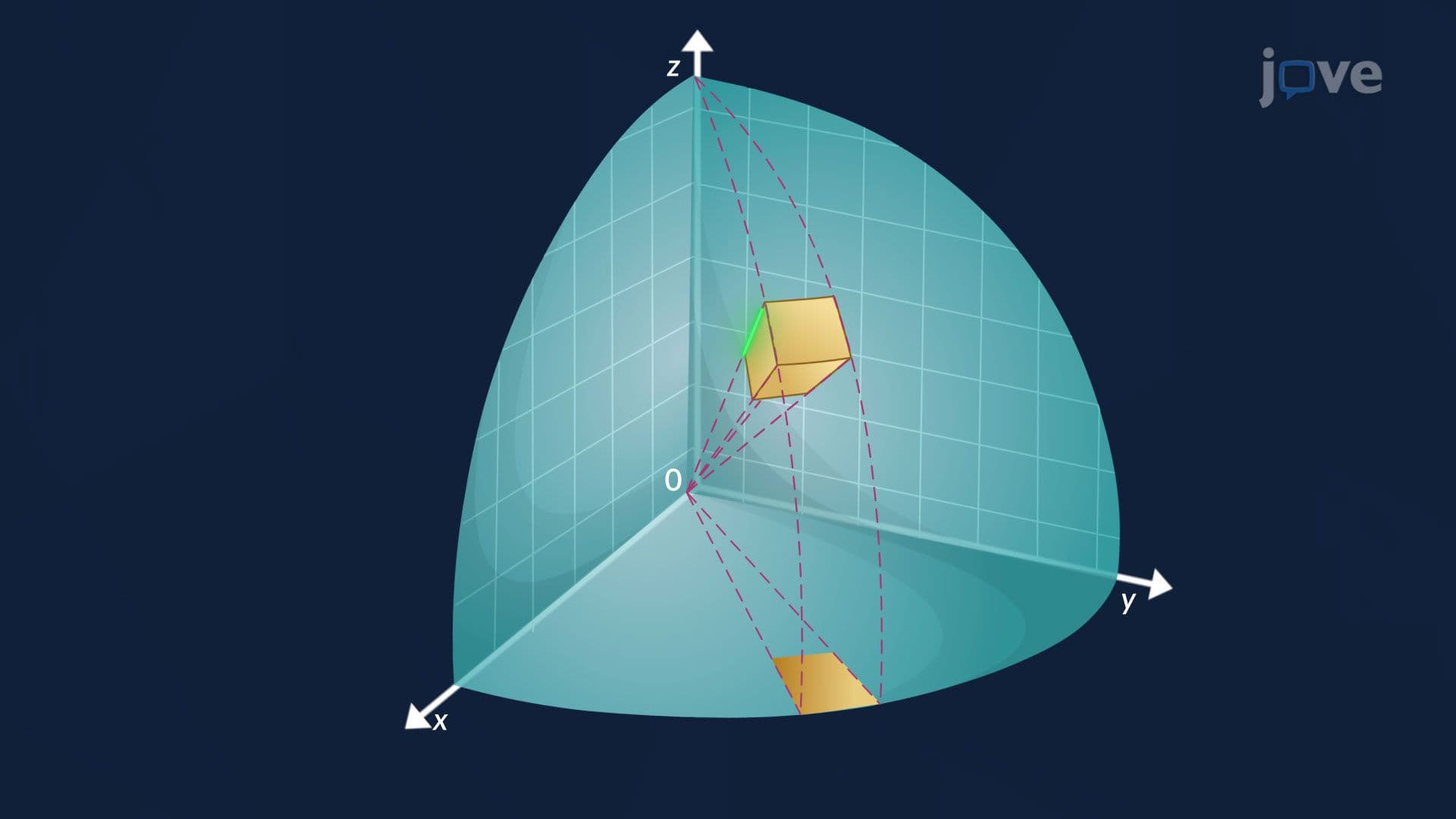
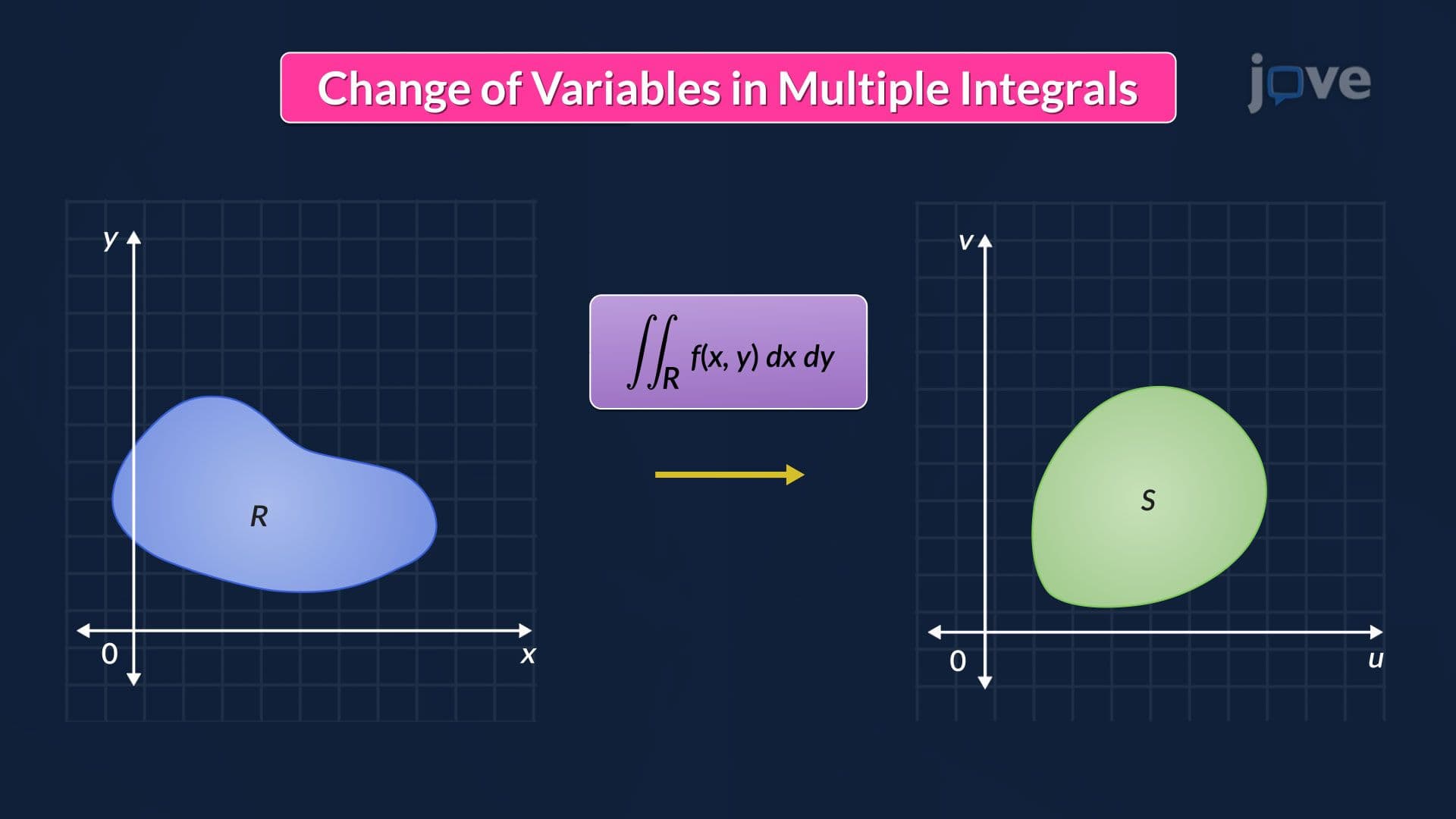
Mastering iterated integrals directly unlocks more advanced techniques. Triple integrals extend the same logic into three dimensions, essential for finding volumes and mass of three-dimensional solids. When regions are not rectangular, students must learn how to evaluate a double integral over a general region by adjusting the limits of integration to match the boundary curves. Polar coordinates integration and cylindrical and spherical coordinates reframe the same iterated structure in coordinate systems better suited to circular and spherical geometries. The Jacobian, a scaling factor, appears whenever coordinates are changed, and understanding iterated integrals is the prerequisite for grasping what the Jacobian in multiple integrals actually does.
Related Micro-courses