Loading video…


 17 Concepts
 107 views

Video Summary: Real Life Applications of Multiple Integrals Explained
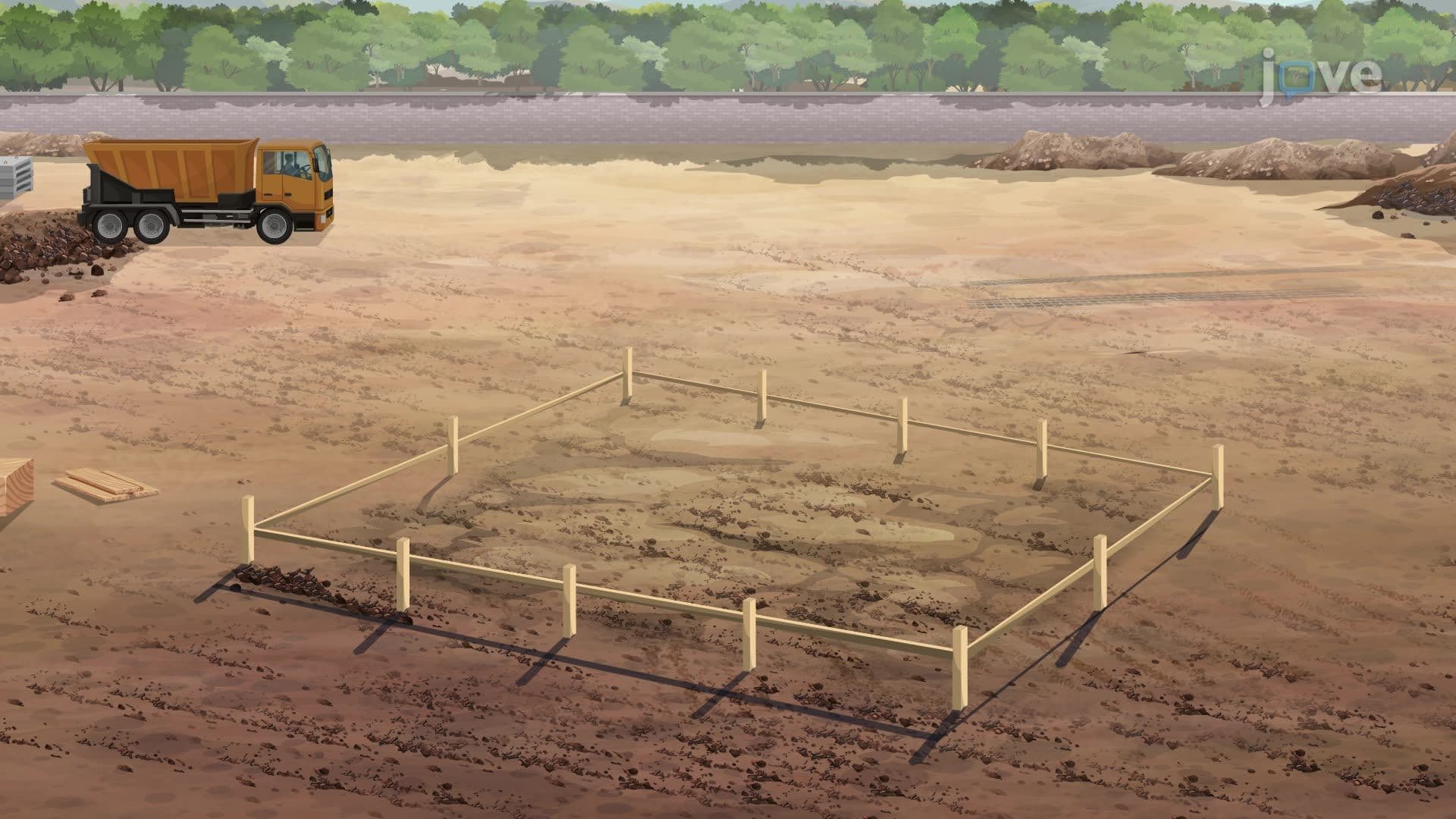
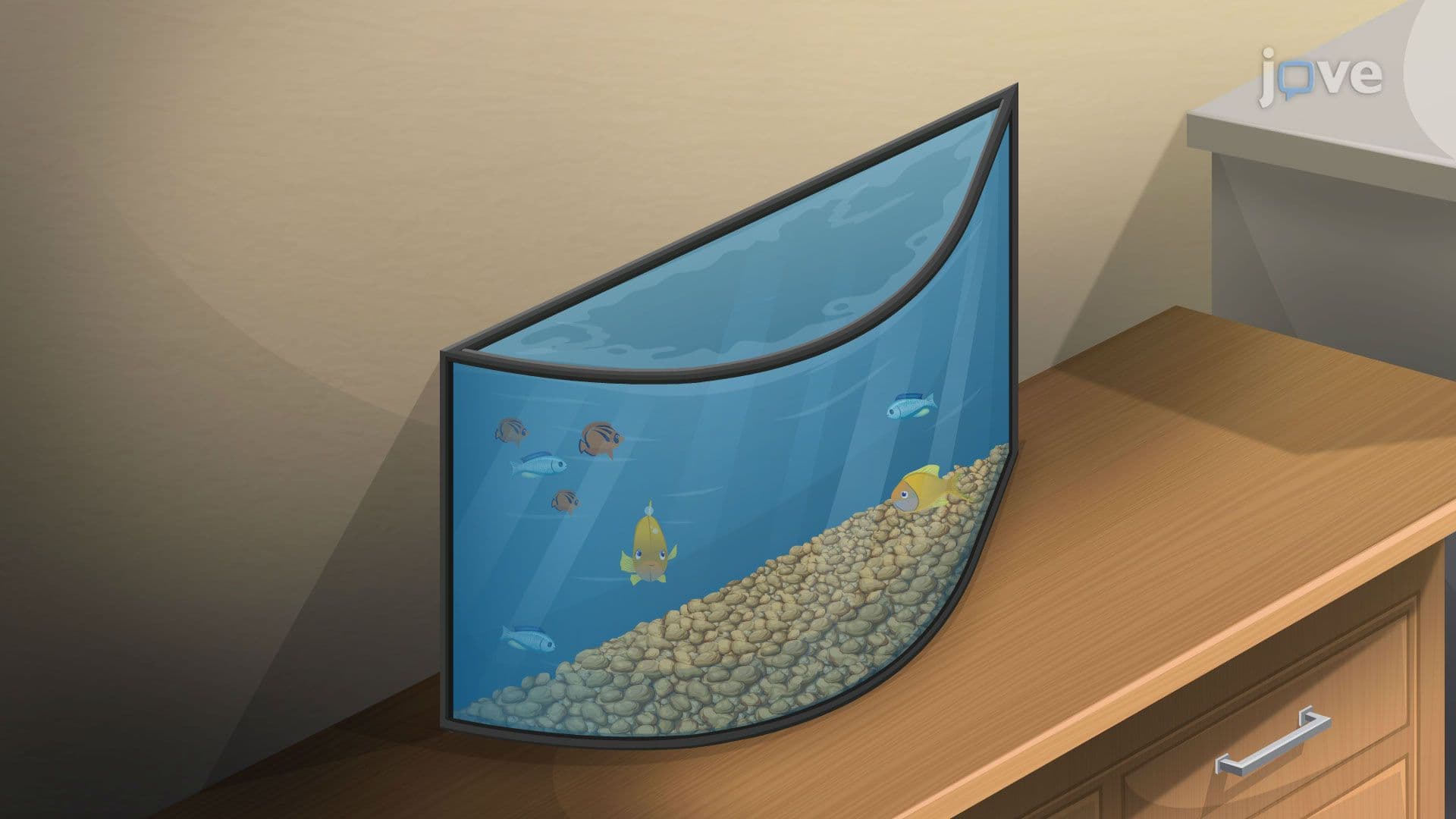
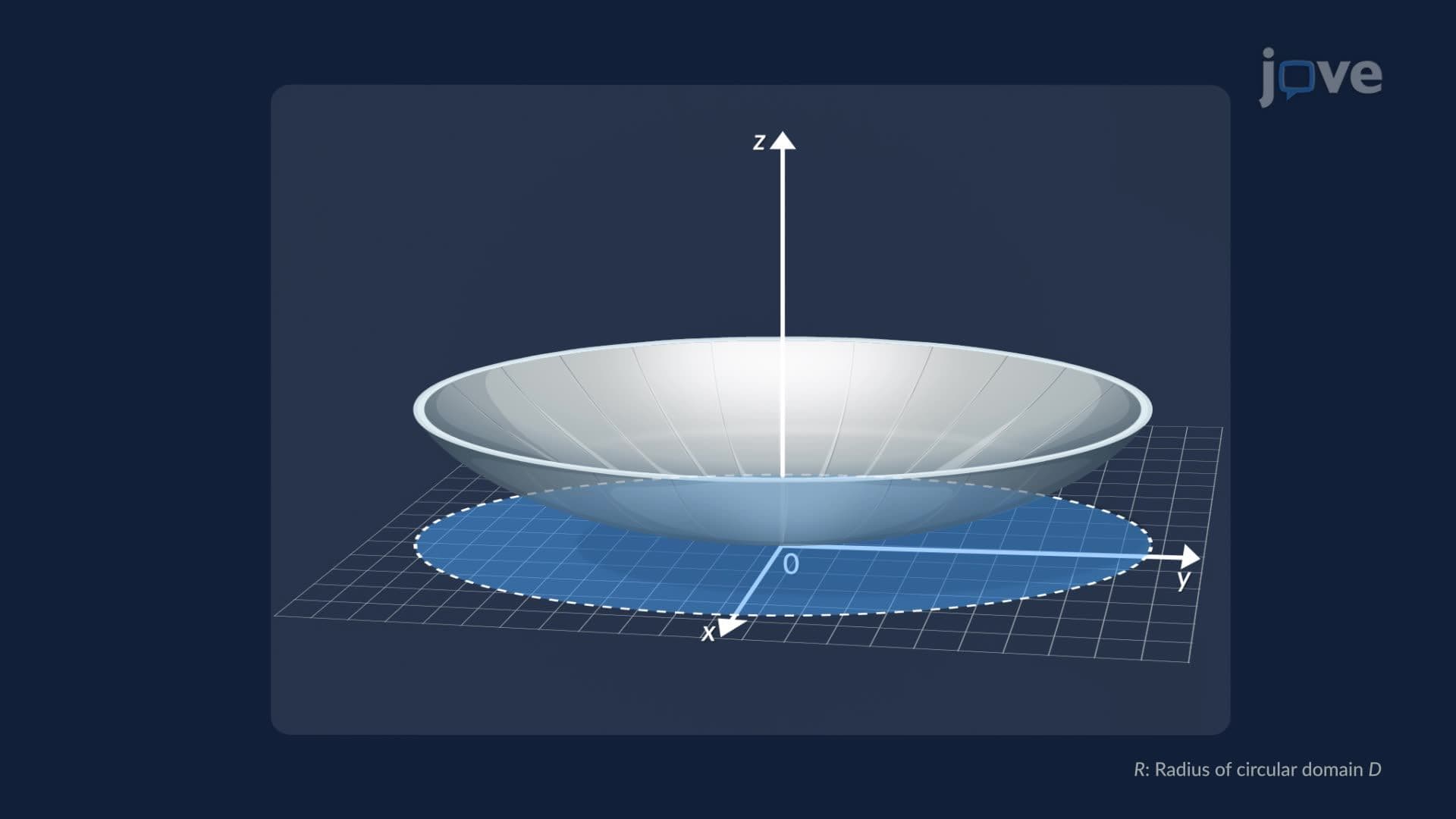
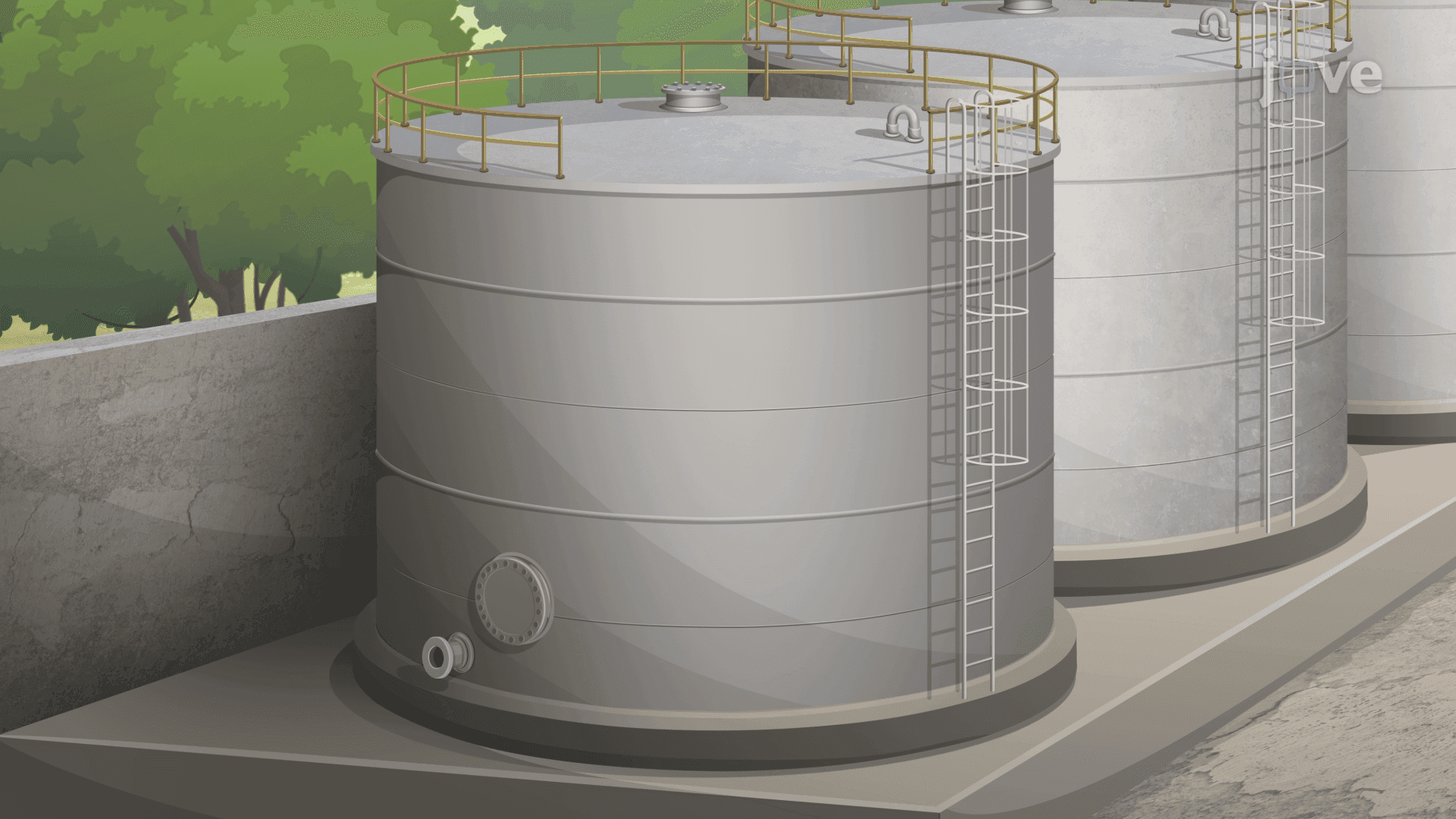
How do engineers design a curved water tank and know exactly how much water it holds? Real-life applications of multiple integrals make that possible. A classic US civil engineering example involves paraboloid-shaped reservoirs, where triple integrals in cylindrical coordinates calculate exact water volume across curved boundaries. Real-Life Applications of Multiple Integrals Explained breaks down this process visually and intuitively. Watch the full video on JoVE Coach to master this concept with expert-led visuals and step-by-step explanations.
Multiple integrals are one of the most powerful tools in calculus, allowing mathematicians, scientists, and engineers to calculate quantities across two- or three-dimensional regions. While single integrals measure area under a curve, double and triple integrals extend that idea into surfaces and volumes. Understanding real-life applications of multiple integrals basics helps students see why these techniques matter far beyond a college exam.
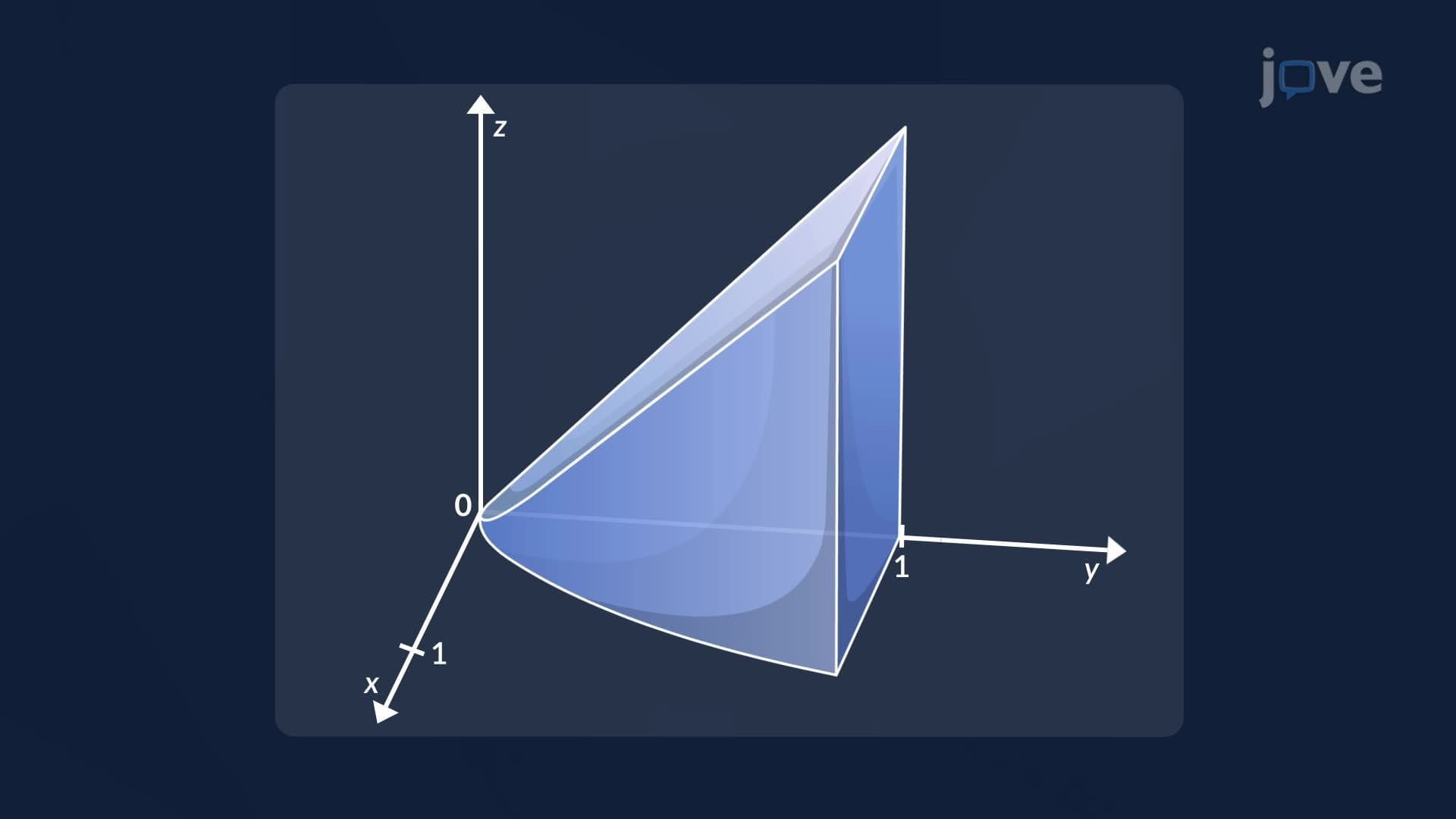
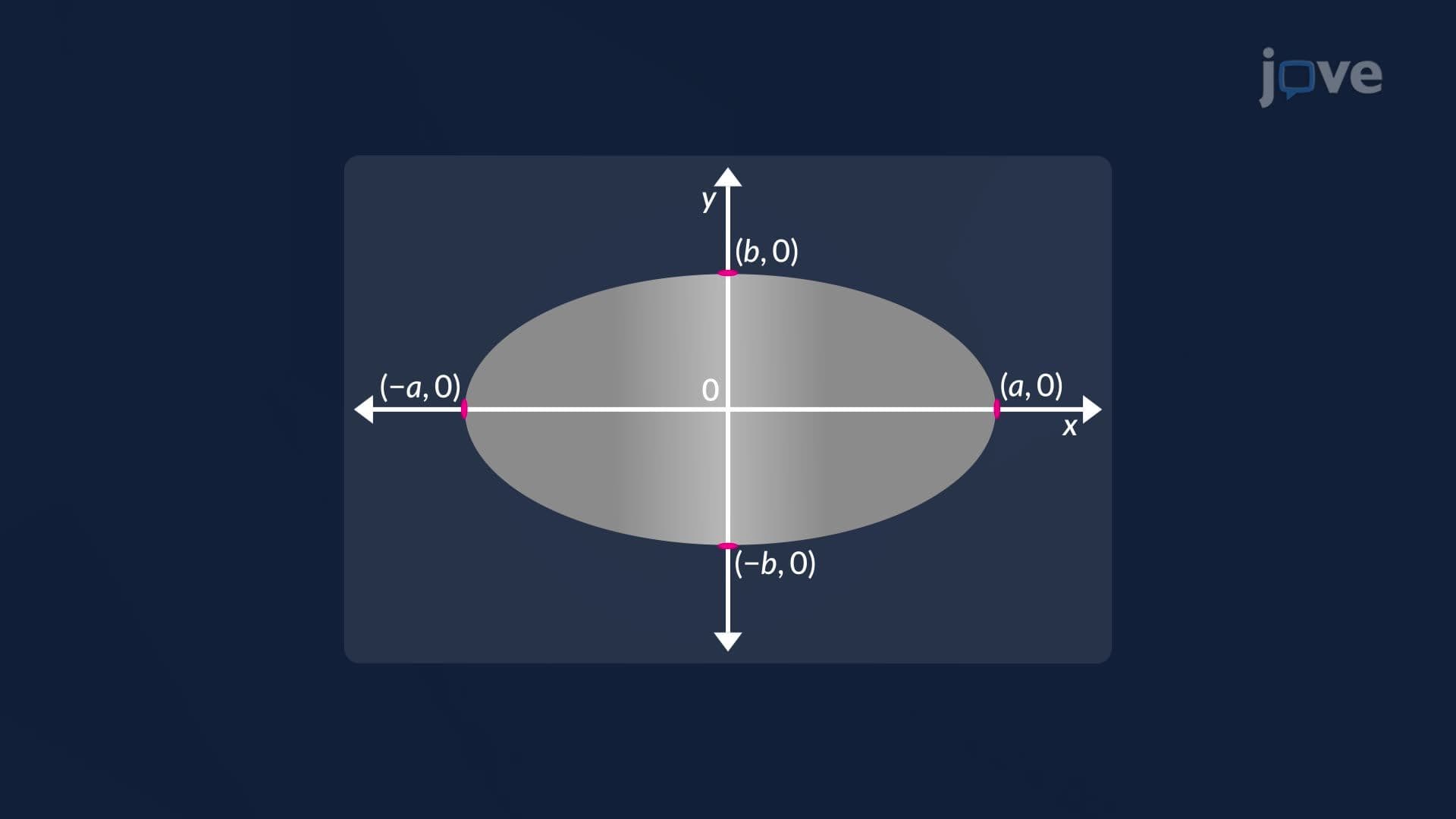
A double integral integrates a function f(x, y) over a two-dimensional region, commonly used to find surface area, total mass of a flat plate, or accumulated rainfall across a geographic zone. A triple integral extends this to three dimensions, integrating f(x, y, z) over a solid volume.
The key idea behind iterated integrals is that you evaluate one variable at a time, treating the others as temporarily constant. For example, to find the volume of water in a paraboloid tank with depth 4 meters and top diameter 4 meters, you integrate first with respect to z (from the paraboloid surface z = r² up to the flat top z = 4), then with respect to r (from 0 to 2), and finally with respect to theta (from 0 to 2π). This step-by-step process is the foundation of how to solve multiple integrals across nearly every STEM application.
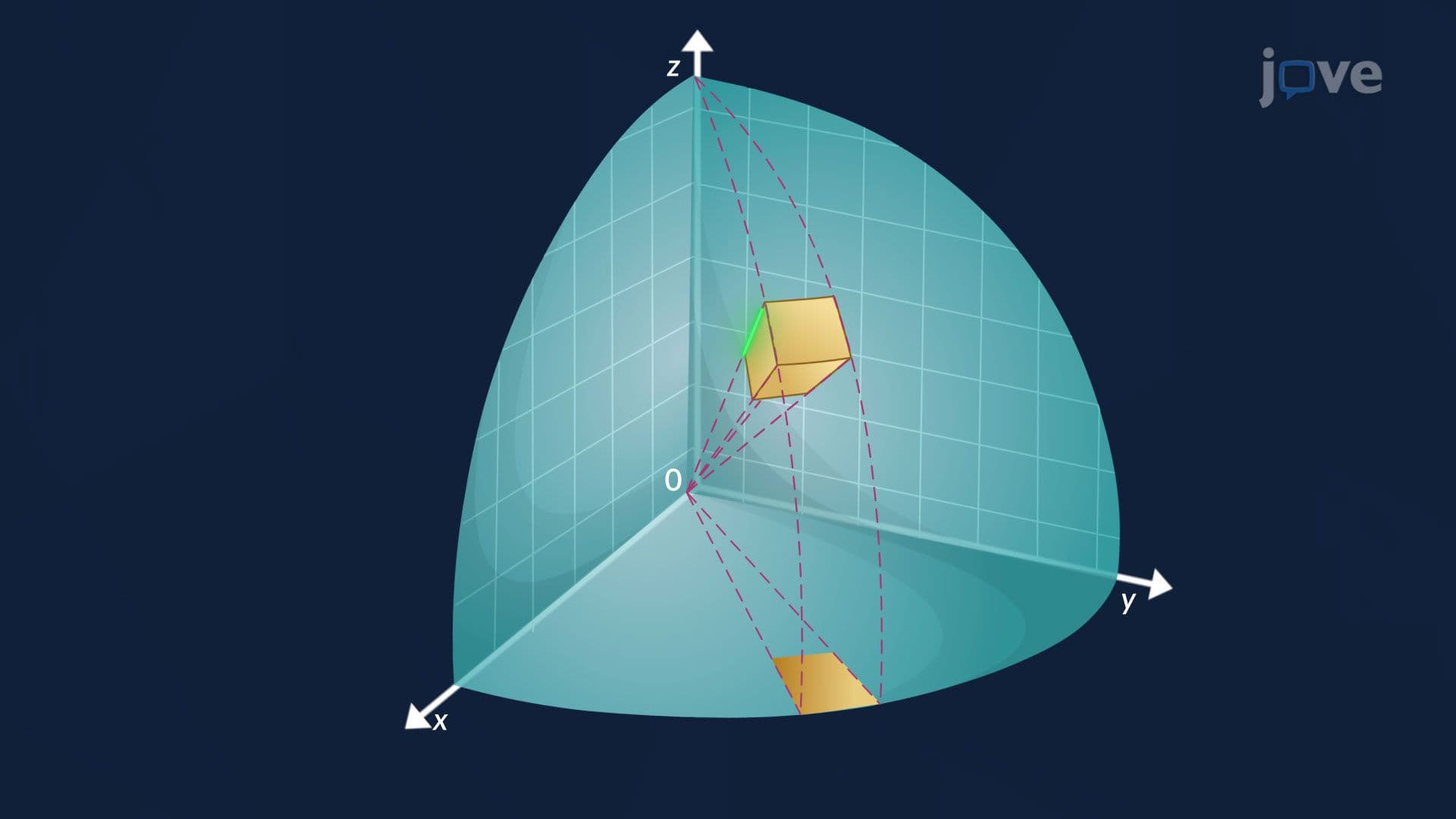
Rectangular coordinates (x, y, z) become cumbersome when dealing with curved solids like tanks, planets, or blood vessels. Cylindrical coordinates (r, theta, z) replace x and y with a radial distance and angle, making circular cross-sections much easier to integrate. Spherical coordinates go further, using two angles and one radial distance, ideal for problems involving spheres or cones.
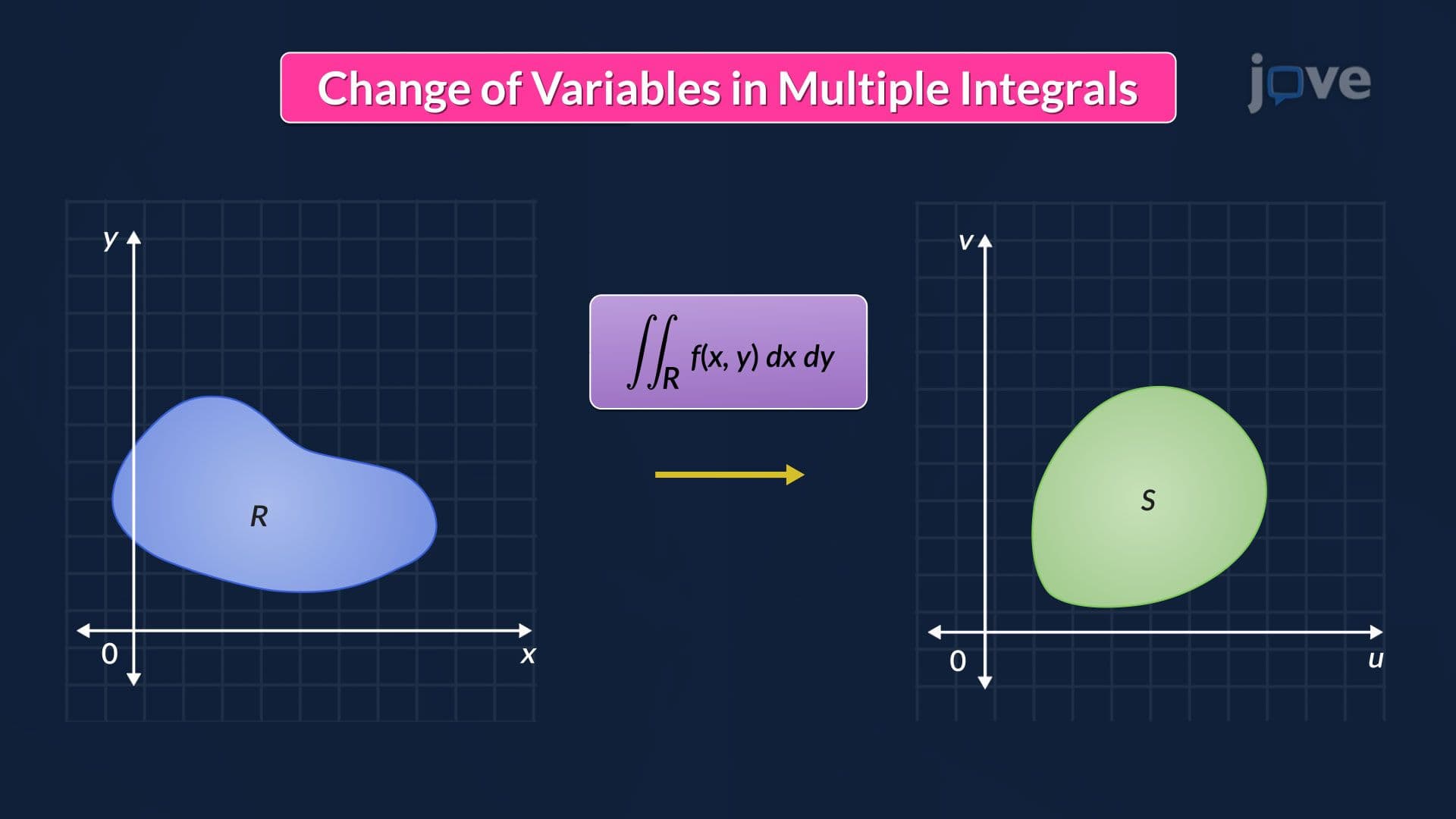
A critical detail when switching coordinate systems is the Jacobian, which is a scaling factor that adjusts the volume element. In cylindrical coordinates, the Jacobian equals r, so the volume element becomes r dr dθ dz. In spherical coordinates, it becomes r²sin(phi). Forgetting the Jacobian is one of the most common errors students make on AP Calculus BC and college midterm exams. Think of it as a correction factor that keeps the geometry honest when the coordinate grid stretches or compresses.
Calculating volume with double integrals is a foundational skill. Integrating the function f(x, y) = 1 over a region simply returns the area or volume of that region. When the function represents density, the integral returns total mass, a principle used in structural engineering and materials science across US industries.
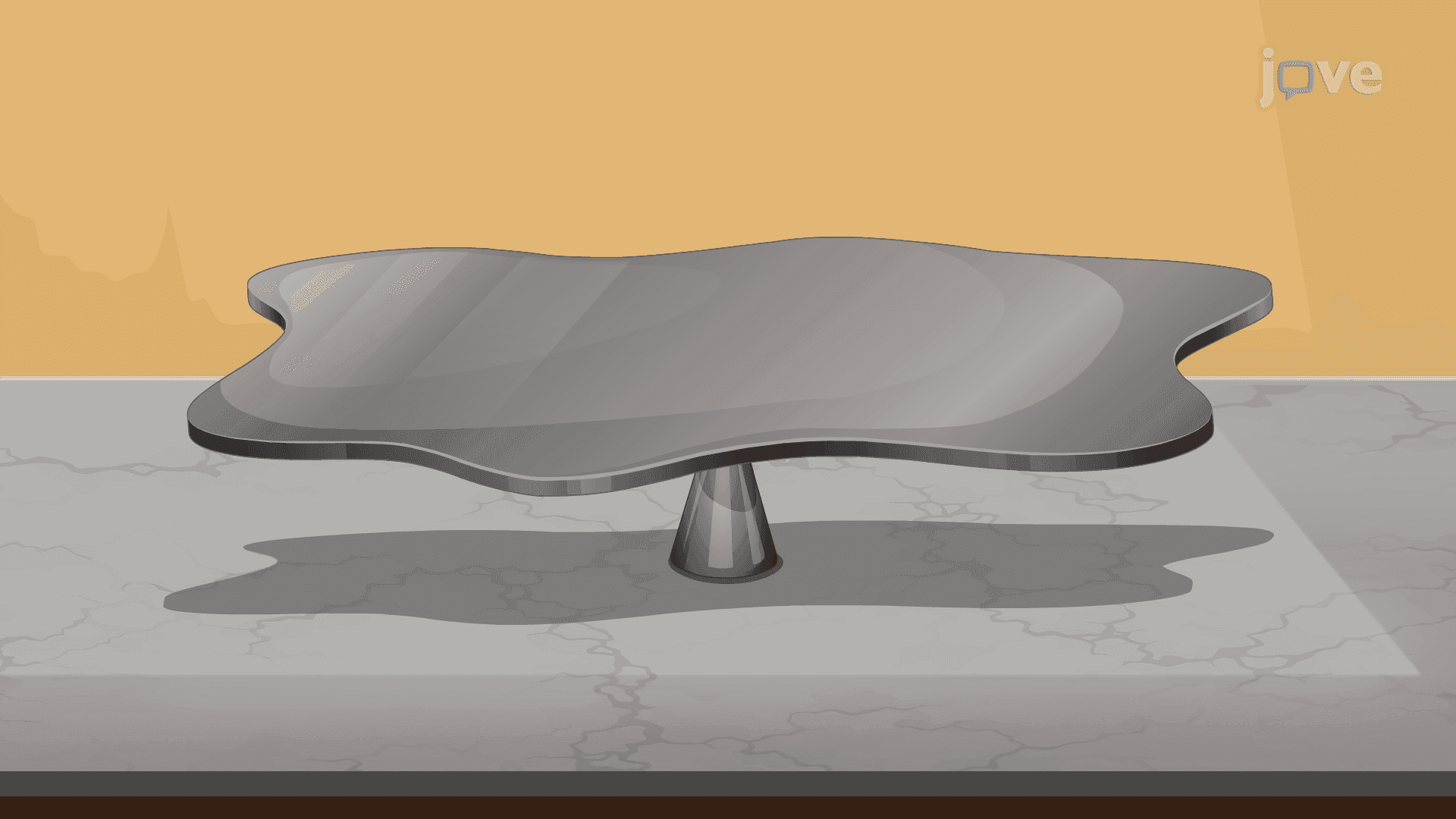
Center of mass using multiple integrals applies directly in aerospace engineering. NASA engineers calculating the center of mass of a fuel tank use triple integrals weighted by density functions. In a college physics or multivariable calculus course, students set up these integrals by dividing the solid into infinitesimal volume elements, multiplying by position and density, and integrating over the full solid.
Polar coordinates integration is also foundational for evaluating double integrals over circular regions. When a region has circular symmetry, switching to polar form (x = r·cos(theta), y = r·sin(theta)) can transform a difficult Cartesian integral into a straightforward iterated one.
Multiple integrals appear in AP Calculus BC, college-level Calculus III (Multivariable Calculus), and engineering courses nationwide. On the AP exam, students are expected to set up and evaluate double integrals over general regions. College midterms often test the ability to convert integrals between coordinate systems using the Jacobian. Physics and engineering programs at US universities, from MIT to UCLA, use triple integrals in thermodynamics, fluid mechanics, and electromagnetism. Mastering the setup and evaluation of iterated integrals is not just an academic milestone; it is a professional skill used every day in technical fields.
Related Micro-courses