Loading video…

 17 Concepts
 107 views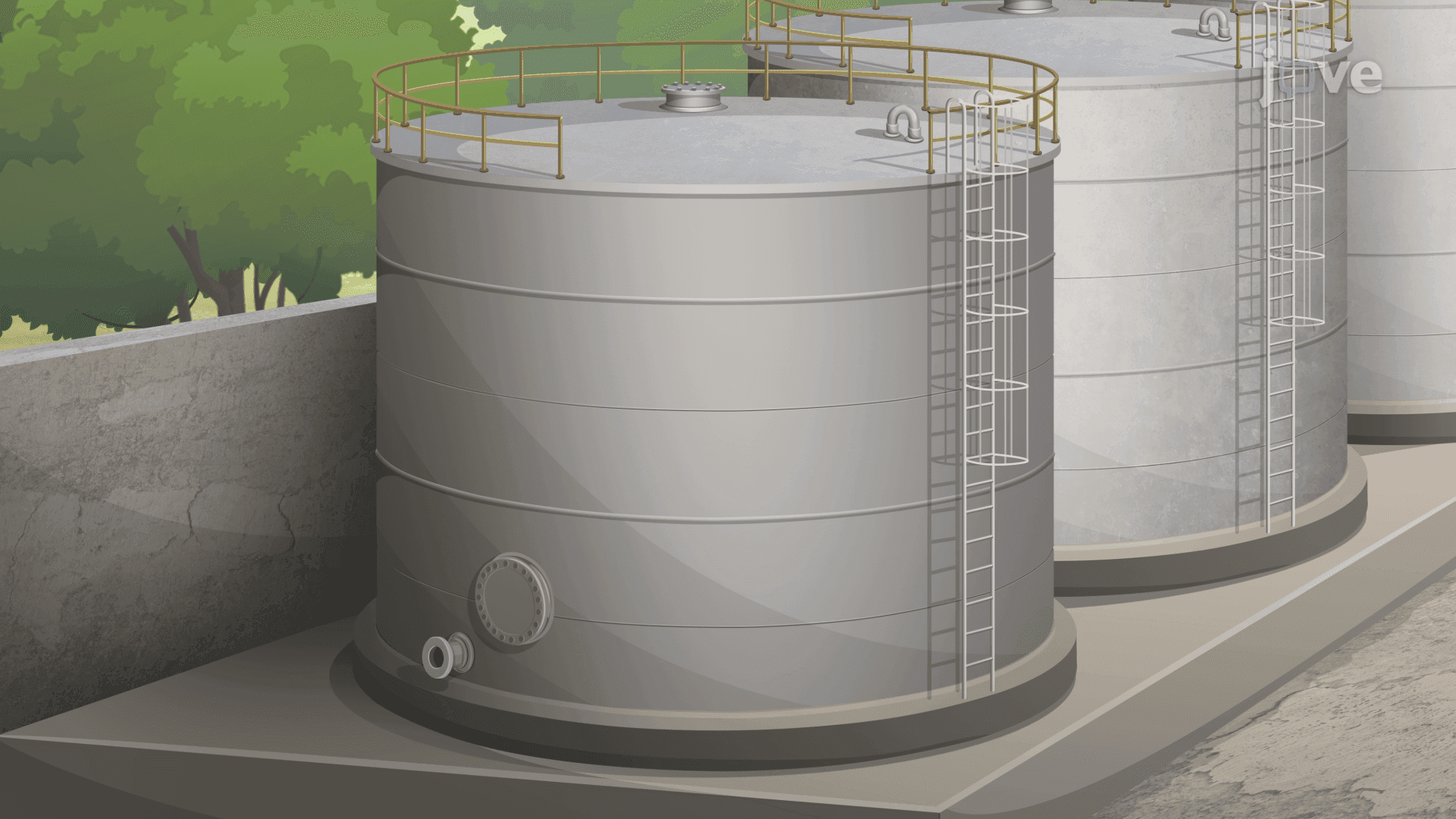

Video Summary: Triple Integrals in Cylindrical Coordinates Explained
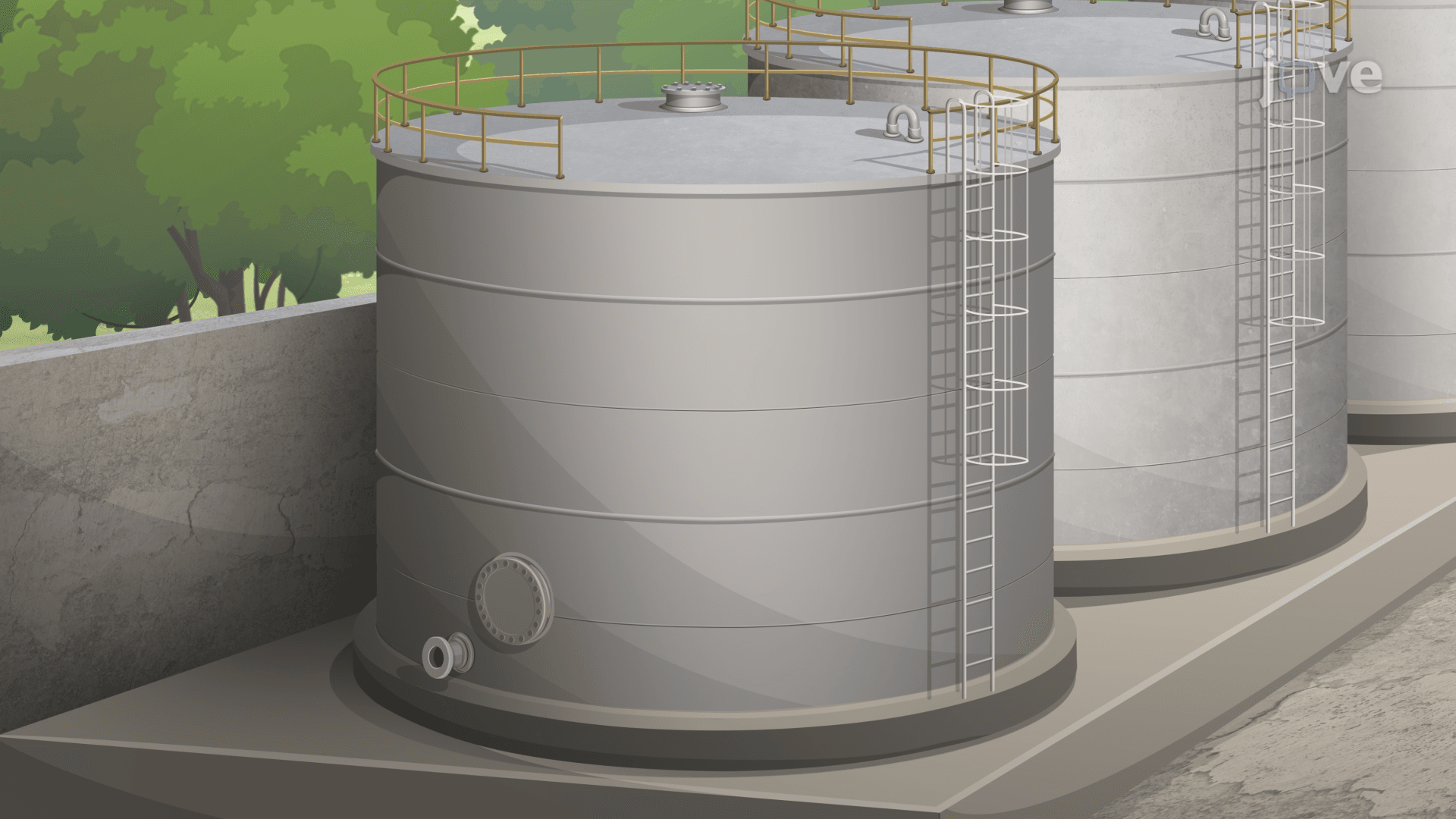
How do engineers design massive cylindrical storage tanks used across US oil refineries and water treatment plants? Understanding triple integrals in cylindrical coordinates unlocks the math behind these real-world structures. Triple Integrals in Cylindrical Coordinates Explained reveals how converting x and y into radial and angular components transforms complex 3D volume problems into elegant, solvable integrals. Watch the full video on JoVE Coach to master this concept with expert-led visuals and step-by-step explanations.
Triple integrals in cylindrical coordinates are one of the most powerful tools in multivariable calculus for solving real-world volume and mass problems involving circular or rotational symmetry. Standard Cartesian coordinates (x, y, z) work well for rectangular shapes, but they become cumbersome when dealing with cylinders, cones, or any region that naturally wraps around an axis. Cylindrical coordinates solve this by describing a point P in 3D space using the ordered triple (r, θ, z), where r is the radial distance from the z-axis, θ is the angle from the positive x-axis in the xy-plane, and z is the vertical height. This coordinate system is essentially polar coordinates in the xy-plane, extended upward into three dimensions.
The bridge between coordinate systems lies in three fundamental relationships: x = r·cos(θ), y = r·sin(θ), and z = z. These conversions allow you to rewrite any function f(x, y, z) in terms of r, θ, and z. The critical addition, one students frequently overlook, is the Jacobian factor, r, which must be included in the volume element. In Cartesian coordinates, the volume element is dx·dy·dz. In cylindrical coordinates, it becomes r·dr·dθ·dz. This extra r accounts for the fact that arc length increases with radial distance, and omitting it is one of the most common errors on college calculus exams and AP Calculus BC free-response questions.
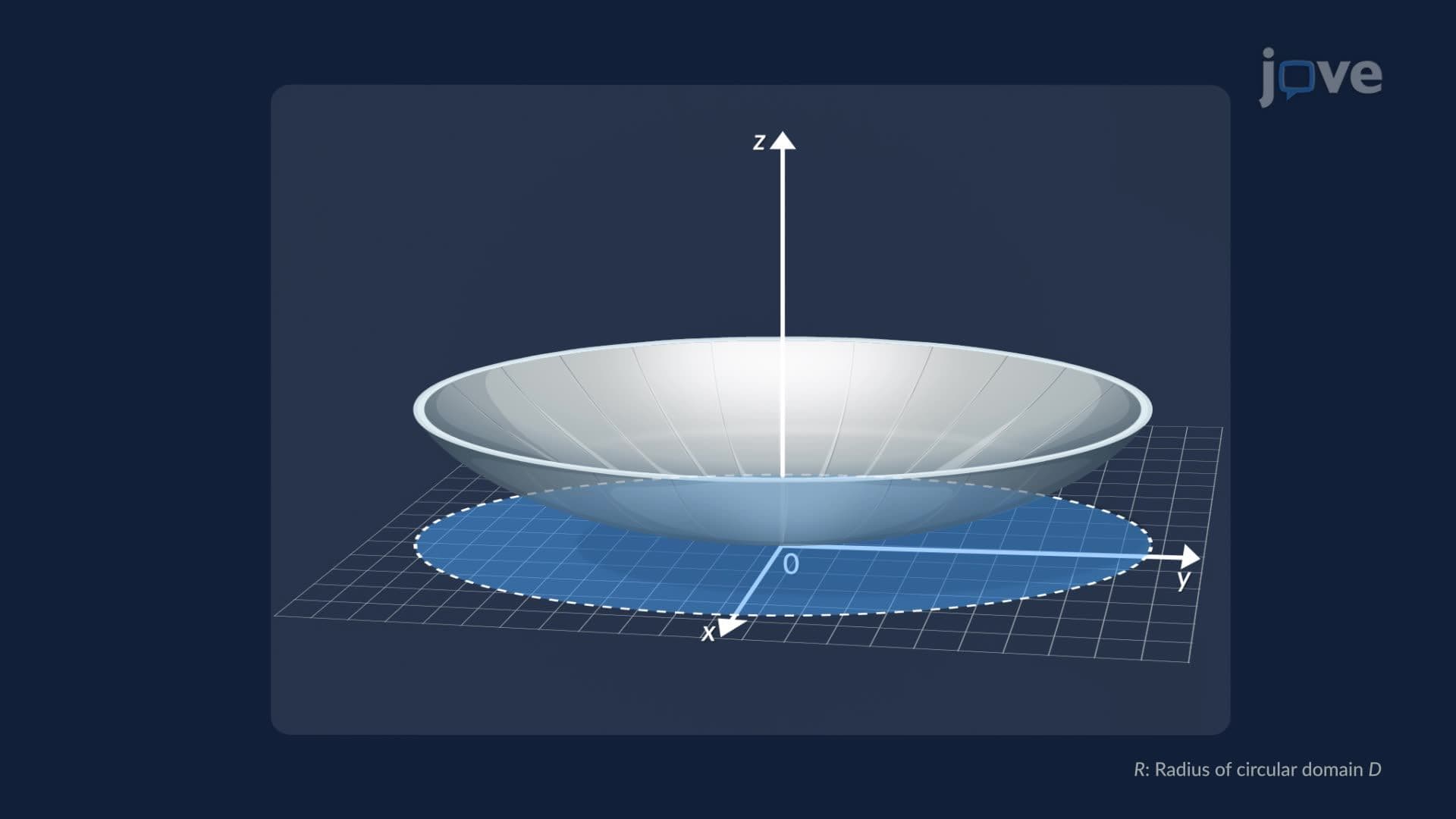
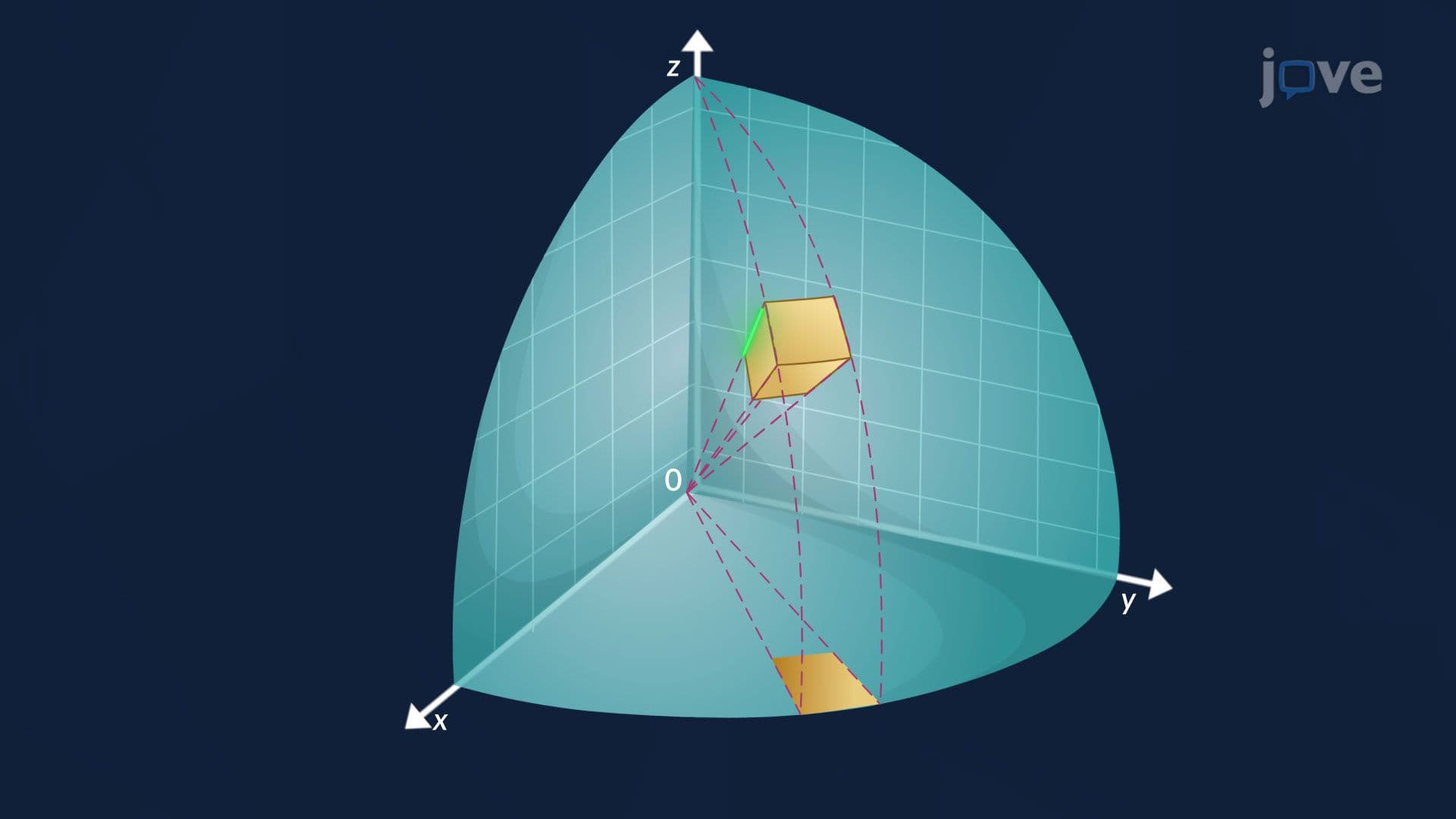
Visualizing the geometry makes this concept far more intuitive. When a cylindrical region is divided into tiny pieces, each piece resembles a curved wedge. Its three dimensions are: a small change in height (Δz), a small change in radius (Δr), and a small arc segment equal to r·Δθ. The approximate volume of one wedge is therefore r·Δr·Δθ·Δz. Summing all these wedge volumes produces a Riemann sum, and as each wedge shrinks toward zero, this sum converges to the triple integral: ∫∫∫ f(r, θ, z) · r dr dθ dz. This derivation connects directly to the formal definition of integration and is frequently tested in college Calculus III (Multivariable Calculus) courses at universities such as MIT OpenCourseWare-aligned programs across the US.
One of the clearest applications is computing the volume of a cylindrical storage tank, a structure found at facilities like the US Strategic Petroleum Reserve in Texas and Louisiana. Setting the limits of integration as z from 0 to h (height), r from 0 to R (outer radius), and θ from 0 to 2π (full rotation), the triple integral evaluates to π·R²·h, exactly the familiar cylinder volume formula. Beyond simple volumes, engineers use cylindrical coordinate triple integrals to calculate the mass of cylindrical components with variable density, the center of mass of rotating machine parts, and fluid volumes in pipeline systems. In physics, this technique appears in problems involving electric flux through cylindrical Gaussian surfaces, commonly encountered in university-level Physics II courses across the US.
Related Micro-courses