Loading video…

 17 Concepts
 107 views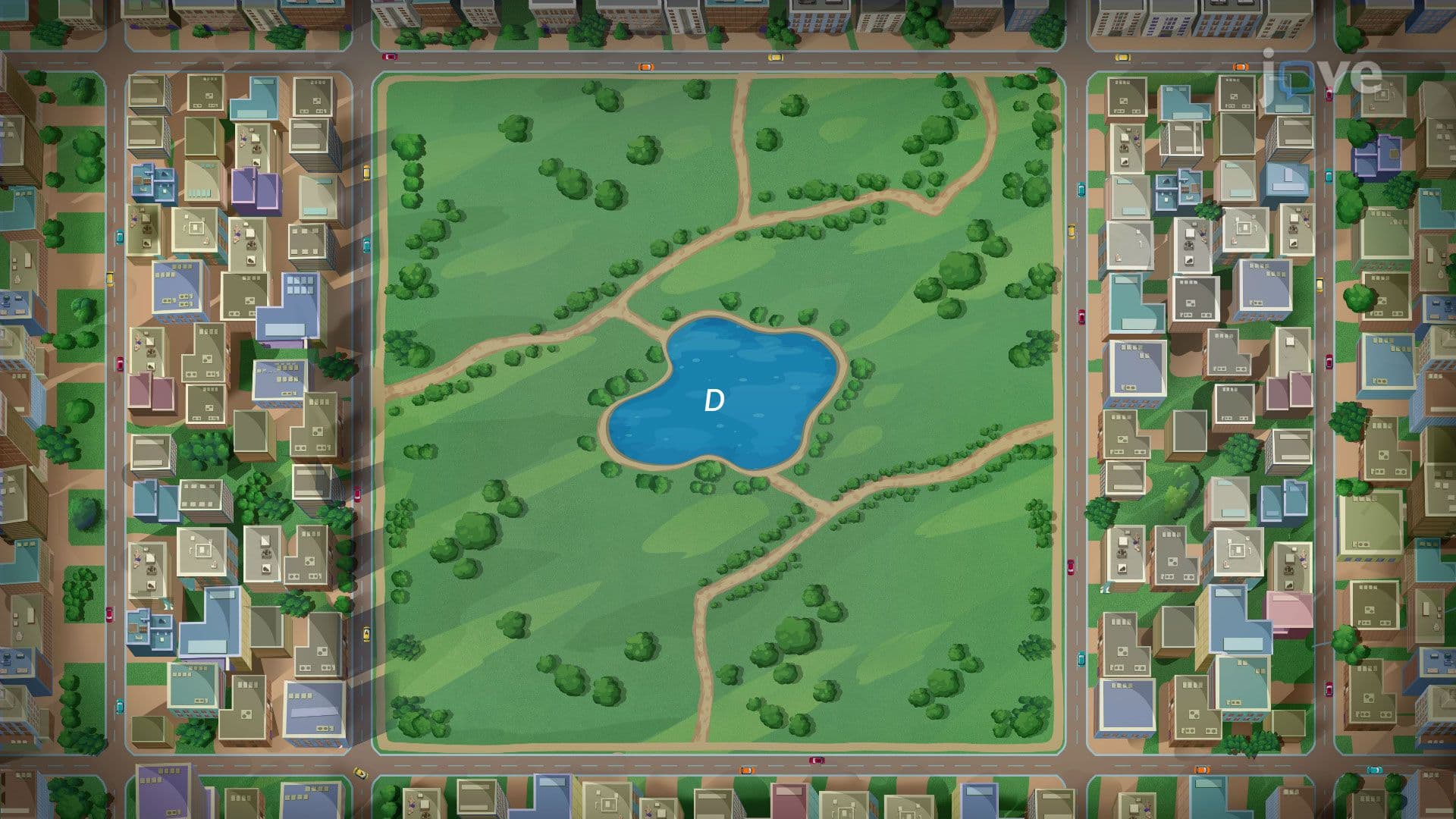

Video Summary: Double Integrals Over General Regions Explained
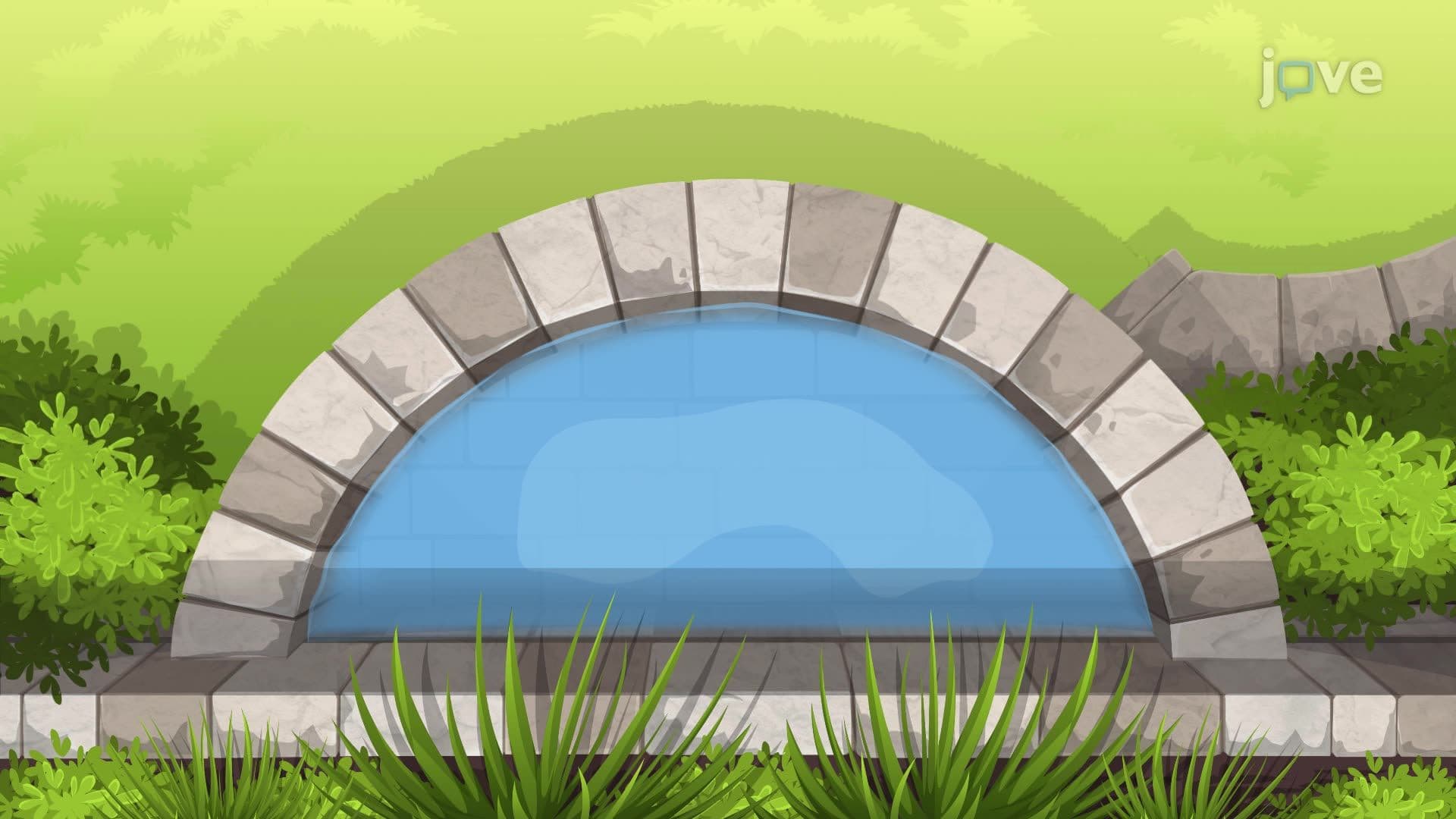
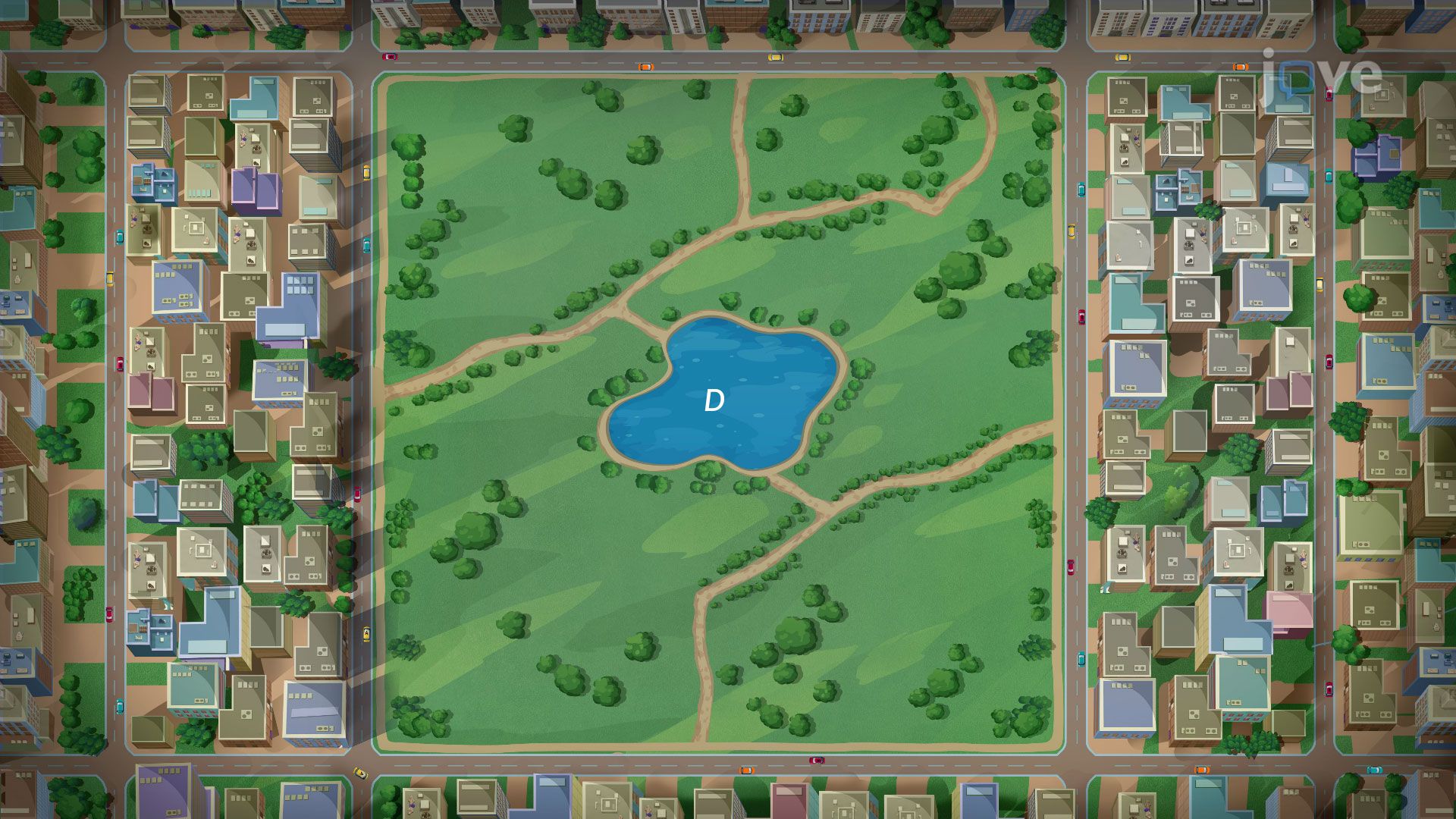
Did you know that calculating the volume of an irregularly shaped lake in a US national park requires the same math used to model weather systems? Double integrals over general regions make this possible. By extending integration beyond neat rectangles into curved, real-world boundaries, this concept unlocks powerful problem-solving tools. Watch the full video on JoVE Coach to master this concept with expert-led visuals and step-by-step explanations.
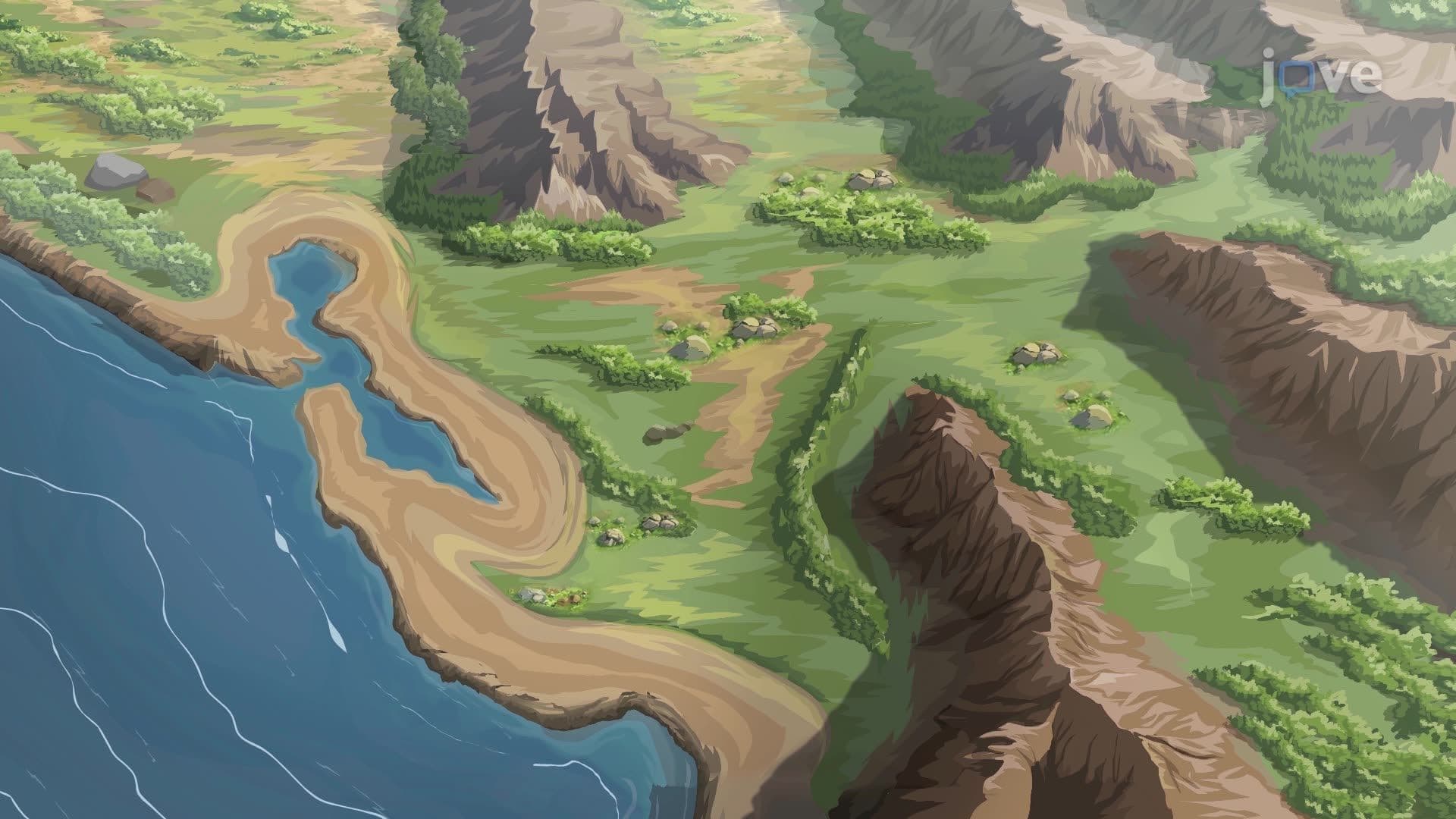
Most introductory calculus courses begin double integration over simple rectangular regions, clean, constant bounds that make setup straightforward. But real-world shapes are rarely rectangles. A river basin in Colorado, a wildlife refuge boundary in Florida, or the cross-section of an aircraft wing all have curved, irregular edges. Double integrals over general regions provide the mathematical framework to handle exactly these situations, and they are a cornerstone of multivariable calculus courses at US colleges and universities.
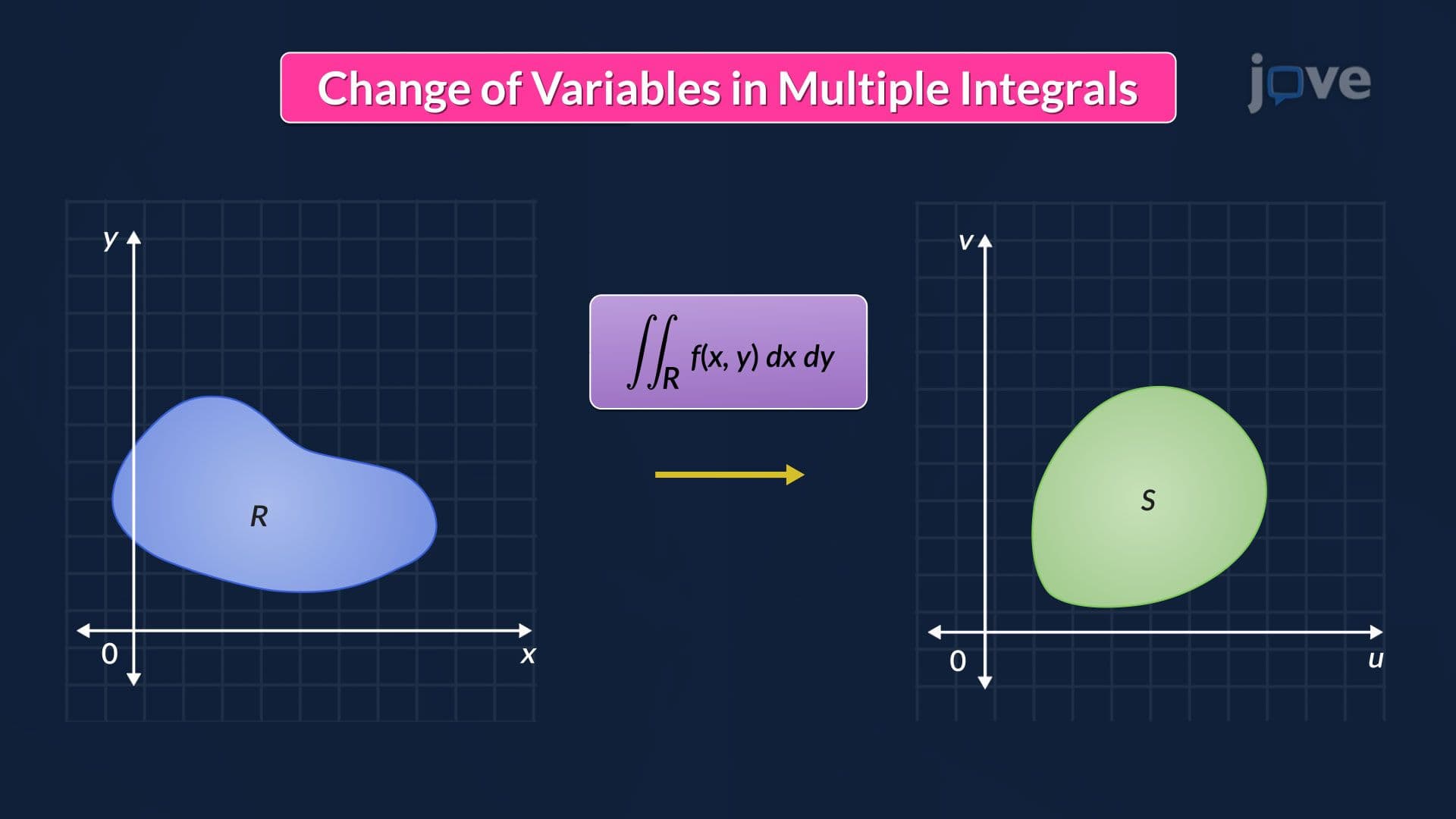
The key insight is elegant: instead of trying to integrate directly over a complicated shape, mathematicians define a new function that matches the original function inside the region of interest and equals zero everywhere outside it. This transforms a complex irregular domain into a manageable rectangular one, without distorting the answer. The double integral over the irregular region equals the double integral of this extended function over the enclosing rectangle. This technique allows standard iterated integral methods to apply universally.
Correctly classifying a region before integrating saves significant time, especially on college midterms and AP Calculus BC free-response questions.
Some regions can be described either way. Choosing the simpler description, fewer curves, simpler algebra, is a practical strategy that reduces computational errors. For instance, integrating over a quarter-circle in the first quadrant is often cleaner as a Type I region because the upper boundary y = sqrt(1 - x²) is a single, familiar function.
Once the region type is identified, the bounds of the inner integral become functions rather than constants. In a Type I setup, the inner integral runs from the lower curve to the upper curve, both expressed as functions of x. After evaluating the inner integral (treating x as a constant), the result is a function of x alone, which is then integrated over the constant outer limits. This two-stage process is what makes the iterated integral so powerful: it reduces a two-dimensional problem into two successive one-dimensional problems.
This structure directly prepares students for more advanced topics. Polar coordinate integration, cylindrical and spherical coordinates, Jacobian transformations, and center of mass calculations using multiple integrals all rely on the same foundational logic of variable-limit iterated integrals established here.
On AP Calculus BC exams and college-level Calculus III midterms, double integral problems over general regions commonly appear in free-response sections. Students are expected to sketch the region, correctly identify its type, write variable bounds, and evaluate the integral, all as a connected process. In engineering programs at schools like MIT, Georgia Tech, and Purdue, these integrals appear in fluid dynamics, heat transfer modeling, and structural load calculations. Understanding this concept is not just an academic exercise, it is foundational to applied mathematics in the physical sciences.
Related Micro-courses