Loading video…

 17 Concepts
 107 views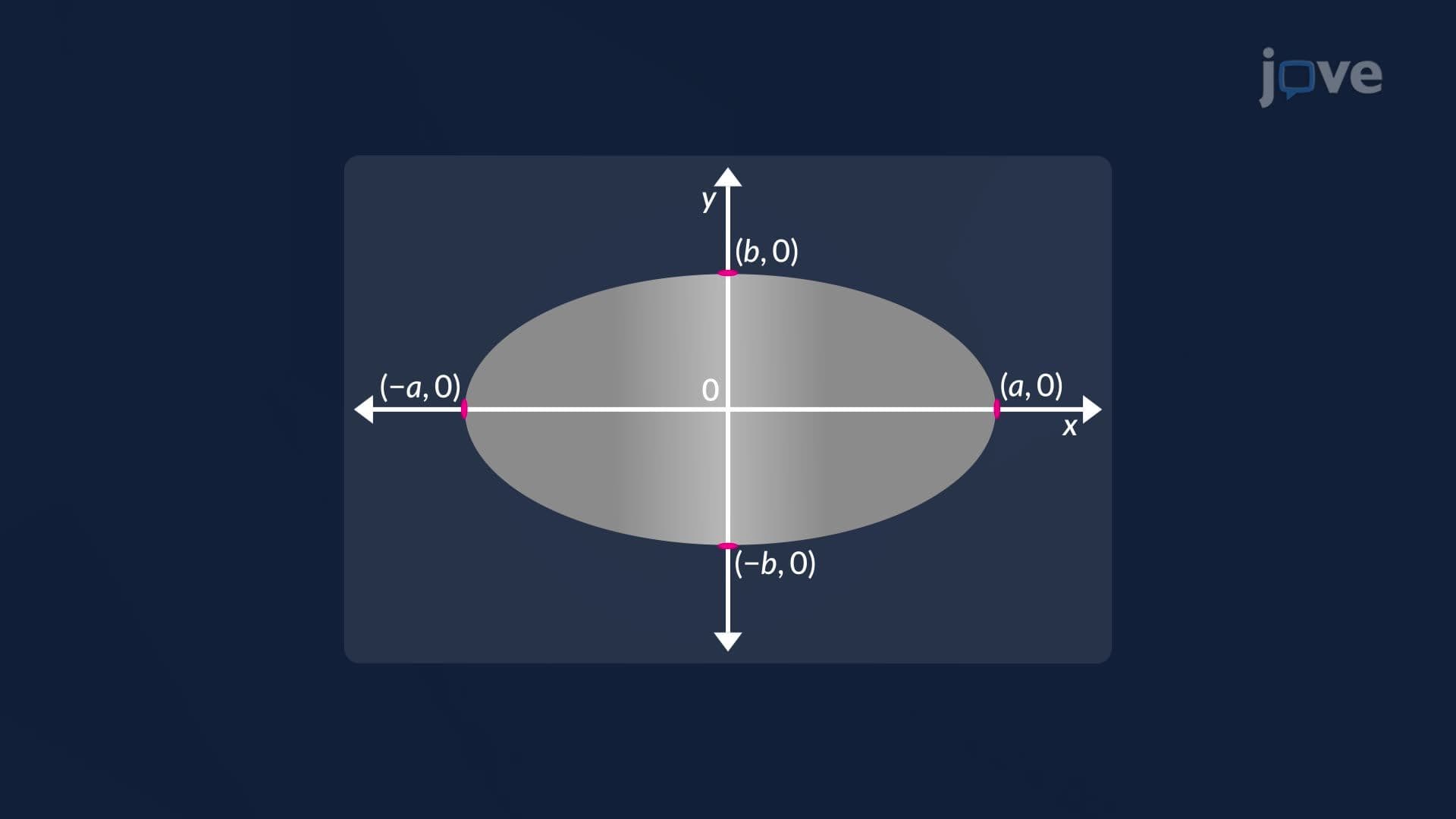

Video Summary: What are Substitutions in Multiple Integrals
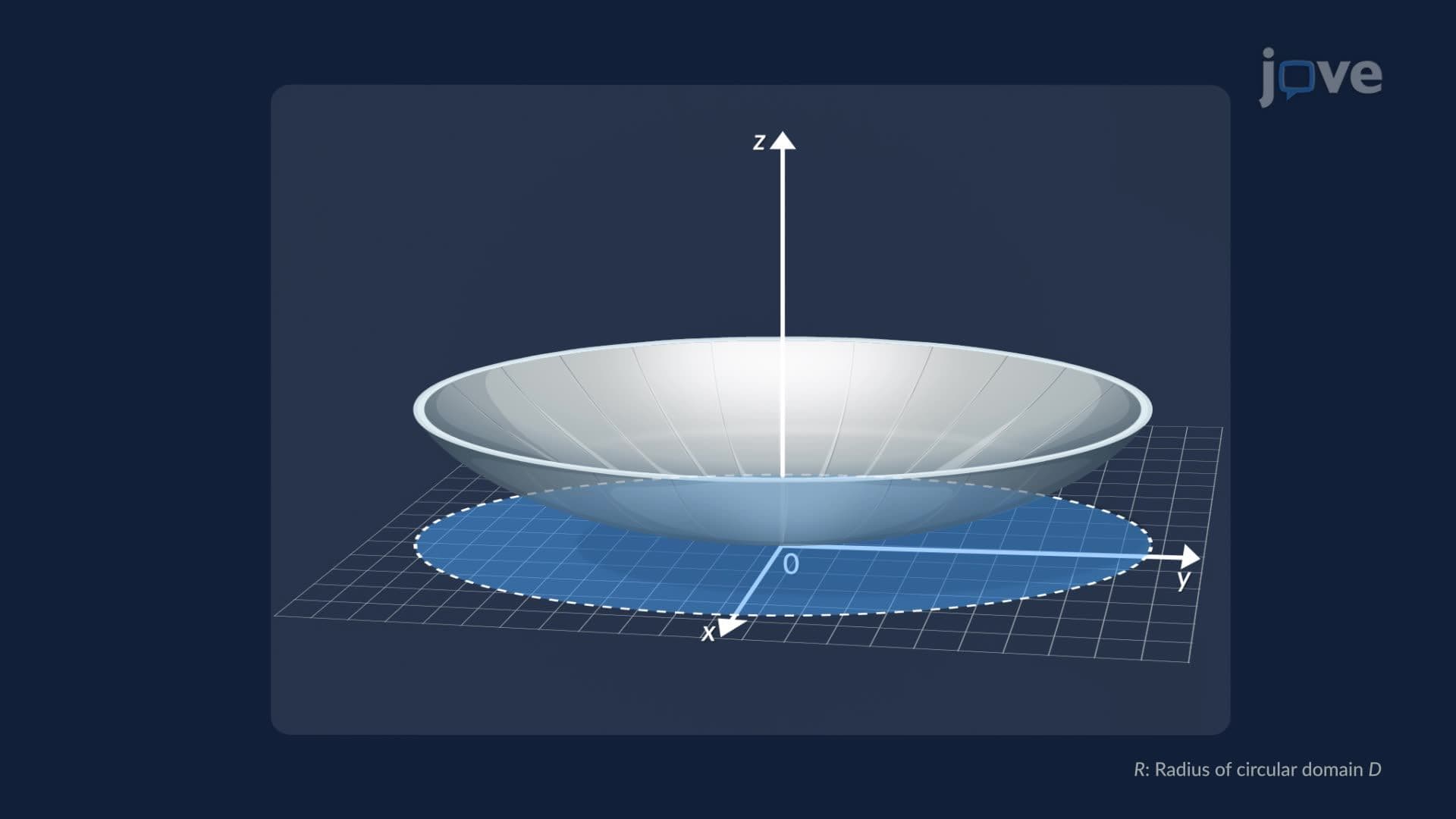
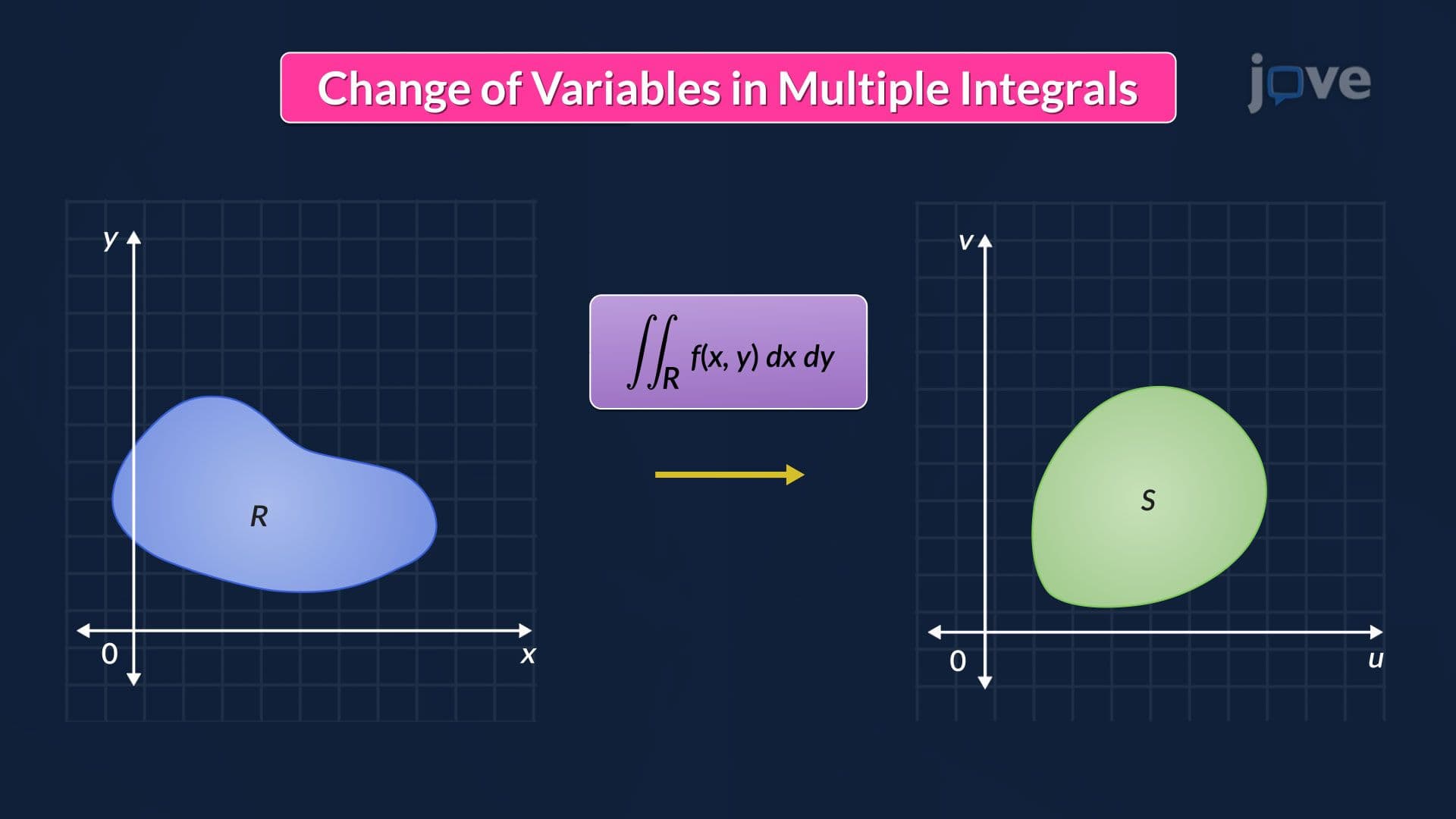
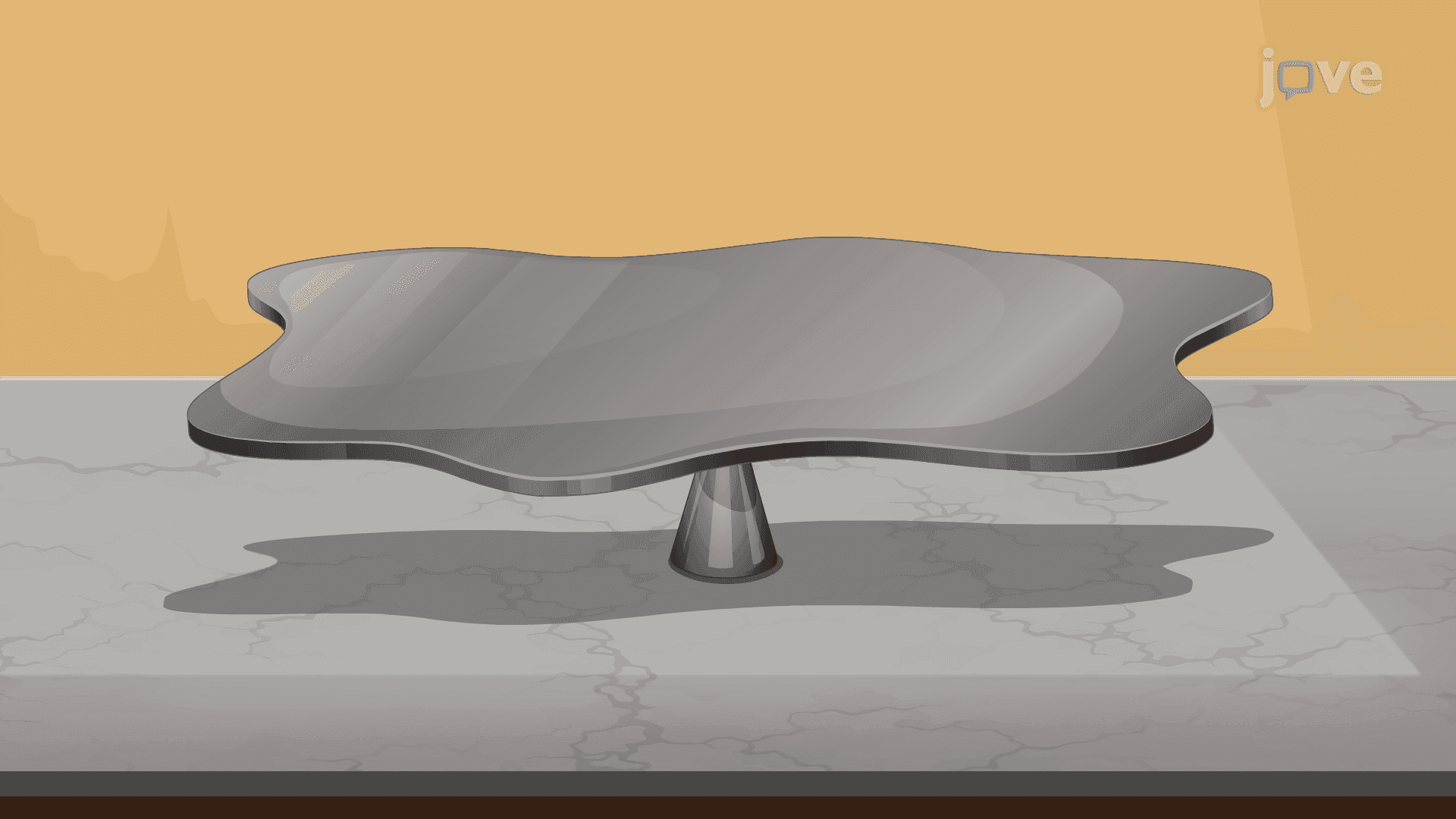
Did you know that calculating the total mass of an elliptical NASA heat shield requires integrating over a curved, irregular boundary? Substitutions in multiple integrals make that possible. This technique-also called a change of variables-transforms complex elliptical or irregular regions into simpler circular or rectangular ones, making integration far more manageable. Watch the full video on JoVE Coach to master this concept with expert-led visuals and step-by-step explanations.
Substitutions in multiple integrals are a powerful calculus technique that simplifies the evaluation of double or triple integrals by replacing one coordinate system with another. Just as *u*-substitution in single-variable calculus replaces a complicated expression with a simpler variable, a change of variables in multiple integrals transforms a complicated region of integration into a more geometrically friendly shape. This strategy is essential in college-level calculus courses-particularly Calculus III (Multivariable Calculus)-and shows up frequently in physics and engineering applications across US universities.
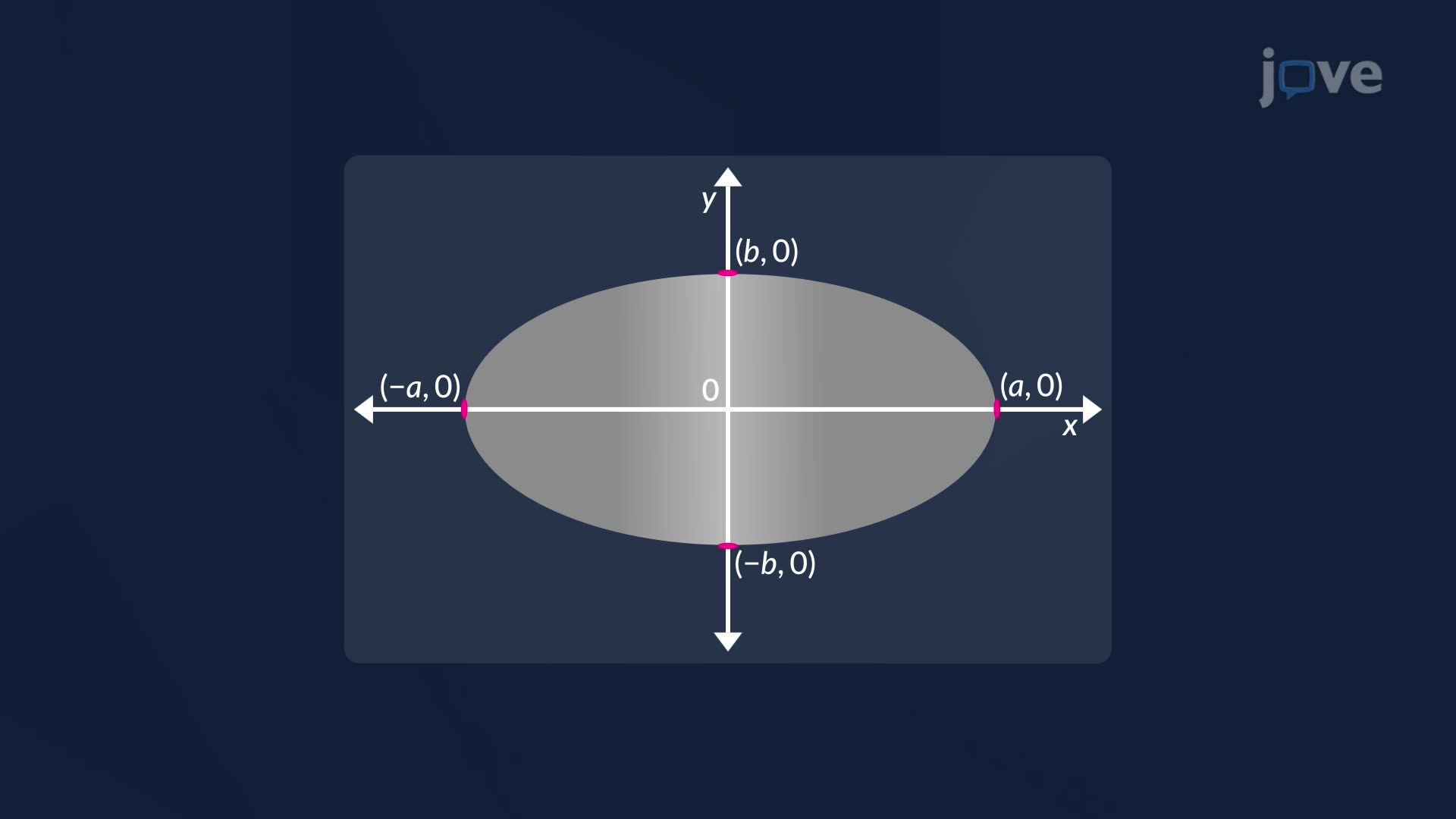
When integrating over regions bounded by circles, ellipses, or other curved shapes, rectangular (Cartesian) coordinates often produce messy limits of integration involving square root expressions. For example, integrating a density function over an elliptical plate to find its total mass leads to limits like y = ±b√(1 − x²/a²), which are extremely difficult to work with directly. These complicated boundaries make the iterated integrals nearly impossible to evaluate by hand, motivating the need for a strategic change of variables.
The key to making any change of variables work correctly is the Jacobian. When you substitute x = au and y = bv to map an ellipse onto a unit circle, you are stretching and compressing the coordinate grid. The Jacobian-written as J(u, v) = ∂(x, y) on ∂(u, v)-measures how area elements scale under this transformation. For the ellipse-to-circle substitution, the Jacobian equals *ab*, which means the area element *dA* in rectangular coordinates becomes *ab · du dv* in the new system. Forgetting the Jacobian is one of the most common errors students make on college midterms and AP Calculus BC problems involving coordinate transformations.
Once the region is a unit circle, a second substitution into polar coordinates (u = r cos θ, v = r sin θ) simplifies integration further. This introduces a second Jacobian factor of *r*, giving a final area element of *ab · r · dr dθ*. The limits become the clean constants r ∈ [0, 1] and θ ∈ [0, 2π], making the integral straightforward to evaluate.
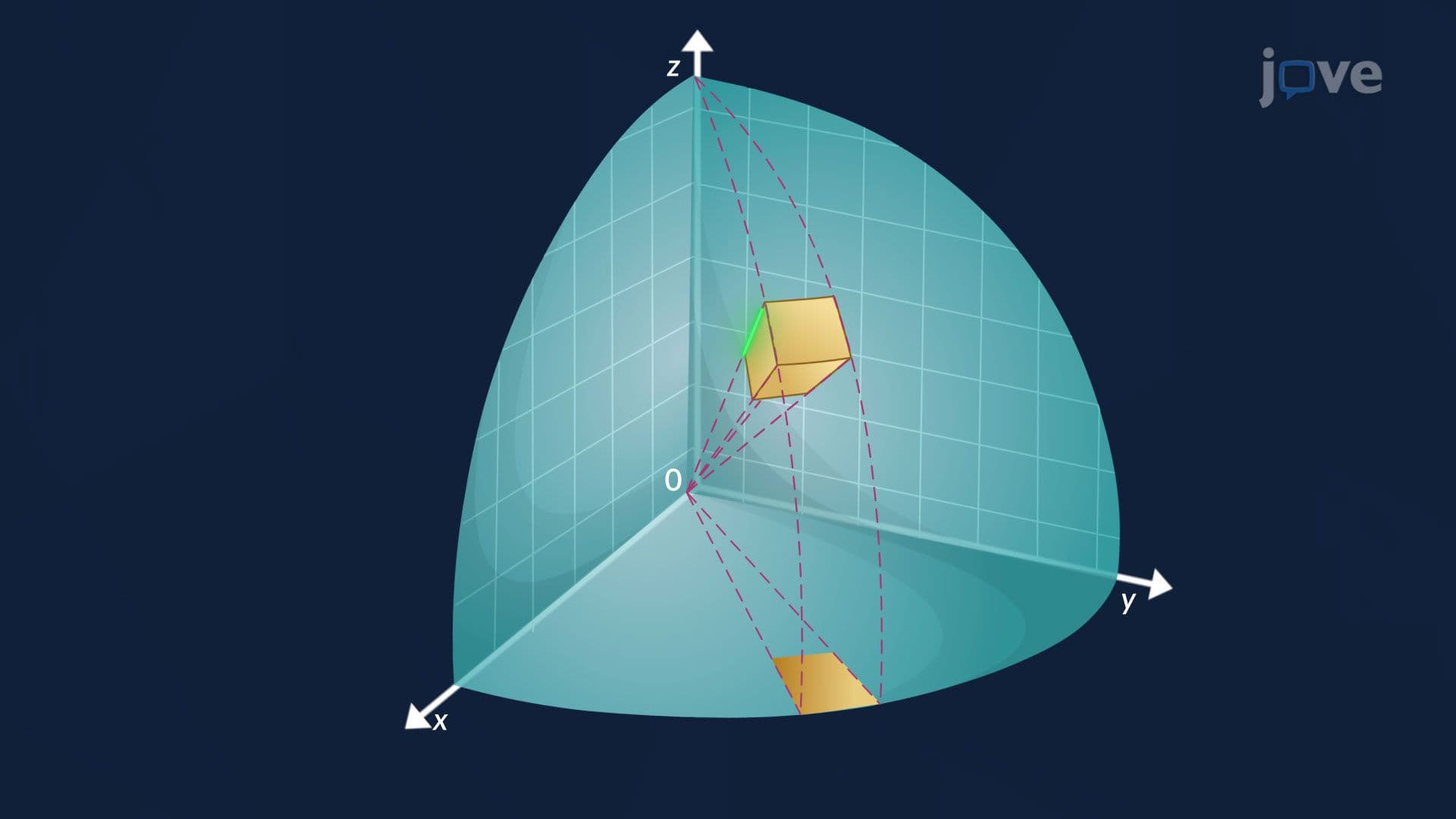
Substitutions in multiple integrals are not just abstract math-they power real calculations in US science and engineering fields. Aerospace engineers at organizations like NASA use double and triple integrals with coordinate transformations to compute mass distributions and moments of inertia for components with non-rectangular shapes. Medical physicists use polar and cylindrical coordinate integration when modeling radiation dose distributions over circular tumor cross-sections. In structural engineering, calculating the center of mass of an irregularly shaped beam requires the same change-of-variables logic applied to triple integrals in cylindrical or spherical coordinates. Understanding how to evaluate a double integral over a general region using substitution is also a critical skill tested in college-level physics (including MCAT prep) and forms the conceptual foundation for topics like divergence theorems and surface integrals in upper-division math courses.
Related Micro-courses