Loading…
Loading video…

135,520 views
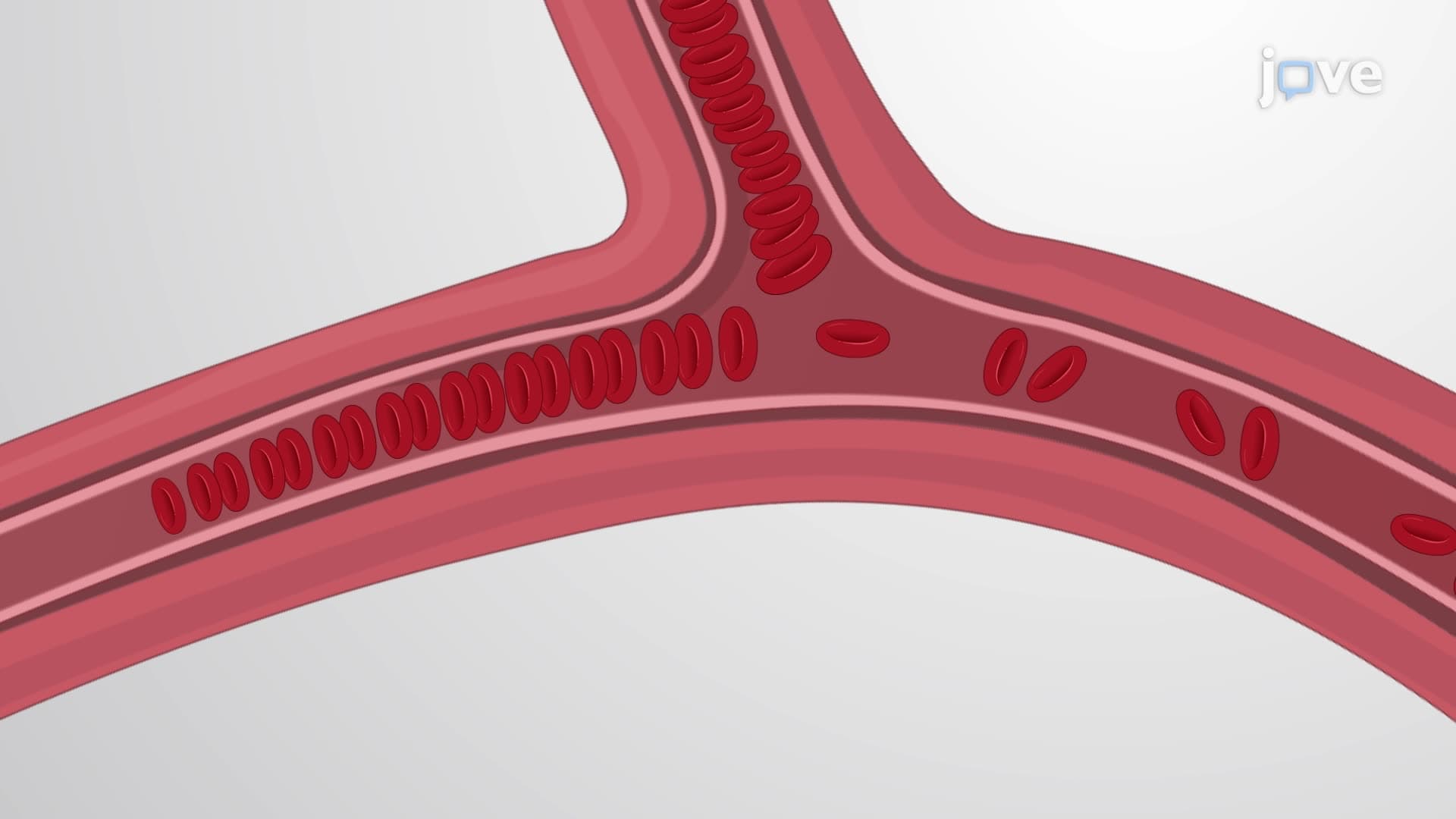
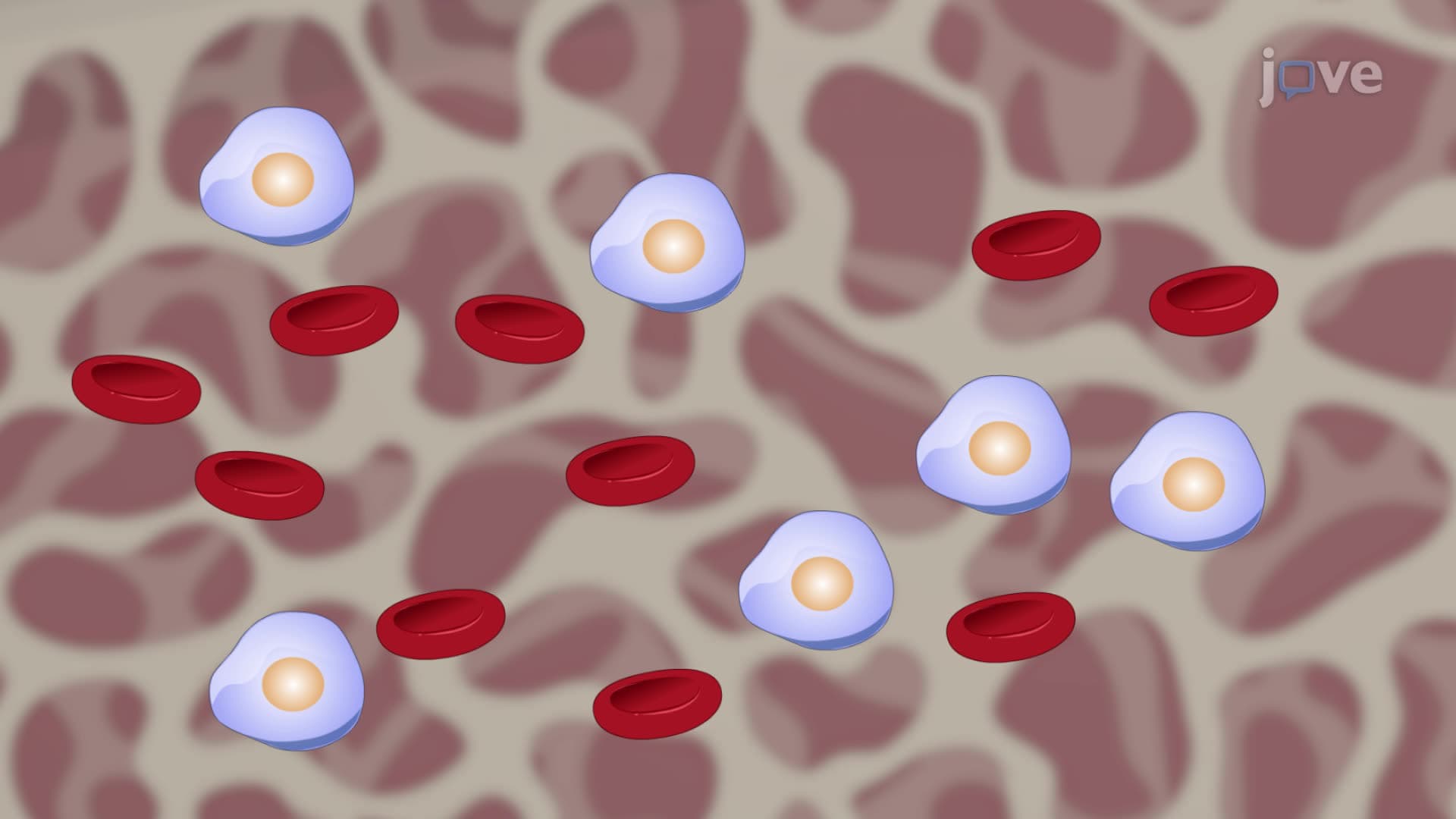
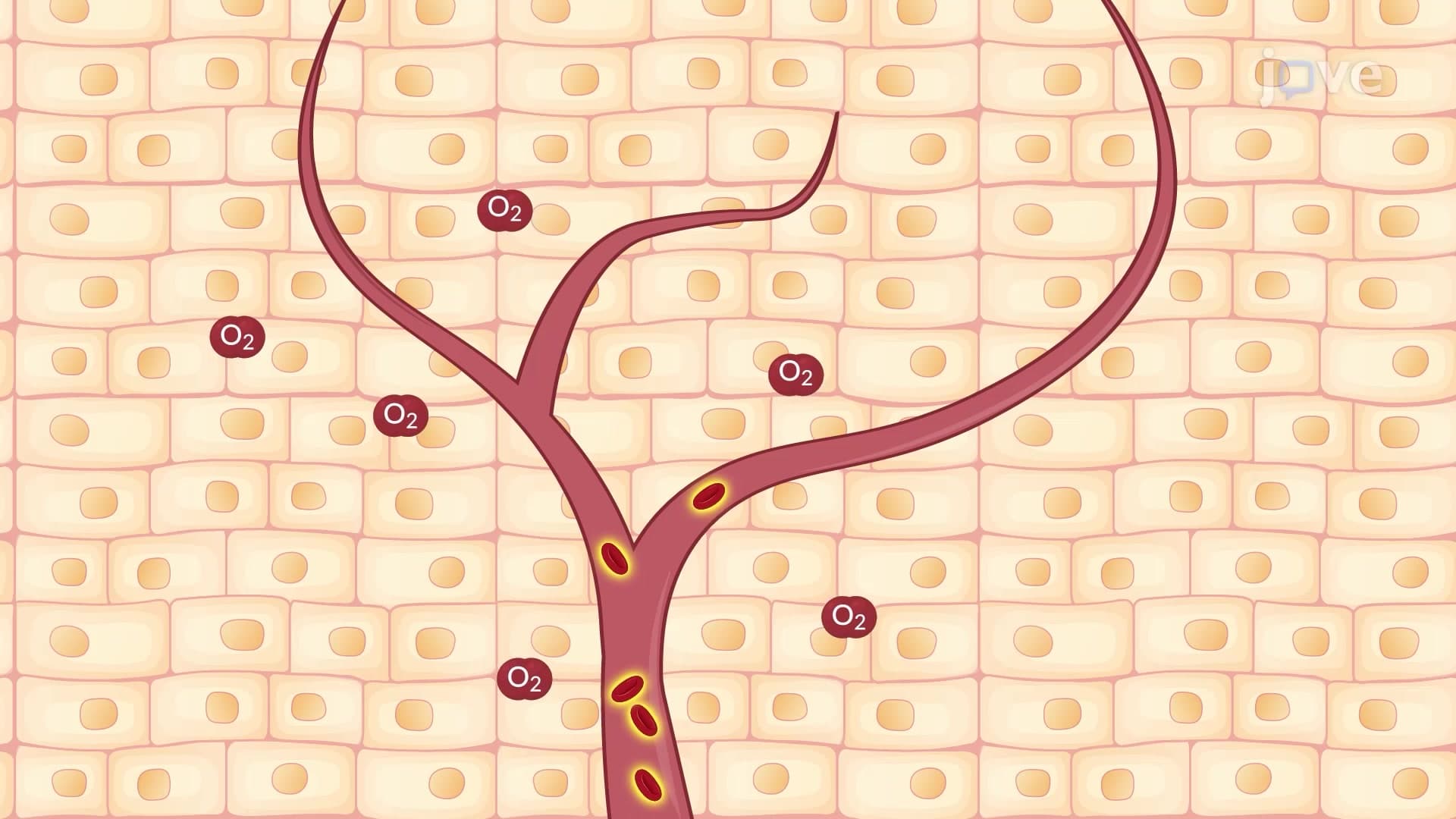
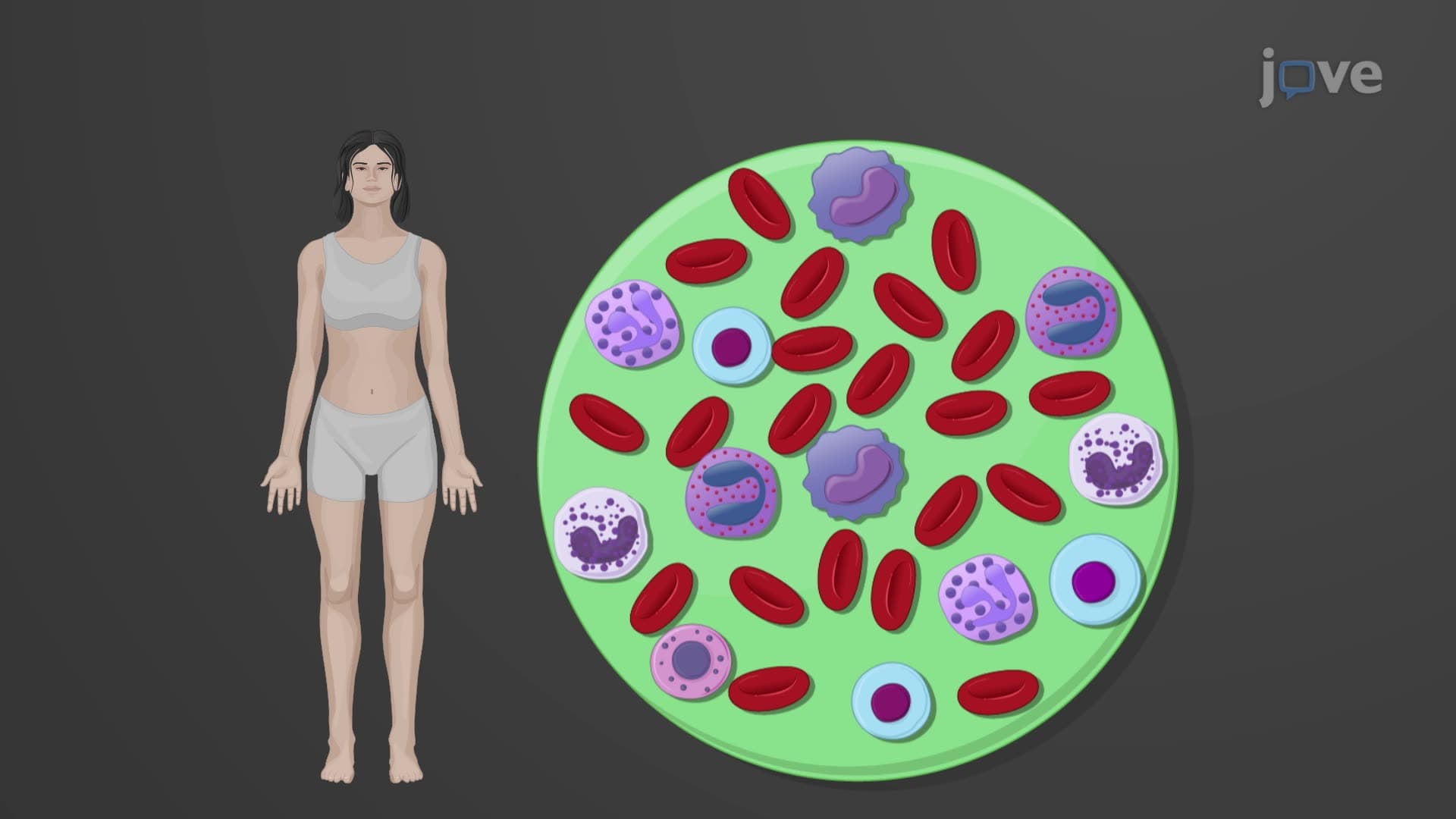
Every drop of your blood contains millions of specialized cells working as oxygen delivery trucks throughout your body. Understanding erythrocyte structure function biology reveals how these remarkable red blood cells achieve 99% efficiency in oxygen transport. During a typical blood donation at American Red Cross centers, approximately 450 mL of blood contains over 2 trillion erythrocytes, each perfectly designed for gas exchange. Their unique biconcave shape and hemoglobin-packed interior make them nature's most efficient oxygen carriers. Watch the full video on JoVE Coach to master this concept with expert-led visuals and step-by-step explanations.
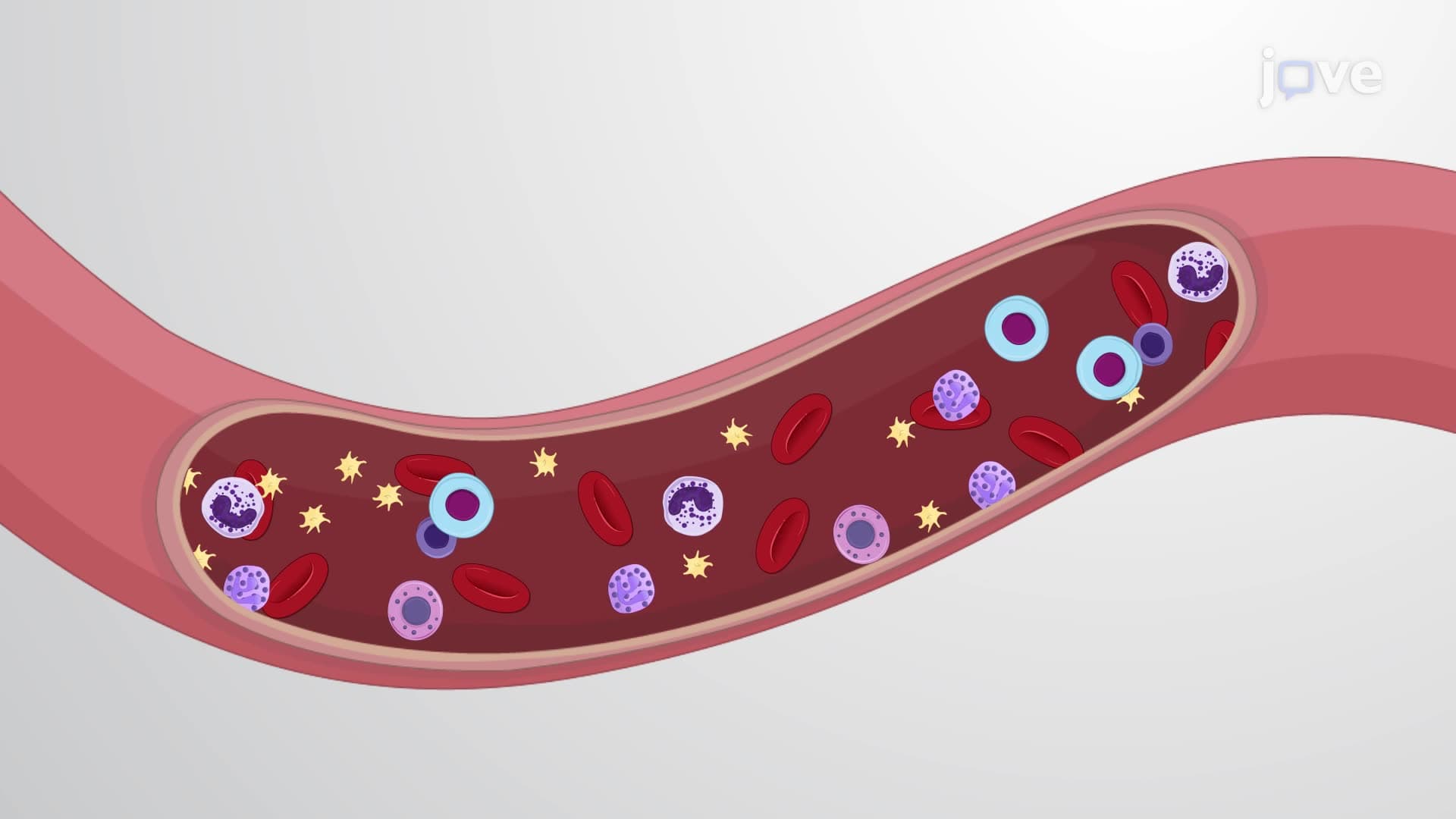
Red blood cells represent one of biology's most specialized cellular designs. With 4.2-6 million erythrocytes per microliter, these cells must function flawlessly to maintain tissue oxygenation. Their evolution reflects millions of years of optimization for a single critical task: efficient gas transport throughout the circulatory system.
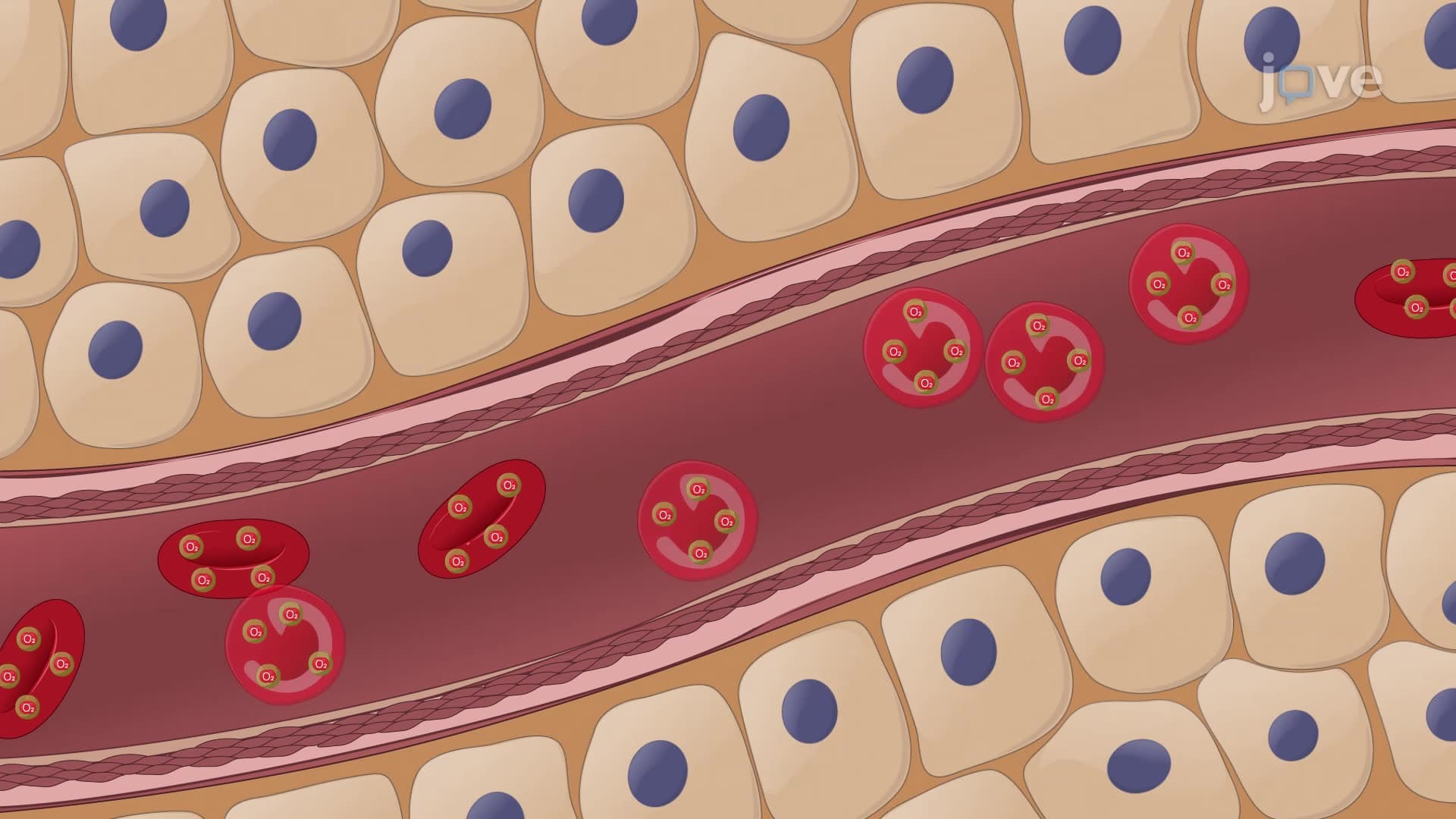
The distinctive biconcave disc shape isn't merely aesthetic—it's functional engineering. This flattened, donut-like structure without a central hole increases surface area by approximately 30% compared to spherical cells of equivalent volume. For students preparing for AP Biology or college physiology exams, this concept frequently appears in questions about structure-function relationships. The increased surface area positions hemoglobin molecules closer to the cell membrane, reducing diffusion distance for oxygen and carbon dioxide exchange.
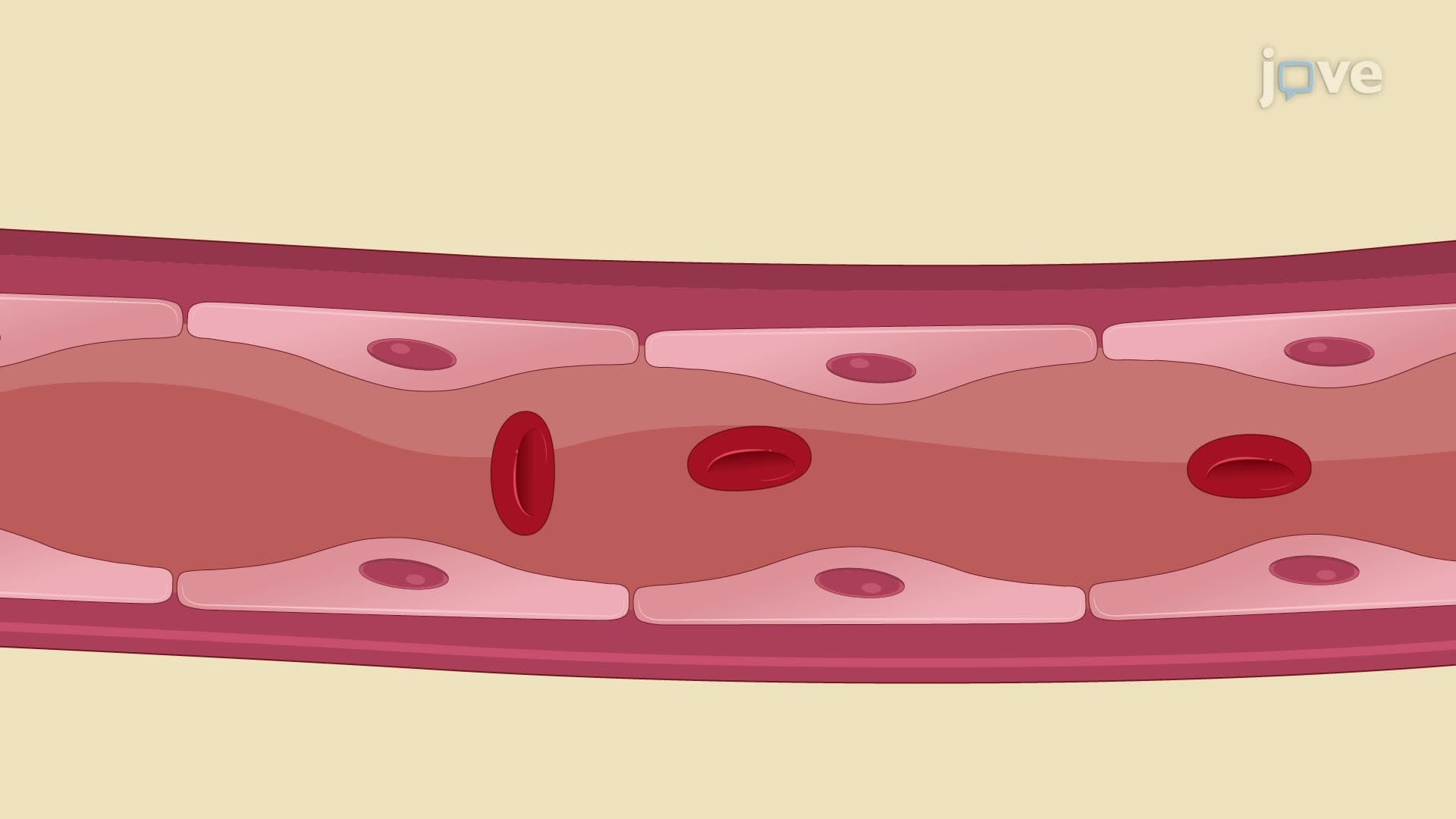
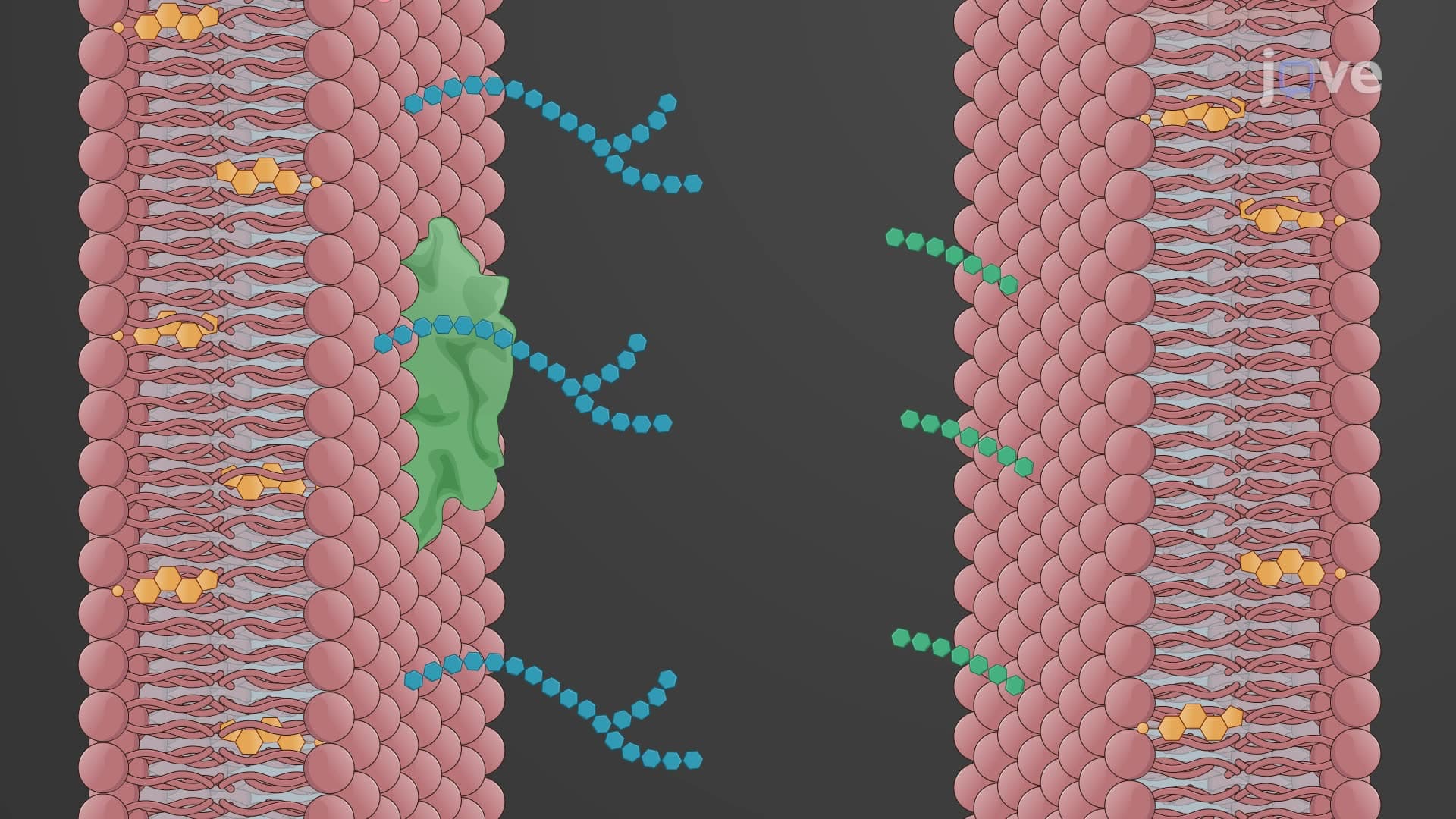
Erythrocyte membranes contain specialized proteins, particularly spectrin, forming a flexible cytoskeletal network beneath the lipid bilayer. This protein meshwork allows red blood cells to deform dramatically—squeezing through capillaries only 2-3 micrometers in diameter while maintaining structural integrity. Medical students studying for the MCAT often encounter questions about this flexibility, especially regarding conditions like hereditary spherocytosis where spectrin defects cause membrane rigidity.
Unlike most human cells, mature erythrocytes lack nuclei and organelles—a strategic trade-off maximizing internal space for hemoglobin. This design creates room for approximately 280 million hemoglobin molecules per cell, constituting 97% of cytosolic proteins. Without mitochondria, erythrocytes rely entirely on anaerobic glycolysis for ATP production, consuming no oxygen themselves. This metabolic strategy appears frequently on USMLE Step 1 examinations, particularly in questions about cellular respiration and oxygen transport efficiency.
The absence of organelles also means erythrocytes cannot synthesize new proteins or repair themselves, limiting their lifespan to approximately 120 days. Students studying hematology for nursing entrance exams like HESI A2 should understand this concept when learning about erythrocyte turnover and anemia pathophysiology.
Frequently Asked Questions
Erythrocytes are biconcave, anucleate cells optimized for oxygen transport. Their flexible membrane and hemoglobin-packed interior enable efficient gas exchange and circulation through narrow capillaries.
Understanding erythrocyte structure-function relationships is crucial for AP Bio Unit 2 (Cell Structure) and Unit 7 (Natural Selection). Expect questions about surface area optimization, membrane proteins, and evolutionary adaptations. Focus on connecting biconcave shape to gas exchange efficiency.
MCAT Biology sections emphasize spectrin protein function, anaerobic metabolism, and oxygen-carrying capacity calculations. Practice problems often involve hereditary blood disorders and hemoglobin variants. Review erythrocyte lifespan and destruction pathways for comprehensive preparation.
Human Anatomy & Physiology, Cell Biology, and Hematology courses extensively cover red blood cell structure. Nursing programs include this content in Pathophysiology and Medical-Surgical Nursing. Pre-med students encounter it in Biochemistry when studying protein structure and function.
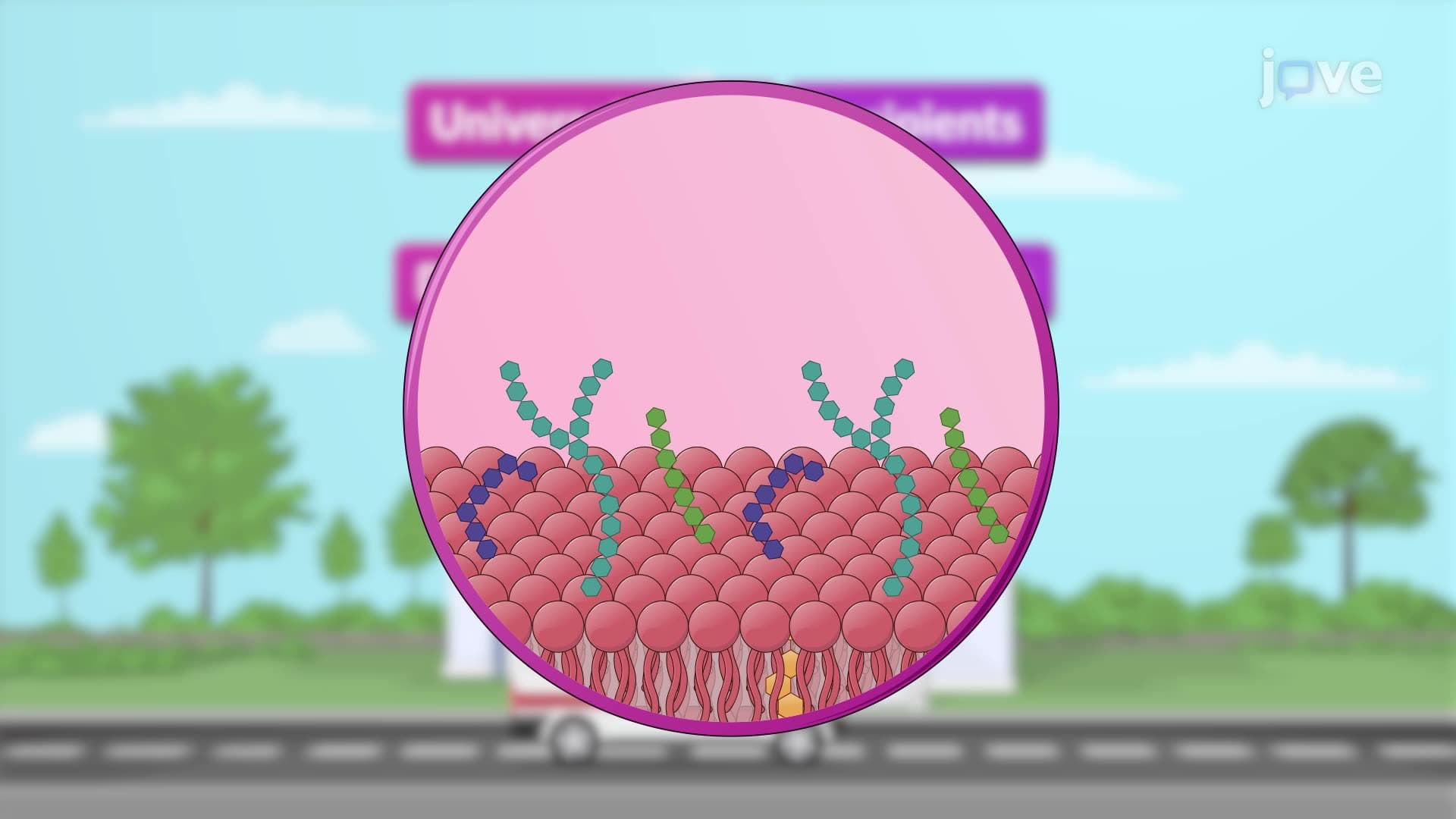
During transfusions, donated erythrocytes must match recipient blood types to prevent immune reactions. Their biconcave shape and membrane flexibility allow efficient mixing and circulation. US blood banks test donated red blood cells for proper function and compatibility.
With proper foundation in basic cell biology, erythrocyte structure is very manageable for high schoolers. Start with general cell components, then focus on how erythrocytes differ from typical cells. Visual aids help students grasp the biconcave shape concept.
Create memory associations linking structure to function: "biconcave = more surface area," "no nucleus = more hemoglobin space," "spectrin = flexibility." Practice drawing labeled diagrams and explaining how each feature enhances oxygen transport efficiency.
Progress to hemoglobin structure and oxygen-binding curves, then explore anemia types and blood disorders. Advanced students can study erythropoiesis regulation and altitude adaptations affecting red blood cell production.
Related Micro-courses


Related Subjects
 Medical-Surgical Nursing 28 micro-courses›
 Nursing 14 micro-courses›