Loading video…

- Anatomy and Physiology
- Blood
- Structure and Function of Platelets
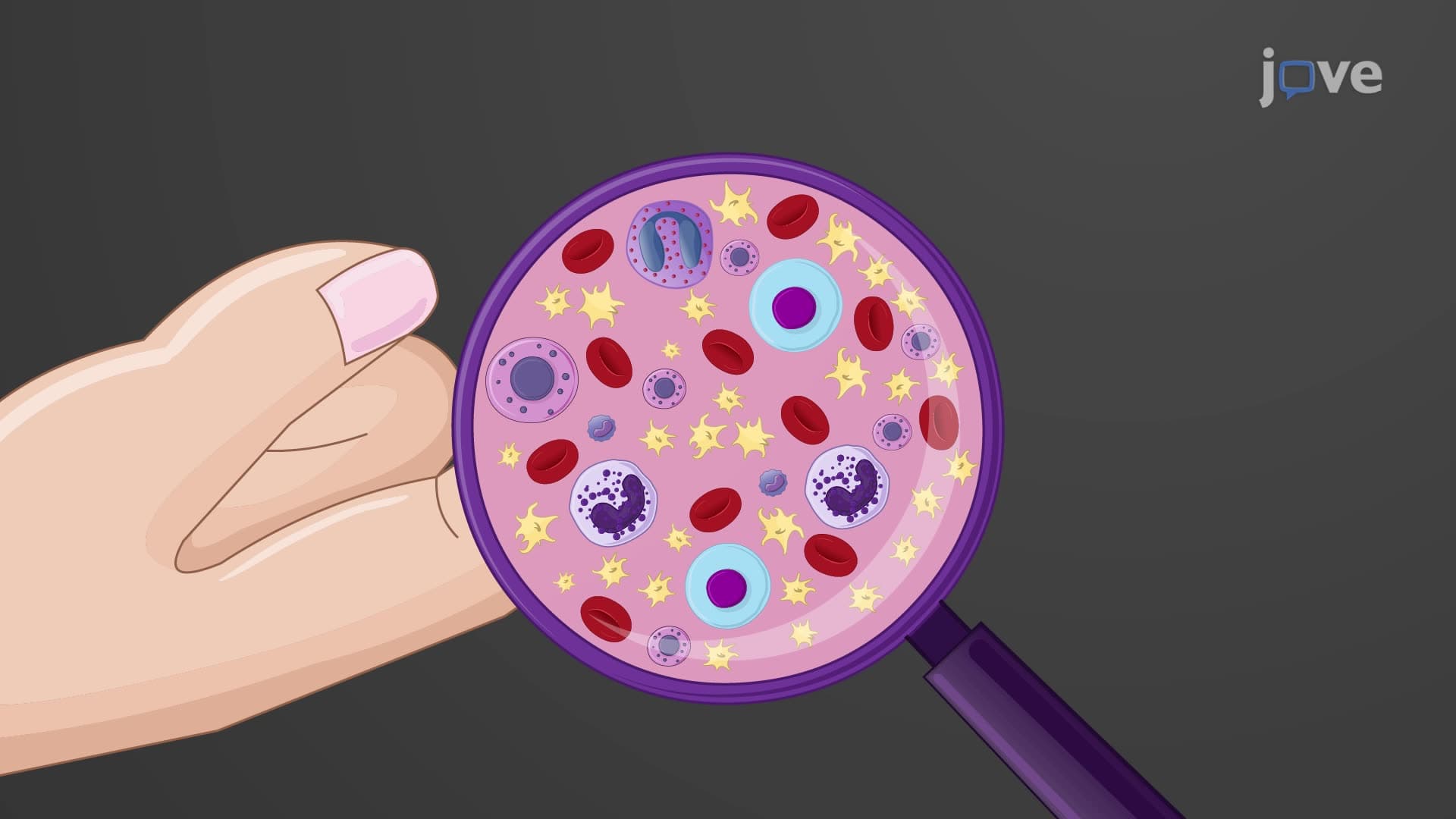
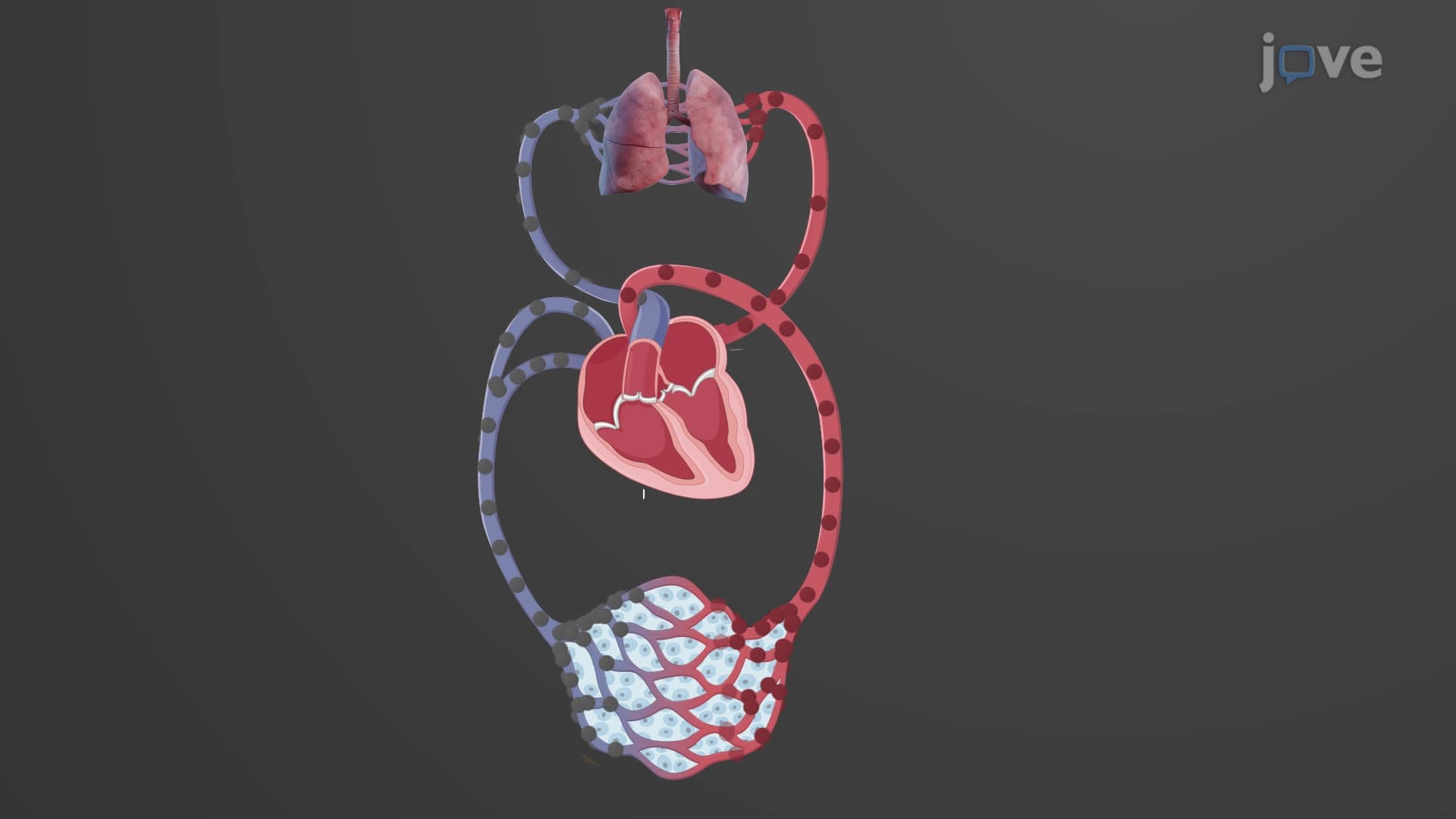

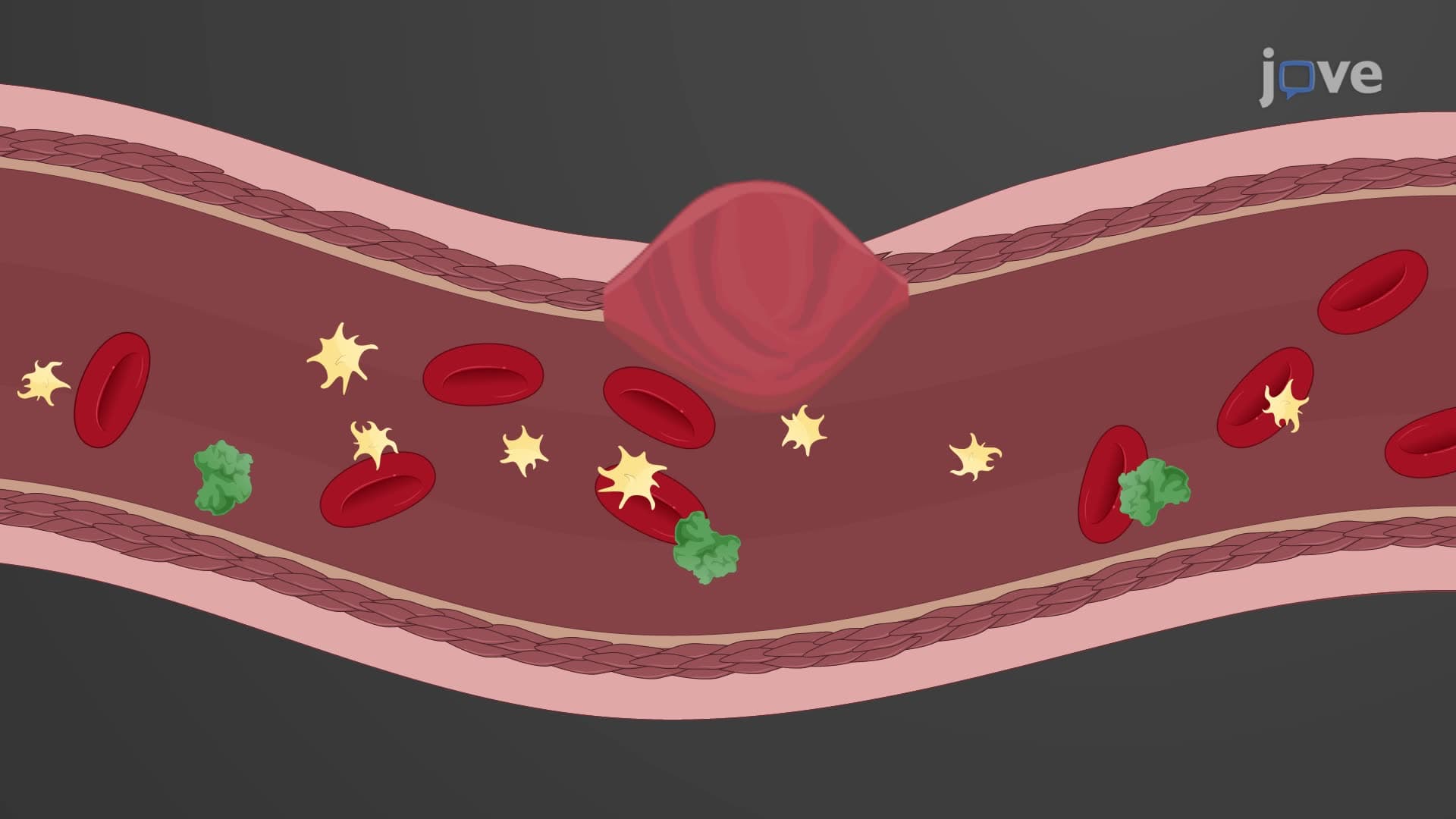
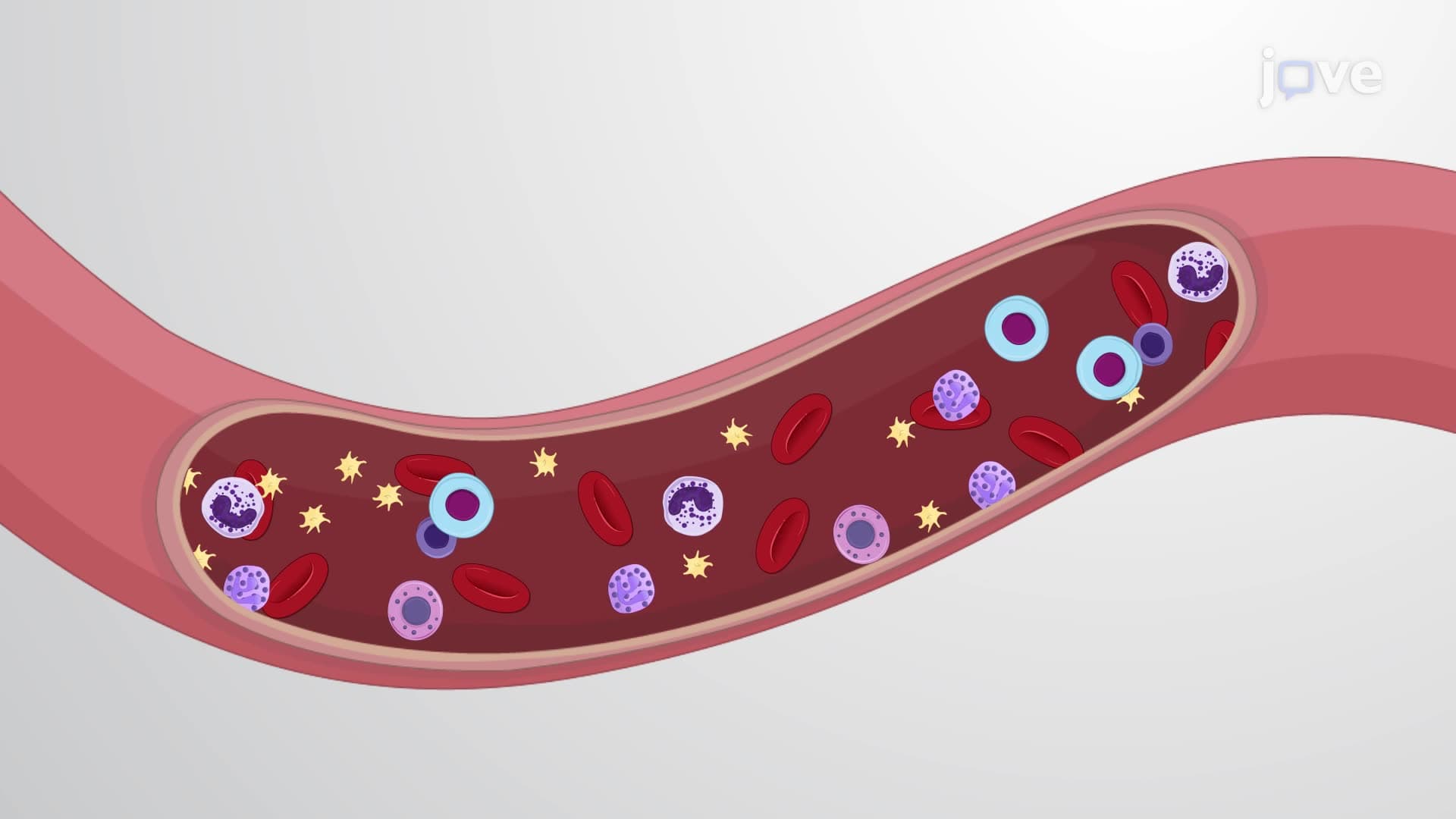
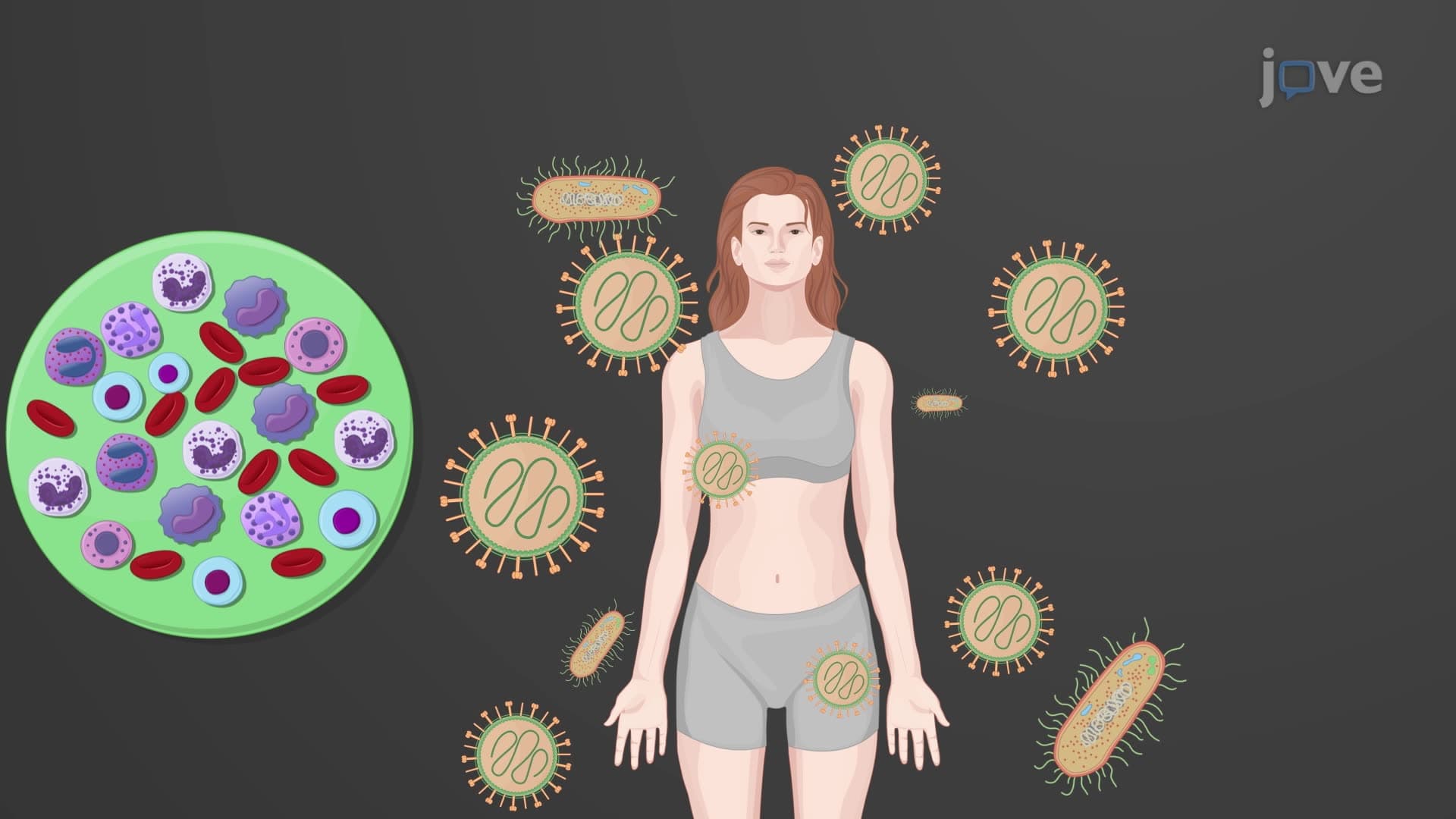
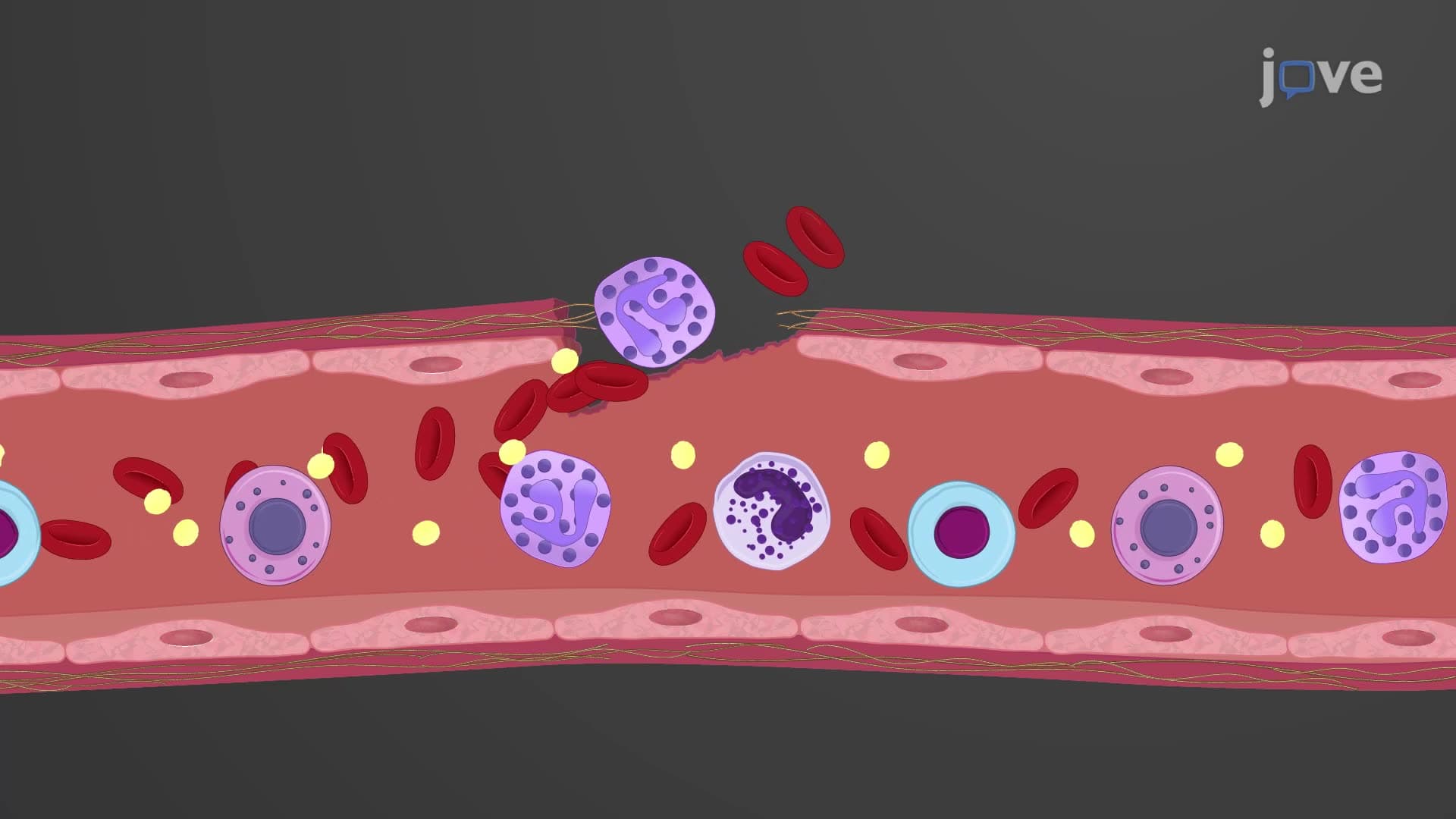
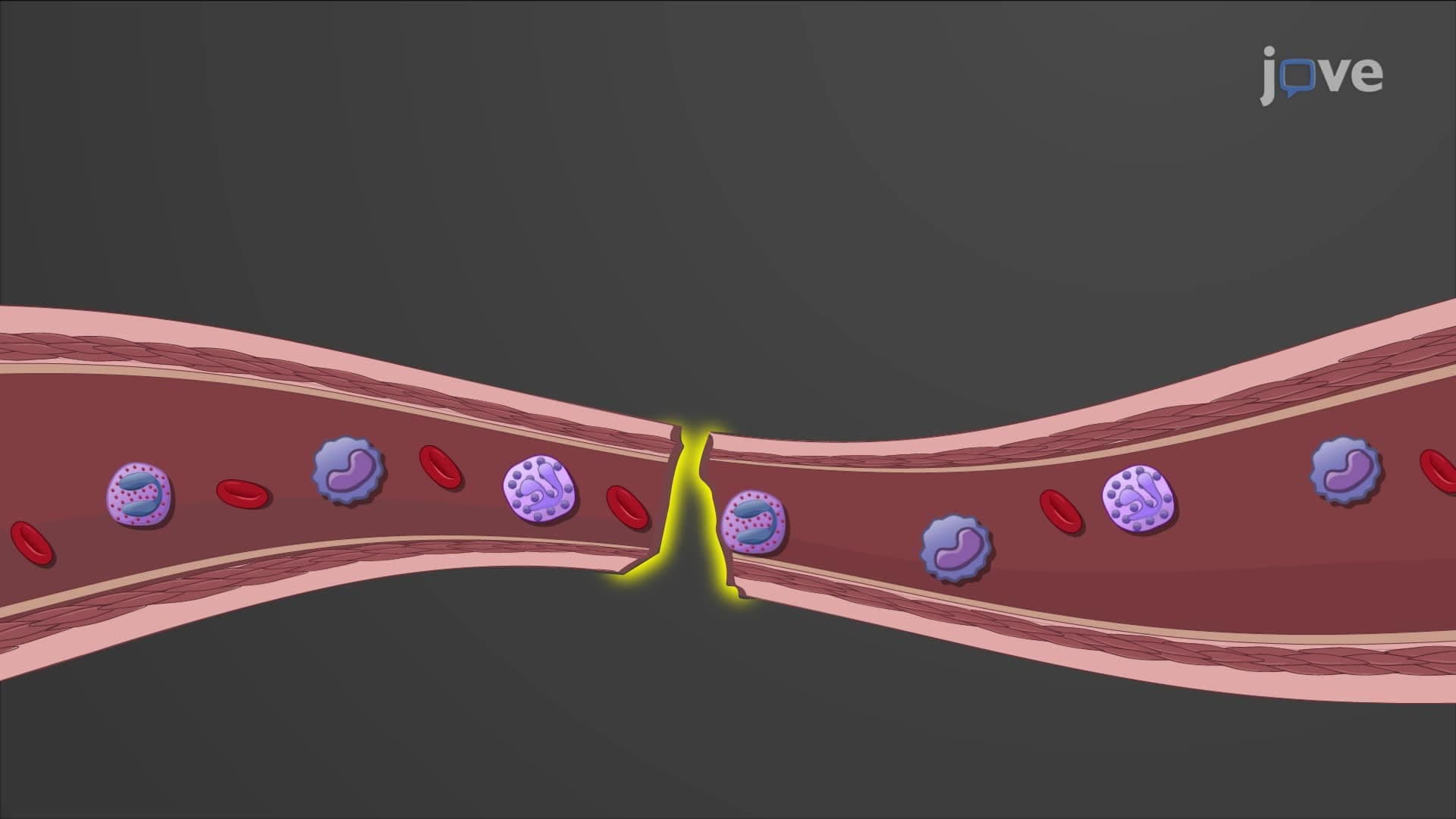
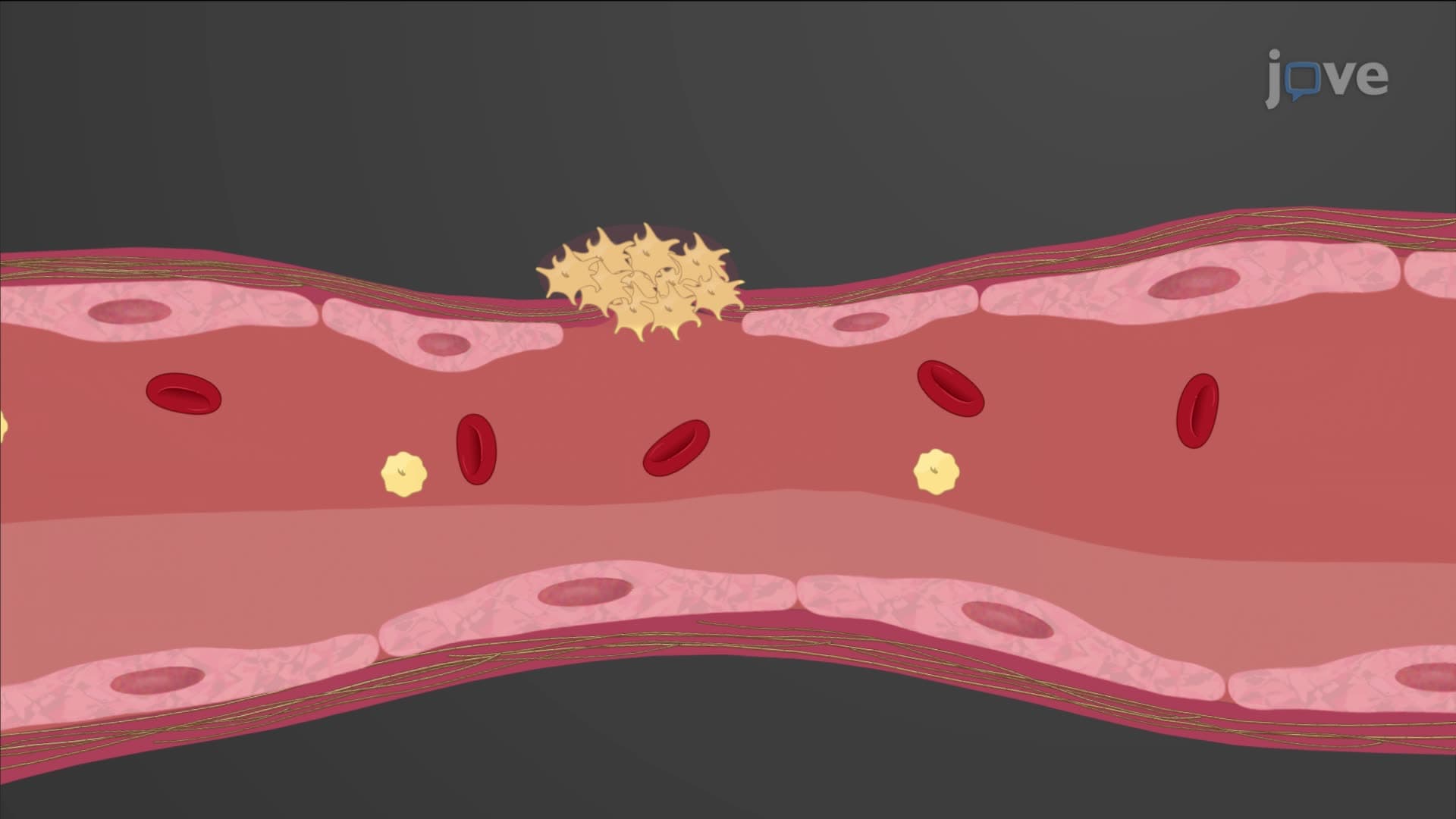
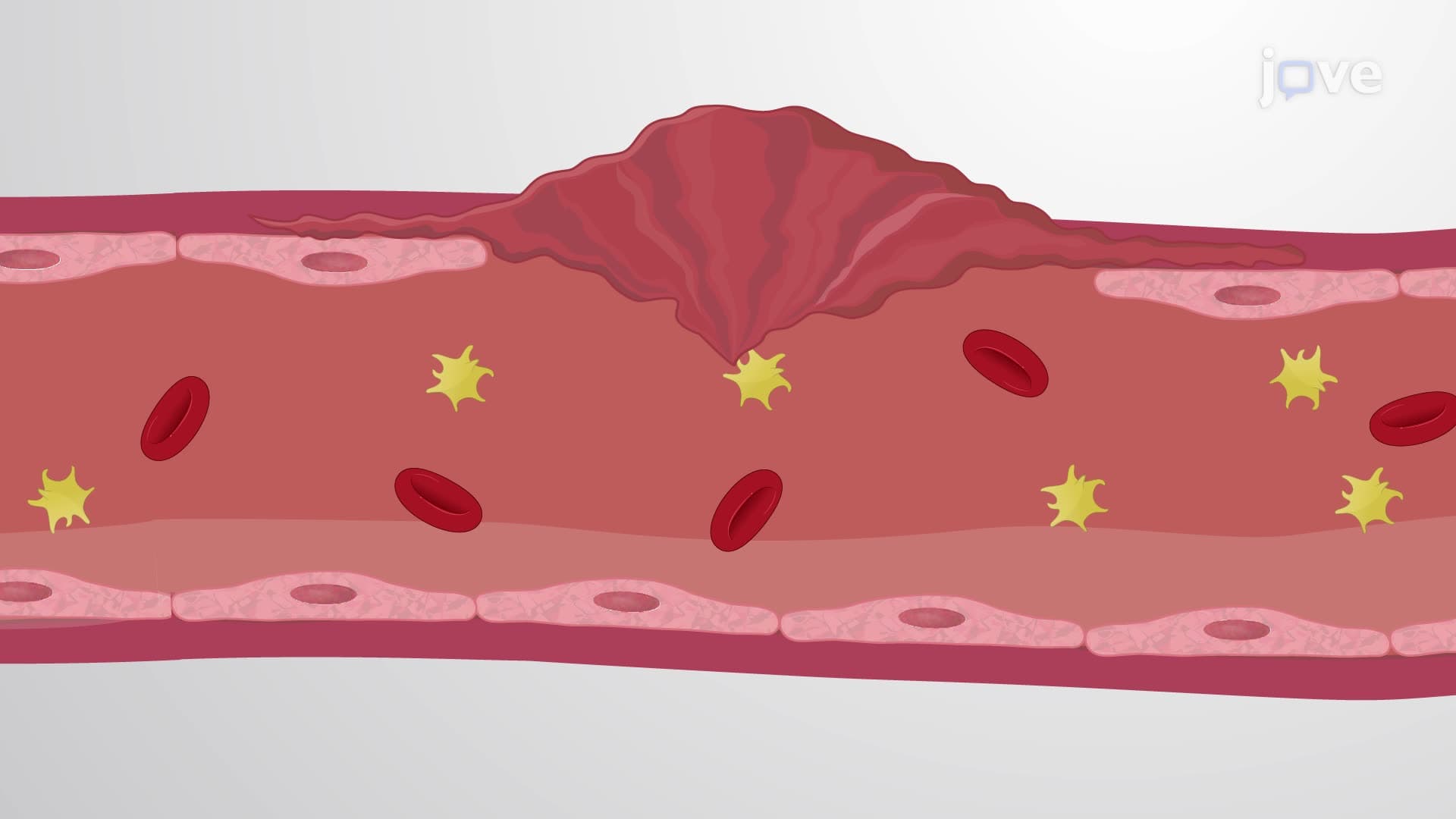
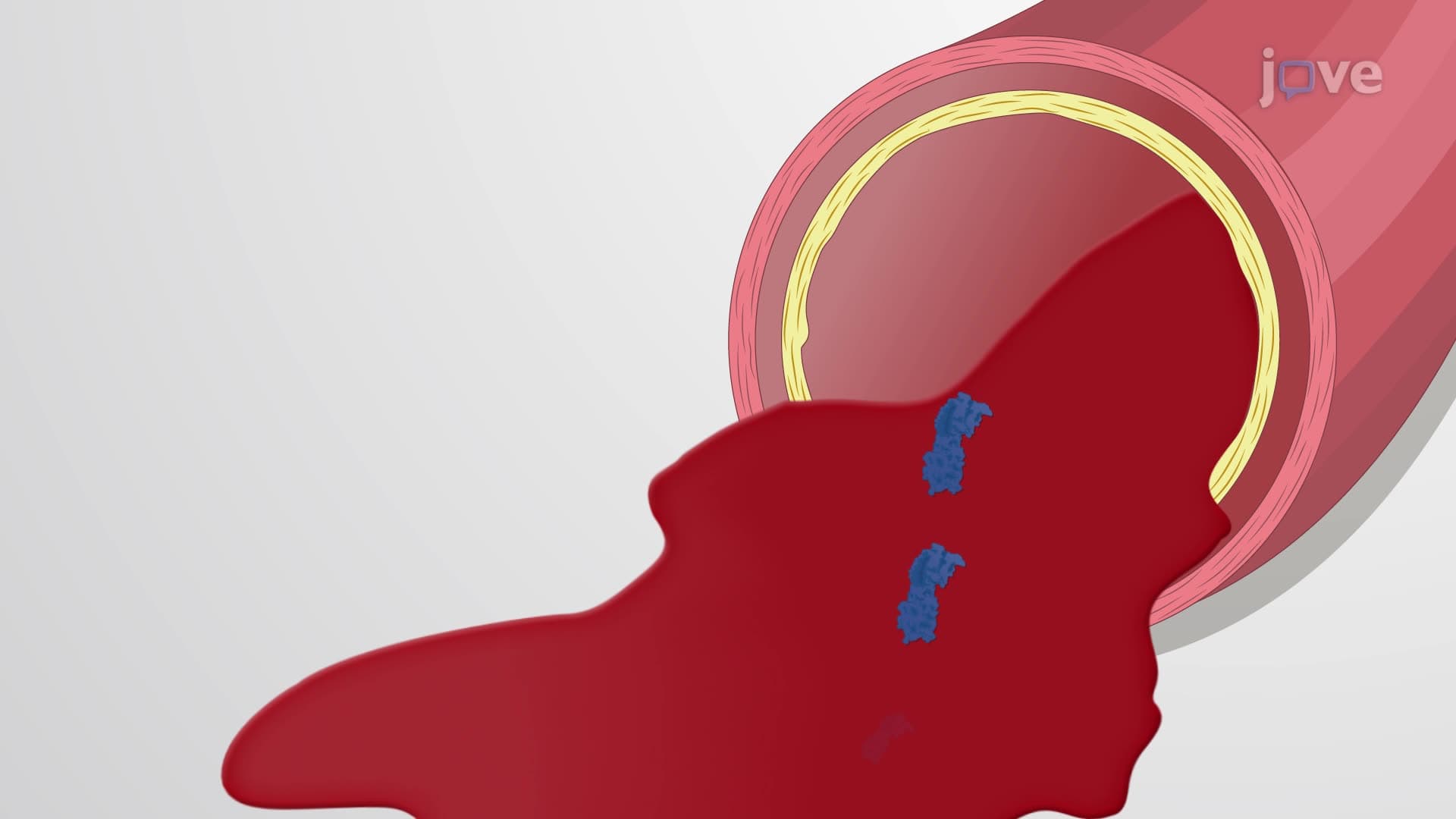
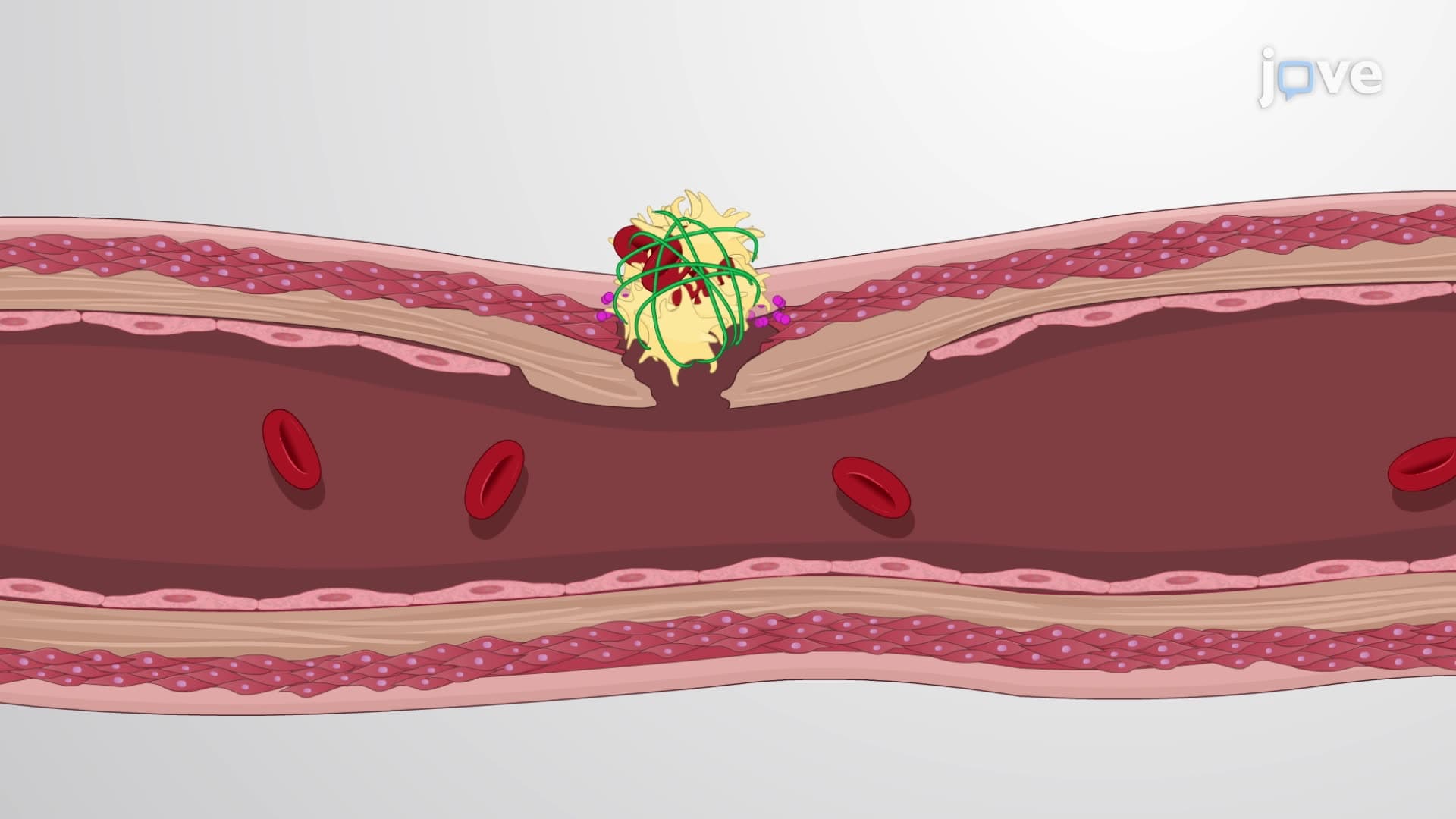
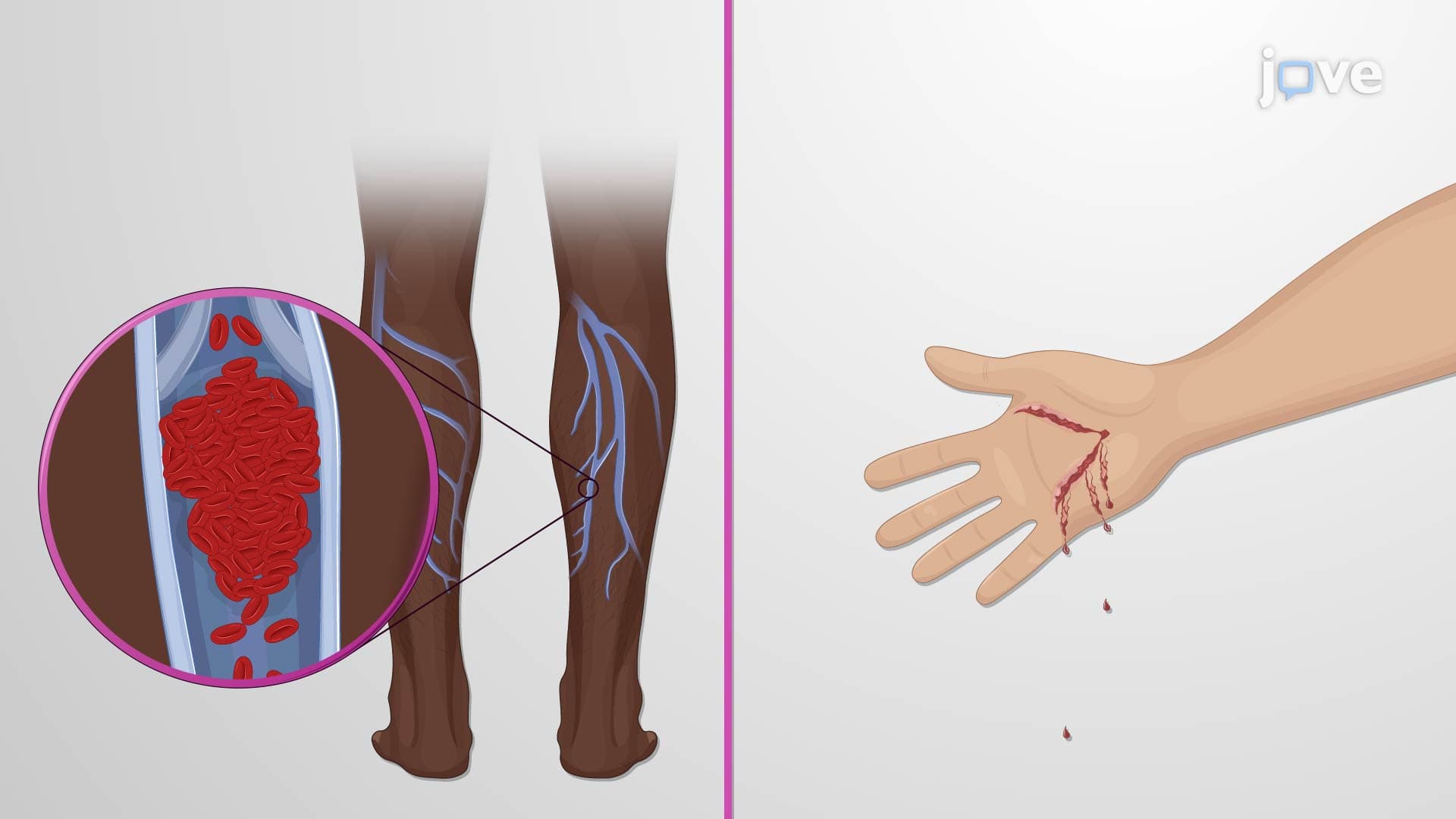
Every time you get a paper cut, millions of tiny cellular fragments called platelets rush to seal the wound within seconds—this remarkable platelet structure function biology showcases one of your body's most critical survival mechanisms. These disc-shaped cell fragments, measuring just 2-4 micrometers, originate from massive bone marrow cells and contain specialized granules packed with clotting factors. Understanding the Structure And Function of Platelets Explained reveals how these nucleus-free fragments can rapidly form life-saving plugs at injury sites. Watch the full video on JoVE Coach to master this concept with expert-led visuals and step-by-step explanations.
- Understand the comprehensive Structure And Function of Platelets Explained, including their disc-shaped morphology and cytoplasmic granule organization
- Identify the cellular origin of platelets from megakaryocytes in bone marrow and the role of thrombopoietin in their formation
- Analyze how platelet granules contain essential clotting factors, enzymes, and growth factors necessary for hemostasis
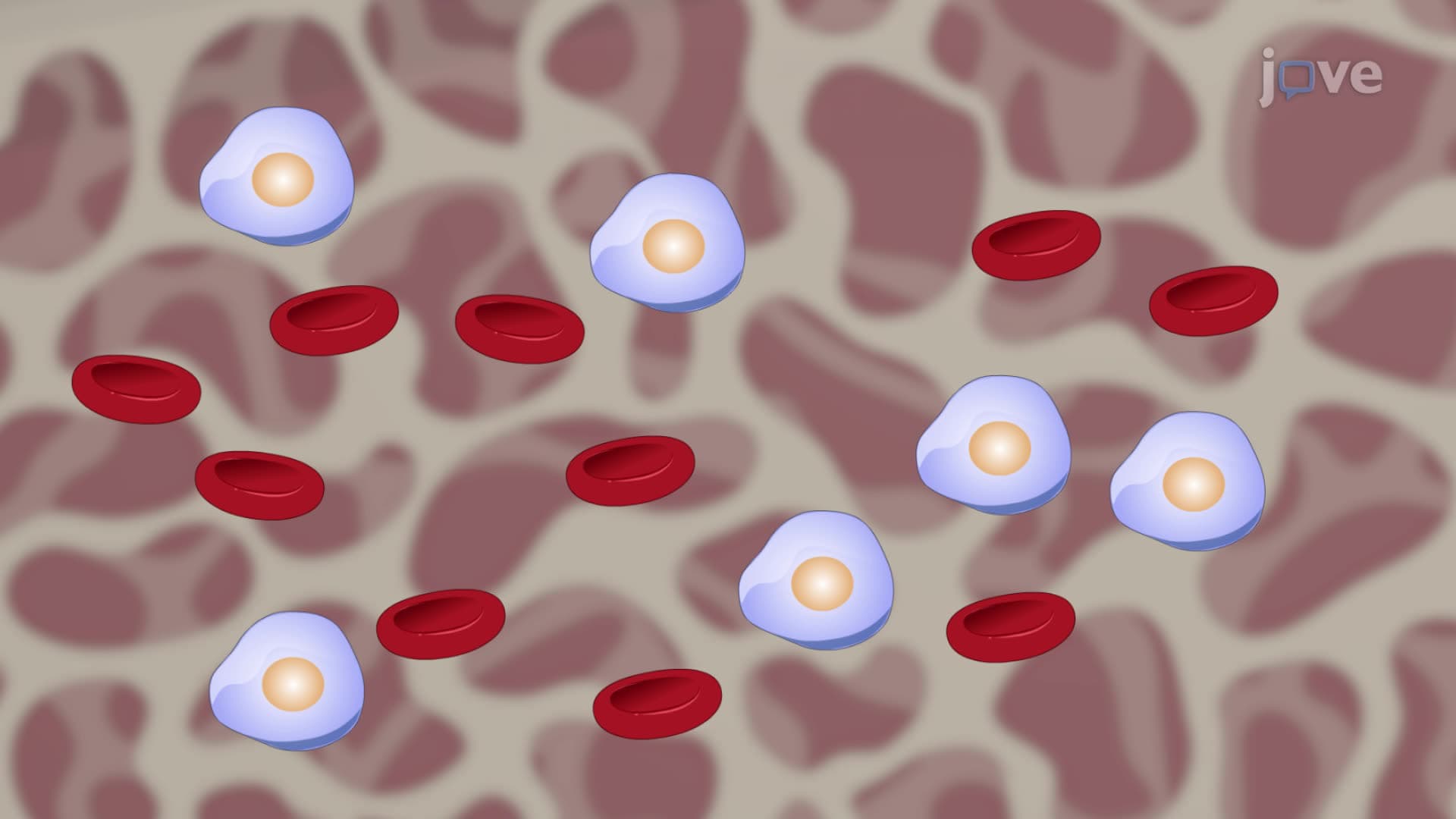
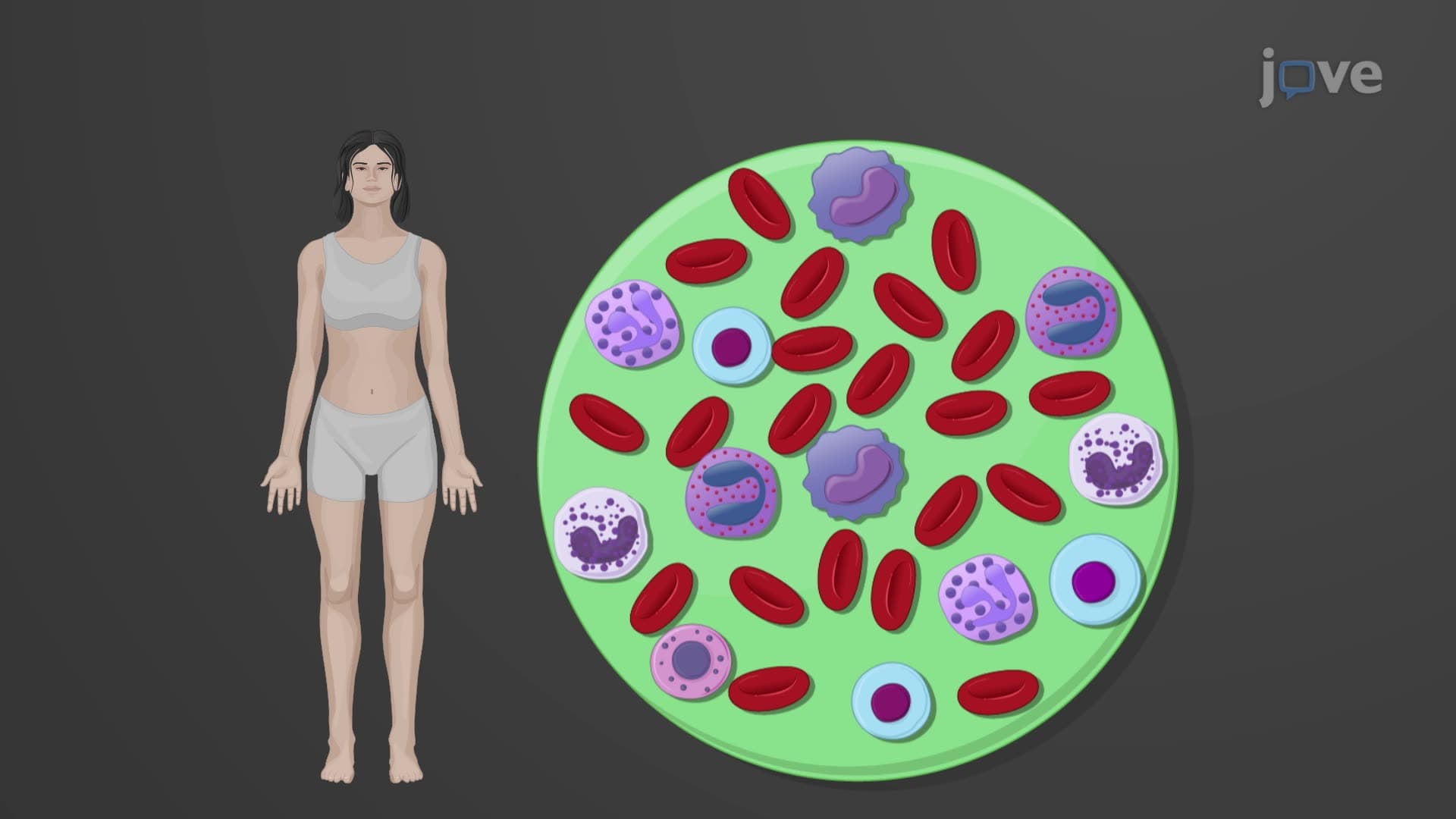
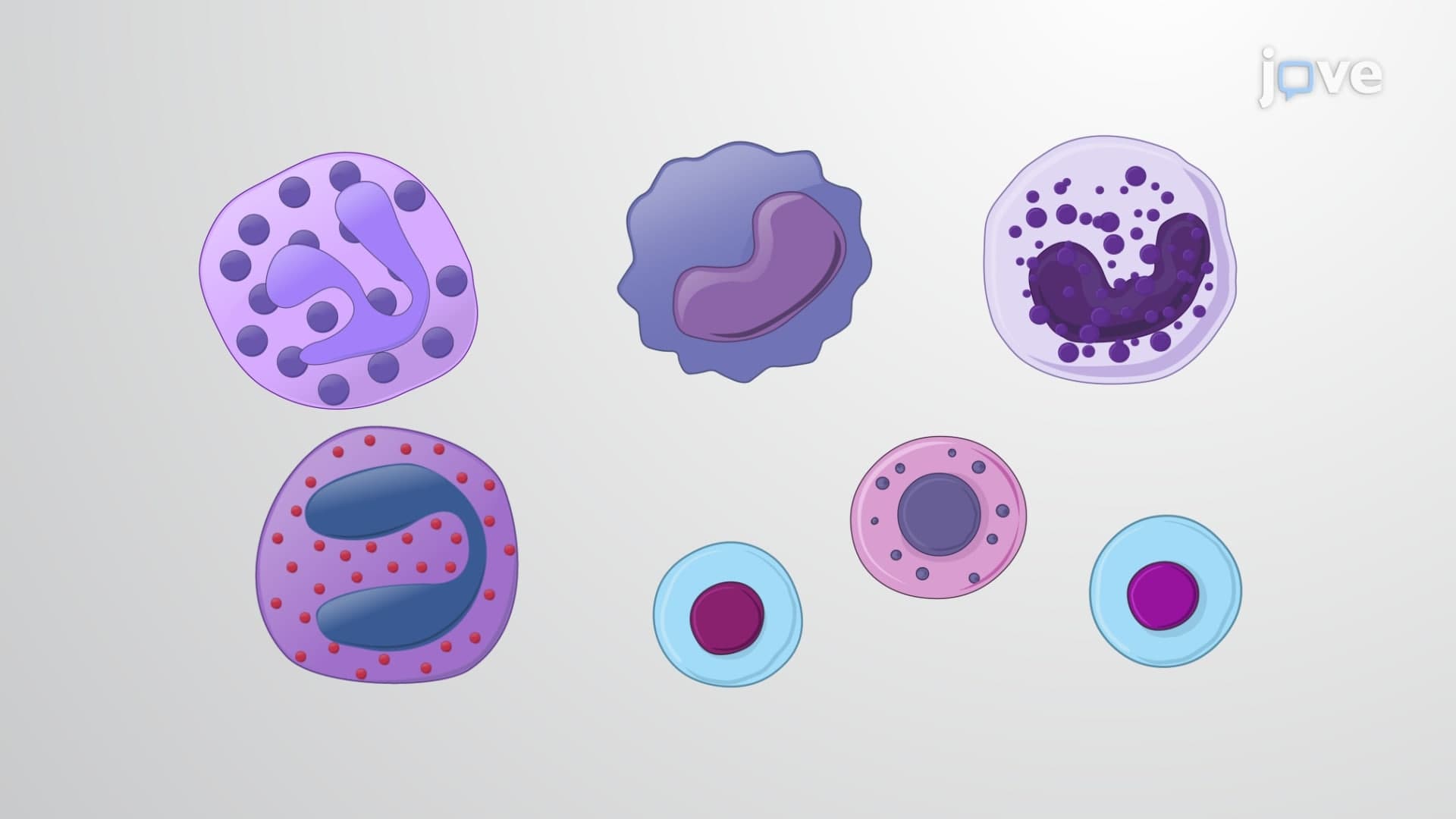
- Compare the structural differences between platelets and other blood cells, particularly their lack of a nucleus
- Evaluate the adhesion and aggregation processes that allow platelets to form effective hemostatic plugs
- Apply knowledge of platelet function to explain bleeding disorders and clotting mechanisms in clinical scenarios
- Recognize the sequential steps from megakaryoblast development to mature platelet release into circulation
- Explore how platelet dysfunction relates to cardiovascular diseases and therapeutic interventions
Understanding Platelet Structure and Function Fundamentals
The Structure And Function of Platelets Explained begins with recognizing these remarkable cellular fragments as essential components of hemostasis. Unlike typical cells, platelets lack nuclei but compensate with highly organized cytoplasmic contents. Their small size (2-4 micrometers) allows rapid circulation through even the smallest capillaries, while their disc shape maximizes surface area for adhesion during vascular injury.
Platelet Origin and Development in Bone Marrow
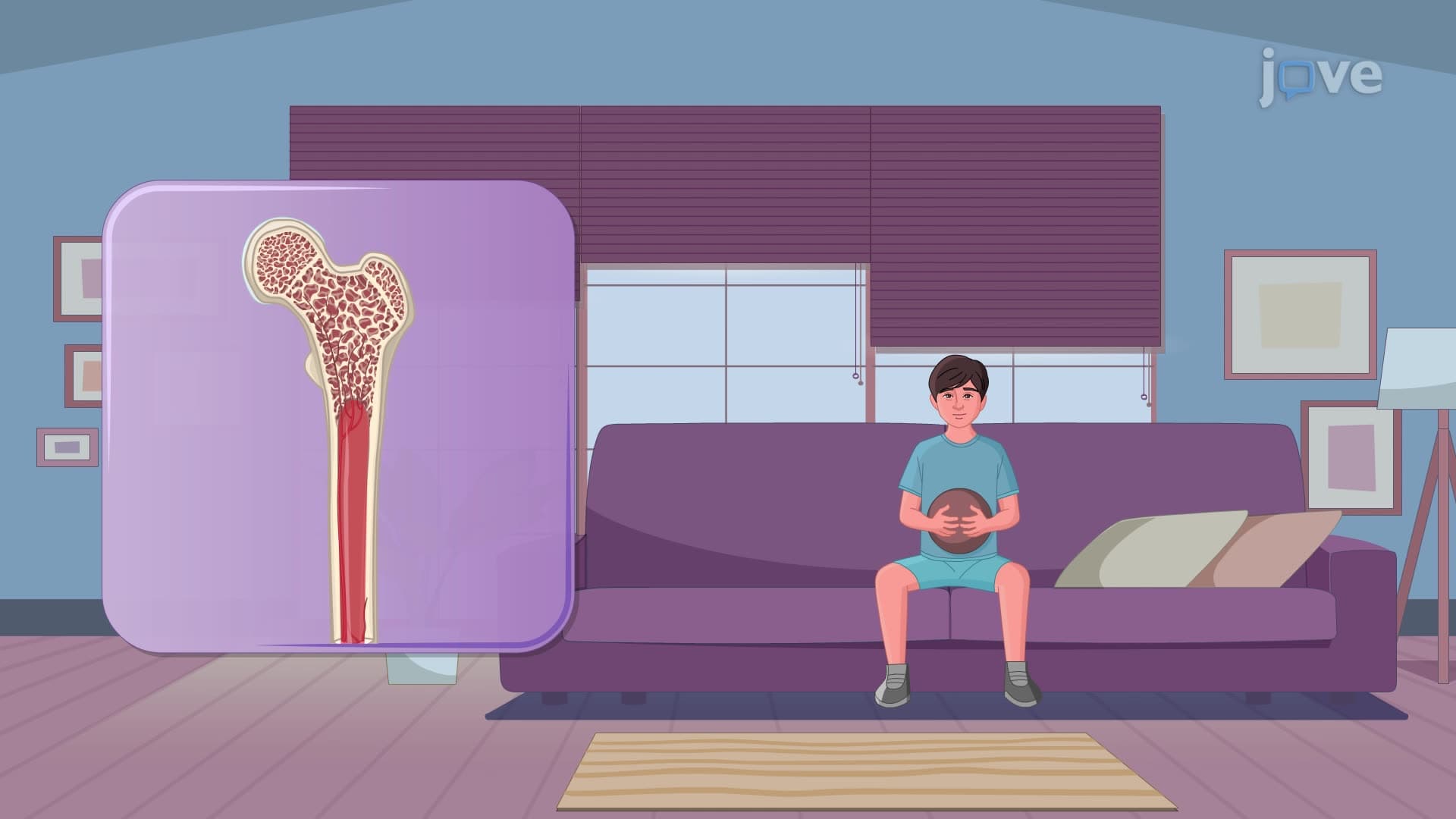
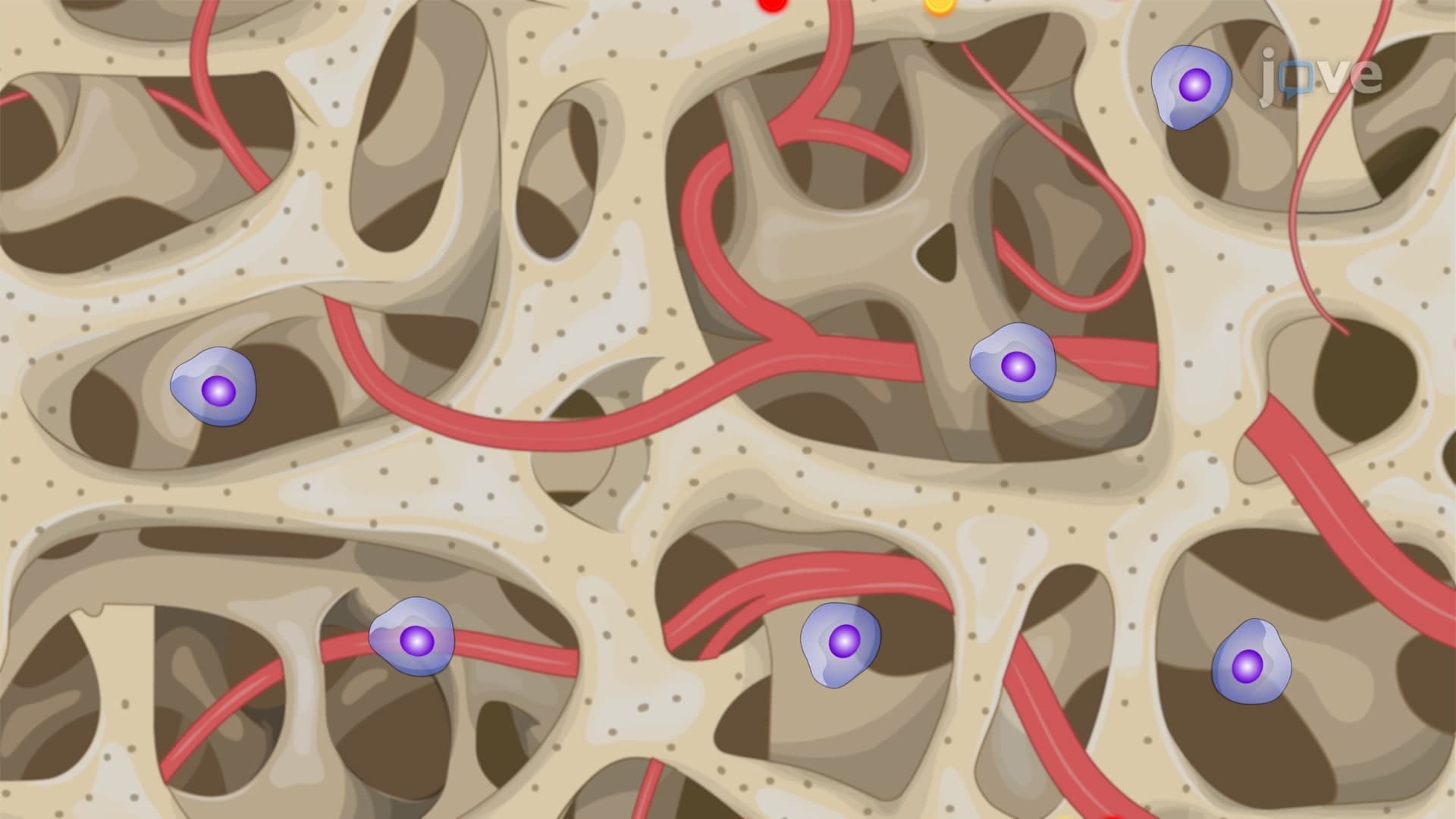
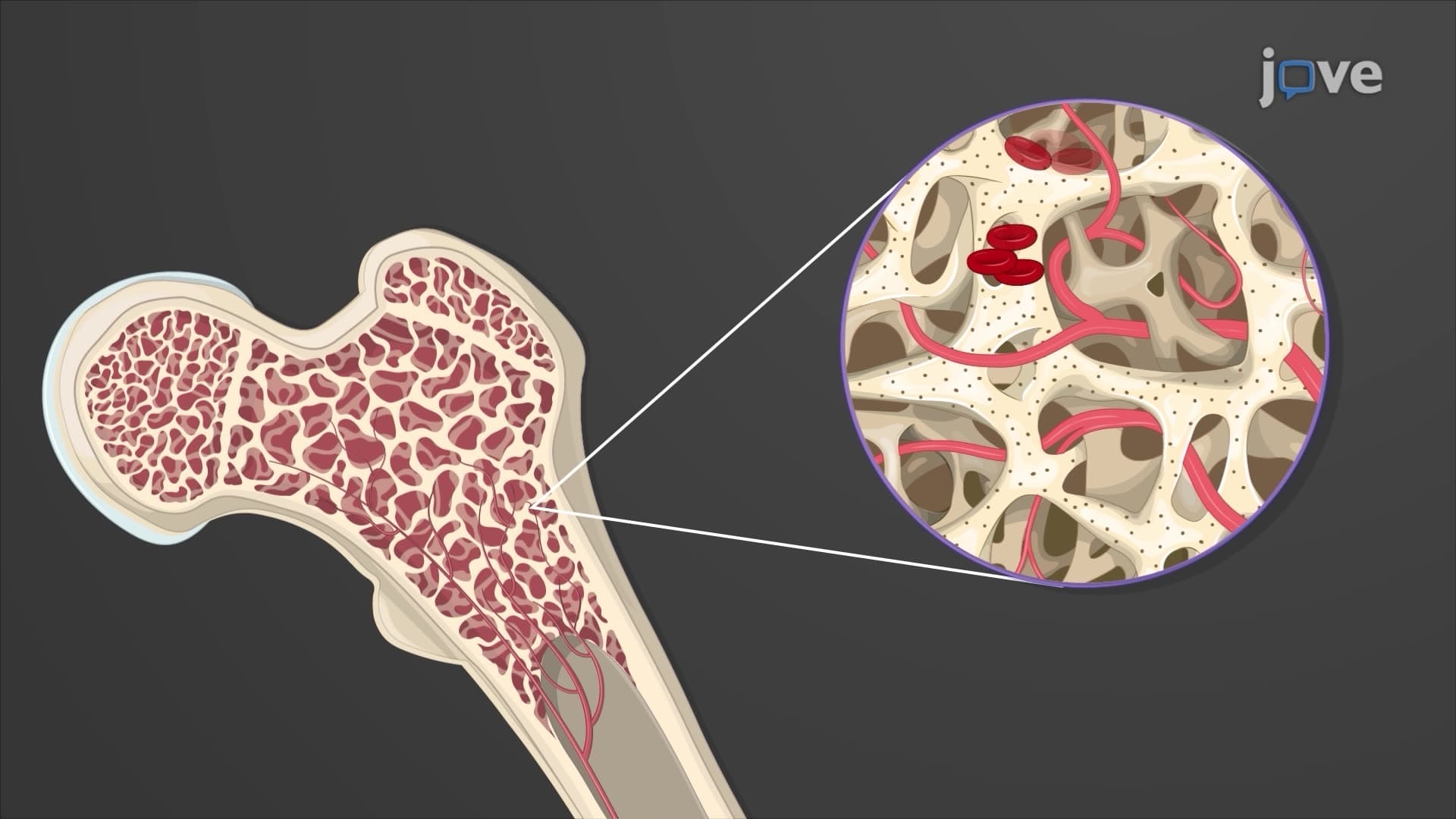
Blood platelet anatomy explained starts in the bone marrow, where myeloid stem cells differentiate into megakaryoblasts under hormonal influence. Thrombopoietin, primarily produced by the liver and kidneys, serves as the key regulatory hormone driving this process. Interleukin-6 provides additional stimulation during inflammatory states. The megakaryoblast undergoes endomitosis—DNA replication without cell division—creating polyploid megakaryocytes that can reach 100 micrometers in diameter. These giant cells extend cytoplasmic projections through sinusoid walls, eventually fragmenting to release 1,000-3,000 platelets per megakaryocyte.
Specialized Granule Contents and Secretion Mechanisms
Platelet granule secretion involves three distinct granule types, each serving specific hemostatic functions. Alpha granules contain fibrinogen, von Willebrand factor, platelet factor 4, and platelet-derived growth factor. Dense granules store ADP, ATP, serotonin, and calcium ions. Lysosomes house hydrolytic enzymes for clot remodeling. During activation, these granules undergo exocytosis, releasing their contents to amplify the coagulation cascade and recruit additional platelets.
Clinical Applications in US Healthcare and Education
Understanding what is the structure and function of platelets proves crucial for MCAT preparation, particularly in biological sciences sections covering cardiovascular physiology. AP Biology students encounter platelet function when studying cell structure and intercellular communication. In clinical settings, platelet disorders like thrombocytopenia affect over 200,000 Americans annually, making this knowledge essential for healthcare professionals. Medical students preparing for USMLE Step 1 must master platelet plug formation mechanisms to answer hematology questions effectively.
Frequently Asked Questions
Platelets are small, disc-shaped cell fragments without nuclei that contain specialized granules filled with clotting factors and enzymes. Their primary function involves rushing to damaged blood vessels, adhering to injury sites, and releasing granule contents to form temporary plugs that prevent excessive bleeding. These cellular fragments measure 2-4 micrometers and circulate for 8-12 days before removal by the spleen.
MCAT questions frequently test platelet activation pathways, granule secretion mechanisms, and their role in primary hemostasis versus secondary coagulation. Students should know the distinction between platelet adhesion (binding to damaged vessel walls) and aggregation (platelets sticking to each other). Practice questions often involve interpreting bleeding time tests or platelet function analyzer results in clinical scenarios.
AP Biology emphasizes platelets as examples of cell specialization and intercellular signaling within the circulatory system unit. Students must understand how platelets demonstrate structure-function relationships, particularly their lack of organelles but presence of functional granules. Free response questions may ask about platelet activation cascades or compare platelet responses to other cellular communication mechanisms.
Nurses preparing for NCLEX-RN must understand normal platelet counts (150,000-400,000 per microliter) and recognize bleeding precautions for thrombocytopenic patients. Clinical applications include monitoring patients on antiplatelet medications like aspirin or clopidogrel, assessing bleeding risks before procedures, and implementing fall prevention strategies. Platelet transfusion protocols and associated nursing assessments frequently appear on nursing exams.
Absolutely—platelet structure concepts build naturally from basic cell biology covered in introductory courses. Students familiar with organelles can easily grasp how platelets function despite lacking nuclei, using the analogy of specialized tool kits (granules) for specific jobs. Visual learners benefit from comparing platelets to tiny repair crews that carry everything needed to patch blood vessel leaks.
Create acronyms for the developmental sequence: "My Big Megakaryocytes Make Platelets" (Myeloid stem cell → Megakaryoblast → Megakaryocyte → Platelet release). Use concept maps linking thrombopoietin stimulus to platelet production, and practice drawing the process from memory. Flashcards work well for granule contents, but focus on understanding functional relationships rather than rote memorization.
Platelet hyperactivity contributes to arterial thrombosis in heart attacks and strokes, while inadequate function causes bleeding disorders like von Willebrand disease affecting 1% of Americans. Aspirin therapy prevents cardiovascular events by irreversibly inhibiting platelet cyclooxygenase, demonstrating how platelet knowledge applies to preventive cardiology. Understanding these connections helps students appreciate clinical relevance beyond basic science courses.
Investigate platelet receptor pharmacology, particularly glycoprotein IIb/IIIa inhibitors used in cardiac catheterization labs. Study inherited platelet disorders like Glanzmann thrombasthenia and Bernard-Soulier syndrome to understand structure-function relationships. Research current platelet function testing methods used in clinical laboratories, including aggregometry and thromboelastography applications in surgical settings.
Related Micro-courses

19 Concepts

38 Concepts

38 Concepts
Related Subjects
 Medical-Surgical Nursing 28 micro-courses›
 Nursing 14 micro-courses›