Loading subject page…
- Microbiology
- Environmental Microbiology
Microbiology
All Micro-courses:19

1.
Introduction to Microbiology
11 Concepts
2.
Microbial Cell Structure and Function
13 Concepts
3.
Microbial Metabolism
26 Concepts
4.
Microbial Growth
13 Concepts
5.
Control of Microbial Growth
6 Concepts
6.
Bacterial Genetics and Gene Regulation
31 Concepts
7.
Microbial Diversity
37 Concepts
8.
Viruses
10 Concepts
9.
Microbial Evolution
7 Concepts
10.
Microbial Ecology
22 Concepts
11.
Environmental Microbiology
11 Concepts
12.
Food Microbiology
11 Concepts
13.
Industrial Microbiology
22 Concepts
14.
Human Microbiome and Virome
16 Concepts
15.
Clinical Microbiology
11 Concepts
16.
Bacterial Diseases
15 Concepts
17.
Viral Infections
14 Concepts
18.
Antimicrobial Agents
12 Concepts
19.
Fungal and Parasitic Infections
9 Concepts
Environmental Microbiology
 11 Concepts
 1.7K Views
Concepts: 11
01:25
142 views
01:26
236 views
01:28
201 views
01:28
125 views
01:27
319 views
01:19
172 views
01:30
26 views
01:24
136 views
01:28
121 views
01:23
43 views
01:27
138 views
Environmental microbiology examines how microorganisms interact with ecosystems, drive nutrient cycles, and shape environmental quality. This micro-course, supported by JoVE Coach, covers environmental microbiology basics — from bioremediation of oil spills and uranium contamination to microbial fuel cells and climate change. Students explore how microbes influence water quality, soil health, and industrial processes across real-world US environmental contexts.
- Understand how microorganisms remediate environmental contaminants including uranium, hydrocarbons, plastics, and pesticides through distinct biological mechanisms
- Identify the specific bacterial species and enzymatic pathways involved in breaking down pollutants in soil and water environments
- Explore how microbial leaching and acid mine drainage occur and why they matter for mining communities across the US
- Analyze the role of microbes in wastewater treatment and how engineered systems supplement natural microbial buffering capacity
- Learn how microbially influenced corrosion and biodeterioration damage infrastructure, metals, and cultural heritage materials
- Understand how microbial fuel cells convert organic waste into usable electricity through electrogenic bacterial activity
- Apply knowledge of biogeochemical cycling to explain how microbes contribute to greenhouse gas production and absorption, and their connection to climate change
- Analyze how microbial communities in wetlands, sediments, and marine environments regulate carbon, nitrogen, and sulfur cycles globally
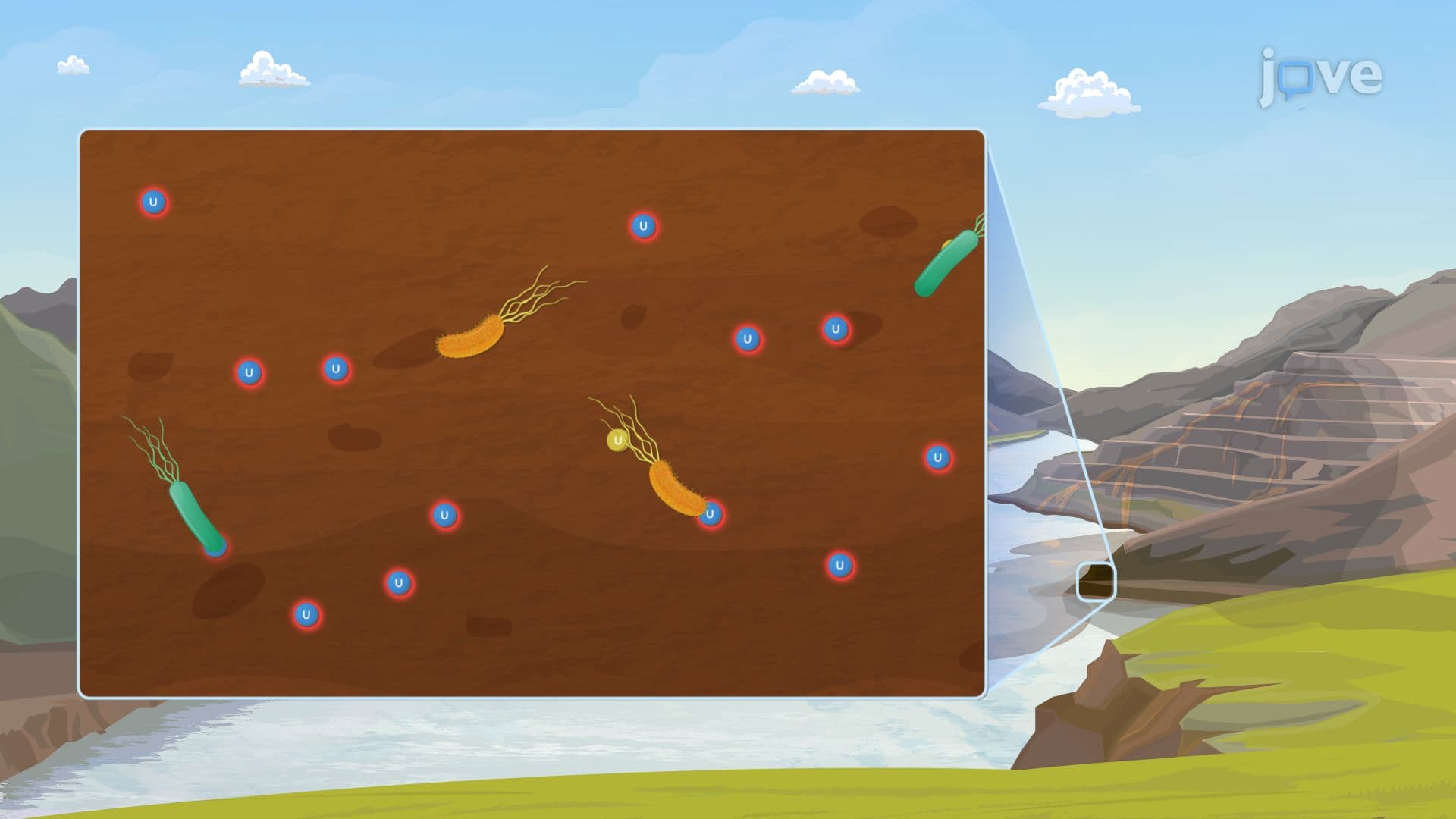
1. Microbial Bioremediation of Uranium Uranium contamination in groundwater — a serious concern at sites like former US nuclear facilities — is addressed through microbial immobilization. Bacteria such as *Geobacter* and *Shewanella* reduce soluble hexavalent uranium to insoluble tetravalent uraninite through bioreduction, using specialized membrane proteins. Additional mechanisms include biosorption, where uranium ions bind passively to bacterial cell surfaces, and bioaccumulation, where uranium is stored inside cells. Certain bacteria such as *Microbacterium* trigger biomineralization, releasing phosphate that bonds with uranium to form stable, immobile mineral compounds — effectively locking contamination in place.
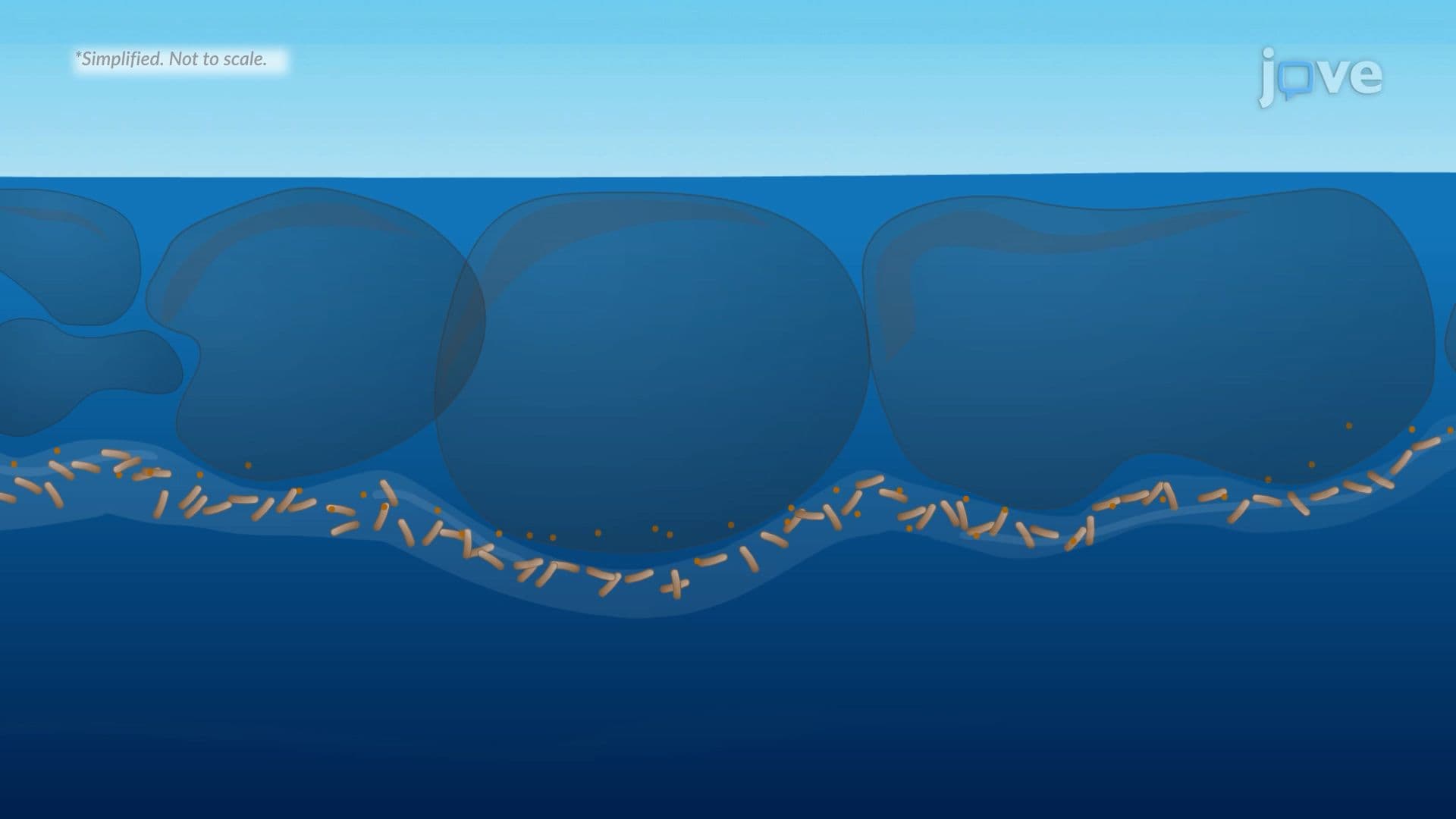
2. Microbial Bioremediation of Hydrocarbons After oil spills like the 2010 Deepwater Horizon disaster in the Gulf of Mexico, marine bacteria play a critical cleanup role. *Alcanivorax borkumensis* — naturally present in seawater — rapidly multiplies at oil-water interfaces, secreting surfactants that break oil into smaller, more accessible droplets. Monooxygenase enzymes then convert alkanes into alcohols, which are progressively oxidized into fatty acids that feed into normal cellular metabolism. Nutrient amendment with nitrogen and phosphorus can accelerate microbial growth and hydrocarbon breakdown, though ecologists must carefully balance these additions to avoid secondary environmental damage such as algal blooms.
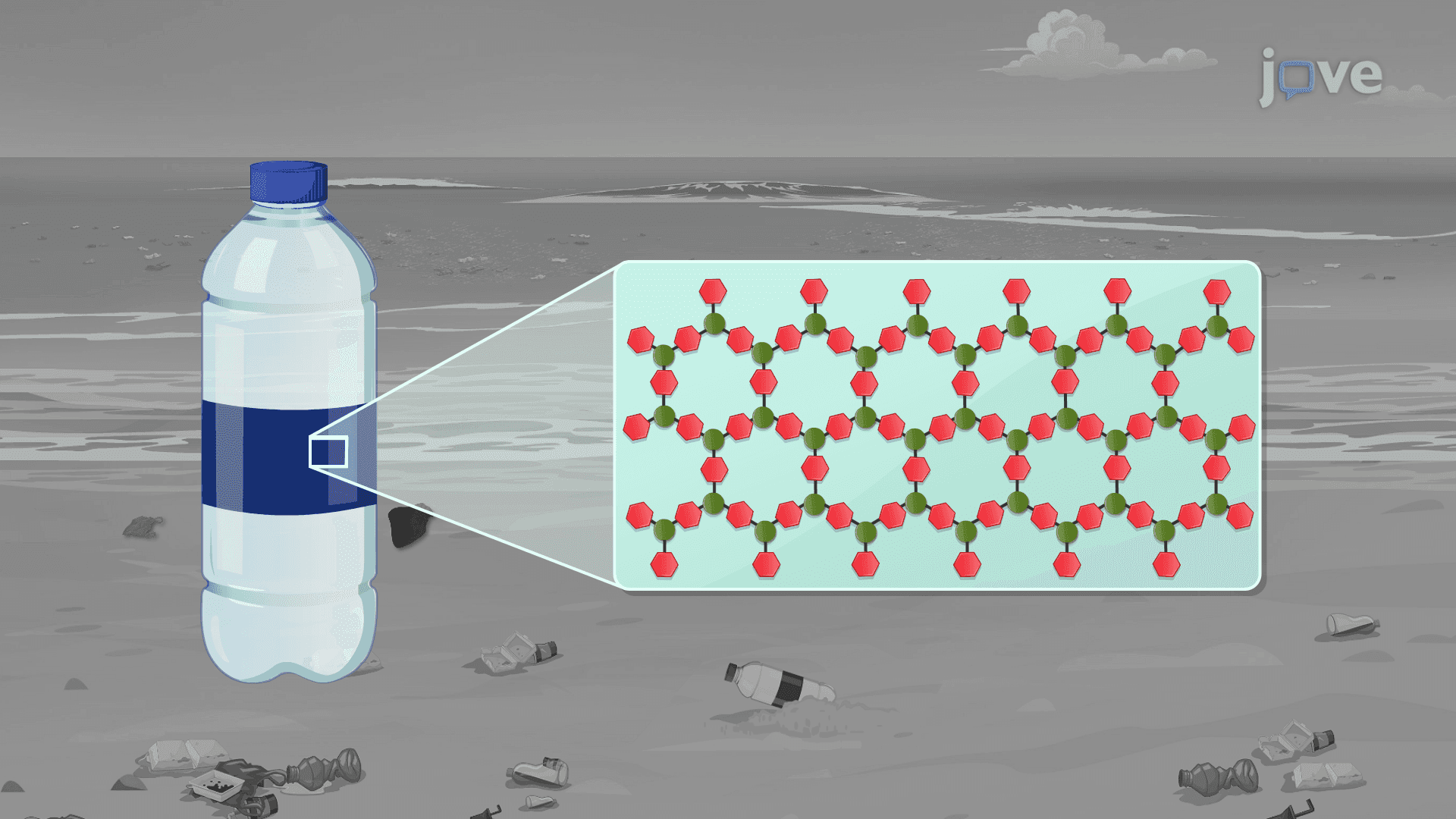
3. Microbial Bioremediation of Plastics PET plastic — found in millions of US beverage bottles and food packaging — is one of the most persistent synthetic pollutants. *Ideonella sakaiensis*, discovered in 2016, can enzymatically break down PET using two specialized enzymes: PETase, which cleaves the polymer into an intermediate compound, and MHETase, which further breaks that intermediate into ethylene glycol and terephthalic acid. These monomers are then used by the bacterium as carbon and energy sources. Despite its promise, natural degradation is extremely slow, motivating ongoing US bioengineering research aimed at engineering faster, more efficient enzyme variants for industrial plastic waste processing.
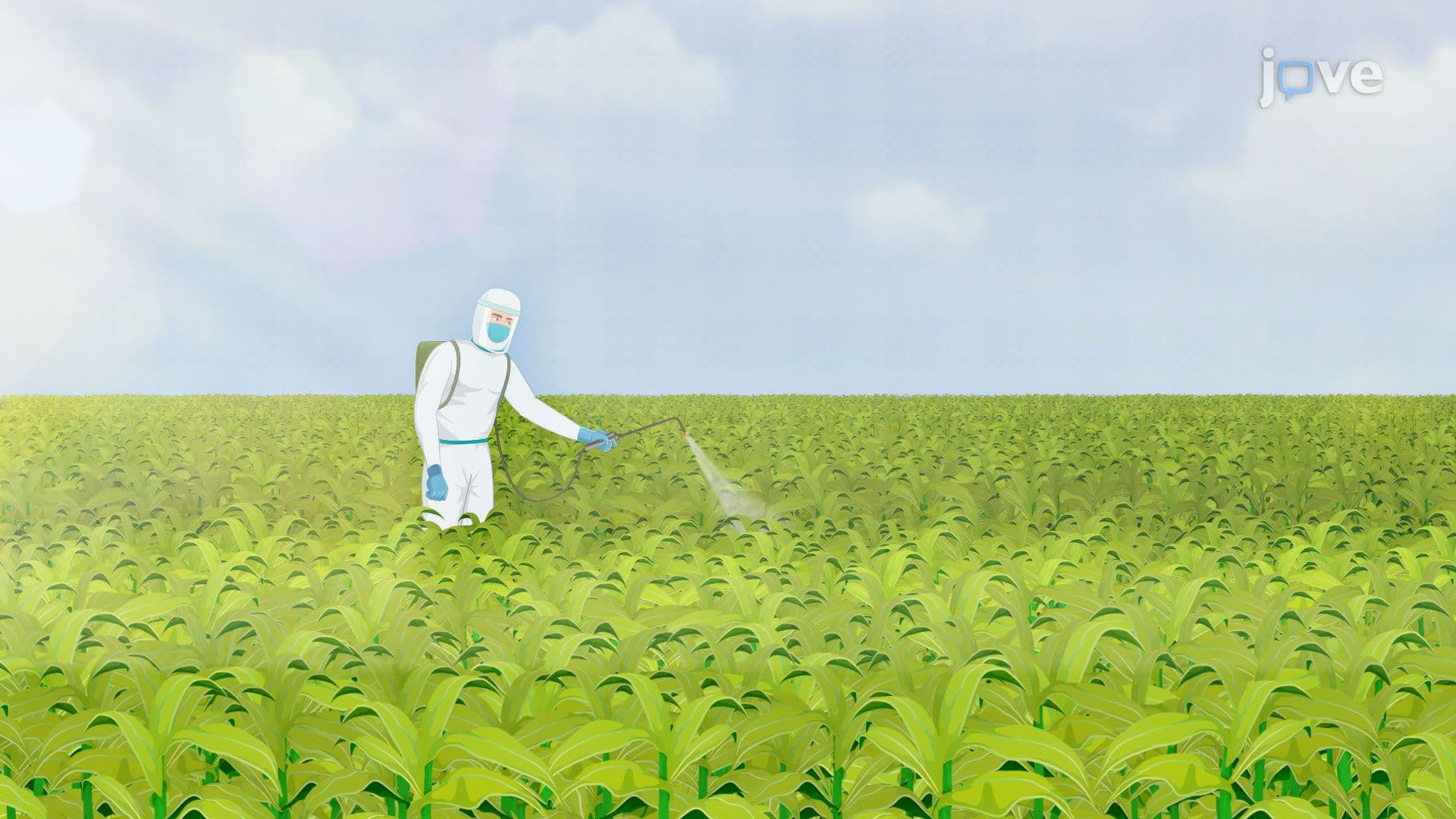
4. Microbial Bioremediation of Pesticides Pesticides widely used in US agriculture — particularly chlorinated compounds like DDT — resist breakdown due to their halogenated, ring-structured chemistry. Aerobic bacteria deploy oxygenase enzymes to introduce oxygen atoms into pesticide molecules, destabilizing them, followed by dioxygenases that cleave aromatic rings into simpler, biodegradable fragments. In oxygen-limited soils, anaerobic bacteria perform reductive dechlorination, using chlorinated pesticides as electron acceptors during respiration. This strips away chlorine atoms step by step, converting toxic compounds into less harmful forms. These microbial processes underpin many US bioremediation strategies for contaminated agricultural soils and Superfund sites.
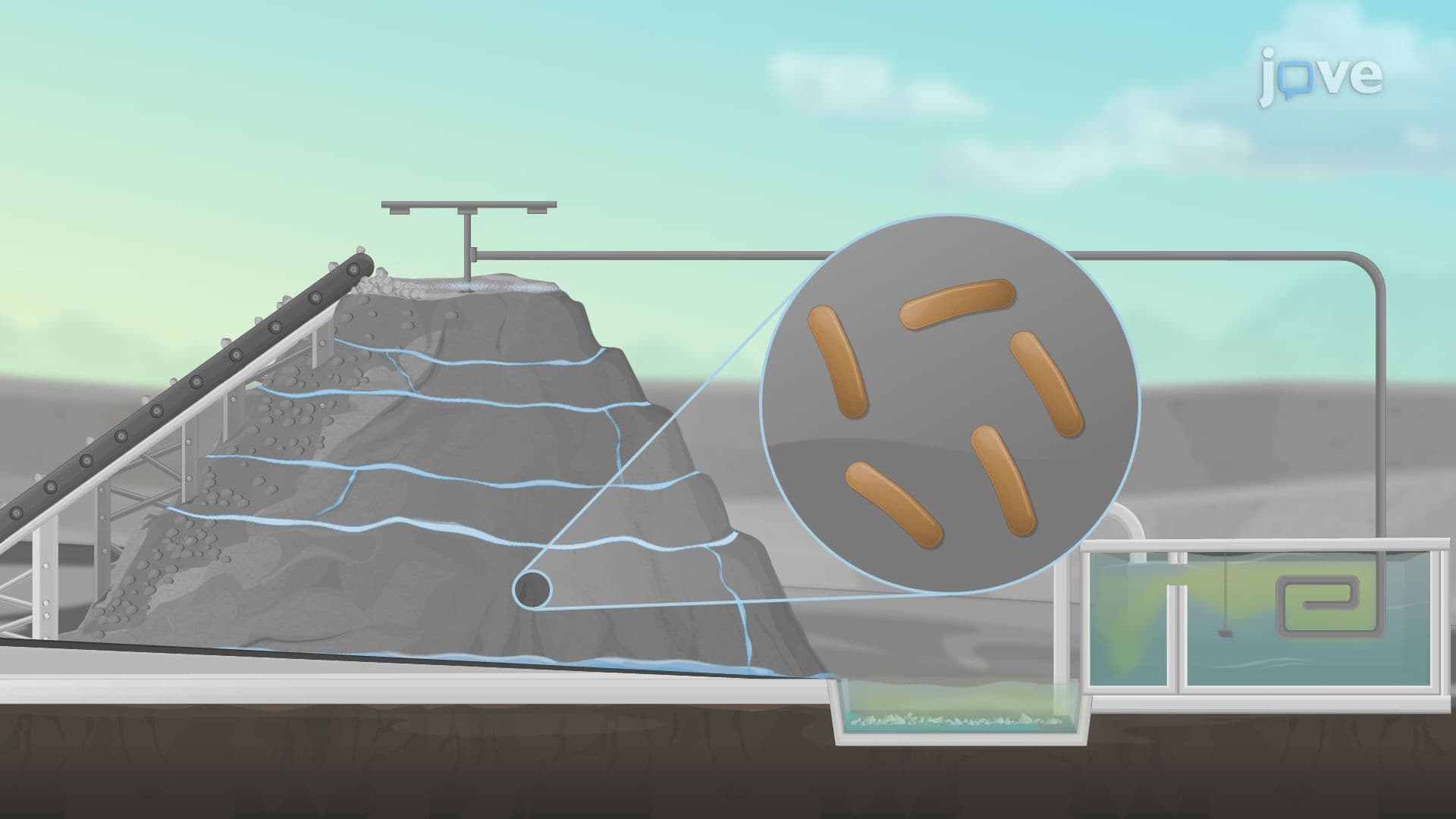
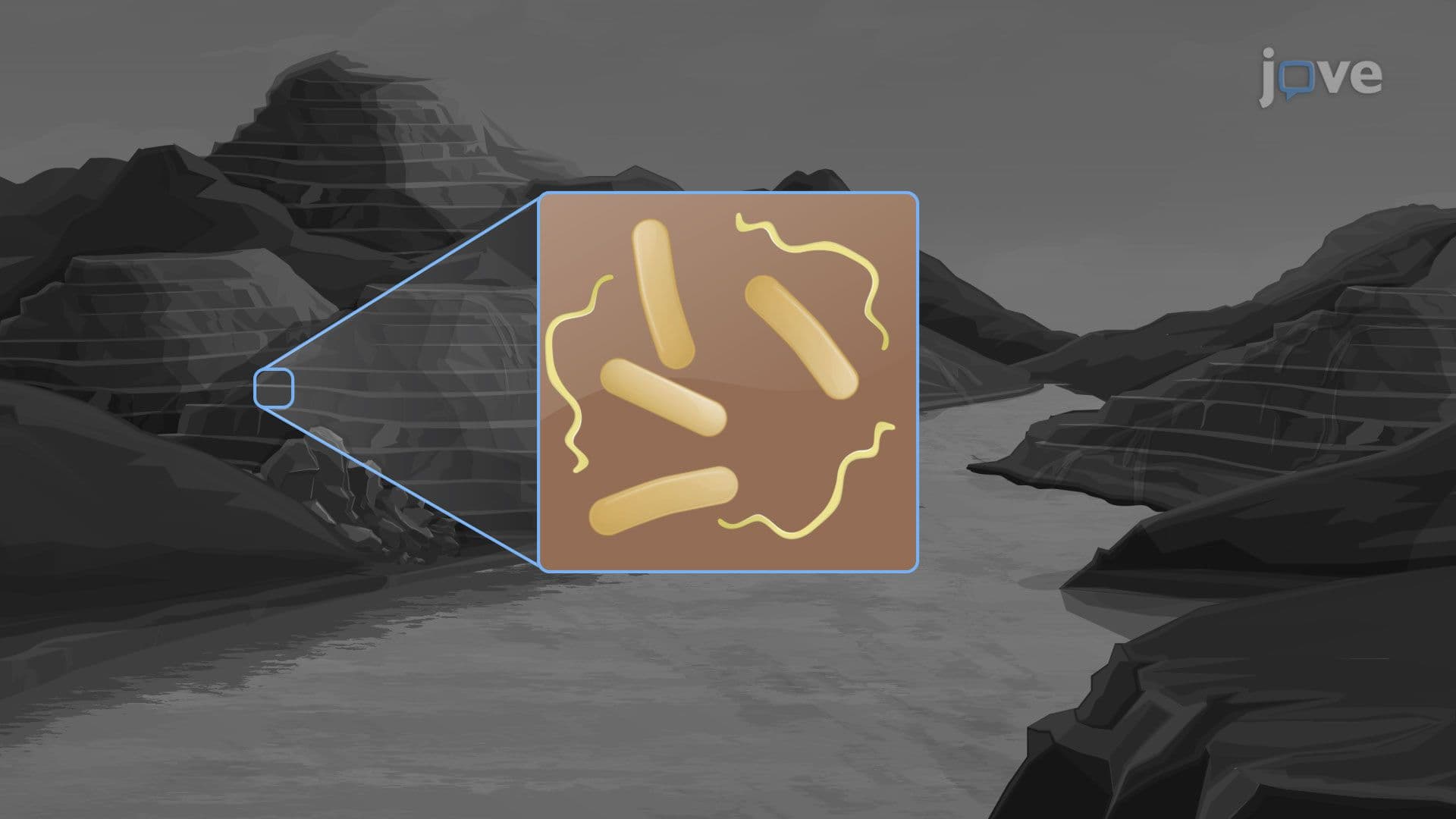
5. Microbial Leaching and Acid Mine Drainage Microbial leaching (bioleaching) extracts valuable metals from low-grade ores without high-energy smelting. *Acidithiobacillus ferrooxidans* drives copper recovery by oxidizing ferrous iron to ferric iron, which then chemically dissolves copper sulfide minerals. The metal-rich leachate is collected and processed to recover pure copper. However, the same oxidative chemistry creates acid mine drainage — a major environmental problem at abandoned mines across Appalachia and the Mountain West. Pyrite exposed during mining reacts with oxygen and water, generating sulfuric acid. Acid-loving bacteria accelerate this process, producing runoff that acidifies streams, dissolves toxic metals like cadmium and aluminum, and devastates aquatic ecosystems.
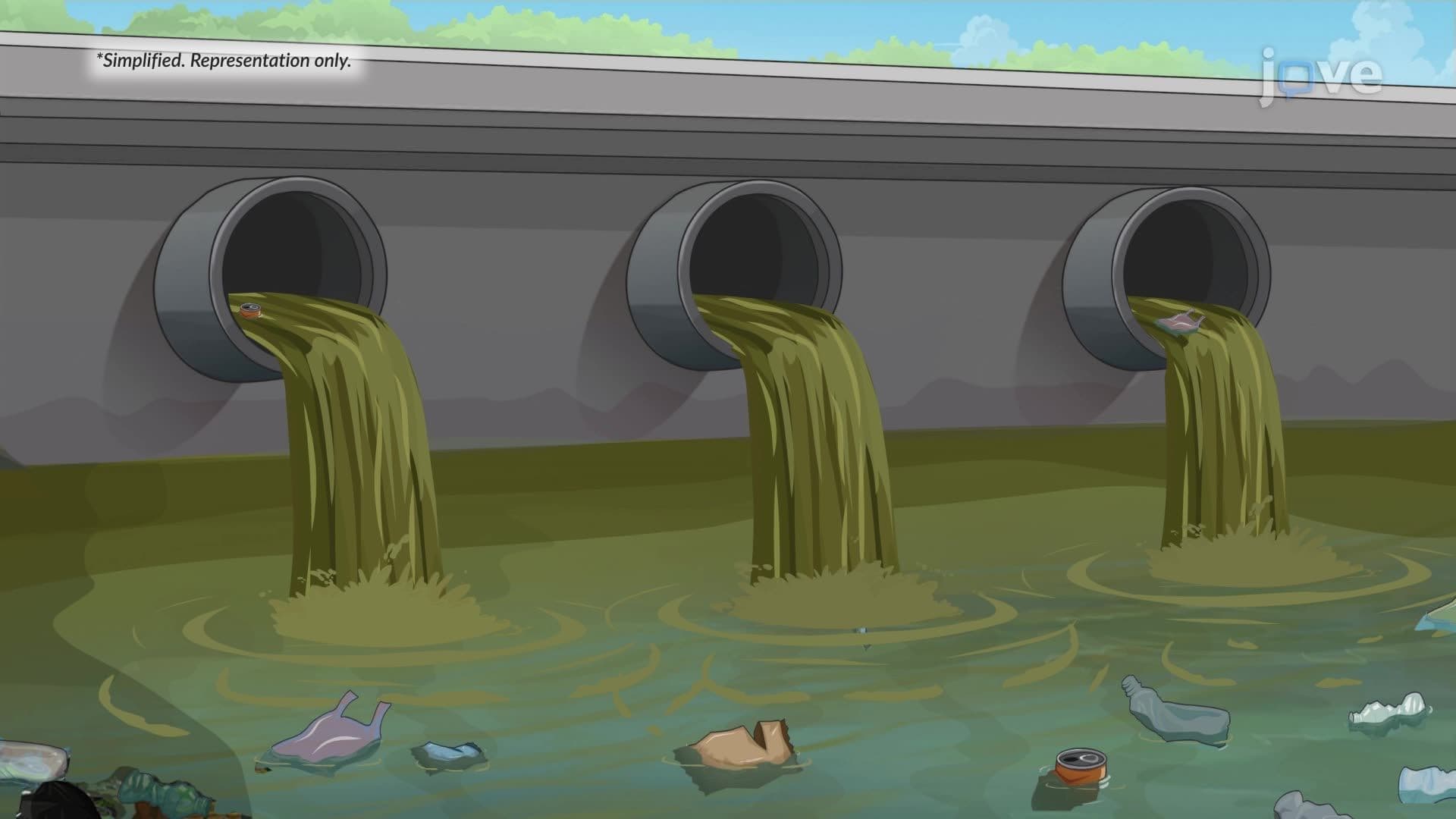
6. Microbial Wastewater Treatment Municipal and industrial wastewater treatment plants across the US depend on layered microbial communities. In oxygen-rich zones, aerobic heterotrophs rapidly decompose organic matter into carbon dioxide and microbial biomass. As oxygen depletes in deeper regions, anaerobic microbes take over through fermentation, sulfate reduction, and methanogenesis. Excess nitrogen and phosphorus in effluents cause eutrophication in receiving waters — triggering algal blooms and dead zones like those observed seasonally in the Chesapeake Bay and Gulf of Mexico. Wetland biofilms on plant roots also act as natural filters. These natural processes form the biological backbone of both natural and engineered wastewater treatment systems.
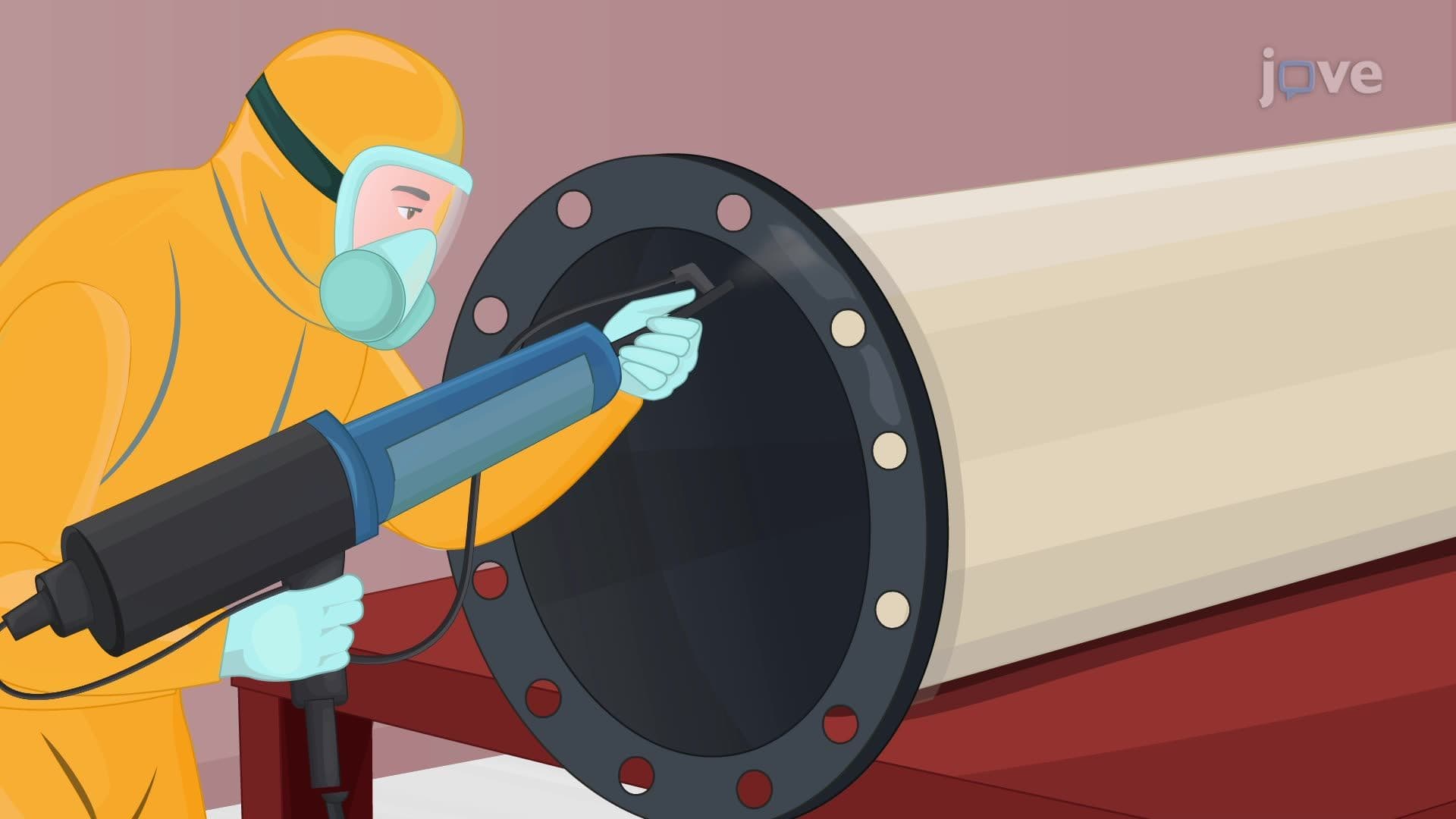
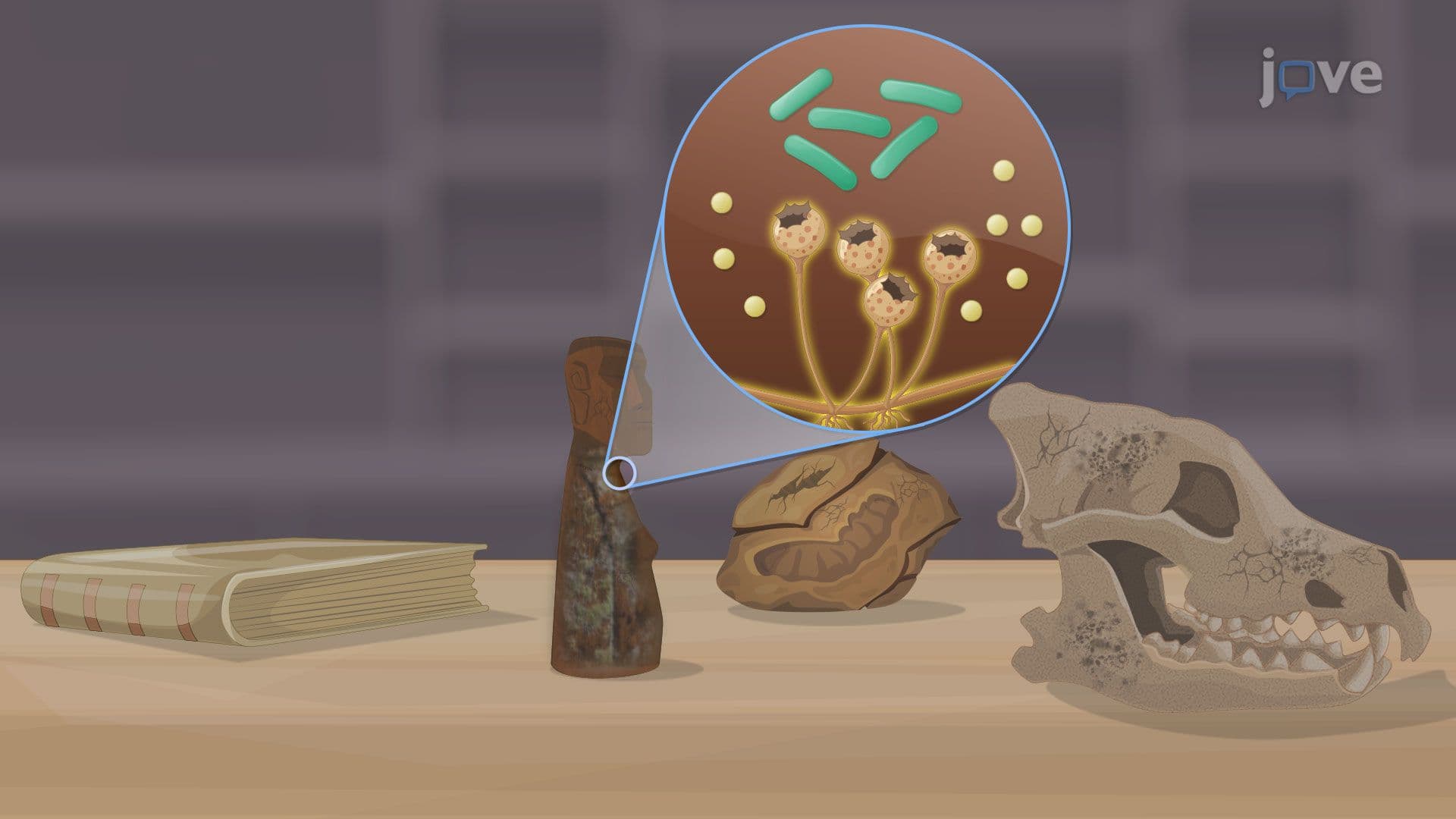
7. Microbial Corrosion and Biodeterioration Microbially influenced corrosion (MIC) is responsible for billions of dollars in annual infrastructure damage in the US, affecting buried pipelines, ship hulls, and water distribution systems. Sulfate-reducing bacteria like *Desulfopila corrodens* accept electrons directly from iron surfaces, producing sulfide that reacts with iron to accelerate pitting and structural failure. Separately, biodeterioration refers to microbial — especially fungal — damage to valuable materials such as historical documents, wooden artifacts, stone monuments, and fossilized bones. Fungal hyphae physically penetrate substrates while secreting cellulases and ligninases that chemically break down structural components. Preventive strategies include environmental humidity control and application of antifungal protective coatings.
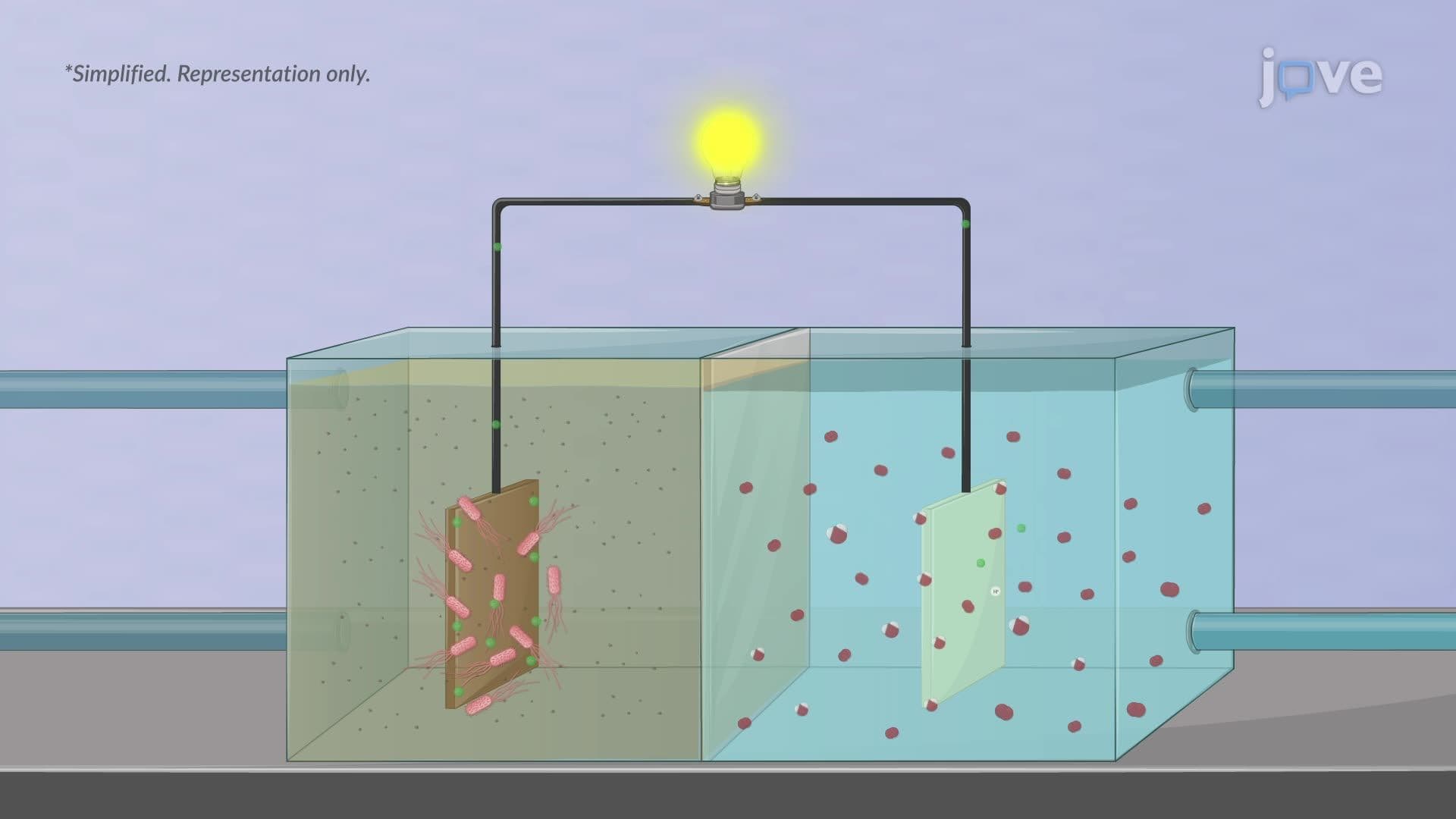
8. Microbial Fuel Cells Microbial fuel cells (MFCs) represent an emerging green technology that converts organic waste directly into electricity. Electrogenic bacteria such as *Geobacter sulfurreducens* oxidize organic carbon in an oxygen-free chamber, releasing electrons that travel through an external circuit to generate current, while protons diffuse through a membrane to a second chamber where they combine with oxygen to form water. US research institutions are actively investigating MFCs as a dual-purpose technology: generating renewable electricity while simultaneously treating wastewater — potentially transforming US wastewater treatment plants from energy consumers into net energy producers.
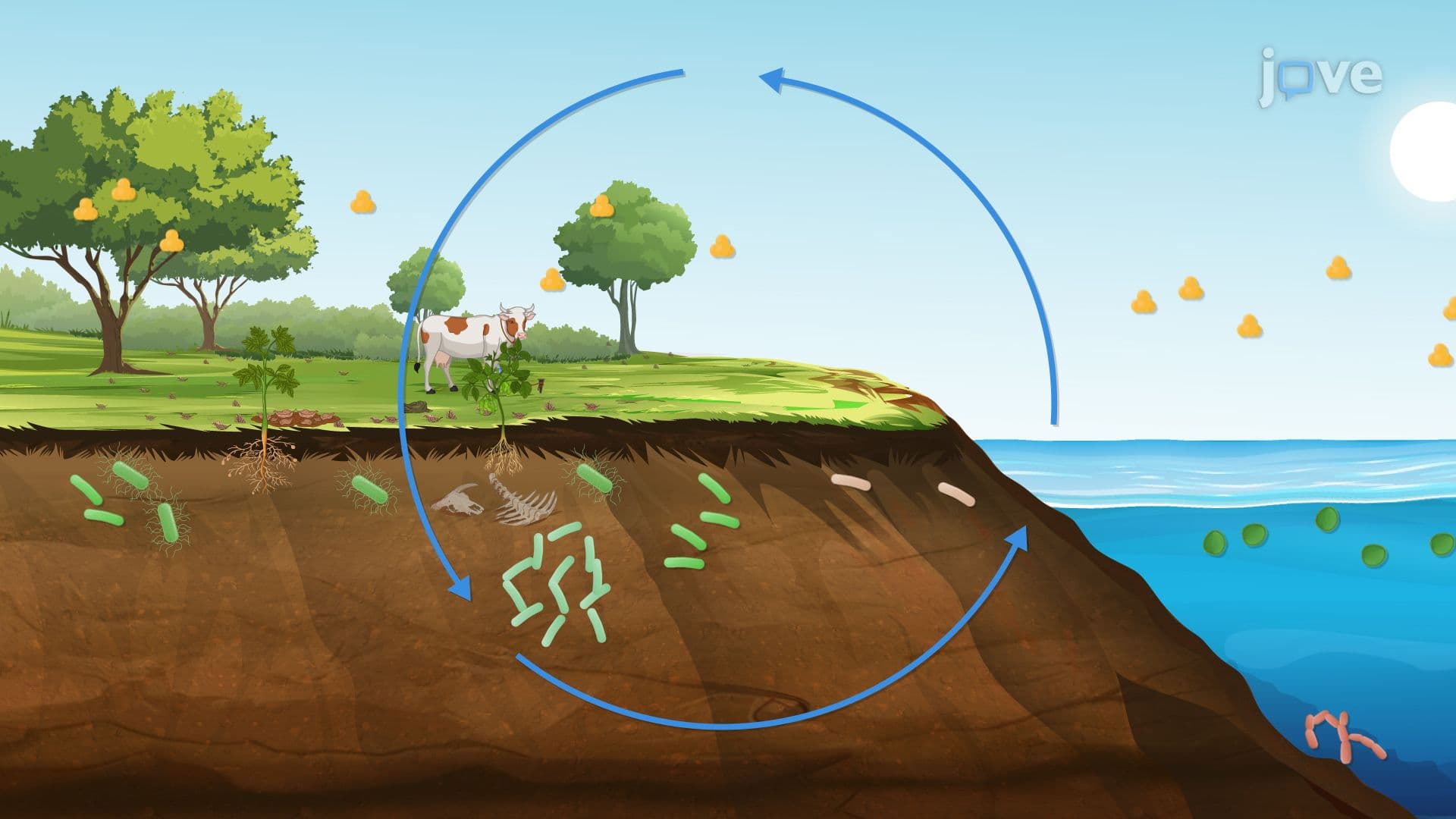
9. Microbes and Climate Change Microbes are invisible but powerful actors in Earth's climate system. As global temperatures rise, accelerated microbial decomposition releases more carbon dioxide through respiration in aerobic soils. In wetlands, rice paddies, and livestock digestive systems — all significant sources in the US agricultural sector — methanogenic archaea produce methane, a greenhouse gas roughly 80 times more potent than CO₂ over a 20-year window. Soil microbes also generate nitrous oxide during nitrogen cycling. Balancing these emissions, denitrifying bacteria convert nitrous oxide back to harmless nitrogen gas, and marine photosynthetic microbes absorb atmospheric CO₂. Understanding these microbial climate feedbacks is essential for developing effective US climate policy and carbon management strategies.