Loading video…

 22 Concepts
 8.4K views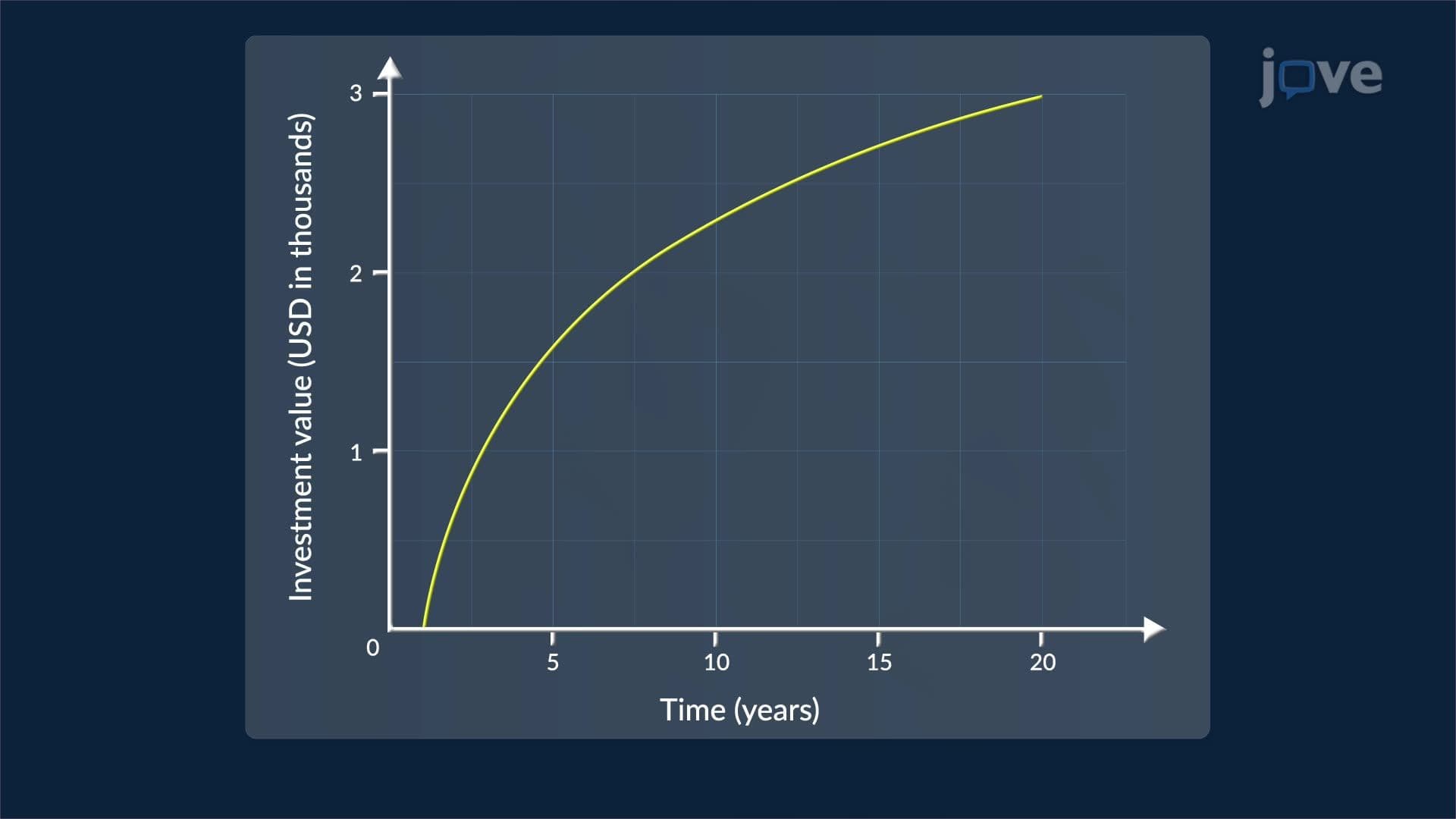

Video Summary: What are Derivatives of Logarithmic Functions
Did you know that the math behind why your first investment dollar works harder than your thousandth is rooted in calculus? The derivatives of logarithmic functions reveal exactly how growth slows over time, a concept every calculus student needs to master. Using implicit differentiation on exponential forms, this technique unlocks real-world models like investment return rates used by US financial analysts. Watch the full video on JoVE Coach to master this concept with expert-led visuals and step-by-step explanations.
The derivatives of logarithmic functions sit at the intersection of algebra and calculus, and understanding them deeply separates students who merely memorize formulas from those who truly understand why the math works. At its core, a logarithm answers the question: "To what power must a base be raised to produce a given number?" Differentiation then asks: "How fast is that relationship changing?" Together, these ideas form one of the most elegant and practically useful results in all of calculus.
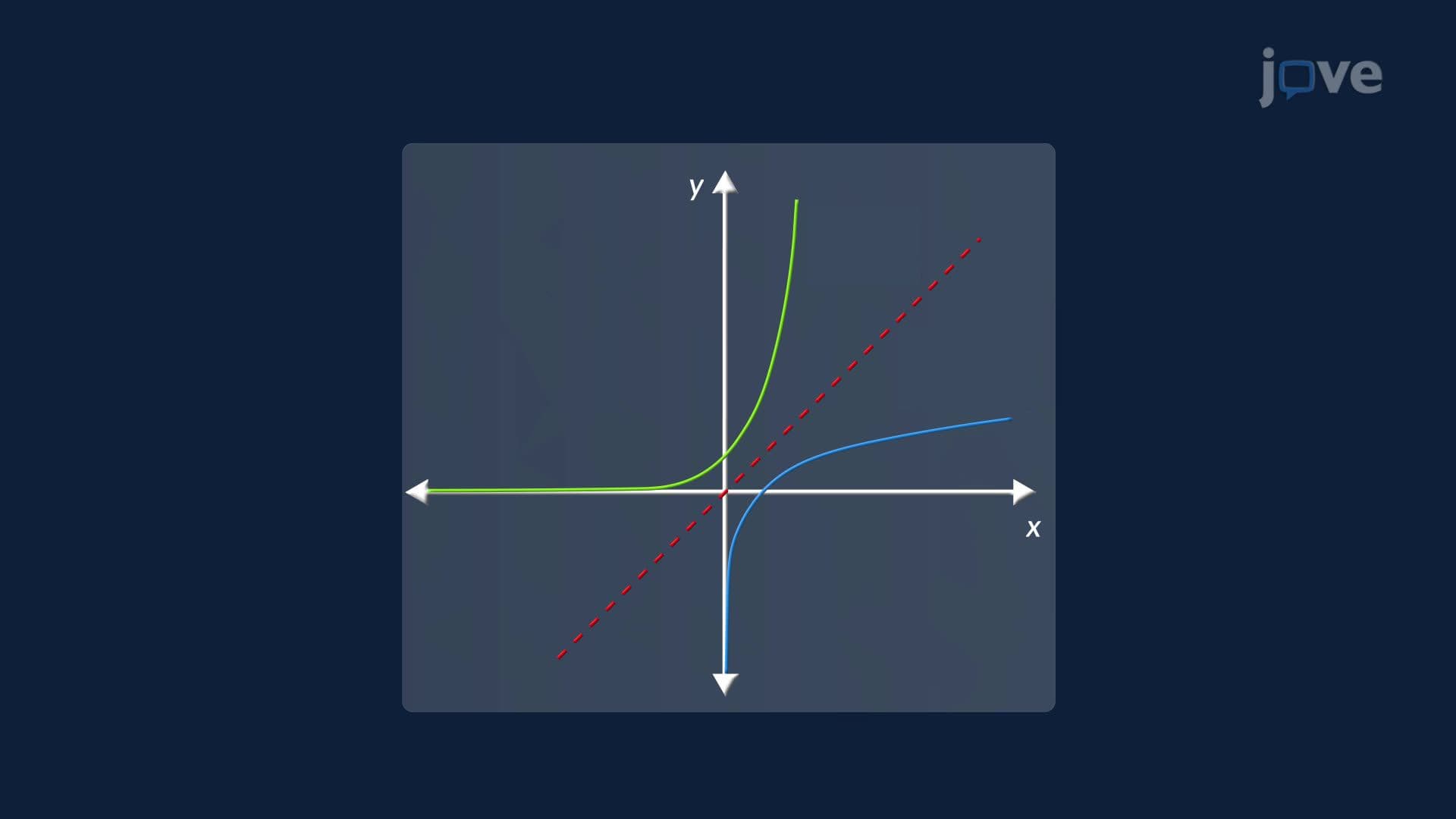
The derivation begins by converting a logarithmic equation into its equivalent exponential form. If y equals the log base b of x, then b raised to the power y equals x. From here, implicit differentiation, a technique that differentiates both sides of an equation with respect to x, is applied. Differentiating the exponential side requires the chain rule, which introduces the natural logarithm of b as a factor. Because the exponential term equals x, substitution yields the clean final result: the derivative equals 1 divided by (x times the natural logarithm of b).
When the base is the natural number e, the natural logarithm of e simplifies to 1, reducing the derivative to simply 1 over x. This is the derivative of the natural logarithm, arguably the most important single derivative result in all of calculus, and it appears constantly in AP Calculus AB and BC exams, college midterms, and even on the MCAT for pre-med students modeling biological growth and decay.
Real exam problems rarely present logarithms in isolation. More often, logarithmic functions are nested inside composite expressions or multiplied by other functions, requiring students to combine multiple differentiation rules.
A particularly powerful technique known as logarithmic differentiation uses the natural log strategically to simplify expressions involving products, quotients, and variable exponents before differentiating. For instance, differentiating a function like x raised to the power of x, which doesn't fit neatly into the power rule, becomes straightforward once you take the natural log of both sides. This technique is regularly tested in college-level Calculus I and II courses across US universities.
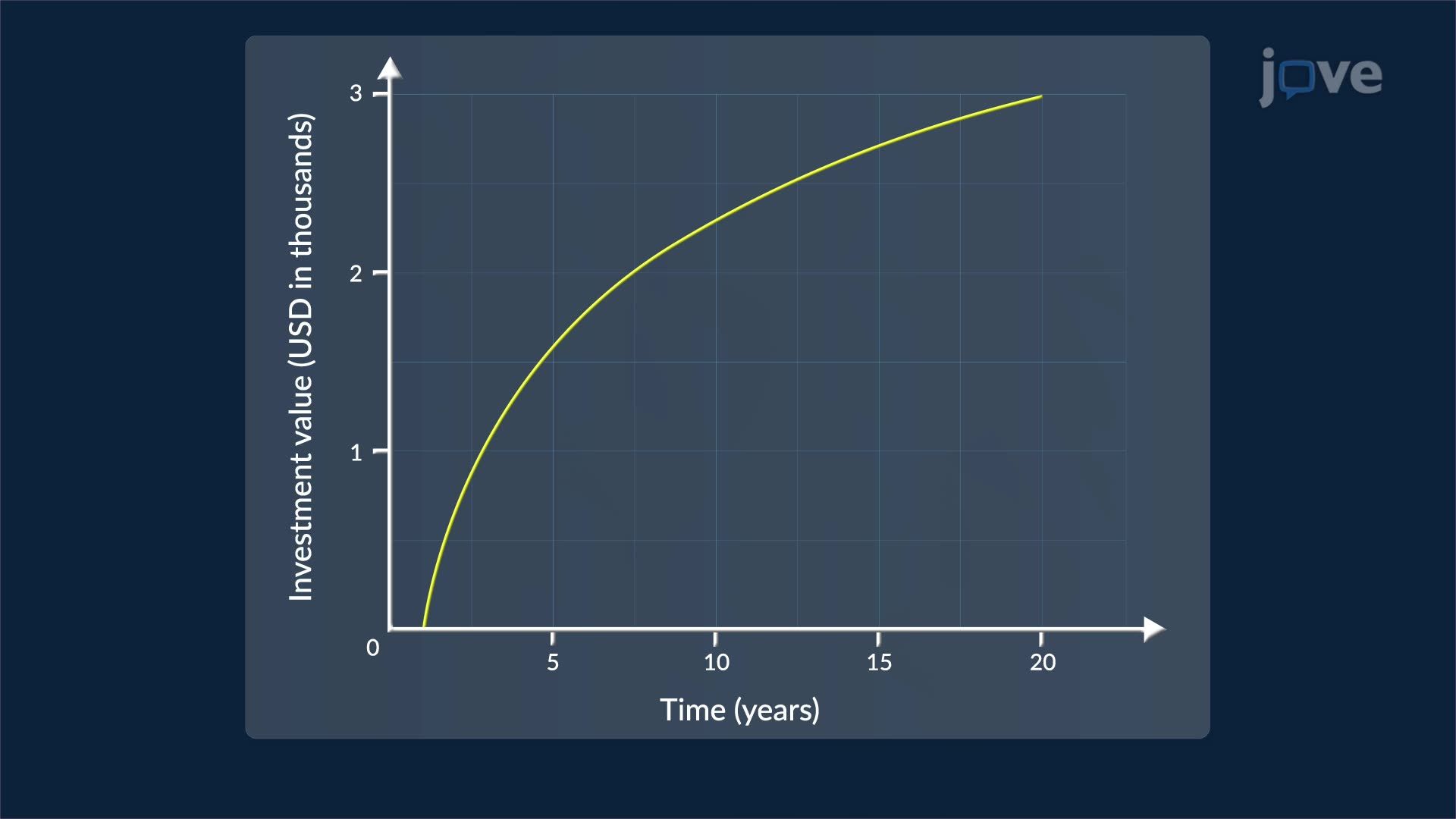
Beyond the classroom, logarithmic derivatives model a fundamental economic principle: diminishing returns. In US financial planning, investment growth early in a portfolio's life outpaces growth during later periods, not because the market slows, but because the logarithmic rate of return is inversely proportional to time. The derivative of the logarithm literally quantifies this slowdown. Students who grasp this connection move from abstract symbol manipulation to genuine mathematical reasoning, exactly the skill rewarded on AP exams and college assessments.
Related Micro-courses