Loading video…

 22 Concepts
 8.4K views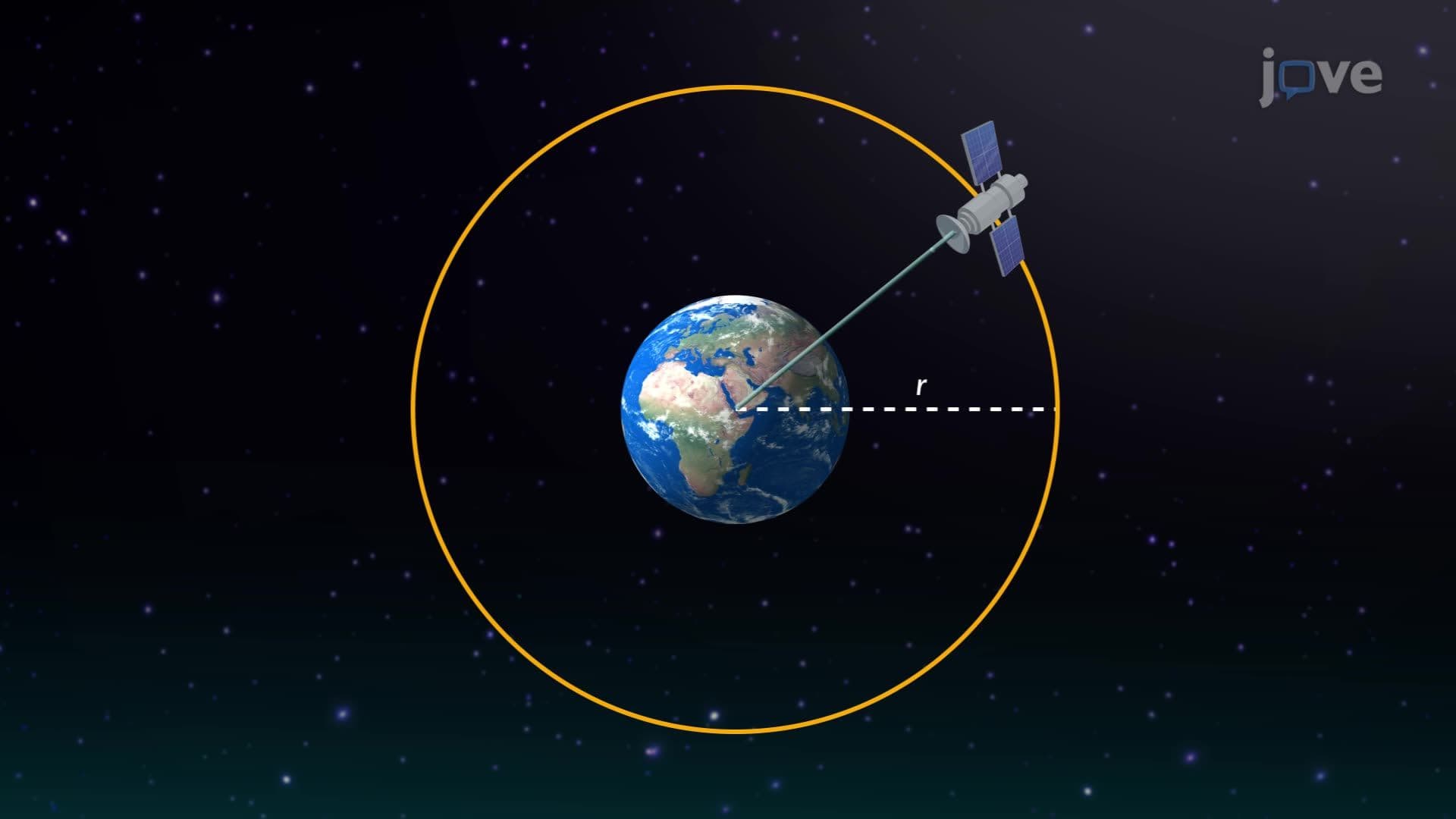

Video Summary: What Is Implicit Differentiation
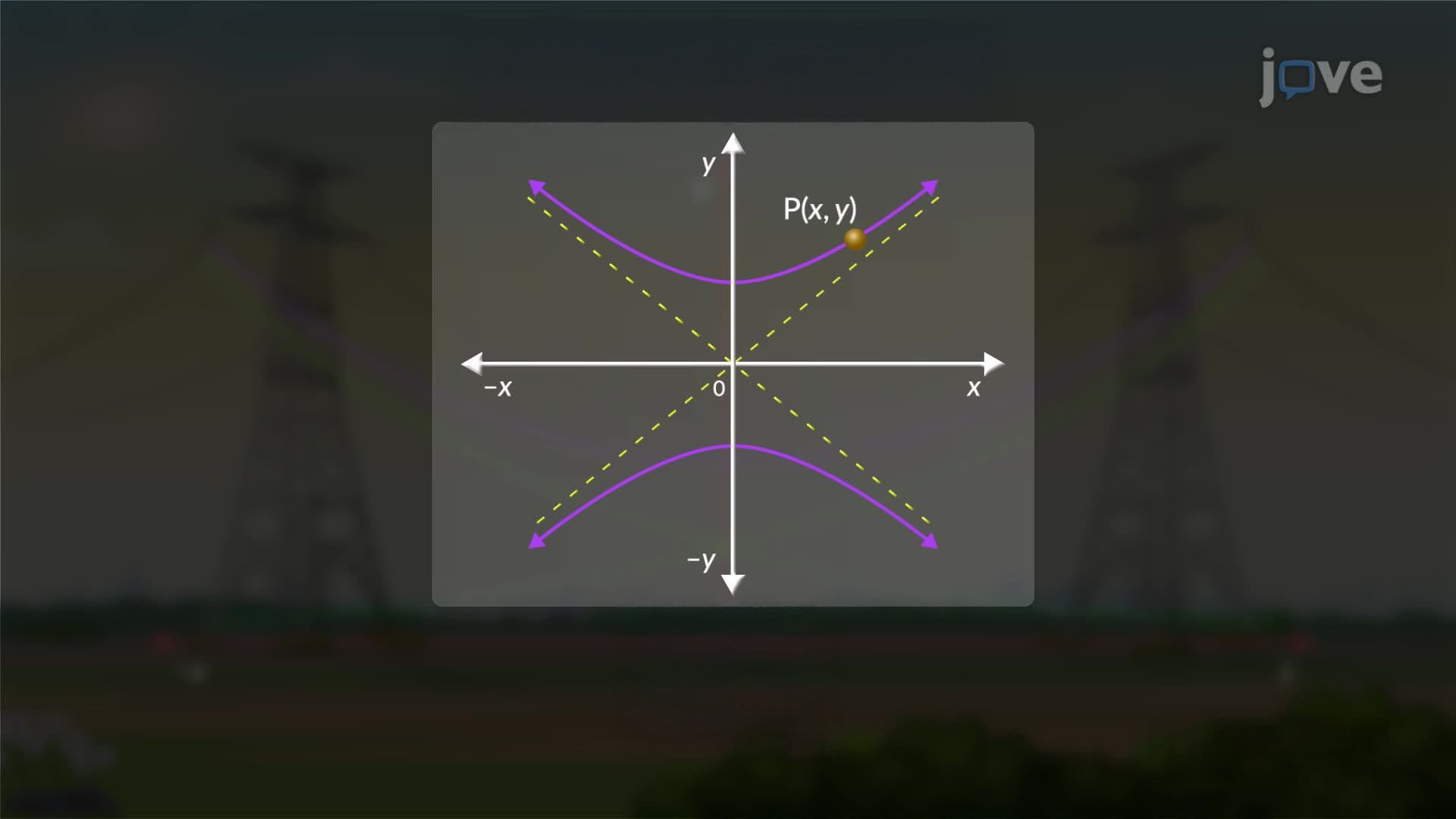
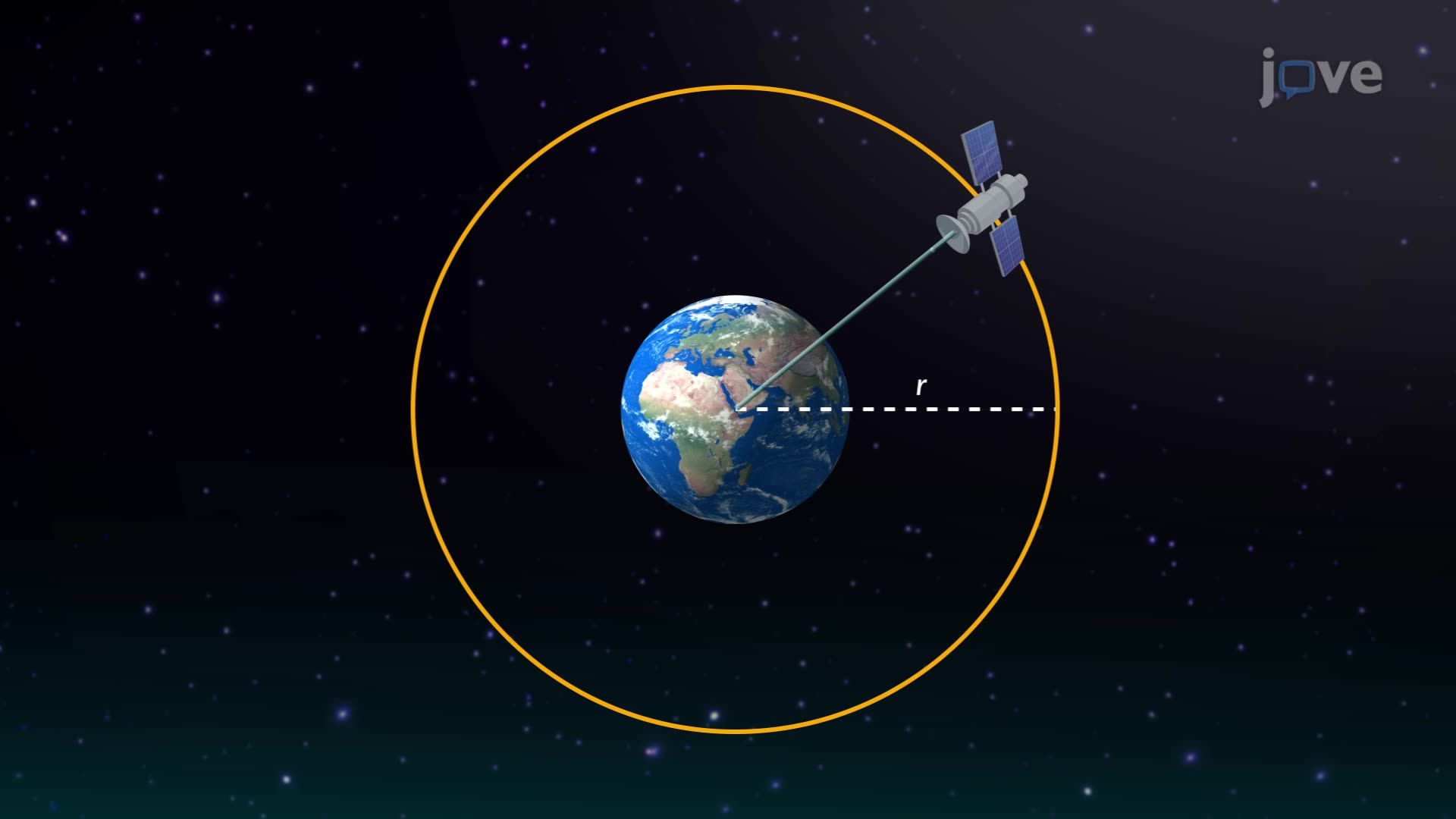
Did you know a satellite's orbital path can't be described by a simple y = f(x) equation? That's where implicit differentiation comes in. This branch of calculus unlocks the slope and direction of motion for curves like circular orbits, without ever isolating y. NASA engineers rely on this exact math to track spacecraft trajectories. Watch the full video on JoVE Coach to master this concept with expert-led visuals and step-by-step explanations.
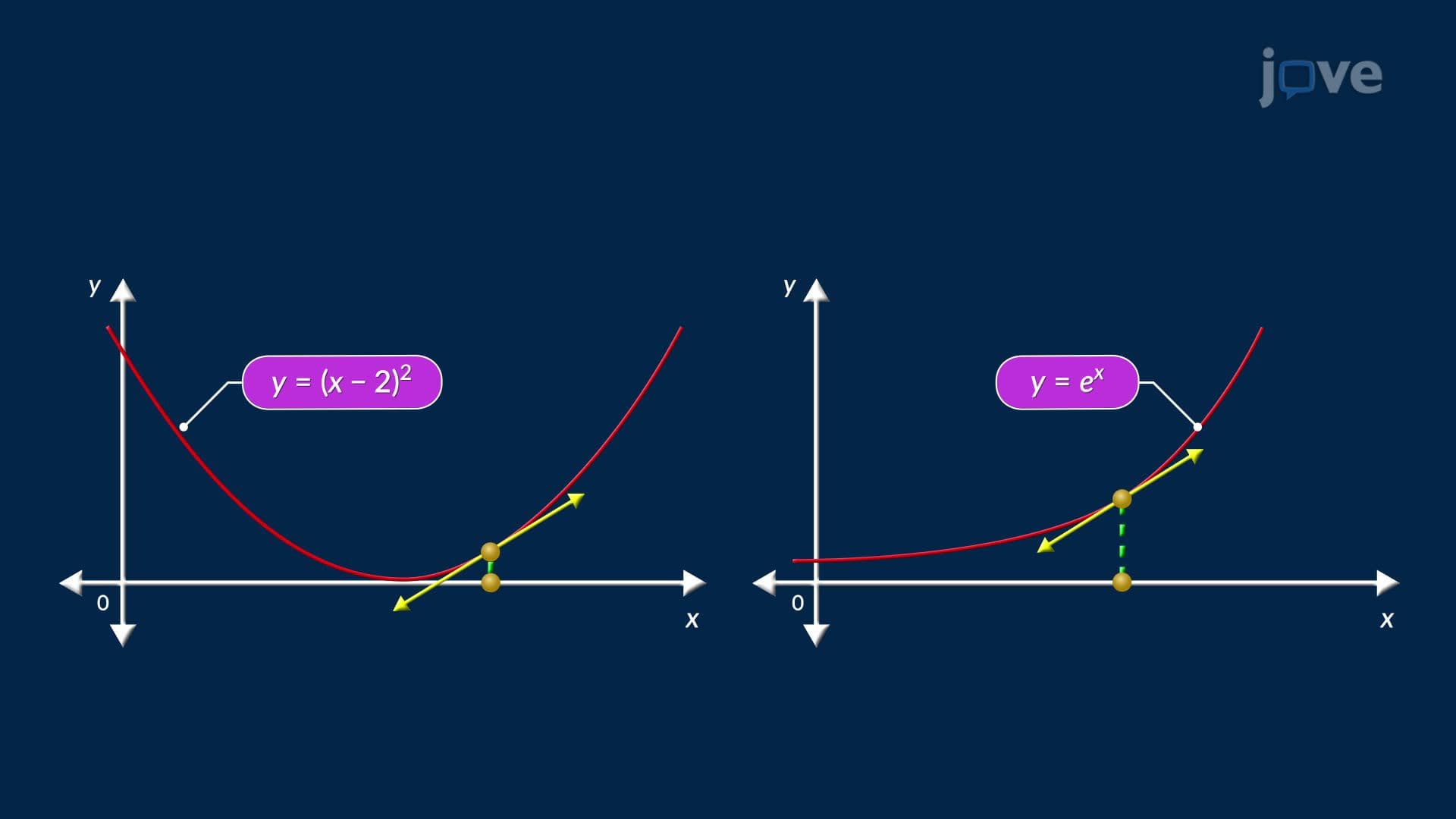
Most students first encounter derivatives through explicit functions, equations written as y = f(x), where y is isolated on one side. But many real-world relationships can't be expressed that cleanly. Implicit differentiation is the calculus technique used to find derivatives when x and y are intertwined in a single equation, without solving for y first. It's one of the most important tools in both AP Calculus and college-level calculus courses, and understanding it opens the door to analyzing curves, motion, and multivariable systems.
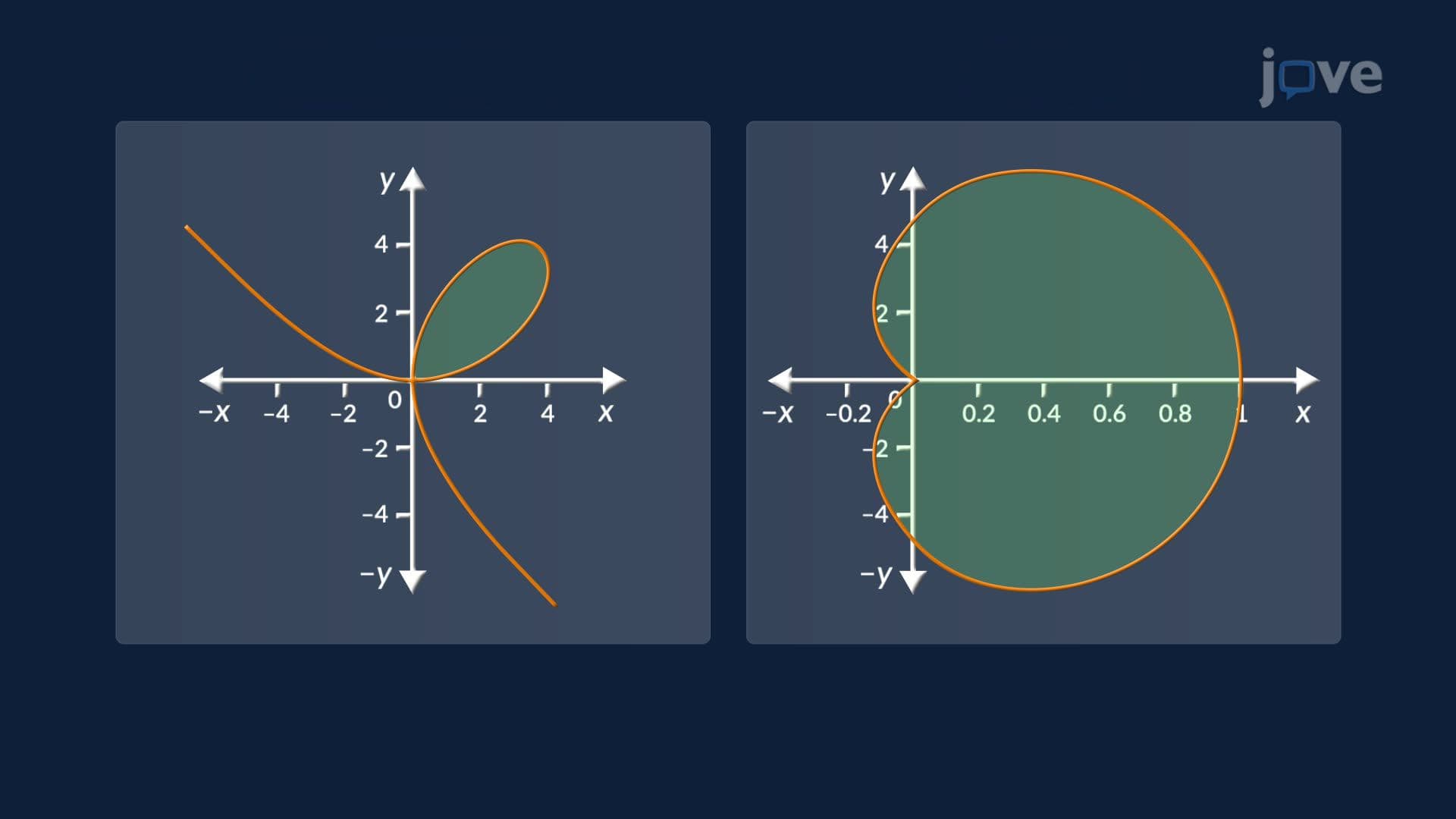
An explicit function directly states y in terms of x, for example, y = 3x² + 5 gives velocity as a direct function of time for a car on a straight highway. An implicit function, by contrast, defines a relationship between x and y without isolating either variable. The equation of a circle, x² + y² = r², is a classic example: you cannot write it as a single, clean y = f(x) without splitting it into two separate functions. Recognizing this distinction is the first step on AP Calculus exams, where implicit differentiation problems are routinely tested on both the AB and BC tracks.
The process follows a reliable structure that, once internalized, becomes second nature:
1. Differentiate both sides of the equation with respect to x. Every term gets differentiated, including terms containing y. 2. Apply the chain rule to y-terms. Since y is itself a function of x, any derivative of a y-term picks up a dy/dx factor. For example, differentiating y² gives 2y · (dy/dx). 3. Apply the product rule or quotient rule where needed, especially when terms contain both x and y multiplied or divided together. 4. Isolate dy/dx algebraically by collecting all dy/dx terms on one side and factoring. 5. Substitute coordinates of the specific point to evaluate the slope numerically. 6. Write the tangent line equation using point-slope form: y − y1 = m(x − x1).
This chain rule application is the heart of implicit differentiation. Students who struggle with it are usually those who haven't fully internalized that y is a function of x, a mindset shift that makes all the difference.
Implicit differentiation isn't just an academic exercise. At NASA's Jet Propulsion Laboratory in Pasadena, California, engineers model satellite trajectories using parametric and implicit equations, the instantaneous direction of a spacecraft at any point in its orbit is found using exactly this technique. In US medical imaging, the elliptical cross-sections analyzed in MRI scans are described by implicit equations; radiologists and biomedical engineers use related rates (a direct extension of implicit differentiation) to interpret how these shapes change over time. On the AP Calculus BC exam, related rates problems, which depend entirely on implicit differentiation, consistently appear and carry significant point value. College students in Calculus I and II at institutions from MIT to community colleges across the country encounter implicit differentiation as a gateway to topics like related rates, higher-order derivatives, and eventually multivariable calculus. Mastering it early creates a compounding advantage throughout any STEM degree program.
Related Micro-courses