Loading video…

 22 Concepts
 8.4K views

Video Summary: Problem Solving in Implicit Differentiation
Did you know some curves in mathematics are so intertwined that isolating a single variable is mathematically impossible? Problem solving in implicit differentiation tackles exactly this challenge. A classic US calculus example is the conchoid of Nicomedes, a curve used in engineering design where standard differentiation fails completely. Mastering implicit differentiation basics unlocks slopes, tangent lines, and curve behavior for complex relationships. Watch the full video on JoVE Coach to master this concept with expert-led visuals and step-by-step explanations.
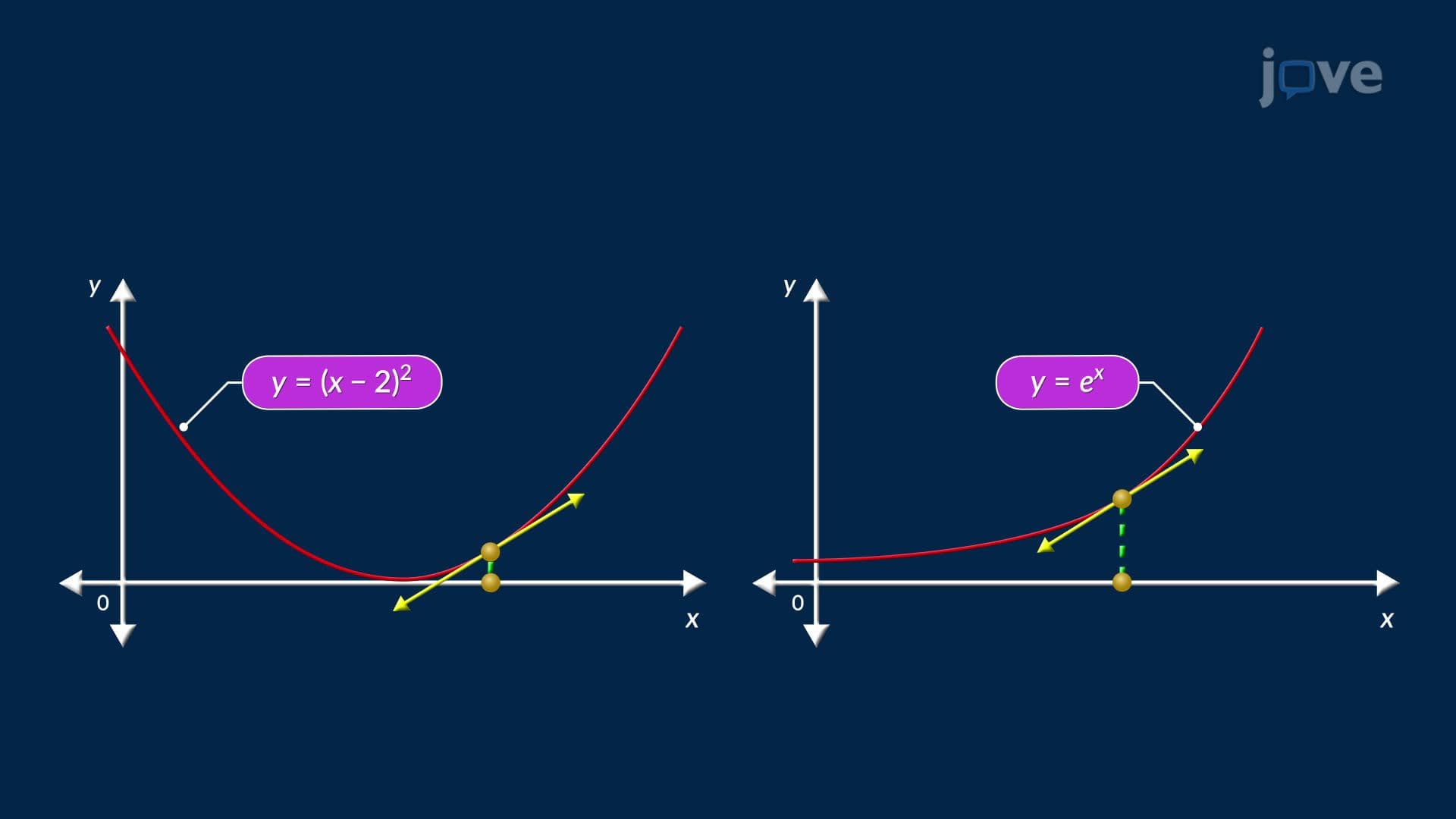
Most algebra and precalculus courses train students to isolate y before differentiating, a clean, direct method that works beautifully for simple functions. However, many real-world curves and equations in mathematics and physics refuse to cooperate. Problem solving in implicit differentiation is the technique that handles equations where y and x are so deeply interwoven that separation is either impossible or unnecessarily complicated. Rather than isolating a variable, you differentiate both sides of the equation simultaneously, treating y as an implied function of x throughout the entire process.
The most critical tool in implicit differentiation is the chain rule. When differentiating a term that contains y, such as y squared or sin(y), the chain rule requires you to multiply by dy/dx. This is because y itself depends on x, even if that relationship is not written explicitly. For example, differentiating y cubed gives 3y squared times dy/dx, not simply 3y squared. Students who struggle with implicit differentiation most often miss this step. On the AP Calculus AB and BC exams, correctly placing dy/dx using the chain rule is frequently the deciding factor between partial and full credit on free-response questions.
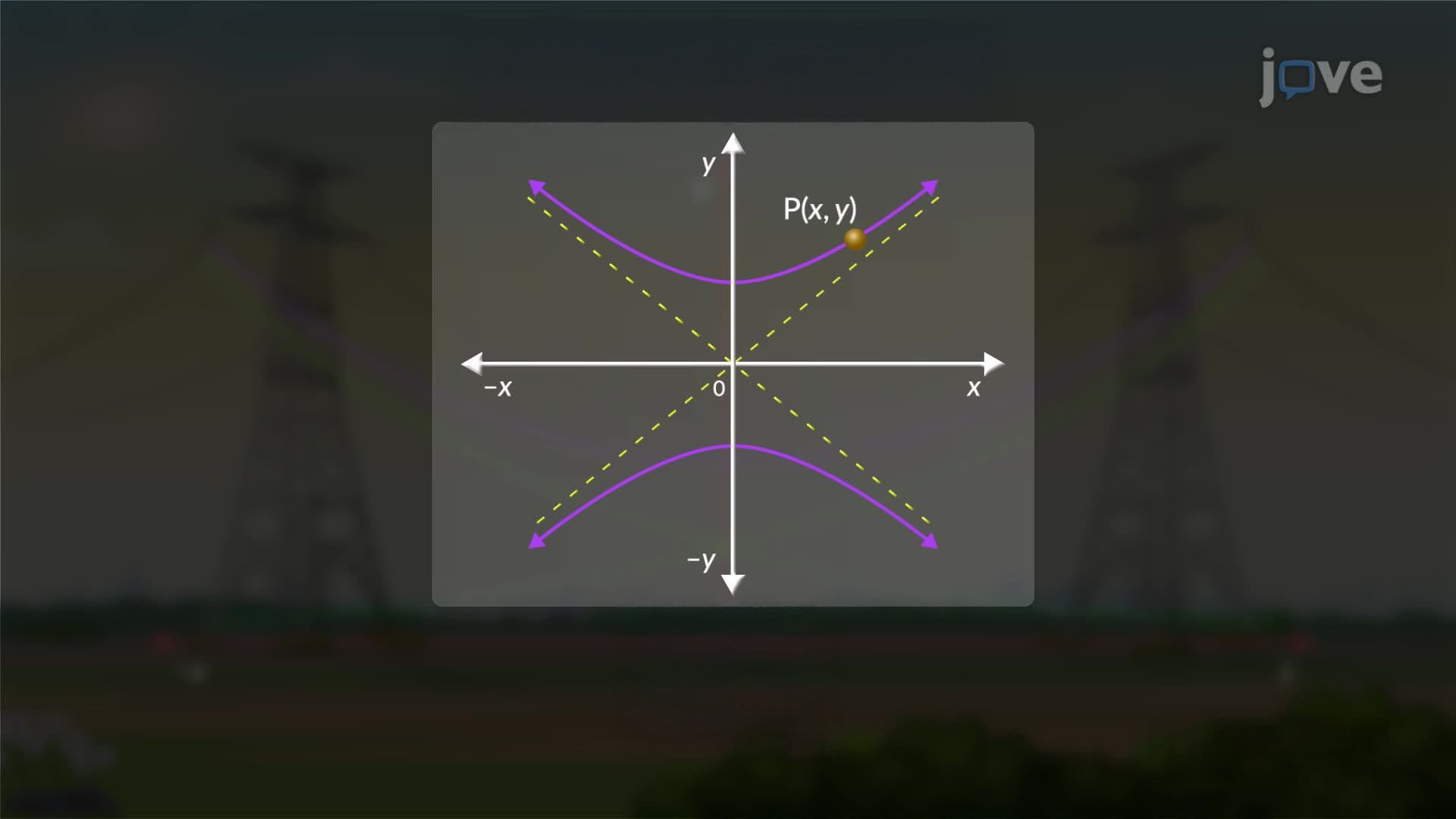
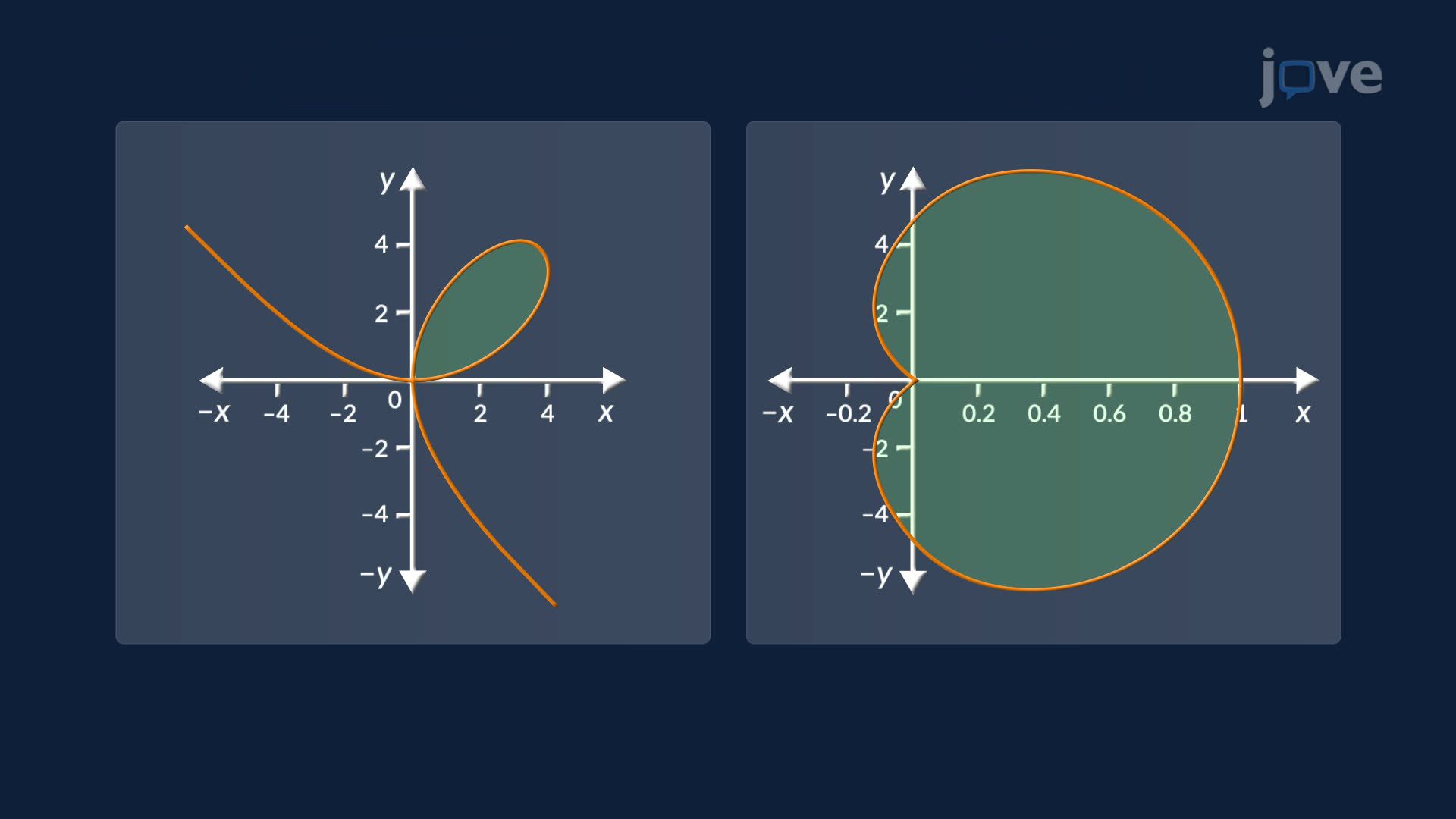
Many implicitly defined equations, such as those found in conic sections or parametric-adjacent curves like the conchoid of Nicomedes, contain terms where x and y are multiplied together. This requires the product rule: the derivative of (x times y) equals x times dy/dx plus y times 1. After applying all relevant rules, product rule, chain rule, and power rule, across every term on both sides, your equation will contain a mixture of dy/dx terms and non-derivative terms. The next algebraic step is to collect all dy/dx terms on one side of the equation, factor out dy/dx, and then divide to solve for it. This structured, step-by-step process is what separates students who consistently earn full marks on calculus exams from those who lose points to disorganized work.
Once dy/dx is isolated, the process of finding the tangent line equation at a specific point is straightforward. Substitute the x- and y-coordinates of the given point directly into the dy/dx expression to calculate the numerical slope. Then apply the point-slope formula, y minus y1 equals m times (x minus x1), where m is that calculated slope. This final step appears consistently in AP Calculus BC problem sets, college midterms, and even preliminary engineering coursework at US universities. For instance, in a university-level engineering statics course, implicit differentiation helps describe the geometry of curved structural members where no clean formula exists. Practicing this full pipeline, differentiate implicitly, isolate dy/dx, substitute the point, apply point-slope, builds the procedural fluency that standardized exams and college professors both expect and reward.
Related Micro-courses