Loading video…

 16 Concepts
 51 views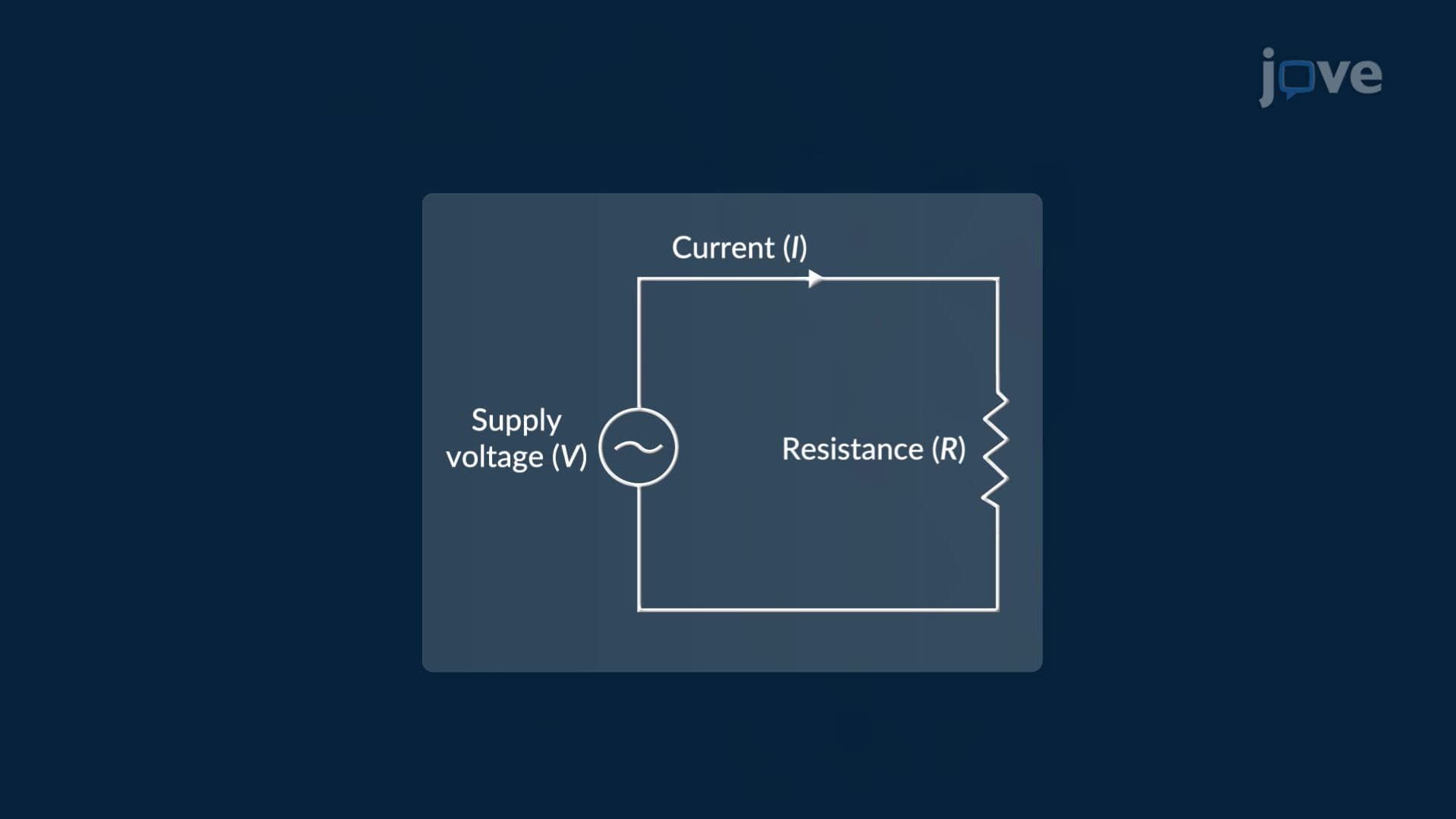

Video Summary: Power Series and Their Properties Explained
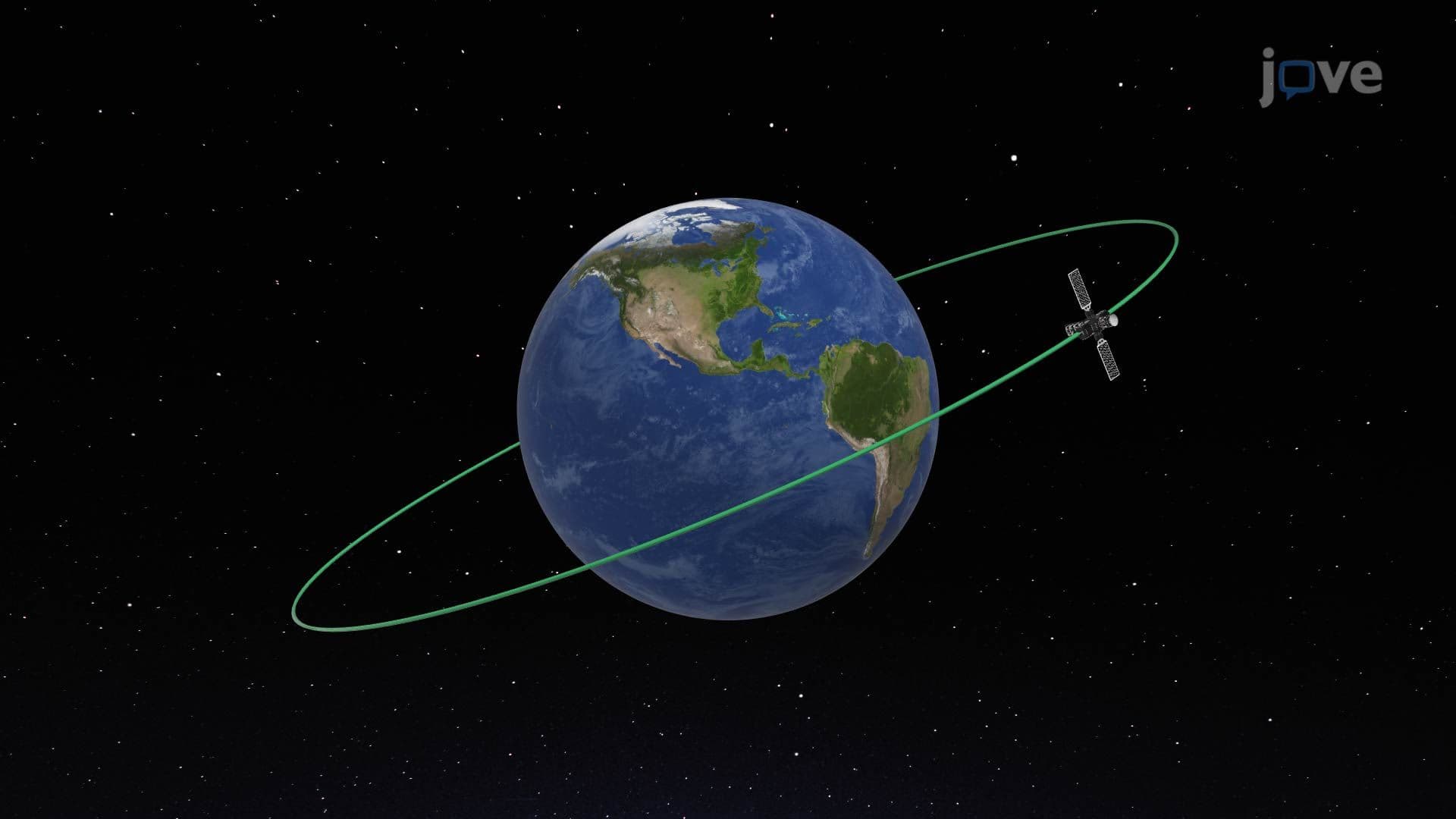
Did you know that engineers designing AC circuits in devices like smartphones use infinite mathematical sums to model electricity? Power series and their properties form the backbone of this process, turning complex functions into manageable polynomial expressions. Mastering Power Series and Their Properties Explained unlocks tools used in US college calculus courses and AP exams alike. Watch the full video on JoVE Coach to master this concept with expert-led visuals and step-by-step explanations.
A power series is one of the most powerful ideas in calculus, it lets mathematicians and scientists represent almost any smooth function as an infinite sum of simple polynomial terms. The general form looks like this:
Sum from n = 0 to infinity of: c(n) times (x minus a)^n
Here, c(n) are the coefficients, x is the variable, and a is the center of the series. When a = 0, the result is called a Maclaurin series, a special case you will encounter repeatedly in AP Calculus BC and college-level Calculus II courses across the US.
The simplest and most instructive example of a power series is the geometric series. When every coefficient equals 1 and the center is 0, the power series becomes:
1 + x + x² + x³ + … = 1 / (1 − x)
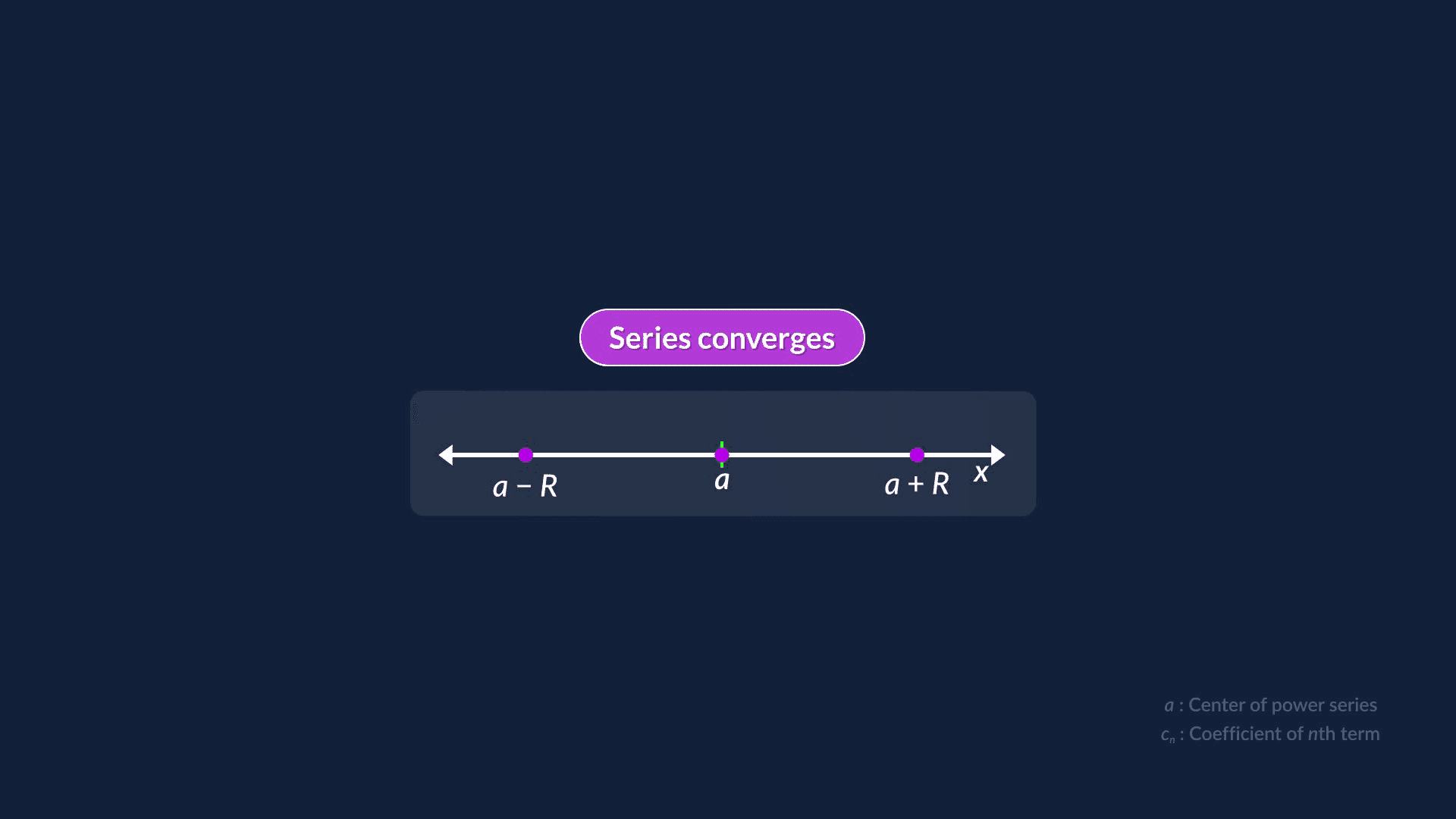
This equation holds only when the absolute value of x is less than 1. Outside this range, the terms grow without bound and the series diverges, meaning it no longer represents the function. This range, −1 < x < 1, is the interval of convergence, a concept central to both AP Calculus BC free-response questions and college midterm exams. Understanding why the geometric series fails beyond this interval builds the intuition needed to tackle more complex series later.
Determining where a power series converges is a critical skill tested on AP Calculus BC and college exams. The most widely used tools are:
Once you identify the radius of convergence (R), you must separately test the endpoints of the interval, a step many students skip, but one that is frequently penalized on exams.
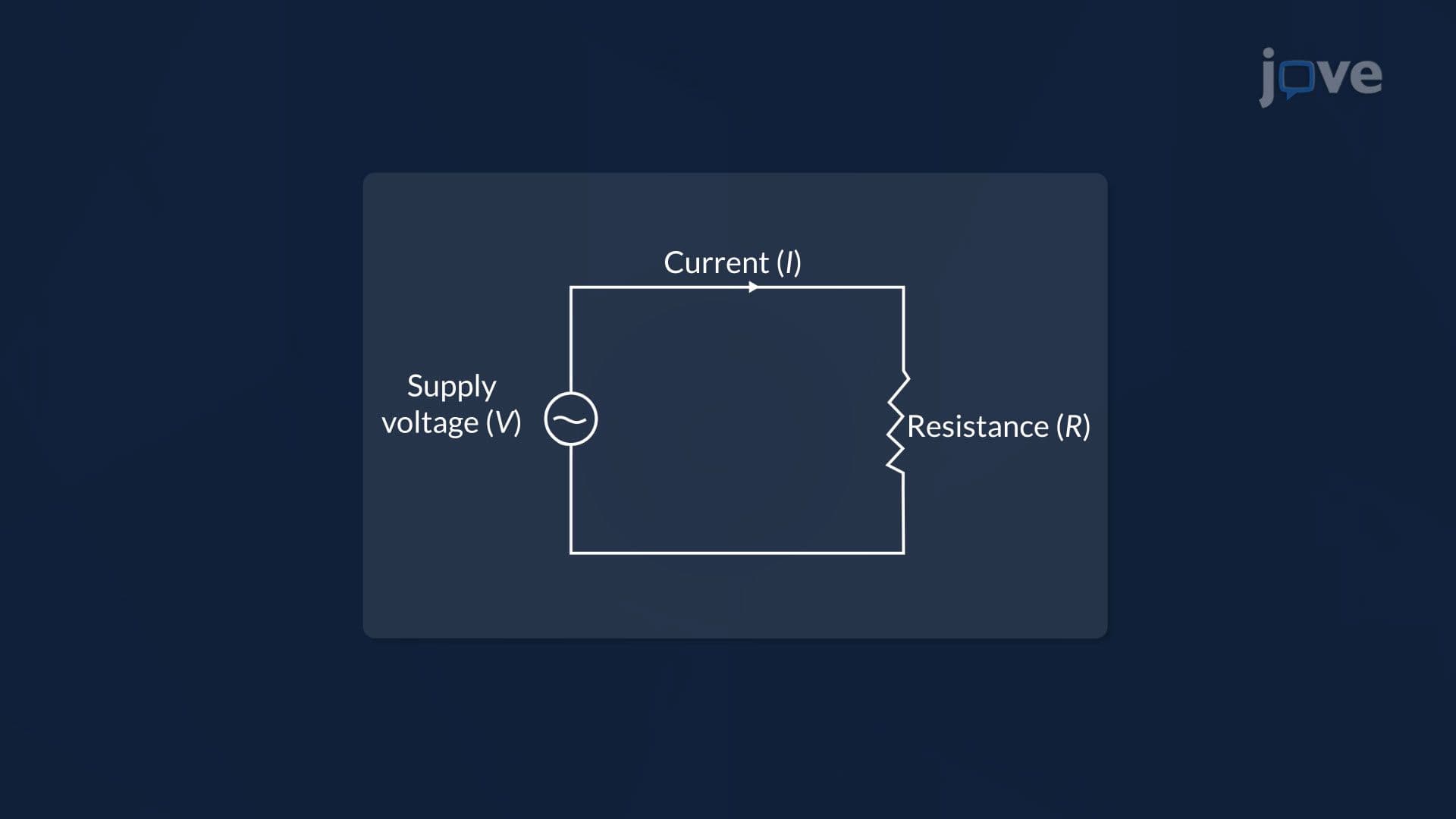
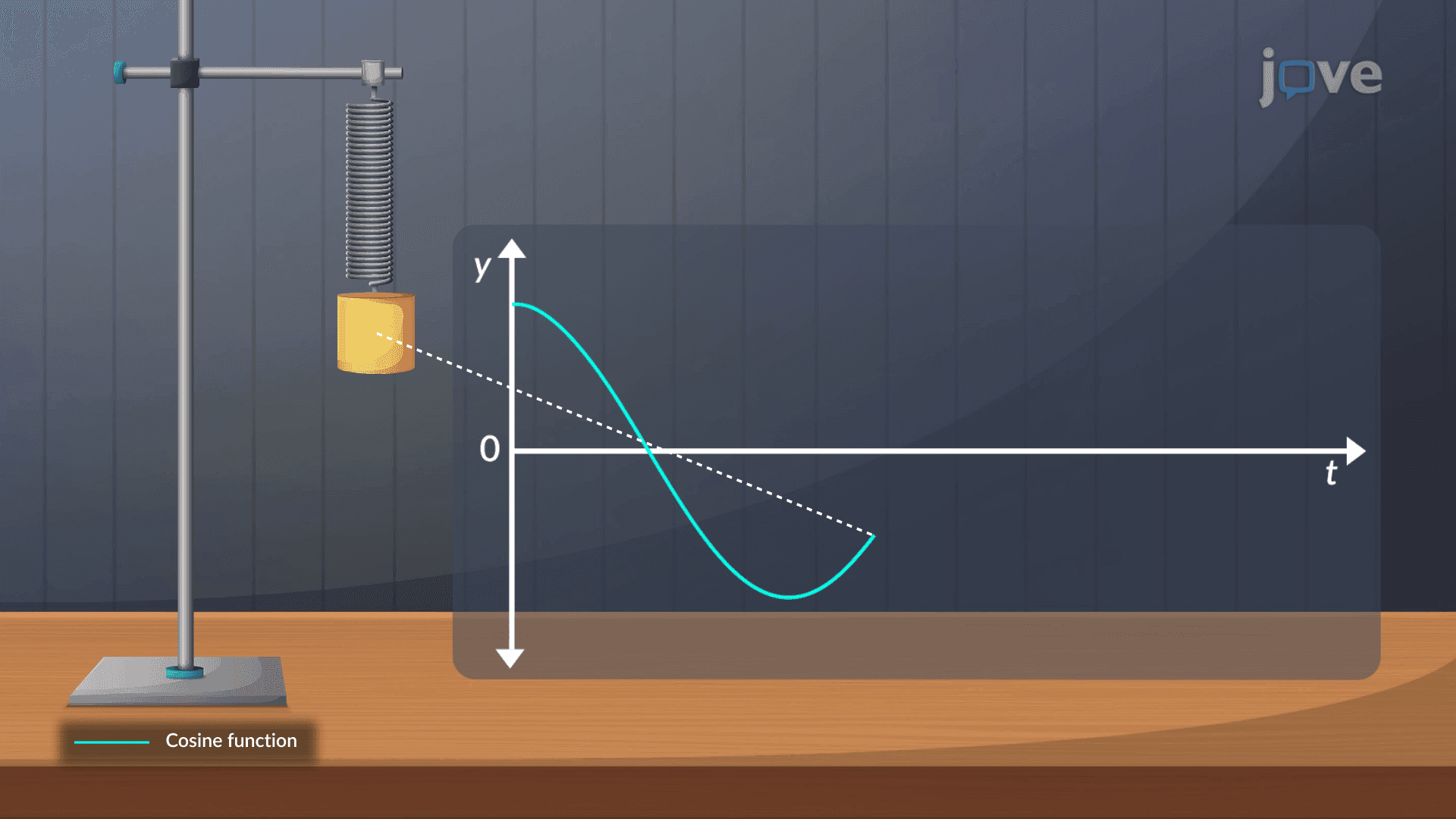
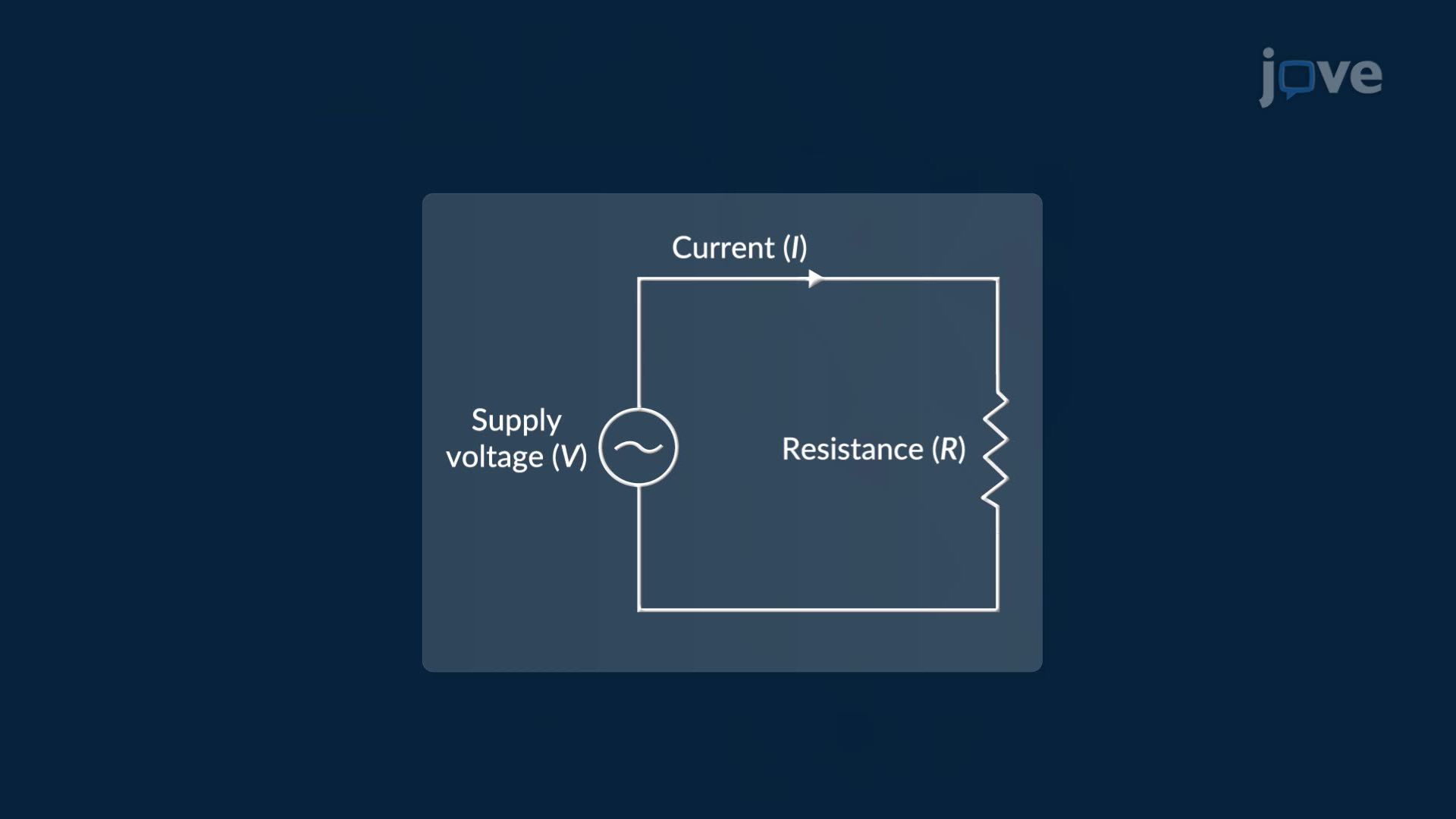
Power series are not abstract exercises, they are embedded in real technology. In AC circuit analysis, engineers model voltage and current using trigonometric functions like sine and cosine. Because computers cannot directly compute these functions symbolically, simulation software (used widely in US electrical engineering programs) relies on their Taylor series expansions to calculate accurate numerical values using only basic arithmetic operations.
Similarly, Taylor series, the broader family that includes Maclaurin series, appear in physics simulations, economics modeling, and machine learning algorithms developed by US tech companies. In a first-year calculus course at universities like MIT, Stanford, or state schools nationwide, mastering power series is a gateway to understanding differential equations, Fourier analysis, and numerical methods. For high school students, a solid grasp of this topic can be a significant advantage on the AP Calculus BC exam, which regularly features multi-part questions on series convergence and Taylor polynomial approximations.
Related Micro-courses