Loading subject page…

51 views

Video Summary: What are Comparison Tests
Could a simple math test predict whether a medication is safe to use long-term? Comparison tests make that possible. These comparison tests basics reveal how mathematicians determine whether an infinite series converges to a finite value or spirals toward infinity. In US clinical research, the Limit Comparison Test models drug accumulation to confirm safe, steady-state dosing. Watch the full video on JoVE Coach to master this concept with expert-led visuals and step-by-step explanations.
In calculus, one of the most important questions you can ask about an infinite series is: does it converge to a finite number, or does it grow without bound? Comparison tests are a family of tools designed to answer exactly that question, not by computing the sum directly, but by referencing a series whose behavior is already known. These tests appear in AP Calculus BC, college Calculus II courses across the US, and even inform quantitative reasoning on exams like the MCAT.
The Direct Comparison Test is the more intuitive of the two main approaches. If you have an unknown series of positive terms and you can show that every single term is less than or equal to the corresponding term of a series known to converge, such as a convergent geometric series, then your unknown series must also converge. The logic is straightforward: if the total of the smaller pile stays finite, the even smaller pile certainly does too.
The reverse holds just as cleanly. If every term of your unknown series is greater than or equal to every term of a known divergent series, then your unknown series also diverges. The classic benchmark here is the harmonic series, which diverges despite its terms shrinking toward zero.
The challenge students often face is finding the right benchmark. Geometric series and p-series are the most commonly used references because their convergence behavior is well understood and easy to verify.
Some series involve complex rational expressions or nested functions where a clean term-by-term inequality is difficult to establish. This is where the Limit Comparison Test becomes essential. Instead of comparing individual terms directly, you compute the limit of the ratio of your unknown series' terms to the benchmark's terms as the index approaches infinity.
If that limit equals a positive, finite number, say, any value L where 0 < L < infinity, then both series behave identically: they either both converge or both diverge. This shared destiny is a powerful conclusion drawn from a single limit calculation. The test is particularly useful on AP Calculus BC free-response questions and college midterms, where series involve polynomials in the numerator and denominator.
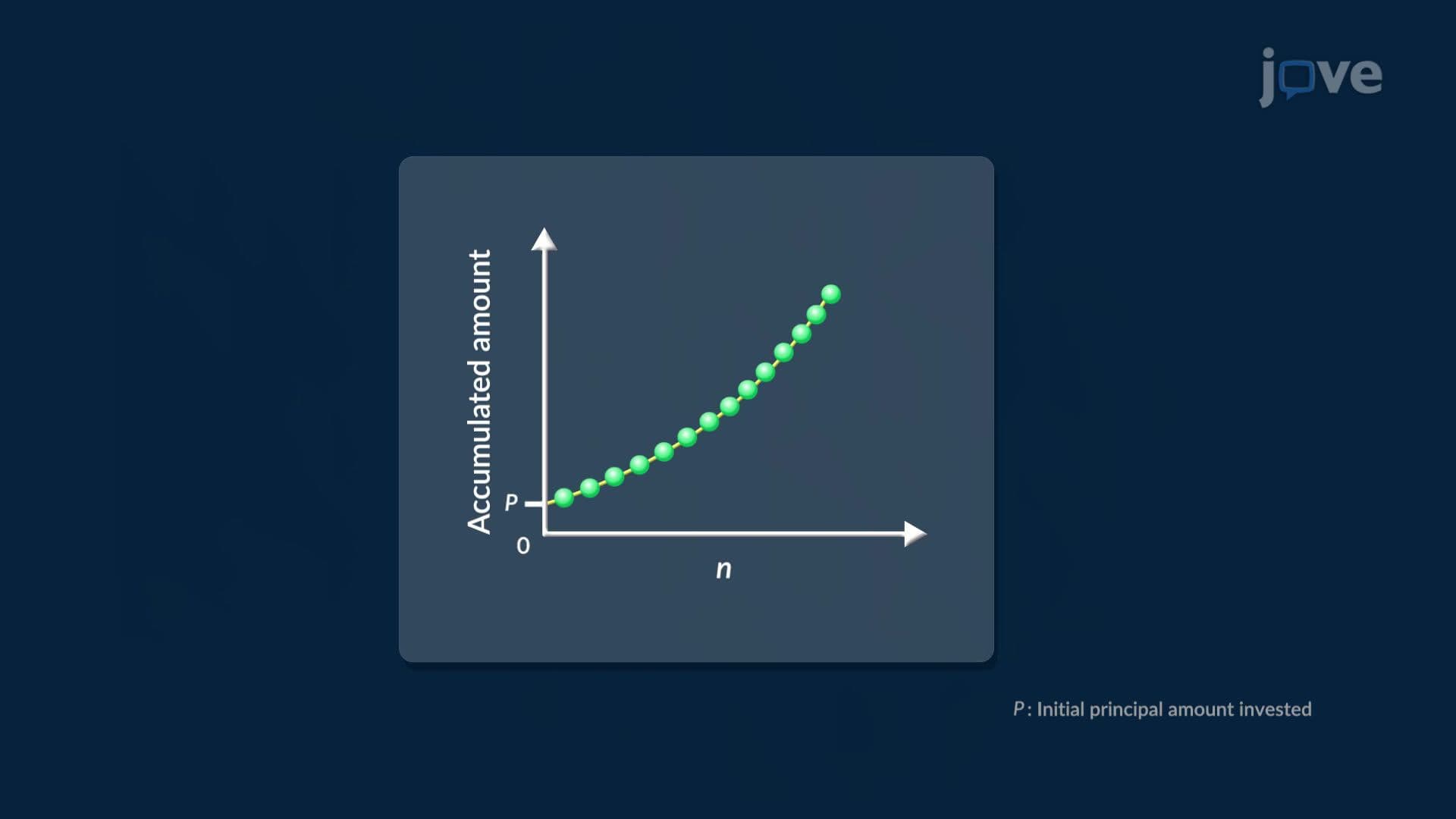
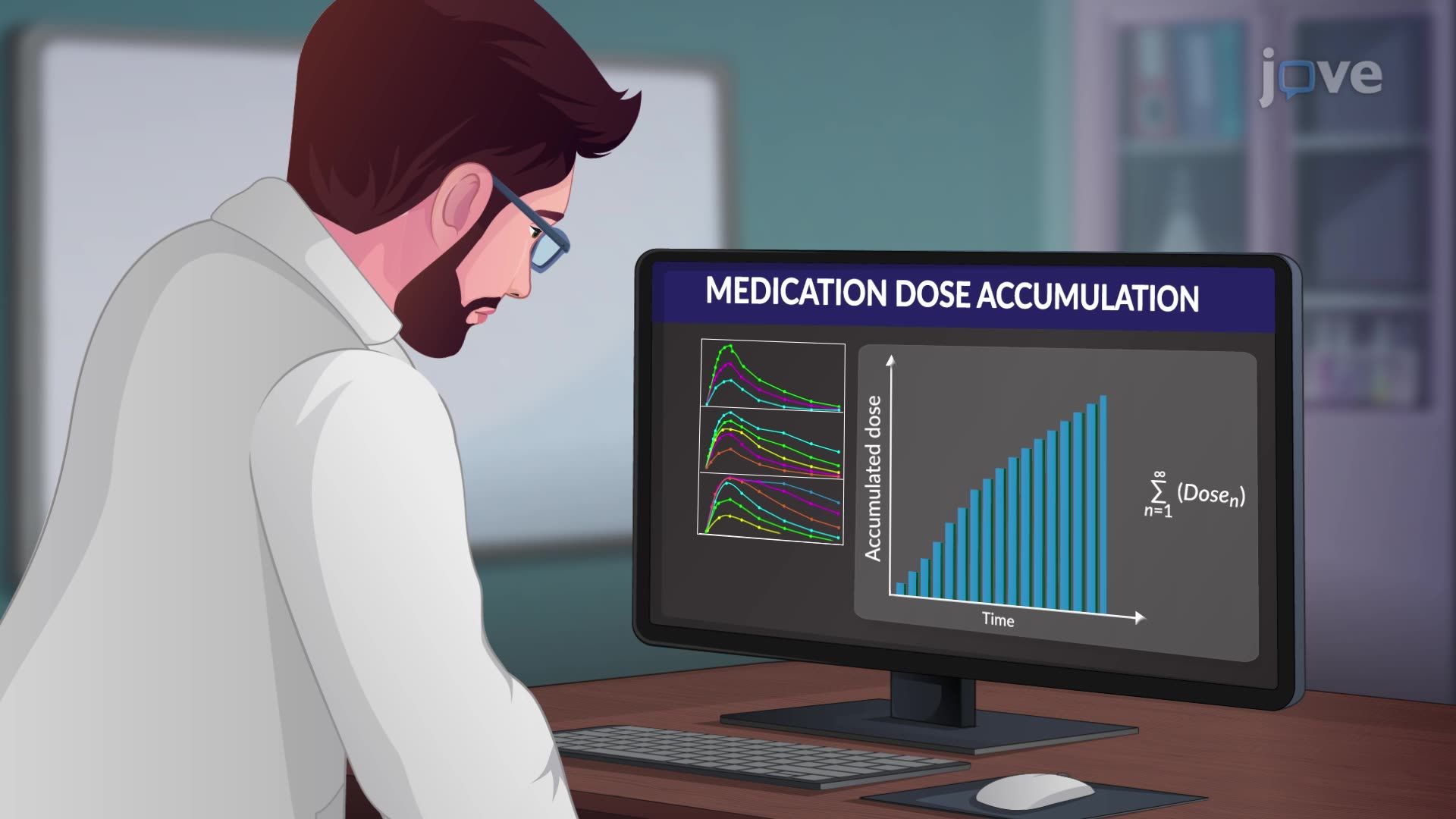
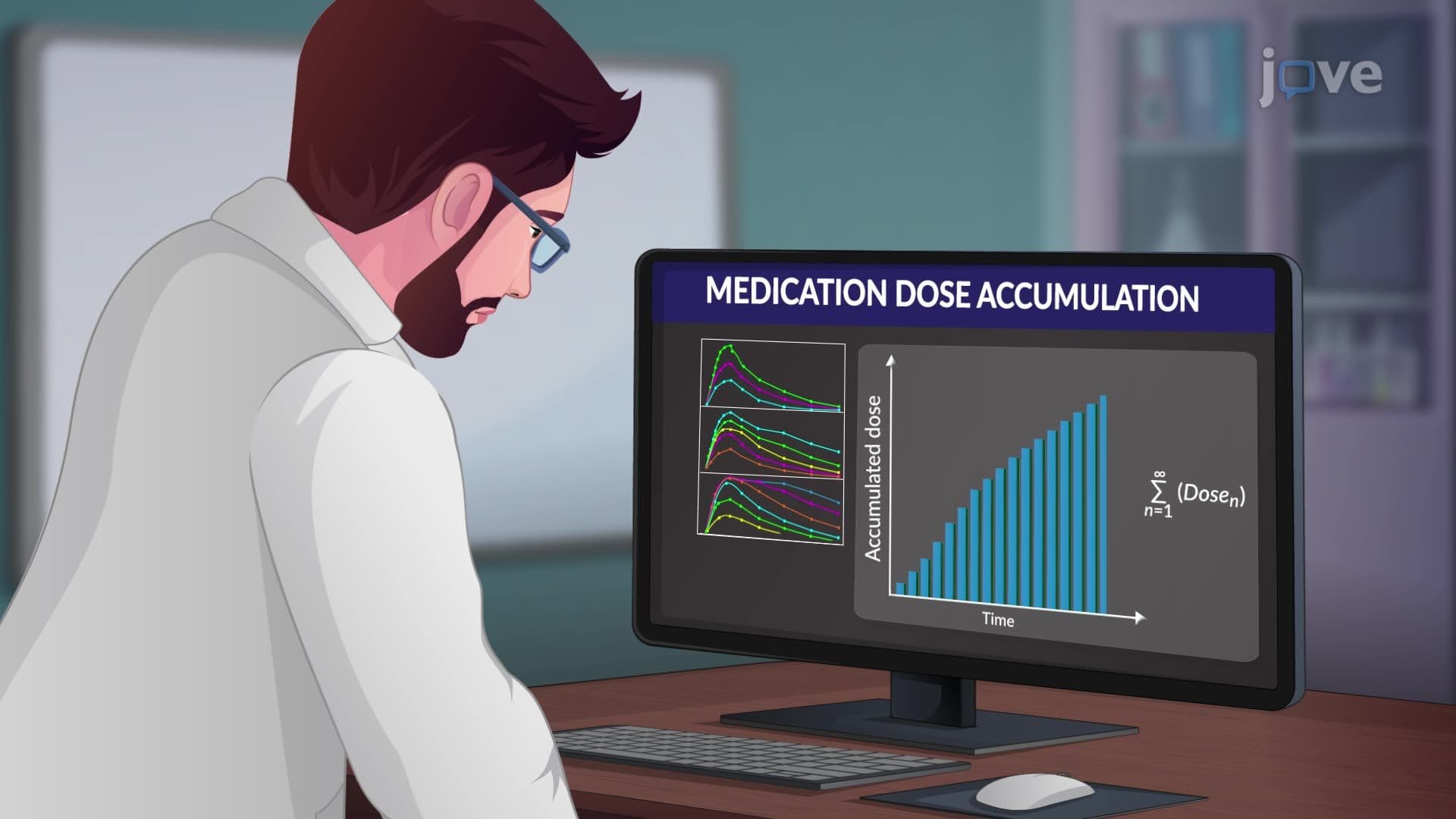
One of the most compelling real-world uses of comparison tests appears in pharmacokinetics, the study of how drugs move through the body. US researchers modeling repeated drug dosing represent the total accumulation of medication in the body as an infinite series. To determine whether a drug reaches a safe, stable concentration or builds up to dangerous levels, they apply the Limit Comparison Test.
By computing the ratio between the dosage series and a known convergent benchmark, researchers can confirm mathematically that the drug will stabilize at a steady-state concentration. This kind of convergence analysis supports FDA review processes and clinical trial design, making pure mathematics directly relevant to patient safety.
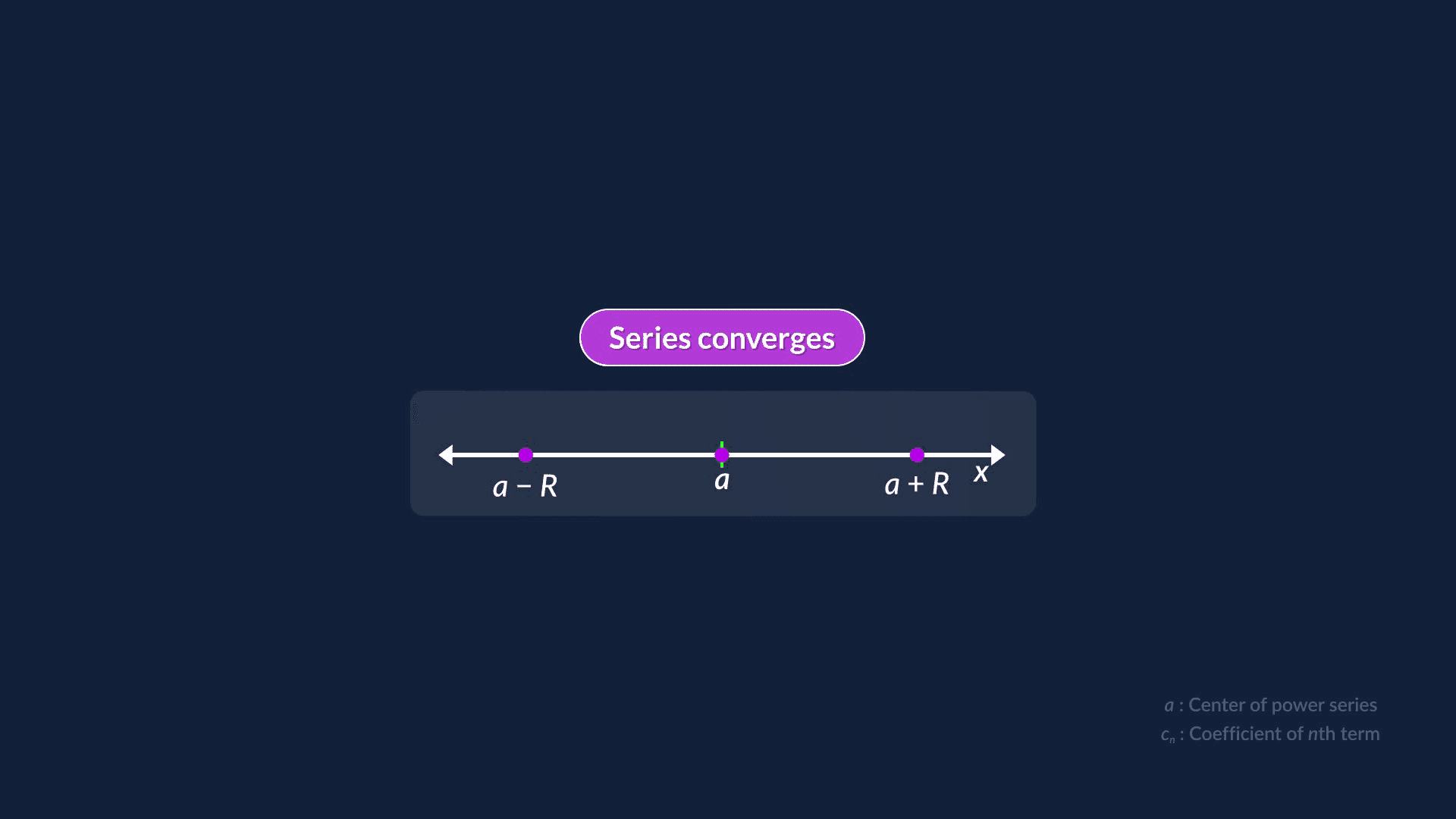
Mastering comparison tests also deepens your understanding of related topics. Taylor series and Maclaurin series frequently generate the benchmark series used in comparisons. Understanding power series and how to find the interval of convergence of a power series becomes much more manageable once you are comfortable identifying convergent and divergent behavior. Students who also study the ratio test and root test will find that these tools complement comparison tests, each method works best under different conditions, and knowing when to reach for which tool is a key skill in any calculus course.
Related Micro-courses