Loading subject page…


51 views

Video Summary: What are Sequences
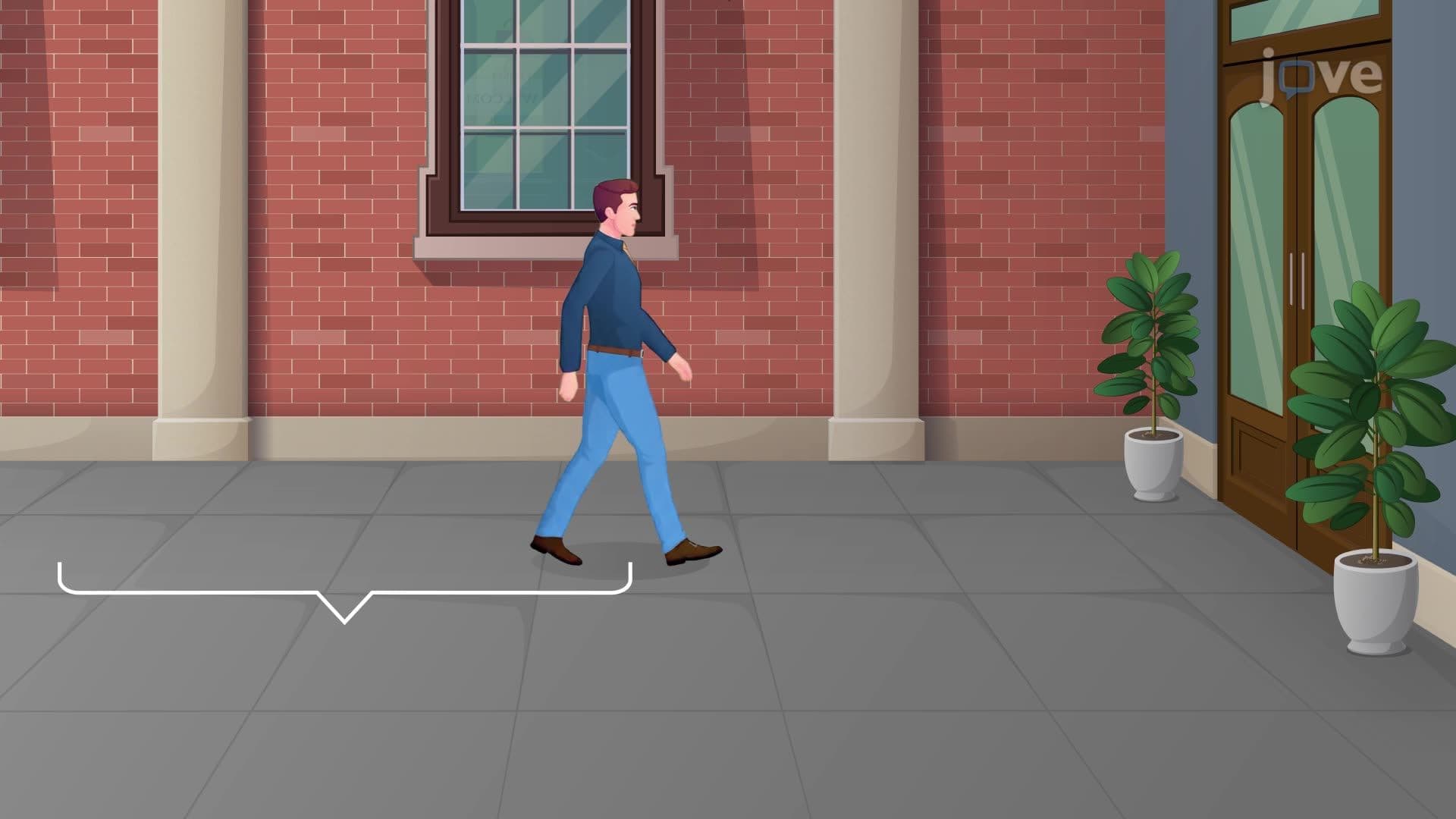
Did you know a 2,500-year-old Greek puzzle about walking to a door still powers modern calculus? Sequences basics explain how an ordered list of numbers, each following a specific rule, can model infinite processes. In the US, sequences appear in everything from compound interest calculations to computer algorithms. Understanding what sequences are unlocks the foundation of series, limits, and advanced math. Watch the full video on JoVE Coach to master this concept with expert-led visuals and step-by-step explanations.
A sequence is one of the most fundamental concepts in mathematics, an ordered list of numbers generated by following a specific rule. Each individual number in the list is called a term, and the position of each term is identified by a natural number, typically written as *n*. The sequence itself is usually written as a(1), a(2), a(3), ..., a(n), where a(n) is the general term formula that defines the pattern.
Sequences are not random collections of numbers. The order matters, and the rule connecting each term must be consistent and well-defined. Grasping this distinction is the first step toward mastering calculus, real analysis, and applied mathematics.
Sequences come in two primary forms. A finite sequence has a definite last term, for example, the scores recorded in each quarter of an NBA game: {24, 31, 19, 28}. An infinite sequence continues without end, always producing a new term no matter how far you go.
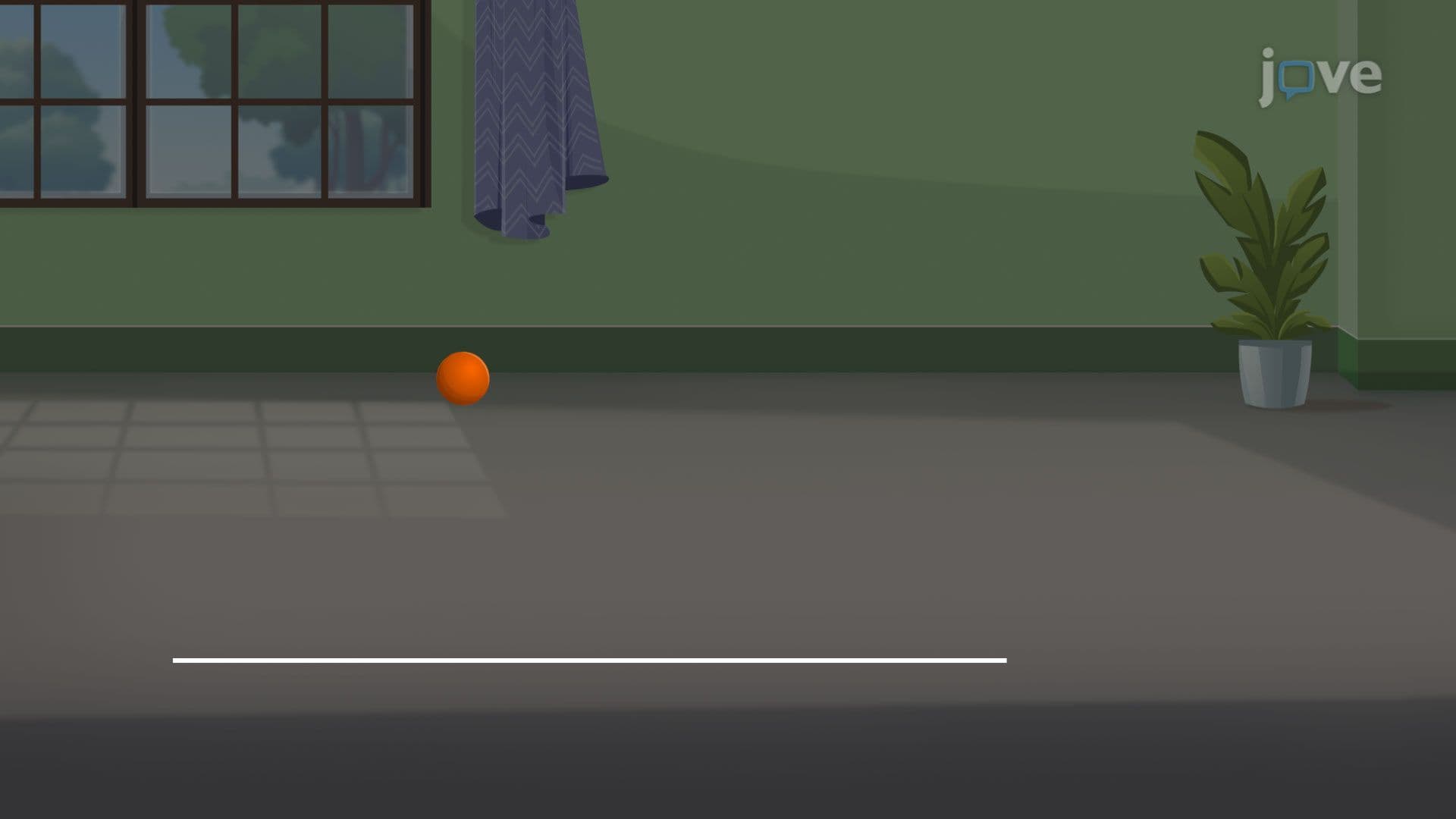
The classic illustration of an infinite sequence comes from Zeno's Paradox, an ancient Greek thought experiment still taught in US calculus classrooms today. Imagine halving the distance to a door repeatedly: 1/2, 1/4, 1/8, 1/16, and so on. The general term is a(n) = 1/2^n. The terms grow progressively smaller, approaching zero, but never actually equal zero. This behavior is called convergence, and understanding it is essential for AP Calculus BC and college-level Calculus 2 courses.
In formal mathematics, a sequence is often written using subscript notation: a₁, a₂, a₃, ..., aₙ. The general term, a(n), acts like a function, plug in any positive integer *n*, and you get the corresponding term.
For example:
Recognizing which formula governs a sequence is a core skill tested on the AP Calculus AB and BC exams, college midterms, and even standardized placement tests at US universities. Students should practice both reading a formula to list terms and working backward from listed terms to identify the formula.
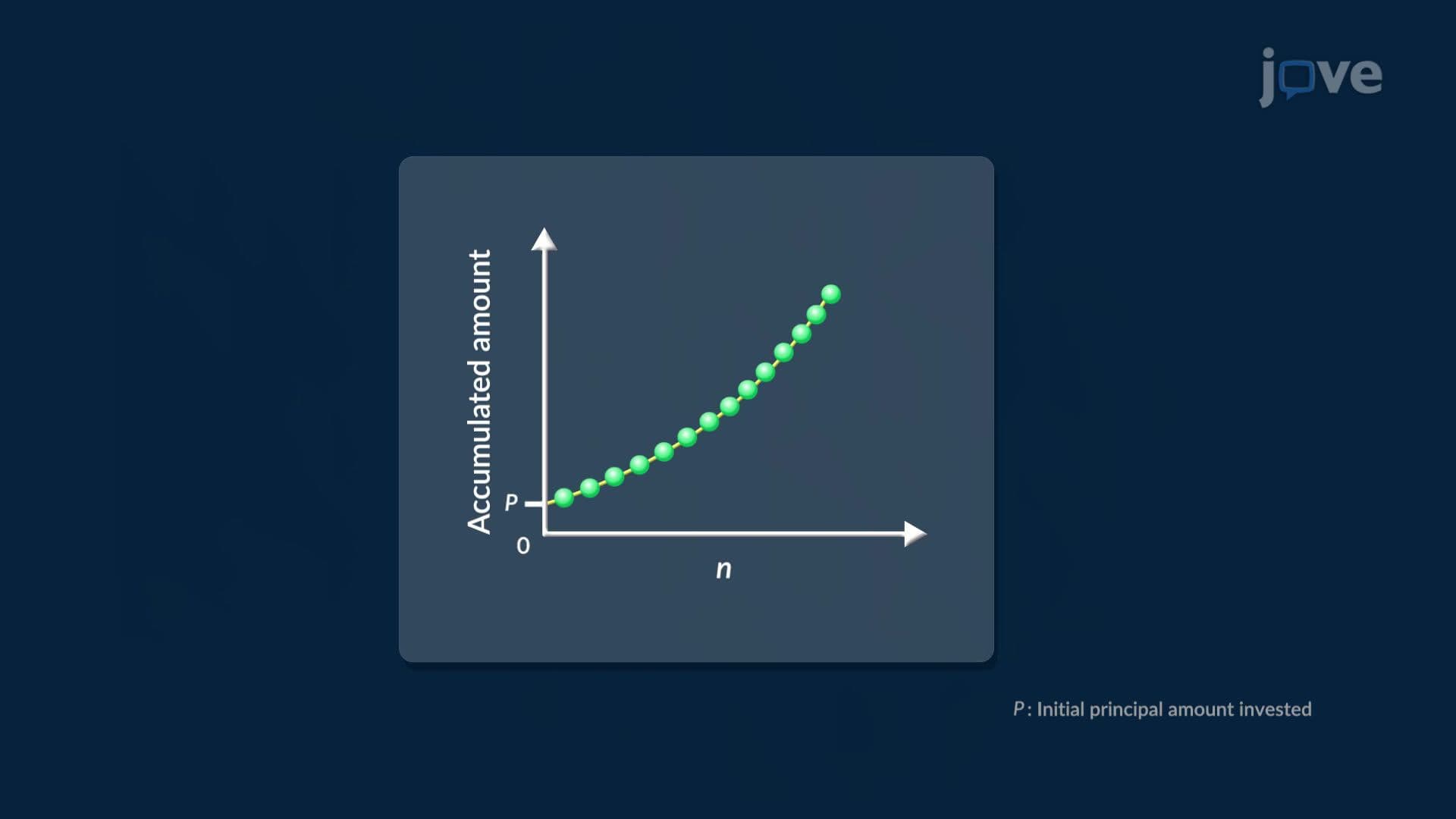
Sequences aren't just abstract, they model real processes across science, finance, and technology. The Federal Reserve uses geometric sequences to model compound interest growth. Computer scientists use recursive sequences to analyze algorithm efficiency. Biologists use sequences to track population growth over generations.
More importantly, sequences are the launching pad for deeper mathematical ideas. When you add up the terms of a sequence, you create a series. The geometric series, power series, and famous expansions like the Taylor series and Maclaurin series all begin with understanding how sequences behave. Tests like the ratio test, root test, and alternating series test help determine whether an infinite series converges or diverges, but none of that analysis is possible without a solid grasp of sequences first.
Mastering sequences now builds the scaffolding for every advanced math course you'll encounter in high school AP classes or your first two years of college STEM coursework.
Related Micro-courses