Loading video…

 16 Concepts
 51 views

Video Summary: What Is Taylor Series
Ever wonder how your calculator computes sin(x) or e^x so precisely? Taylor series basics make that possible. A Taylor series is a powerful mathematical tool that rewrites any smooth function as an infinite polynomial, unlocking calculations that would otherwise be impossible. NASA engineers and software developers across the US rely on this concept daily. Watch the full video on JoVE Coach to master this concept with expert-led visuals and step-by-step explanations.
A Taylor series is a way of expressing any infinitely differentiable (smooth) function as an infinite polynomial, centered at a chosen point. Instead of working with complicated transcendental functions directly, mathematicians and scientists replace them with a series of simpler terms, each one built from a successive derivative of the function. This idea sits at the heart of calculus, numerical methods, and applied mathematics at every level, from AP Calculus BC to college-level analysis courses.
The formal structure of a Taylor series centered at point *a* looks like this in plain text:
f(x) = f(a) + f'(a)(x − a) + f''(a)(x − a)^2 / 2! + f'''(a)(x − a)^3 / 3! + …
Each term links a specific derivative of the function, evaluated at the center *a*, to the corresponding power of (x − a), divided by the appropriate factorial. This ensures the polynomial matches the original function's value, slope, curvature, and every higher-order behavior exactly at that center point.
The derivation is elegant and logical. Start by evaluating the series at x = a, all terms with (x − a) vanish, leaving only the constant term equal to f(a). Differentiate once; the constant disappears, and evaluating again at x = a isolates f'(a) as the linear coefficient. Each successive differentiation peels away lower-degree terms, while evaluating at the center zeros out higher-degree remainders. The numerical multipliers produced by repeated differentiation (from the power rule) combine to form the factorial in the denominator, which is then divided out to yield the clean coefficient formula: f^(n)(a) / n! for the nth term.
A Maclaurin series is a special case of the Taylor series where the center point is set to zero (a = 0). This simplification is especially useful for common functions. For example, the Maclaurin series for e^x is:
e^x = 1 + x + x^2/2! + x^3/3! + …
This series converges for every real number x, making it universally applicable. US college students in Calculus II courses spend significant time memorizing and applying these standard Maclaurin expansions for e^x, sin(x), and cos(x), since they appear repeatedly on exams and in engineering coursework.
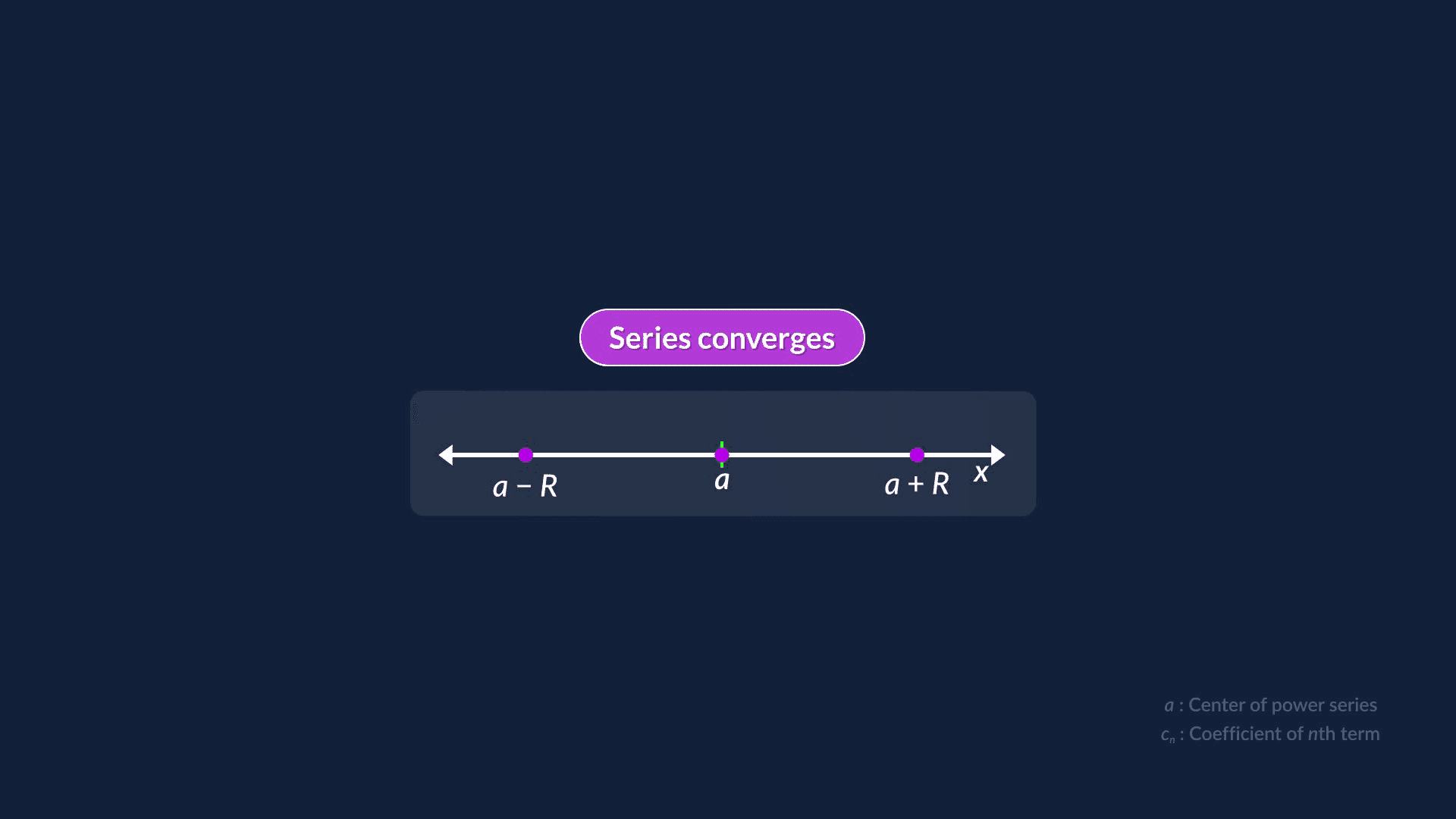
Not every Taylor series converges everywhere. The interval of convergence describes the range of x-values for which the series produces a finite, accurate result. Finding this interval requires convergence tests, the ratio test and root test are the most common tools, while the alternating series test handles many sign-alternating expansions. Understanding the difference between a sequence (an ordered list of numbers) and a series (the sum of a sequence) is a prerequisite concept that students must be comfortable with before diving deeper.
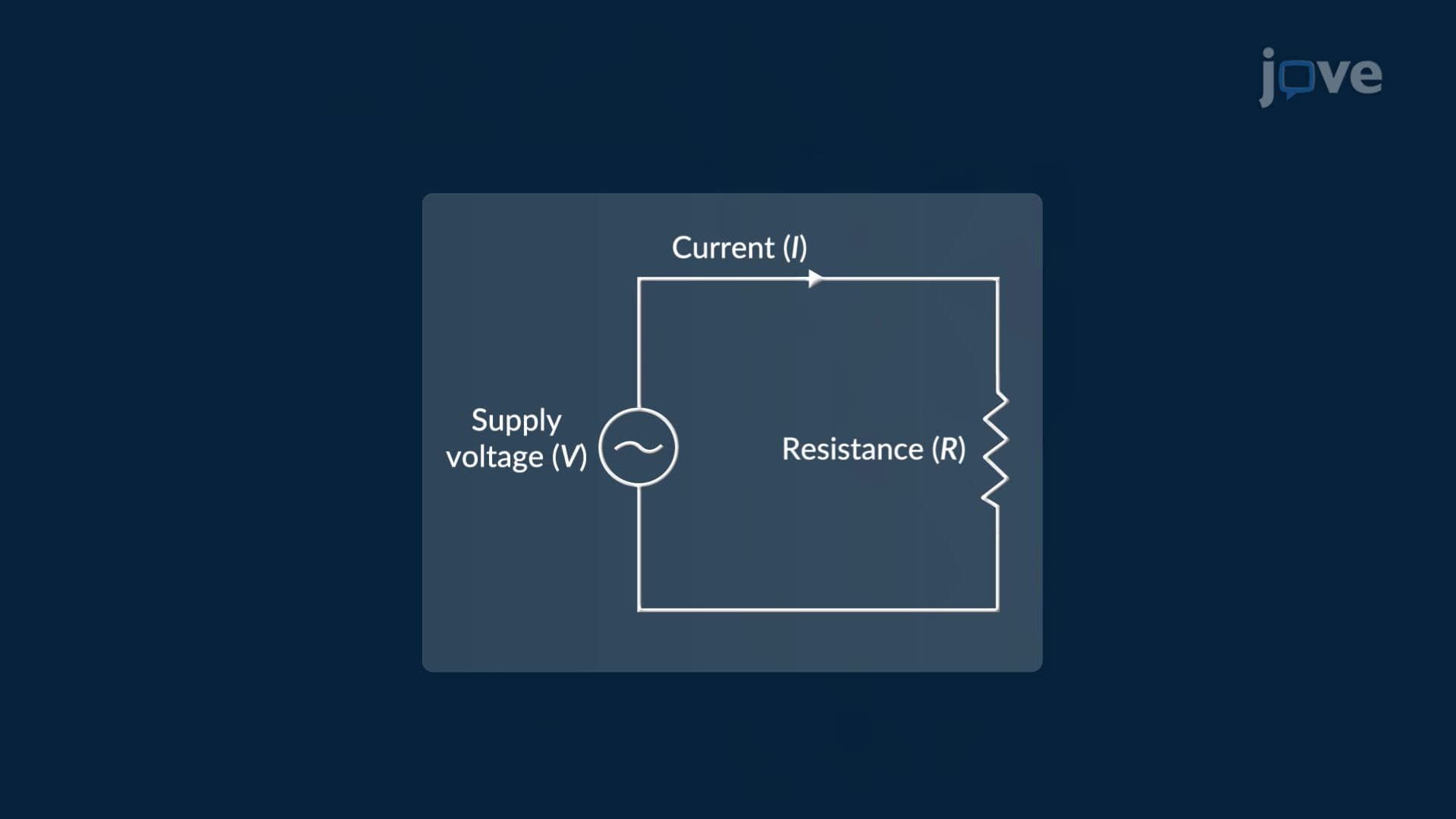
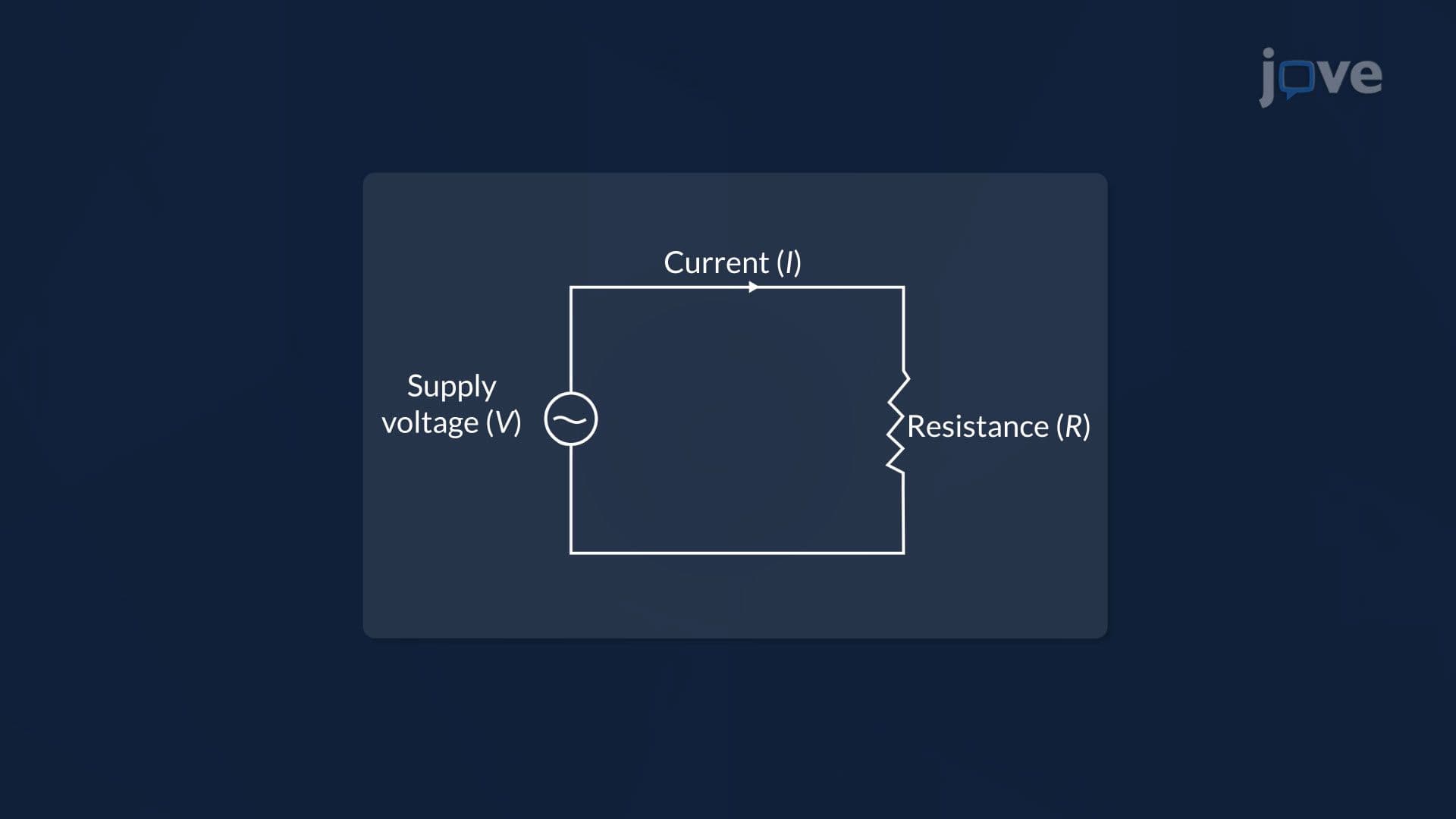
In practice, Taylor series appear everywhere in US industry and academia. Aerospace engineers at companies like Boeing use truncated Taylor expansions to model aerodynamic forces computationally. Electrical engineering students at universities across the US apply them when linearizing circuit behavior near an operating point. On the AP Calculus BC exam, Taylor and Maclaurin series consistently appear in free-response questions, requiring students to both construct series and analyze their convergence properties.
Related Micro-courses