Loading video…

 16 Concepts
 51 views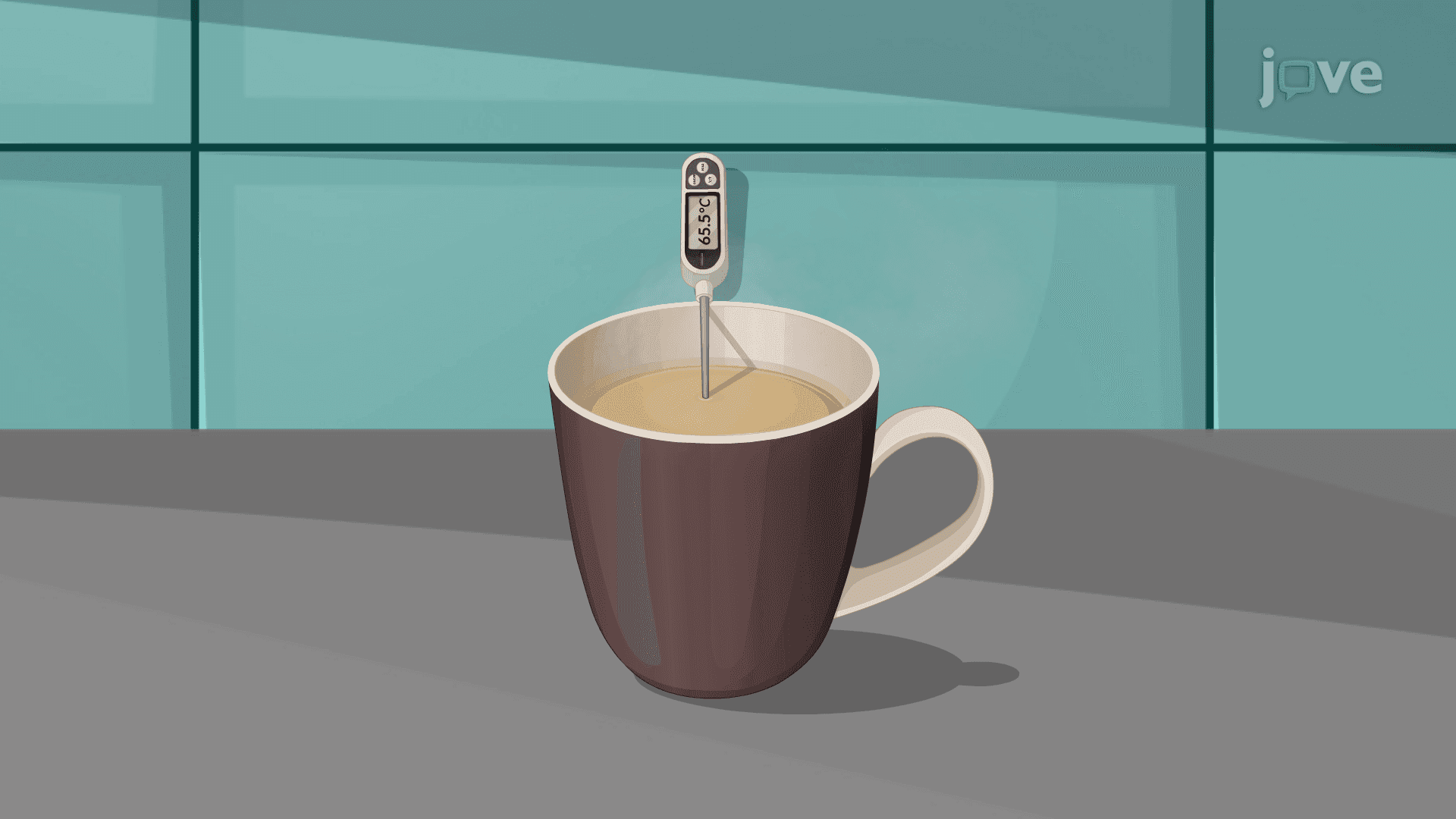

Video Summary: What Is Convergence of Sequences
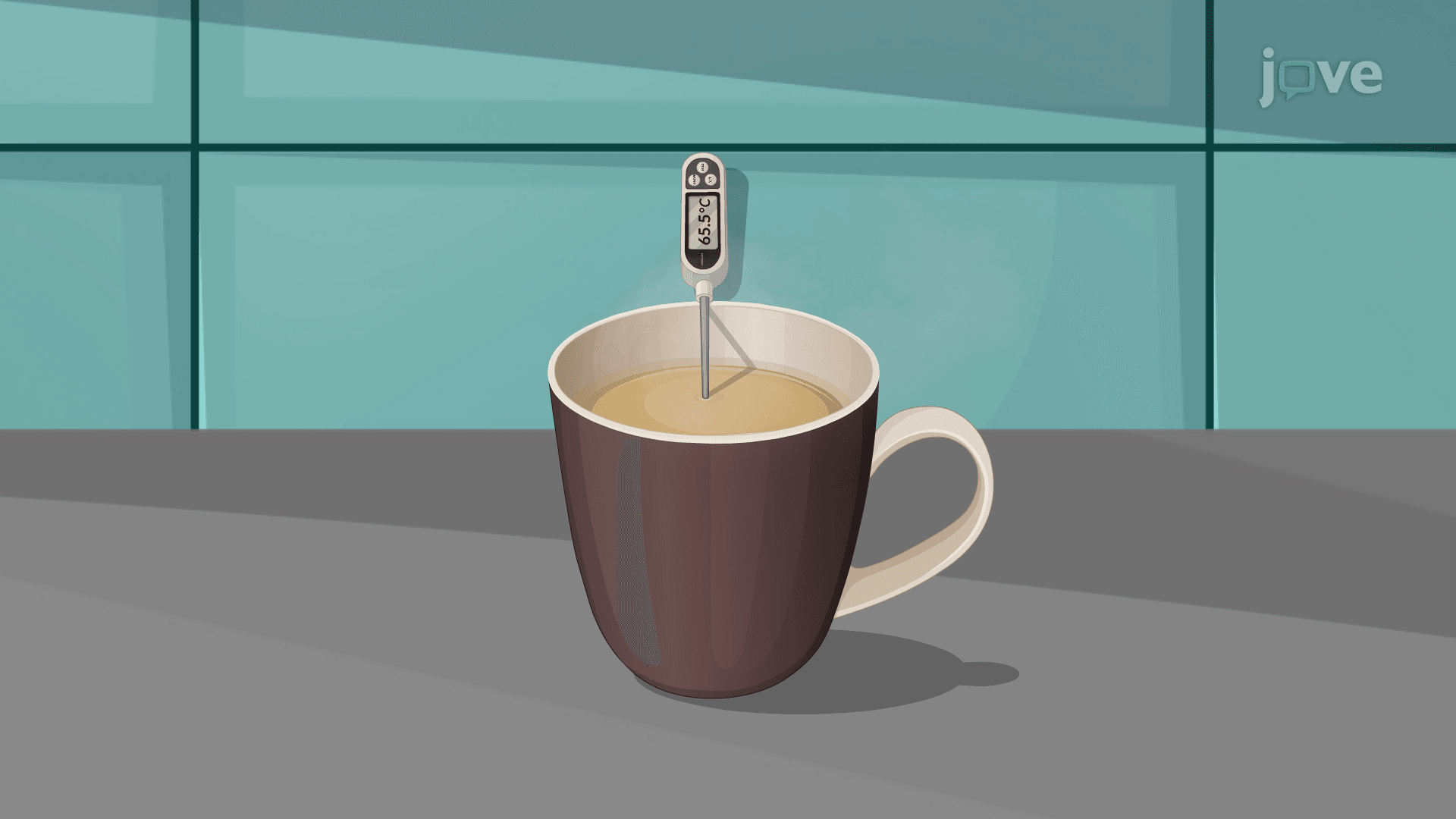
Ever wonder why a cup of coffee always cools to room temperature, never below it? That's the convergence of sequences in action. This concept explains how an ordered list of values can home in on a single real number as its index grows infinitely large. At NASA's Jet Propulsion Laboratory, engineers rely on convergent sequences to model spacecraft deceleration. Watch the full video on JoVE Coach to master this concept with expert-led visuals and step-by-step explanations.
The convergence of sequences is one of the most fundamental ideas in calculus and mathematical analysis. A sequence is simply an ordered list of numbers generated by a rule, think of it as a function whose input is always a positive whole number n. When the terms of that list get closer and closer to a single fixed value as n grows without bound, the sequence is said to converge, and that fixed value is called the limit. If no such value exists, the sequence diverges. This distinction sits at the heart of AP Calculus BC, college-level Calculus II, and even standardized assessments like the MCAT, where related series concepts appear in physics and biochemistry problem sets.
Before computing a limit formally, mathematicians ask two simpler questions: Is the sequence contained within a fixed range (bounded)? And does it consistently move in one direction, always increasing or always decreasing (monotonic)? A sequence like 1/n is both bounded below by 0 and monotonically decreasing, so convergence is immediately guaranteed. These two properties are not just theoretical conveniences, they are the practical checklist students use on AP Calculus BC free-response questions and college midterm exams to justify convergence claims without epsilon-delta proofs.
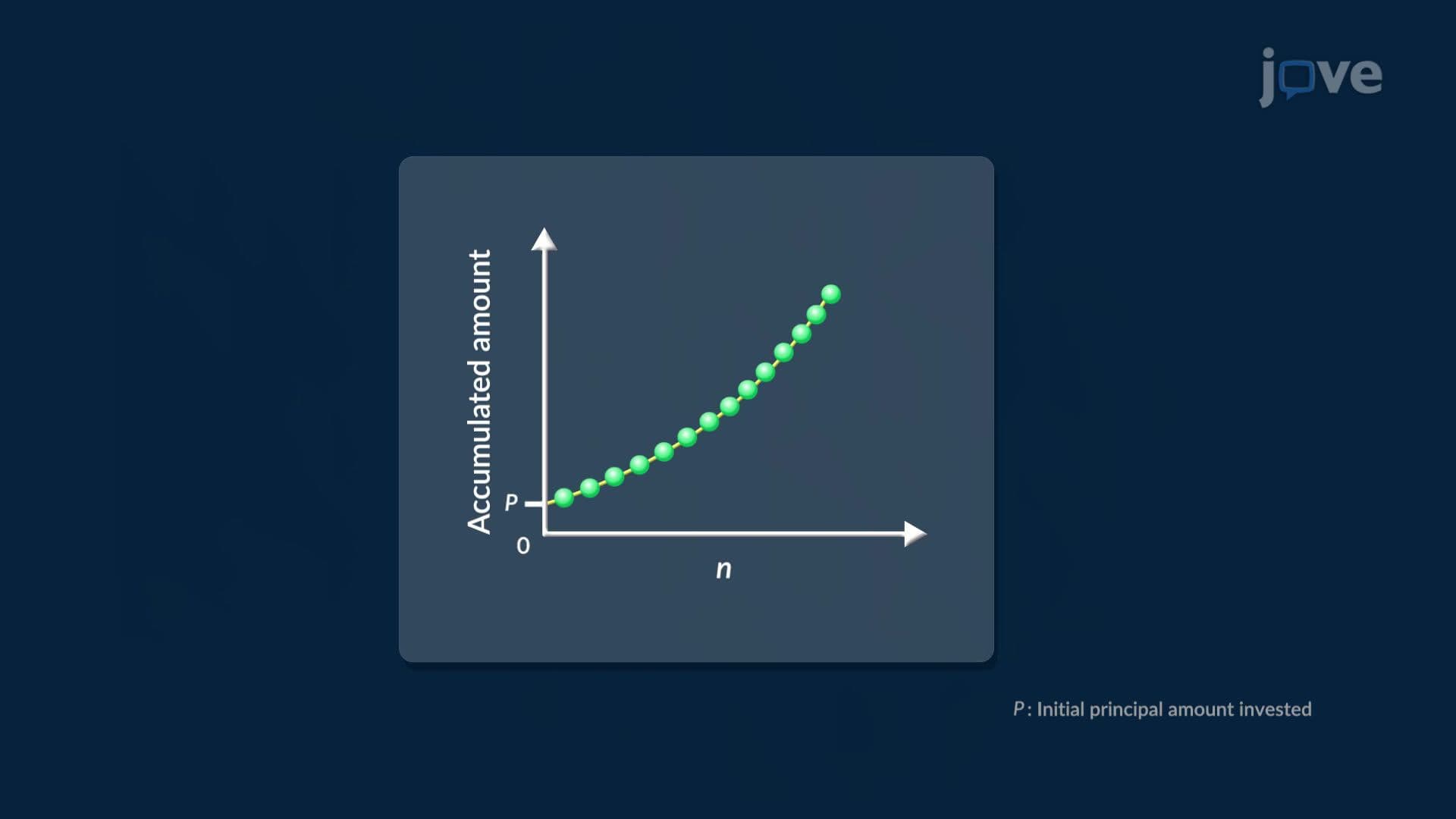
The Monotonic Sequence Theorem formalizes the intuition above: any sequence that is both bounded and monotonic must converge. This theorem is powerful because it guarantees convergence exists even when finding the exact limit is difficult. Consider a real US example: a savings account earning compound interest approaches a ceiling imposed by a fixed annual contribution cap. The balance each month forms an increasing, bounded sequence, and by the theorem, it must stabilize at a limit. Similarly, pharmacokinetics models used in US medical schools track drug concentration in the bloodstream, which decreases monotonically toward zero between doses, a convergent sequence with life-or-death clinical implications.
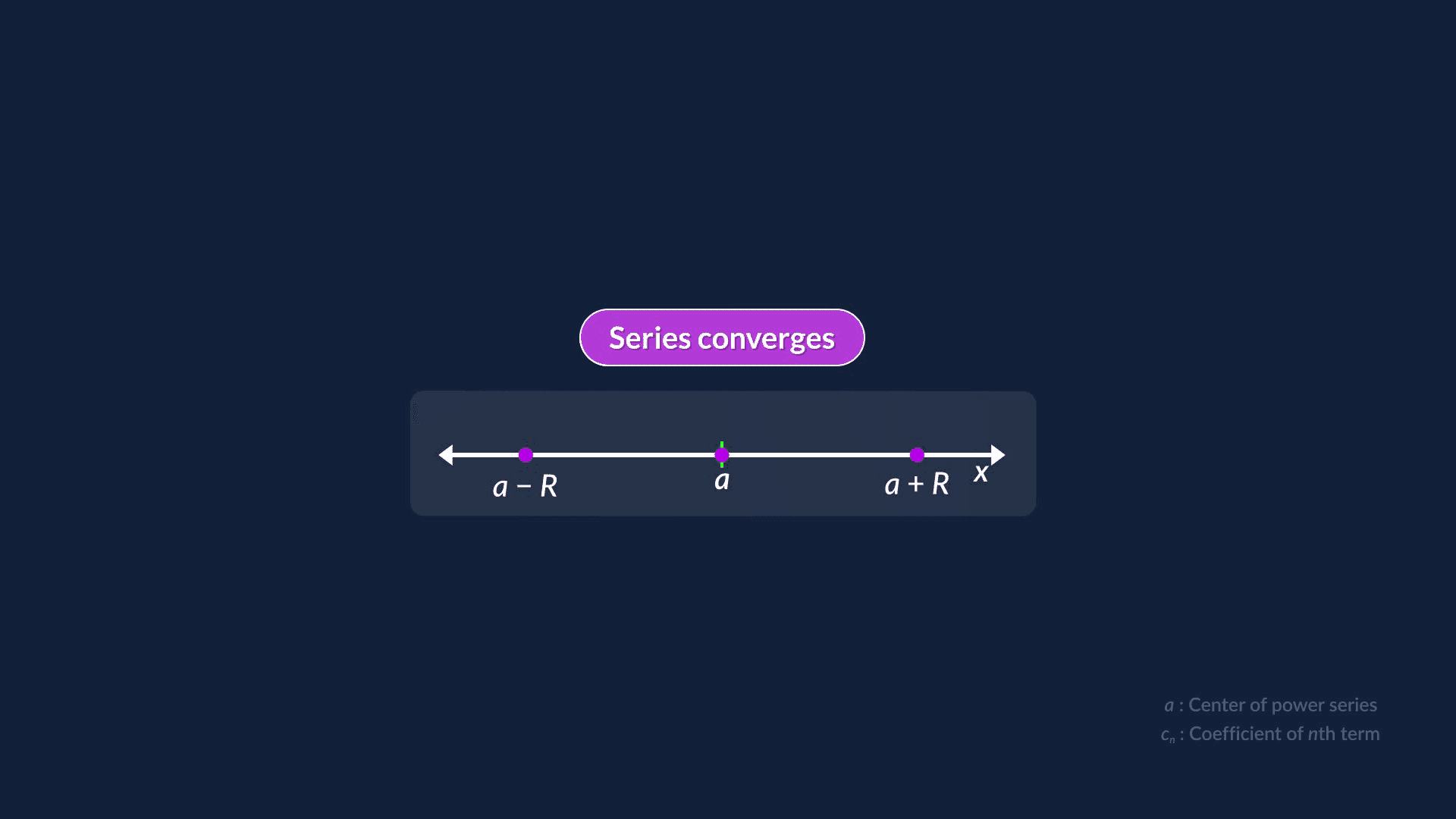
Understanding sequence convergence unlocks a cascade of related concepts tested heavily in college coursework. A series is the sum of a sequence's terms; asking whether that sum is finite is equivalent to asking whether the sequence of partial sums converges. This is precisely what is the difference between a sequence and a series, a distinction that appears on nearly every Calculus II syllabus across US universities. From there, students explore convergence tests: the ratio test and root test assess absolute convergence, while the alternating series test handles sign-alternating cases. Power series, infinite polynomials like Taylor and Maclaurin series, converge only within a specific range of x-values called the interval of convergence, found using the ratio test. Mastering sequence convergence basics is the essential first step before tackling any of these higher-level tools, whether on an AP exam, a college midterm, or graduate-level coursework.
Related Micro-courses