Loading video…

 16 Concepts
 51 views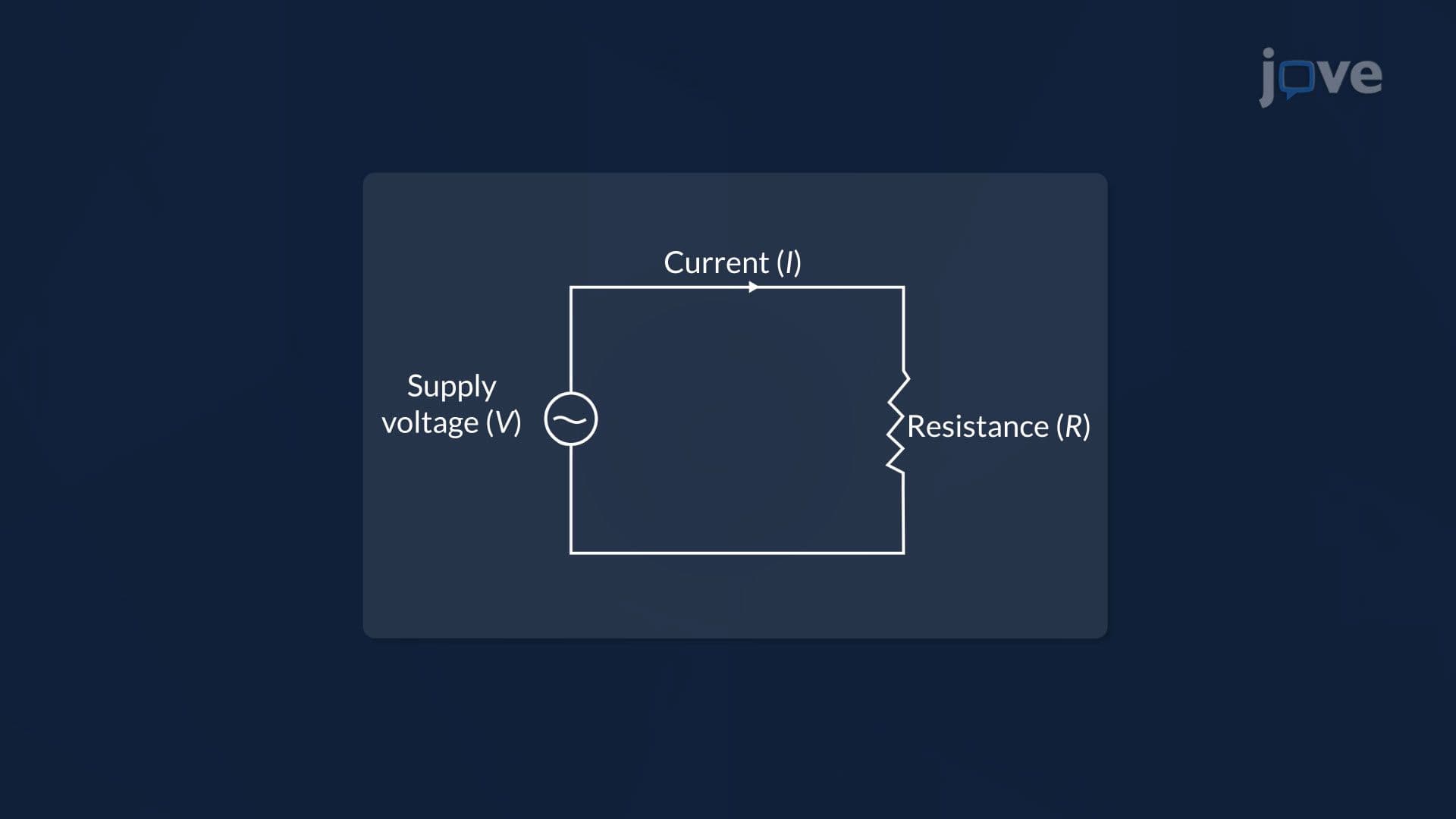

Video Summary: What Is Convergence of Taylor Series
Ever wonder how your graphing calculator instantly evaluates sin(x) or e^x without solving impossible equations? The convergence of Taylor series basics explains exactly how. Understanding what is convergence of Taylor series reveals how infinite polynomial sums can perfectly represent complex functions, a technique powering everything from NASA trajectory modeling to AC circuit analysis in US electrical engineering programs. Watch the full video on JoVE Coach to master this concept with expert-led visuals and step-by-step explanations.
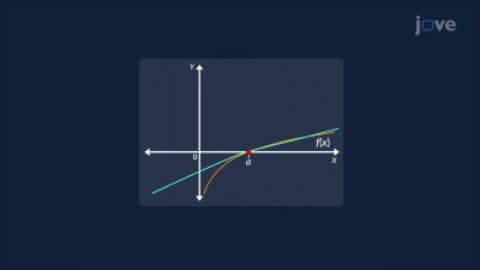
The convergence of Taylor series is one of the most powerful ideas in calculus. At its core, it answers a deceptively simple question: can an infinite sum of polynomial terms exactly equal a complicated function like sin(x), ln(x), or e^x? The answer is yes, but only under certain conditions, and understanding those conditions is what convergence is all about.
A Taylor series is built by expanding a function f(x) around a chosen center point *a* using the function's value and all of its derivatives at that point. When the center is *a* = 0, this special case is called a Maclaurin series. The resulting expression is an infinite power series, an infinite sum of terms of the form c(n) · (x − a)^n.
Taylor's Theorem provides the theoretical backbone. It states that any sufficiently smooth function can be written as a finite Taylor polynomial of order *n* plus a remainder term R(n). This remainder is the gap between the actual function value and the polynomial's estimate. The remainder depends on the (n+1)th derivative evaluated at some unknown point between *a* and *x*.
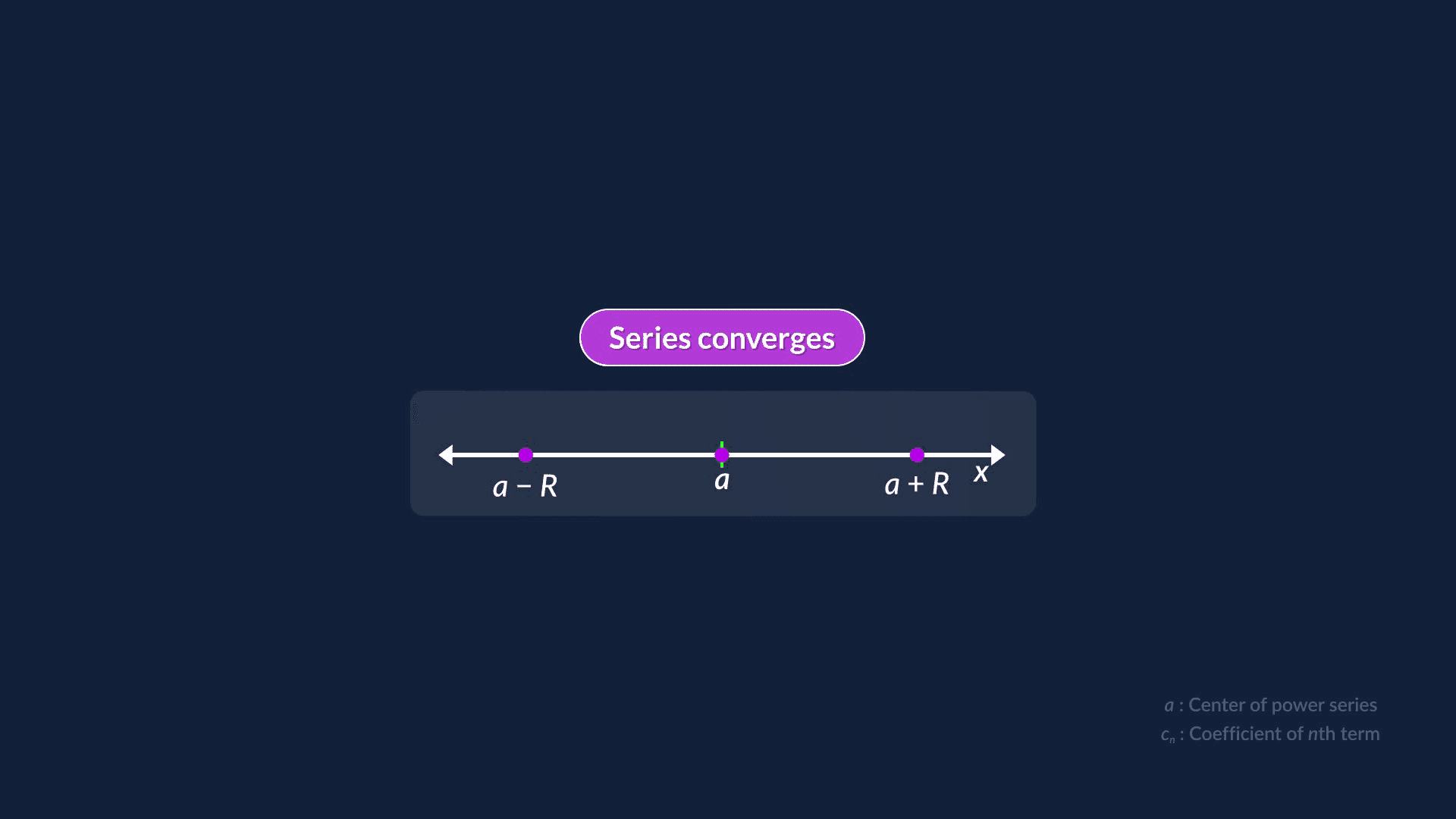
The critical insight: as *n* increases, the polynomial includes more terms and captures more of the function's local behavior. If R(n) approaches zero as *n* approaches infinity for every *x* in some interval *I*, then the Taylor series converges to the function on that interval. This means the series doesn't just approximate the function, it *equals* it there.
Several convergence tests from your calculus toolkit apply directly to Taylor and power series:
Understanding how to find the interval of convergence of a power series means combining these tests with endpoint checks to produce a complete interval, such as (−1, 1] or (−∞, ∞).
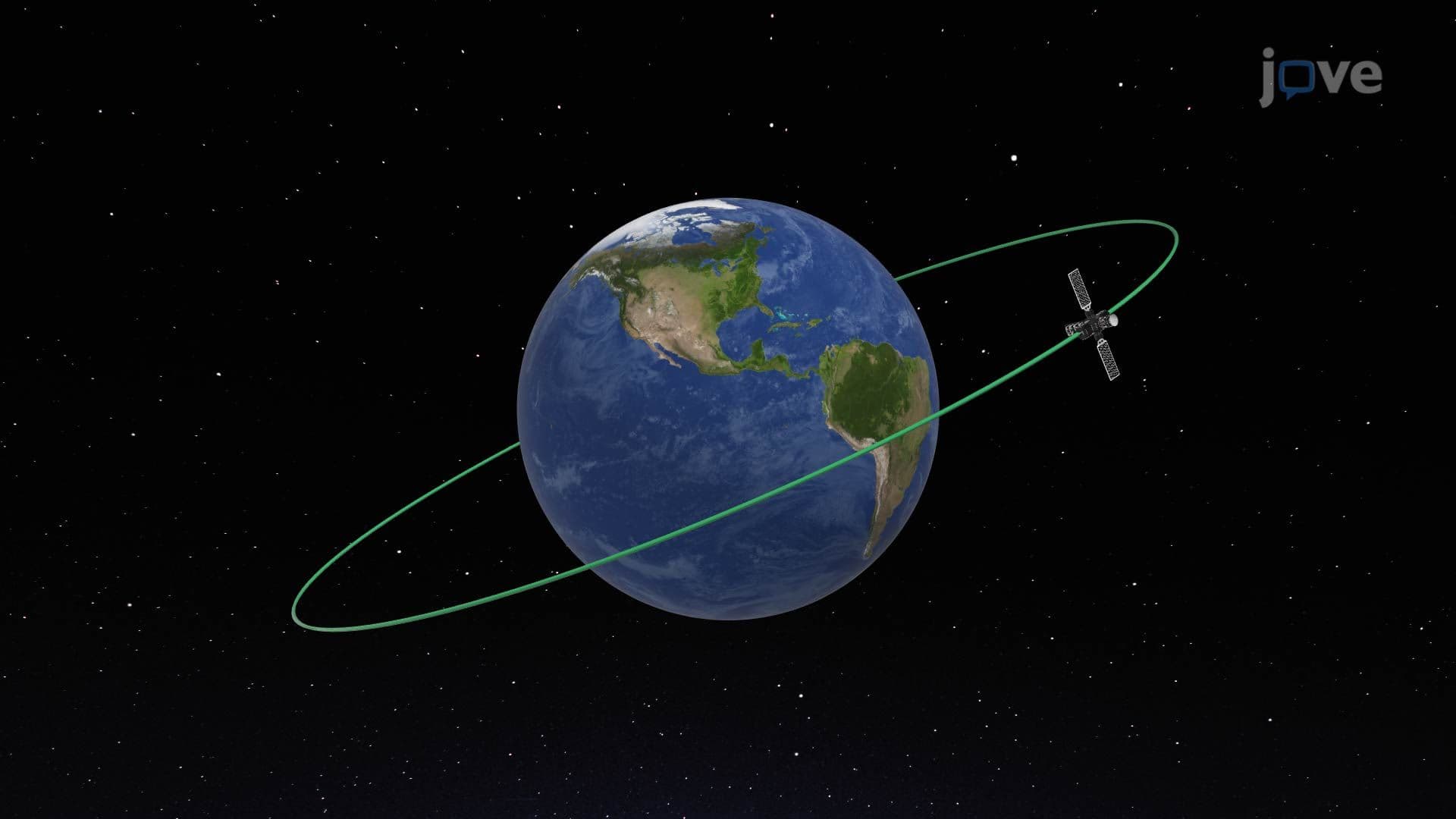
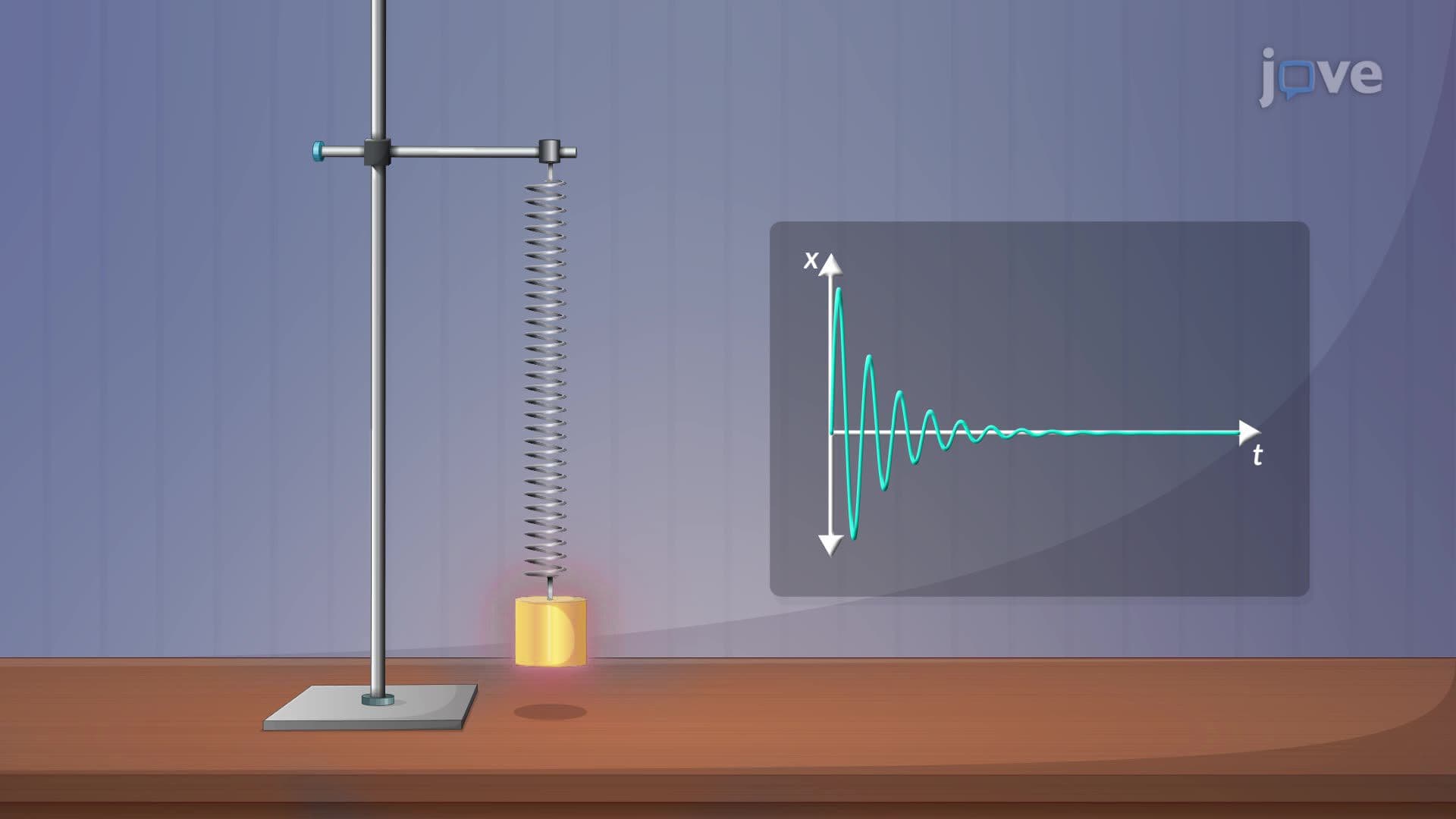
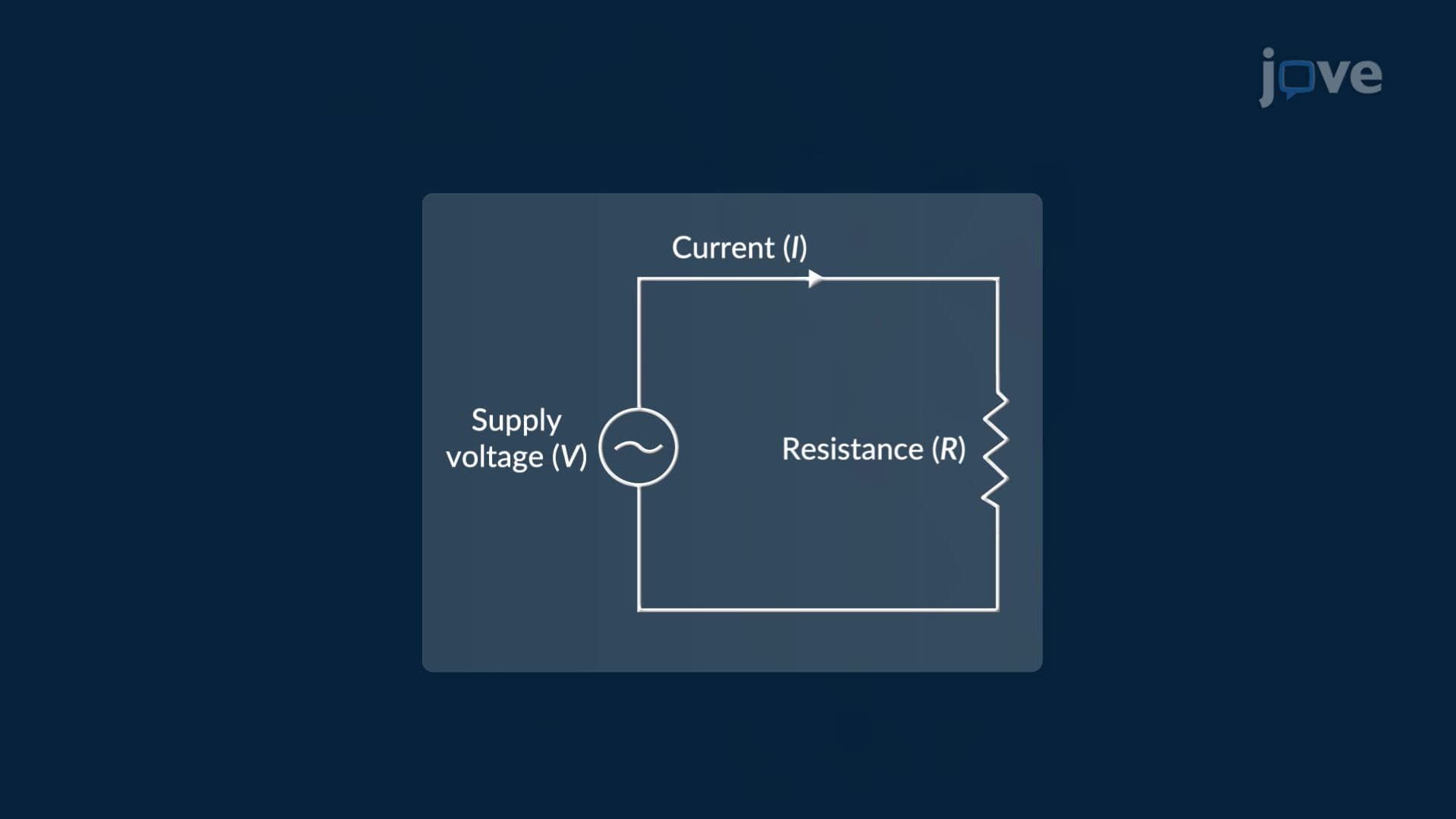
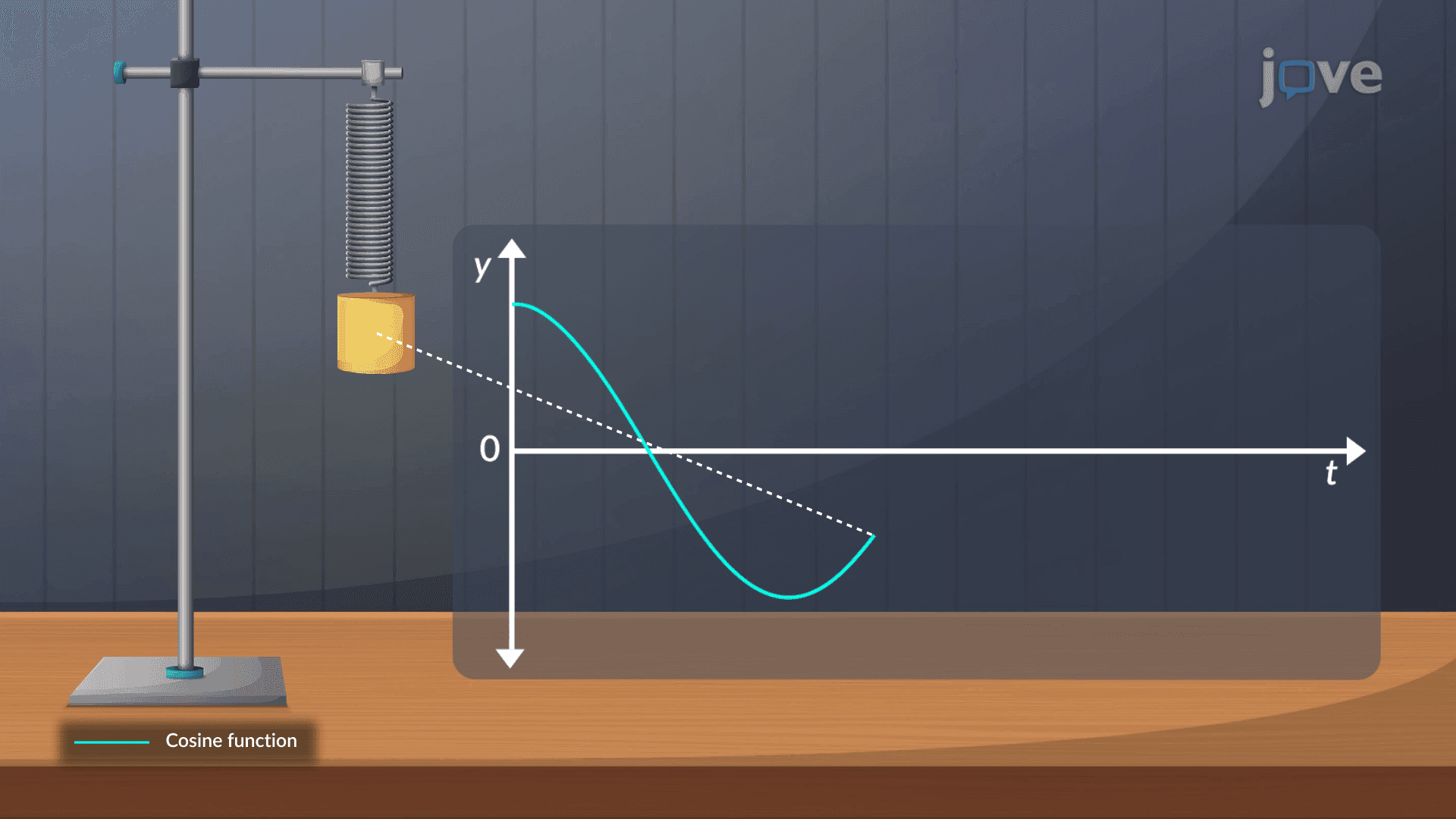
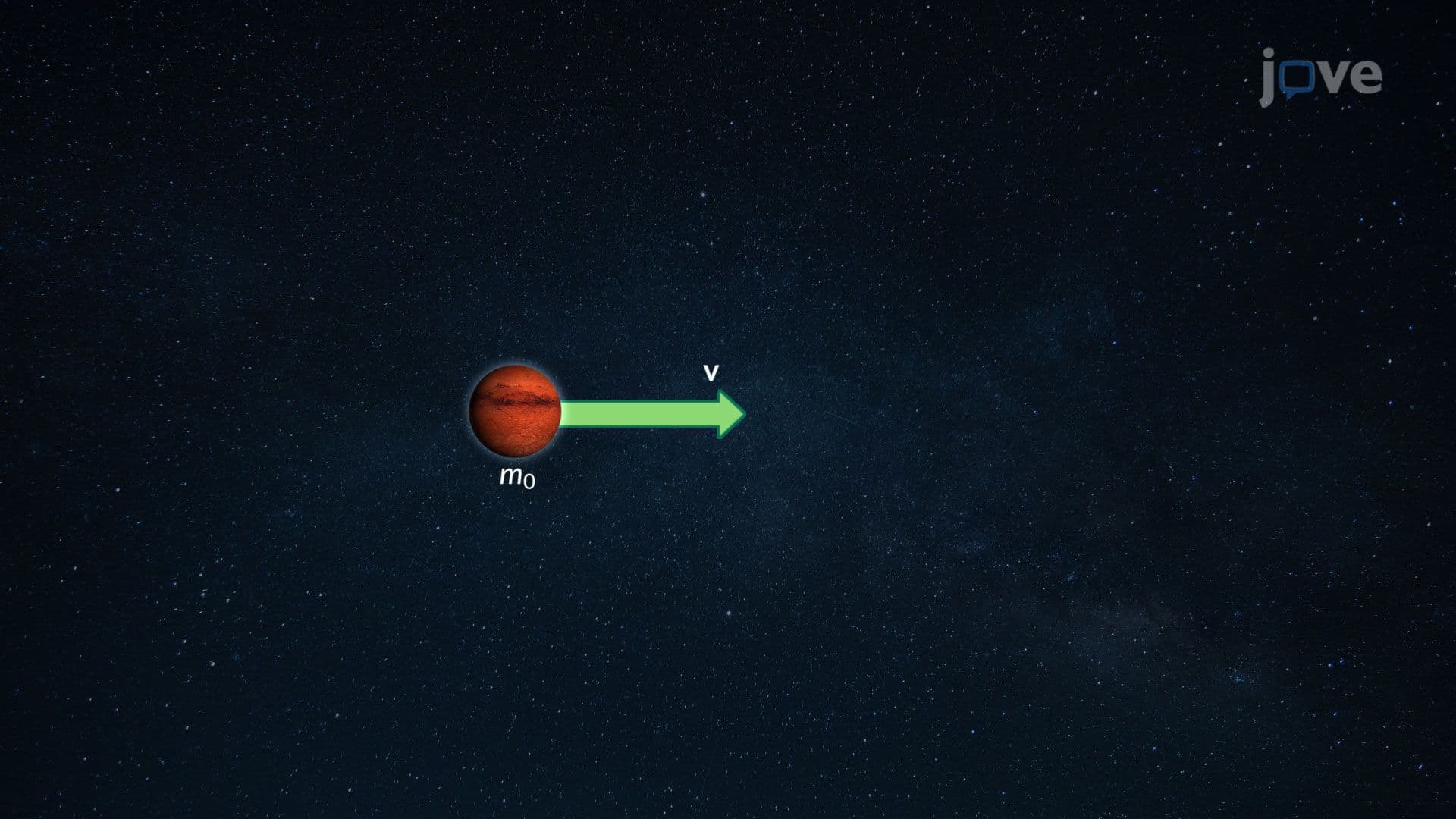
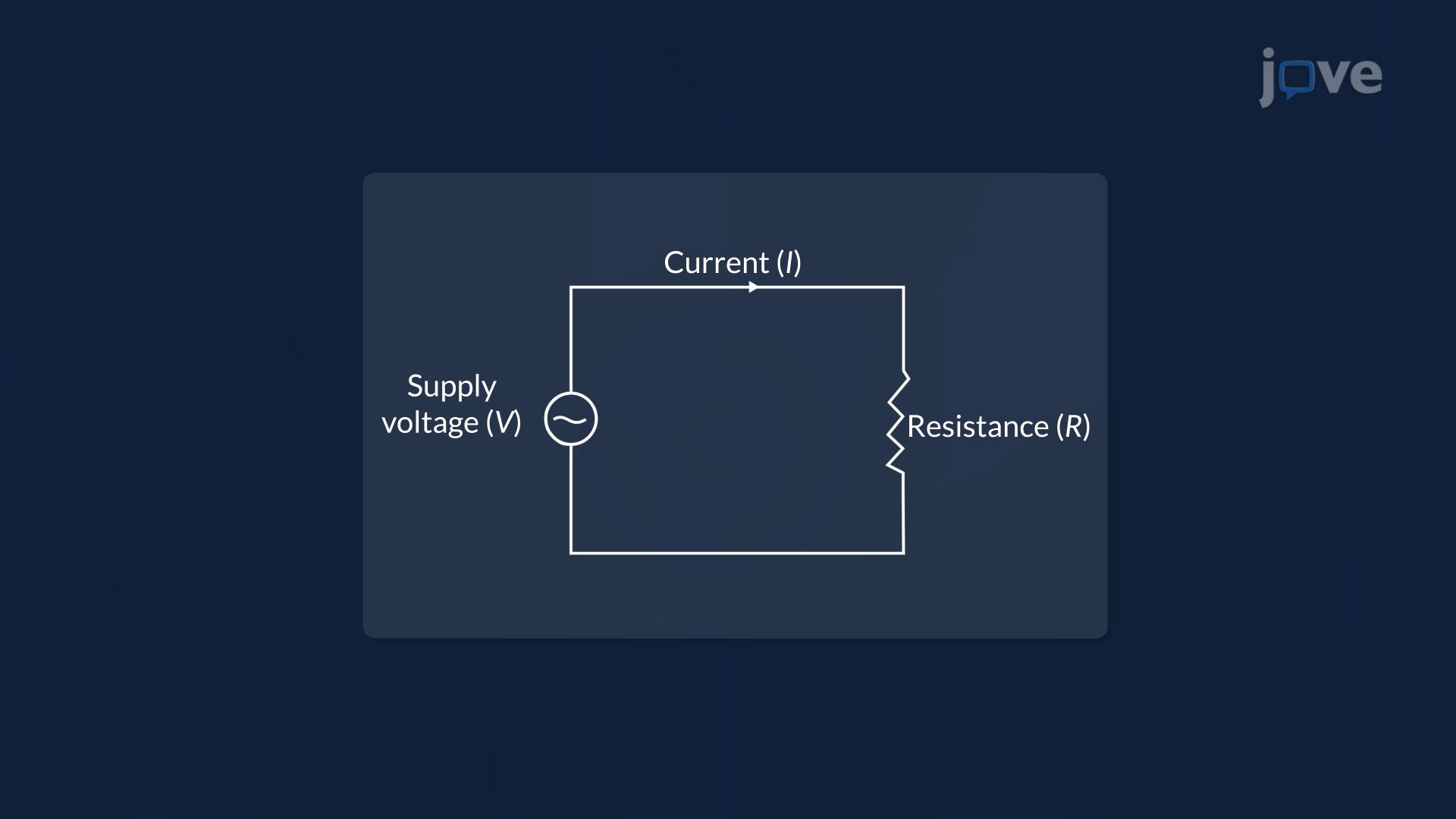
In US engineering and physics programs, Taylor series convergence is not abstract, it is used daily. NASA's Jet Propulsion Laboratory uses convergent series approximations in orbital mechanics. Electrical engineers working on AC circuits approximate oscillatory voltage functions like V(t) = V₀·cos(ωt) with polynomial series to simplify circuit simulations.
On the AP Calculus BC exam, convergence of Taylor and Maclaurin series is a regularly tested topic, including Lagrange error bounds (the remainder term in action), interval of convergence, and recognizing common series. College students encounter it in Calculus II and Calculus III courses nationwide. Mastering the difference between a sequence and a series, a sequence lists values while a series sums them, is an essential prerequisite before tackling convergence questions on midterms and finals.
Related Micro-courses