Loading…
Loading video…
13,350 views
Did you know that scientists have identified over 10,000 bacterial species, yet this represents less than 1% of all microbes on Earth? Understanding the microbial classification system is essential for organizing this incredible diversity of microscopic life. For instance, researchers at the CDC use this systematic framework to identify dangerous pathogens like *E. coli* during foodborne illness outbreaks. Watch the full video on JoVE Coach to master this concept with expert-led visuals and step-by-step explanations.
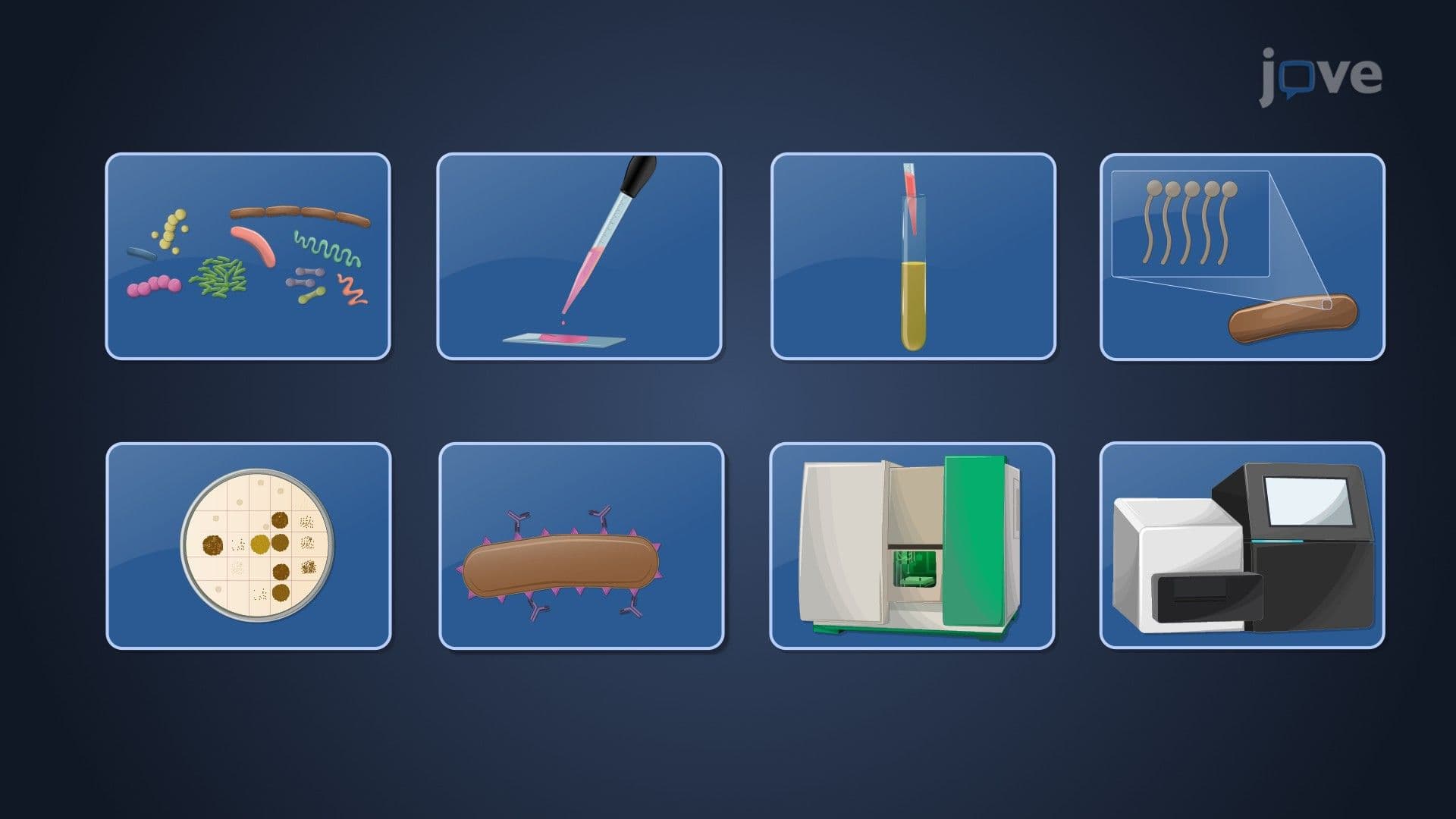
The microbial classification system serves as biology's filing cabinet for the microscopic world, organizing millions of microorganisms into logical, hierarchical groups. This systematic approach allows scientists, medical professionals, and students to understand relationships between different microbes and predict their characteristics based on their taxonomic position.
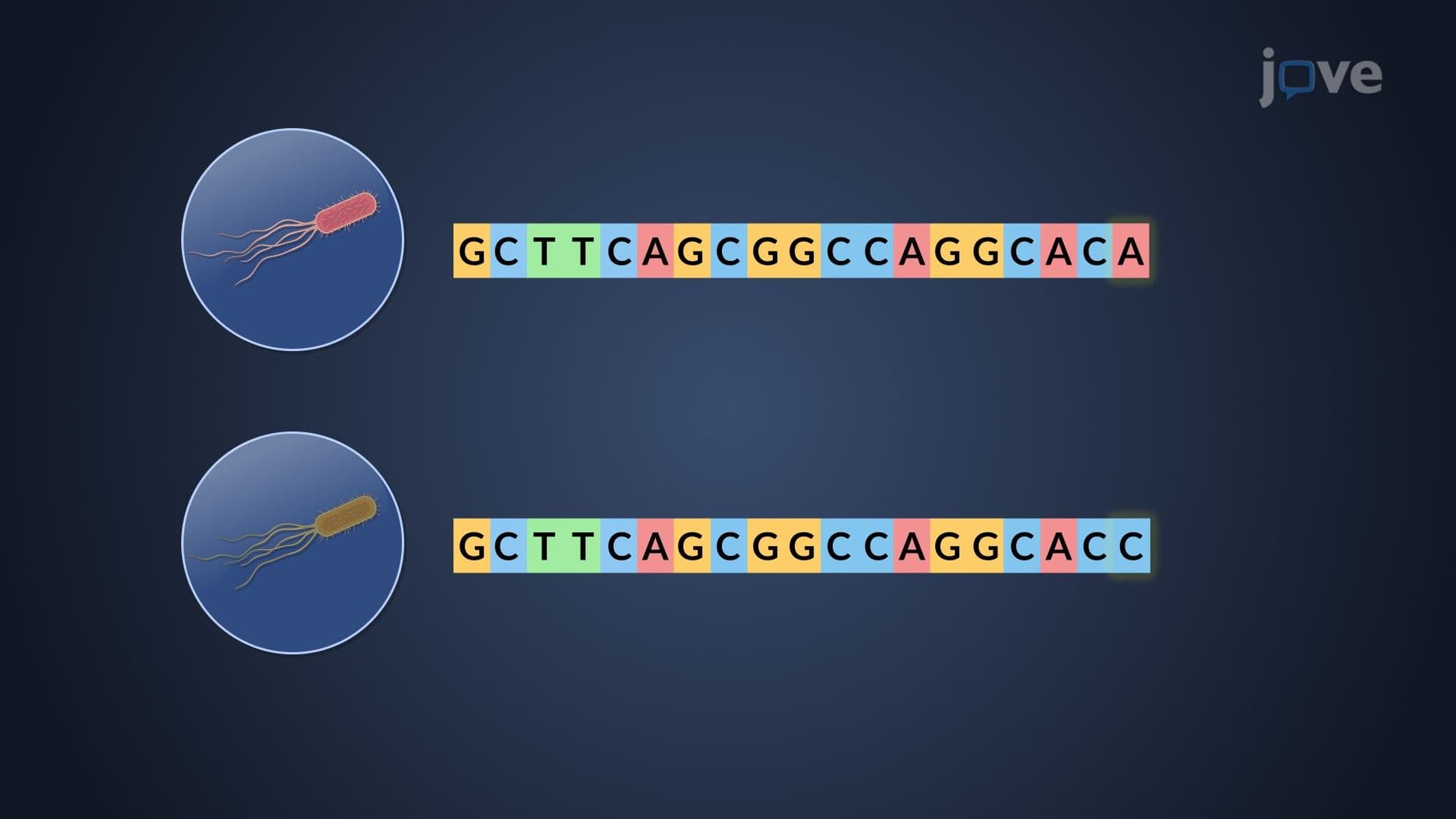
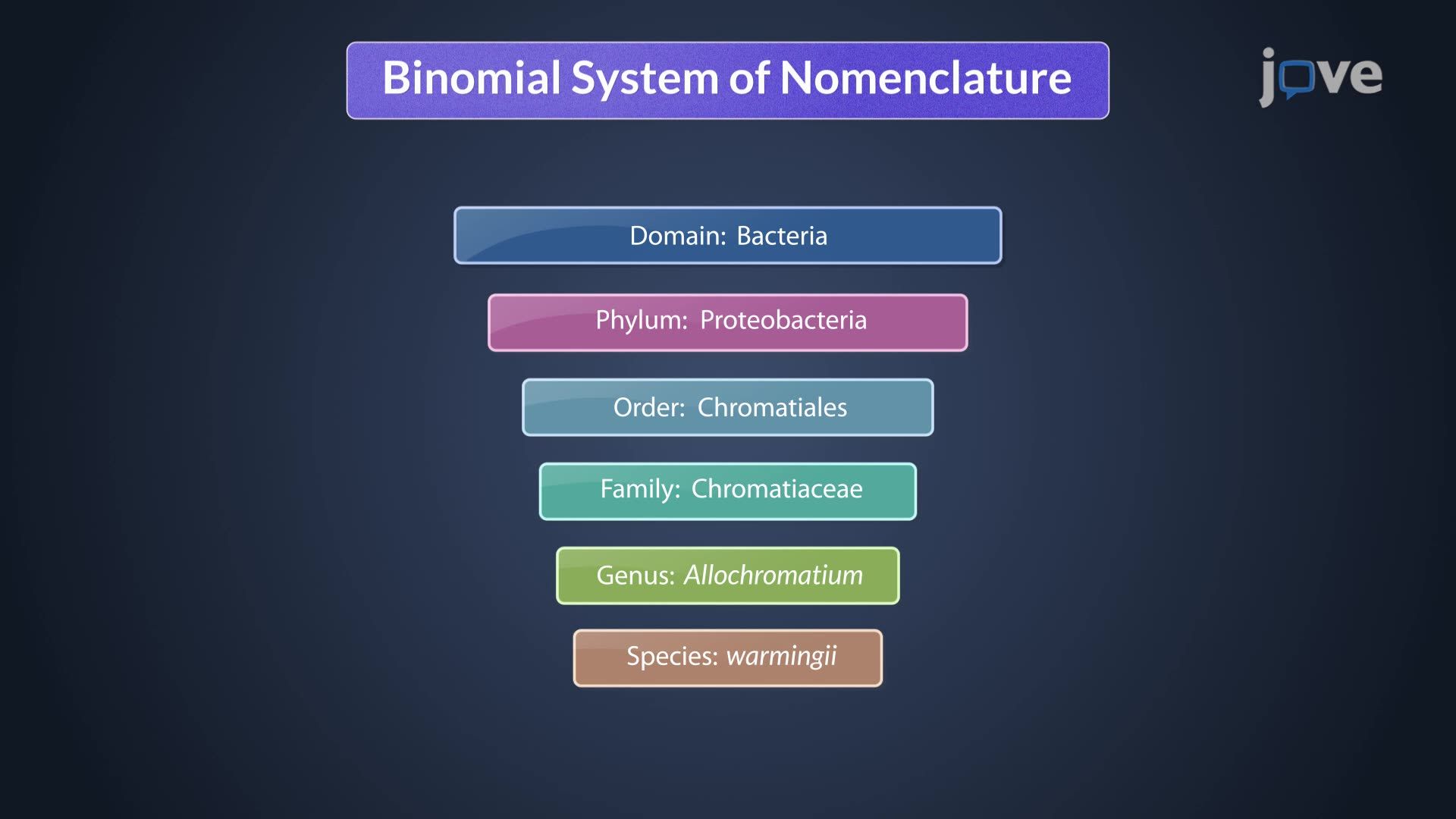
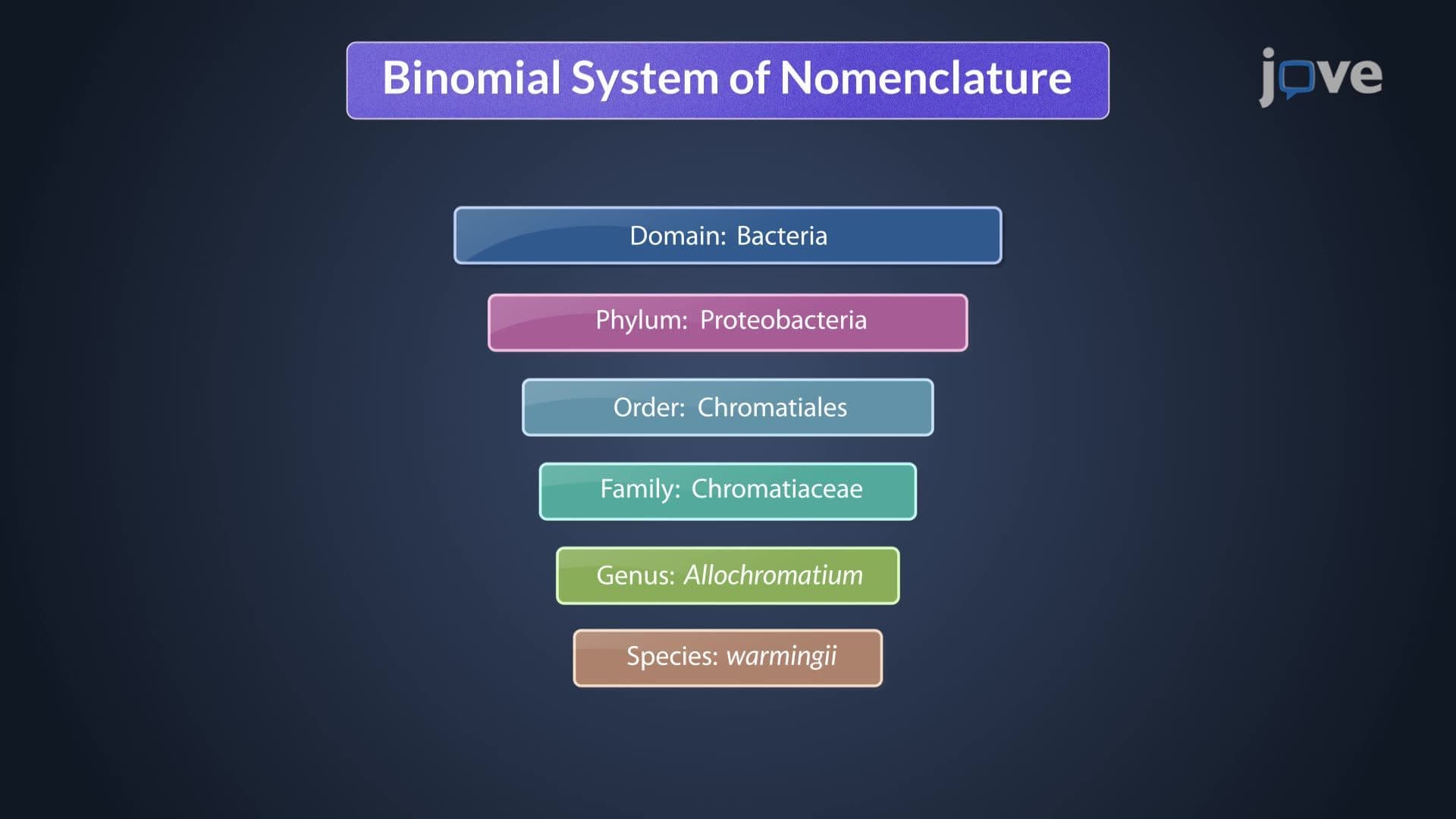
Carl Linnaeus revolutionized biological classification in the 18th century by introducing binomial nomenclature—the two-name system still used today. In microbiology, this means every organism receives a genus and species name, written in italics with the genus capitalized. For example, *Escherichia coli* (commonly shortened to *E. coli*) immediately tells us both the broader group (genus *Escherichia*) and the specific type (species *coli*). This standardization proves crucial in medical settings where precise identification can mean the difference between effective treatment and treatment failure.
The taxonomic hierarchy moves from broad to specific: Domain → Phylum → Class → Order → Family → Genus → Species. Consider how this works with a medically important example: *Staphylococcus aureus* belongs to Domain Bacteria, Phylum Firmicutes, Class Bacilli, Order Bacillales, Family Staphylococcaceae, Genus *Staphylococcus*, and Species *aureus*. This classification immediately informs healthcare workers about the organism's gram-positive nature, antibiotic susceptibilities, and potential pathogenicity.
The International Committee on Systematics of Prokaryotes (ICSP) serves as the ultimate authority for bacterial and archaeal nomenclature, ensuring consistency across global research. Their decisions appear in the List of Prokaryotic Names with Standing in Nomenclature (LPSN) database, which students and professionals consult for validated names. Meanwhile, Bergey's Manual of Systematic Bacteriology provides comprehensive descriptions of bacterial characteristics—essential for both AP Biology students studying microbiology and pre-med students preparing for the MCAT's biological sciences section.
This systematic approach appears frequently in standardized exams, where students must demonstrate understanding of taxonomic relationships and apply classification principles to unknown organisms.
Frequently Asked Questions
The microbial classification system is a hierarchical method of organizing microorganisms into groups based on their similarities and evolutionary relationships. It follows a structure from broad categories (Domain) to specific ones (Species), using standardized naming rules. This system helps scientists communicate clearly about different microbes and predict their characteristics.
These exams frequently test taxonomic hierarchy knowledge, binomial nomenclature rules, and the ability to analyze phylogenetic relationships. Students might encounter questions about classifying unknown organisms or explaining how classification reflects evolutionary relationships. The MCAT particularly emphasizes connections between taxonomy and medical applications.
College biology courses emphasize classification because it demonstrates critical thinking about biological relationships and provides foundation knowledge for advanced topics. Professors often use classification questions to assess students' understanding of evolutionary principles, scientific naming conventions, and ability to organize complex biological information systematically.
Clinical laboratories at hospitals like Johns Hopkins use classification systems to identify infectious agents and select appropriate treatments. When a patient presents with symptoms, lab technicians classify the pathogen using taxonomic characteristics, which directly informs antibiotic selection and infection control measures.
Not at all! The system follows logical patterns that become intuitive with practice. Start by memorizing the hierarchy levels and understanding that each level provides increasingly specific information. Most students find the naming patterns helpful once they understand the basic structure.
Create hierarchical diagrams using medically important examples like E. coli or Staphylococcus aureus. Practice writing scientific names correctly and explaining why organisms belong to specific groups. Focus on understanding relationships between taxonomic levels rather than just memorizing names.
Once comfortable with bacterial classification, explore viral classification systems and fungal taxonomy. These follow different organizational principles and prepare you for advanced microbiology courses. Consider studying antibiotic resistance patterns, which directly relate to taxonomic groups.
The USMLE heavily tests microbial identification and treatment selection based on taxonomic relationships. Understanding classification patterns helps predict which antibiotics target specific bacterial groups and explains why certain organisms cause particular types of infections. This knowledge proves essential for clinical reasoning questions.
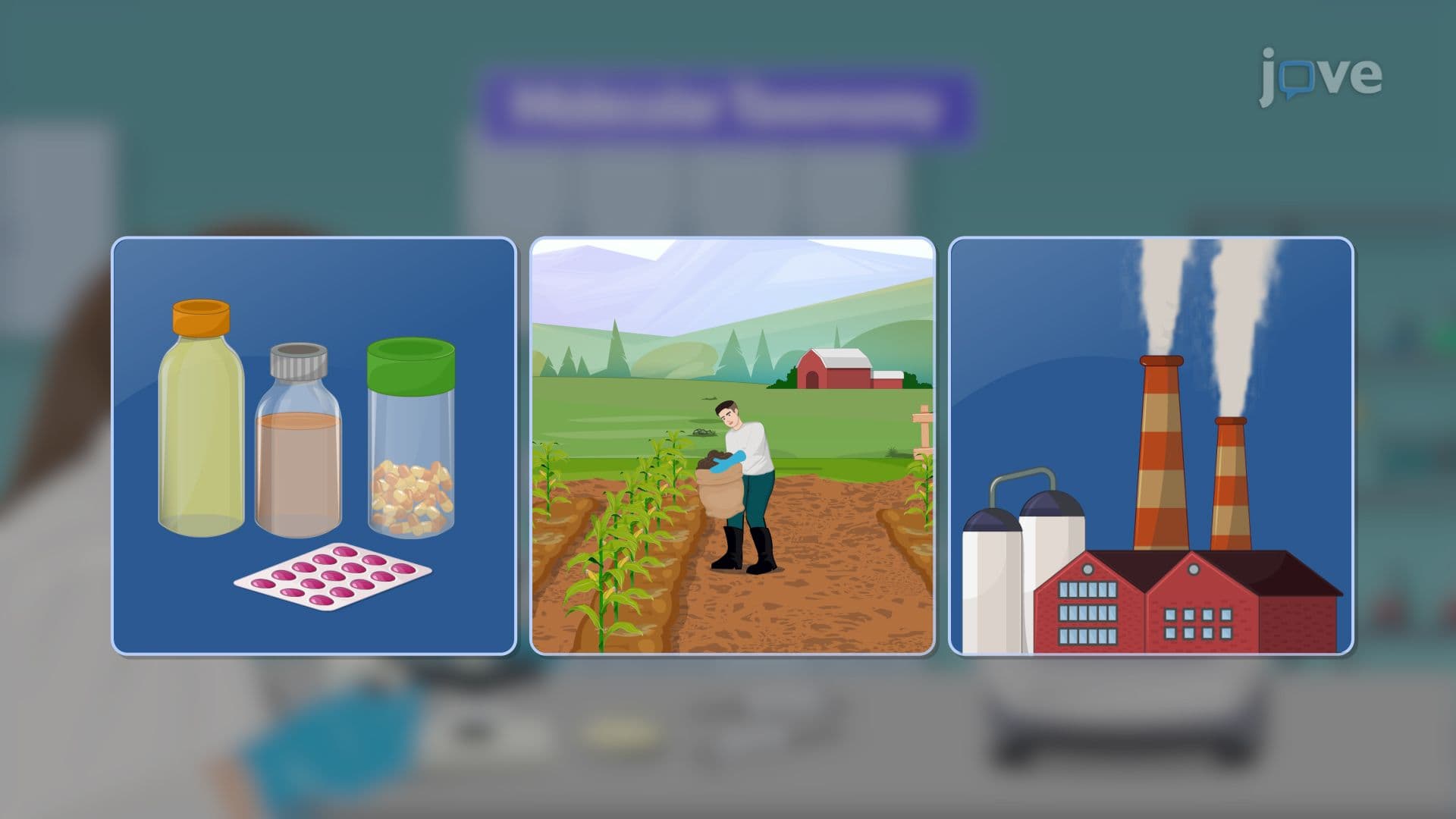
Biotechnology companies like Genentech rely on precise microbial classification for product development, quality control, and regulatory compliance. Whether developing probiotics, manufacturing pharmaceuticals using bacterial systems, or conducting environmental monitoring, accurate classification ensures product safety and efficacy.
Related Micro-courses



Related Subjects