Loading video…

 24 Concepts
 92 views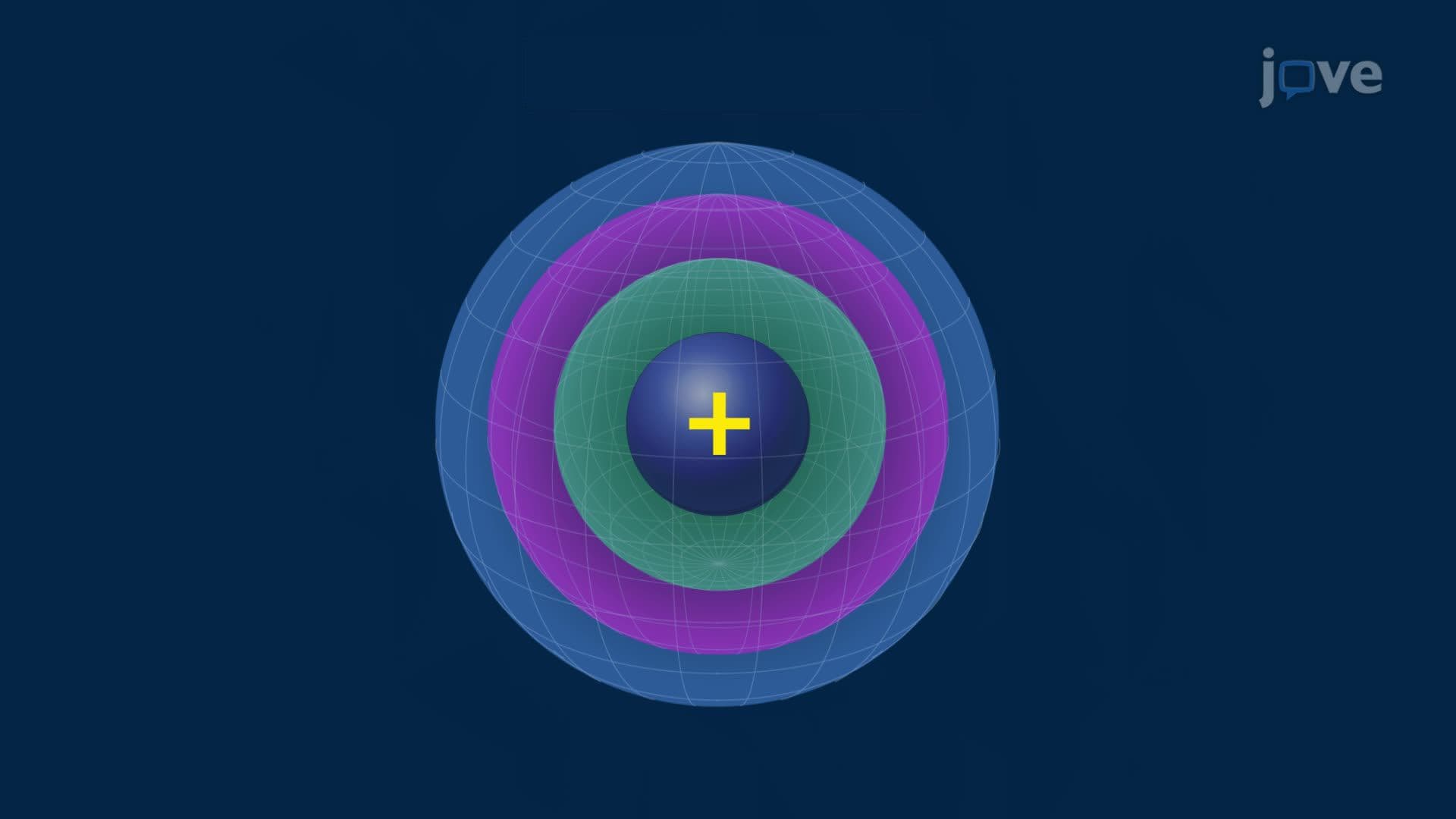

Video Summary: Functions of Three or More Variables Explained
Did you know that every voltage reading near an electrical outlet maps a three-dimensional location to a single number? That's the core idea behind functions of three or more variables basics. Functions of three or more variables extend single-variable thinking into 3D space, assigning one scalar output to every (x, y, z) point, just like electric potential fields modeled by US electrical engineers. Watch the full video on JoVE Coach to master this concept with expert-led visuals and step-by-step explanations.
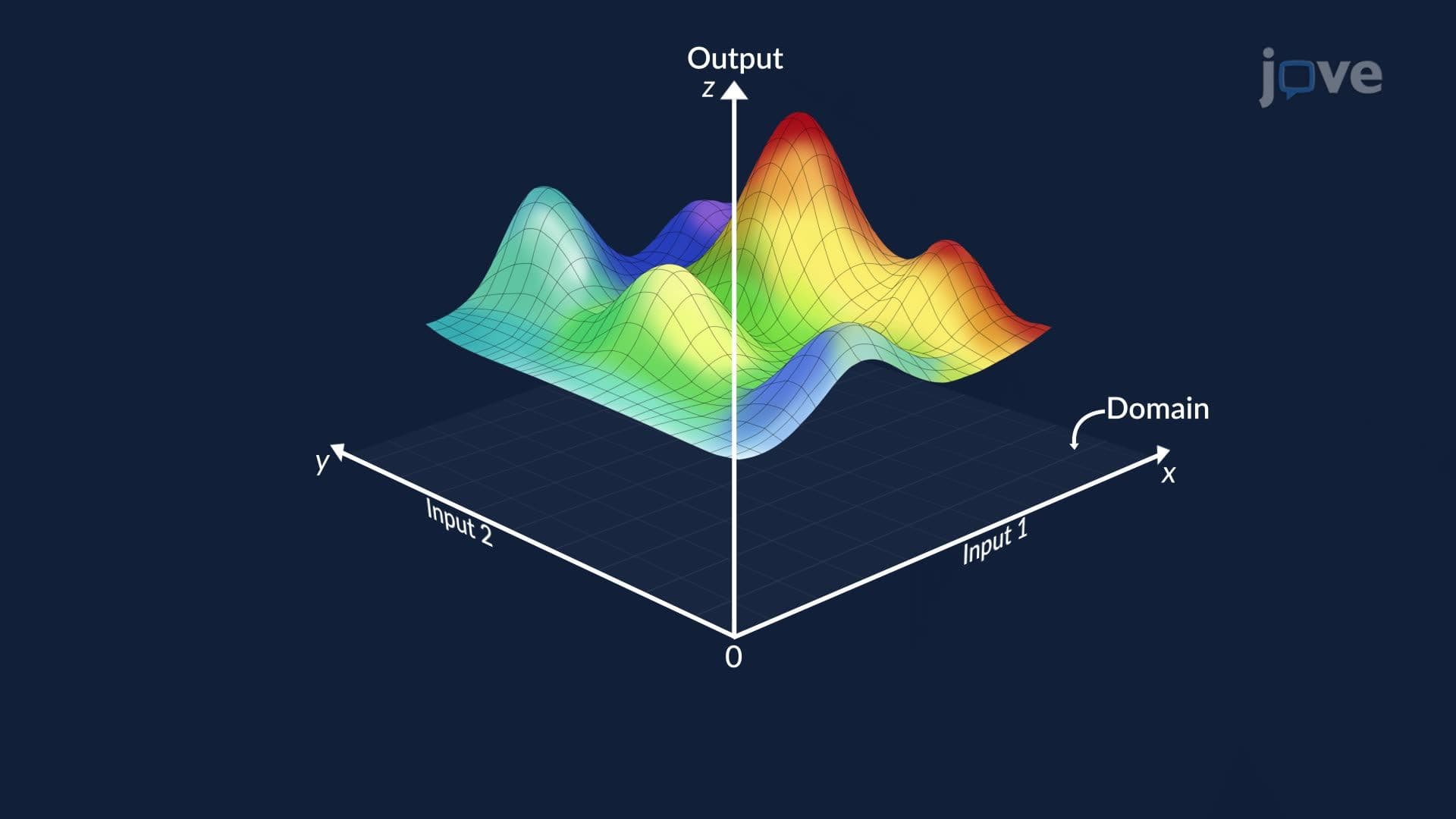
A function of three or more variables is a rule that takes an ordered set of three or more inputs, typically labeled x, y, and z, and returns exactly one real number as output. Written formally, F(x, y, z) = some expression, this type of function is the natural extension of the single-variable functions students first encounter in algebra and pre-calculus. Where a single-variable function maps a number line to another number line, a three-variable function maps every point in three-dimensional space to a scalar value. This makes these functions essential tools in multivariable calculus and across science and engineering disciplines.
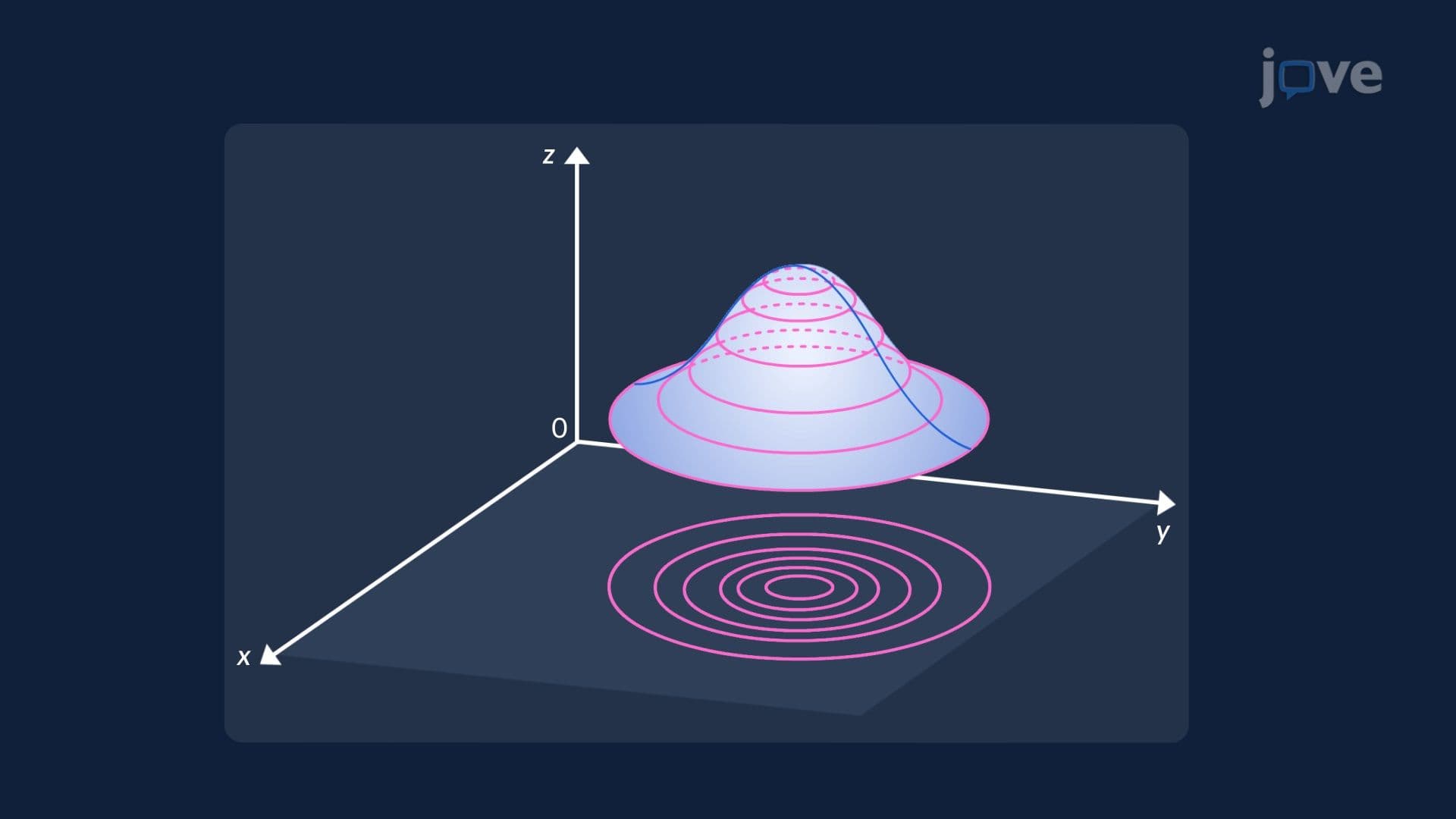
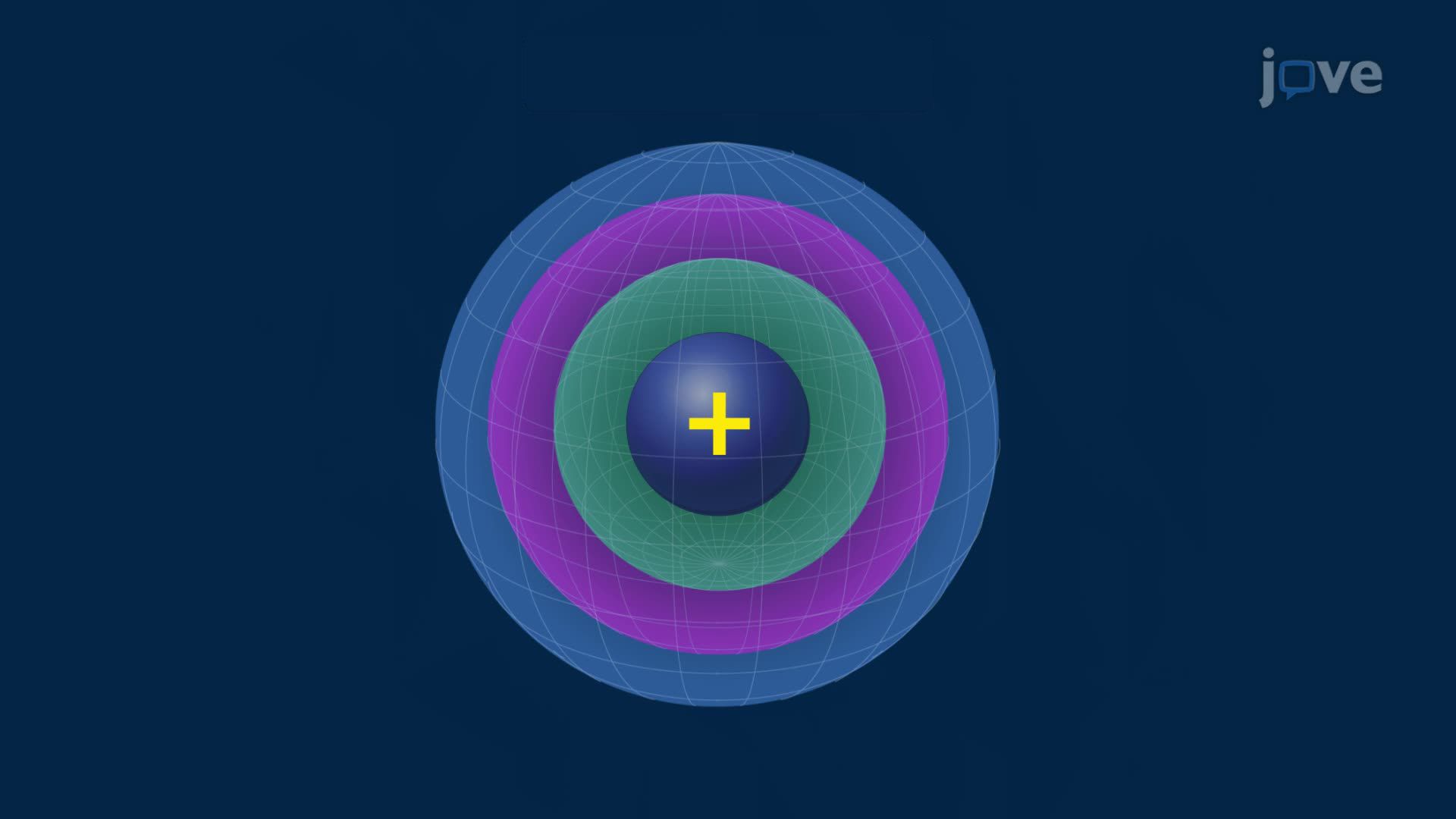
One of the most powerful tools for understanding three-variable functions is the level surface. A level surface is the collection of all points (x, y, z) at which a function F(x, y, z) produces the same constant output value, say k. Mathematically, this is the set where F(x, y, z) = k. These surfaces are the three-dimensional counterpart to level curves in two-variable functions. A classic example taught in US university physics and multivariable calculus courses is the equipotential surface surrounding an electric point charge. Every point on one of these surfaces has identical electric potential, meaning no work is done moving a charge along the surface, a fact central to understanding circuits and electromagnetic fields modeled by US electrical and aerospace engineers.
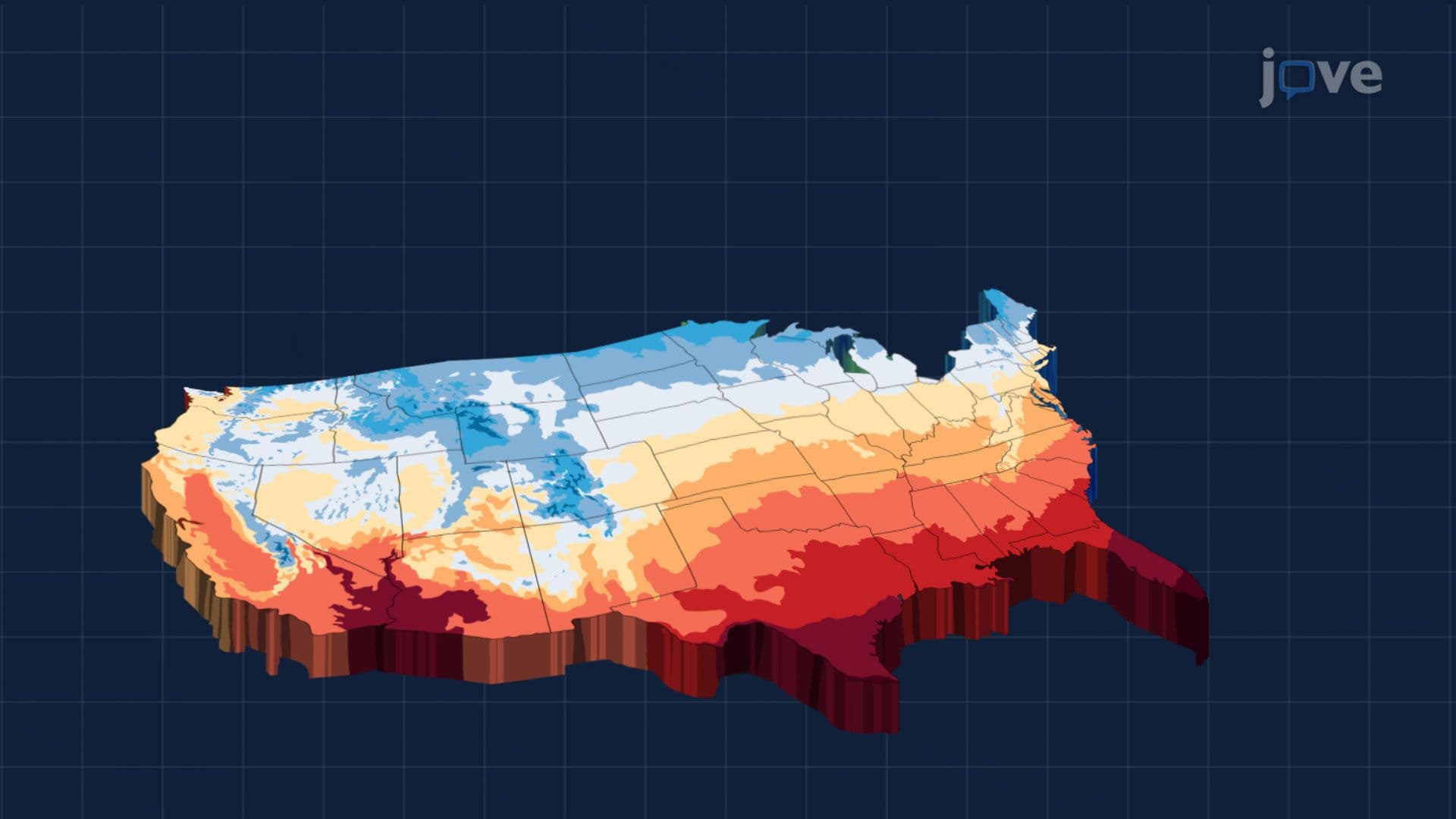
Three-variable functions appear everywhere in applied science. Meteorologists at agencies like NOAA model atmospheric temperature as a function T(x, y, z), where x and y mark geographic coordinates and z represents altitude. Physicians and researchers using MRI technology at US hospitals analyze signal intensity fields defined over three-dimensional anatomical space. In structural engineering, stress within a three-dimensional solid is described as a scalar or tensor field mapped across (x, y, z) coordinates. Understanding how a function behaves across all three spatial dimensions is therefore not just an abstract mathematical exercise, it directly enables the modeling of the physical world.
Mastering three-variable functions is a prerequisite for several advanced topics in multivariable calculus. The gradient of a function, a vector pointing in the direction of steepest increase, is computed using partial derivatives with respect to x, y, and z. Directional derivatives measure how the function changes as you move in any chosen direction through space. Tangent planes generalize the idea of a tangent line to surfaces defined by these functions. Students also encounter higher-order partial derivatives and the chain rule for partial derivatives, which describes how function values change when variables themselves depend on other parameters. On US college midterms and in courses like Calculus III (also called Multivariable Calculus), problems frequently ask students to identify level surfaces, compute gradients, and find maximum and minimum values of functions, requiring a solid conceptual foundation in exactly the ideas introduced here.
Related Micro-courses