Loading video…


 24 Concepts
 93 views

Video Summary: What are Interpretations of Partial Derivatives
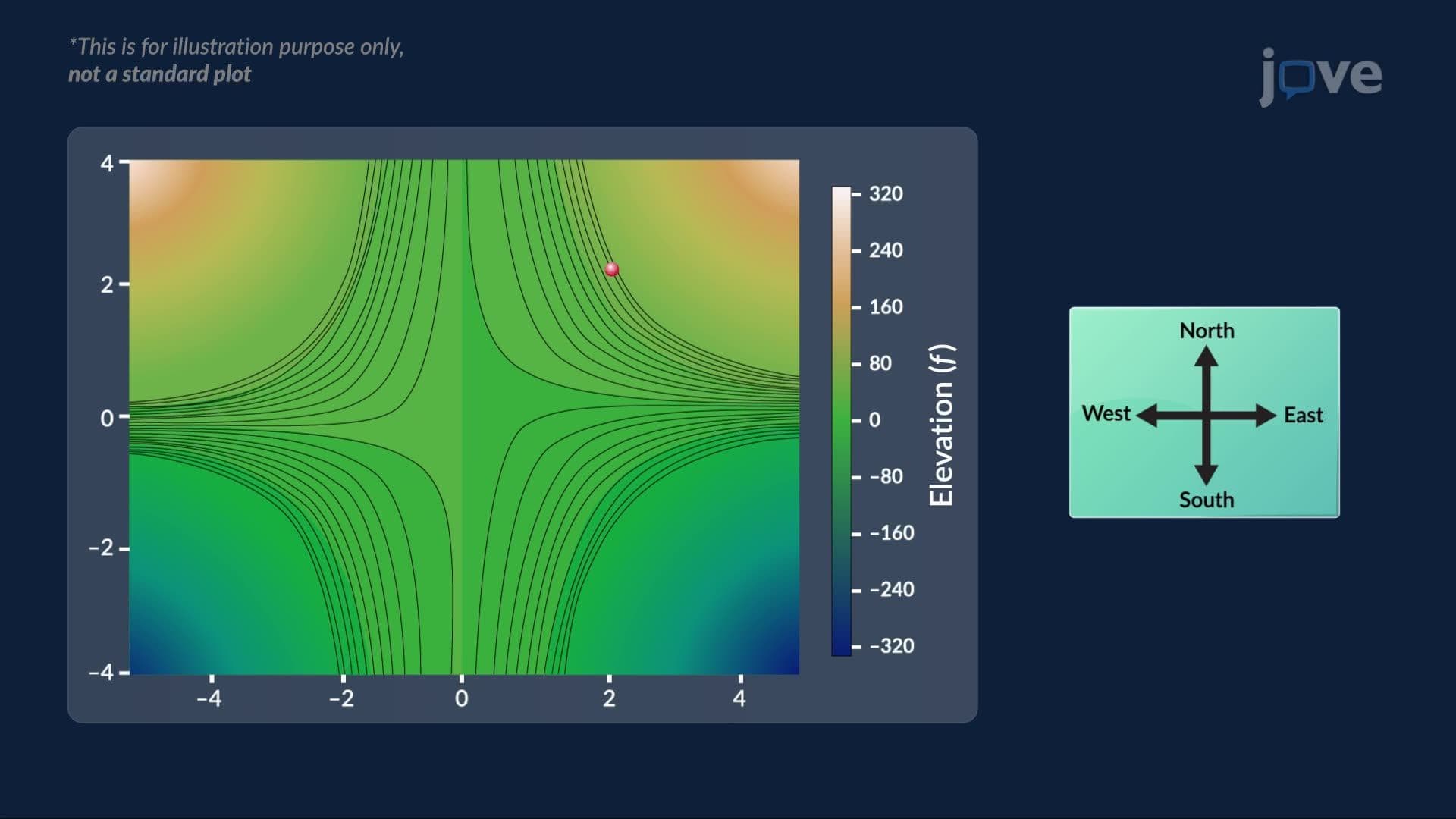
Did you know that the same calculus behind hiking trail steepness is used to model weather systems and optimize Google's search algorithms? Understanding the interpretations of partial derivatives unlocks how mathematicians measure change across two or more variables simultaneously. Picture a mountain in Colorado's Rockies, partial derivatives tell you exactly how steeply the elevation rises as you move east versus north. Watch the full video on JoVE Coach to master this concept with expert-led visuals and step-by-step explanations.
In single-variable calculus, a derivative tells you the rate of change of a function along one dimension. But in real life, and in most STEM fields, functions depend on more than one input. Multivariable calculus handles this complexity, and the interpretations of partial derivatives are its most important entry point. A partial derivative measures how a function changes when only one variable shifts while all others stay frozen. This idea is surprisingly powerful and shows up everywhere from thermodynamics to machine learning.
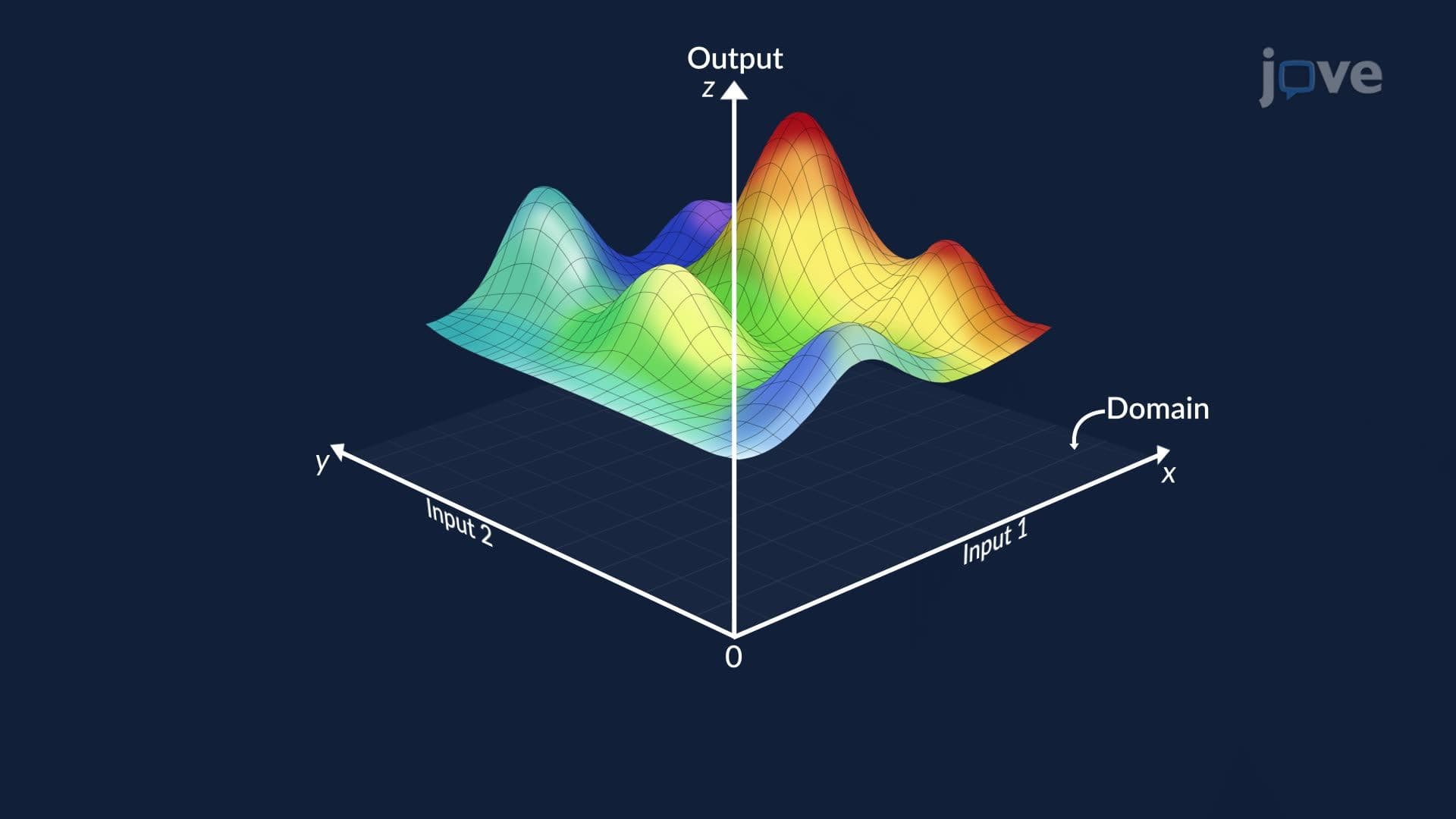
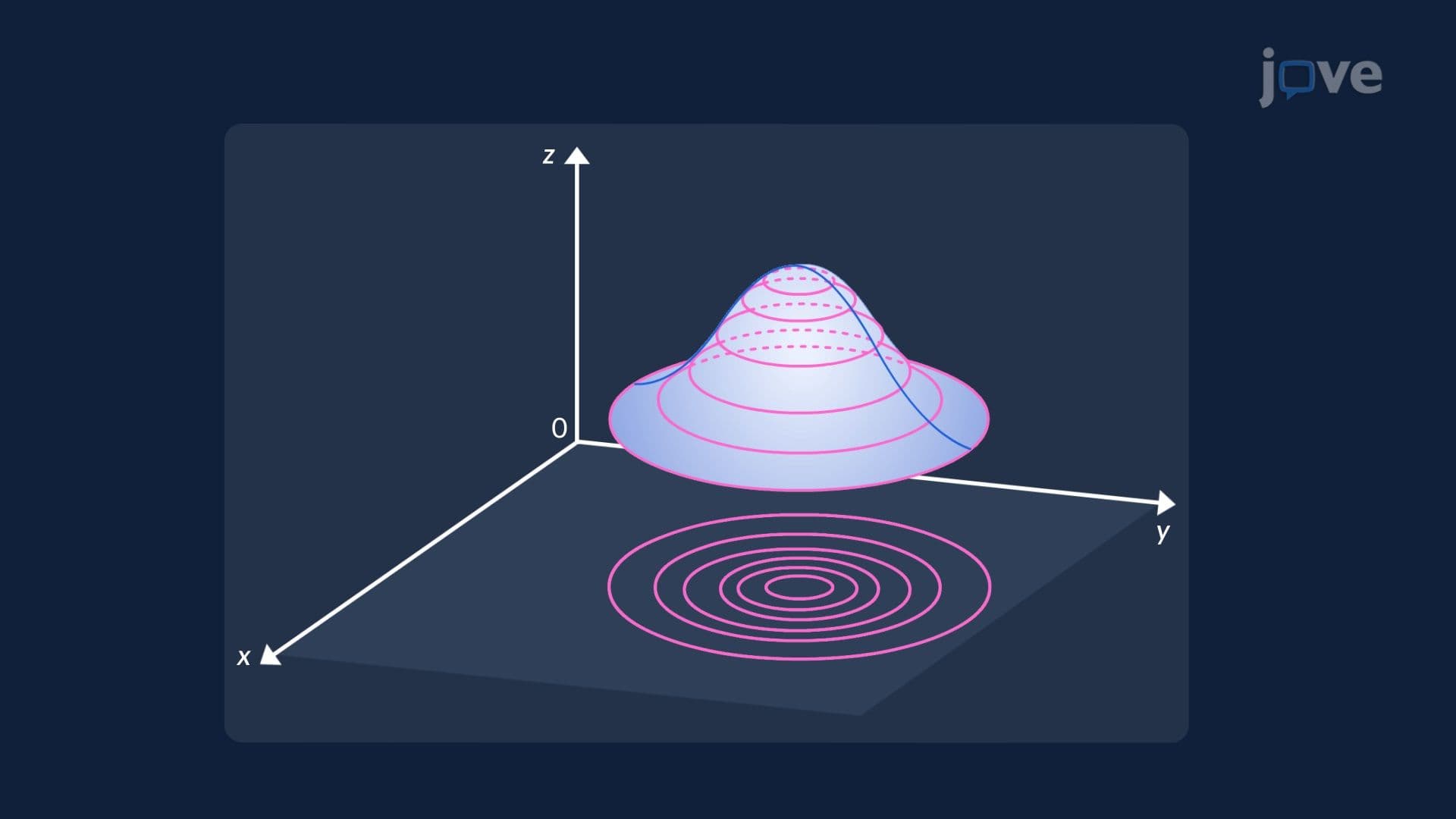
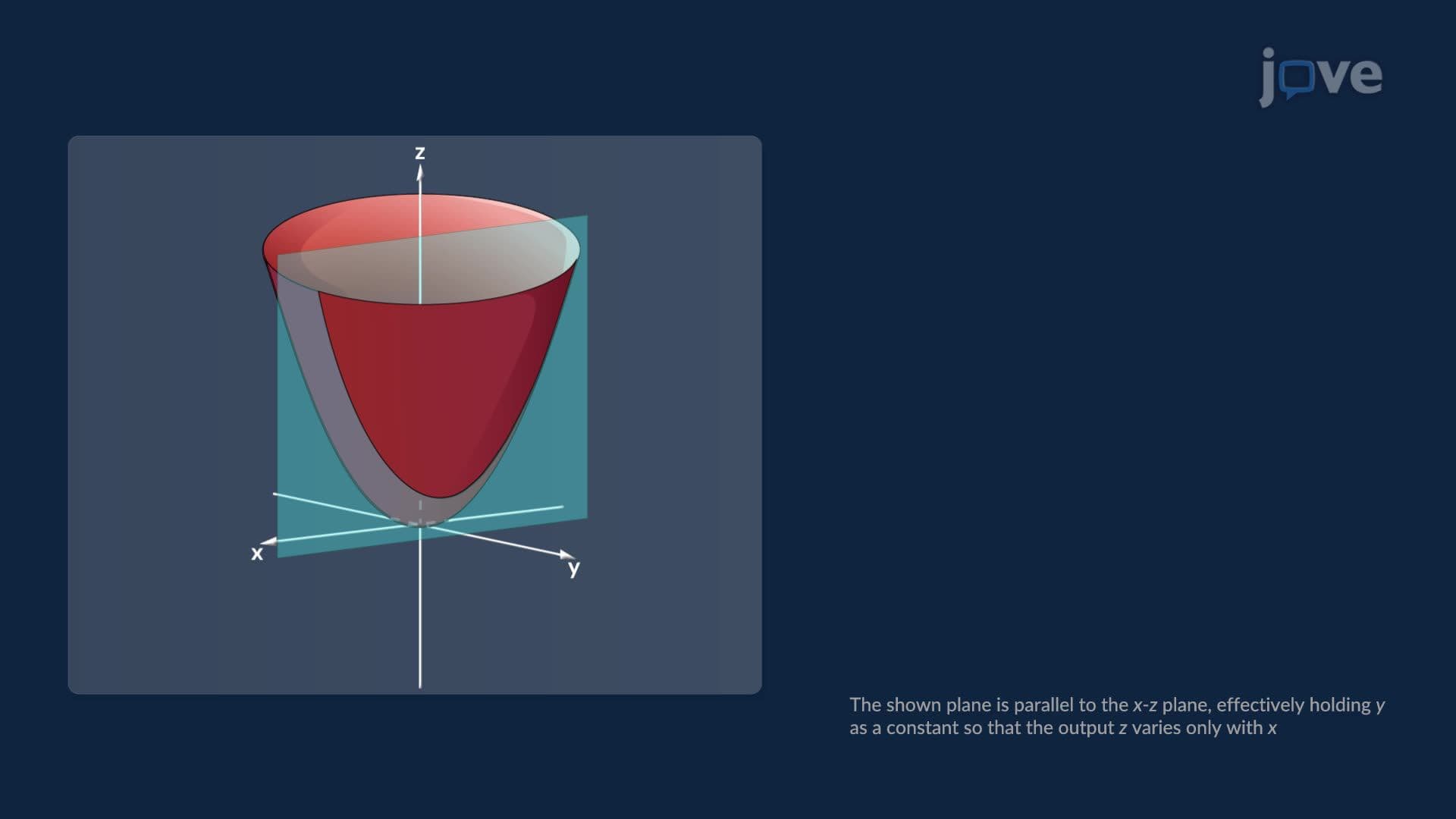
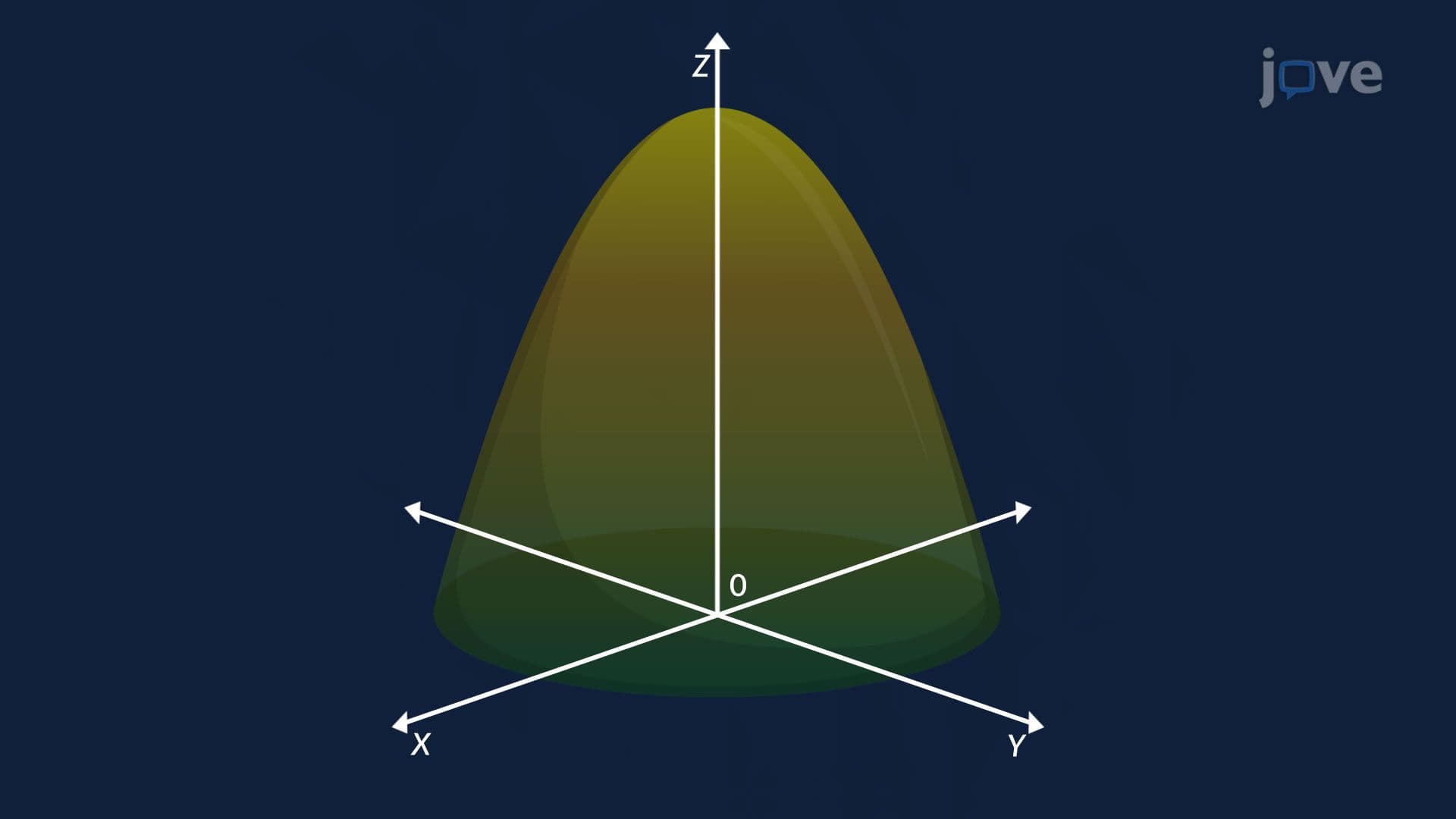
Consider a surface defined by z = f(x, y), like the terrain of Yellowstone National Park mapped with GPS coordinates. The partial derivative of f with respect to x, written ∂f/∂x, gives the slope of the surface in the x-direction alone, as if you are walking due east without veering north or south. Similarly, ∂f/∂y gives the slope heading north. Together, these two slope values define a tangent plane, a flat surface that just "touches" the 3D curve at a single point, much like a piece of flat cardboard balanced against a curved bowl. This tangent plane is the multivariable equivalent of the tangent line in single-variable calculus, and understanding it is central to approximation problems in college calculus courses and AP Calculus BC.
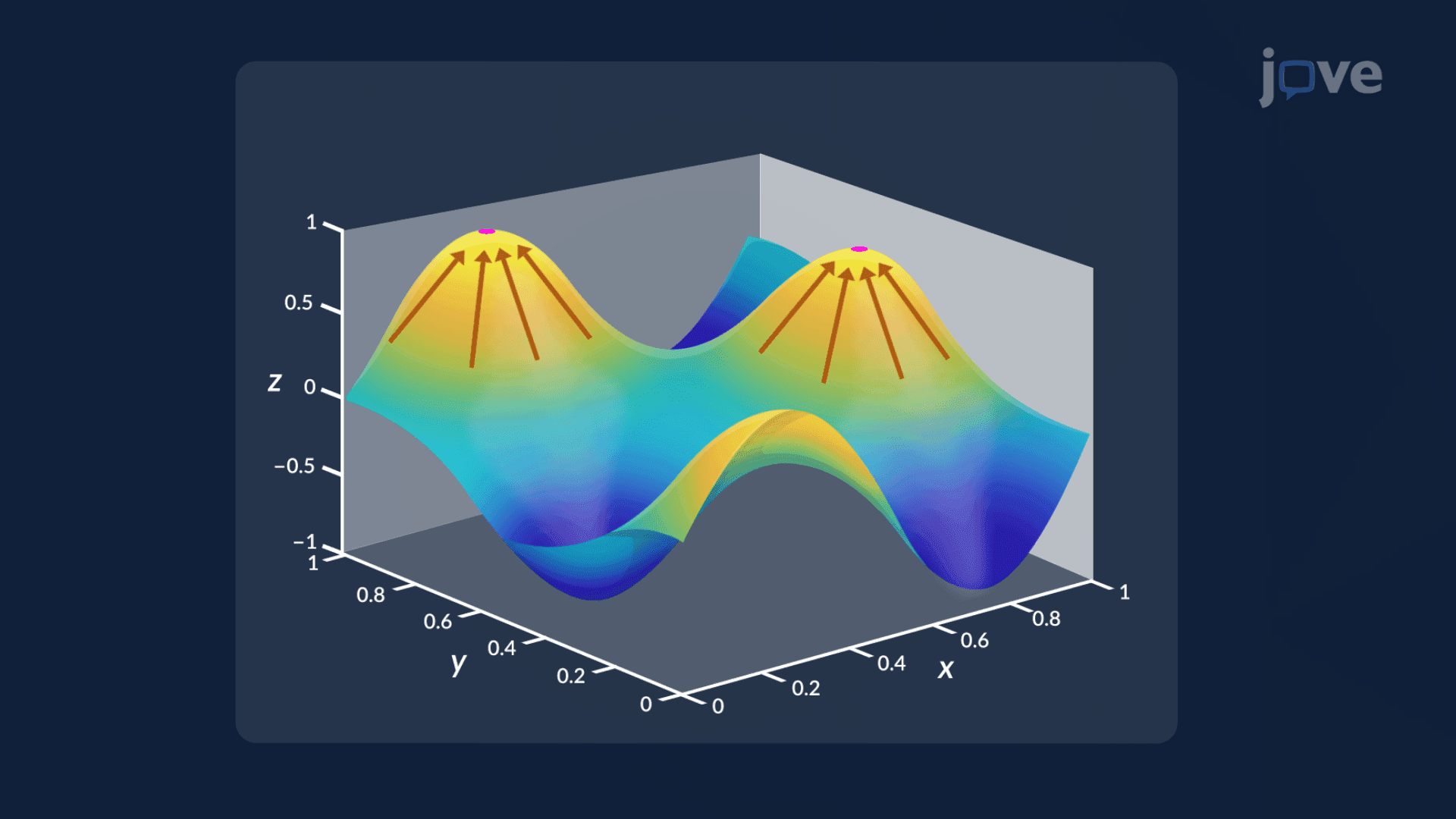
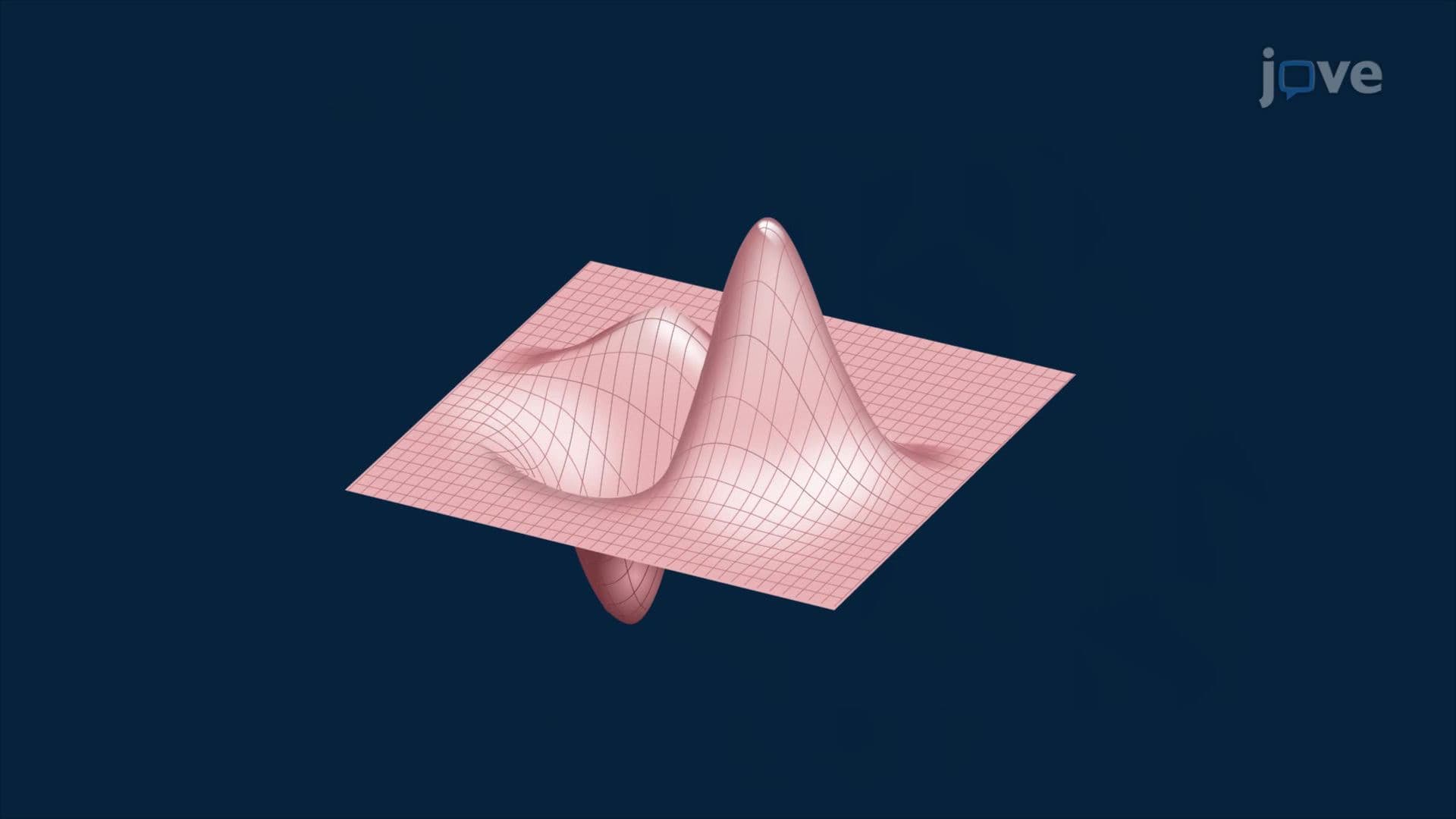
The sign of a partial derivative carries direct physical meaning. A positive value of ∂f/∂x at a point means the surface rises as x increases, you are heading uphill in that direction. A negative value means the surface drops, you are descending. This interpretation matters in optimization problems, where engineers and data scientists look for points where both partial derivatives equal zero, signaling a potential maximum, minimum, or saddle point. Finding these critical points is the foundation for solving problems involving the maximum and minimum values of functions of two variables, a topic commonly tested in college midterms and Calculus III courses across US universities.
Once you understand individual partial derivatives, the next step is combining them. The gradient of a function is a vector formed by pairing ∂f/∂x and ∂f/∂y together: ∇f = (∂f/∂x, ∂f/∂y). This vector always points in the direction of steepest ascent on the surface, a fact with immediate real-world relevance. Autonomous vehicle navigation systems, for example, use gradient-based algorithms to determine the most efficient paths. Directional derivatives extend this idea further, measuring slope in any chosen direction, not just along the axes. For students preparing for the MCAT or engineering board exams, mastering the chain rule for partial derivatives is also essential, since many applied problems involve functions where variables themselves depend on other variables. Higher-order partial derivatives, such as ∂²f/∂x², the second partial derivative, then allow analysis of curvature, stability, and the nature of critical points through tools like the second derivative test.
Related Micro-courses