Loading video…

 24 Concepts
 93 views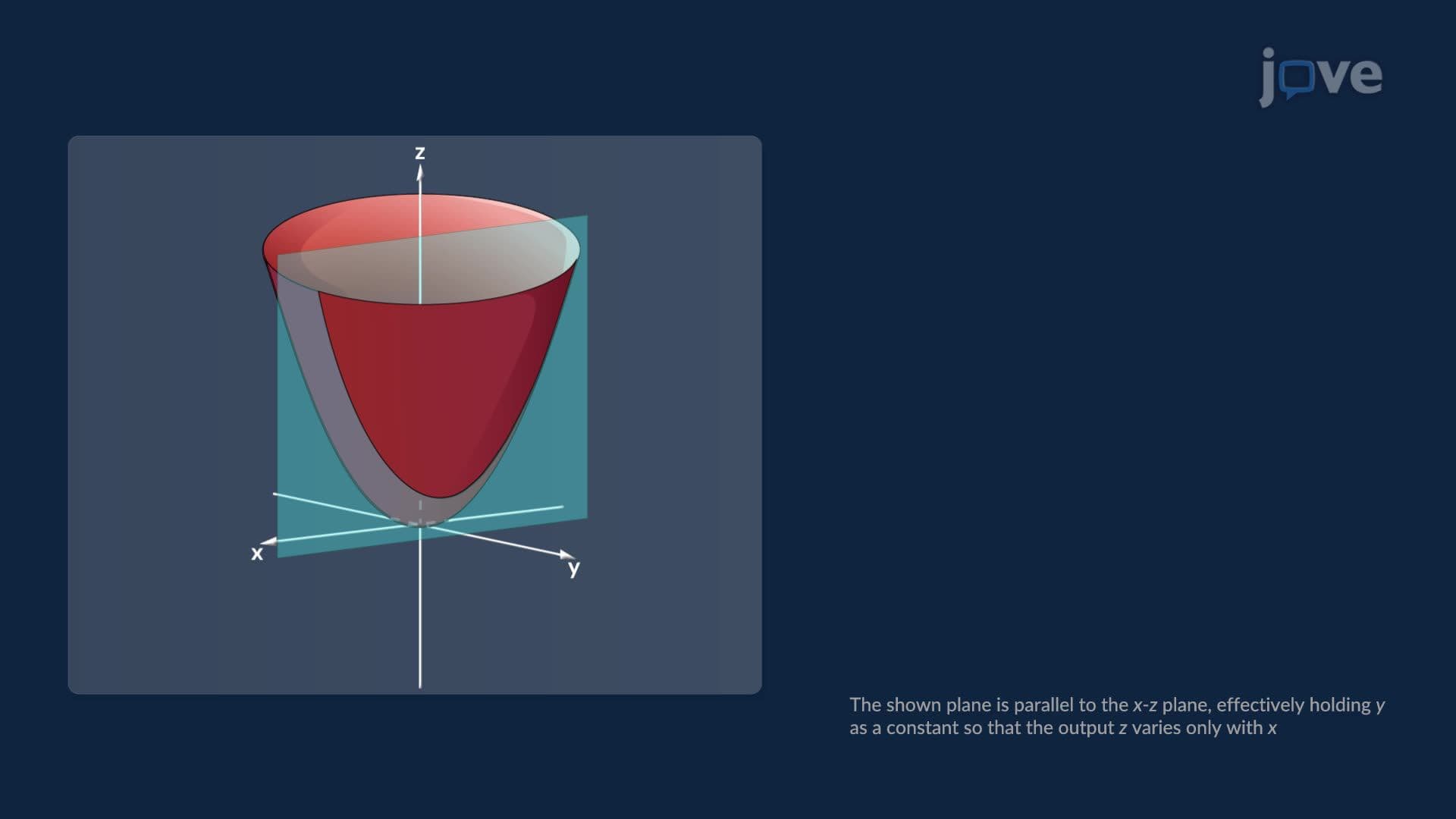

Video Summary: Multivariable Functions and Higher Derivatives Explained
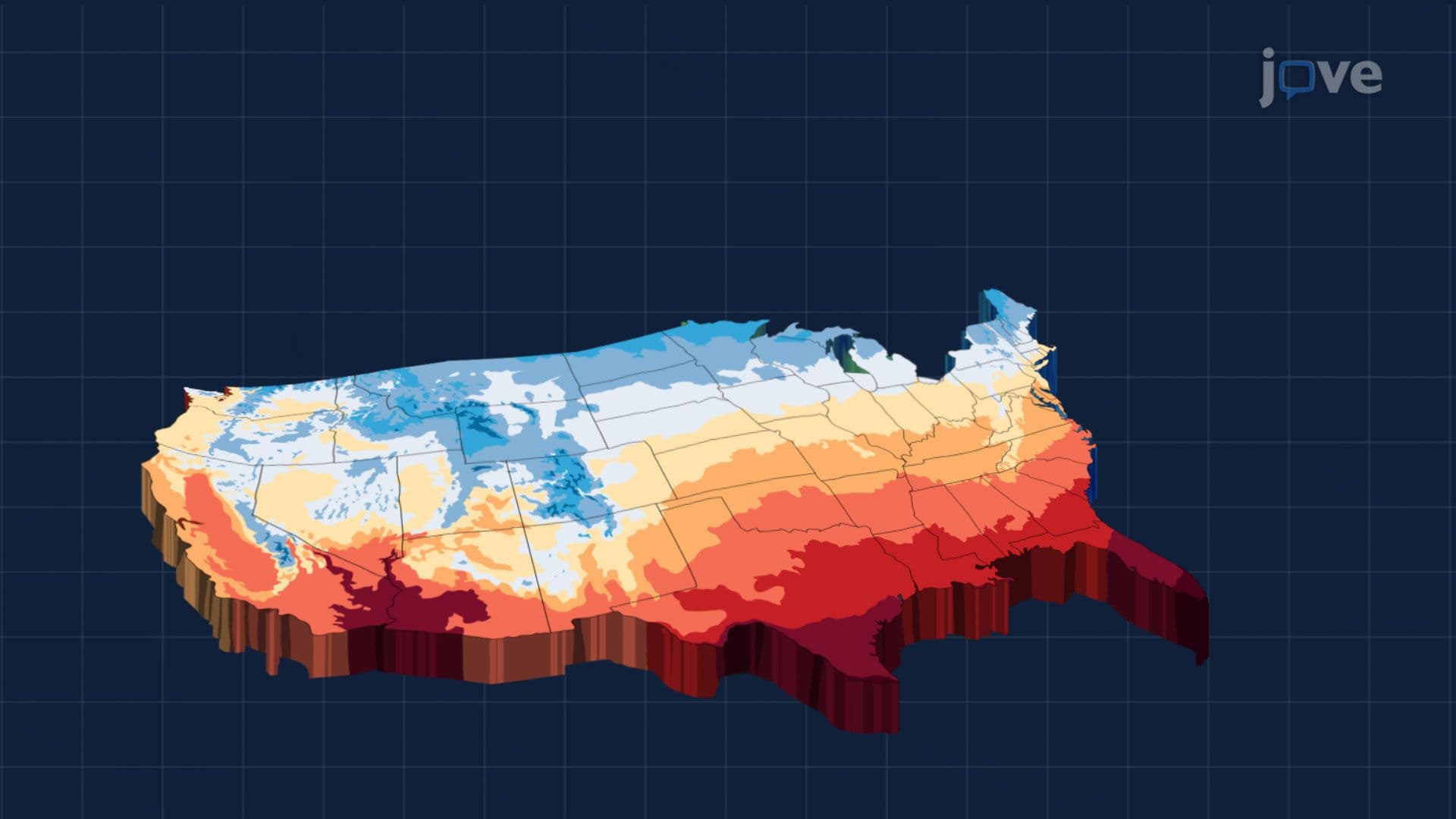
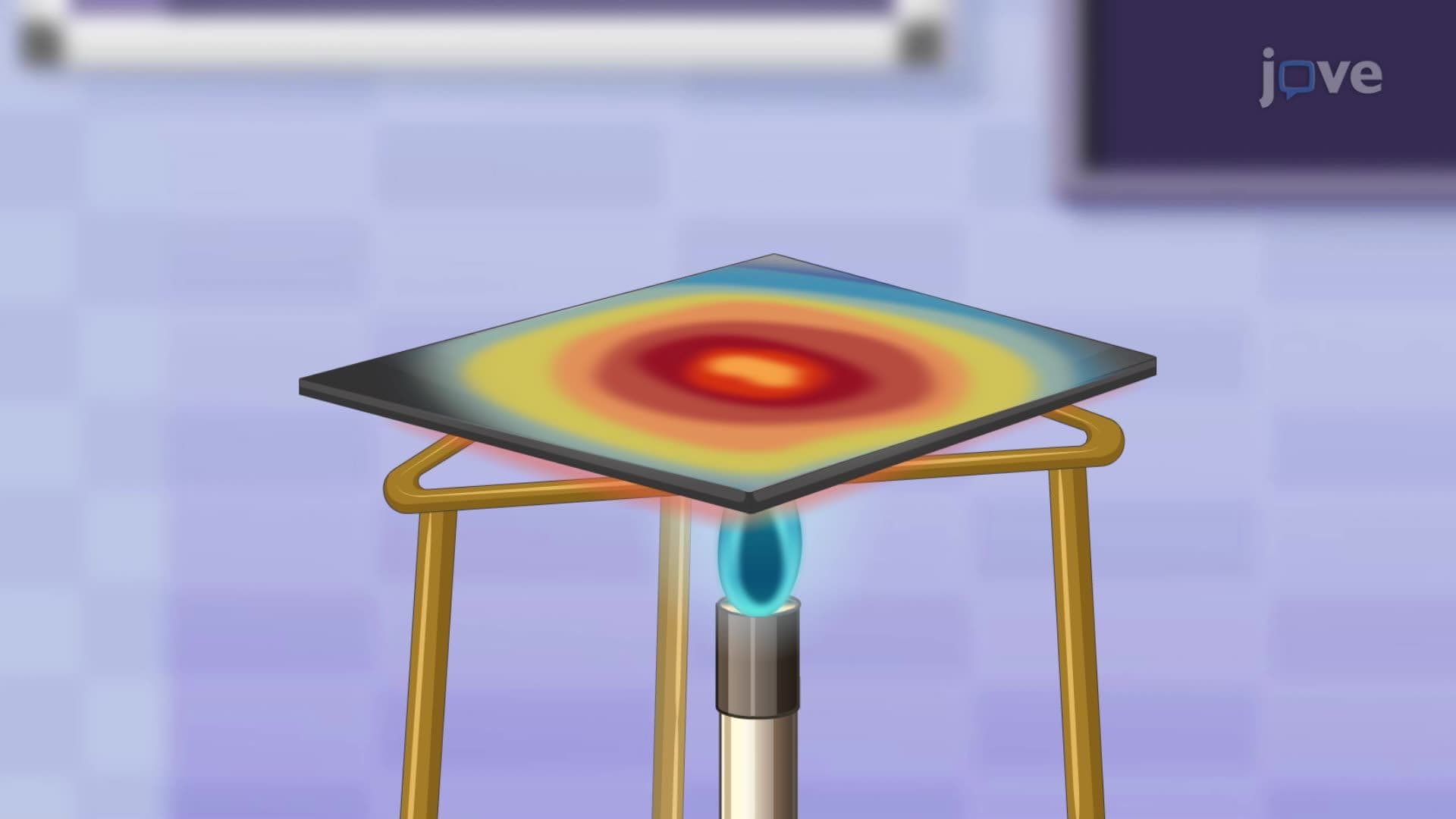
Ever wonder how engineers at NASA calculate heat distribution across a spacecraft's surface, where temperature depends on dozens of changing variables at once? That's exactly where multivariable functions and higher derivatives become essential. Multivariable functions and higher derivatives basics reveal how surfaces curve, twist, and respond to change in multiple directions simultaneously. Watch the full video on JoVE Coach to master this concept with expert-led visuals and step-by-step explanations.
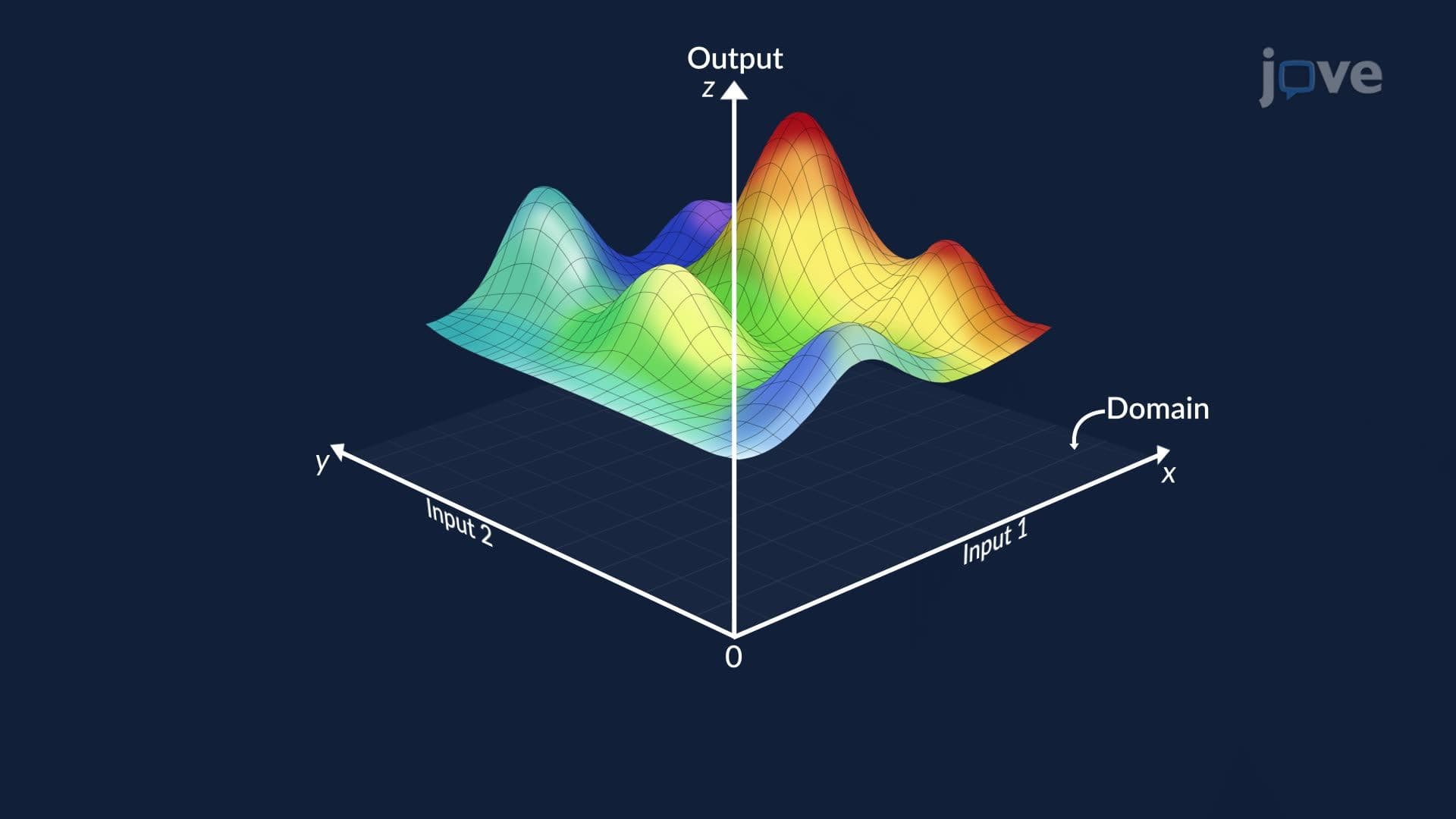
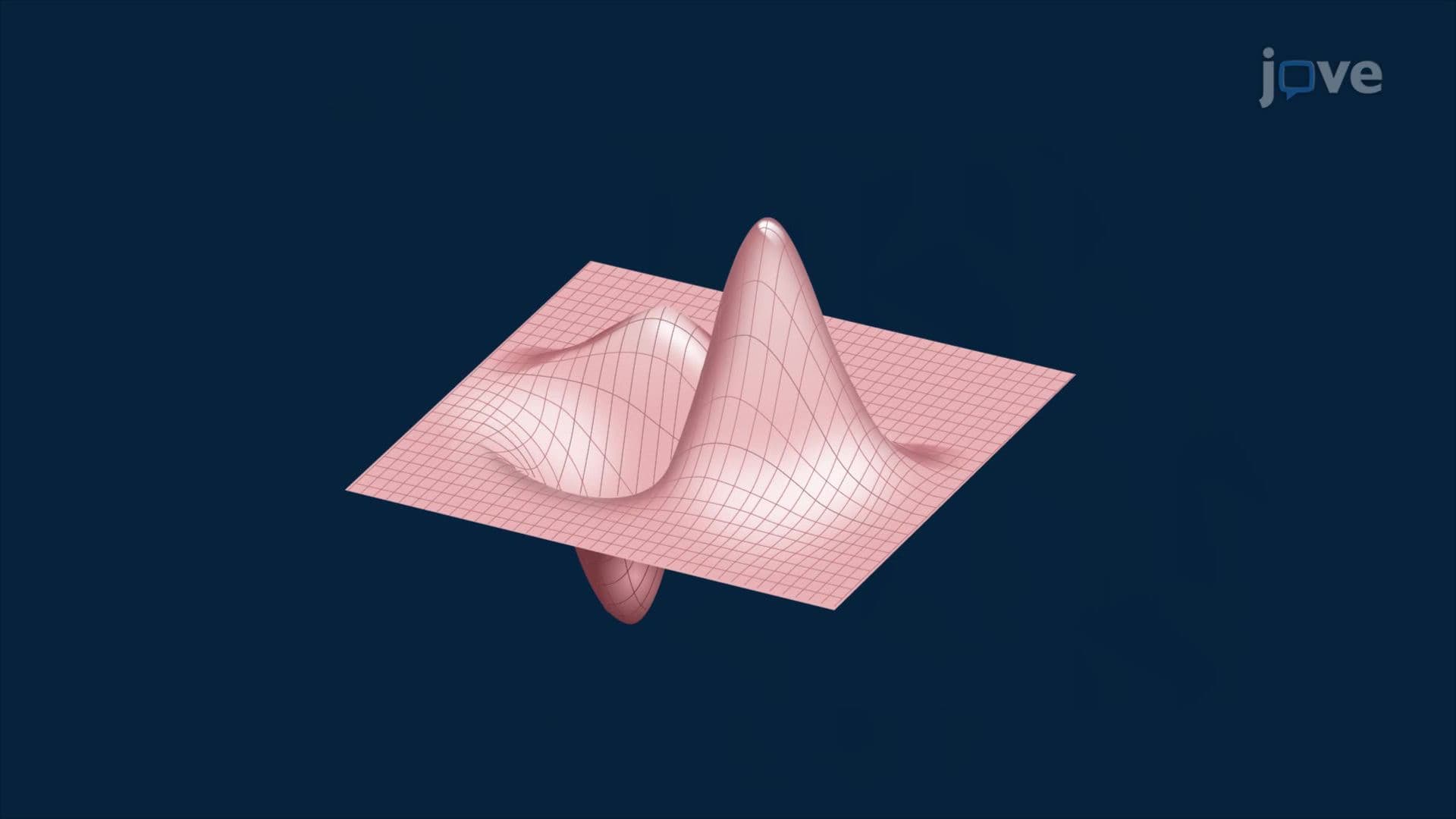
A single-variable function traces a curve on a flat 2D plane, straightforward and familiar. But most real systems are far more complex. Multivariable functions and higher derivatives extend calculus into three-dimensional space, where a surface responds to changes in two or more independent variables simultaneously. A classic example: an economics student at the University of Chicago studying profit functions quickly discovers that revenue depends on both price *and* quantity sold, two variables, one output, one surface.
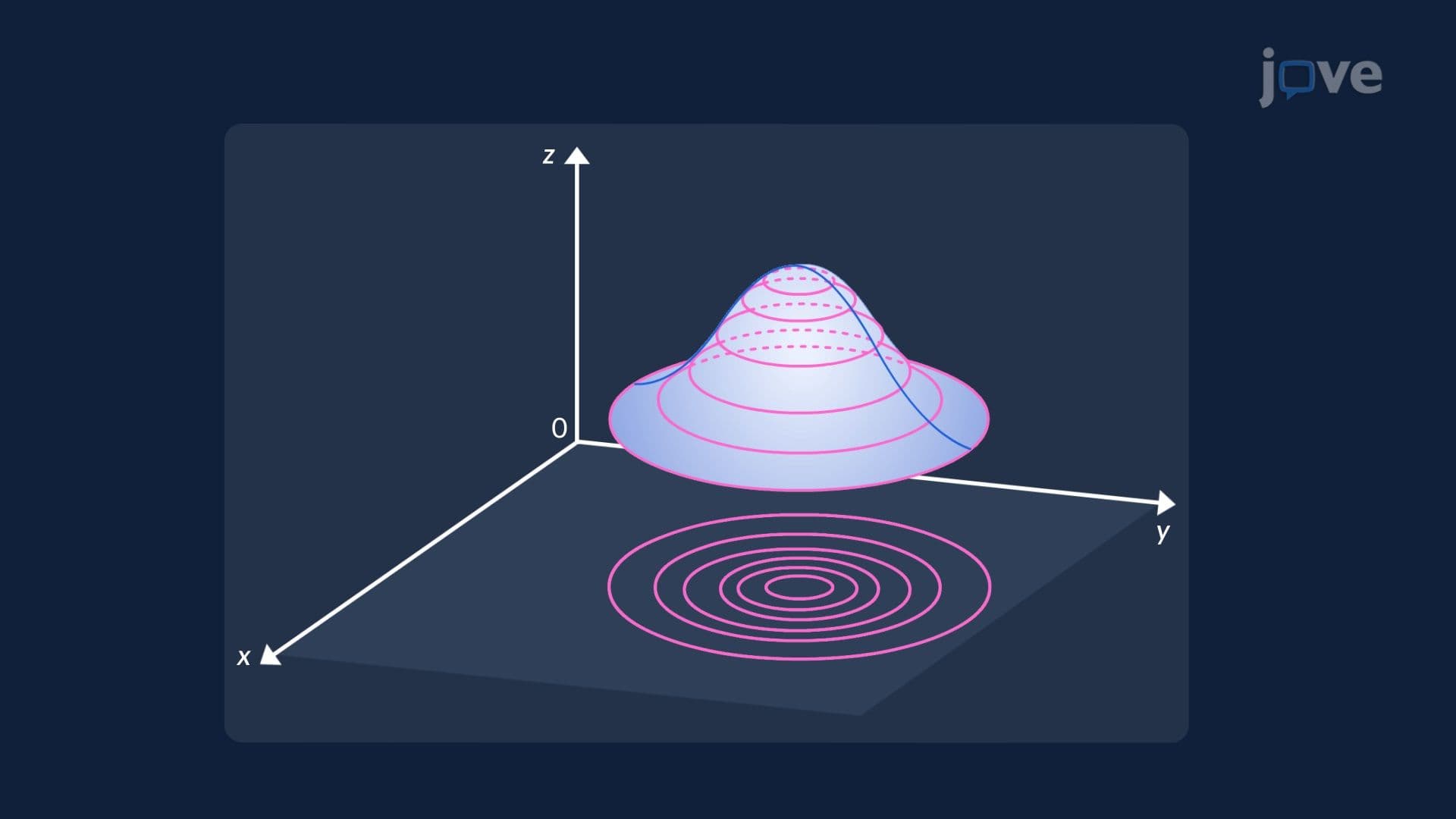
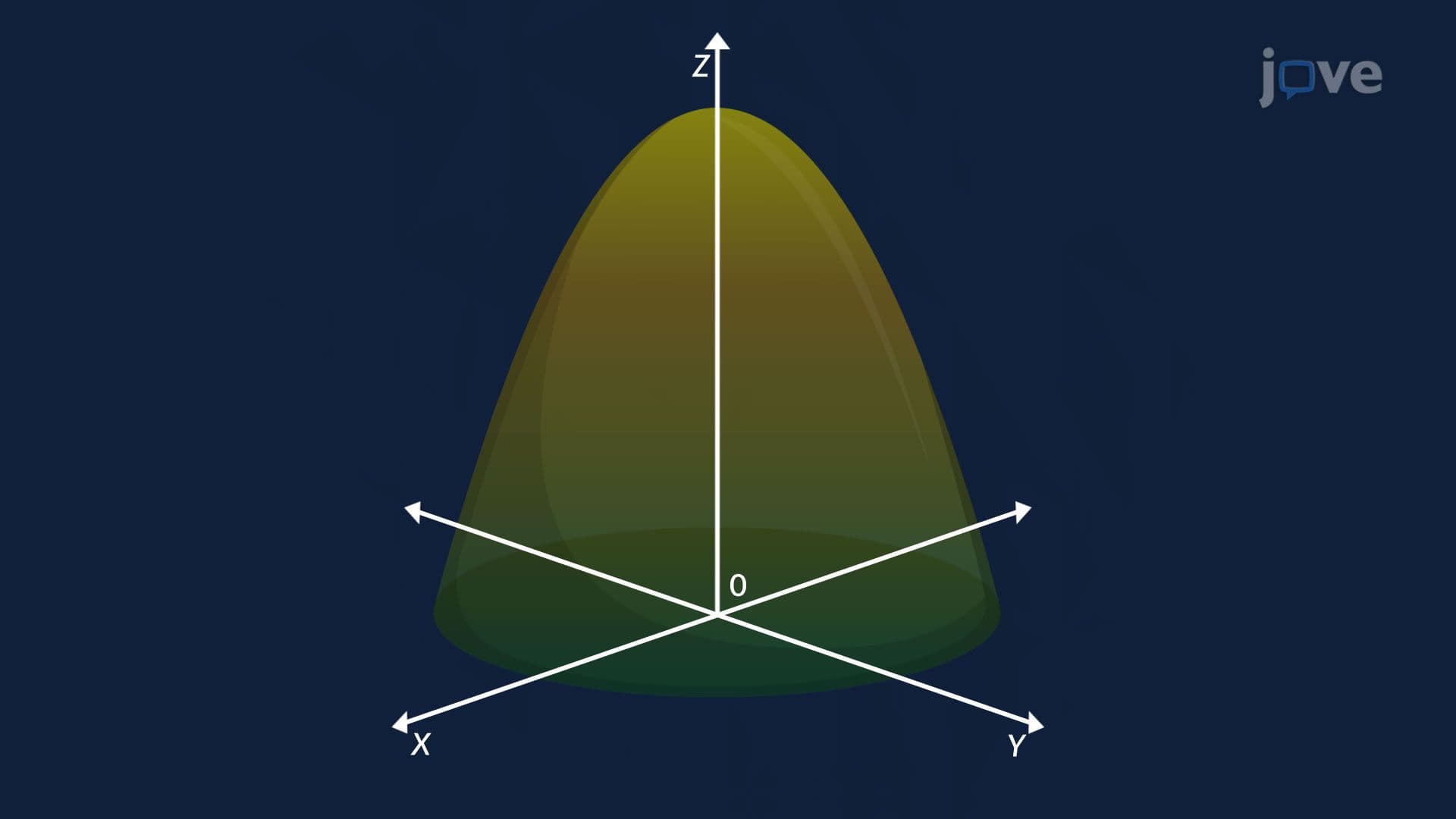
Formally, a multivariable function f(x, y) assigns exactly one output for each input pair (x, y). Plotting all such outputs creates a surface in 3D space. This geometric perspective is not just visual, it's the foundation for everything from tangent planes to optimization in multivariable calculus courses like Calculus III at most US universities.
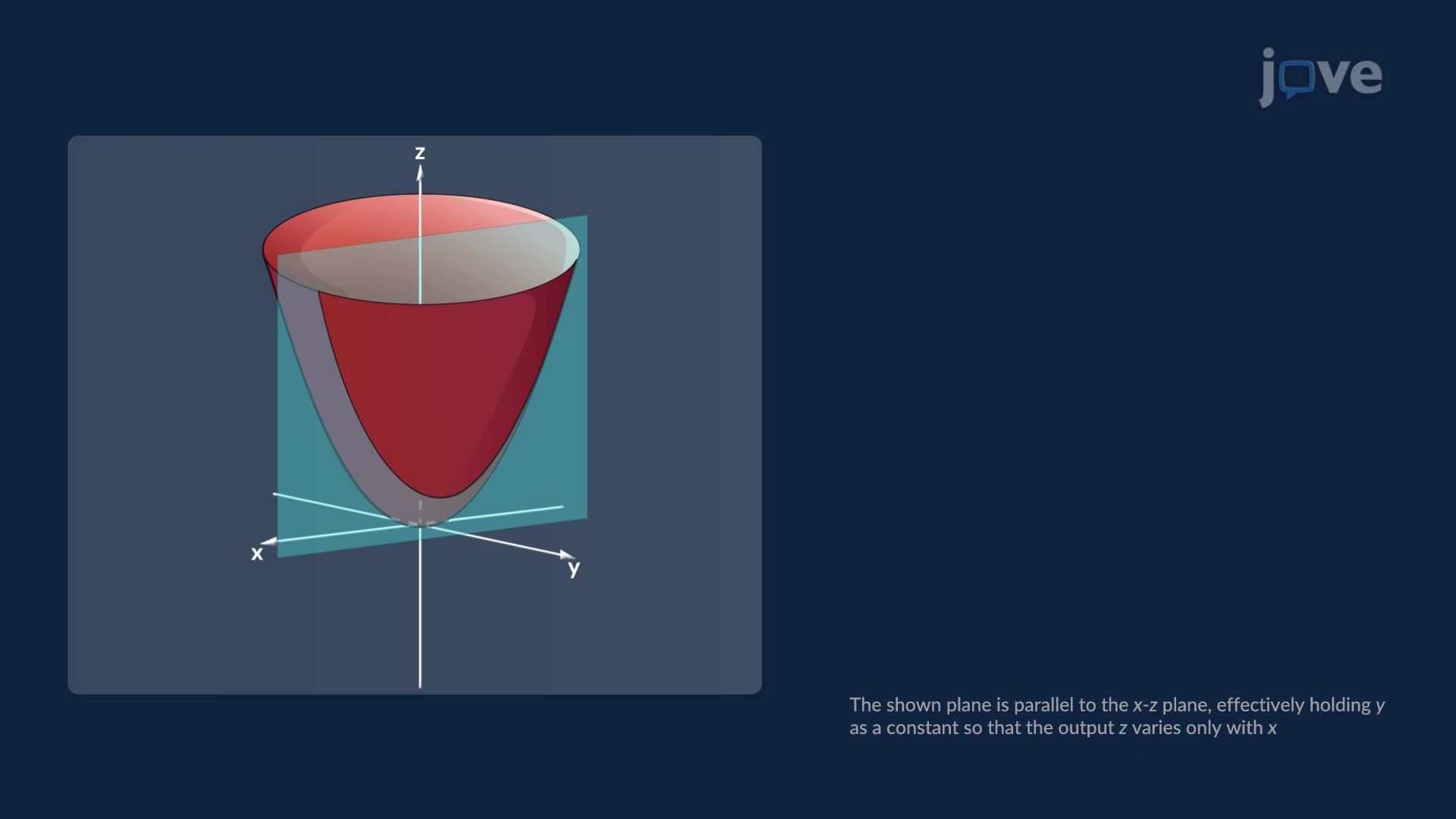
To study how f(x, y) changes along one direction, mathematicians "freeze" one variable and differentiate with respect to the other. This is a partial derivative. Holding y constant and differentiating with respect to x gives ∂f/∂x, the slope of the surface in the x-direction at any given point.
Geometrically, this is equivalent to slicing the surface with a vertical plane parallel to the xz-plane. The intersection creates a 2D curve, and the partial derivative is the slope of the tangent line along that curve. Students in AP Calculus BC encounter the conceptual seeds of this idea, and it fully blooms in college Calculus III and courses aligned with engineering and physics curricula.
The chain rule for partial derivatives extends this further: when variables themselves depend on other parameters, partial derivatives chain together in a structured way, a critical tool in thermodynamics, fluid mechanics, and machine learning optimization.
Taking a partial derivative once gives a first-order derivative. Differentiating again opens up a richer landscape of higher-order partial derivatives. Differentiating ∂f/∂x again with respect to x gives ∂²f/∂x², a pure second-order partial derivative that measures concavity along the x-axis, analogous to the second derivative in single-variable calculus.
More interesting still is the mixed partial derivative: differentiating first with respect to x, then y, gives ∂²f/∂y∂x. This quantity captures how the slope in the x-direction changes as y varies, a geometric "twist" in the surface. By Clairaut's Theorem (covered in most US Calculus III textbooks), the order of differentiation doesn't matter for well-behaved functions: ∂²f/∂y∂x = ∂²f/∂x∂y.
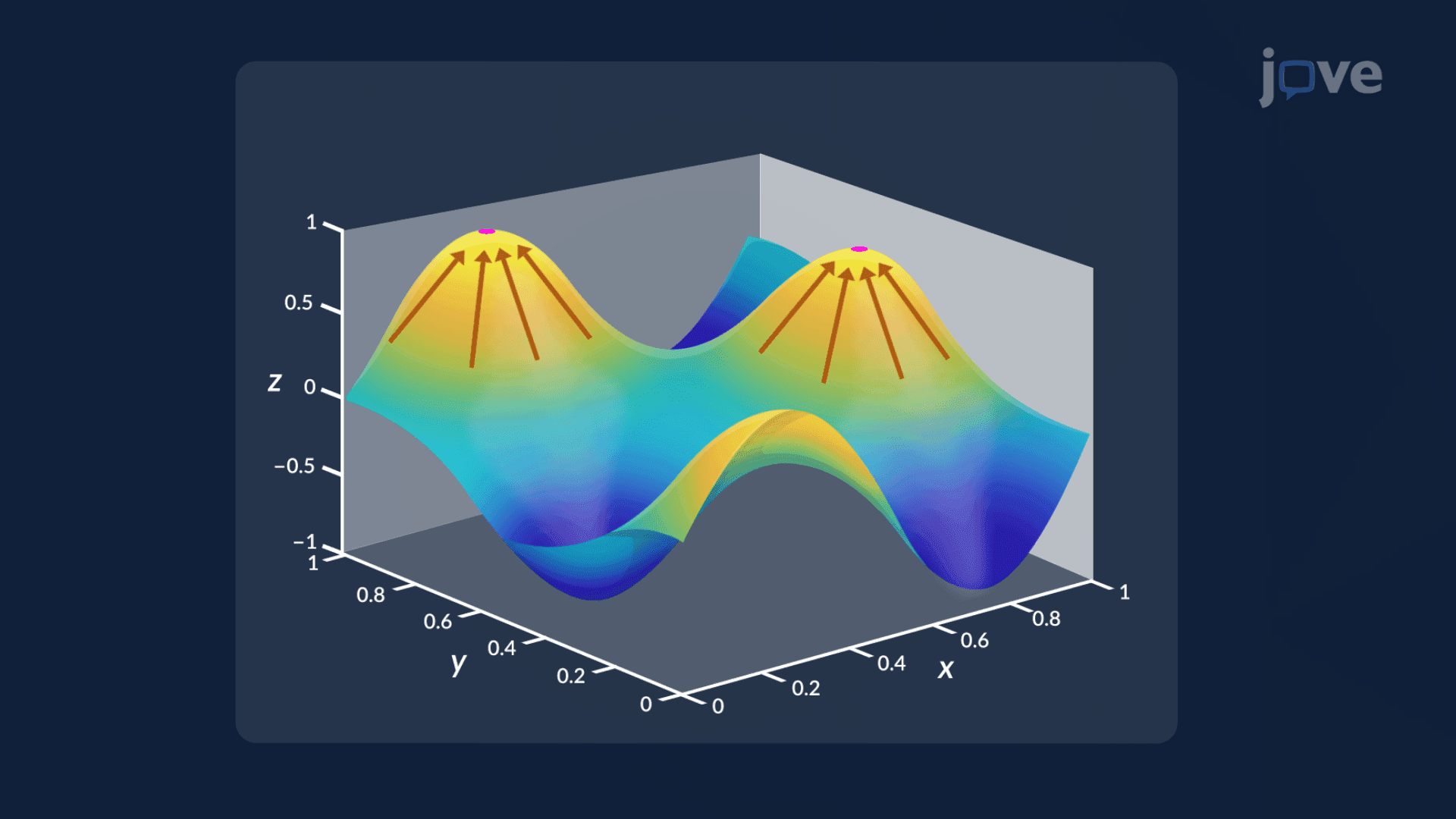
Understanding these derivatives is not an academic exercise, it's how engineers, economists, and scientists solve real problems. Finding maximum and minimum values of functions of two variables requires setting both ∂f/∂x and ∂f/∂y equal to zero and applying the Second Derivative Test, which uses both pure and mixed second-order derivatives in the form of the determinant D = (∂²f/∂x²)(∂²f/∂y²) − (∂²f/∂y∂x)².
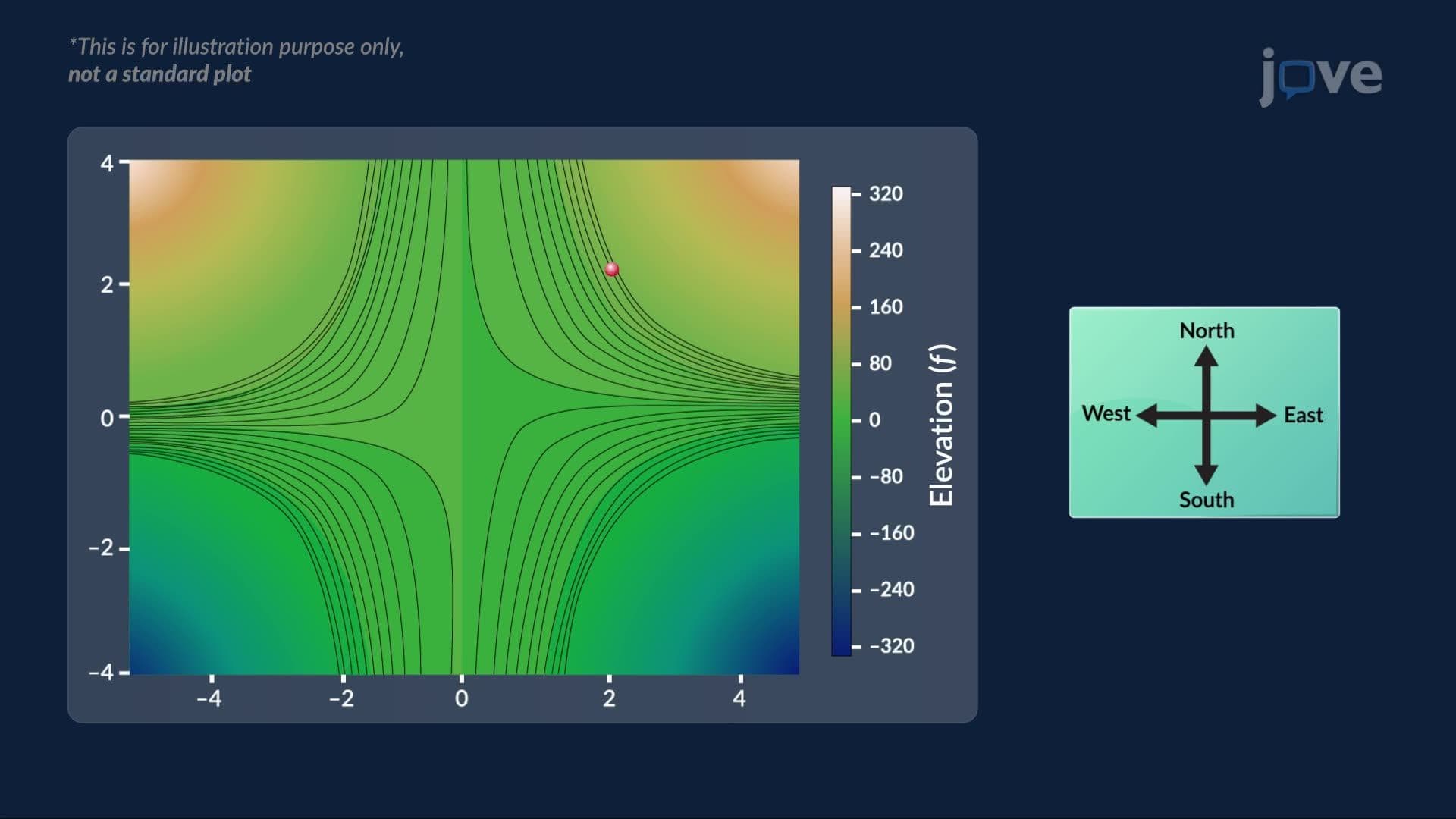
Directional derivatives generalize this further, measuring the rate of change in *any* direction, not just along the axes. The gradient of a function ∇f = (∂f/∂x, ∂f/∂y) points in the direction of steepest ascent and has a rich geometric interpretation: it is always perpendicular to the level curves of the surface.
On the MCAT, students encounter multivariable reasoning in biological systems. In engineering programs at MIT or Georgia Tech, these tools underpin structural analysis, heat transfer, and signal processing. Mastering multivariable functions and higher derivatives is not optional, it's the gateway to advanced STEM study.
Related Micro-courses