Loading video…

 24 Concepts
 92 views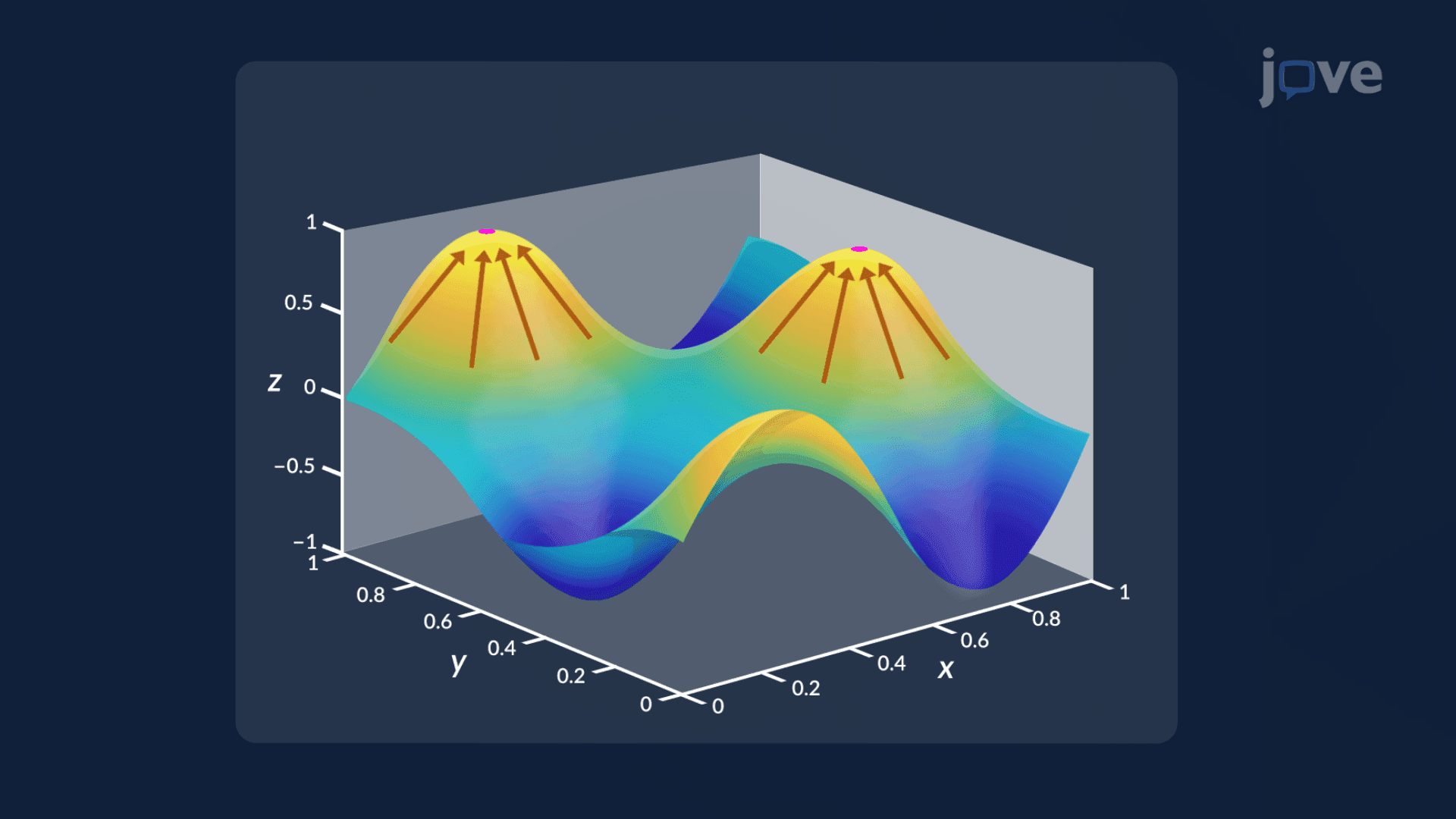

Video Summary: Significance of the Gradient Vector Explained
Why does a GPS navigation app instantly know the steepest hill on your route? The answer lies in understanding the significance of the gradient vector. This core concept in multivariable calculus reveals the direction and rate of maximum increase of any function, think of civil engineers in California calculating road inclines to ensure safe highway design. Significance of the gradient vector basics shows how partial derivatives alone aren't enough, the gradient combines them into one powerful directional tool. Watch the full video on JoVE Coach to master this concept with expert-led visuals and step-by-step explanations.
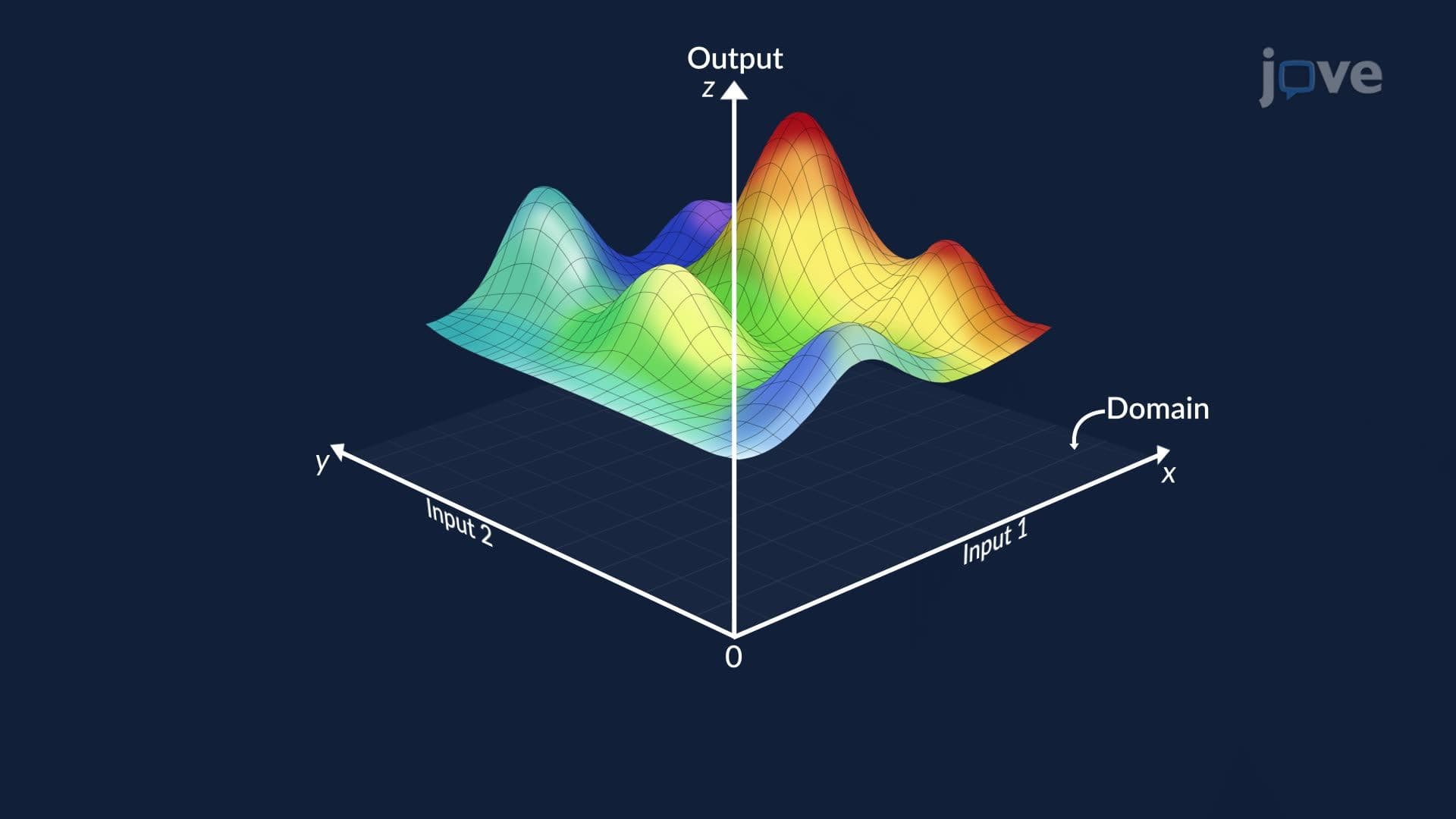
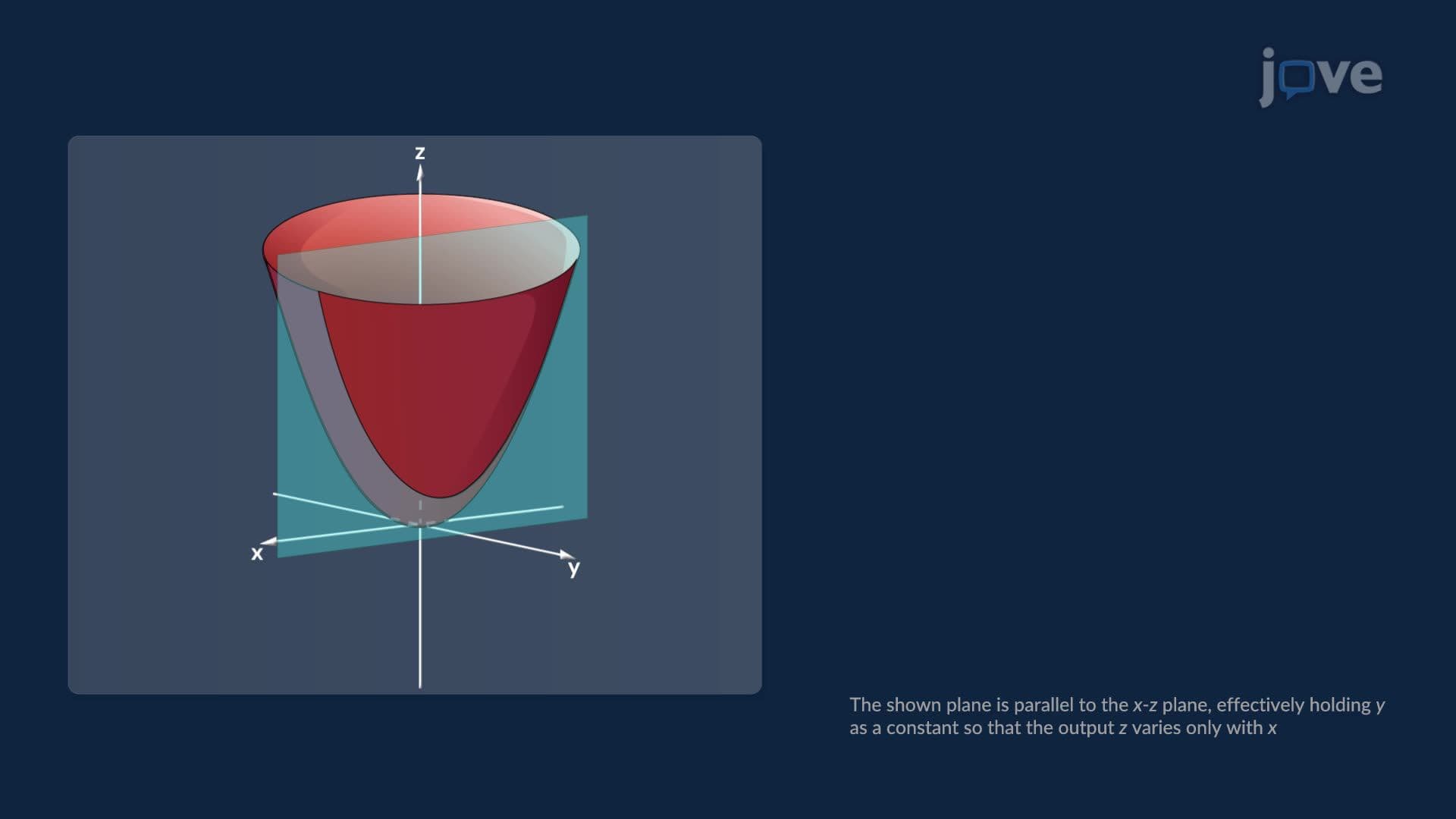
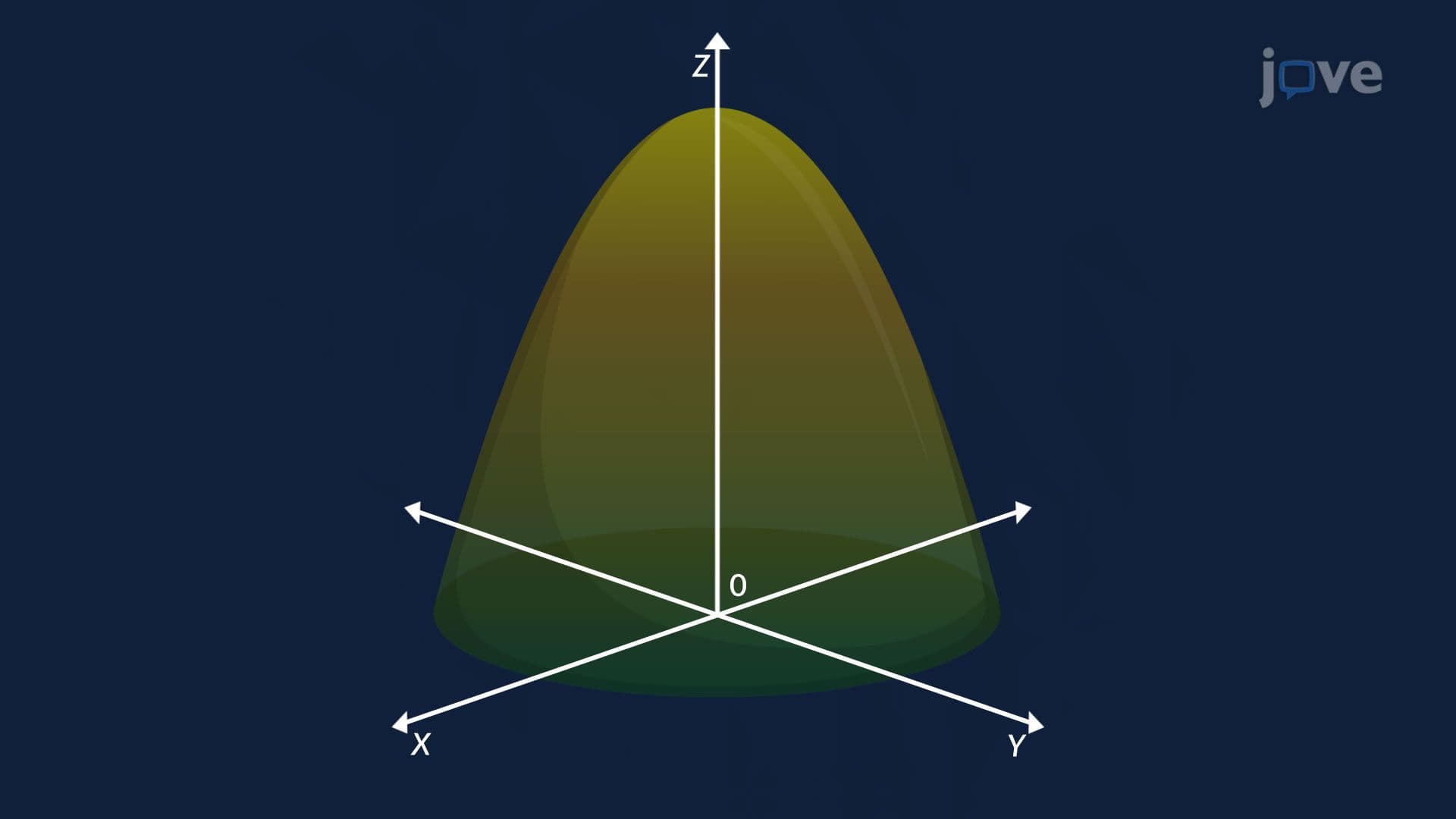
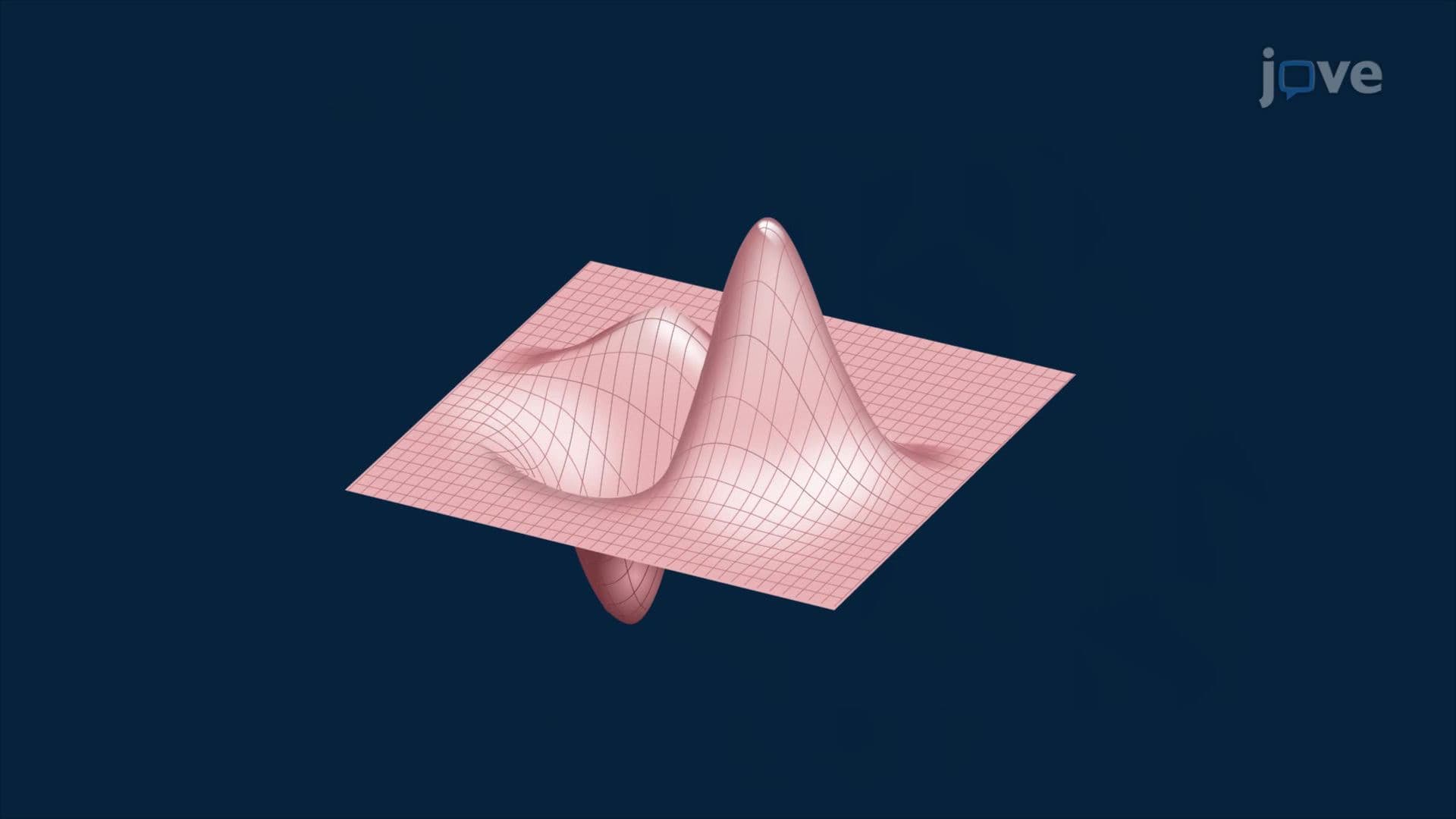
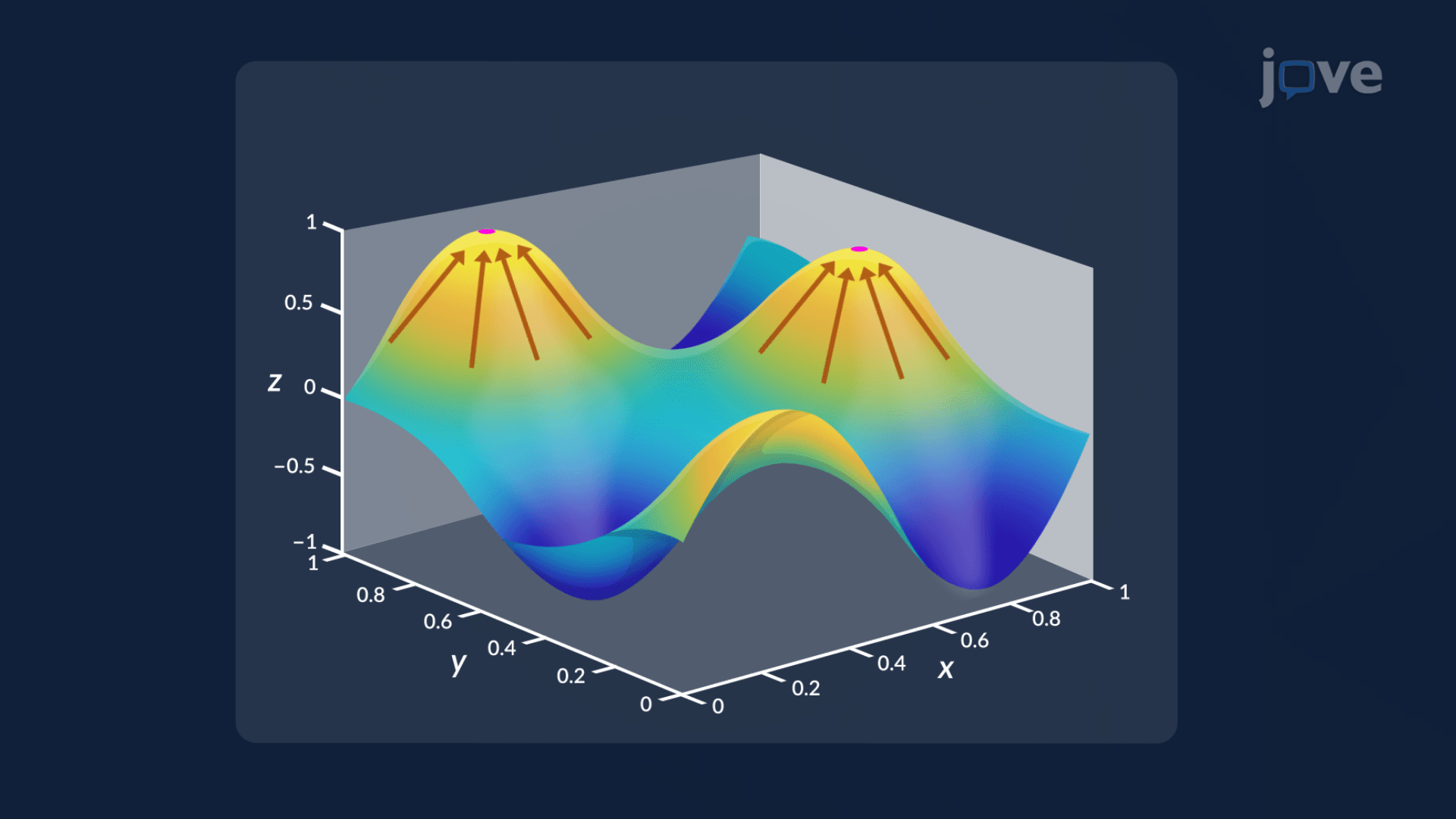
When you study a function of two variables, say, f(x, y), you're essentially describing a three-dimensional surface. You can examine how this surface changes in the x-direction by computing the partial derivative with respect to x, or in the y-direction by computing the partial derivative with respect to y. But here's the critical insight: the steepest slope on that surface almost never runs exactly along one of those axes. The significance of the gradient vector is that it answers a more complete question, *in which direction does the function increase most rapidly, and how fast?*
The gradient vector is written as ∇f(x, y) = (∂f/∂x, ∂f/∂y), a vector whose components are the two partial derivatives. Its direction points toward the maximum rate of increase, and its magnitude tells you exactly how steep that climb is.
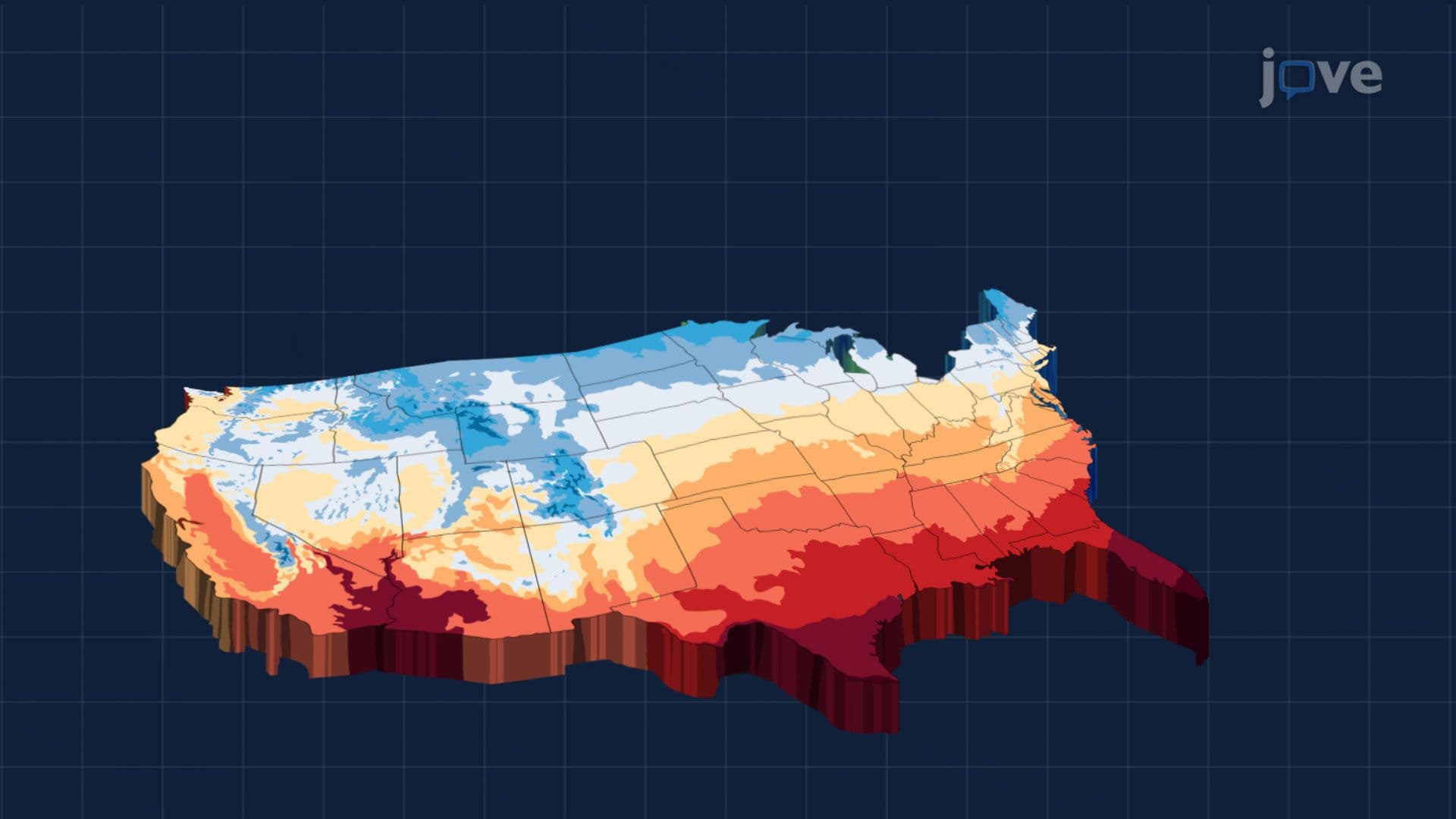
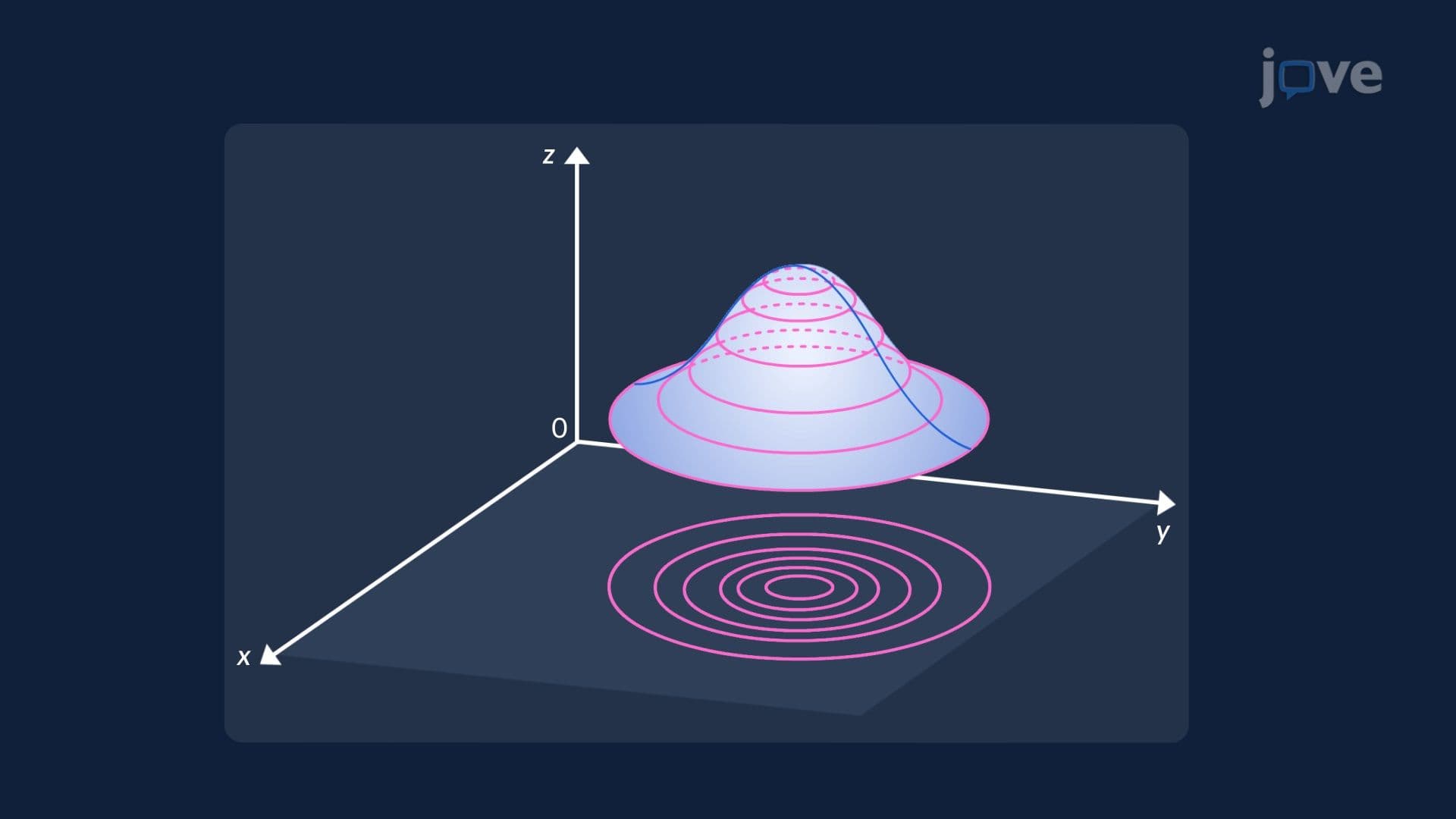
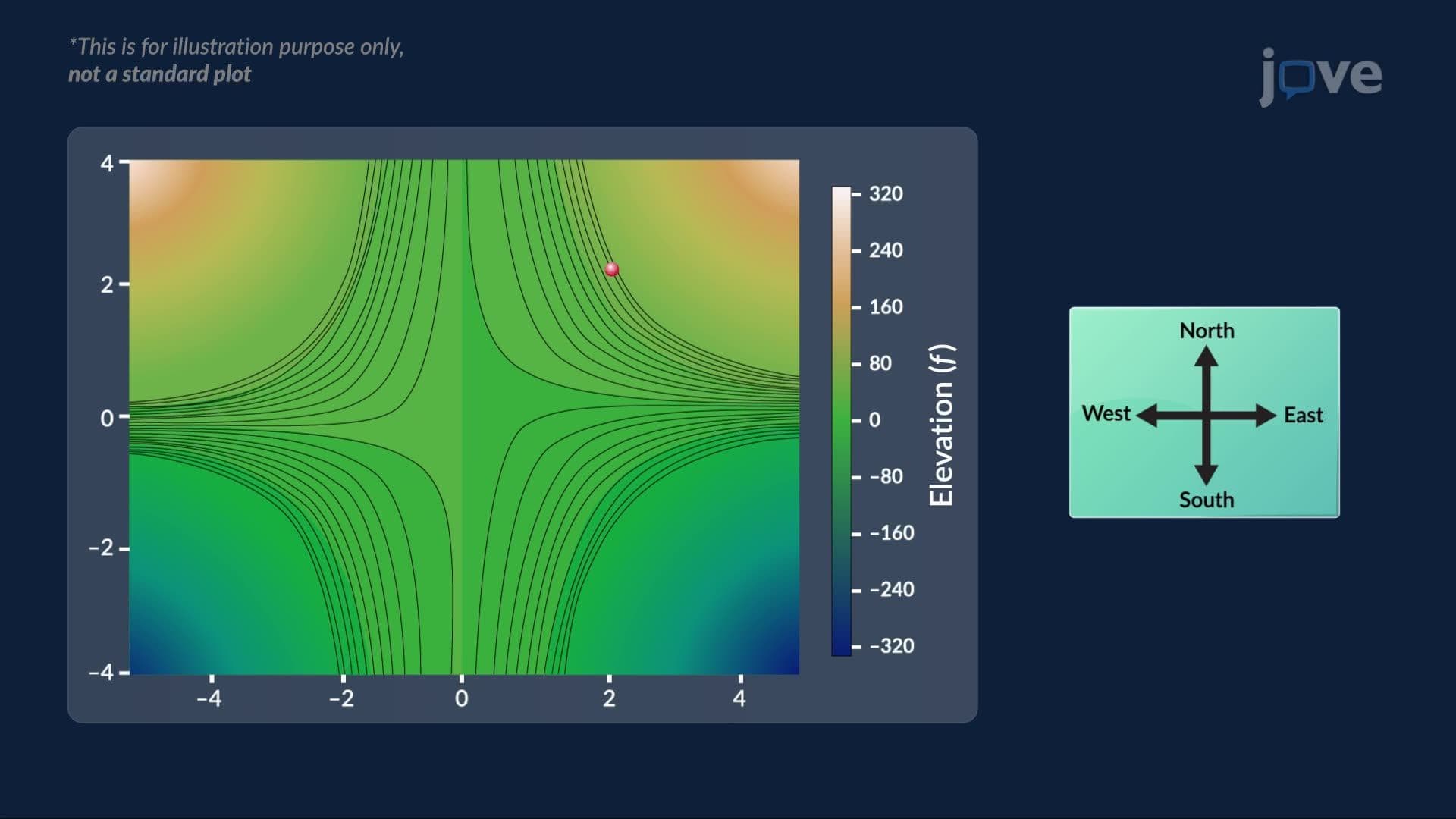
A useful way to visualize this is through level curves, contour lines on a topographic map where the function holds a constant value, much like the elevation lines on US Geological Survey (USGS) maps. The gradient vector at any point is always perpendicular to the level curve passing through that point. This geometric interpretation of the gradient vector is a frequently tested concept in college-level calculus courses and on AP Calculus BC exams.
Where level curves are closely packed together, the gradient's magnitude is large, the terrain rises sharply. Where curves are spread apart, the magnitude is small, indicating a gentle slope. This visual approach makes the abstract algebra tangible and is a powerful study strategy for understanding directional derivatives.
Individual partial derivatives only measure change along the coordinate axes. Directional derivatives generalize this idea, measuring the rate of change in *any* chosen direction. The gradient vector makes computing directional derivatives straightforward: the directional derivative in the direction of a unit vector u equals the dot product of ∇f and u. This is maximized precisely when u points in the same direction as ∇f, confirming that the gradient defines the path of steepest ascent.
This relationship is central to topics like higher-order partial derivatives, tangent planes, and the chain rule for partial derivatives, all of which appear in Calculus III (Multivariable Calculus) courses at US universities such as MIT OpenCourseWare's 18.02 or UC Berkeley's Math 53.
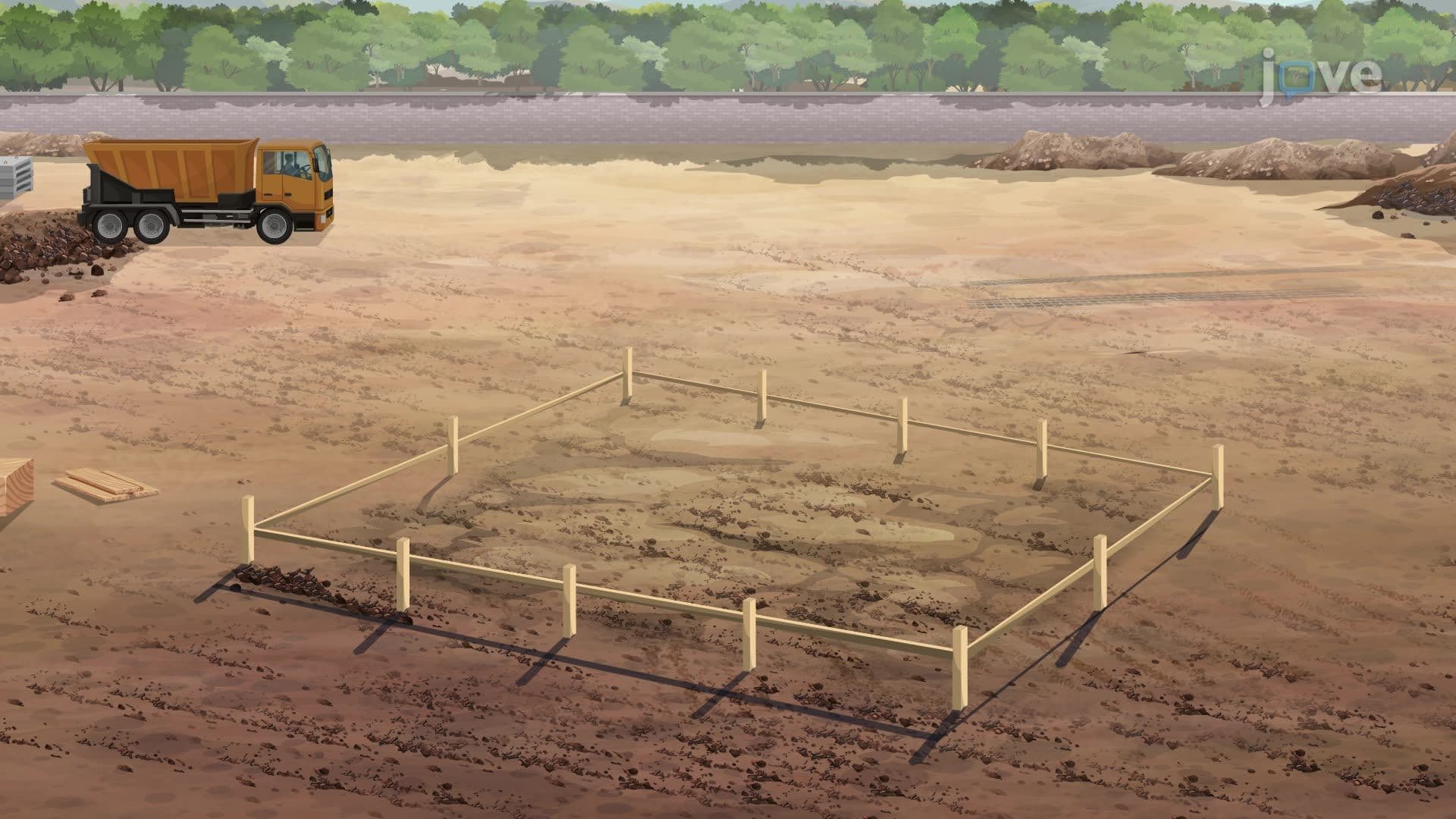
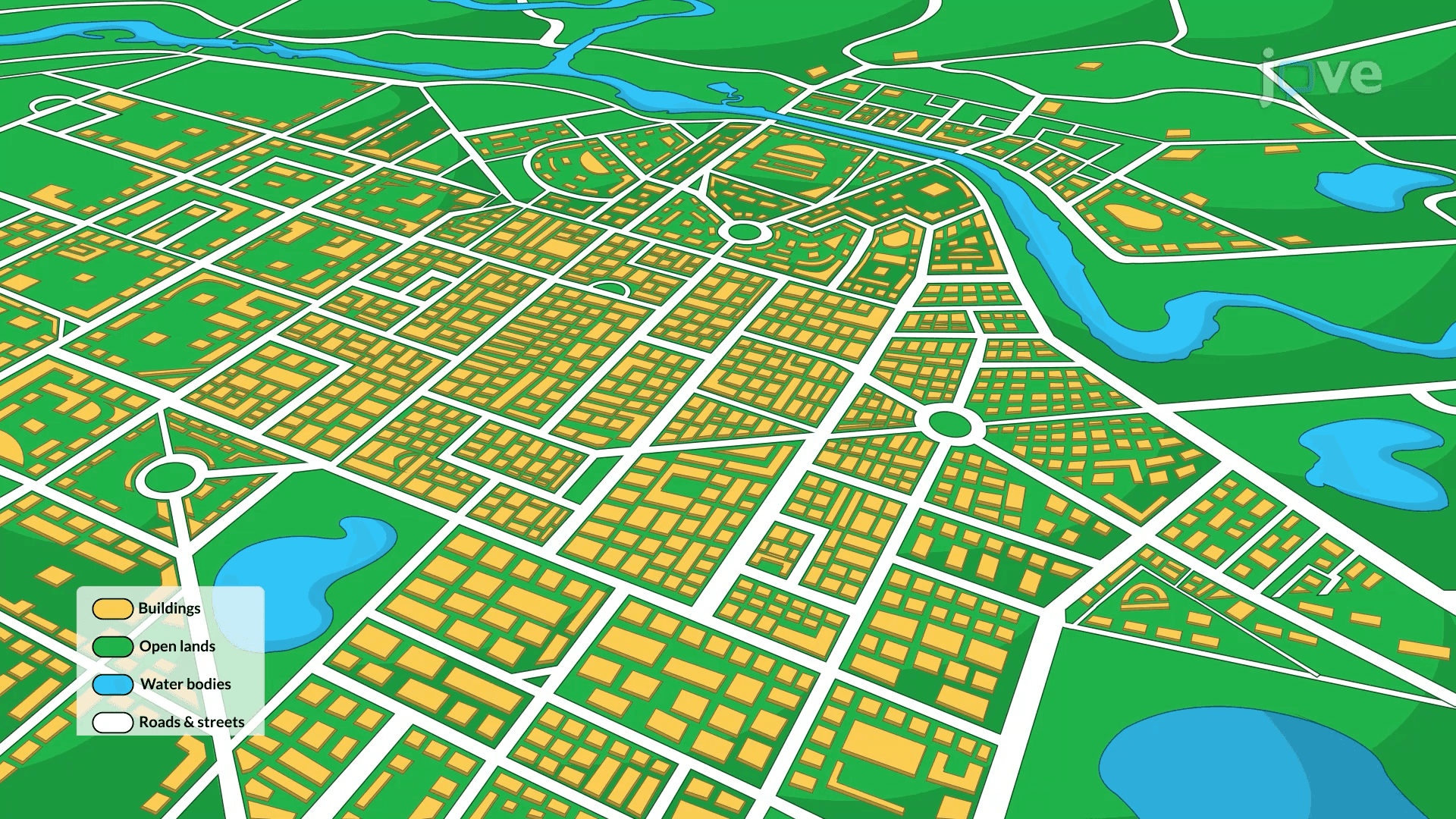
The significance of the gradient vector extends well beyond the classroom. In civil engineering, the gradient describes road grade, the steepness of a highway. The Federal Highway Administration (FHWA) sets maximum allowable grades (typically 4-6% on interstates) precisely because steep gradients increase rolling resistance, reduce vehicle speed, and raise accident risk. Engineers use gradient analysis to design safe, efficient roads across varied American terrain.
In optimization, the gradient is the engine behind finding maximum and minimum values of functions of two variables, critical in economics, machine learning, and physics. Setting the gradient equal to zero identifies candidate points for local extrema, a method known as the critical point test. Understanding how to find local extrema of a multivariable function is a standard learning objective in college calculus and frequently appears on university midterms and finals.
Related Micro-courses