Loading subject page…

92 views

Video Summary: What are Partial Derivatives
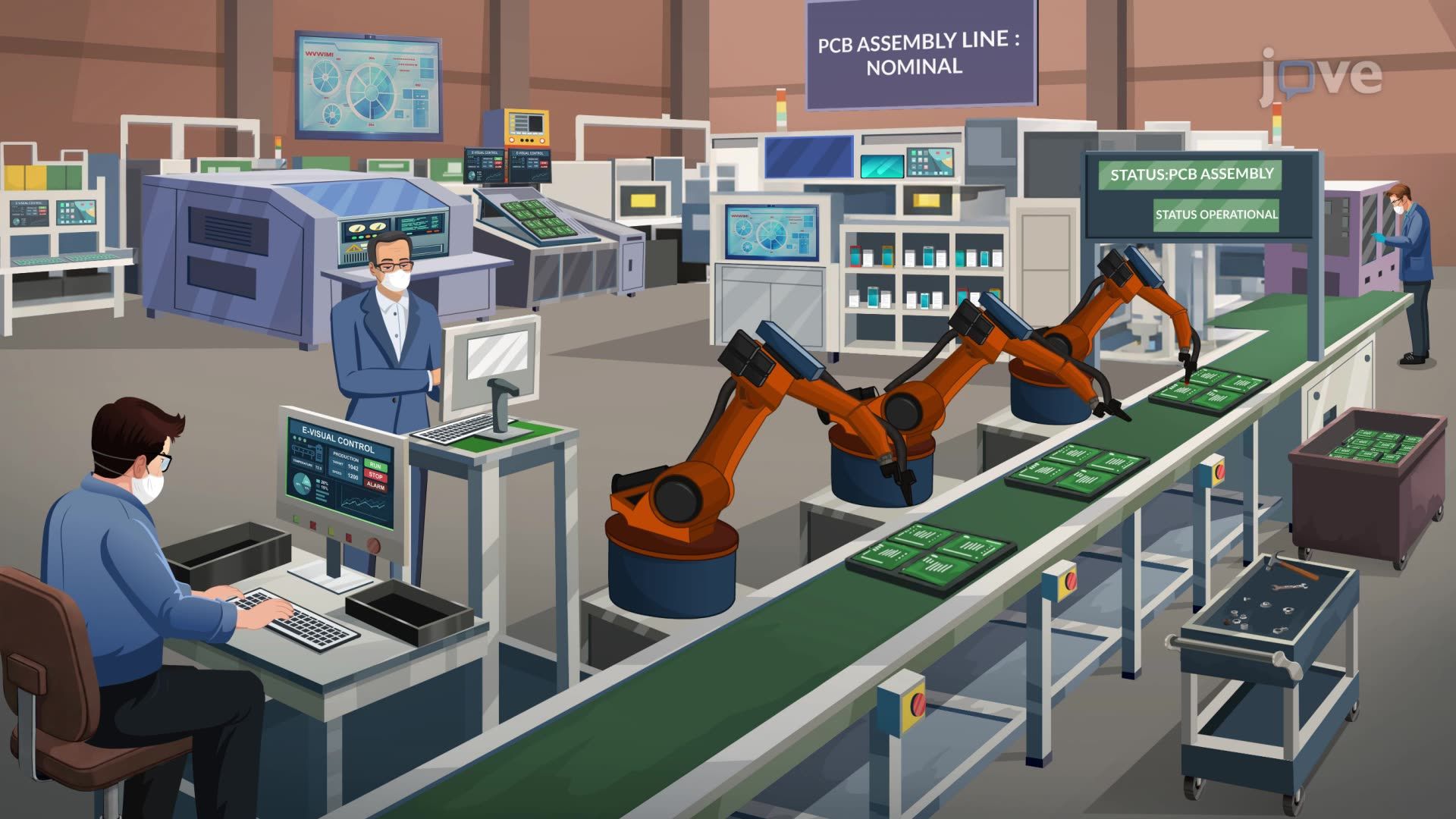
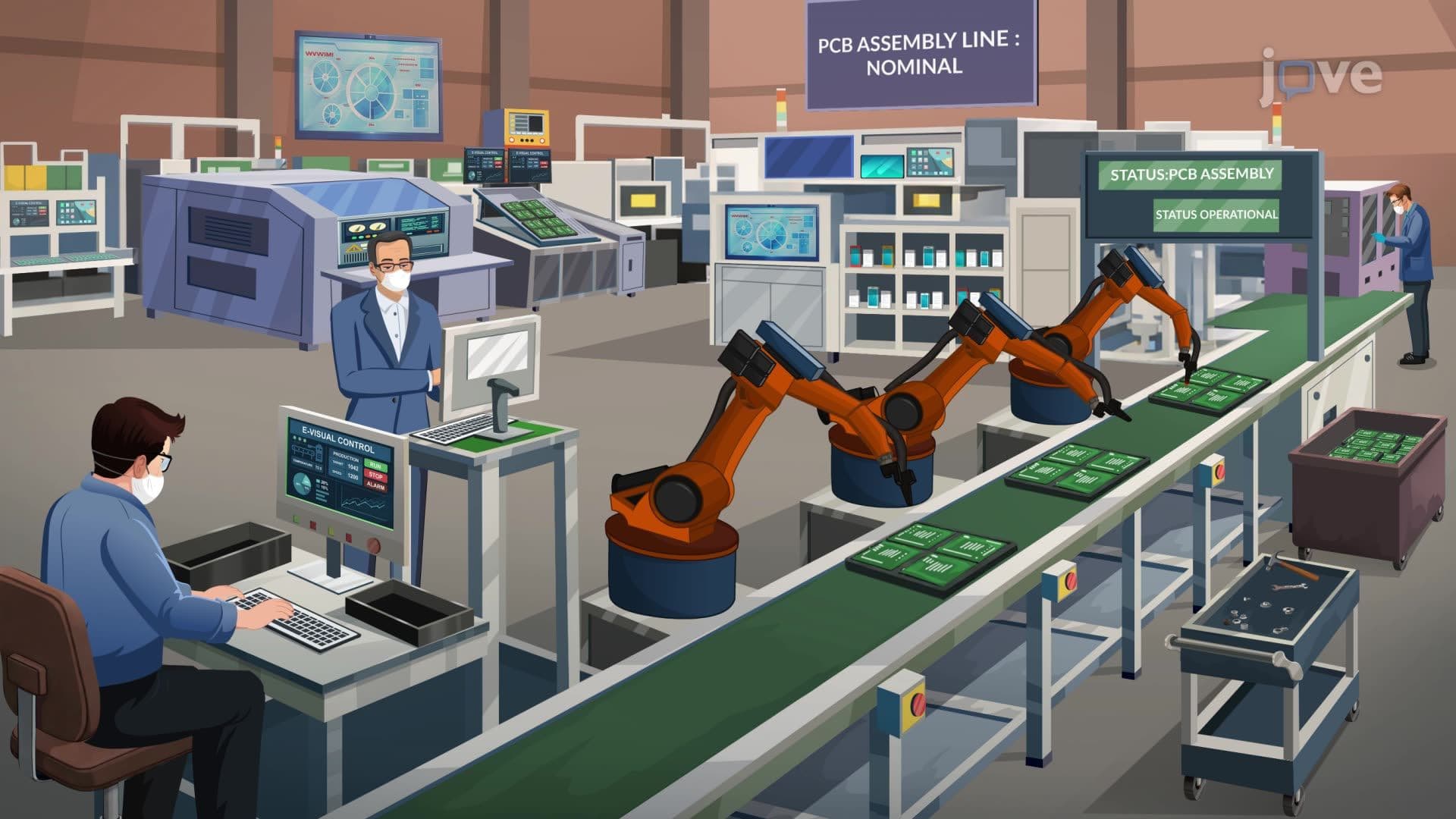
How do engineers at a Tesla manufacturing plant decide whether to hire more workers or invest in new machinery? Partial derivatives answer exactly that. This concept from multivariable calculus isolates how a function changes with respect to one variable while all others stay constant. Understanding what are partial derivatives helps students analyze real-world systems with multiple inputs, like production, temperature, or profit. Watch the full video on JoVE Coach to master this concept with expert-led visuals and step-by-step explanations.
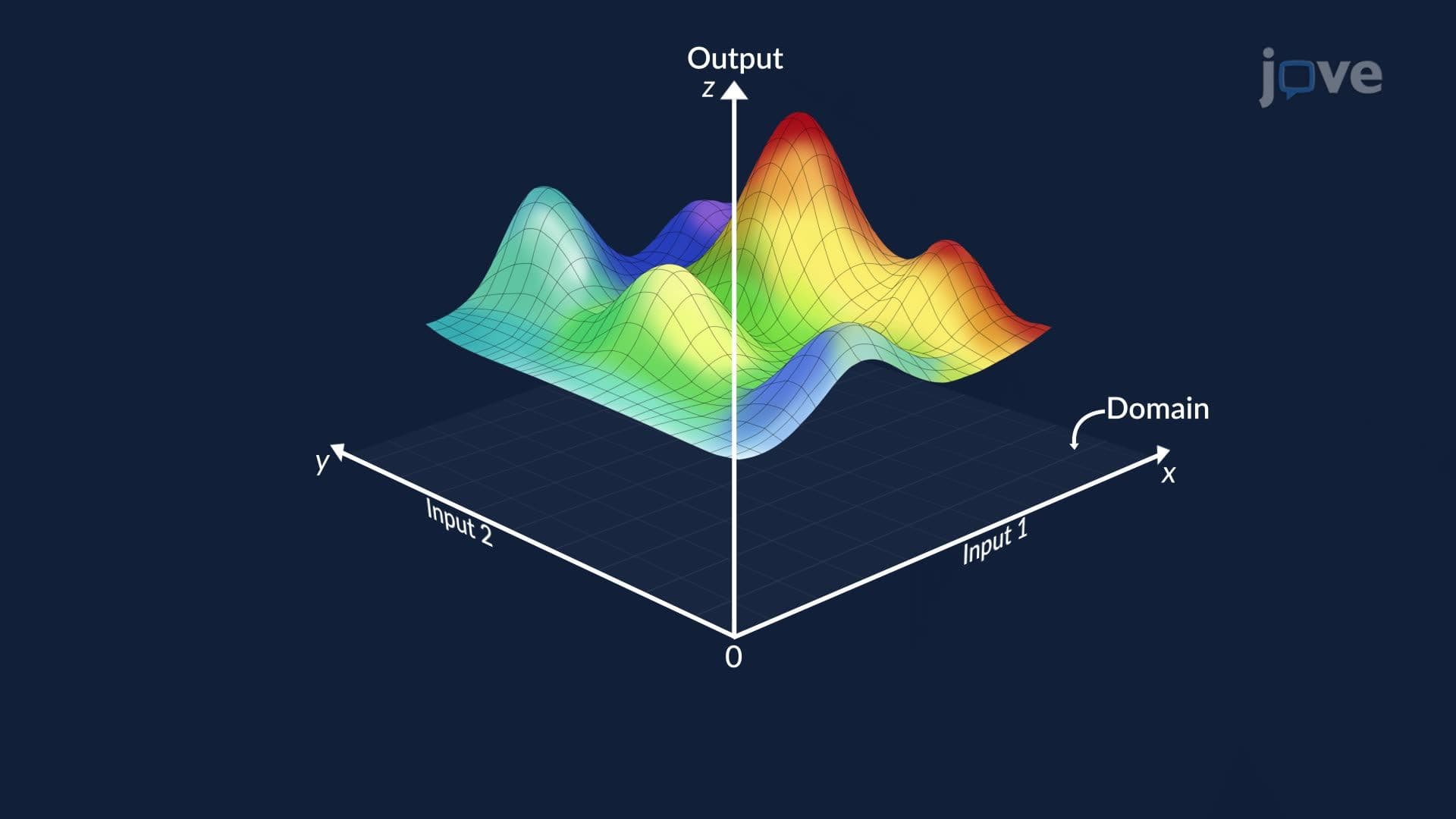
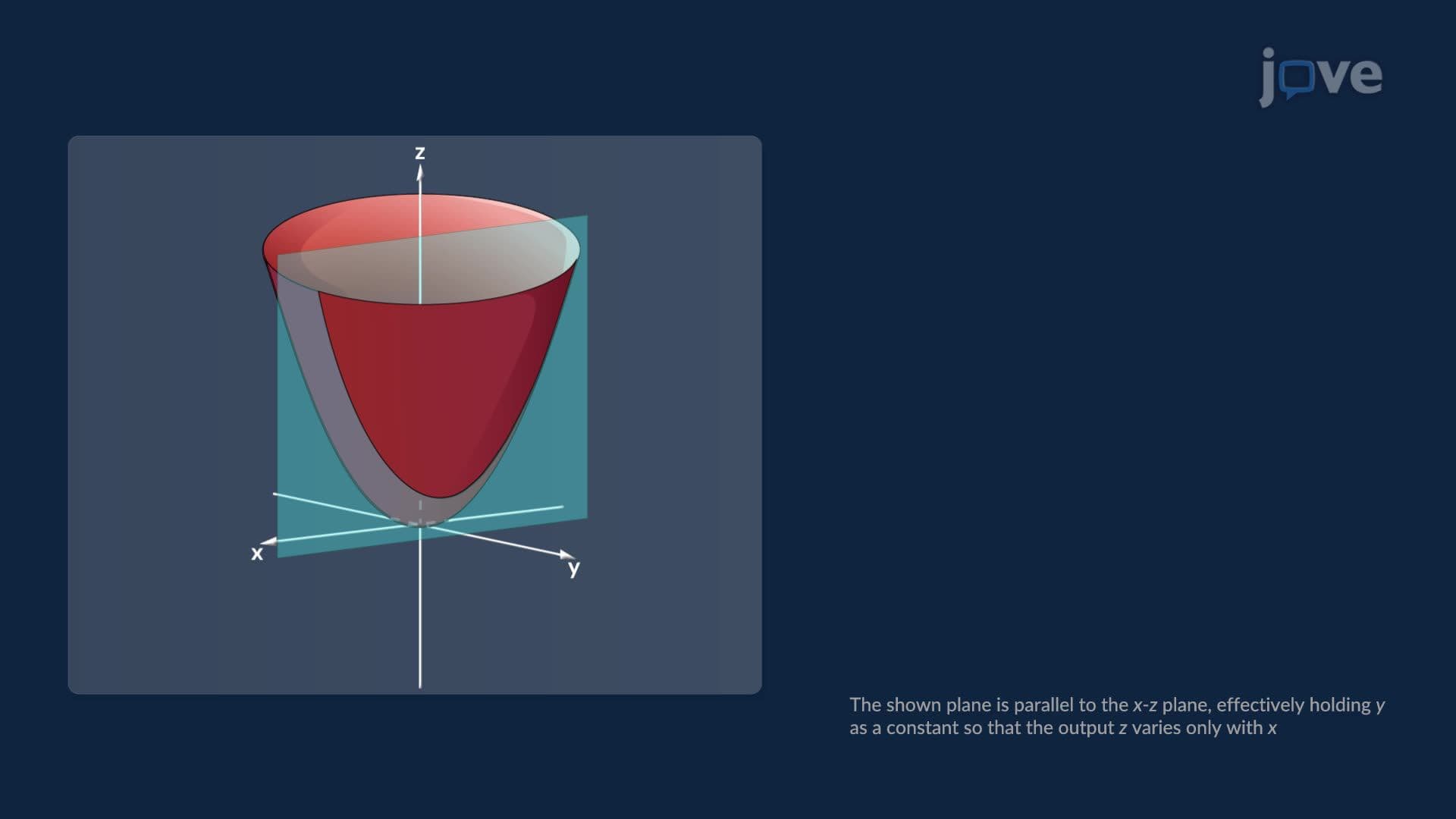
In single-variable calculus, a derivative tells you how a function changes as its one input shifts. But most real-world functions, in engineering, economics, medicine, and physics, depend on multiple inputs simultaneously. Partial derivatives extend the logic of differentiation into this richer territory. When you compute a partial derivative, you ask a sharply focused question: *if only this one variable changes, and everything else stays fixed, how fast is the output changing right now?*
Suppose you have a function F(x, y). The partial derivative of F with respect to x, written as ∂F/∂x, is found by differentiating F as if y were just a number (a constant). Similarly, ∂F/∂y treats x as a constant. This is not a shortcut or an approximation; it is a precise mathematical operation grounded in the limit definition of the derivative. For example, if F(x, y) = 3x²y + 5y³, then ∂F/∂x = 6xy, because 5y³ is treated as a constant and drops out, while y in 3x²y is treated as a fixed coefficient. Meanwhile, ∂F/∂y = 3x² + 15y².
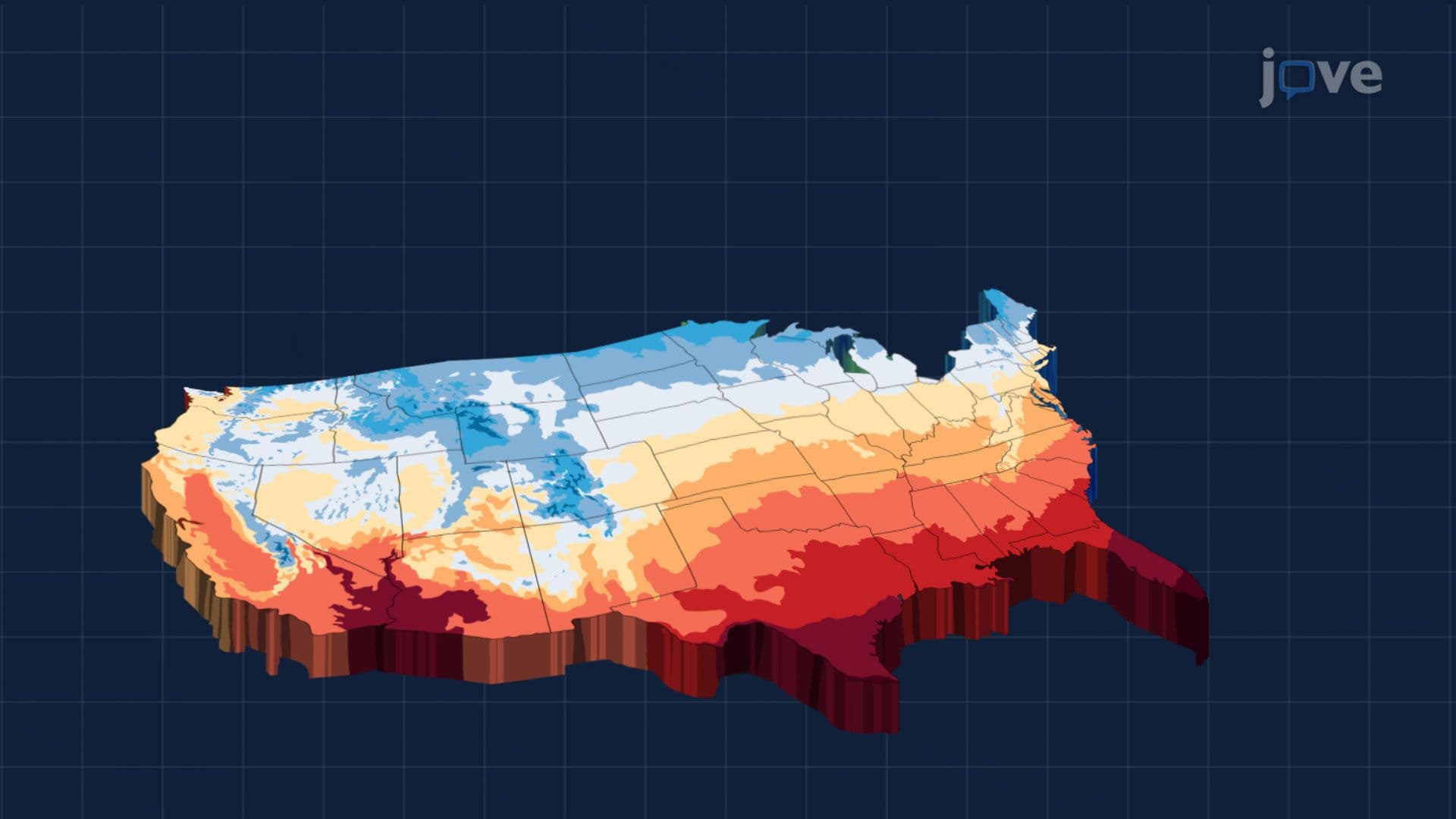
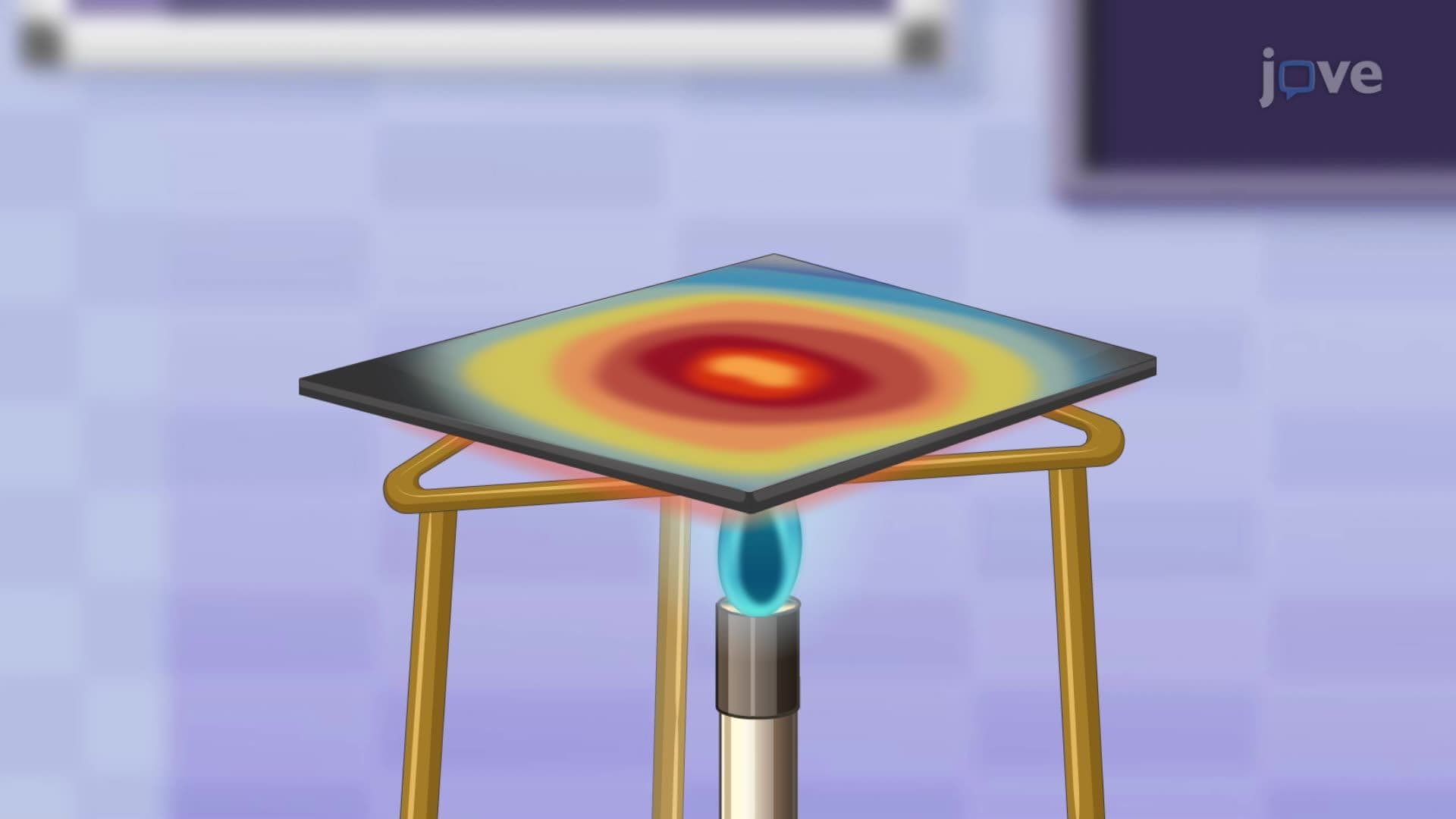
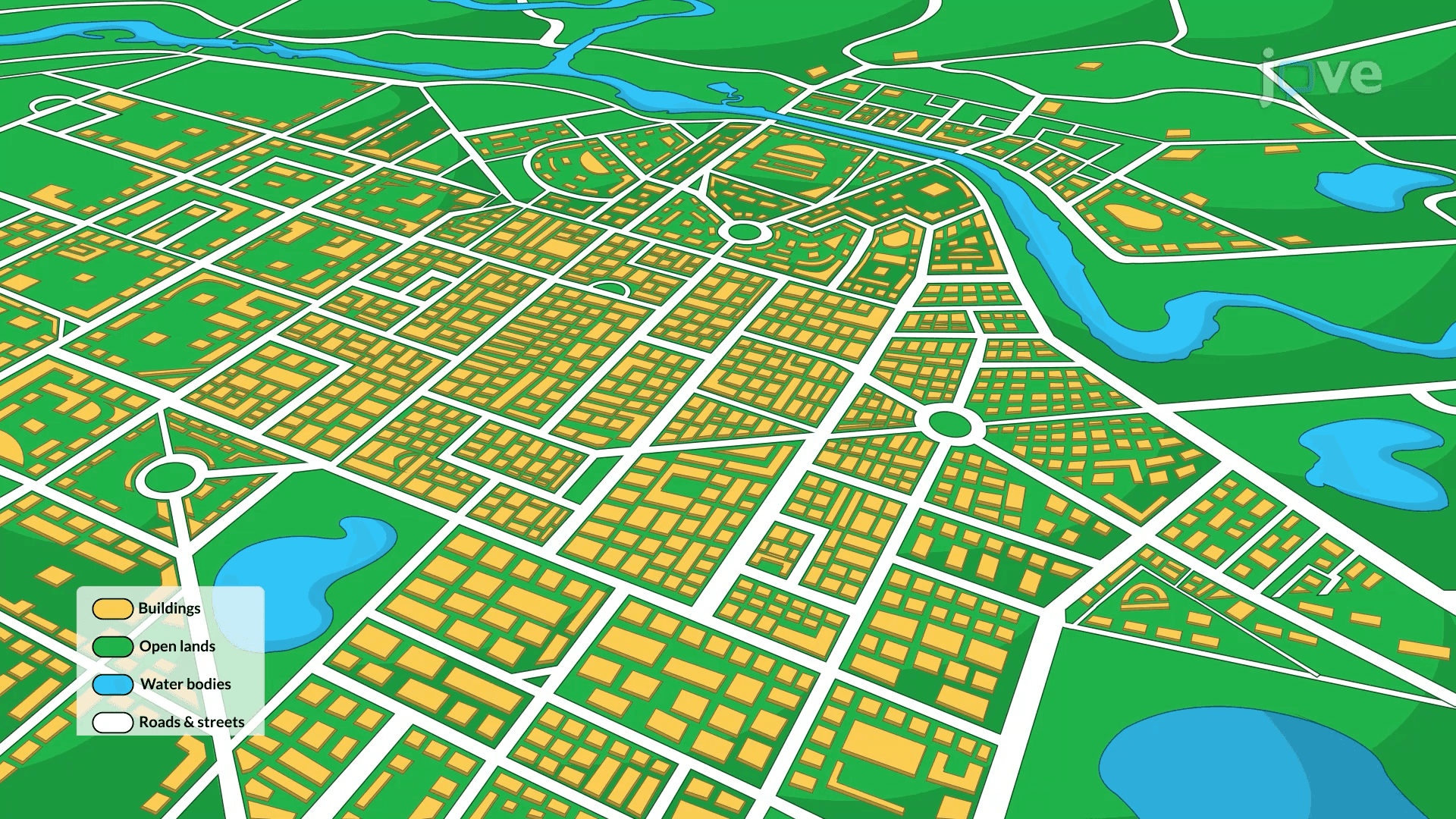
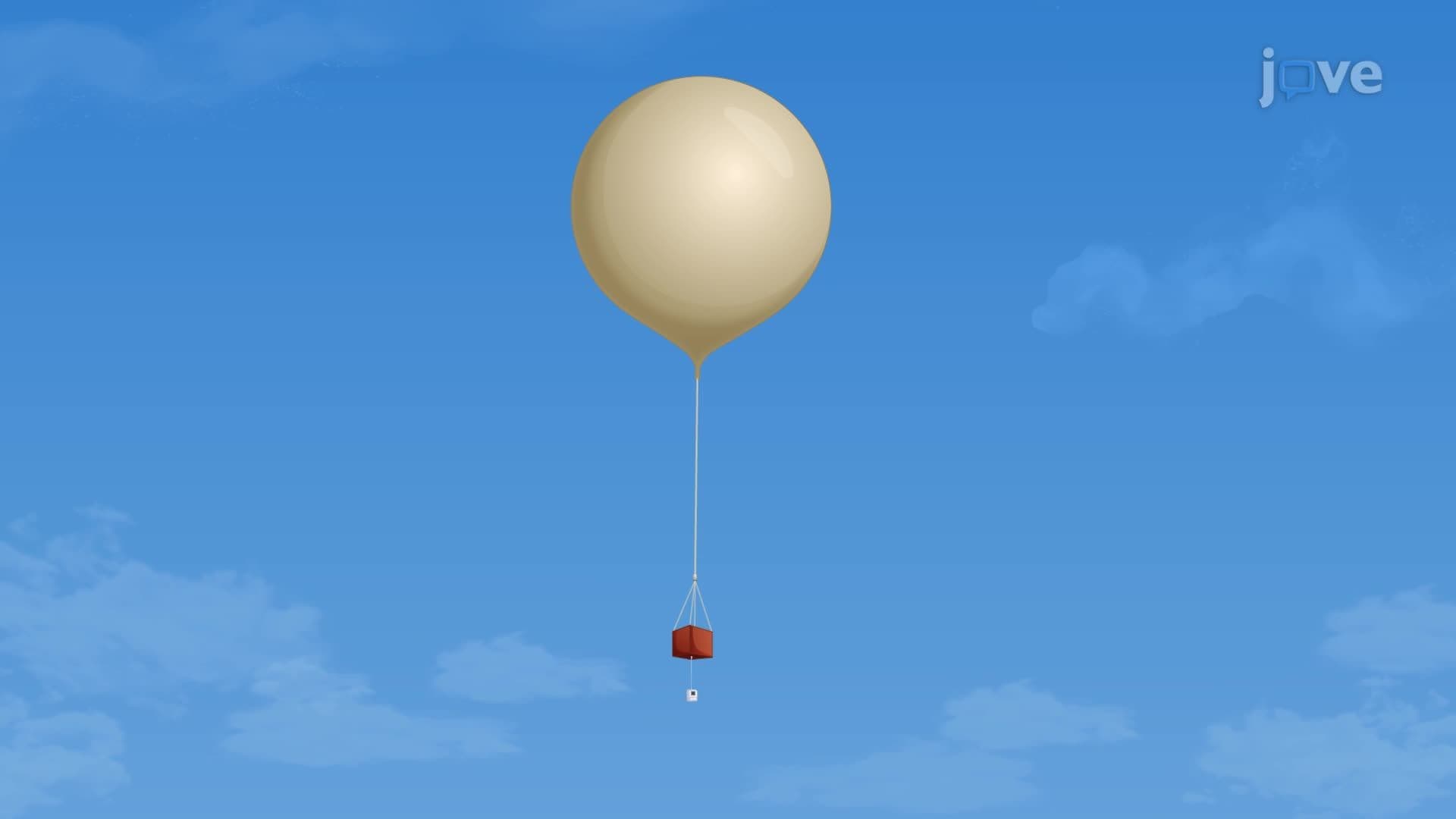
Partial derivatives are used across virtually every quantitative field in the United States. In economics, a firm's production function, like the Cobb-Douglas model taught in undergraduate microeconomics at schools like MIT and UC Berkeley, uses partial derivatives to compute *marginal productivity*, exactly the kind of analysis described in the assembly plant scenario. In climate science, meteorologists at NOAA use partial derivatives to model how temperature or pressure changes across geographic regions while time is held constant. In mechanical engineering, partial derivatives describe stress distribution across a material under load. Even in medical imaging, partial derivatives underpin the algorithms used in MRI processing. For AP Calculus BC students and college freshmen in Calculus III (Multivariable Calculus), partial derivatives typically appear in the second half of the course and on college midterms as both computational and conceptual problems.
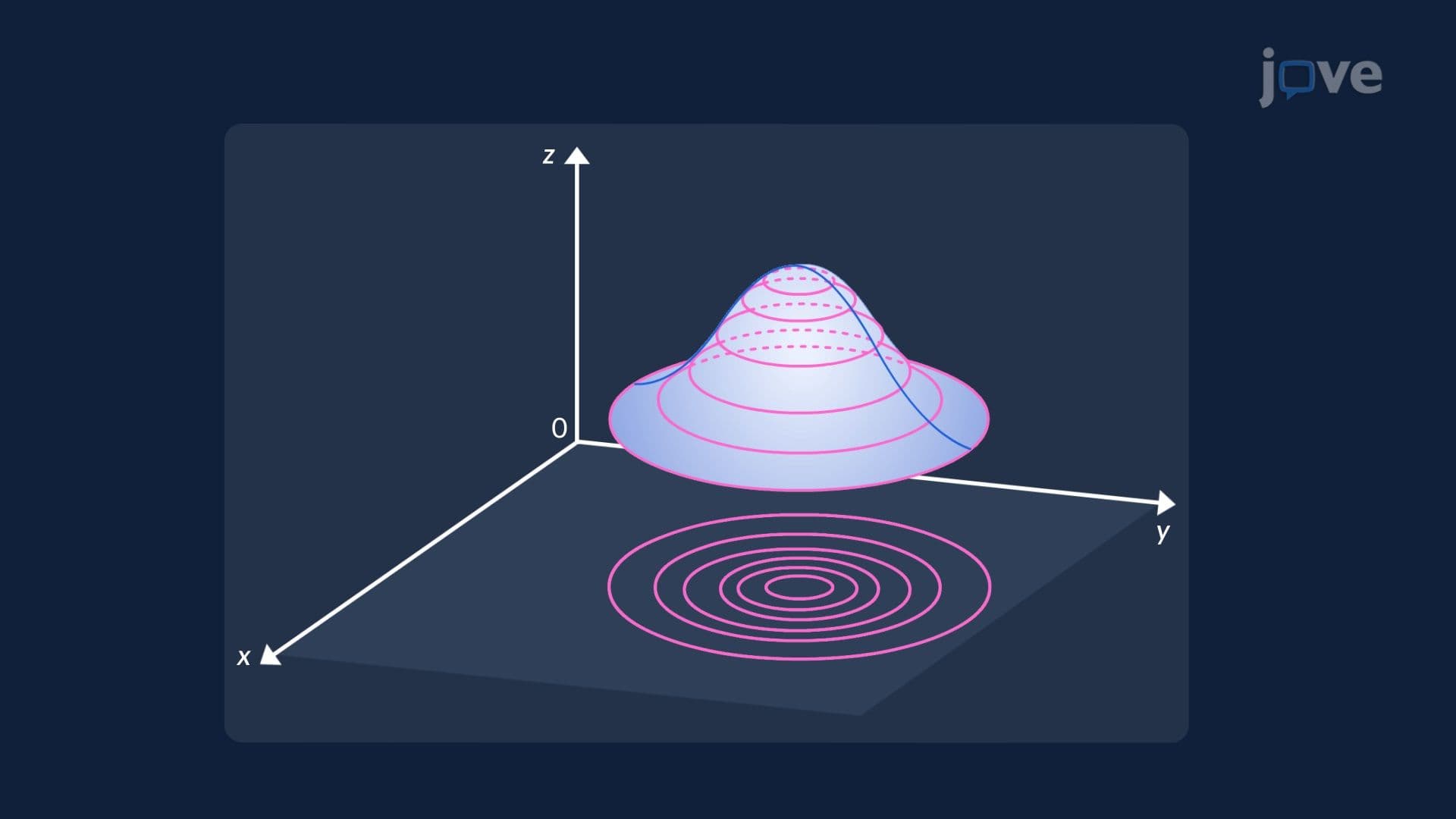
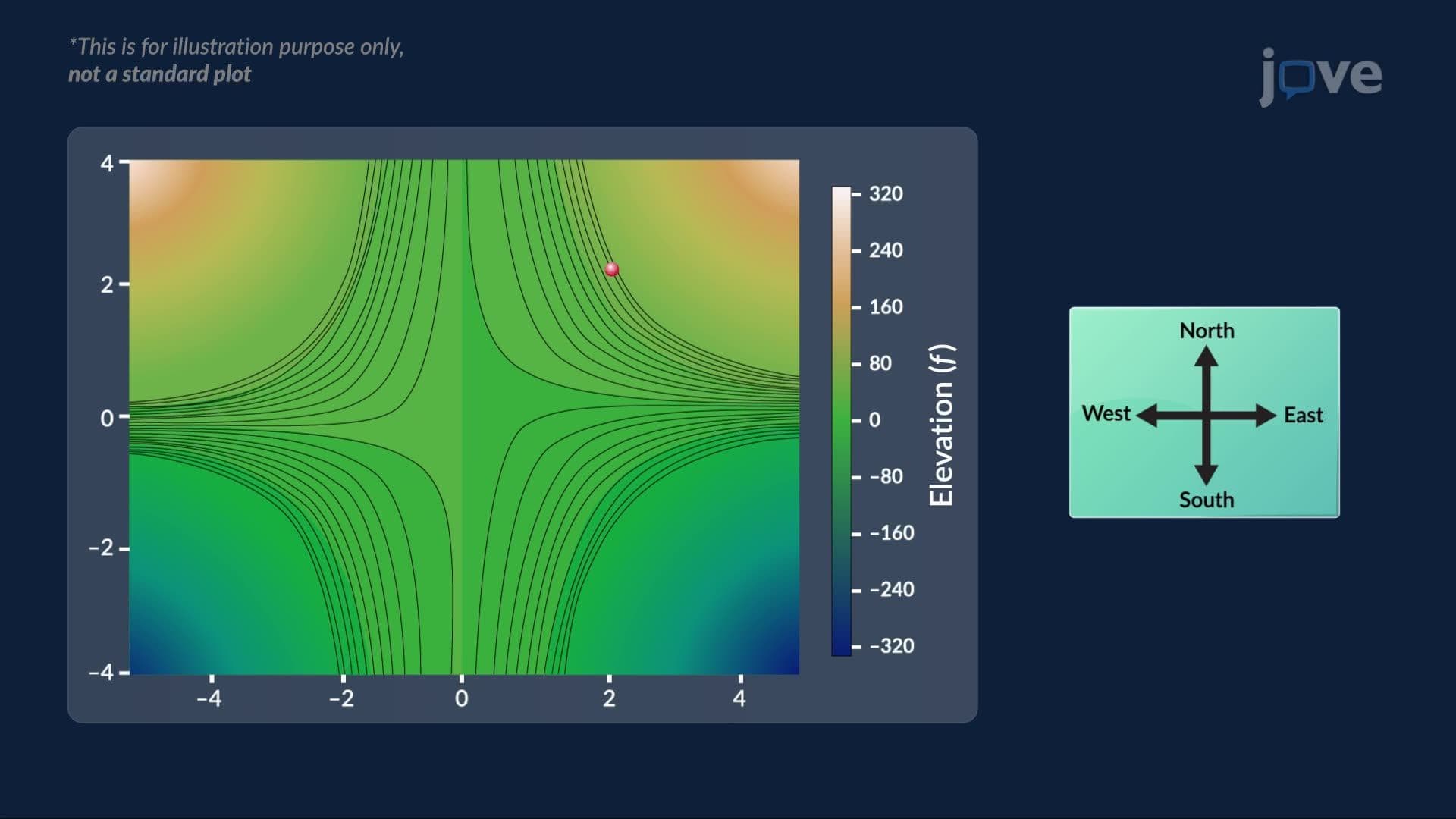
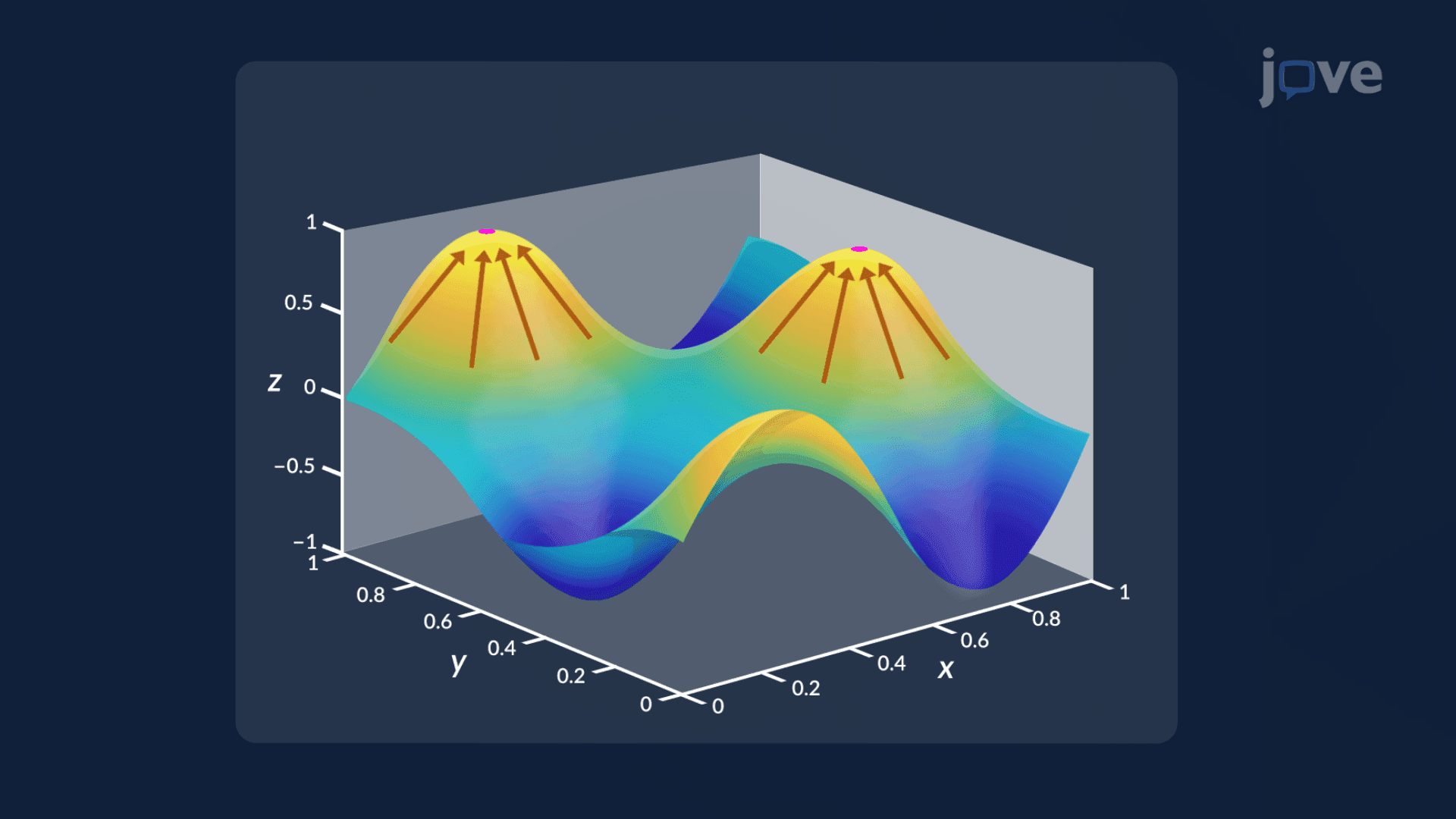
Once you understand partial derivatives, several powerful ideas follow naturally. The gradient of a function, a vector built from all of a function's partial derivatives, points in the direction of steepest increase on a surface, answering the question: *What is the geometric interpretation of the gradient vector?* Directional derivatives use the gradient to measure the rate of change in any chosen direction, not just along coordinate axes. Tangent planes generalize the idea of a tangent line: the partial derivatives at a point define the slope of the plane tangent to a surface at that point. Higher-order partial derivatives, such as ∂²F/∂x², describe how the rate of change itself is changing, and they appear directly in the second derivative test used to find local extrema of a multivariable function, a topic critical in optimization problems on college exams. The chain rule for partial derivatives handles composite multivariable functions, making it essential for physics and engineering coursework.
Related Micro-courses