Loading video…

 24 Concepts
 93 views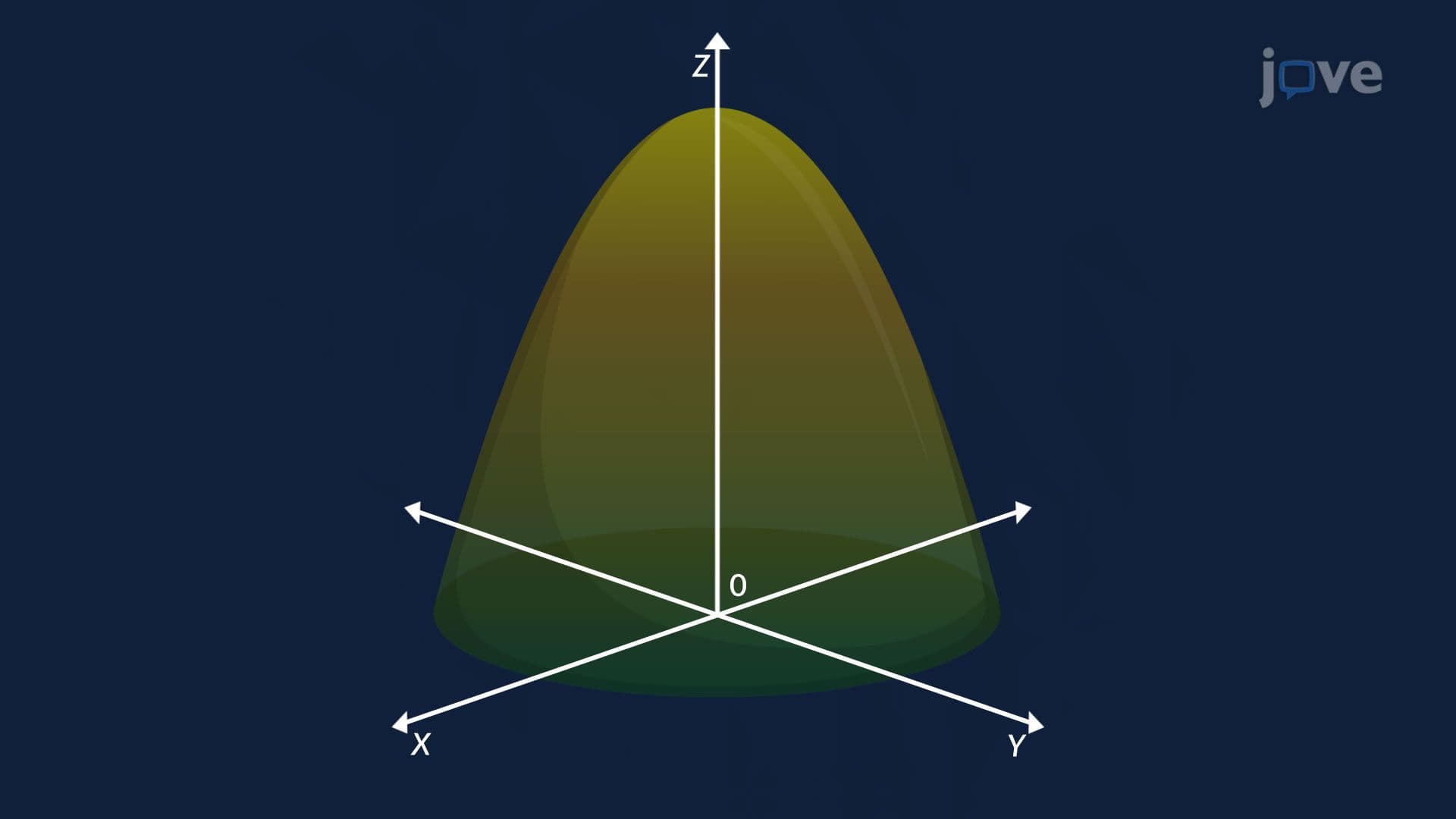

Video Summary: Maximization of Directional Derivative
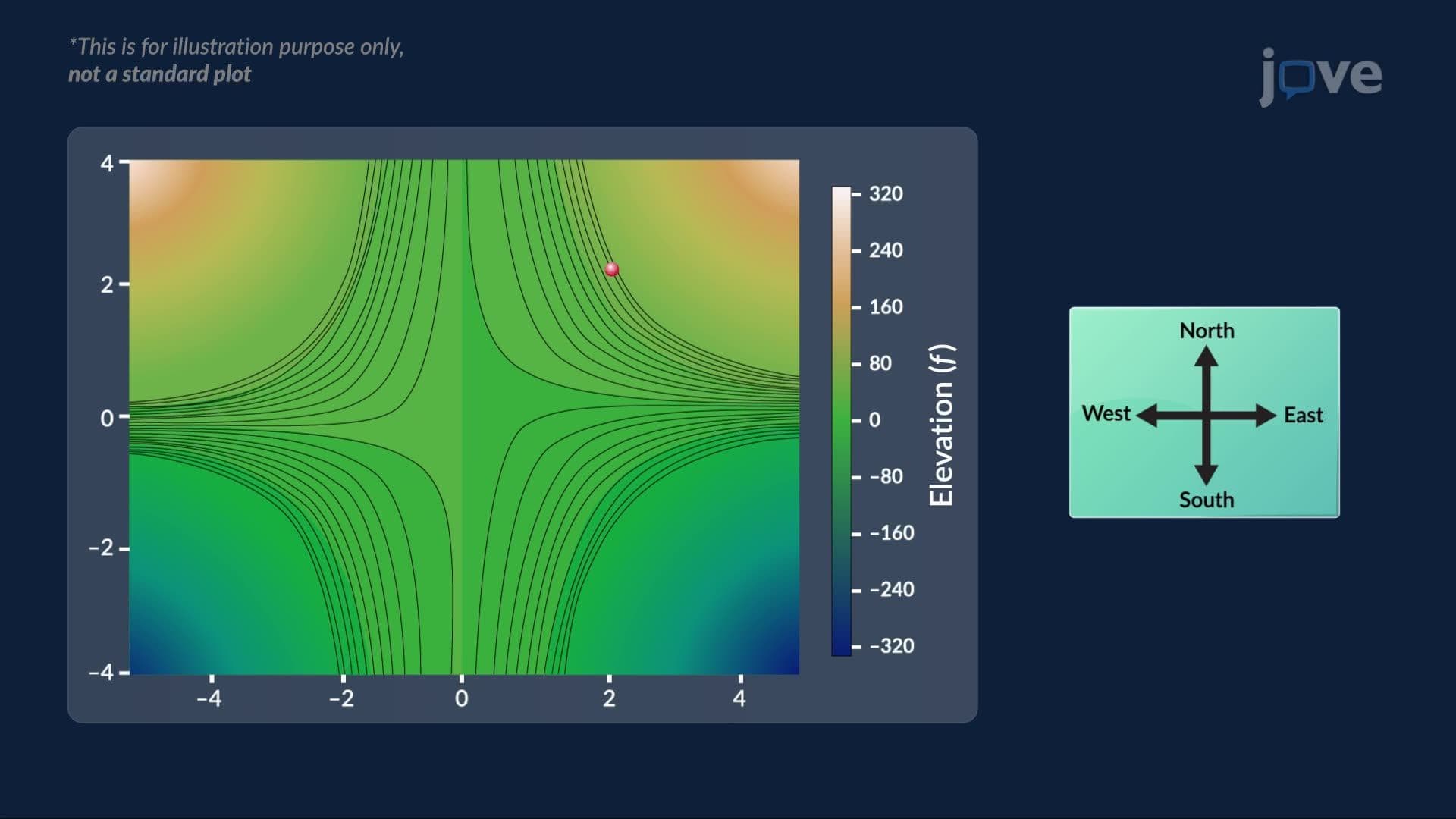
Did you know that a function can climb or fall at completely different rates depending on which direction you move? The maximization of directional derivative answers exactly which direction produces the steepest climb, a critical idea in multivariable calculus. Think of a hiker at Yosemite choosing the path with the greatest uphill slope. When the unit vector aligns perfectly with the gradient, cosine of the angle equals one, producing the absolute maximum directional derivative, equal to the gradient's magnitude. Watch the full video on JoVE Coach to master this concept with expert-led visuals and step-by-step explanations.
The maximization of directional derivative is one of the most elegant results in multivariable calculus: among all possible directions you can travel through a point on a surface, the gradient vector pinpoints the exact direction that produces the greatest rate of increase. This is not just a mathematical curiosity, it is a foundational principle used in optimization, engineering, and data science. To fully appreciate it, you need to understand what a directional derivative is, how the gradient relates to it, and why alignment between the two quantities maximizes the result.
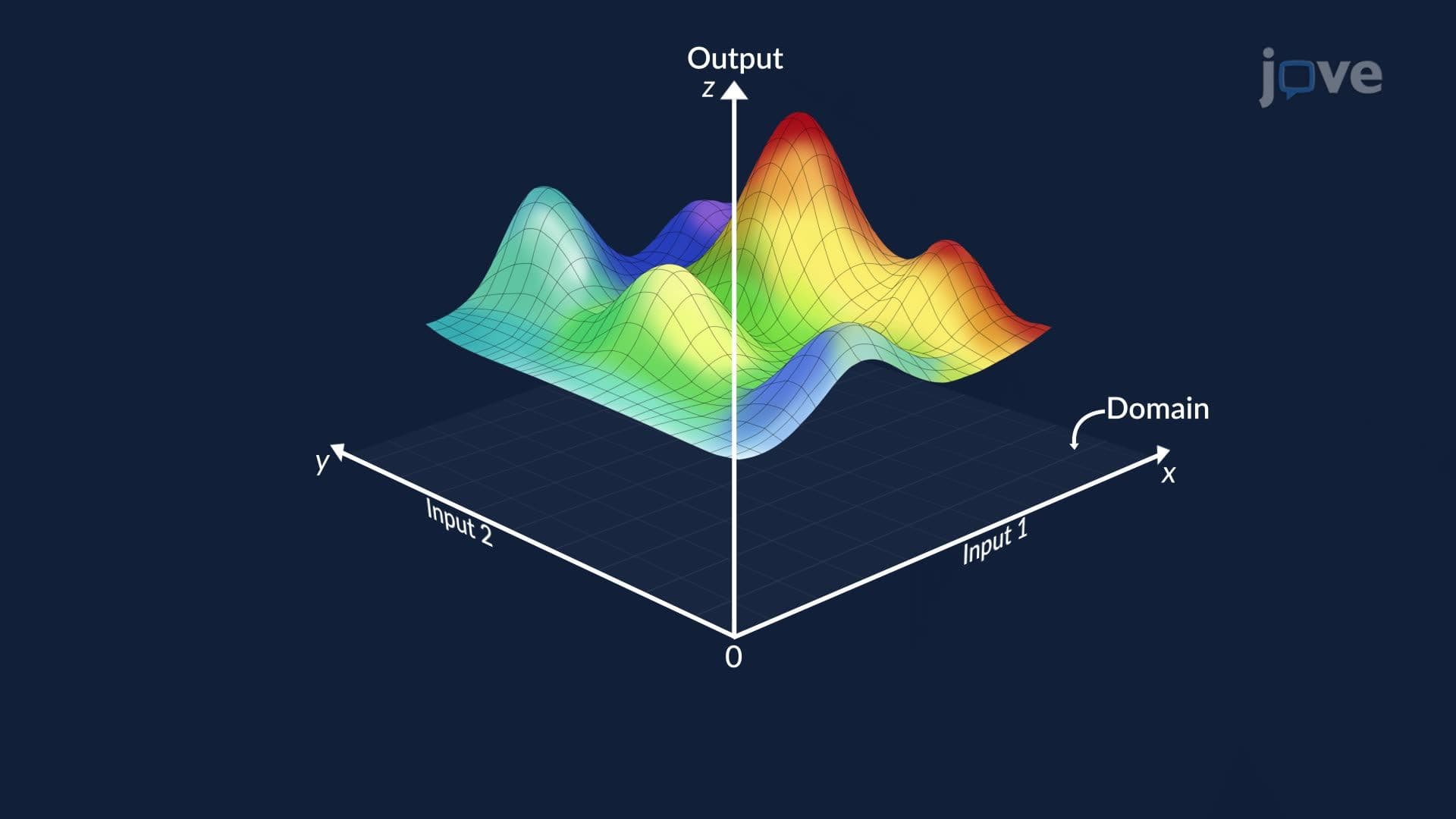
A directional derivative measures how a function f(x, y) changes as you move through a point in a specific direction, described by a unit vector u. Formally, the directional derivative D(u)f equals the dot product of the gradient vector grad(f) and u. Using the geometric definition of the dot product, this equals |grad(f)| times |u| times cos(theta), where theta is the angle between them. Because u is a unit vector, |u| = 1, simplifying the expression to |grad(f)| times cos(theta). This single formula contains the entire story of maximization. Since cos(theta) reaches its highest value of 1 only when theta = 0, meaning u and grad(f) point in exactly the same direction, the directional derivative is maximized precisely when you move parallel to the gradient.
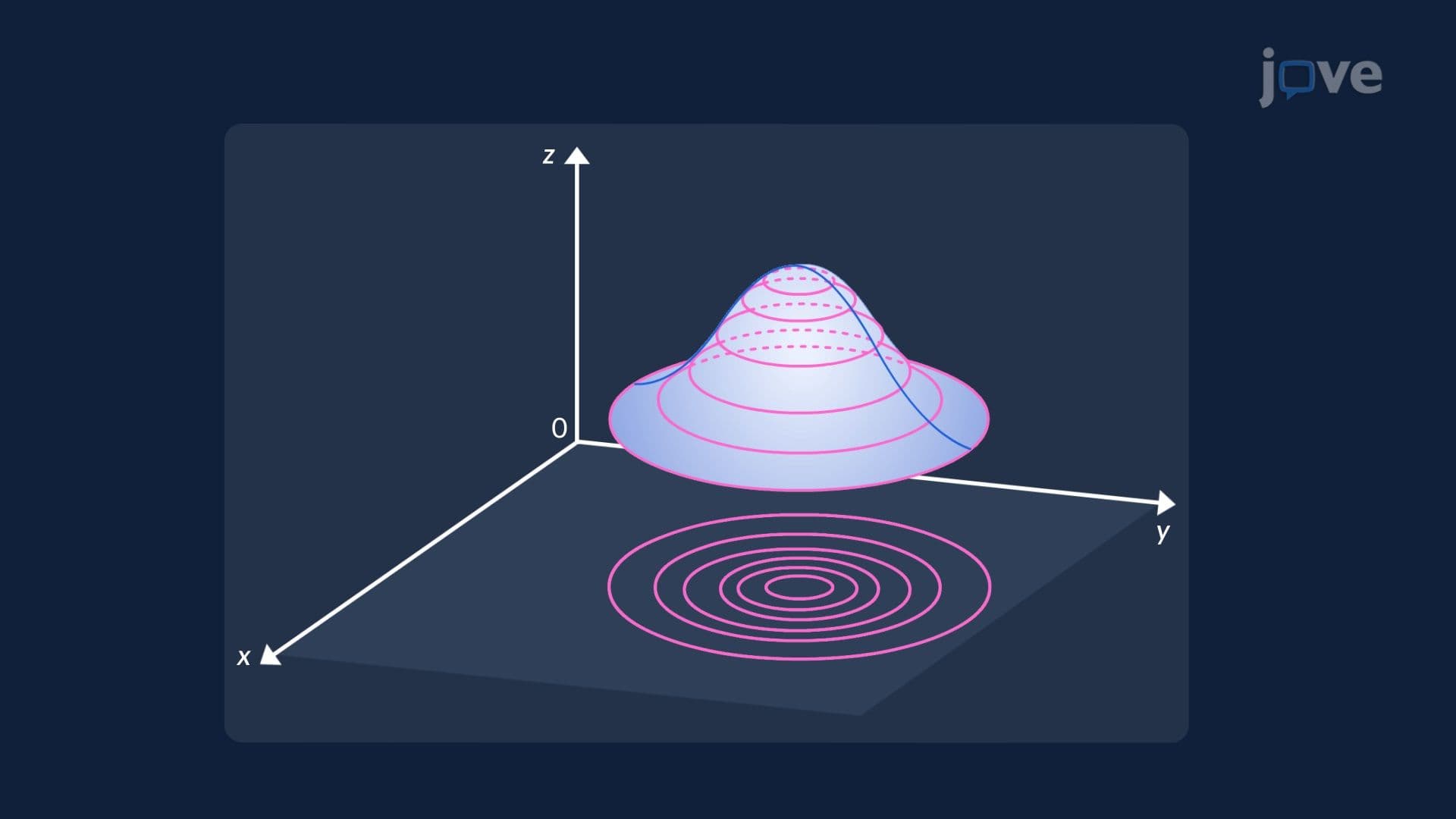
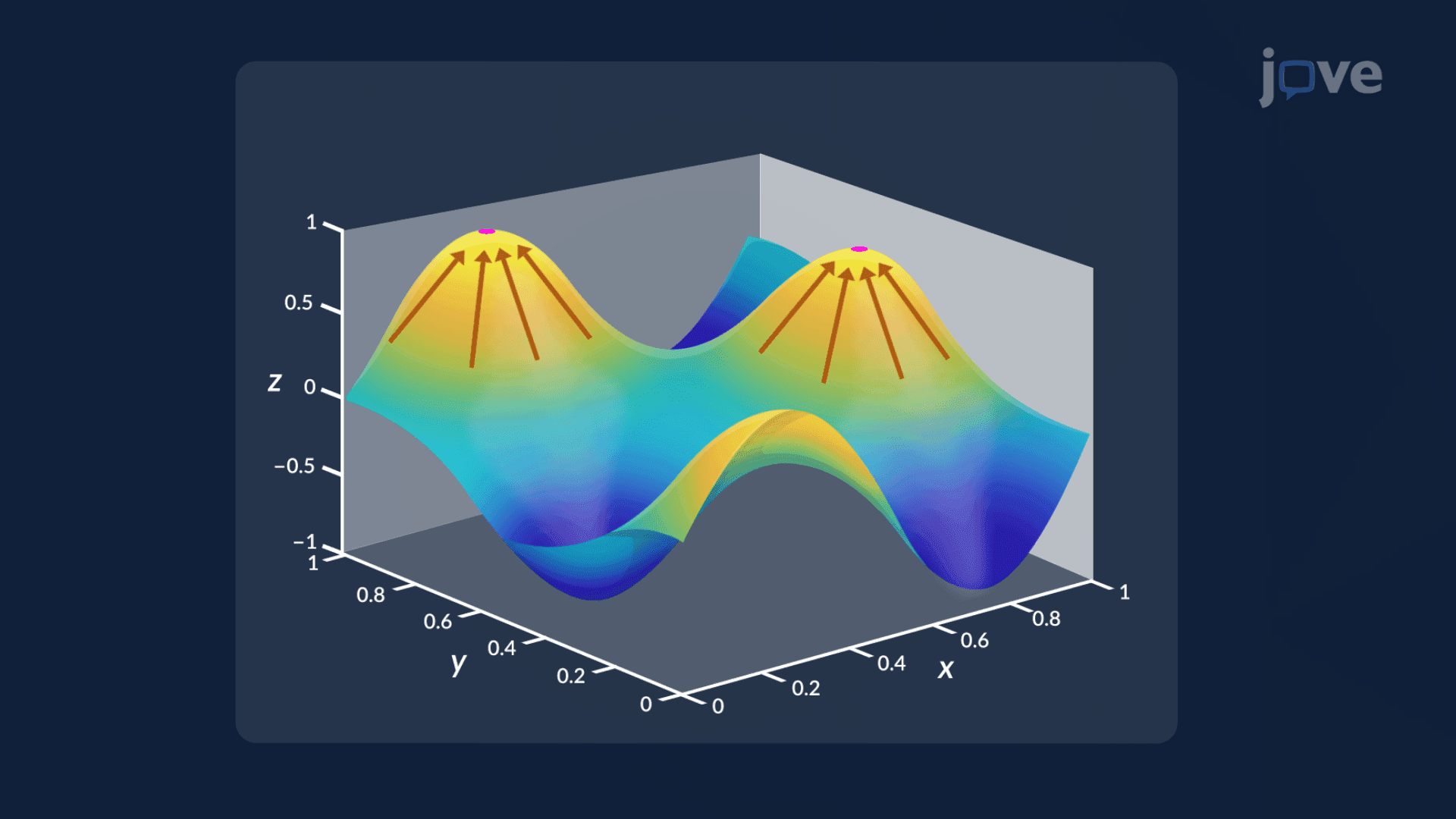
The geometric interpretation of the gradient vector answers one of the most common questions in a multivariable calculus course: What is the geometric interpretation of the gradient vector? The answer is that grad(f) at any point always points in the direction of the steepest ascent on the surface defined by f(x, y). Its magnitude, |grad(f)|, tells you exactly how steep that ascent is, this is the maximum possible value of the directional derivative at that point. Conversely, moving in the direction opposite to the gradient (-grad(f)) produces the steepest descent, and moving perpendicular to it yields a directional derivative of zero, meaning the function is neither increasing nor decreasing in that direction, a fact that directly connects to the concept of level curves and tangent planes.
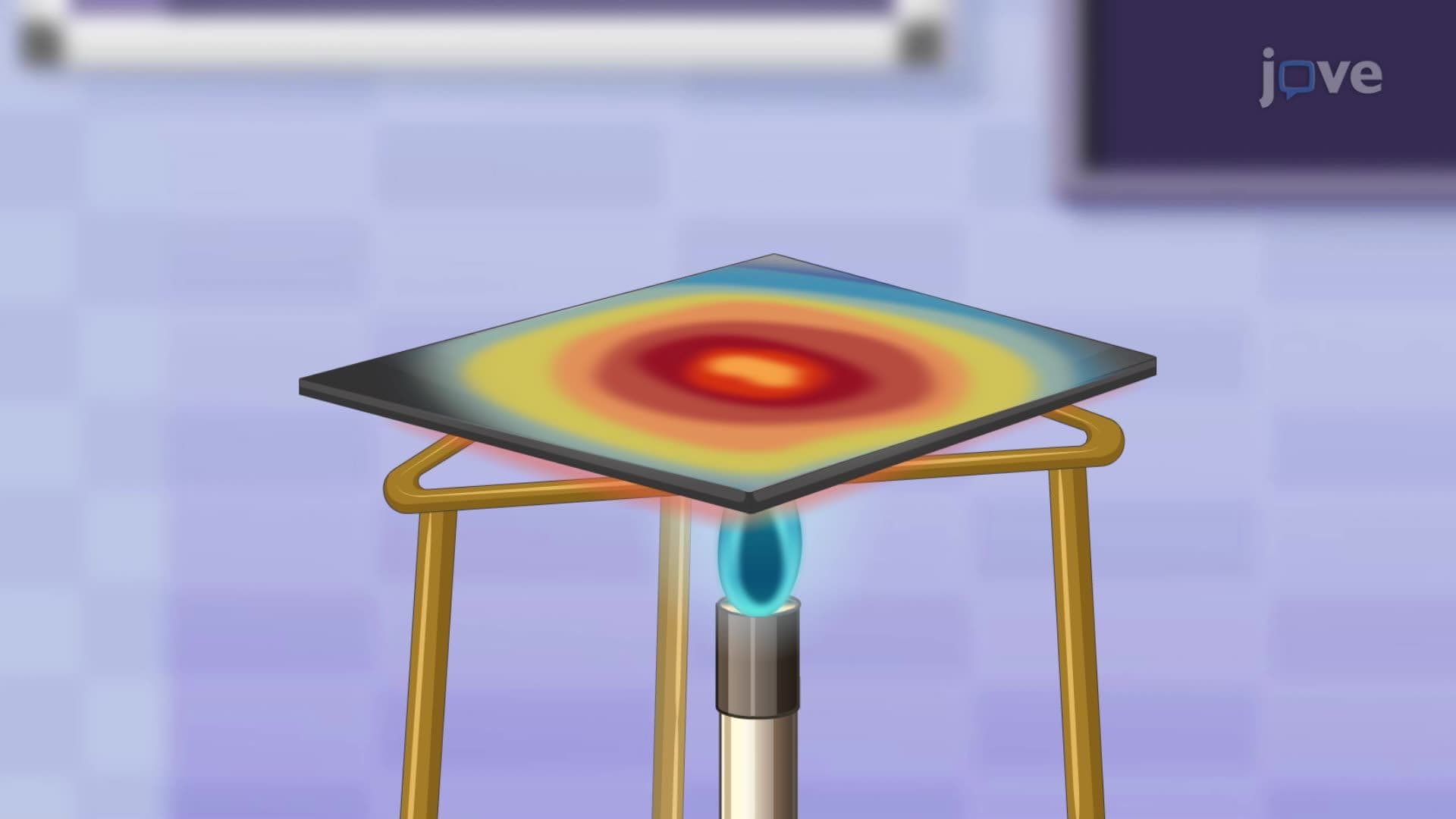
This concept appears prominently in college-level Calculus III courses at universities across the United States, including in curricula at MIT, UC Berkeley, and state school systems, and is foundational for students preparing for graduate-level mathematics, physics, or engineering. On college midterms and final exams, students are frequently asked to compute the maximum directional derivative of a given function at a specified point and identify the direction in which it occurs. Beyond the classroom, this principle drives gradient descent, the algorithm powering machine learning models at companies like Google and OpenAI, where the goal is to move in the direction of steepest descent to minimize a loss function. In physics, it describes how heat flows from regions of highest temperature to lowest, always in the direction of the negative gradient of the temperature function. Understanding the maximization of directional derivative also lays the groundwork for studying maximum and minimum values of functions of two variables, since critical points occur precisely where the gradient equals zero, meaning the maximum directional derivative is also zero in every direction.
Mastering this topic builds directly toward several adjacent ideas. The chain rule for partial derivatives governs how the gradient transforms when variables are substituted, and higher-order partial derivatives describe how the gradient itself changes across a surface. Together, these tools form the analytical backbone of optimization in two and three dimensions. Students who understand why the directional derivative is maximized when u aligns with grad(f) will find the jump to Lagrange multipliers, constrained optimization, and vector calculus significantly more intuitive.
Related Micro-courses